
汽车制造

Search documents
宇通客车(600066):2月销量点评:总销量同环比提升,出海新能源表现强势超预期
Changjiang Securities· 2026-03-08 09:12
Investment Rating - The investment rating for the company is "Buy" and it is maintained [6]. Core Insights - The company reported a total bus sales of 1,806 units in February 2026, representing a year-on-year increase of 15.0% and a month-on-month increase of 4.5%. The sales of medium and large buses were 1,410 units, with a year-on-year increase of 1.7% and a month-on-month increase of 6.5%. For January to February 2026, total bus sales reached 3,534 units, a decrease of 14.2% year-on-year, with medium and large bus sales down by 20.1% year-on-year [2][4][10]. - The company is recognized as a global leader in the bus industry, with good long-term growth potential and a strong ability to maintain high dividends, highlighting its investment value. In the domestic market, the growth of seated buses continues, supported by the "old-for-new" policy, which promotes the growth of new energy buses. In the overseas market, the company's globalization and high-end strategy are advancing, with exports demonstrating profitability, supporting continuous performance improvement [2][10]. Summary by Relevant Sections Sales Performance - In February 2026, the company sold 1,806 buses, with a year-on-year increase of 15.0% and a month-on-month increase of 4.5%. The sales for January to February 2026 totaled 3,534 units, down 14.2% year-on-year [2][4]. - The export volume in February included approximately 600 units, up from 312 units in the same month last year, with new energy exports reaching about 200 units, compared to 56 units last year [10]. Market Strategy - The company is enhancing its direct sales and service model, improving service quality and efficiency. The domestic market is expected to recover due to the "old-for-new" policy and the natural replacement cycle of new energy buses. In the overseas market, the company is accelerating its expansion, with the first overseas new energy commercial vehicle factory established in Qatar, designed for an initial annual output of 300 units, expandable to 1,000 units [10]. Financial Outlook - The company is expected to have sufficient cash flow to support high dividends, with a projected total dividend of 3.32 billion yuan for 2024, translating to a dividend per share of 1.5 yuan (before tax) and a dividend payout ratio of 80.7%. The estimated net profits for 2025 and 2026 are 5.03 billion yuan and 5.87 billion yuan, respectively, with corresponding price-to-earnings ratios of 12.9X and 11.1X [10].

全国政协委员李书福:以甲醇为载体破解风光电消纳难题,助力绿色交通转型
中国能源报· 2026-03-08 08:53
Core Viewpoint - The article emphasizes the importance of methanol as a key carrier for absorbing surplus wind and solar energy, addressing the bottleneck of overcapacity and insufficient consumption in the renewable energy sector, while also providing a new pathway for green transformation in transportation to support China's "dual carbon" goals [2][4]. Group 1: Wind and Solar Energy Development - Wind and solar energy are identified as China's core advantages in the energy sector, with cumulative installed capacity expected to reach 1.84 billion kilowatts by the end of 2025, accounting for 47.3% of the total installed power capacity, surpassing thermal power for the first time [2]. - Despite the significant growth, overcapacity and insufficient consumption of wind and solar energy are major challenges hindering high-quality development in the industry [2]. Group 2: Methanol in Transportation - The proposal for promoting methanol electric trucks is aimed at addressing the green transformation needs in the transportation sector, where road freight accounts for nearly 73% of the market, and traditional diesel vehicles pose significant emissions challenges [3]. - Methanol electric trucks offer advantages such as economic efficiency, environmental benefits, and suitability for low-temperature environments, with fuel costs 32% to 52% lower than diesel and a range exceeding 1,500 kilometers [3]. Group 3: Infrastructure and Policy Recommendations - To facilitate the adoption of methanol electric trucks, it is recommended that transportation departments prioritize their promotion and increase their application ratio, while also establishing methanol refueling facilities along key logistics corridors [3]. - Currently, over 900 methanol refueling stations have been established in key regions, with expectations to reach 4,000 by the end of 2027 [3]. - The establishment of national standards for green methanol and supportive industrial policies for CO2 and hydrogen capture for methanol production is crucial for the industry's scalable development [4].


乘用车需求有望边际改善,关注燃气发电链、优质整车及汽零
Orient Securities· 2026-03-08 07:13
Investment Rating - The report maintains a neutral investment rating for the automotive and parts industry [5] Core Insights - Passenger car demand is expected to marginally improve, with a focus on quality complete vehicles and auto parts companies [2][11] - The government emphasizes expanding domestic demand and promoting consumption, with specific measures to support the automotive sector, including a special bond of 250 billion yuan for consumer upgrades and a 100 billion yuan fund to stimulate demand [8][11] - The North American power shortage continues to validate the need for gas-fired power generation, with a growing demand for gas turbine and generator companies [12] - Recent financing trends indicate market confidence in the robotics industry, with the upcoming release of Tesla's Optimus V3 expected to catalyze growth in the robotics supply chain [13] Summary by Sections Investment Suggestions and Targets - Strong alpha auto parts companies are expected to withstand industry risks and achieve revenue and profit growth. Key sectors to watch include gas power generation, humanoid robotics, liquid cooling, and advanced driving technology [3][13] - Recommended stocks in the gas power generation sector include Silver Wheel Co., Ltd. and Weichai Power; in the liquid cooling sector, recommended stocks include Invec, Silver Wheel Co., Ltd., Top Group, and others; in the robotics sector, recommended stocks include New Spring Co., Ltd., Top Group, and others; in the advanced driving sector, recommended stocks include Jingwei Hirain Technologies and others; for complete vehicles, recommended stocks include BYD, SAIC Motor, and others [3][13] Sales Tracking - In February, brands such as Hongmeng Zhixing, Leap Motor, and NIO showed significant year-on-year sales growth, with Hongmeng Zhixing delivering 28,200 vehicles, a 31.1% increase year-on-year [14][40] - The overall passenger car market was weak in January-February due to policy transitions, but demand is expected to gradually release starting in March as subsidy details are announced [11][12] Market Trends - The automotive sector overall is under pressure, with the automotive index down 2.6%, underperforming the broader market [24] - Key companies showed mixed performance, with BYD up 4.81% while others like Silver Wheel Co., Ltd. saw an increase of 11.41% [25]



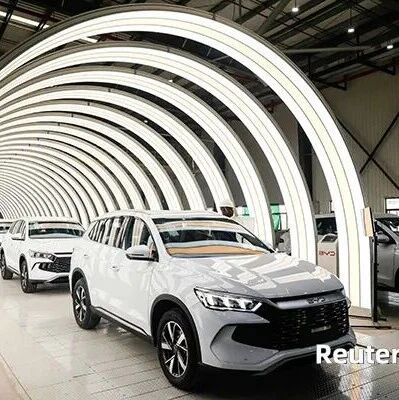
EV变局(1)比亚迪改写世界版图
日经中文网· 2026-03-08 00:35
Core Viewpoint - BYD is reshaping the global electric vehicle (EV) landscape, having surpassed Tesla in sales across over 20 countries in the past five years, and is projected to become the global leader in EV sales by 2025 [2][8]. Group 1: Sales Performance - BYD's sales in the UK surpassed Tesla for the first time in 2025, marking a significant milestone for the company [3]. - In 2025, BYD is expected to achieve the title of global EV sales leader, with a notable presence in 22 countries, including the UK, Hong Kong, and Singapore [8]. - The average price of BYD's passenger vehicles in China is projected to be 114,000 yuan in 2025, showcasing its competitive pricing strategy [8]. Group 2: Global Expansion Strategy - BYD has rapidly expanded its global sales, entering 113 countries and regions within four years since 2021, emphasizing the need for speed to outpace competitors [7]. - The company is pragmatically entering markets like Uruguay by initially focusing on commercial vehicles, establishing relationships with local governments and dealers [10]. - With the opening of the Qianhai Port in 2025, transportation times for goods from Asia to South America have been significantly reduced, facilitating BYD's market entry [10]. Group 3: Challenges and Market Dynamics - BYD faces challenges in the North American market, with plans for a new passenger vehicle factory in Mexico being canceled due to political pressures [11]. - The EU has implemented standards to exclude Chinese vehicles, creating additional barriers for BYD's expansion in Europe [13]. - Domestic sales in China are projected to decline by 10% in 2025, impacting overall performance and leading to a decrease in revenue for the first time in 21 quarters [11][15].

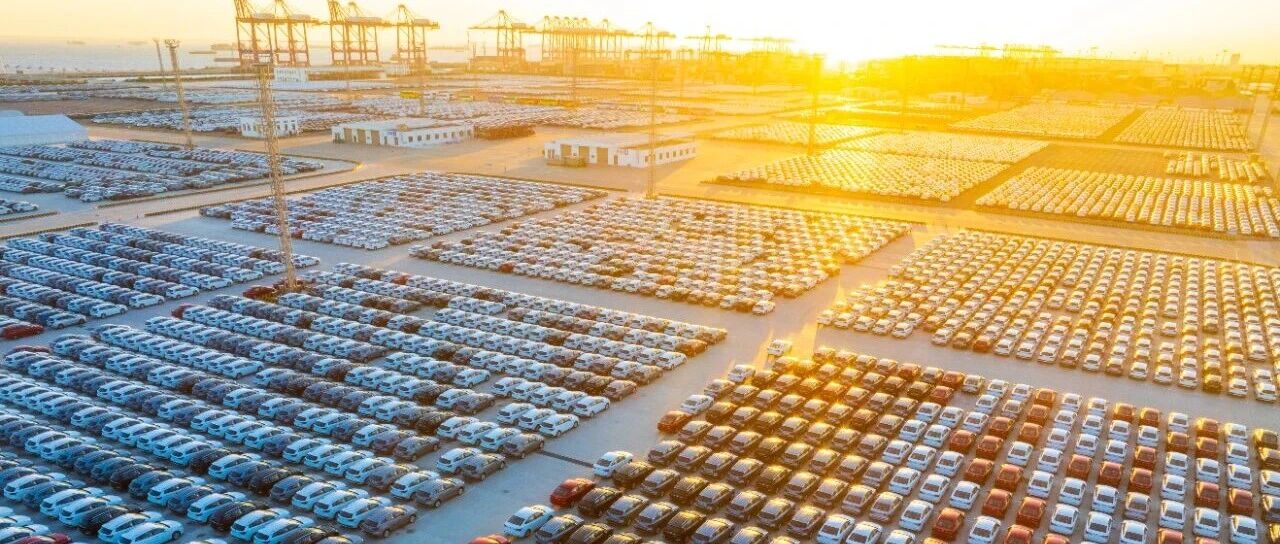
下一个五年,中国汽车该往哪走?
汽车商业评论· 2026-03-07 23:06
Core Viewpoint - The article emphasizes the significant advancements and future directions of China's automotive industry, particularly in the context of the government's strategic initiatives and the integration of new technologies such as artificial intelligence and smart driving [3][6][17]. Group 1: Government Report Highlights - The government report highlights that China's annual production of new energy vehicles has surpassed 16 million units, and the number of electric vehicle charging facilities has exceeded 20 million [3]. - The automotive industry has achieved a production and sales volume exceeding 34 million units, with exports ranking first globally for three consecutive years [3][6]. - The report outlines 20 key indicators, many of which are related to the automotive industry, emphasizing the importance of new production capabilities and the integration of emerging industries [3][6]. Group 2: Smart Driving and Regulations - Smart driving has emerged as a primary topic during the national two sessions, with a consensus on the need to improve legal frameworks and standards for high-level autonomous driving [10][15]. - The industry is transitioning from technology validation to large-scale commercial application, with L2-level driving assistance penetration expected to exceed 60% by 2025 [10][11]. - Suggestions include establishing a unified standard for autonomous vehicles and enhancing public understanding of the technology to facilitate its adoption [13][15]. Group 3: Artificial Intelligence Integration - The term "Artificial Intelligence+" is highlighted as a key focus, with the government aiming to integrate AI into various sectors, including manufacturing and smart driving [18][22]. - The core industry scale of AI is projected to exceed 1.2 trillion yuan, with over 6,200 companies involved [18][22]. - The emphasis is on optimizing product supply and deepening industry applications to unlock traditional and emerging market potentials [22][23]. Group 4: Energy System Diversification - The article discusses the need for a diversified energy supply system to support the growing demand for new energy vehicles, emphasizing the importance of establishing a standardized battery swapping system and promoting hydrogen energy [28][30]. - The development of hydrogen energy and methanol vehicles is highlighted as crucial for achieving energy security and reducing emissions [31][35]. - The establishment of a unified hydrogen refueling standard and infrastructure is recommended to enhance the efficiency and adoption of hydrogen fuel cell vehicles [31][34]. Group 5: Global Expansion and Quality Improvement - China's automotive exports reached 7.098 million units in 2025, marking a 21.1% increase year-on-year, with a focus on transitioning from quantity to quality in exports [52][55]. - The need for standardization and compliance in international markets is emphasized, with suggestions for building a common database for overseas market regulations to assist companies in navigating complex environments [56][57]. - The article advocates for collaborative efforts among automotive brands to enhance competitiveness in global markets [58]. Group 6: Talent Development and Supply Chain Security - The article stresses the importance of securing the supply chain and cultivating high-quality talent to support the automotive industry's transition to high-quality development [60][64]. - Recommendations include establishing innovation alliances among state-owned enterprises and educational institutions to address the challenges of talent shortages and technological independence [61][63]. - The need for a new educational framework to develop interdisciplinary talent in the automotive sector is highlighted, with suggestions for integrating practical training with academic education [65]. Group 7: Social Responsibility and Accessibility - The automotive industry is urged to focus on social responsibilities, particularly in enhancing accessibility for the elderly and rural consumers [67][69]. - Suggestions include improving charging infrastructure in rural areas and developing a "silver-friendly" travel ecosystem to accommodate the aging population [68][69]. - The article also discusses the need for a comprehensive approach to enhance the availability of accessible transportation services, including the establishment of standards for barrier-free taxis [73].




比亚迪公布国际专利申请:“极片、电芯单元、电池和用电设备”
Sou Hu Cai Jing· 2026-03-07 21:39
Group 1 - The core point of the article is that BYD has filed an international patent application for a technology related to battery components, indicating its ongoing innovation efforts in the battery sector [1] - The patent application number is PCT/CN2025/116213, with an international publication date set for March 5, 2026 [1] - In 2023, BYD has announced a total of 460 international patent applications, representing a significant increase of 467.9% compared to the same period last year [1] Group 2 - In the first half of 2025, BYD invested 29.596 billion yuan in research and development, which is a year-on-year increase of 50.84% [1]

新一批混合动力皮卡招标 谁能拿下?
第一商用车网· 2026-03-07 13:51
Core Viewpoint - The Chongqing Water Supply Company is initiating a procurement project for 20 units of new energy (hybrid) pickup trucks, indicating a shift towards sustainable transportation solutions in municipal services [1][2]. Group 1: Project Overview - The project is located at the Chongqing Water Supply Company [2]. - The procurement involves 20 units of new energy (hybrid) pickup trucks [3]. - Delivery is required within 40 days after the contract signing [3]. Group 2: Bidding Requirements - Bidders must be legally established entities in China with corporate status [4]. - If bidders are agents or distributors, they must possess authorization from the manufacturer [4]. - Joint bids are not accepted for this tender [4]. Group 3: Tender Document Acquisition - Interested bidders can download the tender documents from the Chongqing Public Resources Trading Network starting from March 4, 2026 [5]. - The cost of the tender document is 1,000 yuan, non-refundable [5]. Group 4: Submission of Bids - The deadline for bid submission is March 2, 2026, at 09:30 AM (Beijing time) [6]. - Late submissions or those not delivered to the specified location will be rejected [7]. Group 5: Contact Information - The contact for the bidding entity is the Chongqing Water Supply Company, with additional details provided for the bidding agency [8].
前2月福田欧曼销1.5万辆增40% 燃气/载货/新能源多点开花!| 头条
第一商用车网· 2026-03-07 09:00
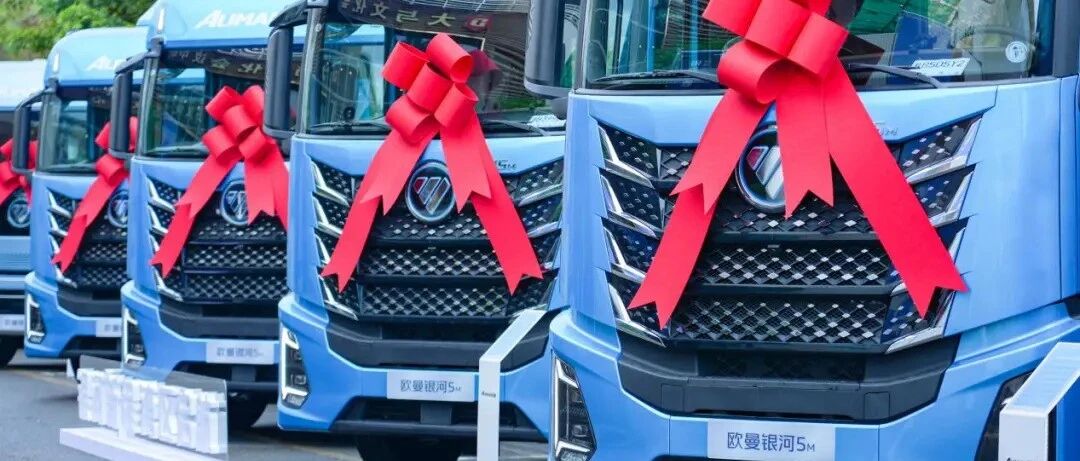
Core Viewpoint - Foton Motor's heavy truck sales have shown a strong growth momentum, with a 47% year-on-year increase in sales for January-February 2026, continuing the upward trend since 2025 [1][2]. Group 1: Sales Performance - In January-February 2026, Foton's heavy truck sales reached 24,000 units, with the main brand, Auman, contributing 15,000 units, reflecting a 40% year-on-year growth [2]. - Auman's sales in various segments have also seen significant increases: gas tractors up 18%, cargo trucks up 66%, and specialized vehicles up 548% [2][4]. Group 2: Strategic Positioning - Auman heavy trucks are positioned as a leading brand in the domestic heavy truck sector, guided by Foton's forward-looking strategy focusing on internationalization, new energy, and intelligence [2][4]. - The company has developed a diverse product matrix, including models like Galaxy 9, Galaxy 7, and Galaxy 5, to meet the demands of different transportation scenarios [4][12]. Group 3: Product Development and Innovation - Auman has invested in its proprietary "three electric" system, enhancing energy efficiency and reliability, which has garnered positive feedback from users [4][11]. - The company has conducted extensive real-world testing of its electric trucks in extreme conditions, ensuring performance reliability in various operational scenarios [9][11]. Group 4: Market Expansion and Customer Engagement - Auman has successfully delivered vehicles in regions like Ningxia, Fujian, and Guangdong, demonstrating its strong product capabilities [5][7]. - The company hosted customer appreciation events and product launch conferences, achieving significant sales agreements and enhancing its market presence [7][12].

比亚迪车“扛住”导弹?千问技术负责人离职,马云现身谈AI;西贝被曝缓发工资,裁员赔偿分期;30万买12瓶茅台,6瓶鉴定为假酒|| 大件事
Sou Hu Cai Jing· 2026-03-07 07:20
Group 1 - Lin Junyang, the core leader of Qwen, announced his departure from the company, causing significant attention in the global AI open-source community [1][2][4] - Lin, aged 33, has a strong academic background with degrees from Peking University and has been pivotal in the development of the Qwen series of open-source models since joining Alibaba in 2019 [4] - The Qwen team recently launched the Qwen 3.5 series of models, which are designed for deployment on edge devices, and announced a rebranding decision to unify their B-end and C-end brands under "Qwen" [5] Group 2 - Xibei, a restaurant chain, has been reported to delay salary payments and offer severance pay in installments, leading to employee dissatisfaction [8][12] - The company has faced financial difficulties, with reports indicating a cumulative loss exceeding 600 million since September 2025, prompting plans to close around 102 stores [12][13] - Xibei's recent financing round increased its registered capital by approximately 13%, indicating some level of investor confidence despite ongoing operational challenges [12] Group 3 - Hailan Home has been suspended from participating in military procurement activities due to contract violations, which may impact its valuation as it approaches a secondary listing in Hong Kong [14][16] - The company has experienced stagnant revenue growth since 2019, with a notable decline in net profit in recent years [15][16] Group 4 - BYD's vehicle was reportedly damaged by an Iranian missile explosion, but the car's structure remained intact, raising discussions about its safety features [18][20] - Military experts suggest that the incident's outcome was largely coincidental, emphasizing the need for a rational perspective on such events [22] Group 5 - A customer in Sichuan purchased 12 bottles of "50-year Moutai" for 308,000 yuan, but subsequent inspections revealed several bottles to be counterfeit [24][27] - The incident highlights ongoing issues with counterfeit products in the Moutai market, despite the company's efforts to combat fraud [27]

比亚迪公布国际专利申请:“门体、折叠门、集装箱和储能系统”
Sou Hu Cai Jing· 2026-03-07 07:20
Group 1 - BYD has announced an international patent application titled "Door Body, Folding Door, Container, and Energy Storage System" with application number PCT/CN2025/098681, which is set to be published internationally on March 5, 2026 [1] - In 2023, BYD has filed a total of 455 international patent applications, representing a significant increase of 461.73% compared to the same period last year [1] - For the first half of 2025, BYD invested 29.596 billion yuan in research and development, marking a year-on-year increase of 50.84% [1]