
茶饮

Search documents
开店最高补5万元!沪上阿姨为何重金砸加盟?
Nan Fang Nong Cun Bao· 2025-11-05 15:12
Core Insights - The company "沪上阿姨" is significantly increasing its subsidies for franchise partners, particularly targeting those with experience in the tea and coffee industry, to attract high-quality partners and enhance its brand reputation and profitability [8][11][37] Group 1: Franchise Policy Changes - The new franchise policy includes a reduction of the franchise fee by 15,000 yuan for first-time store owners, along with additional subsidies for equipment, logistics, and decoration [3][4] - Experienced franchisees in the tea and coffee sector can receive up to 50,000 yuan in subsidies, a substantial increase from the previous policy [8][12] - New partners who authorize two stores within 30 days can receive a material subsidy of 20,000 yuan [10] Group 2: Store Expansion and Performance - As of the latest financial report, "沪上阿姨" operates 9,436 stores, with 905 new openings and 645 closures, indicating a slowdown in expansion [12][36] - The majority of the stores, 99.7%, are operated by franchisees, with plans for 1,164 new franchise stores to be opened by existing franchisees in 2024 [13][14] Group 3: Market Strategy and Seasonal Preparation - The company aims to leverage the off-peak season to prepare for the upcoming consumer peak during the holiday season, ensuring new stores are operational in time for increased demand [25][26] - The strategy includes attracting franchisees through subsidies to ensure timely openings, aligning with the holiday shopping surge [27] Group 4: Supply Chain and Financial Performance - "沪上阿姨" has established a comprehensive supply chain network, including 13 major warehouses and various cold chain facilities, which supports its operational efficiency and cost management [29][30] - Following its IPO, the company's stock price has dropped over 50%, indicating pressure on its market performance and the need for strategic adjustments [33][36]


品牌门店成为旅行的“情绪目的地” ?泡泡玛特、MUJI的在地化新叙事
3 6 Ke· 2025-11-05 11:44
Core Insights - The article discusses how brand stores are becoming "emotional destinations" for travelers, with a significant increase in cross-regional travel during the recent holiday period, estimated at 2.433 billion trips [1] Group 1: Brand Store Trends - More tourists are not just visiting attractions but are actively seeking unique brand stores in local areas, enhancing their cultural consumption experience [1][7] - The concept of "localized storytelling" is categorized into three types: local guide stores, collector's item stores, and exhibition stores [7] Group 2: Local Guide Stores - Local guide stores integrate into new commercial districts, creating a sense of local identity. They cater to tourists' desires for both exploration and familiarity [8] - An example is the tea brand "Cha Bai Dao," which collaborates with local culture in Chengdu, incorporating traditional elements into its store design [8][12] Group 3: Collector's Item Stores - Collector's item stores use natural or cultural landscapes as their backdrop, positioning the brand as the "best viewing platform" [17] - M Stand, a coffee chain, exemplifies this by creating a store in Urumqi that features local cultural elements, attracting travelers [18][22] Group 4: Exhibition Stores - Exhibition stores, like those of MUJI and Starbucks, focus on creating immersive experiences that blend local culture with brand identity [28] - Starbucks has opened several non-heritage concept stores that showcase local craftsmanship and art, enhancing the cultural experience for customers [29][34] Group 5: Consumer Experience - The article emphasizes that providing a multi-sensory consumer experience is crucial for offline retail, with localized store designs being a key strategy [44] - The goal is to create unique environments that resonate with consumers, transforming casual visitors into brand advocates [44]


茉莉奶白破局“茶饮下半场”:2000门店的品牌成功实现抗周期增长
Yang Zi Wan Bao Wang· 2025-11-05 11:27
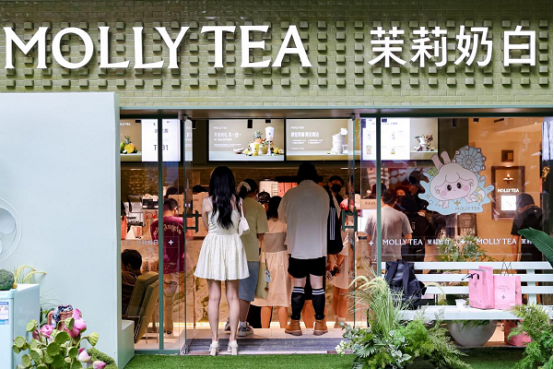
Core Insights - The Chinese new tea beverage industry is experiencing continuous expansion, but the growth momentum has clearly shifted [1] - The company, Jasmine Milk White, emphasizes both quality and quantity through strict franchisee selection, standardized operational training, and ongoing management supervision to ensure stable product and service output at its stores [1] Expansion Strategy - Jasmine Milk White employs a flexible expansion system combining direct sales and franchising, maximizing channel potential [3] - Direct stores serve as "innovation laboratories" for brand image display, product development testing, and operational standard output, while franchise stores are the main force for penetrating diverse consumer scenarios [3] - The company has successfully extended its network to regions such as Xinjiang, Tibet, and Inner Mongolia, showcasing strong brand influence [3] Product Innovation - To avoid transient popularity, Jasmine Milk White focuses on "structural innovation" by moving away from reliance on single hit products [3] - The company has developed a product matrix around a "floral tea base," including four major series: floral fresh tea, cloud-top tea, fruit milk, and modern specialty tea [3] - The product strategy of "high-frequency new launches + long-term retention" has significantly improved the success rate of new products [3] Brand Differentiation - By combining solid product strength with scale effects, Jasmine Milk White is moving beyond simple price competition to establish unique brand premium capabilities through a "tea + fragrance + space" composite experience [5] - The brand's proposition of "beauty in harmony" is manifested through a rich product line, flexible space design, and self-expressive marketing activities, creating a difficult-to-replicate brand premium [7] Industry Trends - The industry is transitioning from "barbaric growth" to "refined operations," with Jasmine Milk White demonstrating that brands must balance scale and quality, innovation and stability, as well as product and emotional connection to maintain a competitive edge [9]
湖南品牌柠季三赴进博会 向世界讲述中国茶饮出海故事
Zhong Guo Jing Ji Wang· 2025-11-05 06:30
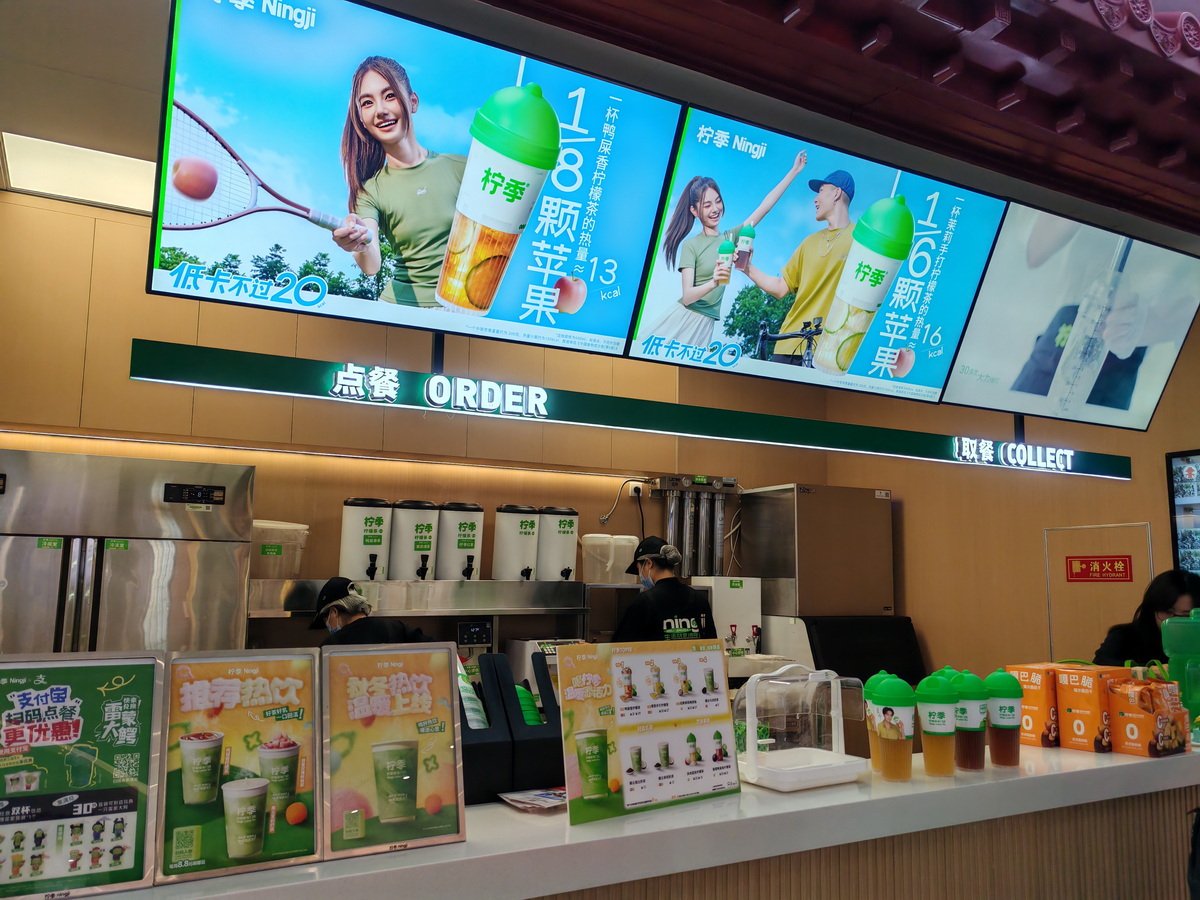
Core Insights - The 8th China International Import Expo (CIIE) is being held in Shanghai from November 5 to 10, showcasing the new image of Chinese tea beverages in the context of digitalization and globalization [1] - Ningji, a rising tea beverage brand from Changsha, is presenting its classic products and the trendy IP "Little Alligator Raymond" at the expo, emphasizing its youthful and vibrant brand image [3] Company Strategy - Ningji has integrated digitalization into its brand DNA since its inception, achieving comprehensive intelligence from business front-end to decision-making back-end [3] - The company has established a supply chain empowerment system through external collaborations and a data-driven closed-loop process for product development and market launch [3] Supply Chain and Logistics - To support its national strategy, Ningji has built five regional distribution centers across China, ensuring fresh fruit delivery to thousands of stores daily [4] - The company employs innovative preservation technology and temperature-controlled logistics in collaboration with logistics firms like SF Express, ensuring fresh delivery of ingredients from warehouses to stores [4] Global Expansion - Ningji is actively exploring international markets, with 33 overseas signed stores in countries like Malaysia, Singapore, Australia, and Cambodia [5] - The brand adopts a differentiated strategy for market expansion, focusing on franchise opportunities in Southeast Asia while refining its direct sales model in the U.S. [5] Brand Development - Ningji aims to enhance its global market influence by researching consumer preferences in target markets and integrating local cultural elements into its brand strategy [5] - The company continues to strengthen its product and system capabilities, showcasing the vitality and innovative power of new-style Chinese tea beverage brands [6]
服务产业迎政策利好,新消费景气持续
Haitong Securities International· 2025-11-04 10:31
Group 1 - The service industry is expected to benefit from favorable policies, with a significant increase in service consumption anticipated in 2026 due to continuous policy support and demand dividends [3][7][11] - The report highlights the structural growth in emotional value and symbolic consumption, particularly in the IP toy industry, which is rapidly realizing commercial value [3][7][9] - The retail industry is undergoing a transformation towards a decentralized model, with traditional retail facing intense competition and new channels like discount stores and community supermarkets emerging [3][7][9] Group 2 - The report emphasizes the importance of optimizing holiday arrangements and integrating cultural tourism to stimulate demand, particularly for families with children [12][15] - The service consumption structure in China shows significant room for growth, with the current per capita service consumption being much lower than that of developed countries [29][30][32] - The tea and coffee beverage market in China is experiencing rapid growth, with the market size expected to increase significantly, driven by consumer demand in lower-tier cities [56][58][59] Group 3 - The online travel agency (OTA) market is projected to maintain stable profit margins, with companies like Trip.com leading in growth despite slight slowdowns in overseas markets [48][54] - The hotel industry is seeing a gradual improvement in operating data, with a narrowing decline in revenue per available room (RevPAR) expected to continue [37][40][43] - The report indicates that the demand for travel and tourism services is stable, with business travel being a significant source of fluctuations in demand [40][41]



茉莉奶白破局“茶饮下半场”:2000门店的它为何成功实现抗周期增长?
Sou Hu Cai Jing· 2025-11-04 10:26
Core Insights - The Chinese new tea beverage industry is experiencing continuous expansion, but the growth momentum has shifted significantly, with industry growth rates expected to stabilize between 5% and 7% by the third quarter of 2025, down from previous high growth rates of over 20% [1] - Despite the overall slowdown, the brand Jasmine Milk Tea has opened 2,000 stores, representing over 200% growth compared to the end of 2024, showcasing strong anti-cyclical resilience and becoming a model for growth in the industry [1] Expansion Strategy - Jasmine Milk Tea employs a flexible expansion system combining direct sales and franchising, effectively releasing channel potential and adapting to various consumer scenarios [2] - The brand has successfully penetrated core business districts in first, second, and new first-tier cities, extending its network to regions like Xinjiang, Tibet, and Inner Mongolia, demonstrating strong brand reach [2] - The company has developed four store types to match different scenarios, achieving comprehensive coverage from shopping malls to communities and campuses, transforming from mere brand presence to lifestyle companionship [2][3] Product Innovation - To maintain consumer attraction amid rapid store expansion, Jasmine Milk Tea focuses on structural innovation, moving away from reliance on single hit products to a diverse product matrix centered around floral tea bases [4] - The brand's product strategy includes high-frequency launches and long-term offerings, significantly increasing the success rate of new products, such as the "Needle King Apple" series selling over 14 million cups in its first year [4] - This approach creates a virtuous cycle of product introduction, customer attraction, and repeat purchases, serving as a core engine for the brand's sustained growth [4] Brand Positioning - Jasmine Milk Tea aims to build brand premium by creating a composite experience that integrates tea, fragrance, and space, moving beyond simple price competition [6] - The brand enhances customer engagement through immersive sensory experiences in store design, making locations appealing emotional spaces for young consumers [7] - Collaborative marketing efforts with cultural icons and themed events further strengthen the brand's emotional connection with consumers, establishing a unique brand identity [9] Global Expansion - 2024 marks the year Jasmine Milk Tea begins its international expansion, entering the mature U.S. market and achieving significant monthly sales figures, providing valuable operational experience for future growth [10] - The brand has expanded its global footprint to include nearly 30 stores across the U.S., Canada, and Australia, recognized as a top innovator in the new tea beverage sector [12] - The company's success illustrates a new growth logic in the tea beverage industry, emphasizing anti-cyclical franchise systems, flexible business models, continuous structural innovation, and emotional brand value as key competitive advantages [12]
星巴克中国“让贤”仅保留40%股权,借力博裕投资坐望2万家门店
Sou Hu Cai Jing· 2025-11-04 06:13
Core Insights - Starbucks has announced a strategic partnership with Boyu Capital to establish a joint venture for its retail operations in China, with Boyu holding up to 60% equity and Starbucks retaining 40% [1] - The estimated enterprise value of the joint venture is approximately $4 billion, and Starbucks anticipates the total value of its retail business in China to exceed $13 billion [1] - The new joint venture will be headquartered in Shanghai and aims to expand the number of Starbucks stores in China from 8,000 to 20,000 in the future [1] Company Strategy - Starbucks CEO Brian Niccol emphasized that Boyu's local market expertise will accelerate Starbucks' expansion in China, particularly in smaller cities and emerging regions [2] - The company reported significant growth in its retail presence, with 8,011 stores in 1,091 county-level cities by the end of fiscal year 2025 [2] - In response to market competition, Starbucks implemented its largest price adjustment in 26 years, reducing prices on key products by an average of 5 yuan, which contributed to revenue growth [2] Market Challenges - Despite the positive results from its expansion strategy, Starbucks faces challenges in penetrating the lower-tier markets, where competitors like Luckin Coffee have a significant presence [3][5] - Data indicates that the majority of coffee shop locations are concentrated in new first-tier and second-tier cities, while brands targeting lower-tier markets have a higher percentage of their stores in those areas [3] - The entry of various tea brands into the coffee market poses additional challenges for Starbucks as it seeks to establish a foothold in non-first and second-tier cities [5] Investment Landscape - The sale of Starbucks' equity in China has attracted interest from over 20 private equity firms, with potential valuations reaching $10 billion [6] - Boyu Capital, founded in 2011, has a strong investment track record in the consumer market, managing a fund size of $10 billion and holding stakes in over 200 companies [7] - Boyu's recent acquisition of a significant stake in Beijing SKP, a leading luxury department store, highlights its strategic investment approach in the evolving Chinese consumer market [8] Industry Transformation - The coffee market in China is undergoing significant changes, with high-end brands like Starbucks needing to adapt to the competitive landscape dominated by local brands [10] - The shift in consumer preferences and market dynamics necessitates a transformation for mid-to-high-end foreign brands, which must navigate the challenges of maintaining their brand identity while appealing to a broader audience [10]

茶底升级背后,甜啦啦让茶饮回归产品本身
Bei Ke Cai Jing· 2025-11-04 03:33
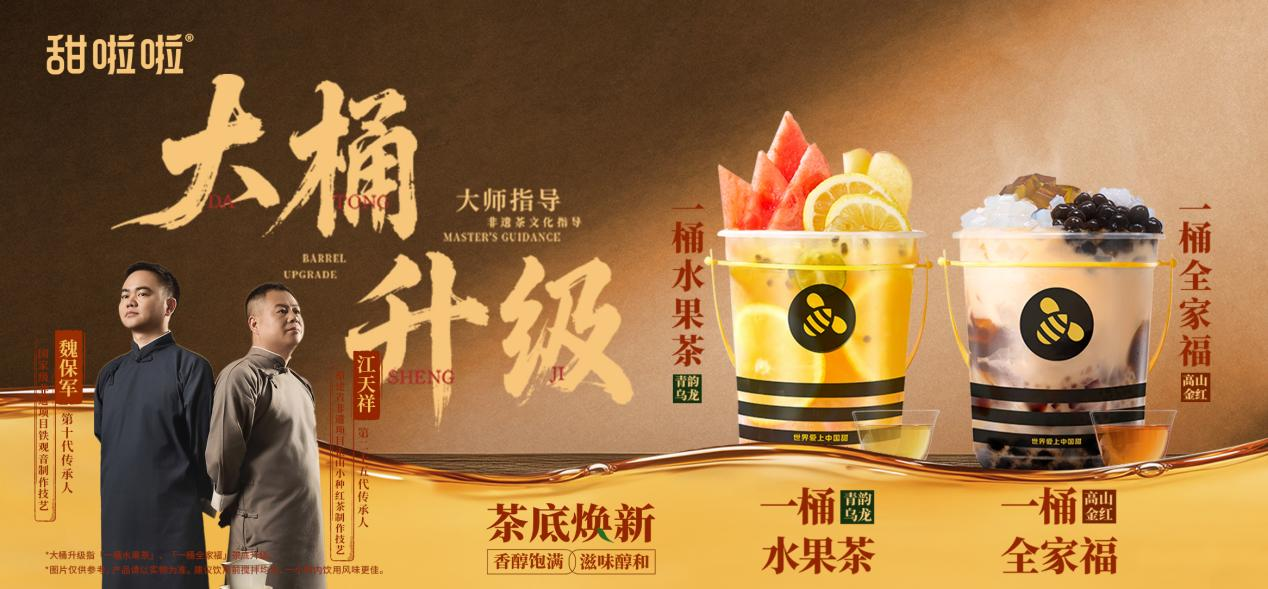
Core Insights - The new tea beverage industry is experiencing a decline in co-branding marketing, with brands shifting focus back to product quality and development [1][9] - Sweet Lala has upgraded its popular products "One Barrel Fruit Tea" and "One Barrel Family" by enhancing the tea base with guidance from intangible cultural heritage tea masters, aiming for a higher quality and cultural integration [3][4][6][17] Industry Trends - The new tea beverage sector is entering a new competitive phase, emphasizing product quality over marketing gimmicks [1][9] - The industry has evolved from using instant tea powders to premium tea leaves, with a current trend towards integrating traditional tea-making techniques and cultural heritage [13] Company Developments - Sweet Lala's tea base upgrade is a strategic move to meet the expectations of young consumers for quality products, showcasing the brand's commitment to quality and innovation [9][12] - The brand has established a robust supply chain, ensuring high-quality raw materials and cold chain logistics, achieving nearly 100% nationwide cold chain coverage [12][13] Product Innovations - Sweet Lala's recent product upgrades include the "One Barrel Fruit Tea" and "One Barrel Family," which now feature "Qingyun Oolong" and "High Mountain Jin Hong" tea bases, respectively, enhancing flavor and quality [6][7][9] - The brand has successfully launched other popular products like "Fresh Jasmine Milk Tea," which sold 1.2 million cups within three days of its release [10][12] Cultural Integration - Sweet Lala's collaboration with intangible cultural heritage tea masters aims to blend traditional tea culture with modern consumer preferences, enhancing the overall tea experience [4][17] - The brand's focus on cultural storytelling and emotional resonance in its products reflects a deeper connection with consumers, moving beyond mere profit [17]
与山姆持续合作,喜茶已打造8款山姆定制产品
Xin Jing Bao· 2025-11-03 09:57
Core Insights - The new bottled product "Salty Cheese Tibetan Milk Tea" launched by the company has quickly become the best-selling tea drink in Sam's Club's beverage category [1] - The company is reintroducing its "Snowy Yak Milk Tea" and "Yak Milk Butter Tea" series in stores, combining freshly made and bottled products [1] - This new product is the eighth customized bottled product launched by the company in collaboration with Sam's Club [1] Product Development - The company aims to provide consumers with a unique experience of Tibetan tea culture through its first bottled Salty Cheese Tibetan Milk Tea [1] - The company has implemented strict quality control and innovative research and development for the raw materials and production processes of this product [1] - Innovations in the brewing process of the Tibetan tea base have been made based on previous experiences with in-store products [1] Market Strategy - Since launching bottled products in 2020, the company has focused on consumer insights from in-store drinks to develop differentiated bottled products [1] - The company previously launched a bottled Super Plant Tea product, "Kale Cucumber," in June, inspired by its in-store Super Plant Tea series [1] - Last year's launch of the concentrated matcha bottled product also became a bestseller [1]
喜茶推出首款瓶装咸酪藏茶 以更多形式带动藏茶出圈
Zheng Quan Ri Bao Wang· 2025-11-03 09:19
Core Insights - The newly launched bottled product, Salty Cheese Tibetan Milk Tea, by Heytea has quickly become the best-selling tea drink in Sam's Club, leading to stock shortages in multiple regions [1][2] - This product is the first bottled version of Salty Cheese Tibetan Milk Tea in the industry, inspired by traditional Tibetan milk tea and made with authentic Tibetan tea from Ya'an, Sichuan [1][2] - Heytea's strategy includes combining bottled products with in-store offerings to enhance consumer experience and promote regional specialties [1] Product Development - Heytea has implemented strict quality control and innovative research in the development of the Salty Cheese Tibetan Milk Tea, ensuring the use of high-quality ingredients [2] - The tea is made from authentic Tibetan tea sourced from Ya'an, which is known for its rich history in tea production and transportation along the ancient tea horse road [2] Market Performance - Within a week of its launch, the bottled Salty Cheese Tibetan Milk Tea achieved a 98% approval rating and became the top-selling tea drink in Sam's Club [2] - Heytea has previously launched several successful products in Sam's Club, including the Super Plant Tea and Concentrated Matcha, which also became bestsellers [3]