茶饮

Search documents
高光、失血与急转:喜茶加盟800天
首席商业评论· 2025-11-03 03:50
Core Viewpoint - The article discusses the challenges faced by Heytea after its rapid expansion through franchising, highlighting the conflict between brand standards and franchisee profitability, ultimately leading to a strategic pause in new franchise recruitment to reassess its business model and brand positioning [6][7][39]. Group 1: Business Model and Expansion - Heytea was not a typical tea brand, emphasizing product quality and brand image, which led to high operational costs and pressure, especially during the pandemic [6][19]. - In late 2022, Heytea opened its franchise model to accelerate growth and reach lower-tier markets, which initially contributed over 50% of its revenue in 2023 [6][10]. - However, the rapid expansion of franchises created operational challenges, leading to conflicts between the brand's strict standards and the franchisees' operational realities [6][9][29]. Group 2: Franchisee Challenges - Franchisees faced significant operational pressures, including high costs, strict operational processes, and intense market competition, leading to many reporting losses [10][12][13]. - The initial success of franchisees quickly turned into struggles, with many experiencing declining sales and profitability, prompting a wave of store closures [10][13][34]. - Franchisees expressed dissatisfaction with the lack of support from the headquarters, which failed to address their operational challenges effectively [9][10][36]. Group 3: Strategic Adjustments - In early 2024, Heytea announced a pause in its franchise recruitment to reassess its strategy and improve support for existing franchisees [36][39]. - The company shifted its focus back to high-end branding and product differentiation, moving away from aggressive price competition with lower-tier brands [36][39]. - The pause in expansion is seen as an opportunity for Heytea to strengthen its brand image and improve franchisee profitability, which is crucial for long-term sustainability [39][40].


高光、失血与急转:喜茶加盟800天
虎嗅APP· 2025-11-01 14:11
Core Viewpoint - Heytea, once a leading brand in the tea beverage industry, faced significant operational pressures due to high costs and declining sales during the pandemic. The company opened franchising in late 2022 to accelerate expansion and reach lower-tier markets, which initially contributed over 50% of its revenue in 2023. However, the rapid expansion led to operational challenges and conflicts with franchisees, ultimately resulting in the suspension of the franchise program after two years [4][5][6][10]. Summary by Sections Franchise Strategy and Initial Success - Heytea's franchise model was seen as a "lifesaver," contributing significantly to revenue growth in 2023, with franchise operations accounting for over 50% of total income [4][10]. - The company initially maintained strict standards and brand integrity in its franchise operations, which provided some brand support during the early stages of franchising [4][5]. Challenges Faced by Franchisees - Franchisees encountered multiple challenges, including cost pressures, operational restrictions, and intense market competition, leading to a deterioration of confidence in the brand [5][6][10]. - Many franchisees reported long-term losses, with some expressing frustration over the lack of support from the headquarters, particularly regarding product launches and cost management [6][10]. Decline in Performance - Franchisees experienced a significant drop in sales, with average daily revenues declining from over 600,000 yuan to as low as 2,000 yuan per store within a year [7][10]. - The competitive landscape intensified, with brands like Gu Ming offering similar products at lower prices, further eroding Heytea's market position [8][10]. Operational Inefficiencies - Heytea's strict operational guidelines, aimed at ensuring food safety and quality, inadvertently increased costs for franchisees, leading to unsustainable business models [9][10]. - The company's franchise model struggled with efficiency, as the lengthy setup process and equipment delivery issues hampered timely openings for new stores [24][25]. Strategic Shift and Suspension of Franchising - In early 2024, Heytea announced the suspension of its franchise program, recognizing the need to reassess its operational strategy and address the underlying issues within the franchise system [10][36]. - The company is now focusing on refining its brand image and product offerings, aiming to return to a higher-end market position while providing better support for existing franchisees [37][38].
1点点咸蛋黄新品引热议,“做菜的思路做奶茶”行得通吗?
3 6 Ke· 2025-11-01 03:26
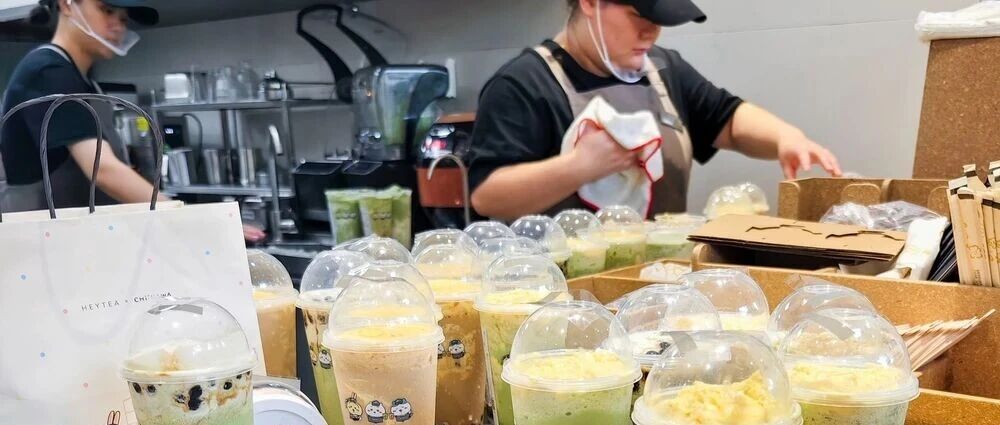
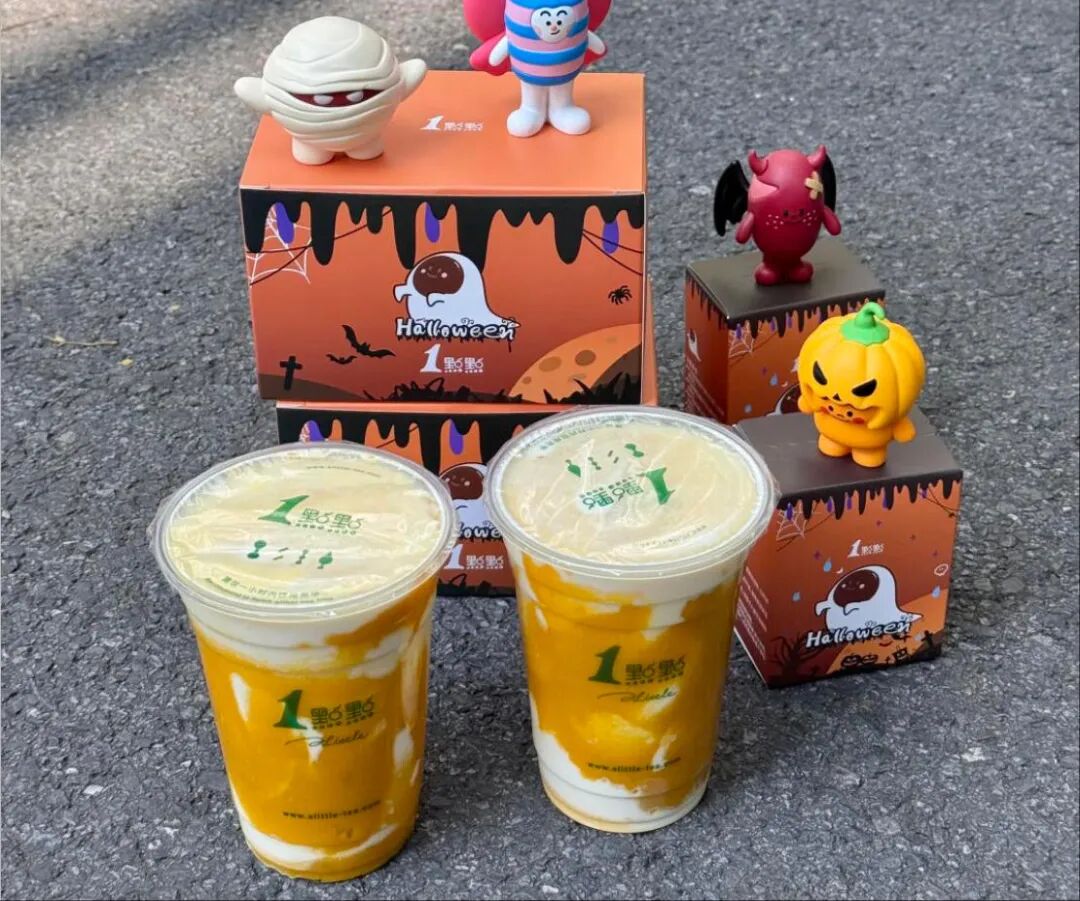
Core Insights - The beverage industry is witnessing a trend where unconventional ingredients, such as salted egg yolk and black truffle, are being incorporated into drinks like milk tea and coffee, indicating a shift towards innovative product offerings [1][3][20] - Major brands like Heytea, Tea Baidao, and Yee3 are collaborating with chefs to create unique "cuisine-inspired" drinks, enhancing flavor complexity and consumer interest [1][12][14] Product Trends - The introduction of salted egg yolk in drinks has gained popularity, with products like the Halloween-themed "Pumpkin Milk Tea" from 1点点 and Yee3's salted egg yolk taro drink receiving positive consumer feedback [1][3] - Other brands are also experimenting with savory ingredients, such as the chestnut beef jerky yogurt shake from 茉酸奶, which combines real beef with yogurt, creating a rich texture and flavor profile [3][5] Ingredient Innovation - The trend includes the use of regional specialty ingredients like black truffle and local mushrooms in beverages, which enhances the uniqueness of the offerings [5][7] - Brands are also incorporating common kitchen condiments, such as soy sauce, into their drinks, creating unexpected flavor combinations that attract consumer attention [9][11] Culinary Collaboration - Collaborations with Michelin-starred chefs are becoming more common, allowing brands to elevate their drink offerings by applying culinary techniques and flavor balancing typically found in high-end cuisine [11][12] - Successful examples include the "Mushroom Soy Milk Tea" from 喜茶, which combines various flavors to create a sophisticated beverage experience [12][14] Production Techniques - The preparation of these innovative drinks is increasingly resembling traditional cooking methods, with the use of equipment like frying pans and steamers in beverage preparation [15][17] - Brands are showcasing their production processes, emphasizing transparency and craftsmanship, which enhances consumer engagement and interest [19][20] Market Dynamics - The shift towards using culinary approaches in beverage creation reflects a broader market trend where brands are moving from chasing trends to focusing on product quality and uniqueness [20][21] - This trend not only diversifies the product offerings but also enhances the overall consumer experience, making it more adventurous and engaging [20][21]
「UMe Tea优米茶铺」完成1000万美元A轮融资,华人工程师在北美开奶茶店|早起看早期
36氪· 2025-11-01 01:16
Core Insights - UMe Tea has completed a $10 million Series A funding round led by Conductive Ventures, with plans to enhance team structure and expand store presence in the Bay Area [2] - The brand has grown from 9 to 27 stores in two years, with a target of 33 stores by the end of 2025, primarily focusing on direct ownership [4][5] - UMe Tea's customer base is predominantly non-Asian, with 60% of customers being from diverse backgrounds, indicating a successful localization strategy [5] Business Strategy - UMe Tea's product offerings cater to local tastes, with a focus on richer flavors preferred by American consumers, such as spicy mango smoothies [6] - The menu is designed to accommodate various dietary preferences, with clear categorization for lactose intolerance and caffeine-free options [6] - The brand has seen a 30% increase in same-store sales year-over-year, unaffected by competitive pressures from other Chinese tea brands entering the market [5] Marketing and Brand Positioning - UMe Tea employs emotional marketing strategies targeting younger consumers, leading to viral social media campaigns, such as card-collecting promotions that significantly boosted sales [9] - The company aims to establish a strong brand presence in California, with plans to open more stores in the San Francisco Bay Area, where the average distance between stores is about 3 miles [11] Future Plans - The company plans to focus on team development, digitalization, and supply chain improvements while continuing to expand its store network in the Bay Area [11] - UMe Tea aspires to become a local brand in California, emphasizing the importance of mastering regional operations before considering broader expansion [11]

对话《奶茶出海》作者张璇:中国奶茶出海,美国人也学会说“要几分糖”
Guan Cha Zhe Wang· 2025-10-31 04:21
Core Insights - The article discusses the global expansion of Chinese milk tea brands, highlighting their cultural significance and impact on consumer behavior [3][12][21] - It emphasizes the role of supply chain efficiency and logistics in supporting the international growth of these brands [6][21] - The phenomenon of milk tea's popularity abroad is described as a "cognitive revolution," reshaping consumer habits and cultural perceptions [12][13][20] Group 1: Cultural Impact - The expansion of milk tea brands is seen as a gentle yet profound reshaping of global consumer culture and taste psychology [3][12] - Milk tea serves as a low-cost cultural entry point, allowing for easier acceptance and integration into foreign markets compared to other products [8][20] - The article notes that milk tea has become a symbol of identity and cultural expression among Asian communities in the U.S. [15][16] Group 2: Supply Chain and Logistics - Chinese milk tea brands benefit from a robust supply chain, allowing for quick distribution and freshness of ingredients [6][21] - The logistics capabilities in China enable brands to maintain a competitive edge in international markets, with examples of efficient cold chain logistics [6][21] - The ability to adapt supply chains for local sourcing while maintaining product quality is crucial for success in foreign markets [6][20] Group 3: Market Dynamics - The article highlights the importance of creating a unique consumer experience in milk tea shops to build brand loyalty and recognition [12][20] - It discusses the challenges of balancing cultural authenticity with local adaptation in marketing strategies [19][20] - The success of milk tea brands in the U.S. is attributed to their ability to appeal to younger consumers and create a trendy lifestyle image [11][12]

霸王茶姬融资故事:一手烂牌打到逆天改命
3 6 Ke· 2025-10-30 17:16
Core Insights - The article discusses the successful IPO of BaWang Tea Ji, a Chinese fresh milk tea brand, which debuted on NASDAQ with a significant first-day increase in stock price, reflecting strong market interest and investor confidence [1][2] - The company reported impressive financials, projecting a revenue of approximately 12.4 billion yuan for 2024, a 50% increase from the previous year, and a net profit of around 2.5 billion yuan, doubling from the prior year [1][2] Investment Background - XVC, an early-stage venture capital firm, made a substantial investment in BaWang Tea Ji, viewing it as a significant opportunity in the beverage sector, particularly in the tea market [2][5] - The investment manager from XVC recognized the potential of BaWang Tea Ji despite its initial small scale, noting its growth in same-store sales and strategic focus on tea quality [2][3] - The founder, Zhang Junjie, demonstrated strong self-learning capabilities and business acumen, which ultimately convinced investors to overlook initial concerns regarding his lack of formal education [4][5] Competitive Landscape - Other notable investors included Fosun, which provided brand credibility and support, and other funds that recognized the potential of the tea market but missed earlier investment opportunities [7][8] - The article highlights the competitive nature of the tea beverage market, with established brands like Nayuki and Heytea dominating, yet BaWang Tea Ji's unique positioning allowed it to emerge as a strong contender [8][15] Growth Trajectory - BaWang Tea Ji's rapid expansion is noted, with the number of stores increasing significantly from 200 to over 1,000 in a short period, showcasing its successful scaling strategy [15][16] - The company’s growth trajectory accelerated post-2022, indicating a shift in market dynamics and consumer preferences towards its offerings [15][16]
何以“受尊敬”?
经济观察报· 2025-10-30 11:15
Core Viewpoint - The integration of corporate social responsibility with business models is essential for companies to gain respect, which in turn can enhance brand influence and market competitiveness, ensuring long-term sustainability [1][3]. Group 1: National Economic Development - The "14th Five-Year Plan" emphasizes focusing on the real economy, promoting intelligent, green, and integrated development, and aims to build a strong manufacturing, quality, aerospace, transportation, and network nation [2]. - The development of the real economy is fundamental to national growth, and companies play a crucial role in advancing commercial civilization and social progress [2]. Group 2: Characteristics of Respected Enterprises - Respected companies are distinguished not only by their successful business operations but also by their social responsibility, corporate culture, and brand value [3]. - The ongoing global business environment changes and increasing public expectations highlight the importance of earning respect over short-term profits for long-term survival [2][3]. Group 3: Expert Recommendations - BYD has been highly recommended by experts for its rapid global expansion and local production strategies, positioning itself among the top four global car manufacturers [9]. - Other companies like Keda Xunfei, Fuyao Glass, Haier Group, JD.com, Weichai Power, New Oriental, and Cambricon have also received expert recognition for their contributions and innovations [9][10][11]. - Experts noted that Keda Xunfei is leading in AI integration across various sectors, while Haier is recognized for its global outreach and commitment to sustainable practices [10][11]. Group 4: Public Perception of Respected Enterprises - The public identifies five key internal qualities for companies to be considered respected: establishing correct values, building a robust management system, continuous innovation, shaping a positive corporate citizen image, and providing high-quality products and services [15][16]. - Companies like Beijing Rural Commercial Bank, JD.com, and McDonald's exemplify these qualities through their commitment to social responsibility and brand value enhancement [16][17]. Group 5: Additional Notable Companies - Other respected companies include Moutai Group, Yili Group, and Nestle China, recognized for their high product quality and low carbon emissions [13]. - Traditional companies like Tongrentang and Li Ning have also been highlighted for their commitment to quality and innovation, contributing to their respected status [18].





抉择时刻:喜茶加盟商,站在退场边缘 | 深氪
36氪未来消费· 2025-10-30 10:29
Core Viewpoint - The article discusses the challenges faced by Heytea as it shifts from a rapid expansion model to a more cautious approach, emphasizing product innovation over scale, which contrasts with the industry's trend towards standardization and efficiency [5][14][20]. Group 1: Franchise Decisions - In November 2022, Heytea opened its franchise model, and now, three years later, the first contracts are expiring, leading to critical decisions for franchisees regarding renewal [6][5]. - Heytea announced a pause on new franchises in February 2023, following a significant number of underperforming stores being closed, with over 500 stores shut down in a year, a rate higher than other brands in the industry [7][8]. - Franchisees expressed frustration over the closures, feeling that the company's management decisions were detrimental to their businesses, leading to a breakdown of trust [9][11]. Group 2: Strategic Shift - Heytea's decision to pause franchise expansion is seen as a response to management pressures from rapid growth and negative publicity surrounding franchise operations [12][13]. - The company aims to focus on product innovation to maintain brand reputation and profitability, moving away from aggressive scaling [14][20]. - By 2025, Heytea is expected to be more restrained in its operations, having reduced its franchise and collaboration activities [15][16]. Group 3: Market Position and Competition - Other tea brands like Gu Ming and Mi Xue Bing Cheng are achieving success through standardization and efficiency, while Heytea struggles with maintaining its unique product quality amidst operational challenges [20][21]. - Despite initial success, Heytea's rapid expansion led to management difficulties, with the company now facing the question of how to balance product ideals with operational costs [21][22]. Group 4: Franchise Management Challenges - The initial franchise model was not fully prepared for the scale of operations, leading to management confusion and operational inefficiencies [48][49]. - Franchisees reported high operational pressures due to strict quality control measures, which increased labor and material costs, making profitability challenging [95][96]. - The company has faced criticism for high material costs and stringent operational standards, which have led to franchisee dissatisfaction and operational difficulties [97][98]. Group 5: Future Outlook - As the first batch of franchise contracts nears expiration, the future of Heytea's franchise model remains uncertain, with potential for increased closures if franchisees choose not to renew [105][107]. - The company is attempting to regain franchisee trust through support measures, but the underlying operational challenges and franchisee concerns persist [104][90]. - The article concludes that while Heytea is a strong brand, it must address the needs of its franchisees to ensure long-term success and sustainability [110].
第一批喜茶加盟商,迎来史上最艰难的一年|深氪
36氪· 2025-10-30 09:42
Core Viewpoint - The article discusses the challenges and strategic shifts faced by Heytea as it navigates the complexities of franchise operations and market positioning, highlighting the tension between rapid expansion and maintaining product quality [5][12][18]. Group 1: Franchise Operations - In November 2022, Heytea opened its franchise model, but by November 2025, the first batch of contracts is set to expire, leading to critical decisions for franchisees regarding renewal [5][80]. - As of October 2023, Heytea had 3,977 stores, down from 4,477 at the end of the previous year, indicating a closure rate of approximately 500 stores annually, which is higher than other brands in the industry [7][44]. - Franchisees have expressed dissatisfaction with the company's management practices, feeling that their concerns are not taken seriously, leading to a breakdown of trust [9][70]. Group 2: Strategic Decisions - Heytea's decision to pause franchise expansion in February 2023 was attributed to management pressures from rapid growth and negative publicity surrounding franchise operations [10][12]. - The company aims to shift focus from aggressive expansion to product innovation to maintain brand reputation and profitability [12][18]. - By 2025, Heytea is expected to be more restrained in its operations, emphasizing quality over quantity [13][66]. Group 3: Market Positioning - The competitive landscape has changed, with brands like Gu Ming and Mi Xue Bing Cheng achieving significant market presence through standardization and efficiency, contrasting with Heytea's focus on product uniqueness [17][18]. - Despite initial success following the franchise launch, Heytea's sales declined, with 2022 revenue at approximately 4.694 billion yuan, down from 5.352 billion yuan in 2021 [28][25]. - The brand's identity has become muddled due to price cuts and rapid expansion, leading to consumer perceptions of declining quality [64][66]. Group 4: Franchisee Challenges - Franchisees face high operational costs, with monthly revenue targets set at 150,000 yuan to avoid losses, compared to lower targets for competitors like Luckin Coffee [73][74]. - The complexity of Heytea's product preparation and stringent quality controls have resulted in high labor costs and operational pressures for franchisees [73][74]. - Many franchisees are struggling to remain profitable, with some considering leaving the brand due to the financial burden and operational challenges [82][84].

蜜雪冰城也要卖啤酒了,新茶饮为什么纷纷“买醉”?
Xin Jing Bao· 2025-10-29 08:32
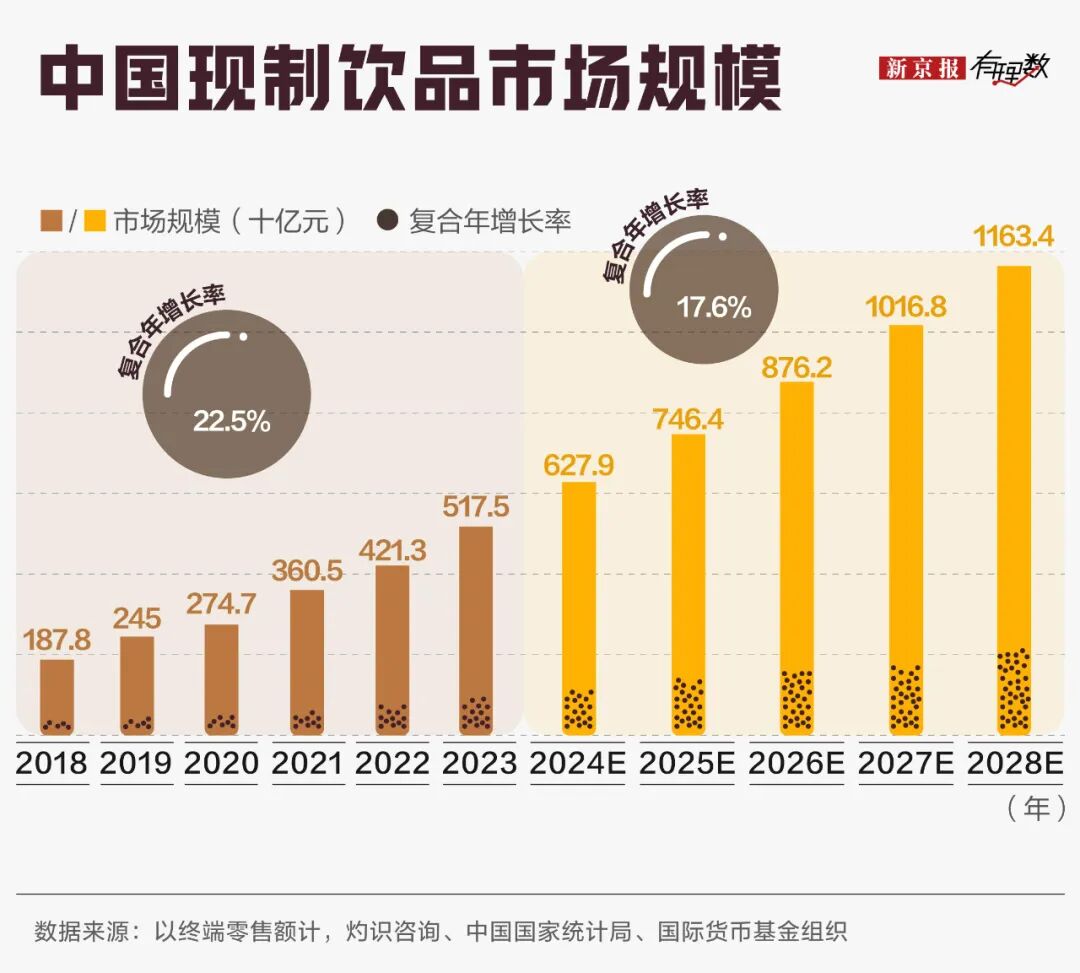
Core Insights - The core point of the news is that Mixue Ice City has expanded its business into the alcoholic beverage sector by acquiring a 53% stake in Fresh Beer Fulu, marking a strategic move to diversify its product offerings beyond tea and coffee [1][14]. Group 1: Company Expansion - Mixue Ice City has acquired Fresh Beer Fulu for a total price of 297 million yuan, officially entering the alcoholic beverage market [1]. - Fresh Beer Fulu, established in 2021, specializes in fresh beer products and has plans to expand to 1,200 stores across 28 provinces by August 2025 [1]. - The pricing strategy for Fresh Beer Fulu's products ranges from 5.9 yuan to 14.9 yuan, significantly lower than similar craft beer products, which are priced at one-third to one-half of the market rate [1]. Group 2: Market Trends - The tea beverage market in China is experiencing a slowdown, with a projected growth rate of only 17.6% from 2023 to 2028, compared to a compound annual growth rate of 22.5% from 2018 to 2023 [3]. - The trend of tea brands entering the alcoholic beverage market reflects a search for new growth points amid increasing competition and market saturation [3][14]. - The rise of the "micro-drunk economy" indicates a shift in consumer preferences, particularly among younger demographics, with over 60% of liquor consumption now attributed to consumers aged 18 to 35 [11]. Group 3: Competitive Landscape - Despite Mixue Ice City's leading position with over 40,000 stores, competition is intensifying from brands like Hushang Auntie, Cha Baidao, and Bawang Tea Princess, which are gaining traction with unique positioning [8]. - The transition from selling tea to alcoholic beverages raises questions about the effectiveness of low-price strategies in maintaining consumer loyalty and achieving sustained growth [14].