农业

Search documents
第七届四川农博会9月举行 重点聚焦乡村振兴
Si Chuan Ri Bao· 2026-01-06 08:43
Core Viewpoint - The 7th Sichuan Agricultural Expo will be held from September 26 to 29, focusing on rural revitalization with an exhibition area of 60,000 square meters [1] Group 1: Event Details - The theme of this year's expo is "Deepening Open Cooperation and Promoting Rural Revitalization" [1] - The expo will feature seven major exhibition areas, including achievements in agricultural and rural reform, "11+3" characteristic industry areas, and agricultural input areas [1] - Countries confirmed to participate include the Netherlands, New Zealand, Malaysia, Belgium, Thailand, Myanmar, Poland, and Israel [1] Group 2: Related Activities - During the expo, several significant events will take place, such as the 7th Sichuan Agricultural Cooperation Development Conference and the 2019 East Asia (China-Japan-South Korea) Local Government Agricultural Forum [1] - The East Asia (China-Japan-South Korea) Local Government Agricultural Forum has been held for four consecutive years, rotating among local governments of the three countries [1] - Other activities include a promotional event for agricultural product brands by city (state) leaders, a summit on digital agriculture development, and a selection of the most popular agricultural products [1]
是机遇还是深坑?普京突然对中国掏出家底:边境划五大特区,10年免税
Sou Hu Cai Jing· 2026-01-06 07:51
Core Viewpoint - Russia aims to attract Chinese capital, technology, and enterprises to develop its vast but underpopulated Far East regions through significant tax incentives and policy stability [1][3]. Group 1: Policy and Economic Environment - Five regions in Russia have been designated as "International Advanced Development Zones," offering up to 10 years of tax exemptions and a 15-year policy stability guarantee [1]. - The Russian government is eager to exchange its natural resources for Chinese investments and infrastructure capabilities, reflecting a "resources for development" strategy [3]. - The rapid implementation of this policy has been described as "shock-style investment promotion" [3]. Group 2: Challenges and Risks - The Russian economy is currently under severe Western sanctions, leading to the exit of over 1,000 foreign companies since the escalation of the Ukraine conflict in 2022 [3]. - Legal and business environments in Russia are fraught with uncertainty, with laws allowing for the nationalization of foreign assets and the ambiguity of contract sanctity under "force majeure" claims [4]. - Chinese companies have faced payment delays and issues with fund repatriation, complicating their operations in Russia [6][7]. Group 3: Local Requirements and Constraints - The new special zone policies include localization requirements, mandating companies to register locally, hire local employees, and source materials locally, which can create a "soft lock-in" effect for businesses [7]. - Currency risk is significant, with the ruble experiencing extreme volatility, impacting the profitability of investments when converting revenues back to dollars or yuan [9]. - Infrastructure deficiencies in the Far East, such as sparse transportation networks and unstable power supply, hinder project execution and development [10]. Group 4: Historical Context and Trust Issues - Russia's attempts to develop the Far East are not new, with previous initiatives yielding limited success, as evidenced by a declining population and underutilized land [12]. - There exists a "trust deficit" in Sino-Russian relations, with Russian policymakers expressing caution about over-reliance on Chinese investments, leading to potential investment barriers [14]. Group 5: Strategic Recommendations for Chinese Enterprises - Chinese companies are advised to adopt light-asset, quick-turnaround investment models, focusing on cross-border trade and logistics rather than heavy manufacturing [16]. - Utilizing policy financial tools from Chinese banks can help mitigate risks associated with investments in Russia [16]. - Building reliable local partnerships and alliances is essential for navigating the complex regulatory landscape and reducing risks [18]. - Clear exit strategies must be included in investment agreements to address potential legal and political uncertainties [20].


金融期货早评-20260106
Nan Hua Qi Huo· 2026-01-06 05:59
Group 1: Report Industry Investment Rating - No relevant content provided Group 2: Core Views of the Report - The short - term macro environment has diverse characteristics with policy dividends, economic recovery, RMB appreciation, and geopolitical disturbances coexisting. The futures market is in a resonance stage of policy implementation, economic recovery, and liquidity easing, presenting structural opportunities in multiple sectors, but also hiding potential risks [2] - The RMB exchange rate is expected to remain strong in the short - term, and export and import enterprises are given corresponding hedging strategies [4] - The short - term trend of stock indices is likely to continue to be strong, but attention should be paid to the impact of geopolitical risks [5] - The short - term performance of treasury bonds may be weak, but the value of long - term bonds will recover after adjustment, and medium - term long positions can be held [6] - The short - term price of container shipping on the European line is expected to remain high and volatile, and attention should be paid to the actual implementation of price increases and geopolitical risks [10] - Precious metals are expected to rise in the medium - to - long - term, but there may be short - term callback risks due to index parameter adjustment [13] - The copper price has reached a new high, and investors are given corresponding trading strategies [18] - The aluminum price is expected to be volatile and strong in the medium - to - long - term, while alumina is recommended to be shorted on rallies, and attention can be paid to the spread between cast aluminum alloy and aluminum [20] - The zinc price is expected to be volatile at a high level in the short - term [20] - The nickel - stainless steel market is expected to be volatile in the short - term, and attention should be paid to the risk of callback [21] - The tin price is expected to be in a wide - range shock in the short - term, and interval operations are recommended [22] - The price of lithium carbonate is expected to have opportunities for long - position layout in the medium - to - long - term, and attention should be paid to the replenishment progress of downstream enterprises [23] - Industrial silicon is in a state of weak supply and demand in the short - term, but has the value of long - position layout in the medium - to - long - term; the spot price of polysilicon has increased, and attention should be paid to the price sustainability and terminal winning bid situation [25] - The lead price is expected to be in a narrow - range shock in the short - term [26] - The steel price is expected to be in a volatile trend, and the price ranges of rebar and hot - rolled coil are estimated [27] - The iron ore price is expected to be in a volatile operation due to the balance between high supply and rigid demand [29] - The price of coking coal and coke may be affected by factors such as winter storage and supply recovery, and attention should be paid to the subsequent supply situation [31] - The ferroalloy price may be adjusted in the short - term, but there is cost support at the bottom [33] - The pulp and offset paper markets are recommended to be observed first, and pulp can consider short - selling opportunities in the short - term, while offset paper should pay attention to the risk of chasing high prices [36] - The LPG price is supported by geopolitical risks in the short - term, and attention should be paid to overseas events and potential domestic PDH maintenance [38] - The PX - PTA market is expected to be in a tight pattern in the first half of 2026, but there may be a phased callback, and it is recommended to buy on dips [42] - The MEG - bottle chip market is under pressure in terms of valuation before the realization of the macro narrative, and the excess supply expectation will continue to dominate [46] - The methanol price is likely to start an upward - trending shock stage [48] - The PP market has improved in the short - term, but there is still pressure from the expected inventory accumulation during the Spring Festival, and the price is expected to be in a volatile pattern [51] - The PE market is in a situation of both supply and demand reduction, and the supply pressure relief brings some upward momentum, but the lack of demand support may limit the upward space [54] - The pure benzene market is in an over - supply situation, and the styrene market has some positive factors, but it is not recommended to chase high prices [56] - The asphalt price may be strong in the short - term due to supply disturbances [58] - The synthetic rubber market may be in a strong - trending shock in the short - term, but the fundamental driving force is limited [60] - The soda ash, glass, and caustic soda markets are all in a weak state, and their prices are expected to be in a low - level shock [61][62][63] - The log price is in a range - trading state, and a low - buying and high - selling strategy can be adopted [65] - The propylene price may be supported by cost in the short - term, but the upward space is limited before the fundamental improvement [66] - The pig price is under pressure in the short - term, and attention should be paid to the second - fattening behavior and the change of the standard - fat price difference [69] - The oilseed market shows a pattern of near - term strength and far - term weakness, and a 35 - positive spread strategy can be held [70][72] - The oil market is in a wide - range shock, and attention should be paid to the production in producing areas and the information of the biodiesel market [73] - The cotton price may be adjusted in the short - term, but there is still room for increase in the medium - to - long - term, and attention should be paid to the policy adjustment [75] - The sugar price is under pressure in the short - term, and attention should be paid to the fluctuation of the raw sugar price [77] - The egg price may show a pattern of near - term weakness and far - term strength, and attention should be paid to the Spring Festival stocking [79] - The apple price is expected to rise further in both near - and far - term contracts due to the shortage of delivery products [81] - The jujube price may be in a low - level shock in the short - term, and the domestic supply is abundant in the medium - to - long - term, so the price will be under pressure [83] Group 3: Summary by Relevant Catalogs Financial Futures - **Macro**: On the previous trading day, domestic commodity futures closed with mixed results, with precious metals leading the gains. International precious metals and London base metals also rose, and oil prices increased. There were various market news, including the progress of the comprehensive prevention and control system for financial fraud in the capital market, Trump's "tax - increase" threat to India, and the statements of central bank governors [1] - **RMB Exchange Rate**: The RMB against the US dollar continued to appreciate. The appreciation was supported by seasonal settlement demand and market expectations. The central bank's attitude was crucial, and attention should be paid to the next Fed chairperson. Export and import enterprises were given corresponding hedging strategies [4] - **Stock Indices**: The stock indices rose significantly with heavy trading volume. The market sentiment was boosted by the performance of Chinese assets during the New Year's Day holiday and the easing of the capital market. The short - term trend was expected to remain strong, but attention should be paid to geopolitical risks [5] - **Treasury Bonds**: The treasury bond futures were weak on Monday. The market was affected by factors such as the rise of the A - share market and concerns about new bond supply. The central bank's bond - buying scale was lower than expected. Medium - term long positions could be held, and short - term trading could wait for oversold buying opportunities [6] - **Container Shipping on the European Line**: The container shipping index (European line) futures rose on the first trading day after the holiday. The market was in a game between the pre - Spring Festival peak season and the implementation of price increases. The short - term price was expected to be high and volatile, and attention should be paid to the actual implementation of price increases and geopolitical risks [7][10] Commodities Non - ferrous Metals - **Platinum & Palladium**: The prices of platinum and palladium rose significantly. The price was affected by geopolitical conflicts, index parameter adjustment, Fed monetary policy, and supply - demand fundamentals. There was a risk of short - term callback due to index parameter adjustment, but the medium - to - long - term trend was still upward [12][13] - **Gold & Silver**: The prices of gold and silver rose. The short - term trend was in a high - level shock, and the medium - to - long - term was bullish. Attention should be paid to data such as non - farm payrolls and index weight adjustment [14][15] - **Copper**: The copper price reached a new high. The futures market had a net inflow of funds, and the copper market attracted 4 billion yuan. Investors were given corresponding trading strategies [16][18] - **Aluminum Industry Chain**: The aluminum price was affected by funds and supply - demand expectations, and was expected to be volatile and strong in the medium - to - long - term. Alumina was in an over - supply situation and was recommended to be shorted on rallies. Cast aluminum alloy was recommended to pay attention to the spread with aluminum [19][20] - **Zinc**: The zinc price was strong. The short - term core contradiction was the tight domestic raw material supply, but the supply was expected to be loose in the long - term. The price was expected to be volatile at a high level in the short - term [20] - **Nickel - Stainless Steel**: The nickel - stainless steel market was volatile. The market was affected by factors such as Indonesian policies and the off - season of the new energy market. Attention should be paid to the risk of callback [21] - **Tin**: The tin price was strong, mainly driven by macro and capital sentiment. The short - term upward space was limited, and it was expected to be in a wide - range shock [22] - **Lithium Carbonate**: The price of lithium carbonate rose. The market inquiry increased, and attention should be paid to the replenishment progress of downstream enterprises. There were opportunities for long - position layout in the medium - to - long - term [22][23] - **Industrial Silicon & Polysilicon**: Industrial silicon was in a state of weak supply and demand in the short - term, but had the value of long - position layout in the medium - to - long - term. The spot price of polysilicon increased, and attention should be paid to the price sustainability and terminal winning bid situation [23][25] - **Lead**: The lead price was in a narrow - range shock. The supply was decreasing, and the demand was lacking new drivers. The price was expected to be in a shock range in the short - term [26] Black Metals - **Rebar & Hot - Rolled Coil**: The steel price was in a weak - trending shock. The steel production increased slightly, and the demand was expected to weaken after the holiday. The iron ore port inventory continued to accumulate, and the coking coal supply was relatively loose. The steel price was expected to be in a volatile trend [27] - **Iron Ore**: The iron ore price was in an intraday shock. The supply was high, and the demand was rigid. The price was expected to be in a volatile operation [28][29] - **Coking Coal & Coke**: The coking coal and coke markets were in a downward shock. The coking coal inventory structure improved, and the import pressure might ease in January. The coke price was affected by factors such as the profit of coking plants and the production of steel mills [30][31] - **Silicon Iron & Silicon Manganese**: The ferroalloy price was adjusted slightly. The production increased slightly, and the inventory continued to accumulate. The price was under pressure, but there was cost support at the bottom [32][33] Energy and Chemicals - **Pulp - Offset Paper**: The pulp futures price was volatile, and the offset paper futures price was upward. The pulp market was relatively stable, and the offset paper was affected by cost and price - increase letters. It was recommended to observe first, and pulp could consider short - selling opportunities in the short - term [35][36] - **LPG**: The LPG price was supported by geopolitical risks in the short - term. The supply was tight, and the demand was relatively stable. Attention should be paid to overseas events and potential domestic PDH maintenance [36][38] - **PTA - PX**: The PX supply was expected to be high, and the PTA production was reduced. The PX - PTA market was expected to be in a tight pattern in the first half of 2026, but there may be a phased callback, and it was recommended to buy on dips [39][42] - **MEG - Bottle Chip**: The MEG supply increased slightly, and the demand was weak. The market was under pressure in terms of valuation before the realization of the macro narrative, and the excess supply expectation will continue to dominate [44][46] - **Methanol**: The methanol price rose rapidly. The market was affected by geopolitical risks and the change of inventory expectations. The price was likely to start an upward - trending shock stage [47][48] - **PP**: The PP market improved in the short - term. The supply pressure was relieved, and the demand increased. But there was still pressure from the expected inventory accumulation during the Spring Festival, and the price was expected to be in a volatile pattern [50][51] - **PE**: The PE market was in a situation of both supply and demand reduction. The supply pressure was relieved, and the demand increased slightly. But the demand support was insufficient, and the upward space was limited [53][54] - **Pure Benzene - Styrene**: The pure benzene inventory continued to accumulate, and the market was in an over - supply situation. The styrene supply decreased in the near - term, and the demand increased. It was not recommended to chase high prices [55][56] - **Asphalt**: The asphalt price rose. The supply was affected by the US - Venezuela conflict, and the price was expected to be strong in the short - term [57][58] - **Rubber**: The synthetic rubber price rose. The price was affected by the cost of butadiene and geopolitical risks. The short - term trend was strong, but the fundamental driving force was limited [60] - **Soda Ash & Glass & Caustic Soda**: The soda ash, glass, and caustic soda markets were all in a weak state. The soda ash was in an over - supply situation, the glass inventory was high, and the caustic soda demand was weak. Their prices were expected to be in a low - level shock [61][62][63] - **Log**: The log price was in a range - trading state. The inventory was decreasing, and the spot price was supported by low inventory. A low - buying and high - selling strategy could be adopted [64][65] - **Propylene**: The propylene price was supported by cost in the short - term. The supply was relatively loose, and the demand was stable. The upward space was limited before the fundamental improvement [66] Agricultural Products - **Pigs**: The pig price was under pressure. The supply was controllable, and the consumption was weak. Attention should be paid to the second - fattening behavior and the change of the standard - fat price difference [69] - **Oilseeds**: The oilseed market showed a pattern of near - term strength and far - term weakness. The import soybean supply was affected by factors such as arrival time and procurement. The domestic soybean meal and rapeseed meal markets had different supply - demand situations. A 35 - positive spread strategy could be held [70][72] - **Oils**: The oil market was in a wide - range shock. The palm oil, soybean oil, and rapeseed oil markets had different supply - demand situations. Attention should be paid to the production in producing areas and the information of the biodiesel market [73] - **Cotton**: The cotton price rose. The domestic cotton supply was expected to be tight, and the demand was expected to increase. The short - term price may be adjusted, but there was still room for increase in the medium - to - long - term. Attention should be paid to the policy adjustment [74][75] - **Sugar**: The sugar price was under pressure. The international and domestic sugar markets had different supply - demand situations. Attention should be paid to the fluctuation of the raw sugar price [76][77] - **Eggs**: The egg price rose. The egg production decreased, and the demand increased. The price may show a pattern of near - term weakness and far - term strength, and attention should be paid to the Spring Festival stocking [78][79] - **Apples**: The apple price rose significantly. The market was affected by the shortage of delivery products. The price of both near - and far - term contracts was expected to rise further [80][81] - **Jujubes**: The jujube price was in a low - level shock. The domestic supply was abundant, and the price was expected to be under pressure in the medium - to - long - term [82][83]
金融与生态同频共振
Jin Rong Shi Bao· 2026-01-06 03:34
Core Viewpoint - The People's Bank of China Suqian Branch is focusing on integrating green finance with rural revitalization, aiming to enhance ecological and industrial development in rural areas by optimizing financial support mechanisms [1][2]. Group 1: Financial Support for Rural Revitalization - As of October 2025, the agricultural loan balance in Suqian reached 287.92 billion yuan, accounting for 38% of total loans, the highest in the province [1]. - The green loan balance in Suqian reached 139.01 billion yuan by September 2025, showing a year-on-year growth of 44%, surpassing the overall loan growth rate by 34 percentage points [1]. - The Suqian Branch has issued a plan to enhance financial support for green and rural revitalization, promoting actions that guide financial institutions to increase funding in key areas [1][2]. Group 2: Innovative Financial Products - The branch has allocated 4.7 billion yuan for specialized re-loan quotas to support rural and green development, introducing products like "Re-loan + Flower Loan" and "Re-loan + Green Enterprise Loan" [3]. - Since 2025, financial institutions have utilized "Re-loan +" products to issue 17.76 billion yuan in loans for key rural revitalization areas, with 2.7 billion yuan directed towards green ecological projects [3]. - The introduction of "Water Rights Loans" has resulted in 2.26 billion yuan in financing, effectively meeting the needs of water-related enterprises [3]. Group 3: Policy and Incentives for Green Financing - The Suqian Branch is enhancing the promotion of transformation financial policies to encourage enterprises to apply for green financing recognition, establishing a green channel for financial institutions [4]. - Financial incentives include a subsidy for green financing guarantee services, aiming to reduce costs for eligible projects and improve access to financing [4]. - Collaborative efforts with various sectors have led to the launch of "Environmental Protection Loans," providing favorable rates for projects related to pollution control and ecological restoration [4]. Group 4: Green Finance Innovation and Development - The Suqian Branch is actively promoting the establishment of a provincial-level green finance innovation reform pilot zone, focusing on the integration of green finance with rural revitalization [5]. - Four local rural commercial banks have completed annual environmental information disclosure, with one institution exploring climate stress testing, contributing to low-carbon transformation [5].
【省生态环境厅】陕西纵深推进应对气候变化工作
Shan Xi Ri Bao· 2026-01-06 00:26
Group 1 - The core viewpoint of the articles highlights the significant progress made by Shaanxi in addressing climate change through policy development, carbon market construction, and carbon footprint management since the beginning of the 14th Five-Year Plan [1][2] Group 2 - Shaanxi has established a preliminary carbon footprint management system focusing on key industries such as energy chemicals, new energy vehicles, and specialty agriculture, conducting carbon footprint accounting studies for products like coal-based olefins and apples [1] - The province has been recognized with several accolades, including the selection of Xixian New Area, Shangluo City, and Tongchuan City as national climate-adaptive cities, and Xi'an as a national pilot city for pollution reduction and carbon reduction collaboration [1] - Financial support for green development has been emphasized, with Xixian New Area providing 12.7 billion yuan in financing to enterprises and facilitating carbon emission rights collateral loans to enhance corporate engagement in energy-saving and carbon reduction [2] - The province is advancing the control of non-CO2 greenhouse gas emissions, particularly methane, and is supporting demonstration projects for methane utilization in coal mines [2] - Future initiatives for the 15th Five-Year Plan will focus on high-quality participation in the national carbon market, promoting pollution reduction and carbon reduction efforts, and enhancing product carbon footprint management [2]
推动区域新型工业化、信息化、城镇化、农业现代化发展 皖北持续提升产业能级
Ren Min Ri Bao· 2026-01-05 22:32
Group 1 - The core viewpoint of the articles highlights the rapid industrial development in Anhui's northern region, particularly in the automotive and technology sectors, with significant investments and production capabilities being established [1][2][3] - Anhui Aodehua Automotive Parts Co., Ltd. has completed 11 factory buildings and is expected to produce 1.15 million sets of clutches annually, generating an estimated annual output value of 1 billion yuan [1] - The Anhui provincial government aims to achieve a scale of over 330 billion yuan in the new energy vehicle industry by 2027, indicating a strong commitment to industrial growth in the region [1] Group 2 - The "Four Synchronizations" strategy (new industrialization, informationization, urbanization, and agricultural modernization) is being implemented to enhance the industrial capacity of the northern Anhui region, which includes cities like Suzhou, Bengbu, and Fuyang [2] - The integration of innovation, industry, finance, and talent chains is accelerating in the northern Anhui region, with the establishment of multiple provincial-level innovation centers and partnerships with universities [2] - The collaboration between cities in Jiangsu, Zhejiang, and Shanghai with northern Anhui has led to the establishment of testing bases and industrial parks, significantly reducing costs and improving operational efficiency for local companies [2][3] Group 3 - The construction of industrial parks is progressing rapidly, with significant investments being made, such as 67 projects signed in the Xuhai Industrial Cooperation Park with a total investment of 30.47 billion yuan [3] - The cooperation between Bengbu and Ningbo has resulted in the establishment of the Yongbang Cooperation Industrial Park, with 51 projects signed and a total investment of 21.935 billion yuan [3] - A total of 360 projects with over 160 billion yuan in investment have been established through the collaboration between cities in Jiangsu, Zhejiang, and northern Anhui [3]
视频丨十年来长江经济带生产总值翻了一番多 未来工作重点公布
Yang Shi Xin Wen Ke Hu Duan· 2026-01-05 14:28
Core Insights - The development of the Yangtze River Economic Belt over the past decade has seen significant improvements in water quality, with the proportion of good water quality rising from 67% to 96.5%, and regional GDP more than doubling, increasing its share of the national economy from 42.2% to 47.3% [1] Group 1: Environmental Protection and Economic Growth - The concept of "coordinated major protection, not major development" has been effectively implemented, leading to the resolution of the "chemical industry surrounding the river" issue by addressing nearly 10,000 chemical enterprises [1] - A total of 1,361 illegal docks have been cleared, and black and odorous water bodies in major cities along the river have been largely eliminated [1] - The water quality of the Yangtze River has improved from some sections being classified as Grade V to the entire river being classified as Grade II [1] Group 2: Technological and Industrial Innovation - The integration of technological and industrial innovation in the Yangtze River Economic Belt has accelerated, with the establishment of international technology innovation centers in Shanghai and other regions [1] - Significant technological achievements include the "artificial sun" achieving a billion-degree operation for a thousand seconds and targeted cancer drugs, alongside the emergence of competitive innovative companies like DeepSeek and Yushu Technology [1] - World-class industrial clusters have formed in sectors such as automotive manufacturing and electronic information [1] Group 3: Infrastructure and Transportation - The functionality of the Yangtze River as a "golden waterway" has been reinforced, with the high-grade navigable waterways increasing from 8,000 kilometers to 11,000 kilometers [1] - The cargo throughput of trunk ports has grown by 71%, reaching 4.2 billion tons, maintaining its position as the world's leading inland river [1] Group 4: Cultural and Social Development - The cultural heritage of the Yangtze River has deepened, with the successful inclusion of the Liangzhu Ancient City Ruins in the World Heritage List and significant archaeological discoveries at Sanxingdui [2] - The "Happiness Yangtze" initiative has improved quality of life, with per capita disposable income rising from 23,000 yuan to 44,000 yuan, an increase of 91% [2] - The South-to-North Water Diversion Project has delivered over 84 billion cubic meters of water, benefiting 48 cities and 195 million people [2] Group 5: Future Development Plans - The "14th Five-Year Plan" emphasizes the continued development of the Yangtze River Economic Belt, focusing on ecological protection, innovation, regional collaboration, and cultural heritage [3][4] - Key areas of focus include pollution control, fostering original technological innovations, and enhancing agricultural production capabilities [3][4] - The plan aims to strengthen the safety and quality of life in the region, ensuring food security and improving the welfare of the population [4]
上海青浦发布文旅商体展六大标杆IP
Xin Lang Cai Jing· 2026-01-05 12:32
Core Viewpoint - The Qingpu District is promoting the integration of agriculture, culture, tourism, commerce, and sports, aiming to establish itself as a leading destination for inbound tourism and a model for industry integration by 2030 [1][2]. Group 1: Industry Development - The Qingpu District has launched six major IPs to enhance the integration of agriculture, culture, tourism, commerce, and sports, leveraging regional resources to provide a model for development in the Yangtze River Delta [1]. - By 2030, the total revenue from the integration of the six industries in Qingpu is projected to reach 100 billion yuan, with total tourism revenue expected to hit 20 billion yuan [1]. - The district aims to become the "first stop for inbound tourism in ancient towns of China" and a preferred destination for urban micro-vacations [1]. Group 2: Talent Attraction and Support - A new talent policy has been introduced to attract high-quality talent to Qingpu, offering support in areas such as residency, housing, rural entrepreneurship, and skills enhancement, with potential subsidies up to 1 million yuan [2]. - The establishment of the "Qingpu Agricultural, Cultural, Tourism, Commerce, and Sports Integration Development Alliance" aims to foster collaboration between government and enterprises, enhancing market engagement and resource sharing [2]. Group 3: Tourism and Economic Performance - In 2025, Qingpu received 45.51 million visitors, marking a year-on-year increase of 19.96%, while retail sales of consumer goods exceeded 60.88 billion yuan, up 11.2% from the previous year [2]. - The district hosted over 260 cultural tourism events and 160 promotional activities, directly driving consumption by more than 300 million yuan [2]. - Qingpu successfully attracted high-quality agricultural and cultural tourism projects, with a total intended investment of 2.033 billion yuan from 26 key projects signed during the "Technology-Driven Agriculture" promotion event [2]. Group 4: Cultural and Event Highlights - Qingpu hosted significant events in 2025, including the "Most Jiangnan" Cultural Tourism Festival and the inaugural Water Music Festival, which stimulated travel and consumption linked to events [3]. - The district's efforts in promoting tourism have led to the establishment of the first national-level leisure street in suburban areas and the first immersive homestay village in the city [3].
财达证券每日市场观-20260105
Caida Securities· 2026-01-05 12:25
Market Overview - On December 31, 2025, the Shanghai and Shenzhen indices experienced mixed performance, with a total trading volume of CNY 2.07 trillion, a decrease of approximately CNY 90 billion from the previous trading day[1] - The market showed stability despite more stocks declining than rising, with notable gains in the aerospace, media, real estate, and non-ferrous metals sectors, while telecommunications, agriculture, and electronics faced declines[1] - The total trading volume for the year exceeded CNY 400 trillion, marking a year-on-year growth of over 60%, achieving a historical high[3] Sector Performance - The aerospace sector is rapidly regaining strength, with leading stocks reaching new highs and increasing trading volumes, indicating a sustained upward trend[1] - The non-ferrous metals sector is also performing steadily, supported by historical price increases in precious metals and a weak US dollar, suggesting a potential for long-term growth[1] - The top three sectors for net capital inflow on December 31 were aerospace equipment, military electronics, and advertising marketing, while the semiconductor, components, and photovoltaic equipment sectors saw the largest outflows[4] Regulatory Developments - The Ministry of Transport has initiated measures to promote the integration of public transportation data with enterprise data, aiming to enhance efficiency across various sectors, including logistics and green technology[5] - New regulations for green product certification have been introduced, covering 122 product categories and involving over 8,000 certified enterprises, marking a significant shift towards comprehensive regulatory oversight[7] Economic Indicators - The price of live pigs increased by 1.7% month-on-month in late December 2025, reflecting ongoing trends in agricultural pricing[8] - Natural gas consumption in November 2025 was reported at 36.28 billion cubic meters, a year-on-year increase of 5.1%, although total consumption for the first eleven months showed a slight decline of 0.1%[8] Investment Insights - The recent regulatory changes in fund sales fees aim to enhance investor returns by capping service fees for equity funds at 0.4% and for index and bond funds at 0.2%, promoting a shift towards long-term holding[12][14]

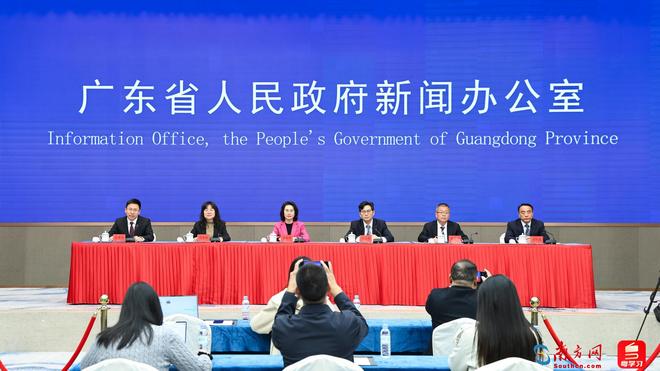
前四年GDP年均增速全省第4,江门晒“十四五”成绩单
Nan Fang Du Shi Bao· 2026-01-05 10:33
Core Viewpoint - The press conference highlighted the achievements of Jiangmen during the "14th Five-Year Plan" period, showcasing significant economic growth and social development, with a focus on high-quality development and regional integration [3][4][14]. Economic Performance - Jiangmen's GDP exceeded 420 billion yuan, with an average annual growth rate of 5.2% over the past four years, ranking fourth in Guangdong province [3]. - The industrial output value of Jiangmen increased by an average of 7.6% annually, ranking second in the province [7]. - The city attracted 8 billion yuan in project investments and has over 800,000 business entities, maintaining the sixth position in the province [6]. Infrastructure Development - Jiangmen accelerated its integration with the Greater Bay Area, with major infrastructure projects such as the completion of the Zhongkai Expressway and the Huangmaohai Cross-Sea Channel [4]. - The total length of expressways increased from 736 kilometers to 931 kilometers, enhancing connectivity [17]. Industrial Growth - Jiangmen developed a modern industrial system with 15 key industrial chains, five of which have an output value exceeding 50 billion yuan [7]. - The city successfully attracted major enterprises, including a leading power battery company, which is expected to become the largest production base in the province by 2025 [16]. Social Development - Over 75% of Jiangmen's financial resources were allocated to social welfare, resulting in the creation of 250,000 new jobs [14]. - The city improved its educational infrastructure, adding 67,000 new public school places and four new universities [14]. Environmental Initiatives - Jiangmen achieved a significant improvement in air quality, with the ratio of good air quality days reaching the highest level in a decade [14]. - The city has made strides in waste management, increasing waste incineration capacity by nine times and achieving zero landfill for original household waste [14]. Cultural and Tourism Development - Jiangmen's tourism sector flourished, with over 90 million visitors and tourism revenue exceeding 100 billion yuan, reflecting annual growth rates of 23% and 25% respectively [9]. - The city was recognized as one of the most promising cultural and tourism cities in the country, with significant investments in tourism infrastructure [22].