汽车制造

Search documents
品牌冗余成行业发展“绊脚石”,长安朱华荣建议强化整合统筹
第一财经· 2026-03-06 14:29
Core Viewpoint - The fragmentation of resources among over 50 independent automotive groups in China threatens the country's leading position in the new energy vehicle sector and increases consumer choice anxiety and risks related to after-sales service [3]. Group 1: Industry Challenges - The redundancy of brands in the automotive industry has become a "stumbling block" for high-quality development, leading to potential after-sales service disruptions when companies exit the market [3]. - In the past decade, the closure of automotive companies has affected millions of car owners, shifting the after-sales responsibilities from companies to consumers [3]. Group 2: Proposed Solutions - Three specific measures were proposed to address the challenges in the automotive industry: 1. Implement special support policies for mergers and acquisitions of advantageous enterprises, focusing on capacity integration, tax incentives, and financial empowerment [4]. 2. Establish a collaborative mechanism among local governments to guide leading enterprises in optimizing capacity layout and improving industrial chain support [4]. 3. Create a fault-tolerant mechanism for mergers and acquisitions of central and state-owned enterprises, clarifying responsibilities and exemption clauses for cross-regional and cross-ownership integrations [4].



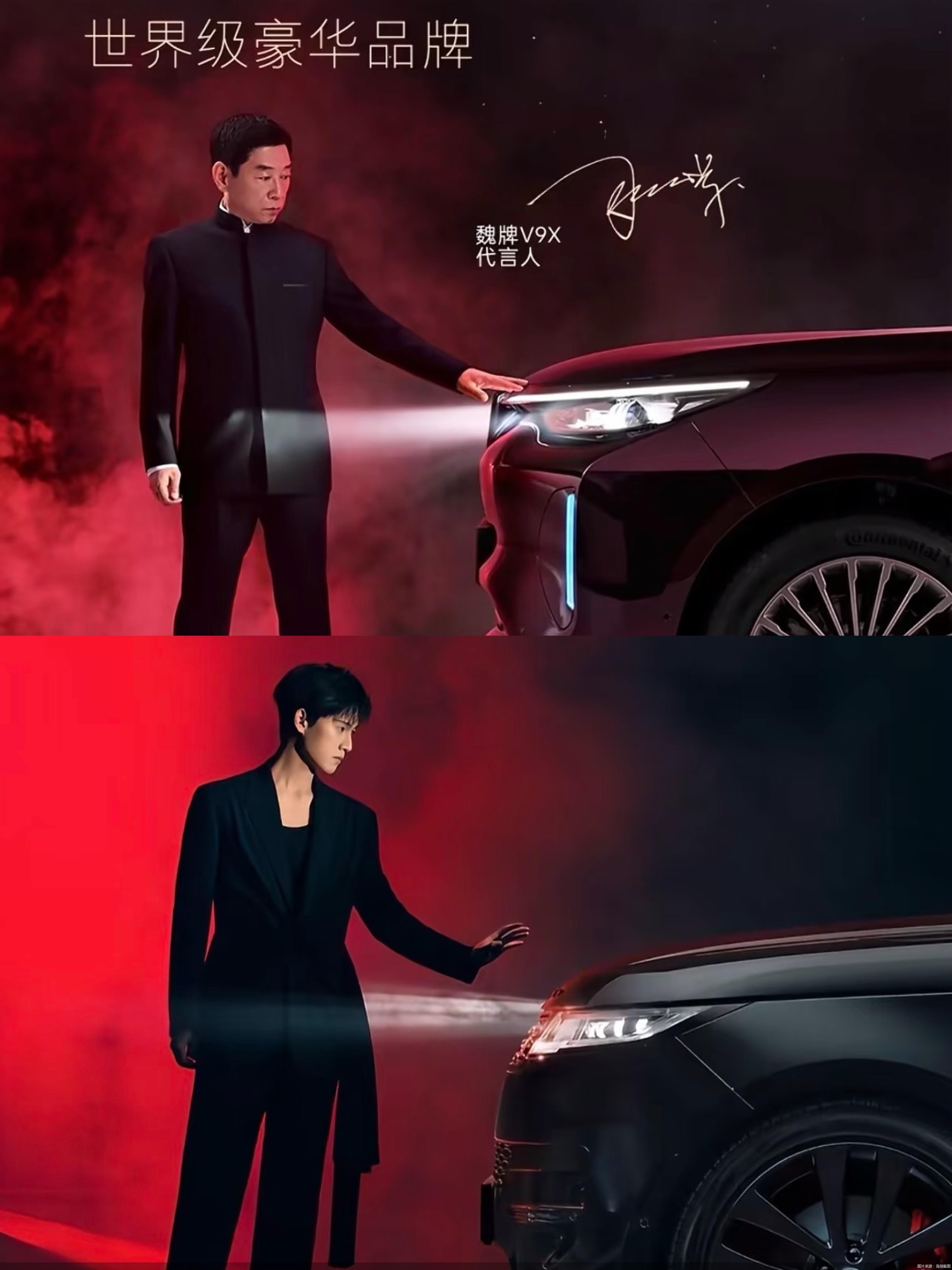
魏牌海报涉嫌抄袭路虎,长城汽车魏建军道歉:主要责任在于我审核把关不严
Mei Ri Jing Ji Xin Wen· 2026-03-06 14:08
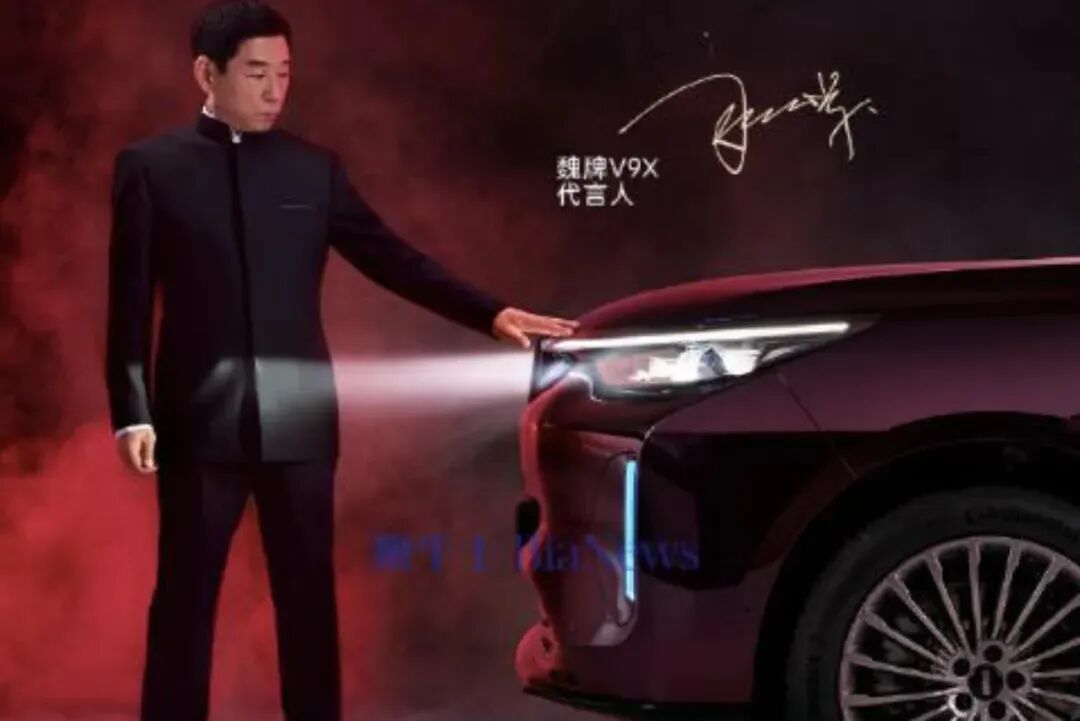
Core Viewpoint - The chairman of Great Wall Motors, Wei Jianjun, publicly acknowledged and apologized for the plagiarism incident involving the promotional poster for the new Wei brand V9X vehicle, confirming the existence of copyright infringement [1][3]. Group 1: Incident Details - The promotional poster for the Wei brand V9X, which was announced on March 5, was found to closely resemble a creative design for the Land Rover Range Rover Sport from a year ago, particularly in background color, composition, character poses, and vehicle placement [3]. - Wei Jianjun expressed apologies to the Land Rover brand and the original creator of the poster, stating that he and Great Wall Motors are willing to bear all legal and financial responsibilities arising from the incident [3]. Group 2: Internal Response and Future Actions - Wei Jianjun admitted that the main responsibility lies with him as the spokesperson for not ensuring strict oversight during the review process [3]. - Great Wall Motors plans to reflect deeply on this incident and improve its internal management and review processes to prevent future occurrences of plagiarism, while also accepting public supervision [3]. Group 3: Product Launch Information - The Wei brand V9X is set to launch on March 9, and it is positioned as an AI luxury six-seat flagship vehicle built on Great Wall Motors' Guiyuan platform [3]. - The V9X is expected to compete directly with models such as the Wenjie M9, Li Auto L9, and Lantu Taisan [3].

长城汽车董事长魏建军致歉
Xin Lang Cai Jing· 2026-03-06 13:56
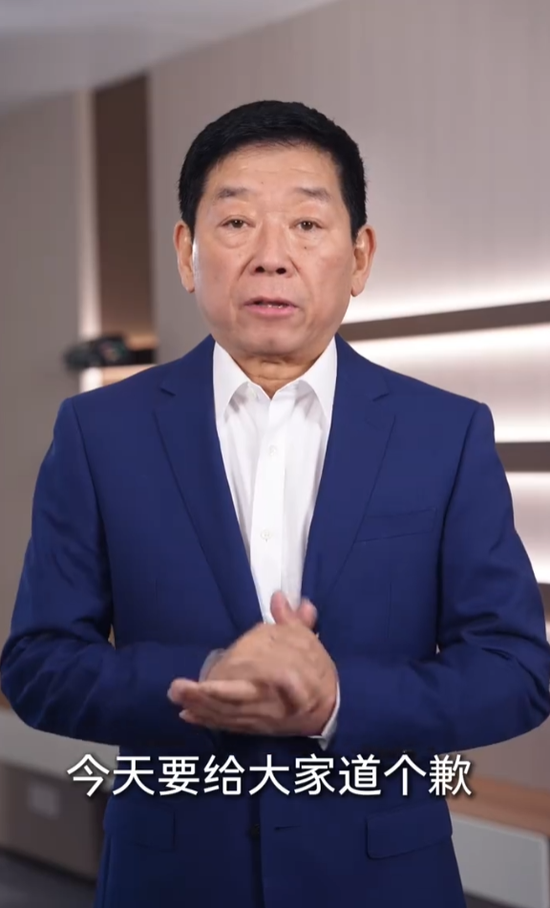
Core Viewpoint - The chairman of Great Wall Motors, Wei Jianjun, publicly acknowledged and apologized for the plagiarism incident involving the promotional poster for the new Wei brand V9X vehicle, which has sparked significant market discussion [1][5]. Group 1: Acknowledgment and Apology - Wei Jianjun confirmed that the promotional poster for the Wei brand V9X indeed contained elements of plagiarism, stating that there can be no justification for this [3][8]. - He expressed apologies to the Land Rover brand, the original creator of the poster, and the general public, emphasizing that both he and Great Wall Motors are willing to bear all legal and financial responsibilities arising from this incident [3][8]. Group 2: Internal Accountability and Future Actions - Wei Jianjun admitted that the primary responsibility lies with him as the spokesperson for not ensuring proper oversight during the review process [3][8]. - Great Wall Motors plans to conduct a thorough reflection and optimize its internal management and review processes to prevent future occurrences of plagiarism, reiterating its commitment to originality and accepting public scrutiny [3][8][9]. Group 3: Background of the Incident - The controversy arose shortly after the announcement on March 5 that Wei Jianjun would be the spokesperson for the new V9X vehicle, with industry creators pointing out that the poster closely resembled a design they created for the Land Rover Range Rover Sport a year prior, leading to demands for creative fees [3][9].
海报被指抄袭路虎,长城汽车魏建军道歉:愿承担全部法律和经济责任
Xin Lang Cai Jing· 2026-03-06 13:23
Group 1 - The chairman of Great Wall Motors, Wei Jianjun, publicly apologized for a plagiarism incident involving a promotional poster for the WEY brand's V9X SUV, acknowledging the similarities to a Land Rover advertisement [1] - The controversial poster was released on March 5, 2026, and was criticized by netizens for its resemblance to a Land Rover Range Rover Sport promotional image, leading to the term "pixel-level tribute" being used [1] - Wei Jianjun stated that both he and Great Wall Motors are willing to take full legal and financial responsibility for the incident, emphasizing the need for stricter oversight and a commitment to originality in future work [1] Group 2 - WEY, a premium brand under Great Wall Motors, was established in 2016 and has undergone several name changes, recently reverting from "WEY New Energy" back to "WEY" [2] - In February 2026, Great Wall Motors sold approximately 72,600 new vehicles, representing a year-on-year decline of 6.79%, while WEY's sales reached 5,615 units, marking a significant year-on-year increase of 54.13% [2] - On March 6, 2026, Great Wall Motors' stock closed up by 1.15%, trading at 20.19 yuan per share [2]
“华系第一境”登场,猎装轿跑要被重新定义了
凤凰网财经· 2026-03-06 13:15
Core Viewpoint - The article discusses the launch of the new brand "Qijing," co-created by Huawei and GAC, positioning itself as the "first Huawei series" in the high-end automotive market, aiming to redefine the standards of luxury vehicles in China [1][2]. Group 1: Market Demand and User Expectations - The emergence of Qijing is described as a necessary response to deep insights into user needs, reflecting a shift in the travel ecology of young people from mere utility to a desire for multifunctionality and partnership [4][5]. - Young consumers are breaking traditional boundaries, seeking a blend of luxury, performance, and individuality in their vehicles, which Qijing aims to address by creating a brand that embodies freedom and comfort in travel [7][10]. Group 2: Technological and Collaborative Innovations - Qijing's first vehicle is positioned as an "intelligent hunting coupe for the AI era," filling a long-standing market gap for versatile vehicles [9]. - The collaboration between Huawei and GAC represents a revolutionary shift in the automotive industry, moving from simple technical partnerships to a deep co-creation model that integrates technology, manufacturing, and user experience [12][14]. - The introduction of Huawei's mature IPD and IPMS systems ensures that Qijing's products are driven by user needs and supported by a robust ecosystem, allowing for continuous optimization and innovation [18]. Group 3: Product Features and Market Positioning - Qijing's first model boasts "three million-level" capabilities: million-level intelligence, driving control, and aesthetics, leveraging advanced technologies such as Huawei's new generation of laser radar [20][27]. - The vehicle's design combines aesthetics and functionality, breaking the stereotype of hunting coupes being more about looks than performance, thus setting a new standard in the market [25]. - Qijing aims to redefine the value of hunting coupes and elevate the experience for users, positioning itself as a significant player in the high-end automotive sector [28]. Group 4: Strategic Significance - The launch of Qijing is seen as a milestone for Chinese automotive brands in their quest for high-end market penetration, emphasizing that success lies in innovation and the integration of traditional manufacturing with modern technology [28][30]. - Qijing is set to officially debut on March 17 and will be delivered to customers in June, marking a significant step in realizing the vision of high-end automotive intelligence [29].

东风集团股份前2个月累计汽车销量为228,518辆 同比增长约1.2%
Zhi Tong Cai Jing· 2026-03-06 13:09
Core Viewpoint - Dongfeng Group reported a total vehicle sales of 228,518 units for January-February 2026, representing a year-on-year increase of approximately 1.2% [1] Group 1: Overall Sales Performance - The parent company, Dongfeng Motor Group Co., Ltd., achieved cumulative vehicle sales of 295,939 units for January-February, reflecting a year-on-year growth of about 6.3% [1] - Dongfeng Motor Co., Ltd. (600006.SH), a subsidiary, recorded cumulative vehicle sales of 18,275 units for January-February, showing a year-on-year decline of approximately 0.9% [1] Group 2: New Energy Vehicle Sales - New energy vehicle sales for the company reached 67,163 units in January-February, marking a significant year-on-year increase of around 51.8% [1]

东风集团股份(00489.HK):1-2月累计汽车销量为22.9万辆 同比增长1.2%
Ge Long Hui· 2026-03-06 13:05
Group 1 - Dongfeng Group reported a total vehicle sales of 228,518 units for January and February 2026, representing a year-on-year increase of approximately 1.2% [1] - The sales of new energy vehicles reached 67,163 units, showing a significant year-on-year growth of about 51.8% [1] - The parent company, Dongfeng Motor Group Co., Ltd., achieved cumulative vehicle sales of 295,939 units in the same period, reflecting a year-on-year increase of approximately 6.3% [1] Group 2 - Dongfeng Motor Co., Ltd., a subsidiary of the group, reported cumulative vehicle sales of 18,275 units for January and February 2026, which is a year-on-year decline of approximately 0.9% [1]
东风集团股份(00489) - 东风汽车集团2026年2月產销快报
2026-03-06 12:58
- 香港交易及結算所有限公司及香港聯合交易所有限公司對本公告的內容概不負責,對其準確性或完整性亦不發表任何聲明,並明確表示,概不對因公告全部或 任何部份內容而產生或因倚賴該等內容而引致的任何損失承擔任何責任。 DONGFENG MOTOR GROUP COMPANY LIMITED* 東風汽車集團股份有限公司 (於 中 華 人 民 共 和 國 註 冊 成 立 的 股 份 有 限 公 司) (股份代號:489) 自願公告 2026 年 2 月產銷快報 此乃東風汽車集團股份有限公司(以下稱「本公司」)作出的自願公告。 本公司 2026 年 1-2 月累計汽車銷量為 228,518 輛,同比增長約 1.2%。其中,新能源汽車銷量為 67,163 輛,同比增長約 51.8%。本公司 之母公司東風汽車集團有限公司 1-2 月累計汽車銷量為 295,939 輛,同比增長約 6.3%。本公司之附屬公司東風汽車股份有限公司(A 股證券代碼 600006,以下稱「股份公司」)1-2 月累計汽車銷量為 18,275 輛,同比下降約 0.9%。 本公司產銷快報详细數據如下(單位:輛): | | | | 生產量 | | | | | ...
长城汽车魏建军就海报抄袭路虎事件致歉
Bei Jing Shang Bao· 2026-03-06 12:40
北京商报讯(记者 蔺雨葳)3月6日,长城汽车董事长魏建军针对近期海报抄袭事件进行公开致歉。 魏建军表示,"昨天,魏牌官宣了我作为V9X代言人拍摄的海报。细心的网友们发现我拍的海报有抄袭的嫌疑,网友的吐槽我都看了,经过核查,那张海报 的确是抄袭的,不能有任何的辩解。" 同时,魏建军向路虎、原版海报的设计师道歉,也向网友朋友们道歉。魏建军表示,愿意承担由此带来的全部法律和经济责任。 t ...
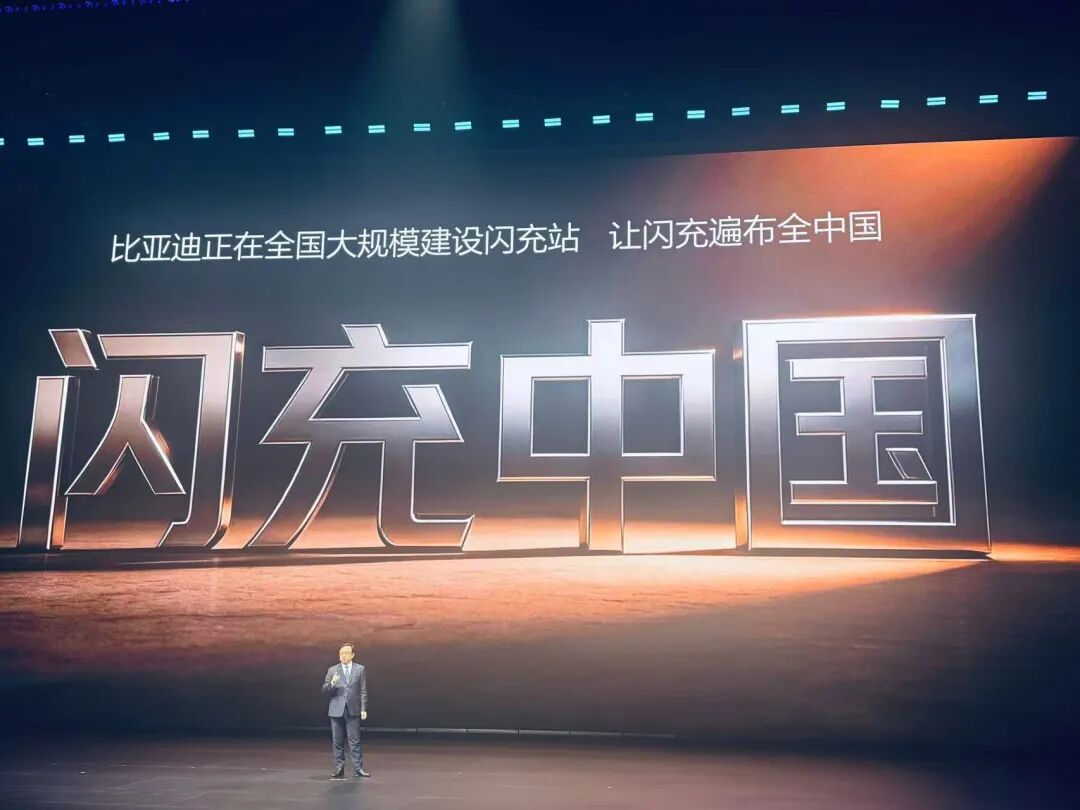
“5分钟充好,9分钟充饱”,比亚迪二代刀片电池问世,今年要建成2万座闪充站
Guo Ji Jin Rong Bao· 2026-03-06 12:17
Core Viewpoint - BYD's launch of the second-generation blade battery and flash charging technology marks a significant advancement in electric vehicle charging efficiency, aiming to enhance user experience and drive competition in the industry [1][2][4]. Group 1: Technological Advancements - The second-generation blade battery allows charging from 10% to 70% in just 5 minutes and from 10% to 97% in 9 minutes, even in extreme cold conditions [2][4]. - The flash charging technology represents a qualitative leap, addressing previous challenges of slow charging and low-temperature charging difficulties [4]. - The second-generation blade battery has improved energy density by 5% compared to the first generation while achieving faster charging speeds [4]. Group 2: Product Launch and Pricing - BYD introduced 10 new models equipped with the second-generation blade battery and flash charging technology, covering various brands and price ranges from 150,000 to 1,300,000 yuan [5]. - The pricing of new models remains competitive with previous versions, despite enhancements in range and charging performance [5][6]. Group 3: Infrastructure Development - BYD plans to establish 20,000 flash charging stations by the end of the year, ensuring coverage within 3 to 6 kilometers in urban areas and significant coverage on highways [8]. - The company has already built 4,239 flash charging stations in two months, with a dedicated team for rapid infrastructure development [8]. Group 4: Sales Performance and Projections - In 2025, BYD achieved global sales of 4.602 million vehicles, a 7.7% increase year-on-year, with strong overseas performance and domestic challenges [10]. - The company aims for a sales target of approximately 5 to 5.5 million vehicles in 2026, driven by the rollout of flash charging stations and new models [10].