私募股权

Search documents
唐劲草:我们正站在从艰难转型向信心回归的关键节点
母基金研究中心· 2025-12-28 10:46
Core Viewpoint - The current primary market in China is transitioning from "scale expansion" to "mechanism restructuring," emphasizing the need for institutional innovation to facilitate capital flow towards new productive forces [1] Group 1: Market Dynamics - In 2025, the Chinese primary market shows a divergence between "statistical data recovery" and "micro individual coldness," with over 30% year-on-year growth in newly registered funds in Q2 and Q3, yet over 80% of new registrations are concentrated in leading institutions and large state-owned platforms [2][3] - The industry is undergoing a paradigm shift affecting the entire fundraising, investment, management, and exit chain, with 1,118 private fund managers either voluntarily or involuntarily deregistering from January to November 2025, indicating accelerated clearance of "zombie institutions" [2][3] - The funding landscape is characterized by a "structural siege," where state-owned general partners (GPs) dominate fundraising, leading to increased competition for private fund managers and a trend where limited partners (LPs) prefer to invest only in state-owned GPs [3] Group 2: Capital Patience and Confidence - The solution to the industry's challenges lies in systematic, top-level design for "mechanism restructuring," focusing on addressing the issues of capital "patience" and "confidence" [4] - The year 2025 marks the beginning of "super long duration" funds, with 53% of newly established guiding funds allowing sub-funds to have a duration of over 10 years, reflecting a shift from "quick returns" to respecting industrial laws [5] - A "high tolerance for loss" policy is being explored, allowing up to 80% investment loss tolerance for seed or future industry projects, marking a significant shift in assessment criteria from "single project evaluation" to "lifecycle evaluation" [6] Group 3: Exit Strategies and Liquidity - The traditional reliance on IPOs for exits is shifting, with over 90% of Chinese venture capital funds previously depending on IPOs, while in 2025, secondary transactions and mergers and acquisitions are becoming primary exit strategies [11] - The total transaction volume of domestic secondary funds reached 1,078 billion yuan in 2024, with a 46% year-on-year increase, and the first half of 2025 has already surpassed the total number of transactions in 2024 [11] - Flexible exit strategies, such as installment buybacks and debt restructuring, are being adopted to mitigate cash flow risks for startups, reflecting a deeper understanding of the high-risk, long-cycle nature of new productive forces [12] Group 4: Future Investment Landscape - In 2026, the investment focus is expected to shift towards "new productive forces," with low-altitude economy, embodied intelligence, and AI+ industries becoming core asset allocations [15] - The unique value of private GPs needs to be re-evaluated, as they possess advantages in early project discovery and flexible investment strategies, which are crucial for amplifying the effectiveness of state-owned guiding funds [16] - The current period is a critical juncture for China's equity investment mechanism, transitioning from difficult transformation to confidence restoration, with a consensus on long-duration funds, tolerance for failure, and flexible exits [17]


年内险资向私募股权基金出资已超千亿元
Zheng Quan Ri Bao· 2025-12-26 02:01
Core Insights - Insurance capital has significantly increased its investment in private equity funds, with a total contribution of 109.76 billion yuan as of December 19, marking a 55.85% increase compared to the previous year [1] Group 1: Investment Trends - The top five insurance institutions in private equity investment for 2025 are China Pacific Life Insurance Co. (205.99 billion yuan), Ping An Life Insurance Co. (150 billion yuan), Sunshine Life Insurance Co. (114.88 billion yuan), AIA Group (106.75 billion yuan), and PICC Capital (100 billion yuan) [2] - Life insurance companies contributed the most to private equity funds, totaling 88.53 billion yuan, a year-on-year increase of 57.05%, while insurance asset management companies contributed 17.98 billion yuan, a significant increase of 231.12% [3] Group 2: Regulatory Environment - Recent regulatory changes have encouraged insurance capital to increase equity allocations, such as raising the limit on single venture capital fund investments from 20% to 30% of the fund's paid-in capital [2] - The regulatory framework has also enhanced the tolerance for short-term volatility, promoting long-term investment strategies among insurance companies [2] Group 3: Investment Strategy - Insurance companies prefer growth funds, with nine out of the top ten funds being growth-oriented, as they align with the need for stable cash flow and lower investment risk [4] - The focus on private equity funds is seen as a long-term strategic choice, particularly for life insurance companies, which are expected to continue increasing their allocations in this area [5][6] Group 4: Sector Focus - The investment strategy will likely target sectors aligned with national strategic directions, particularly in hard technology, healthcare, and green energy, reflecting a commitment to supporting high-quality economic development [6]


私募股权基金频现循环交易,投资者警示行业“积弊丛生”
Xin Lang Cai Jing· 2025-12-24 15:36
私募股权收购机构难以出手旗下控股企业,转而想出一套回笼资金、回馈客户的变通办法:把这些企业 卖给自己。 清水湖资本创始人兼管 理合伙人何塞・E・费利西亚诺 2022 年 5 月,私募股权机构清水湖资本的一众投资人齐聚加州一处度假胜地,这里坐拥太平洋绝美海 景,现场香槟佳酿、鲜虾珍馐无限供应。 不过,比起帝王海滩度假俱乐部的旖旎风光,清水湖资本彼时的业绩表现更令人咋舌:公司旗下基金的 回报率突破了几乎所有行业基准线,其中一只基金的年均回报率高达 50%。 据一位参会者及当时会上披露的文件显示,清水湖资本业绩亮眼的一大秘诀是:将旗下控股企业,从自 己管理的一批投资基金,转售给同样由其操盘的另一类基金 —— 业内称之为存续基金。 存续基金的诞生,本是私募机构为解决一大行业顽疾祭出的权宜之计,而清水湖这类机构正深陷这一困 境难以自拔。 私募股权机构的核心商业模式,本是通过举债收购企业、再将其转售获利,但如今这套模式举步维艰。 多年的高利率环境,让多数潜在收购方无力通过举债完成企业收购;私募机构手中积压的待售企业数量 也创下历史新高,超 3.1 万家企业迟迟无法出手。尽管今年年末的并购交易活跃度有所回升,但杯水车 薪, ...

IG :比特币涨势消退不确定性持续 目标价看向75000美元 Blackstone以超过10亿澳元价格收购昆州汉密尔顿岛
Sou Hu Cai Jing· 2025-12-24 11:22
Cryptocurrency Market - Bitcoin and Ethereum are facing ongoing pressure after a strong start in 2025, with Bitcoin down 5.25% to $88,480 and Ethereum down 9.8% to $3,005 [1] - Analyst Tony Sycamore indicates that Bitcoin's momentum is unstable unless it breaks resistance levels between $95,000 and $100,000, with a risk of falling back to $75,000 [1] - Ethereum may test $2,250 again if it fails to break through $3,500 or $3,600 [1] Education Sector - Parents of private school students in Sydney are expected to face an average tuition increase of 7%, more than double the overall inflation rate, with some schools' fees exceeding AUD 50,000 for the first time in 2026 [1] - The Scots College announced a 6.5% tuition increase due to various unavoidable internal and external factors, with fees for senior year exceeding AUD 52,770 [2] Real Estate and Hospitality - Blackstone has acquired Hamilton Island in Queensland for over AUD 1 billion, enhancing its position in the Australian hotel industry [4] - The island features five hotels and numerous restaurants and retail stores, with 70% of the land undeveloped [4] Mergers and Acquisitions - In 2025, Australia's M&A activity saw a total of AUD 151 billion, a 12.1% decline from the previous year, with 1,609 transactions, down 19.4% [5] - Key themes driving M&A activity include geopolitical uncertainty, energy transition, the rise of private capital, and digital transformation, with cross-border buyers remaining dominant [5] - The resource sector led in M&A value with USD 17.9 billion, followed by real estate at USD 14.8 billion and financial services at USD 14.3 billion [5][6] Energy Sector - The Albanese government plans to implement a domestic gas reserve policy, requiring exporters to reserve 15% to 25% of their gas production for the domestic market [6][7] - This policy aims to ensure more affordable gas supply for Australians and improve the negotiating position of industrial enterprises [6] Gold Market - Argonaut predicts gold prices will reach USD 5,000 per ounce in 2026, a 25% increase from previous forecasts, with expectations of significant revenue growth for major Australian gold producers [9] - Target prices for several gold stocks have been raised, with Westgold Resources' target up 30% to AUD 10.30 and Bellevue Gold's target up 20% to AUD 2.40 [10] Regulatory Issues - The Australian Federal Court has ordered ANZ to pay AUD 250 million in penalties for misconduct, marking the highest penalty ever imposed by ASIC on a single entity [10] - The court found ANZ guilty of widespread failures in bond trading management and customer handling, affecting thousands of customers [10]
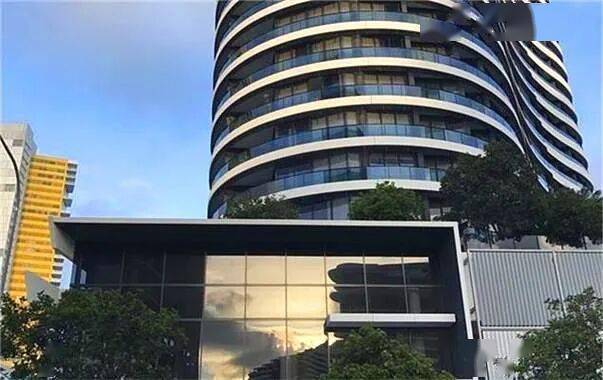
黑石赚翻了
投资界· 2025-12-24 07:33
Core Viewpoint - Medline, a global healthcare company, has successfully gone public on NASDAQ, marking the largest IPO in the U.S. this year with a market capitalization exceeding $54 billion, providing substantial returns for its private equity backers [4][7][10]. Company Background - Medline was founded in 1966 by Jim and John Mills, inspired by their grandfather's sewing workshop in Chicago, initially focusing on manufacturing medical garments [8][9]. - The company briefly went public in 1972 but was privatized five years later, remaining a family-owned business until a private equity consortium acquired a majority stake in 2021 [9][13]. IPO Details - Medline's IPO raised approximately $6.26 billion by issuing 216 million shares at $29 each, with significant oversubscription, including cornerstone investments from entities like Singapore's GIC [10][12]. - The IPO not only surpassed the previous largest IPO of CATL in Hong Kong but also set a record for the largest private equity-backed IPO in history [10][13]. Financial Performance - Since the acquisition by private equity firms, Medline's revenue has surged nearly 50%, from $17.5 billion in 2020 to an estimated $25.5 billion in 2024 [13][14]. - The company has maintained a compound annual growth rate of 18% in sales since its inception, showcasing a remarkable growth trajectory [12]. Shareholder Gains - Major shareholders, including Blackstone, Carlyle Group, and Hellman & Friedman, collectively hold significant voting rights and have seen their investments appreciate substantially, with the value of Medline increasing by over $20 billion since the acquisition [15][16]. - Blackstone has already begun to realize profits from the IPO, selling approximately 13.46 million shares for about $382 million [15]. Future Outlook - Blackstone has several upcoming IPO projects, indicating a strong pipeline for future exits, with expectations of achieving one of its largest issuance years [16].

特朗普的资本重构:一场万亿美元级别的资金流向大转移
华尔街见闻· 2025-12-24 04:01
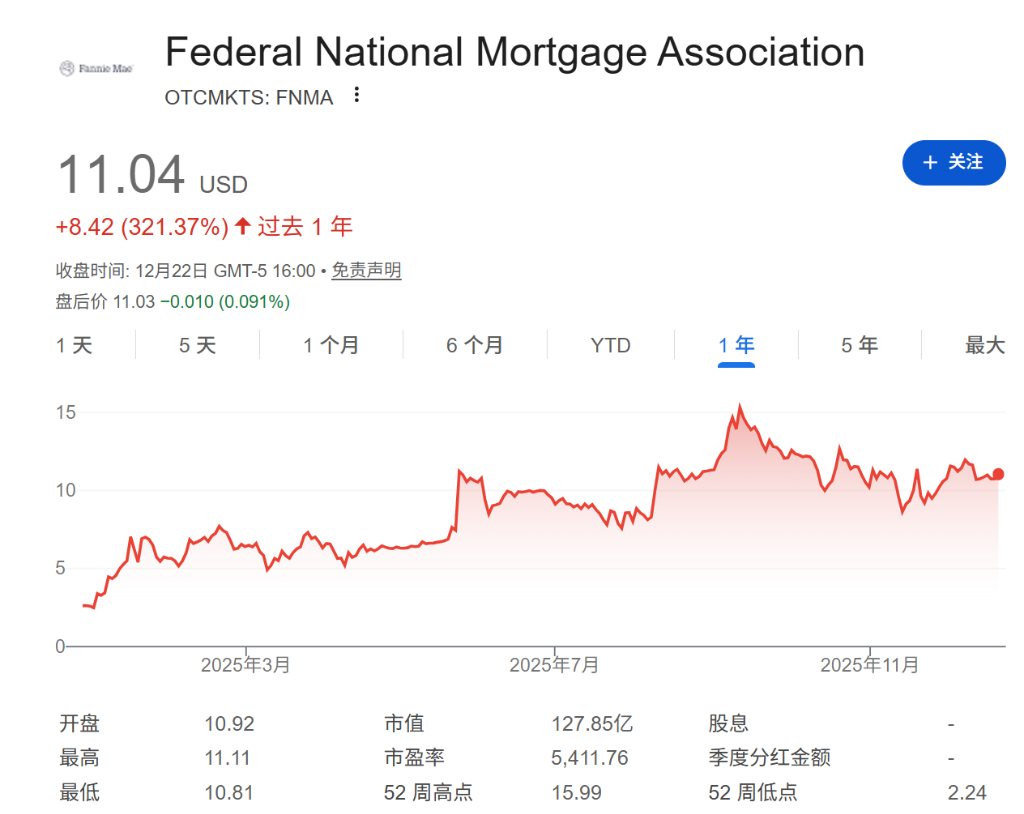
Core Viewpoint - The article discusses the significant policy shifts under the Trump administration that are reshaping capital flows in various sectors, particularly in banking, housing finance, cryptocurrency, and energy, indicating a major reallocation of investment opportunities and risks. Group 1: Banking Regulation and Liquidity Release - The Federal banking regulators are relaxing key capital rules, specifically lowering the "enhanced supplementary leverage ratio" (eSLR) from 5% to between 3.5% and 4.25%, effective in early 2026, which is expected to release up to $219 billion in capital for major banks like JPMorgan Chase & Co. and Citigroup Inc. [2] - Following the regulatory easing, the largest four U.S. banks nearly doubled their stock buybacks to $21 billion and increased dividend payments by about 10% in the first full quarter after passing the Federal Reserve's annual stress tests [2] - Concerns have been raised about the potential risks of this policy, with warnings that it could make the banking system more vulnerable and increase industry concentration [2] Group 2: Housing Finance Privatization - A controversial proposal aims to end government control over Fannie Mae and Freddie Mac, leading to a significant rise in their stock prices, with Fannie Mae's shares soaring from under $2 to over $15 [3] - Bill Ackman, a prominent hedge fund manager, advocates for the public listing of these companies, while the Treasury holds $360 billion in preferred equity, complicating the privatization discussions [5] - Research indicates that even if the conservatorship is not ended, an IPO could raise borrowing costs, potentially increasing mortgage rates by 0.2 to 0.8 percentage points, which could add $200,000 in interest costs over the life of a $1 million mortgage [5] Group 3: Institutionalization of Cryptocurrency - The Trump administration has shifted its stance on digital assets, signing the GENIUS Act to provide a legal framework for stablecoins, which is expected to mainstream their use [6] - Citigroup projects that the stablecoin market could grow from approximately $310 billion to $4 trillion by 2030, with major banks like JPMorgan actively entering this space [6] - The new law mandates stablecoin issuers to maintain reserves at a 1:1 ratio and allows the use of U.S. Treasury securities as reserve assets, which may increase demand for U.S. government bonds [6] Group 4: Energy Investment Landscape Shift - The Trump administration's "Big Beautiful" plan has led to the cancellation or postponement of clean energy projects worth nearly $29.3 billion by ending tax credits for electric vehicles and renewable energy [8] - Companies like Pine Gate Renewables have announced closures and layoffs, while Fortescue Ltd. has abandoned a $210 million battery factory project, reflecting the drastic capital flow reversal in the energy sector [8] - The federal government is refocusing its efforts on supporting fossil fuels and nuclear energy development, indicating a significant shift in energy investment priorities [8] Group 5: New Channels for Pension Fund Investment - The Trump administration is attempting to tap into the $13 trillion retirement savings market by requiring agencies to reassess guidelines on alternative asset investments in retirement plans [10] - This move is seen as a major benefit for the private equity industry, potentially releasing billions in new funds as traditional pension funds approach their investment limits in private markets [10] - Despite warnings from figures like Senator Elizabeth Warren about the risks to ordinary Americans, private equity firms argue that this will provide broader access to previously exclusive financial products [10]


特朗普的资本重构:一场万亿美元级别的资金流向大转移
美股IPO· 2025-12-24 00:07
Group 1: Policy Changes and Economic Impact - Trump's administration is reshaping the flow of capital in the U.S. economy through aggressive policy changes, including deregulation of banks and a shift in funding from renewable energy to traditional sectors [1][3] - The "Big Beautiful" bill and subsequent regulatory adjustments signal a redirection of funds away from renewable energy projects towards pipelines, cryptocurrencies, and traditional finance [3] - The relaxation of capital rules for banks is expected to release up to $219 billion in capital for major banks, allowing them to invest more in government-backed assets [4] Group 2: Housing Market and Privatization - A controversial proposal aims to end government control over Fannie Mae and Freddie Mac, leading to significant stock price increases for these entities [6] - The privatization discussions are complicated by the Treasury's $360 billion preferred equity stake in these companies, raising concerns about potential increases in borrowing costs for consumers [8] Group 3: Cryptocurrency and Digital Assets - The Trump administration's new stance on digital assets includes the signing of the GENIUS Act, which provides a legal framework for stablecoins, potentially expanding the market from $310 billion to $4 trillion by 2030 [9] - Major banks, including JPMorgan, are actively entering the stablecoin market, while concerns arise about the potential outflow of deposits from small banks to stablecoins [9] Group 4: Energy Sector Changes - The "Big Beautiful" bill has led to the cancellation or postponement of $29.3 billion worth of clean energy projects, as the administration shifts focus towards fossil fuels and nuclear energy [10] - Companies in the clean energy sector are facing significant challenges, including layoffs and project cancellations, as federal support for renewable energy diminishes [10] Group 5: Retirement Savings and Alternative Investments - A new executive order aims to unlock $13 trillion in retirement savings by encouraging investment in alternative assets, which could significantly benefit the private equity sector [11] - This shift may lead to increased access for ordinary investors to financial products previously limited to seasoned investors, despite warnings about potential risks [11]

年内险资向私募股权基金出资已超千亿元
Zheng Quan Ri Bao· 2025-12-23 16:09
今年以来,险资继续加大私募股权基金投资力度。执中数据科技(苏州)有限责任公司(以下简称"执中") 数据显示,在今年(截至12月19日)备案的私募股权基金中,保险机构作为有限合伙人(LP)向私募股权基 金出资合计达1097.56亿元,较去年同期增长55.85%。 "今年以来,监管部门发布了一系列鼓励险资加大股权配置力度的政策。"张令佳表示,例如,国家金融 监督管理总局将保险公司投资单一创业投资基金的账面余额占该基金实缴规模的比例上限从20%提高至 30%。同时,进一步加强国有商业保险公司长周期考核,提升了险资对短期波动的容忍度,鼓励其进行 更长期的布局。 业内人士认为,险资加码私募股权投资是宏观经济环境、监管政策导向与险资自身资产配置需求三重因 素共振的结果。未来,预计险资还将继续加大这一领域的投资力度。 寿险公司出资额最大 根据出资总金额看,2025年在私募股权投资领域最活跃的5家保险机构依次为:中国太平洋人寿保险股 份有限公司,出资额达205.99亿元;中国平安人寿保险股份有限公司,出资额为150亿元;阳光人寿保 险股份有限公司,出资额为114.88亿元;友邦人寿保险有限公司,出资额为106.75亿元;人保 ...

特朗普的资本重构:一场万亿美元级别的资金流向大转移
Hua Er Jie Jian Wen· 2025-12-23 10:30
Group 1: Economic Policy Changes - The Trump administration is rapidly altering the flow of capital in the U.S. economy, signaling a shift away from renewable energy projects towards pipeline projects, cryptocurrencies, and traditional finance [1] - A series of regulatory changes, including the relaxation of bank leverage limits and the privatization of mortgage giants, are reshaping the incentive structures within the financial system [1][2] - The administration aims to restore the U.S. as a leading economy by reducing regulatory burdens that stifle economic creativity [1] Group 2: Bank Regulation and Liquidity - Federal banking regulators are relaxing key capital rules, lowering the "enhanced supplementary leverage ratio" (eSLR) from 5% to between 3.5% and 4.25%, effective in early 2026 [2] - This change could release up to $219 billion in capital for major banks like JPMorgan Chase & Co. and Citigroup Inc., leading to increased stock buybacks and dividend payments [2] - Critics warn that these policies may weaken the banking system and increase industry concentration [2] Group 3: Mortgage Market Privatization - A controversial proposal aims to end government control over Fannie Mae and Freddie Mac, leading to significant stock price increases for these entities [3][6] - The Treasury holds $360 billion in preferred equity, making the handling of this asset a central issue in privatization discussions [6] - Potential reforms could raise borrowing costs for consumers, with mortgage rates possibly increasing by 0.2 to 0.8 percentage points [6] Group 4: Cryptocurrency Regulation - The Trump administration is embracing digital assets, having signed the GENIUS Act to provide a legal framework for stablecoins, which could lead to a market growth from $310 billion to $4 trillion by 2030 [7] - Major banks, including JPMorgan, are actively entering the stablecoin market, while Tether seeks a $500 billion valuation [7] - The new regulations require stablecoin issuers to maintain reserves at a 1:1 ratio, potentially increasing demand for U.S. Treasury securities [7] Group 5: Energy Sector Shifts - The administration's policies have led to a significant reversal in energy investment, ending tax credits for electric vehicles and renewable energy projects, resulting in the cancellation or delay of $29.3 billion in clean energy projects [8] - Major companies in the clean energy sector are facing layoffs and project cancellations, while the government is refocusing on fossil fuels and nuclear energy [8] Group 6: Retirement Savings Market - The Trump administration is attempting to tap into the $13 trillion retirement savings market by requiring a reassessment of investment guidelines for retirement plans [9] - This move is seen as a boon for the private equity industry, potentially releasing billions in new capital as funds shift from traditional assets to alternative investments [9] - Critics express concerns about the risks and costs associated with exposing ordinary investors to high-risk financial products [9]
另类投资简报 | 150亿美金!高瓴资本近年来规模最大基金重组
彭博Bloomberg· 2025-12-23 06:05
Private Equity Market Review - The private equity fundraising pressure continues to rise due to the global market slowdown, prompting some ultra-high-net-worth clients of UBS to reassess their allocation strategies [4] - According to UBS's "Billionaire Ambitions Report 2025," nearly one-third of the 87 billionaires surveyed plan to reduce their investments in private equity instruments over the next 12 months, the highest reduction among various investment themes mentioned in the report [4] Hedge Fund Market Overview - Bloomberg's preliminary data indicates that the hedge fund industry recorded a 0.3% increase last month, with the event-driven hedge fund index leading the performance [4] - Year-to-date, hedge funds have risen by 11%, with equity funds showing the strongest performance, achieving a cumulative increase of 17% [4] - Sigma Investments has surpassed 10 billion RMB (approximately 1.4 billion USD) in assets under management in China, marking its entry into the top tier of Chinese hedge funds [4] - The newly raised funds, approximately three-quarters of which will be allocated to a Chinese stock strategy product, have contributed to a significant growth in total assets managed by Sigma Investments [4] Notable Transactions - Hillhouse Capital, founded by Zhang Lei, has merged three public market funds into a portfolio with a scale of at least 15 billion USD, marking the largest restructuring for the firm in recent years [4] - The flagship hedge fund, focused on Chinese listed stocks, and a newly established fund targeting undervalued Chinese stocks were part of this merger [4] Market Trends - There is a growing interest in the options market among global hedge funds, particularly favoring the US dollar [8]