智能汽车

Search documents
小鹏将于今年AI科技日宣布在物理AI领域取得重大突破
Feng Huang Wang· 2025-10-09 08:05
Core Viewpoint - Xiaopeng Motors is set to announce significant breakthroughs in the field of physical AI during its upcoming AI Technology Day, highlighting advancements in its world base model's ability to simulate the physical world [1] Group 1: Technological Advancements - The Xiaopeng AI team has dedicated over a year to developing a physical world AI base model, starting from the reconstruction of its methodology in the physical AI domain [1] - The base model under development utilizes the largest dataset ever recorded, positioning it as the leading physical AI model in China [1] - This initiative is a crucial step towards achieving large-scale Level 4 (L4) autonomous driving, enabling rapid deployment of Turing AI driving technology globally [1] Group 2: Strategic Implications - The advancements in AI technology can be repurposed for AI vehicles and AI robots, benefiting the creation of an "AI + Mobility" ecosystem [1] - Xiaopeng Motors aims to provide the most advanced and locally adaptive intelligent driving experience to global users by Q4 2026 [1]

小鹏将于今年AI科技日宣布在物理AI领域取得的重大突破
Xin Lang Cai Jing· 2025-10-09 07:01
小鹏汽车将于今年的AI科技日上宣布在物理AI领域取得的重大突破,在小鹏世界基座模型对世界进行 推演能力上取得关键进展。据悉,小鹏AI团队已投入物理世界AI基座模型研发一年多时间,从底层的 AI Infra开始重构其物理AI领域的方法论,正在研发的基座模型使用了有史以来最大的模型数据量,是 国内最领先的物理AI大模型。此举将是攻克大规模L4的关键一步,可以快速将图灵AI智驾部署到全球 其他国家,也可以将技术复用到AI汽车、AI机器人上,利好其打造"AI+出行"生态。(第一财经) ...
智能汽车ETF(159889)涨超2.3%,机构:AI驱动产业落地加速
Mei Ri Jing Ji Xin Wen· 2025-10-09 06:40
Core Insights - The application of large models is transitioning from assistance (Copilot) to execution (Agent) and decision-making (Intelligence), allowing AI applications to independently plan task paths and make decisions [1] Group 1: AI Integration and Development - The State Council has proposed that by 2027, artificial intelligence will be deeply integrated with key sectors, with the penetration rate of smart terminals exceeding 70% [1] - In the smart automotive sector, the penetration rate of L2+ is accelerating, marking the first year of implementation for advanced driving by traditional car manufacturers [1] - The focus in the L4 domain is on the commercialization turning point of Robotaxi [1] Group 2: Industry Trends and Opportunities - The direction of AI + consumption is clear, with smart connected vehicles being prioritized as the next generation of smart terminals [1] - The autonomous driving industry chain is viewed positively, with three main lines of development: domestic substitution, regulatory strengthening, and international expansion, driven by technology [1] Group 3: Investment Vehicles - The Smart Car ETF (159889) tracks the CS Smart Car Index (930721), which selects listed companies involved in smart driving and vehicle networking from the A-share market [1] - The index covers multiple segments of the industry chain, from hardware to software, and primarily includes companies in the information technology and consumer discretionary sectors, reflecting the overall performance and diversity of smart automotive-related listed companies [1]
黑芝麻智能早盘涨近9% 近期与奇瑞及太保产险达成合作 公司即将发布机器人产品线
Zhi Tong Cai Jing· 2025-10-09 03:07
Core Viewpoint - Black Sesame Intelligence (000716) and its partners are exploring an innovative "technology + insurance" model to enhance the safety and operational efficiency of new energy commercial vehicles through advanced driver assistance technology [1] Group 1: Company Developments - Black Sesame Intelligence's stock rose nearly 9% in early trading, currently up 6.64% at HKD 20.88, with a trading volume of HKD 251 million [1] - The company has entered a strategic partnership with Chery Commercial Vehicles and China Pacific Insurance (601601) to integrate technology into the insurance underwriting process [1] - Black Sesame will provide a PA2.0 active safety system for Chery's entire range of new energy vehicles, covering both pre-installation and post-installation scenarios [1] Group 2: Industry Insights - The Chief Marketing Officer of Black Sesame, Yang Yuxin, anticipates a market explosion in cross-domain integration, predicting that L3 autonomous driving technology will reach maturity within the next three to five years [1] - The industry chain is expected to become more organized, with manufacturers that have mature mass production experience, sustainable technology iteration, and customer recognition standing out [1] - Black Sesame is set to launch a robotics product line, aiming to transfer its automotive industry technology and successful experiences to new markets [1]

智能汽车政策技术协同,机器人技术突破促落地提速 | 投研报告
Zhong Guo Neng Yuan Wang· 2025-10-09 01:26
Core Viewpoint - The report from Southwest Securities highlights the growth in the new energy vehicle (NEV) sector, with significant retail sales figures and a focus on technological advancements in smart vehicles and robotics [2][4]. Group 1: New Energy Vehicle Sales - From September 1 to 21, retail sales of new energy passenger vehicles reached 1.191 million units, a year-on-year increase of 1% and a month-on-month increase of 8% [2][3]. - Cumulatively, retail sales for the year have reached 15.955 million units, representing a year-on-year growth of 9% [2][3]. - For the same period, new energy passenger vehicle sales were 697,000 units, showing a year-on-year increase of 10% and a month-on-month increase of 11%, with a penetration rate of 58.8% [2][3]. Group 2: Smart Vehicle Development - The Ministry of Industry and Information Technology announced plans to compile an industrial development plan focusing on key technologies such as automotive artificial intelligence and operating systems [4]. - As of July, the penetration rate of L2-level passenger vehicles reached 62.58%, supported by over 35,000 kilometers of open testing roads [4]. - Companies are releasing innovative results, such as the OTA upgrade from Zhijie and the Auto Omni solution from Zebra Smart Travel, indicating a shift towards large-scale application in the industry [4]. Group 3: Heavy-Duty Trucks - In August, the penetration rate of new energy heavy-duty trucks reached 26.61%, with expectations for record sales in September due to seasonal demand and policy support [5]. - The cumulative penetration rate for new energy commercial vehicles from January to September is expected to increase from 25.03% [5]. Group 4: Robotics Sector - Google released Gemini Robotics 1.5, promoting the realization of general intelligence through cross-robot skill transfer [5]. - The Shanghai Industrial Expo showcased significant technological breakthroughs from domestic industrial robot companies, marking a critical period for the industry's transition to large-scale implementation [5].



智见|AI时代国人消费习惯的变化及问题对策——基于城乡收入分层的分析
Sou Hu Cai Jing· 2025-10-08 23:24
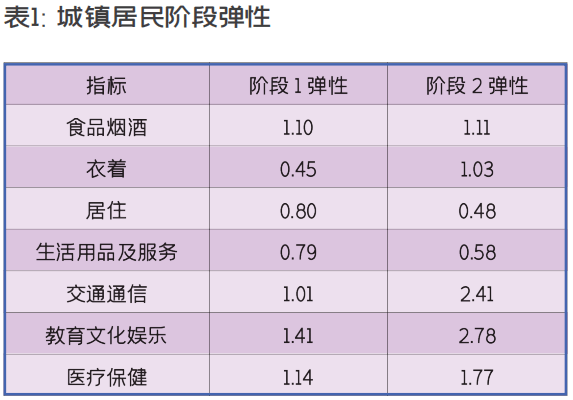
Core Insights - The article discusses significant changes in consumer habits in China under the influence of AI, analyzing how AI reshapes consumption decision-making paths, consumption stratification, and equity issues, including whether AI exacerbates consumption gaps [1] - It highlights the differences in consumption patterns between urban and rural areas, emphasizing that urban high-income groups adapt more quickly to AI technologies, while rural low-income groups remain focused on basic survival needs [2][3] - The research employs compound annual growth rate (CAGR) and consumption elasticity calculations to compare consumption differences across urban and rural areas during different stages of AI penetration [3][4] Urban vs. Rural Consumption Differences - Urban residents, particularly high-income groups, have better education and digital literacy, leading to quicker adaptation to AI technologies and a shift towards high-end products and services [2] - Rural low-income groups exhibit weaker consumption habit effects, relying on survival rationality and showing slower AI penetration, primarily focusing on basic living expenses [2][8] Stages of AI Impact and Consumption Elasticity - The impact of AI on consumption is gradual, with long-term data smoothing out short-term fluctuations. The study divides AI's influence into two stages: initial (2020-2022) and mature (2022-2024) [3][4] - Consumption elasticity is calculated for various categories, revealing differences in responsiveness to income changes between urban and rural residents across the two stages [4][5] Urban Residents: Basic vs. Quality Consumption - In the initial stage, urban residents prioritize improving living conditions and essential goods, leading to high consumption elasticity. In the mature stage, as basic needs become saturated, elasticity decreases [6][10] - The transition from survival needs to quality pursuits in urban areas results in increased elasticity for categories like transportation and education, driven by income growth and enhanced AI applications [7][10] Rural Residents: Saturation and Activation of Developmental Consumption - Rural residents experience a saturation effect in basic consumption as income rises, leading to reduced elasticity in essential goods. However, there is a growing demand for quality-driven consumption in the mature stage [8][12] - The digitalization of rural areas and improved infrastructure stimulate new consumption patterns, such as online education and smart devices, enhancing responsiveness to income changes [9][12] Banking Strategies for Urban and Rural Residents - For urban residents, banks should shift focus from traditional consumer credit for basic needs to customized financial services for quality consumption, such as smart home products and health management services [10][11] - For rural residents, banks can provide small, short-term loans for essential goods while enhancing digital payment solutions and promoting financial services to meet the growing demand for quality-driven consumption [12][13] Conclusion - AI technology profoundly influences consumer habits in China, reshaping decision-making processes and highlighting urban-rural disparities. The findings indicate a transition from basic consumption to quality consumption in urban areas, while rural areas experience a shift from saturation in basic needs to activation of developmental consumption [14]

“十五五”规划聚焦具身智能,企业锚定场景落地抢滩万亿风口
Sou Hu Wang· 2025-10-08 04:37
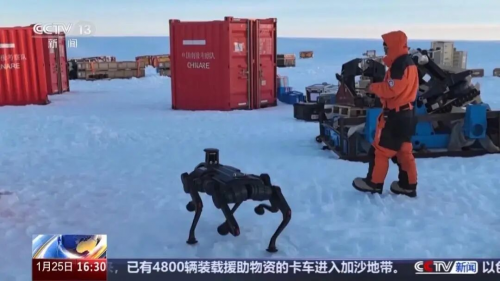
Group 1: Market Potential and Growth - The market size of China's embodied intelligence industry is expected to reach 973.1 billion yuan by 2025, with the robotics market at 522.9 billion yuan (up 8.9%) and the autonomous driving market at 450.2 billion yuan (up 17.5%) [1] - By 2026, the market size of the embodied intelligence industry in China is projected to exceed 1 trillion yuan [1] - The humanoid robot market is predicted to reach nearly 3 trillion yuan by 2040, while the embodied intelligence market could reach 1.5 trillion USD (over 10 trillion yuan) by 2030, with a CAGR of 25% [7] Group 2: Policy and Strategic Importance - The "15th Five-Year Plan" is crucial for consolidating the achievements of the "14th Five-Year Plan" and laying the foundation for the "16th Five-Year Plan," directly impacting the realization of the 2035 vision [2] - The Chinese government is increasingly focusing on the development of embodied intelligence, with policies being established to support the industry during the "15th Five-Year Plan" period [3] - The government aims to elevate embodied intelligence as a core sector supporting the manufacturing powerhouse and digital China strategy, transitioning from foundational layout to core breakthroughs and integrated empowerment [2] Group 3: Corporate Developments and Innovations - Lenovo Group has made significant advancements in embodied intelligence, including the mass production of an intelligent driving domain controller based on the NVIDIA DRIVE AGX Thor platform [3] - The "Lenovo Enjoy No. 1" humanoid robot has been deployed in flagship stores across multiple cities, showcasing its ability to interact with the environment and serve as a commercial-grade robot [9] - Lenovo's "Morning Star" six-legged robot has demonstrated exceptional performance in extreme environments, enhancing the efficiency and safety of polar exploration tasks [11] Group 4: Application Scenarios and Investment Opportunities - The application scenarios for embodied intelligence are expected to focus on labor-intensive, repetitive tasks with high risks, where the technology can provide significant returns on investment [8] - The two main directions for investment in embodied intelligence are technical feasibility and cost-effectiveness, with strong potential for early adoption in various sectors [11] - Companies like Lenovo and Huawei, which have made early investments in intelligent fields, are expected to benefit from the growth opportunities in the embodied intelligence industry during the "15th Five-Year Plan" [7][12]

向华为全额支付115亿!买下10%股份!2600亿赛力斯,开始正式狂飙
Sou Hu Cai Jing· 2025-10-03 21:19
Core Insights - The acquisition of a 10% stake in Shenzhen Yingwang Intelligent Technology Co., Ltd. by Seres Group's wholly-owned subsidiary for 11.5 billion yuan signifies a strategic partnership with Huawei, transitioning from business collaboration to a dual binding of business and equity [2][4] - The valuation of Yingwang, established by Huawei in January 2024, reached 115 billion yuan, indicating its significant role in automotive intelligent driving solutions and related technologies [2][4] - The partnership structure now includes Huawei holding 80% and both Seres and Avita Technology each holding 10%, marking a shift towards a diversified equity platform [4][16] Financial Performance - Seres Group reported a substantial revenue increase of 489.58% year-on-year, achieving 65.04 billion yuan in the first half of 2024, with a net profit of 1.625 billion yuan, reversing losses from the previous year [6][12] - The growth was primarily driven by a significant rise in new energy vehicle sales, with production and sales reaching 203,900 and 200,900 units respectively, both showing over 340% year-on-year growth [6][12] Strategic Developments - The collaboration between Seres and Huawei has deepened, with Seres acquiring 919 trademarks and 44 design patents from Huawei for 2.5 billion yuan, aligning with regulatory requirements for brand and production integration [10][12] - The partnership aims to enhance the competitive edge of various automotive companies by leveraging Yingwang's advanced intelligent driving technologies, which are considered top-tier in the domestic market [14]
多家A股公司披露H股上市进展→
Zheng Quan Shi Bao Wang· 2025-10-01 15:10
Group 1 - The Hong Kong IPO market is experiencing a surge of applications from A-share companies, indicating a trend of cross-border listings [1][2] - Multiple A-share companies, including Three Squirrels, Kexing Pharmaceutical, and Junsheng Electronics, have disclosed their latest progress on H-share listings on the Hong Kong Stock Exchange, covering key sectors such as snacks, biopharmaceuticals, and automotive technology [2][3] Group 2 - Three Squirrels plans to issue up to 81.55 million shares for its H-share listing, positioning itself as the largest Chinese snack company based on projected 2024 sales, with the fastest growth rate among the top five companies in the sector from 2022 to 2024 [3] - Junsheng Electronics aims to issue up to 284 million shares, recognized as the second-largest provider of intelligent cockpit domain control systems in China and the fourth globally, according to Frost & Sullivan [3] Group 3 - Ruiming Technology has submitted its listing application to the Hong Kong Stock Exchange, focusing on AI solutions for commercial vehicles, leveraging over 20 years of industry experience [4] - Other companies like Kexing Pharmaceutical and Kote Power are also planning H-share listings to enhance their international presence and competitiveness [4] Group 4 - The Hong Kong IPO market has seen significant activity this year, with notable new listings such as Zijin Gold International, which raised approximately HKD 24.98 billion, making it the second-largest IPO in Hong Kong this year [7] - A total of 68 new stocks have been listed in Hong Kong this year, with over 70% recording gains on their first trading day, indicating strong market performance [8]
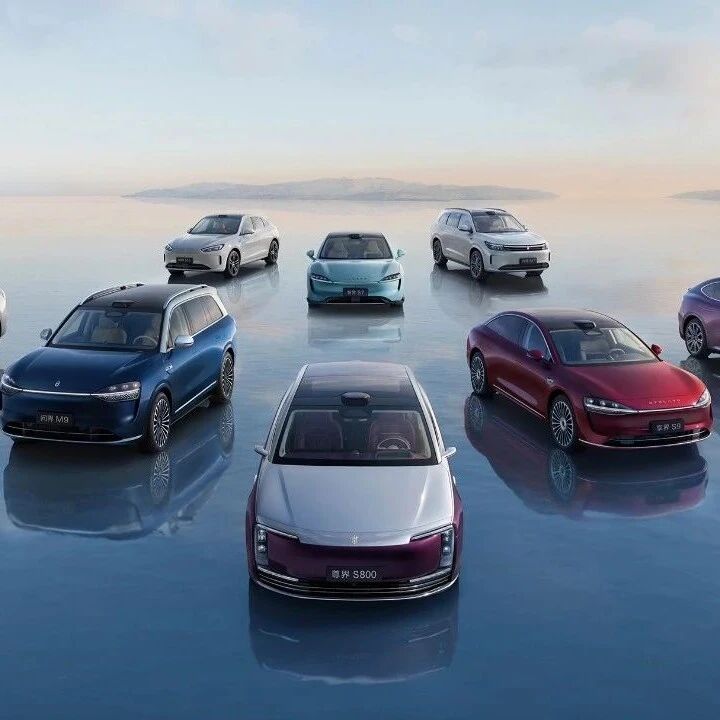
当友商在追新时,鸿蒙智行选择「回头看」
36氪· 2025-10-01 04:11
Core Insights - The core competition in the smart car industry is shifting from a "hardware arms race" to "user experience operations" [2][5] - The industry is facing a "dual dilemma" due to a mismatch between supply and demand [3][4] - Consumers are moving from chasing technological novelty to practical experiences, indicating a significant change in demand [5] Industry Dynamics - The release of new vehicles is increasing, with a heated competition in hardware specifications like LiDAR, reminiscent of the early smartphone era [4] - Despite the industry's prosperity, market reactions are subdued, with many users not fully utilizing smart features, leading to a paradox of excess functionality and insufficient experience [4] User Experience and Brand Loyalty - Issues like "discrimination against old models" and "function isolation" are prevalent, where automakers focus on new models for exclusive features, neglecting older models despite their hardware capabilities [7] - This short-sighted approach risks alienating early supporters, damaging brand trust as users feel abandoned by rapid technological iterations [7][9] Evolution of Value Metrics - The core difference between traditional and tech-driven automakers is shifting from manufacturing efficiency to user lifecycle value operations [11] - Experience yield is becoming the primary metric for car purchasing decisions, replacing traditional parameters like horsepower and computing power [12] Enhanced User Experience Features - The Huawei QianKun Intelligent Driving ADS 4 system exemplifies a higher level of user experience, focusing on real-world performance rather than just theoretical data [13] - The system addresses common challenges, such as the "last mile" issue in autonomous driving, enhancing user convenience with features like "parking from parking space 2.0" [15] Emotional Connection and Social Interaction - The latest upgrades include emotional interaction features that cater to younger consumers' desires for connection and social sharing, enhancing the overall user experience [18] - These features create engaging family discussions and social media sharing opportunities, evolving the value proposition from generic to personalized [18] Strategic Direction for the Industry - As competition shifts from manufacturing scale to ecosystem and user experience capabilities, software-driven, continuously evolving experiences are becoming crucial assets for brands [20] - The commitment to providing a "constantly new" experience is essential for guiding the smart car industry's future competition, emphasizing the importance of ongoing value creation for users [20]