稀土

Search documents
稀土价格|本周镨钕价格显著上涨
Xin Lang Cai Jing· 2025-12-26 05:11
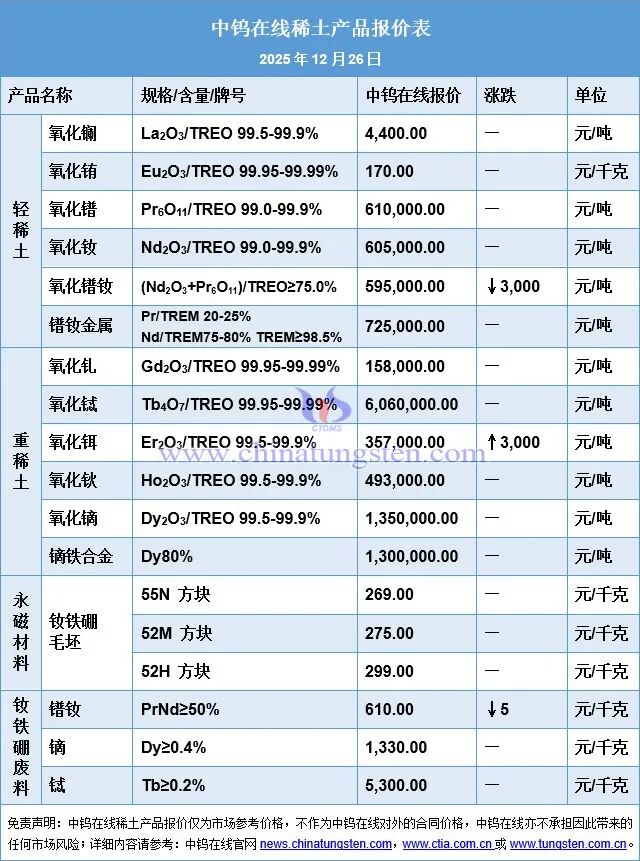
Core Viewpoint - The rare earth market in China is currently experiencing a "price without market" situation, with divergent price trends for light and heavy rare earth products [5][6]. Group 1: Light Rare Earth Market - The prices of mainstream light rare earth products initially declined, then increased, and finally stabilized during the week. This was due to weak downstream demand and suppliers' inability to raise prices at the beginning of the week [2][7]. - Midweek, the strengthening of production cost support, increased inquiries from magnetic material companies, and tightening supply expectations contributed to suppliers' confidence in raising prices [7]. - As the weekend approached, the pace of downstream demand recovery slowed, and favorable factors began to diminish, leading to a slowdown in the rate of price increases [7]. Group 2: Heavy Rare Earth Market - The price trend for dysprosium and terbium was characterized by an initial decline followed by stabilization. At the beginning of the week, low market inquiry activity and financial pressures on rare earth manufacturers led to a strong inclination among suppliers to lower prices [3][8]. - By the end of the week, the significant price increase of praseodymium and neodymium helped stabilize dysprosium and terbium prices [8]. - Specific price changes included an increase of approximately 19,000 yuan/ton for praseodymium-neodymium oxide (3.30% increase), a rise of about 25,000 yuan/ton for praseodymium-neodymium metal (3.57% increase), a decrease of 70,000 yuan/ton for terbium oxide (1.14% decrease), and a drop of 10,000 yuan/ton for dysprosium oxide (0.74% decrease) [8]. Group 3: Regulatory Environment - On December 25, 2025, the Ministry of Commerce held a regular press conference addressing questions about China's restrictions on certain rare earth elements, particularly those needed for permanent magnets in the U.S. The spokesperson emphasized that most rare earth magnets are general import and export goods, and fluctuations in trade data are normal market phenomena [3][8]. - The Chinese government remains committed to maintaining the stability and security of the global supply chain and actively promotes and facilitates compliant trade [8].

酝酿8年,美国对大疆发禁令,中方采取行动,74吨稀土禁售美国
Xin Lang Cai Jing· 2025-12-26 03:28
特别声明:以上文章内容仅代表作者本人观点,不代表新浪网观点或立场。如有关于作品内容、版权或其它问 题请于作品发表后的30日内与新浪网联系。 ...
彭博:尽管特朗普达成协议,美国稀土买家仍面临中国出口限制。
彭博· 2025-12-26 02:12
Investment Rating - The report indicates a cautious investment outlook for the rare earth industry, particularly concerning U.S.-China trade relations and supply chain stability [11]. Core Insights - Despite an agreement to lift restrictions on rare earth elements, China continues to limit the supply of essential materials needed for U.S. production of permanent magnets and other products [11] - The U.S. industrial sector remains unable to independently source the raw materials required for these products, while China has increased the supply of finished products like permanent magnets [11] - China's restrictions on raw materials hinder the U.S. efforts to establish its own rare earth processing industry, which is crucial for producing magnets used in various applications, including consumer goods and military systems [11] Summary by Sections - **Trade Relations**: The U.S. and China have reached a trade truce, but ongoing tensions persist, particularly regarding the supply of rare earth materials [3][4] - **Supply Chain Issues**: U.S. companies face significant challenges in obtaining raw materials from China, which affects their production capabilities [7][8] - **Market Dynamics**: There is a notable discrepancy between the increase in China's exports of finished products and the stagnation of U.S. exports, indicating a potential imbalance in the supply chain [6][8]
特朗普圣诞夜动手!美国空袭尼日利亚,目标直指石油和稀土?
Hua Er Jie Jian Wen· 2025-12-26 00:31
Group 1 - The U.S. military action against Nigeria is framed as a counter-terrorism effort but is deeply intertwined with economic interests, particularly in energy and strategic minerals [1][2] - The timing of the airstrikes coincides with Nigeria's Dangote refinery nearing full operational capacity, which poses a threat to U.S. oil export interests [2] - The U.S. has historically been a major supplier of refined oil to Nigeria, with exports valued at approximately $4.2 billion in 2023, making the protection of these interests a key motive behind the military action [2] Group 2 - Nigeria is rich in rare earth minerals and critical metals, essential for electric vehicles and U.S. defense technology, making it a strategic target for U.S. interests [3] - Following the military threats, Nigeria's sovereign bonds experienced a significant drop, indicating increased market volatility and risk perception [3] - The military actions are expected to raise Nigeria's sovereign risk premium, leading to higher financing costs and potential capital flight, which could adversely affect non-oil service sector growth [3]
突发特讯!商务部回应对美稀土磁体出口限制:积极促进、便利合规贸易,引全球高度关注
Sou Hu Cai Jing· 2025-12-25 16:51
Core Viewpoint - The article discusses China's strategic position in the global rare earth market, particularly in response to U.S. tariffs on Chinese semiconductors, emphasizing the importance of compliance in trade and the implications for international supply chains [1][10]. Group 1: Importance of Rare Earths - Rare earth elements, especially high-performance permanent magnets, are critical for modern industries, including defense and green technology, with China supplying approximately 60% of global rare earth materials and over 90% of processing capacity [3][5]. - The U.S. faces a structural dependency on China for rare earths, despite having its own mineral resources, due to a lack of domestic processing and manufacturing capabilities [3][5]. Group 2: Compliance in Trade - China's statement on "promoting and facilitating compliant trade" reflects a commitment to international trade rules, particularly those of the World Trade Organization (WTO), aiming to assure global markets of stable supply chains [5][11]. - The concept of "compliance" also indicates China's focus on national security and export control laws, suggesting that any trade facilitation will not compromise China's interests or security [5][6]. Group 3: Strategic Positioning - By maintaining its rare earth processing capabilities, China aims to transition from being a raw material exporter to a provider of high-value technology products, thereby enhancing its influence in global high-end manufacturing [6][11]. - The article draws parallels between the current rare earth situation and the evolution of China's solar industry, highlighting China's ability to shape international standards and market dynamics [7][10]. Group 4: Implications for Global Trade - China's position presents a challenge for the U.S. and its allies, who are attempting to rebuild rare earth supply chains outside of China, as alternative sources face significant operational and environmental hurdles [10][11]. - The message of "compliant trade" serves as an invitation for global partners to engage with China under established rules, while also indicating the risks of pursuing a decoupled supply chain strategy [10][11].
日本稀土破局遇运输死结!哈国借道中国难如登天?
Sou Hu Cai Jing· 2025-12-25 15:36
Group 1 - Japan's reliance on China for rare earth imports is significant, with 60% of its rare earths sourced from China, and a 100% dependency on heavy rare earths like dysprosium and terbium for permanent magnet motors [3] - The recent agreement between Japan and Kazakhstan aims to diversify Japan's rare earth supply chain, as Kazakhstan holds the fourth-largest rare earth reserves globally, estimated at over 20 million tons [3][5] - The transportation of rare earths from Kazakhstan to Japan faces challenges, as the most efficient route requires transit through China, which complicates Japan's goal of reducing dependence on Chinese resources [5][9] Group 2 - The ideal transportation route involves using the China-Kazakhstan railway to reach the Horgos port, then shipping to Japan, but this route requires Chinese approval, which is complicated by new Chinese regulations on rare earth exports [5][9] - Alternative routes, such as the Caspian Corridor, are less viable due to increased costs, longer transit times, and geopolitical risks, including potential shipping disruptions in winter [7][9] - The geopolitical dynamics of the rare earth market highlight the complexities of resource cooperation, as both Japan and Kazakhstan must navigate the strategic interests of China, which maintains strict control over rare earth exports [9][11]
12月25日重要资讯一览
Zheng Quan Shi Bao Wang· 2025-12-25 14:14
Group 1 - The Ministry of Commerce of China has expressed strong opposition to the U.S. decision to impose 301 tariffs on certain Chinese semiconductor products, stating that it does not recognize the conclusions of the U.S. 301 investigation and has lodged formal representations through the China-U.S. economic and trade consultation mechanism [2] - The Ministry of Commerce emphasized its commitment to maintaining the security and stability of global supply chains and facilitating compliant trade, particularly regarding rare earth magnet exports to the U.S. [2] - The Shanghai Stock Exchange has announced the scheduled disclosure dates for 2025 annual reports, with Chipway Technology set to disclose on February 3, 2026, followed by *ST Huawang and Shangwei Co. on February 13 and 14, 2026, respectively [2] Group 2 - The State Administration for Market Regulation has identified issues related to the "Antarctic Krill Oil" incident, highlighting non-compliance in the production and processing behaviors of some enterprises, and plans to implement new regulations to enhance supervision over food entrusted production [3] - The National Development and Reform Commission will hold a press conference on December 26 to discuss the work related to the National Venture Capital Guidance Fund [4] - The National Press and Publication Administration has approved 144 domestic online games for December 2025 [5] Group 3 - The Shanghai Municipal Government has issued an implementation plan to strengthen the open-source system, aiming to build a competitive open-source innovation hub by 2027, with goals including the establishment of 1-2 internationally influential open-source communities and the cultivation of 100 commercial open-source enterprises [5] - The Guangzhou Municipal Government has introduced 18 measures to support the development of the gaming and e-sports industry, encouraging technological innovation and collaboration with national-level projects [6] - A team from the National University of Defense Technology has set a new global record in magnetic levitation experiments, accelerating a test vehicle weighing tons to 700 km/h in just two seconds [6] Group 4 - Major silicon wafer companies have significantly raised their prices, with 183N silicon wafers priced at 1.4 yuan per piece, 210RN at 1.5 yuan, and 210N at 1.7 yuan, reflecting an average increase of 12%, attributed to rising upstream silicon material costs [6] Group 5 - Shanghai Port Bay reported that its commercial aerospace and perovskite solar business will account for less than 1% of the company's revenue in 2024 [8] - Huadian Technology has signed a contract worth 265 million yuan for six major pipelines for a supercritical power plant [8] - Yichang Technology will see the Chuzhou State-owned Assets Supervision and Administration Commission become its actual controller, with shares resuming trading on the 26th [8] Group 6 - Unisoc Microelectronics plans to establish a new company with a subsidiary of CATL to engage in automotive domain control chip business [9] - Baina Qiancheng intends to acquire 100% of Zhonglian Century's shares, with trading resuming on the 26th [9] - Zhongding Holdings plans to set up a joint venture to manufacture humanoid robots [9] Group 7 - Guangju Energy intends to collaborate with China General Nuclear Power Corporation in areas such as electricity sales and virtual power plants [10] - Zhongwei Co. has signed a strategic cooperation framework agreement with Xinwanda for solid-state batteries [10]
商务部回应是否会放松对美稀土磁体出口的限制
第一财经· 2025-12-25 07:37
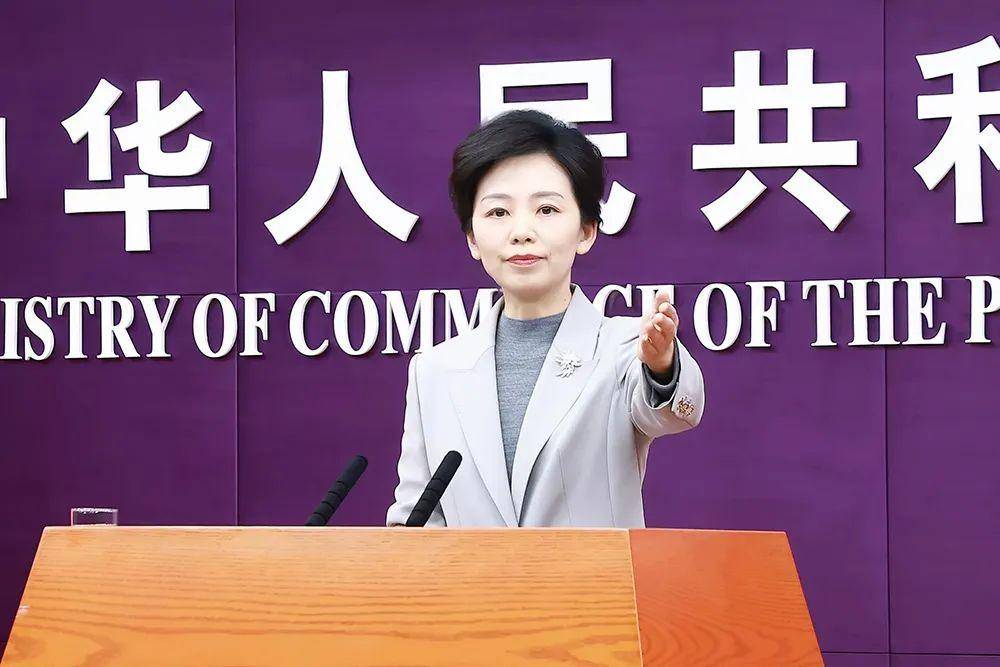
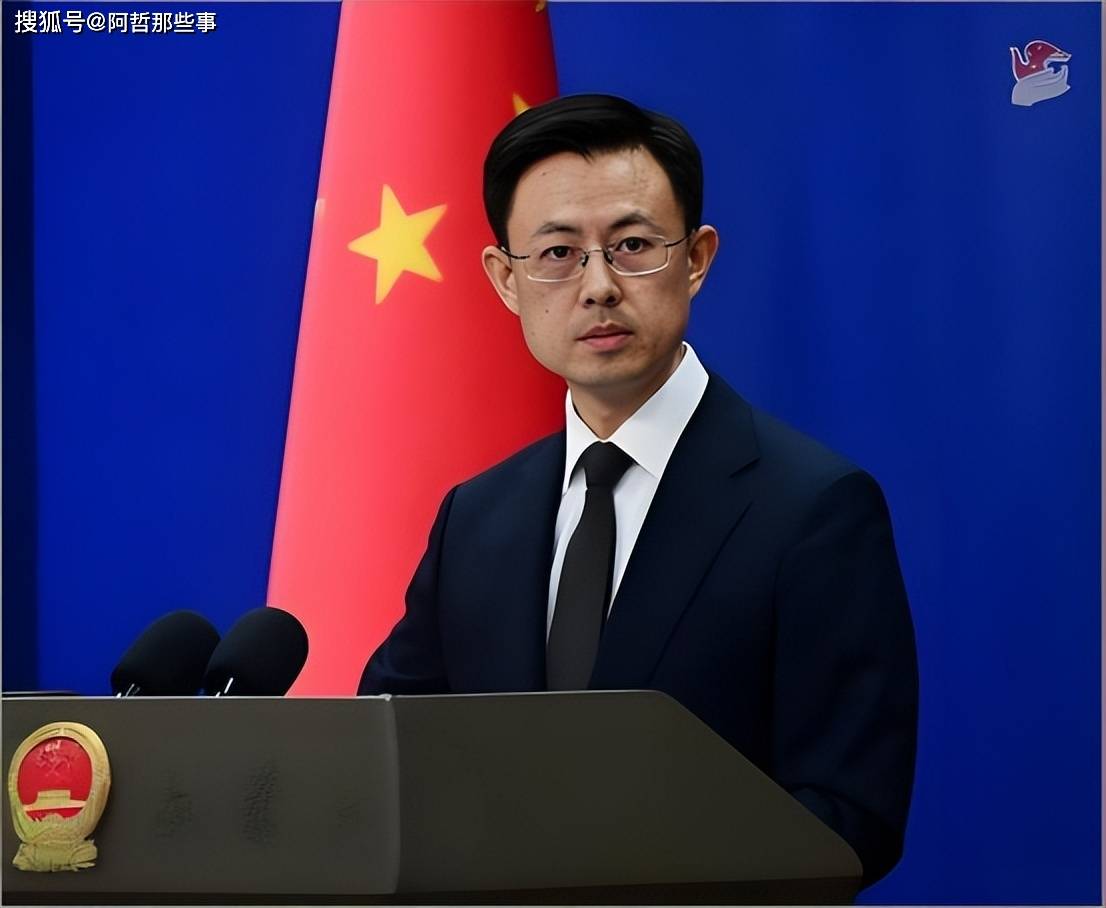
Group 1 - The core viewpoint of the article emphasizes China's commitment to maintaining the security and stability of global supply chains while promoting compliant trade [1] - The spokesperson, He Yongqian, reiterated that China is actively facilitating and promoting compliant trade in response to questions about the export restrictions on rare earth magnets to the U.S. [1] - The article highlights that despite the existing trade agreement between China and the U.S., there are no indications that China will relax its restrictions on rare earth magnet exports [1]
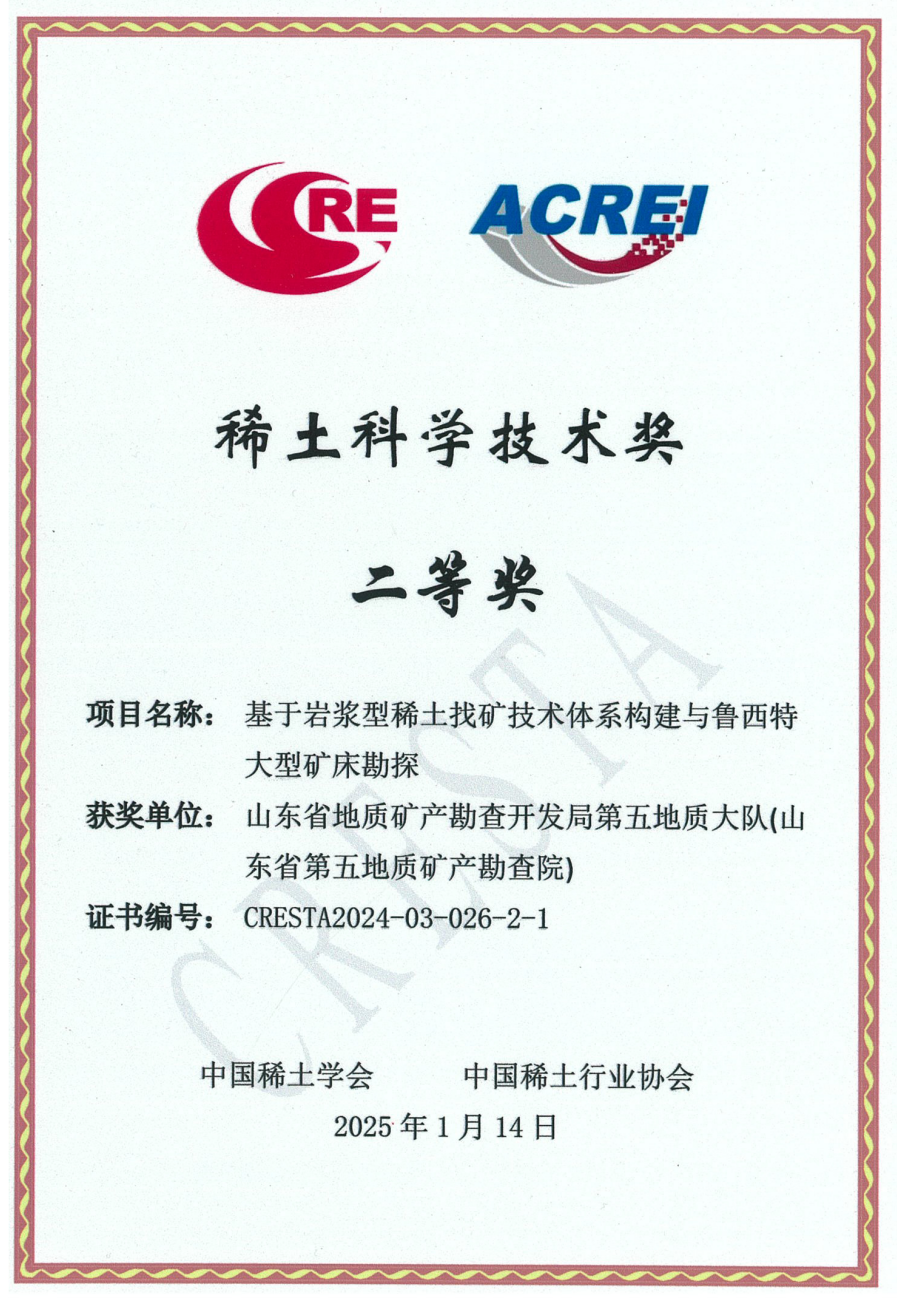
山东省地矿局五队找矿成果荣获稀土科学技术奖
Qi Lu Wan Bao· 2025-12-25 04:38
稀土科学技术奖 近日,中国稀土(000831)学会2025学术年会暨稀土新材料与仪器设备展览会在厦门开幕。山东省地矿局五队申报的"基于岩浆 型稀土找矿技术体系构建与鲁西特大型矿床勘探"项目,荣获2024年度"稀土科学技术奖"二等奖。 中国稀土学会 中国稀土行业协会 2025年1月14日 该项目依托院士工作站,通过战略矿产找矿团队持续创新研究,建立了稀土矿新找矿理论,在郗山稀土矿成矿机理、成矿规 律、成矿预测等方面取得重要成果,实现郗山稀土三维信息成矿空间的三维地质模型计算机重构系统、深部找矿预测平台等数 字化建设的突破,显著提升了山东省战略性矿产资源的接续保障能力。 基于前期成果,地矿五队顺利承担山东微山湖稀土有限公司2025年市场项目"山东省微山县微山湖东南段稀土矿勘查"工作。目 前,该项目已有7台钻机同时施工,累计完成钻探工作量超4000米。 下一步,地矿五院战略矿产找矿团队继续以微山郗山稀土矿为依托,在成矿规律研究、科技创新、人才培养和成果推广等方面 不断发力,以技术突破加速实现稀土矿找矿新突破,为国家战略性矿产资源储备提供有力支撑。 项目名称: 基于岩浆型稀土找矿技术体系构建与鲁西特 大型矿床勘探 获 ...

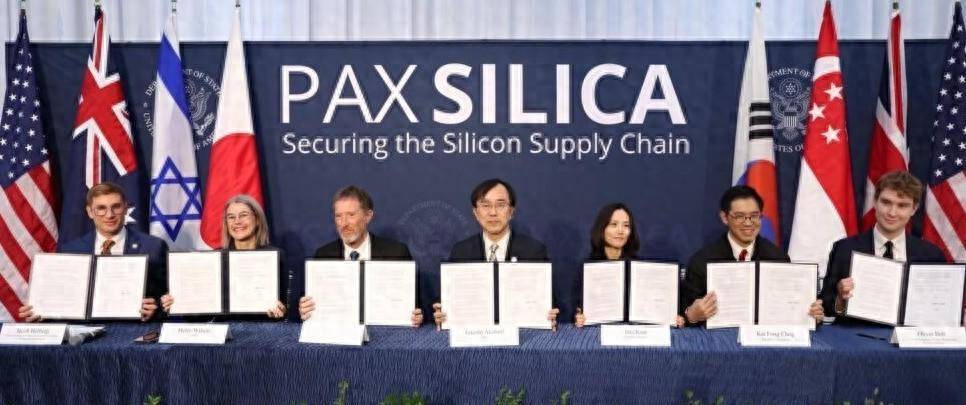
一个针对中国的联盟成立了,几个亚洲国家已经加入,中国提前把话说明白了
Sou Hu Cai Jing· 2025-12-25 03:23
Core Viewpoint - The "Silicon Peace Initiative" is perceived as a strategic blockade against China, particularly targeting its rare earth supply chain rather than a genuine symbol of technological cooperation [1][2][3]. Group 1: Alliance Composition and Intentions - The alliance includes Japan, South Korea, Israel, Singapore, and others, which appear united but have differing motivations and are not fully committed to U.S. directives [4][5]. - The member countries possess significant resources and capabilities, such as Japan's precision manufacturing and Australia's untapped mineral resources, which theoretically could create a high-end technology supply chain independent of China [5][6]. - However, the practical implementation of this alliance is hindered by conflicting national interests and economic dependencies on China [11][19]. Group 2: Economic Dependencies - Countries like South Korea and Japan have substantial economic ties with China, with South Korea relying on Chinese supply chains for over 70% of its semiconductor packaging and testing [10][17]. - Japan's automotive sales in China account for nearly 40% of its global sales, while Singapore's port activities are heavily linked to China [17]. - The alliance's members face challenges in reducing their reliance on China without incurring significant economic costs, which could lead to increased operational expenses and loss of competitiveness [19][21]. Group 3: Challenges of the Initiative - The initiative has not produced concrete projects or investment plans, remaining largely symbolic with little actual progress [12][13]. - Internal conflicts among member countries, such as disputes over semiconductor materials and pricing of critical minerals, complicate collaboration [19][27]. - The attempt to create a "de-China" supply chain contradicts the established global industrial dynamics, where China's dominance in rare earths is based on decades of industrial development [21][29]. Group 4: China's Position and Response - China controls 60% of global rare earth production and 90% of refining capacity, making it difficult for other countries to replicate this supply chain without significant investment and time [21][23]. - Despite the geopolitical tensions, China continues to engage in international cooperation on rare earth projects, emphasizing a market-oriented approach rather than using its resources as a political weapon [36][39]. - China's ongoing investments in rare earth research and development indicate a commitment to maintaining its competitive edge in this sector [37][41]. Group 5: Future Outlook - The "Silicon Peace Initiative" is likely to remain ineffective unless it addresses the fundamental issue of producing high-performance rare earth materials without relying on China [47]. - The global supply chain is expected to continue evolving based on market dynamics rather than political declarations, with China's role remaining central due to its manufacturing and technological capabilities [45][46].