资产管理

Search documents
河北资产管理股份有限公司港股IPO招股书失效
Zhi Tong Cai Jing· 2025-12-29 11:35
| 川九貞座官埋版仍有限公司 | | --- | | 11/07/2025 整體協調人公告 - 委任(經修訂) 四 | | 27/06/2025 申請版本(第一次呈交) 全文檔案 [四]多檔案 > | | 前提交文件: | | 27/06/2025 整體協調人公告 - 委任 阿同 | 据此前招股书披露,河北资产管理股份有限公司是河北省唯一一家具备批量收购及处置金融不良资产资质的地方资产管理公司,根据灼识咨询报告,以2024 年新收购不良资产的原始价值计在河北省排名第二。 河北资产管理股份有限公司于6月27日递交的港股招股书满6个月,于12月27日失效,递表时建银国际和山证国际为联席保荐人。 ...


新股消息 | 河北资产管理股份有限公司港股IPO招股书失效
智通财经网· 2025-12-29 11:31
据此前招股书披露,河北资产管理股份有限公司是河北省唯一一家具备批量收购及处置金融不良资产资质的地方资产管理公司,根据灼识咨询报告,以2024 年新收购不良资产的原始价值计在河北省排名第二。 智通财经APP获悉,河北资产管理股份有限公司于6月27日递交的港股招股书满6个月,于12月27日失效,递表时建银国际和山证国际为联席保荐人。 ...

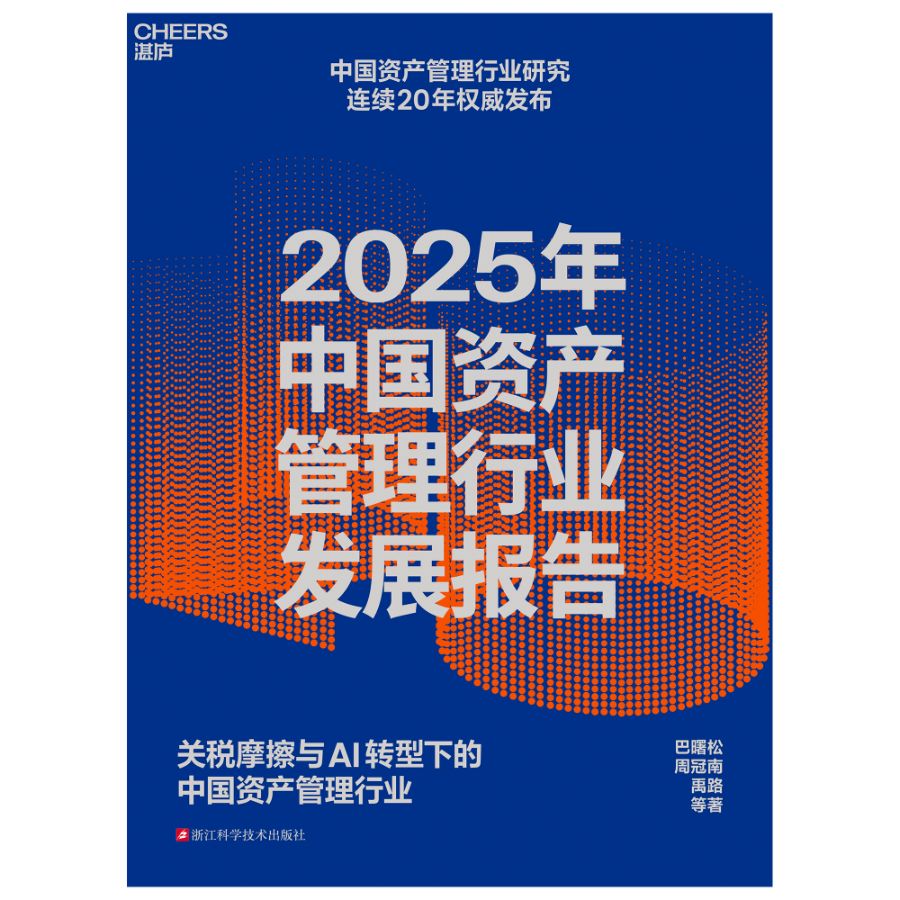
21书评|算清“养老账”
2 1 Shi Ji Jing Ji Bao Dao· 2025-12-29 09:57
Core Insights - The Chinese asset management industry has grown significantly from a total scale of less than 3 trillion yuan in 2005 to over 165 trillion yuan by the end of 2024, becoming a crucial part of the financial system [1] - The personal pension system, established in April 2022, is set to be fully promoted nationwide by December 2024, aiming to address the aging population's pension needs [1][5] - The report highlights the need for continuous innovation in the asset management sector, including the introduction of new products like public REITs, ESG investments, and family trusts [1] Industry Overview - The asset management industry in China has undergone substantial innovation over the past 20 years, with financial technology playing a key role [1] - By the end of 2024, it is estimated that around 75 million people will participate in the personal pension system, with a total fund scale of approximately 200 billion yuan [6] Personal Pension System Analysis - As of the first quarter of 2023, 30.38 million personal pension accounts have been opened, but only about 9 million have made contributions, indicating a low participation rate of approximately 5% [7] - Projections suggest that by 2050, participation rates could reach between 6% to 10% under different scenarios, with cumulative investment scales potentially reaching up to 21.7 trillion yuan in an optimistic scenario [8] Challenges in the Personal Pension System - The current challenges include low contribution rates, insufficient contribution amounts, and a low proportion of funds being invested [9] - Tax incentives are not attractive enough for lower-income groups, and the lack of flexibility in account design limits the ability to transfer funds between different pension accounts [11][12] Recommendations for Improvement - Suggestions for enhancing the personal pension system include adjusting tax incentives based on economic development, expanding participation eligibility, and creating mechanisms for fund transfer between different pension pillars [13][14] - Increasing the range of investable products and innovating product designs to cater to different risk profiles and age groups is also recommended [16][17]
金价新高也不慌?资管机构认可黄金压舱石地位 核心仓位保持稳定
2 1 Shi Ji Jing Ji Bao Dao· 2025-12-29 09:49
Core Viewpoint - The rising gold prices have led domestic asset management institutions to increasingly recognize gold's unique value in asset allocation, with a significant price increase of approximately 27% in 2024 and over 70% since 2025, outperforming most mainstream assets [1] Group 1: Reasons for Gold as a Strategic Asset - Gold's negative correlation with traditional financial assets like stocks and bonds, its ability to hedge against inflation and currency devaluation, and its function as a "cash substitute" during liquidity crises are the three main reasons for its inclusion in asset allocation [3][4] - Gold's long-term inflation resistance is emphasized, particularly in the context of high global debt and challenges to the dollar's credibility, making it a valuable non-sovereign credit asset [3] - The liquidity management aspect of gold allows asset managers to quickly convert it into cash during market stress, thus stabilizing the overall investment portfolio [4] Group 2: Market Outlook and Strategic Positioning - Despite concerns about potential price corrections due to recent highs, asset managers maintain that gold's strategic value in portfolios remains intact, supported by ongoing central bank purchases and geopolitical risks [5][6] - The long-term support for gold prices is attributed to continuous central bank buying, the trend of "de-dollarization," and the macroeconomic environment of declining real interest rates [5][6] - Asset managers are advised to maintain a stable core position in gold while tactically adjusting based on market conditions, focusing on risk hedging and long-term returns rather than short-term speculation [5][6] Group 3: Growth Potential of Gold in Asset Management - The domestic gold ETF market, currently around 240 tons with a market value close to 240 billion yuan, has significant room for growth compared to the 150 trillion yuan asset management market [7] - The "golden+" product strategy is seen as having immense potential in the domestic market, driven by a strong consumer base, low interest rates, and the influx of new capital from insurance and pension funds [7][8] - International experiences indicate that gold is increasingly viewed as a strategic core asset in portfolios, with successful strategies involving a mix of long-term holdings and tactical adjustments [8][9]

TRUE PARTNER(08657.HK):11月末资产管理规模约为3.24亿美元
Ge Long Hui· 2025-12-29 09:01
格隆汇12月29日丨TRUE PARTNER(08657.HK)发布公告,集团于2025年11月30日的未经审核资产管理 规模约为3.24亿美元。 ...
2025年九大标志性交易:泡沫、蟑螂与367%的暴涨
Jin Rong Jie· 2025-12-29 06:26
Group 1: Market Trends and Dynamics - The year has been marked by high-stakes bets and rapid reversals, with significant volatility across various markets, including record highs in gold prices and fluctuations in mortgage giants [1] - Investors have heavily bet on changing political landscapes, inflated balance sheets, and fragile market narratives, leading to substantial stock market gains and crowded yield trades [1] - The geopolitical shift has significantly benefited European defense stocks, with companies like Rheinmetall AG and Leonardo SpA seeing stock price increases of approximately 150% and over 90% respectively [4][5] Group 2: AI and Technology Investments - Scion Asset Management disclosed protective put options on Nvidia and Palantir, raising concerns about the high valuations and spending plans of major AI players [2][3] - Nvidia's stock price fell significantly after the disclosure, reflecting the market's sensitivity to potential overvaluation in the AI sector [2] Group 3: Defense Sector Changes - The defense sector, previously avoided by asset managers due to ESG concerns, has seen a paradigm shift, with funds now focusing on defense-related investments [5] - A basket of European defense stocks has risen over 70% in 2025, indicating a strong market interest in this sector [5] Group 4: Currency and Alternative Assets - Concerns over heavy debt burdens in major economies have led investors to favor alternative assets like gold and cryptocurrencies, while showing reduced enthusiasm for government bonds and the dollar [6][7] - The narrative of "currency debasement" gained traction, particularly during periods of political instability, leading to record highs in both gold and Bitcoin [6][7] Group 5: South Korean Market Performance - The South Korean stock market has surged over 70% in 2025, driven by political efforts to boost the capital market and the global AI trend [8] - Despite the market's strong performance, local retail investors have been net sellers, indicating a lack of confidence in the domestic market [8] Group 6: Japanese Bond Market - The Japanese bond market has shifted from being a "widowmaker" trade to a favorable environment for short sellers, with benchmark yields rising significantly [10][11] - The 10-year Japanese government bond yield surpassed 2%, marking a significant change in the market dynamics [10] Group 7: Credit Market Developments - The credit market has seen substantial returns from strategic actions taken by funds like Pimco and King Street Capital Management, particularly in distressed situations [12] - A series of smaller but concerning events in the credit market have raised alarms about industry practices and borrower capabilities [17][18] Group 8: Fannie Mae and Freddie Mac - Fannie Mae and Freddie Mac have experienced a significant stock price increase of 367% from January to September 2025, driven by optimism regarding potential privatization [14][15] - The market remains speculative about the timing and feasibility of an IPO for these companies, despite the excitement surrounding their potential release from government control [14][15] Group 9: Turkish Lira and Emerging Markets - The Turkish lira has depreciated approximately 17% in 2025, highlighting the risks associated with high-yield investments in emerging markets amid political turmoil [16]


关于私募“魔女”李蓓教小白做投资引发的争议,谈几点看法
Sou Hu Cai Jing· 2025-12-29 03:42
Core Viewpoint - The controversy surrounding Li Bei's offline investment course priced at 12,888 yuan reflects broader industry skepticism about fund managers crossing into educational roles, with some accusing her of exploiting the knowledge payment sector for profit [1][5]. Group 1: Course Motivation and Design - Li Bei claims her course is not intended for profit, stating that knowledge payment typically generates a maximum of 10 million yuan annually, which she does not need [3][4]. - The course is designed to address common concerns of novice investors, focusing on long-term investment methodologies and avoiding short-term market speculation [4][8]. - The course aims to provide practical guidance on identifying scams and understanding financial tools, which resonates with the needs of inexperienced investors [4][8]. Group 2: Industry Skepticism and Challenges - There are three main areas of skepticism regarding Li Bei's course: the profitability of selling courses compared to investment, the alignment of her professional qualifications with teaching, and the balance between personal branding and professional credibility [5][6][7]. - Critics question whether Li Bei's past investment performance, which includes underperforming funds, undermines her ability to teach novice investors effectively [6][9]. - The rise of knowledge payment in finance indicates a growing demand for reliable investment education among novice investors, yet the market lacks quality offerings [8][9]. Group 3: Implications for the Industry - Li Bei's initiative highlights a common challenge in the asset management industry regarding the boundaries of fund managers' roles in education [7][8]. - The industry must navigate the tension between generating returns for investors and engaging in educational endeavors, with knowledge payment being a secondary focus [8][9]. - Effective education for novice investors should emphasize independent thinking and critical analysis, rather than blind adherence to the instructor's past judgments [8][9].

从典型案例看资产管理公司重塑发展模式 评《中国特殊资产行业发展研究2025》
Jin Rong Shi Bao· 2025-12-29 01:32
Core Insights - The article discusses the evolving role of Asset Management Companies (AMCs) in China, particularly in managing non-performing assets and addressing financial risks in various sectors [1][2][4]. Group 1: Role of AMCs - AMCs were initially established to handle non-performing assets of banks, aiding in the reform of state-owned banks and enterprises [2]. - The book "Research on the Development of China's Special Asset Industry 2025" highlights the significant contributions of AMCs in risk resolution across key sectors such as real estate and local government debt [2][3]. - AMCs are increasingly involved in optimizing resource allocation and enhancing capital structures of enterprises, as seen in various case studies [3][5]. Group 2: Business Model Upgrades - AMCs are transitioning from traditional asset disposal to a more integrated approach that includes financial restructuring and risk management for enterprises [4]. - The shift towards a "three deep" model emphasizes in-depth restructuring to alleviate financial distress, moving away from rapid asset turnover [4]. - The emergence of direct services to real enterprises reflects a proactive risk prevention strategy, utilizing diverse methods such as bankruptcy restructuring and market-oriented debt-to-equity swaps [4][5]. Group 3: Enhancing Client Relationships - AMCs are expanding their focus from asset management to institutional collaboration, aiding struggling enterprises while fostering partnerships with industry leaders [5]. - The emphasis on identifying quality investors and providing tailored financial services is crucial for successful restructuring outcomes [5]. Group 4: High-Quality Development - The article underscores the need for AMCs to enhance their professional capabilities, operational mechanisms, and institutional frameworks to support high-quality development [7][8]. - Continuous improvement in investment research, banking capabilities, and innovation is essential for AMCs to navigate the complexities of the financial landscape [7]. - The establishment of a robust regulatory and assessment framework is necessary for AMCs to effectively fulfill their roles in risk management and economic stability [8].
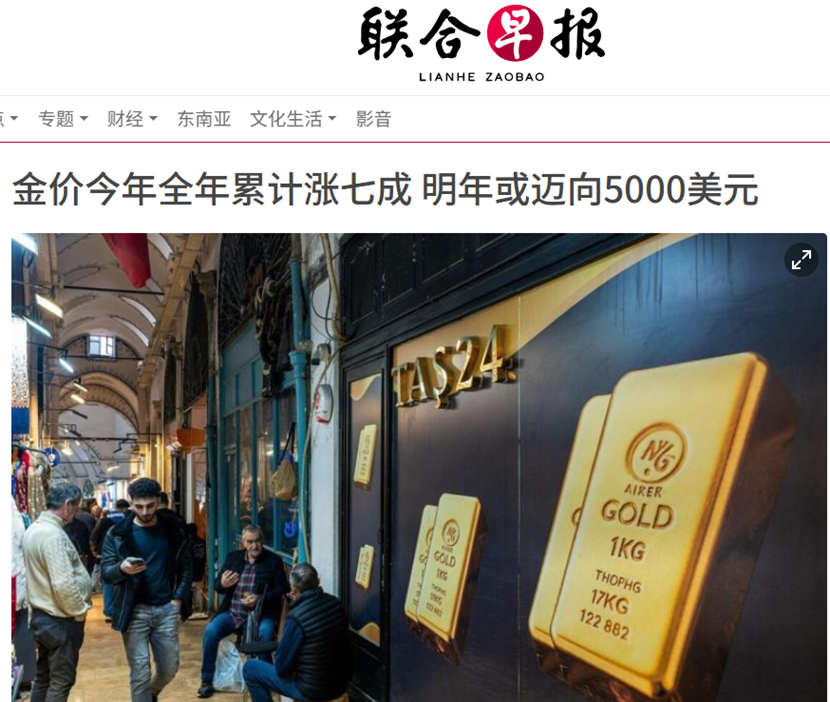
金价频频刷新纪录,明年或迈向5000美元
Huan Qiu Wang· 2025-12-29 01:02
Group 1 - The core viewpoint of the articles highlights that geopolitical tensions, the U.S. entering a rate-cutting cycle, and central banks increasing gold holdings have driven international gold prices to record highs in 2025, with an annual increase of approximately 70%, marking the strongest performance since 1979 [1] - State Street Investment Management, a major asset management firm, predicts that strategic capital reallocation and geopolitical factors could push gold prices to $5,000 [1] - OCBC's foreign exchange strategist notes that the rise in gold prices reflects a combination of structural, fundamental, seasonal, and emotional demand factors, and historically, gold performs better than other assets during monetary policy easing cycles [4] Group 2 - OANDA's senior market analyst states that momentum-driven and speculative funds have been the main forces behind the rise in gold and silver prices since early December, influenced by low market liquidity, expectations of prolonged U.S. rate cuts, a weaker dollar, and renewed geopolitical risks [4] - ING's commodity strategist points out that the growth of gold mining supply is typically slow and relatively inelastic, with global gold production remaining stable since 2019, indicating that even if supply increases, it may have limited impact on prices [4] - The demand for gold is primarily driven by macroeconomic factors such as real yields, dollar trends, central bank purchases, and investment fund flows, with changes in mining supply rarely exerting significant downward pressure on prices [4]
一周要闻·阿联酋&卡塔尔|领克汽车正式进驻阿联酋/卡塔尔投资局参与收购Janus Henderson
3 6 Ke· 2025-12-29 00:31
Group 1: Lynk & Co's Market Entry - Lynk & Co officially enters the UAE market with a brand launch event at the Dubai Autodrome, emphasizing a personalized, open, and connected high-end positioning [1] - The Lynk & Co 900 full-size flagship SUV was previewed, optimized for the Middle Eastern climate, showcasing the brand's innovative direction [1] - The entry into the UAE market aims to redefine high-end mobility through community interaction and immersive experiences [1] Group 2: Hassyan Power Plant Performance - The Hassyan power plant, built by a Chinese company, has achieved an annual availability rate exceeding 99%, significantly above the contractually agreed 92% [1] - The plant meets nearly 20% of Dubai's electricity demand and has maintained industry-leading operational metrics since all four units became commercially operational in 2023 [1] - After completing a 24-month warranty period, the company will continue to provide operational and maintenance consulting services [1] Group 3: UAE Smart Home Adoption - The UAE's "smart home" vision is rapidly materializing, with over 500 million voice interactions recorded this year, indicating deep integration of Arabic voice assistants in daily life [2] - Smart home control has become a primary application, contributing approximately 175 million voice commands [2] - 50% of respondents believe voice assistants help young family members maintain or enhance their Arabic language skills [2] Group 4: UAE Coffee Market Growth - The UAE coffee market has surpassed 12 billion dirhams (approximately 3.2 billion USD), with Dubai solidifying its status as a diverse coffee hub [2] - Out-of-home consumption accounts for about 93% of total spending in the coffee market [2] - Dubai is set to host the fifth Dubai World Coffee Expo in January 2026, further promoting regional coffee market development [2] Group 5: Hassyan Water Network Expansion - The Dubai Electricity and Water Authority awarded a 289 million dirham contract for the expansion of the Hassyan water supply transmission network [3] - The project includes the supply, installation, testing, and commissioning of a 32-kilometer main water pipeline [3] - The Hassyan water plant is crucial for Dubai's water security strategy and is expected to be completed within 18 months [3] Group 6: Qatar's Industrial Growth - Qatar's industrial sector contributed 27 billion riyals to GDP, with non-oil industrial exports reaching 29.8 billion riyals [4] - The number of factories increased from 929 in 2023 to 993 in 2024, reflecting steady industrial growth [4] - Qatar ranked among the top ten in the 2025 Global Competitiveness Report, with a fifth-place ranking in business efficiency [4] Group 7: Qatar Investment in Janus Henderson - Qatar Investment Authority has joined a consortium led by Trian Fund Management and General Catalyst to acquire Janus Henderson Group for approximately 7.4 billion USD [4] - Janus Henderson manages assets worth about 484 billion USD and has over 2,000 employees across 25 cities globally [4] Group 8: Qatar's AI and Innovation Development - Qatar is accelerating the development of innovation and AI technologies, aiming to become a regional AI development hub [5] - The potential contribution of AI to the region's GDP is estimated to be between 8% and 12% [5] - A national strategy encompassing talent development, data infrastructure, and technology application has been established to support this initiative [5] Group 9: Qatar LNG Export Growth - Qatar's LNG exports increased by 34 shipments year-on-year, totaling 17.805 million tons, a 1.8% increase [6] - Global LNG exports reached 39.79 million tons in November, marking a 15% year-on-year increase [6] - GECF member countries' total exports grew by 5.6%, with significant contributions from Qatar and other countries [6]