
新能源

Search documents
开年传捷报!国家电投山东公司首个省外百万千瓦新能源基地建成投运
Zhong Guo Fa Zhan Wang· 2026-02-09 11:49
Group 1 - The successful grid connection of the 100 MW wind power project at the Pingshan Lake in Gansu marks a milestone for the State Power Investment Corporation (SPIC) in building green energy bases outside Shandong Province, with a total installed capacity of 1.05 million kW [1][2] - The Gansu project is the first self-developed project by SPIC in the external renewable energy market, facing severe natural challenges such as extreme low temperatures of -30°C and strong sandstorms, as well as complex grid connection issues [2] - The project is expected to generate an annual power output of 209 million kWh, saving approximately 63,500 tons of standard coal and reducing carbon dioxide emissions by about 174,000 tons and sulfur dioxide emissions by around 522 tons, contributing to the company's "dual carbon" goals [2] Group 2 - SPIC plans to leverage the full operation of its first external million-kilowatt renewable energy base to optimize its green energy industry layout and promote the implementation of high-quality self-developed projects, aligning with the group's "balanced growth strategy" for sustainable development [3]
瑞风新能源(00527.HK)拟投资约240亿元建设宣化人工智能算力中心项目
Ge Long Hui· 2026-02-09 11:46
Core Viewpoint - The company has signed an investment framework agreement to establish the largest AI computing power cluster in North China, with a total investment of approximately RMB 24 billion, aimed at creating a national integrated computing network hub in Zhangjiakou [1] Group 1: Project Overview - The project will include the construction of an "intelligent computing center + green electricity + energy storage" and will be developed in five phases [1] - The first phase of the intelligent computing center is expected to have no less than 3,000 racks, with a power usage effectiveness (PUE) of no more than 1.2 and a water usage effectiveness (WUE) of no more than 1.1 [1] - A 200 MW/800 GWh independent energy storage station will also be built, utilizing lithium iron phosphate technology [1] Group 2: Strategic Importance - The project aligns with national strategies such as "East Data West Computing" and "Digital China," responding to the growing demand for computing power driven by the digital economy [2] - The "East Data West Computing" initiative aims to redirect over 80% of incremental computing power to the resource-rich western regions of China [2] Group 3: Regional Advantages - Zhangjiakou Xuanhua is a key area for the "East Data West Computing" project, benefiting from its strategic location and proximity to major demand centers in Beijing and Tianjin [3] - The region has abundant renewable energy resources, including wind and solar power, which will support the green electricity supply for the computing center [3] Group 4: Market Dynamics - The demand for intelligent computing is growing exponentially, with China holding a significant share of the global AI chip market [3] - Emerging fields such as autonomous driving and biological computing are creating unprecedented demand for computing power [3] Group 5: Innovative Model - The project's "intelligent computing + green electricity + energy storage" model is innovative, aiming for 100% green electricity supply and establishing a zero-carbon computing foundation [6] - The independent energy storage station will help stabilize renewable energy fluctuations and optimize economic viability through market participation [6] Group 6: Collaborative Ecosystem - The project employs a collaborative model involving government, enterprises, and the power grid, aiming to support the development of smart manufacturing, smart cities, and biomedicine [7] - This investment marks the company's strategic shift towards becoming a comprehensive service provider in "green energy + smart computing + new energy storage" [7]
瑞风新能源(00527)与宣化经开管委会签署投资框架协议拟建设华北地区规模最大的推理算力集群园区
智通财经网· 2026-02-09 11:42
Core Viewpoint - The company has signed an investment framework agreement to establish a large-scale AI computing power center in Zhangjiakou, Hebei, with a total investment of approximately RMB 24 billion, marking a significant step towards becoming a comprehensive service provider in green energy, smart computing, and new energy storage [1][2] Group 1: Project Details - The project will be developed in five phases, with the first phase aiming to build an AI computing center with no less than 3,000 racks and a power density of at least 12 kW per rack [1] - The expected power usage effectiveness (PUE) of the computing center is not to exceed 1.2, and the water usage effectiveness (WUE) is not to exceed 1.1 [1] - A 200 MW/800 GWh independent energy storage station will also be constructed, utilizing lithium iron phosphate technology and occupying approximately 55 acres [1] Group 2: Strategic Implications - The project adopts a collaborative model involving government, enterprises, and the power grid, aiming to create a closed-loop system of policy, energy, and operations [2] - It is positioned as a computing power hub connecting Beijing's innovation with Hebei's transformation, supporting the development of industries such as smart manufacturing, smart cities, and biomedicine [2] - This investment signifies the company's strategic shift towards becoming a comprehensive service provider in green energy, smart computing, and new energy storage, with a focus on innovation and sustainability [2]
大唐新能源完成发行20亿元公司债券
Zhi Tong Cai Jing· 2026-02-09 11:27
Group 1 - The company, 大唐新能源, has completed the public issuance of its 2026 renewable corporate bonds on February 9, 2026 [1] - The total issuance scale of the bonds is RMB 2 billion, with a base term of 3 years [1] - The face value of the bonds is RMB 100, and the issuance interest rate is 1.96% [1]
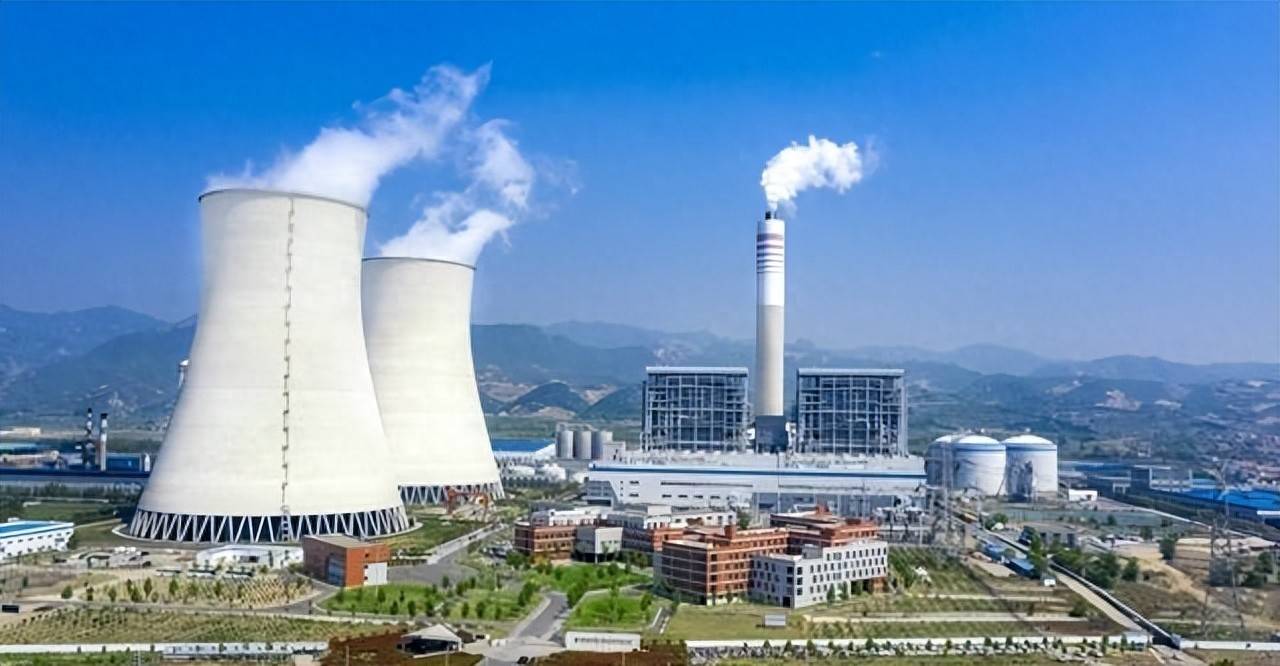
不缺电的中国,为何还在狂建发电厂?美媒:中国在造能源长城!
Sou Hu Cai Jing· 2026-02-09 10:41
Core Insights - China's electricity generation is projected to exceed 10 trillion kilowatt-hours in 2024, more than double that of the United States, with a self-sufficiency rate above 80% [1][21] - The construction of new power plants is a strategic move to prepare for increasing electricity demand driven by economic growth and emerging industries like AI and electric vehicles [1][5] - China leads the world in renewable energy projects, with two-thirds of global wind and solar projects under construction, totaling 339 gigawatts, capable of powering 250 million households [3][19] Group 1: Energy Demand and Supply - The total electricity consumption in China is expected to reach nearly 10 trillion kilowatt-hours in 2024, with projections to exceed 13 trillion by 2030, driven by sectors such as electric vehicles and data centers [5][13] - The increase in electricity demand necessitates the construction of new power plants, primarily focusing on clean energy sources like wind, solar, hydro, and nuclear [5][21] Group 2: Renewable Energy Initiatives - China has completed its renewable energy target six years ahead of schedule, with a significant focus on solar and wind energy, which are expected to account for 40% of electricity supply by 2030 [3][13] - The "Energy Great Wall" project in the Kubuqi Desert symbolizes China's commitment to renewable energy and ecological restoration, showcasing the dual benefits of energy generation and environmental protection [3][19] Group 3: Energy Security and Technological Advancements - Energy security is a priority for China, which relies heavily on imported fossil fuels; increasing domestic renewable energy production is essential to reduce this dependency [7][15] - The development of energy storage technologies, such as the 300-megawatt compressed air storage project in Hubei, is crucial for stabilizing the electricity supply from renewable sources [9][17] Group 4: Global Impact and Future Outlook - China's advancements in renewable energy technology position it as a leader in global decarbonization efforts, with significant exports of solar equipment to Europe and Africa [11][19] - The country's electricity generation capacity is expected to reach nearly 3.9 trillion watts by the end of 2025, with a substantial shift towards non-fossil fuel energy sources [21][22]

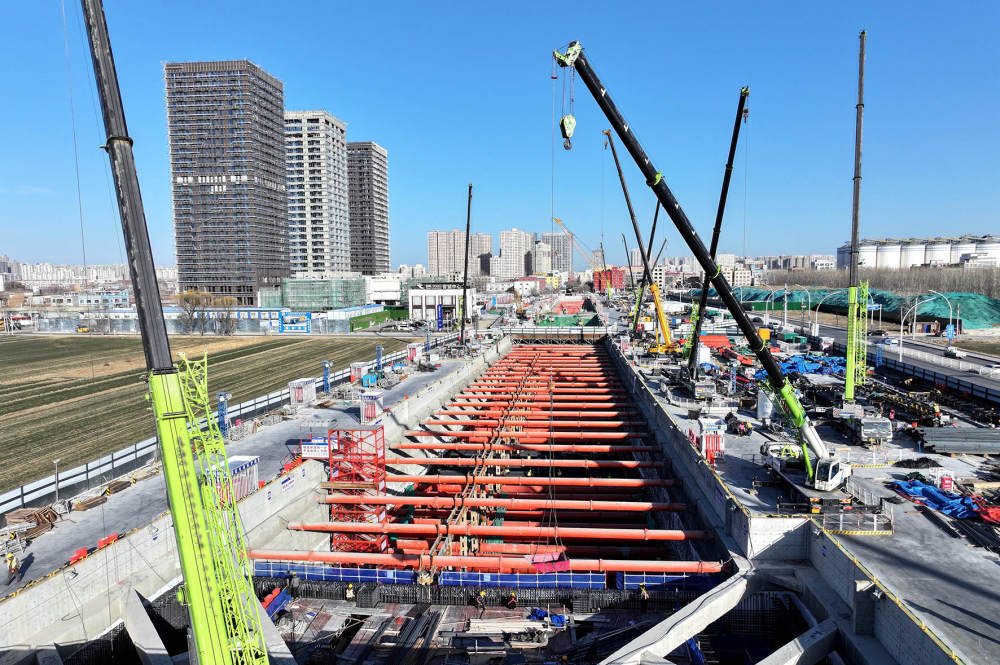
信号明确决心很大!国常会部署稳投资,这些领域谋划一批重大工程
2 1 Shi Ji Jing Ji Bao Dao· 2026-02-09 10:36
Core Viewpoint - The State Council's recent meetings emphasize the need to stabilize and promote effective investment in 2026, focusing on innovative policy measures and significant projects in key sectors to support economic growth [1][2]. Investment Tools - The State Council has outlined several investment tools for 2026, including central budget investments, ultra-long-term special bonds, local government special bonds, and new policy financial instruments, with a focus on enhancing their effectiveness [2][3]. Investment Scale and Trends - In 2025, China's fixed asset investment was 48.5 trillion yuan, a decrease of 3.8% year-on-year. The government aims to reverse this trend in 2026, with expectations for more investment stabilization policies to be implemented [1][3]. Major Projects Planning - The State Council plans to initiate significant projects in infrastructure, urban renewal, public services, and emerging industries, aligning with long-term development needs and competitive advantages [1][7]. Role of State-Owned Enterprises and Private Investment - The government aims to leverage state-owned enterprises to expand investment and support private investment development, recognizing the importance of private sector confidence in driving overall investment [10][12]. Economic Growth Potential - Despite a decline in private investment by 6.4% in 2025, there remains substantial potential for growth in investment, particularly in infrastructure and technology sectors, as the government seeks to enhance the investment environment [12][8].
「数据看盘」有色金属ETF上周份额大减,顶级游资扎堆捷成股份
Sou Hu Cai Jing· 2026-02-09 10:21
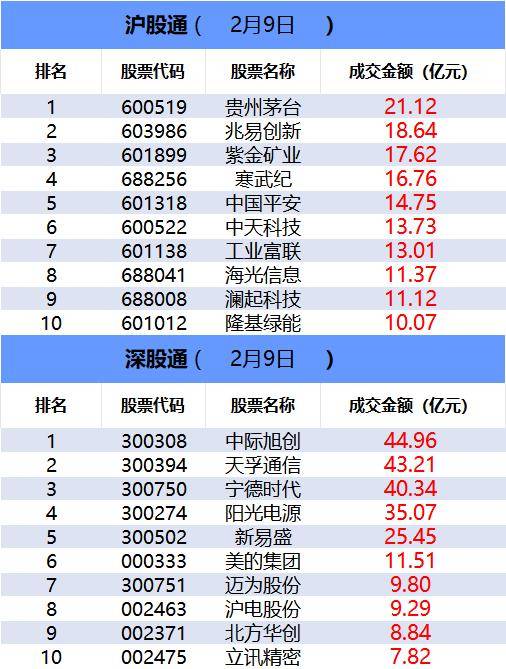
Group 1: Stock Market Performance - The total trading amount for Shanghai Stock Connect today was 125.768 billion, while Shenzhen Stock Connect totaled 147.237 billion [1] - The top traded stocks in Shanghai included Kweichow Moutai at 2.112 billion, followed by Zhaoyi Innovation at 1.864 billion, and Zijin Mining at 1.762 billion [2] - In Shenzhen, the leading stocks were Zhongji Xuchuang at 4.496 billion, Tianfu Communication at 4.321 billion, and CATL at 4.034 billion [2] Group 2: Sector Performance - AI applications, chemicals, photovoltaic, and computing hardware sectors showed significant gains, while the oil and gas sector experienced notable declines [3] - The electronic sector had the highest net inflow of main funds at 7.551 billion, followed by the computer sector at 7.048 billion, and the communication sector at 6.195 billion [4] - The pharmaceutical sector led in net outflows with -1.931 billion, followed by the food and beverage sector at -1.629 billion [5] Group 3: Individual Stock Fund Flow - The top stocks with net inflows included Sunshine Power at 1.518 billion, New Yisheng at 1.404 billion, and Tianfu Communication at 1.266 billion [6] - The stocks with the highest net outflows were Data Port at -0.912 billion, followed by Jushi at -0.848 billion, and Hunan Gold at -0.827 billion [7] Group 4: ETF Trading - The top ten ETFs by trading amount included A500 ETF Fund at 14.1832 billion, Gold ETF at 12.4182 billion, and A500 ETF Huatai at 9.8358 billion [8] - The ETFs with the highest growth in trading amount compared to the previous trading day included Dow Jones ETF at 0.5137 billion with a growth of 224.03% [9] Group 5: Institutional Activity - Institutional activity was moderate, with Hunan Silver seeing significant buying interest, receiving 1.82 billion from institutions [11] - Conversely, Tongyuan Petroleum faced heavy selling, with four institutions selling 1.68 billion [11]

北京大学能源研究院:面向新能源时代的能源强国建设
Zhong Guo Dian Li Bao· 2026-02-09 10:20
Core Viewpoint - The construction of an energy powerhouse has been officially included in China's national strategic tasks, marking a new phase in energy development with higher requirements for enhancing international competitiveness and achieving sustainable economic growth [1] Group 1: Foundations and Advantages of Building an Energy Powerhouse - China leads globally in renewable energy development and technological innovation, with the largest renewable energy system, and significant contributions from clean energy technologies to economic growth [2] - The country possesses abundant renewable energy resources and a robust energy production and supply system, providing a solid foundation for a diverse, secure, and clean energy system [2] - China has the largest energy consumption market and a complete industrial chain, offering unique advantages for technological iteration and commercial innovation in the energy sector [3] Group 2: Initial Understanding of the Concept of an Energy Powerhouse - An energy powerhouse is characterized by high energy development quality, industrial promotion capability, resource security, technological innovation, and international influence, supporting national modernization with an efficient, safe, green, and sustainable energy system [4] - To achieve this goal, China must establish a leading position in renewable energy and develop competitive green energy, promoting comprehensive high-quality economic development [4] Group 3: Major Challenges in Building an Energy Powerhouse - China's energy system faces structural and security shortcomings, including high reliance on coal and external oil and gas, which affects supply autonomy and stability [5][6] - There are significant constraints in the capability system and governance level, such as insufficient independent innovation in key energy technologies and an immature energy management and market mechanism [5][6] Group 4: Key Tasks and Recommendations for Building an Energy Powerhouse - Accelerate the green and low-carbon transformation of energy by promoting large-scale development and high consumption of renewable energy, and integrating it with various sectors [7] - Strengthen the energy security guarantee system by enhancing the strategic reserve of fossil energy and improving the flexibility of the power system [7] - Focus on energy technology innovation and industrial upgrading, enhancing self-control levels and promoting the development of digital energy and smart systems [7] - Deepen energy system reforms and market construction to create a regulated and effective market environment [8] - Enhance global energy governance and international cooperation capabilities to increase influence in international energy governance [8] - Improve the statistical evaluation system for energy powerhouses to support data-driven decision-making [8]
独家丨原宁德时代执行总裁朱威,出任地平线总裁
雷峰网· 2026-02-09 10:15
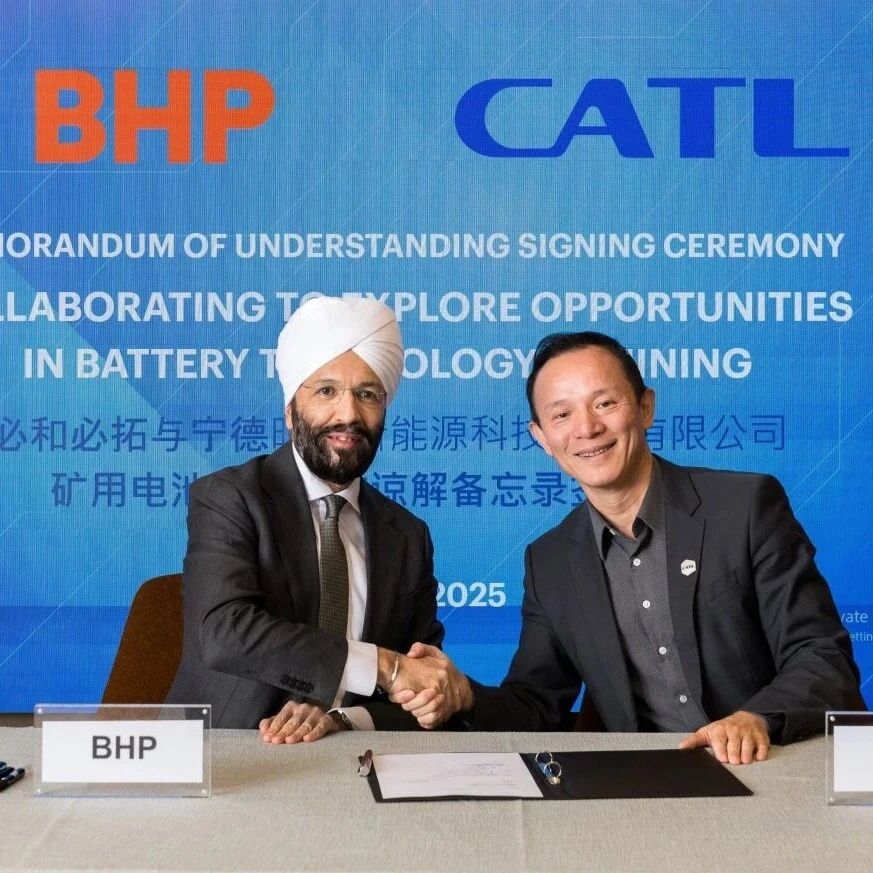
Core Viewpoint - The appointment of Zhu Wei as the new president of Horizon Robotics is expected to enhance collaboration between Horizon and CATL, leveraging Zhu's extensive experience in smart driving and new energy sectors to drive the integration of intelligent automotive systems and electric vehicle technologies [2][5]. Group 1: Leadership Changes - Zhu Wei, former executive president of CATL, will take over as president of Horizon Robotics, while former president Chen Liming will transition to vice chairman, focusing on major strategic decisions and governance improvements [2][7]. - Zhu Wei holds a degree in precision instruments from the University of Science and Technology of China and an MBA from Yale, bringing a wealth of experience from his eight years at CATL, where he managed passenger vehicle and overseas energy storage businesses [2]. Group 2: Strategic Collaborations - CATL and Horizon have maintained a long-standing capital and business collaboration, which is expected to strengthen further with Zhu Wei's leadership [3][4]. - In June 2025, a joint venture named Zhaofu Intelligent was established by Hello, Ant Group, and CATL, focusing on L4 autonomous vehicle operations, with Horizon providing key chips and systems, while CATL's battery technology supports energy needs, creating a synergistic "smart driving + energy" ecosystem [5]. Group 3: Leadership Contributions - Chen Liming, who has been with Horizon since September 2021, previously held significant roles at Bosch, where he contributed to the establishment of the Bosch chassis control systems R&D center in China [7]. - Under Chen's leadership, Horizon evolved from a "technical team" to a "regular army," laying the groundwork for the company's scaling and operational stability [7].

智能建造筑就绿色丝路 中乌共建光伏项目实践示范基地启用
Jing Ji Wang· 2026-02-09 09:56
Core Viewpoint - The successful public open day for the Navoi photovoltaic project in Uzbekistan marks a significant step in the integration of renewable energy and smart construction, showcasing the collaboration between China and Uzbekistan in promoting green low-carbon development [1] Group 1: Event Overview - The public open day was held on February 7, coinciding with the Chinese Lunar New Year, and focused on the theme of "Visible Green Energy, Tangible Smart Construction" [1] - The event attracted nearly a hundred representatives from Uzbek government agencies, industry organizations, universities, media, and local communities, emphasizing the importance of social communication and consensus on green development [1] Group 2: Project Significance - The Navoi photovoltaic project is the first large-scale renewable energy project in Central Asia to utilize fully automated smart installation robots for photovoltaic components, marking a new phase in smart construction [1] - The project serves as a landmark for China-Uzbek energy cooperation, providing solid support for local energy structure optimization and sustainable development [1] Group 3: Smart Construction Demonstration - The smart construction practice demonstration base was officially inaugurated at the event, showcasing achievements in photovoltaic smart installation, digital construction management, and the application of intelligent equipment [2] - The base will serve as an open platform for government, industry, and universities, facilitating ongoing technical exchanges, observational learning, and talent cultivation [2] Group 4: Technological Highlights - The event featured the demonstration of fully automated smart installation robots, which captured significant attention [2] - The robots showcased their capabilities in automatic component grabbing, precise positioning, and efficient installation, utilizing high-precision robotic arms, visual recognition systems, and multi-sensor fusion technology for standardized operations [2]