
自动驾驶

Search documents
驭势科技乌鲁木齐机场全场景无人驾驶项目:构建机坪无人化作业新范式
Jing Ji Guan Cha Wang· 2025-12-31 07:43
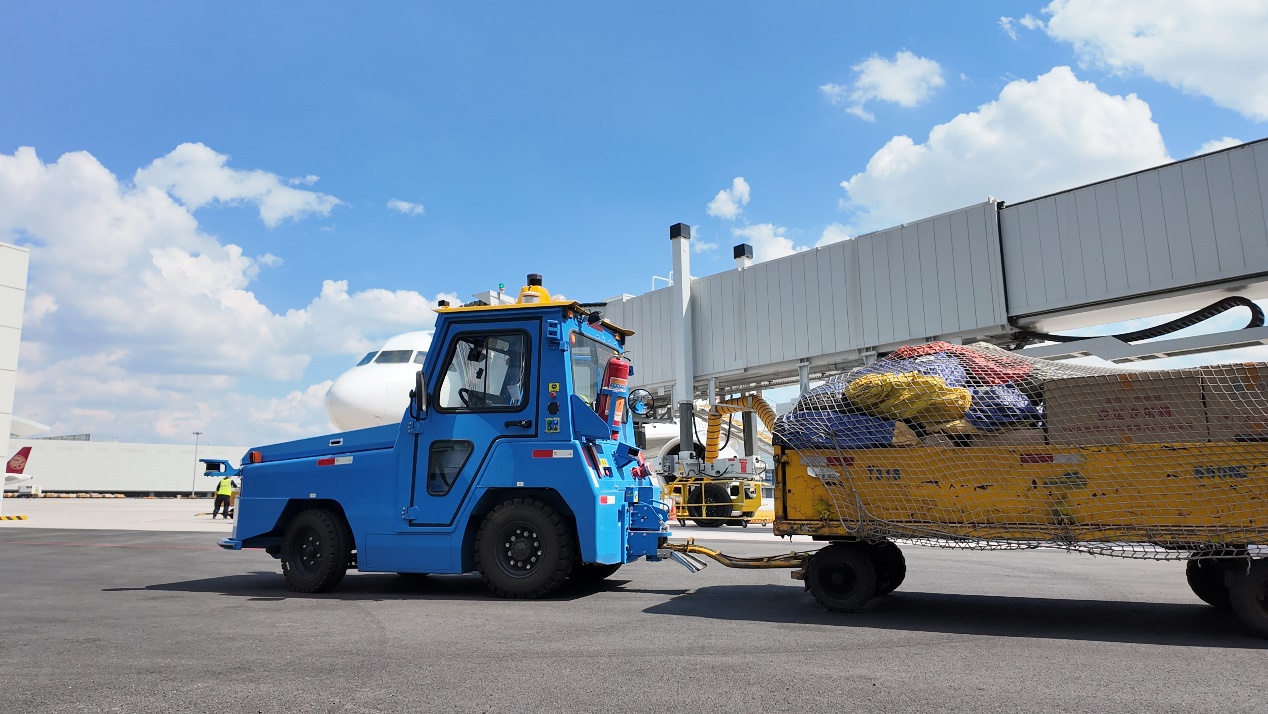
乌鲁木齐机场机坪环境复杂、安全要求高,且冬季-25℃极寒易导致传感器失效、路面打滑等问题,给自动驾驶带来多重考验。传统人工驾驶还存在疲劳驾 驶、操作失误、培训成本高、效率不足等痛点,难以适配机场规模化运营需求。基于前期合作,驭势科技针对性打造全场景无人驾驶解决方案:硬件上配备 多源传感器,定制耐寒组件并优化电池保温;软件采用多源融合感知、厘米级定位技术,结合车-云协作大模型,攻克室内外无缝切换难题;同时通过冗余 设计与云边协同运维保障系统可靠。项目2020年冬季启动测试,2021年投入5台车辆商业化运营,2025年扩展至40余台,覆盖货邮转运和行李保障全场景。 经近4年验证,项目成效显著:安全上实现"零主责事故",累计运行超54万公里;效率上承担机场90%以上货邮转运任务,单日峰值作业800拖斗;服务上完 成冷链、疫苗等物资运输,累计服务航班超9万架次;成本上降低车辆磨损与人员培训支出,提升运营性价比。 驭势科技是全球领先的多领域全场景自动驾驶解决方案提供商,专注于真无人、全场景的L4级自动驾驶技术研发与落地。公司自研U-Drive系统,构建了覆 盖出行、物流与作业车的三大产品体系。在机场无人驾驶领域,驭势科 ...

某头部具身公司创始团队的“裂痕”
自动驾驶之心· 2025-12-31 06:27
以下文章来源于红色星际 ,作者红色星际科技 红色星际 . 让更多人,更深入地了解自动驾驶行业! 作者 | 红色星际科技 来源 | 红色星际 原文链接: 某头部具身公司创始团队的"裂痕" 点击下方 卡片 ,关注" 自动驾驶之心 "公众号 戳我-> 领取 自动驾驶近30个 方向 学习 路线 >>自动驾驶前沿信息获取 → 自动驾驶之心知识星球 本文只做学术分享,如有侵权,联系删文 25年对于某头部具身公司来说,可谓是喜忧参半。 一方面,随着资本的追捧,估值不断飙升破百亿,而且订单也不断增长;另一方面,创始人之间也逐渐出现分歧,围绕着是卷量产商业化还是前沿技 术,产生了分歧。 该头部具身公司内部创始人之间逐渐出现了两派:量产派和学术派。 量产派,主要是来自于智驾行业背景的。这部分人相信"沿途下蛋"的发展路径,专注于商业化,聚焦于目前能出货的场景和需求,投入资源把量产交 付做好,然后把出货量做起来。 学术派,主要是来自于高校教师背景的,也就是业界的学术大牛。这部分人带有一定的学术思维,相信应该"直奔珠峰",喜欢探索具身技术的上限, 认为打造高泛化的模型才是最重要的。 两派人马围绕着该做简单场景还是高难度场景,以及该把资 ...

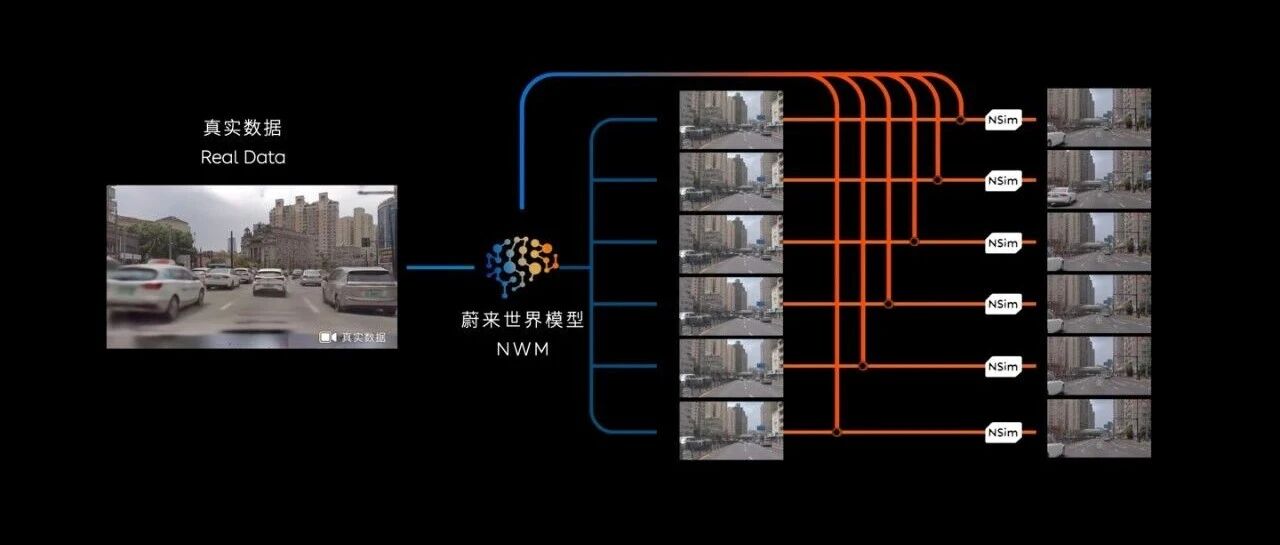
为什么蔚来会押注世界模型?
自动驾驶之心· 2025-12-31 06:27
Core Insights - The article discusses the recent promotion of NIO's NWM 2.0, highlighting its positive reception and the potential of world models in intelligent driving [1] - It emphasizes that the true limit of intelligent driving lies in world models, which utilize video as a core component to understand spatiotemporal and physical laws, enabling machines to comprehend environments like humans do [1] Group 1: World Model Concept - World models address spatiotemporal cognition, while language models focus on conceptual cognition, with the former being more effective in modeling the real world's four-dimensional space-time [1] - The article mentions that many AI giants are developing general world models, including projects like Li Feifei's Marble, Yann LeCun's V-JEPA 2, and DeepMind's Genie 3 [1] Group 2: Challenges in Understanding World Models - The definition of world models remains vague, leading to confusion among newcomers in the field, who often spend significant time navigating challenges without clear guidance [1] - The article notes that understanding world models and completing tasks like data generation and closed-loop simulation can be particularly difficult for beginners [1] Group 3: Course Overview - A course is being offered to help individuals understand the world model domain in autonomous driving, featuring insights from industry algorithm experts [2][6] - The course will cover various aspects of world models, including their historical development, application cases, and different schools of thought within the field [6][10] Group 4: Course Structure - The course consists of six chapters, starting with an introduction to world models and their connection to end-to-end autonomous driving [6] - Subsequent chapters will delve into background knowledge, discussions on general world models, video generation-based models, OCC generation models, and industry applications [6][8][9][10] Group 5: Expected Outcomes - The course aims to equip participants with the skills to reach a level comparable to a world model autonomous driving algorithm engineer within a year [14] - Participants will gain a deeper understanding of key technologies such as BEV perception, multimodal large models, and generative models, enabling them to apply their knowledge in practical projects [14]
十年磨一剑 沈劭劼:从大疆车载到卓驭,造厉害的“机器人”
Zhong Guo Jing Ji Wang· 2025-12-31 03:27
Core Insights - The article highlights the evolution of Zhuoyu Technology from its inception in 2016 to its current status as a leading player in the autonomous driving industry, emphasizing its commitment to creating advanced robotic solutions [1][2][3] Company Development - Zhuoyu Technology transitioned from being a part of DJI to an independent entity in September 2024, facing financial pressures and the challenge of becoming a self-sustaining market player [2] - The company has grown to serve nine major clients in the passenger vehicle sector, covering over 50 models and expanding its reach into commercial vehicles and logistics [2][3] Technological Advancements - Zhuoyu has shifted from a rule-based approach to an end-to-end model in autonomous driving, overcoming engineering challenges and achieving breakthroughs in L2+ assistance technology [4][6] - The company has developed a unique capability to optimize computing power and sensor efficiency, allowing it to offer competitive products at lower costs compared to industry standards [4][5] Market Position - Zhuoyu's business model integrates hardware and software, resulting in significantly higher revenue per vehicle compared to competitors, establishing a strong foothold in the intelligent driving market [5][6] - The company aims to democratize access to intelligent driving features, making them available in lower-cost vehicles, thus challenging the perception of being a "price butcher" in the industry [4][6] Future Vision - Zhuoyu is focused on building a "space intelligent mobility foundation" to lead the autonomous mobile robot era, expanding its capabilities beyond passenger vehicles to include heavy trucks and unmanned logistics vehicles [7][8] - The company has initiated projects for heavy truck highway navigation and is collaborating with leading firms to design unmanned logistics vehicles for various applications [7][8]

瑞银下调特斯拉2025年第4季度交付量
Zhong Guo Qi Che Bao Wang· 2025-12-31 01:43
Core Viewpoint - UBS has significantly lowered its Q4 2025 delivery forecast for Tesla from the market expectation of 435,000 units to 415,000 units, representing a year-over-year decline of 16% and a quarter-over-quarter decline of 17% [1]. Group 1: Delivery Forecast and Market Conditions - UBS's downward revision of Tesla's delivery forecast indicates significant pressure on the company, despite the long timeline before the conditions for Musk's high compensation package are evaluated [1]. - Tesla's delivery volumes have shown fluctuations across major markets, including the U.S., Europe, and China, which has contributed to analysts' pessimism [4]. - In the U.S. market, Tesla's delivery volume for October and November was 80,000 units, a decrease of 23% compared to the first two months of Q4 2024 and a 26% decline year-over-year [4]. Group 2: Financial Performance and Profitability - Tesla's total revenue in Q1 2025 decreased by 9% year-over-year, with GAAP net profit at $409 million and an operating margin plummeting to 2.1% [5]. - UBS's financial projections for Tesla indicate a decline in EBIT and net income, with expected EBIT of $6.101 billion and net income of $5.403 billion for 2025 [6]. Group 3: Product Challenges and Consumer Sentiment - The Model Y has been reported as the "least reliable model" in the 2026 TÜV report, with the highest defect rate recorded in the past decade, raising concerns about quality [5]. - The "phantom braking" phenomenon in Tesla's FSD system has led to legal challenges and increased scrutiny regarding the safety of the autonomous driving technology [5]. Group 4: Future Growth Opportunities - Tesla's FSD system is crucial for the Robotaxi business, which has begun operations in Austin, Texas, with plans to expand to additional cities [8]. - The company aims to produce the Cybercab at a cost below $30,000, with operational costs as low as $0.20 per mile, potentially transforming the transportation industry [8]. - Tesla's humanoid robot, Optimus, is set to enter mass production, with plans for a third-generation model by the end of 2025, which could redefine human-robot collaboration and open new market opportunities [9].


21现场|从阿布扎比驶向全球:文远知行的中东商业化样本
2 1 Shi Ji Jing Ji Bao Dao· 2025-12-31 01:38
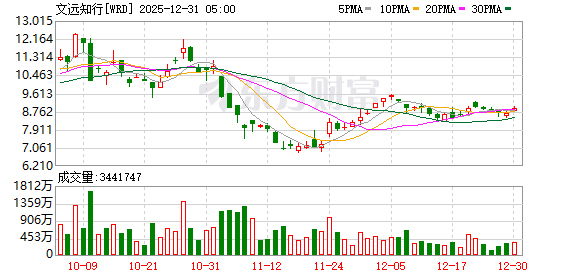
近日,自动驾驶科技公司文远知行宣布,其Robotaxi服务已成功落地全球超过10座城市,覆盖北京、广 州、阿布扎比、迪拜、利雅得及新加坡、苏黎世等地。其中,北京、广州及阿布扎比已开启纯无人商业 运营,阿布扎比车队即将实现单车盈亏平衡。 该公司预计,到2025年底,其全球Robotaxi车队规模将达约1000辆,其中中东地区约占200辆,凸显了 该市场在其全球战略中的核心地位。而作为其中的重中之重,阿布扎比正扮演着尤为关键的角色。 11月26日,文远知行与优步(Uber)在阿布扎比正式启动L4级纯无人Robotaxi商业化运营。这不仅是中 东地区的首次,也使阿布扎比成为美国以外首个在Uber平台开通纯无人Robotaxi服务的城市。短短半月 后,文远知行再下一城,在迪拜通过Uber App上线公开运营服务。 随着阿布扎比和迪拜的相继接入,阿联酋在自动驾驶领域的全球领先地位得到巩固,文远知行在中东的 规模化扩张也进一步提速。目前,该公司在中东的自动驾驶车队规模近150辆,其中Robotaxi超100辆。 据悉,其计划未来几年内部署数千辆Robotaxi,2030年扩大至数万辆。 在首届阿布扎比智能与自主技术周期间 ...
L4数据闭环最重要的第一步:选对整个组织的LossFunction
自动驾驶之心· 2025-12-31 00:31
Core Viewpoint - The article emphasizes the importance of defining appropriate primary metrics (loss functions) in autonomous driving data loops, arguing that traditional metrics like MPI (Miles Per Intervention) are inadequate for driving problem-solving and system performance improvement [5][10][87]. Group 1: Data Loop and Metrics - The organization should be viewed as a large model where the primary metric acts as the loss function, guiding the optimization process [15][87]. - The common metric MPI is criticized for focusing on how often human intervention is needed rather than the vehicle's performance in avoiding "stupid" or "dangerous" actions [22][80]. - The article introduces two new metrics: MPS (Miles Per Stupid) and MPD (Miles Per Dangerous), which are more aligned with the actual performance of the autonomous system [10][44][80]. Group 2: Limitations of MPI - MPI is defined as total mileage divided by the number of interventions, which can mislead organizations into optimizing for fewer interventions rather than improving vehicle behavior [18][22]. - The timing of interventions often does not correlate with the actual problems occurring, leading to a misalignment in performance metrics [25][26]. - The article highlights that relying on MPI can create negative incentives, encouraging teams to avoid reporting issues rather than addressing them [26][90]. Group 3: MPS and MPD Implementation - MPS focuses on the frequency of "stupid" actions taken by the vehicle, while MPD addresses "dangerous" actions, providing a clearer picture of system performance [44][80]. - The organization can utilize triggers to define and capture these behaviors, allowing for a more precise analysis of performance [47][85]. - The metrics MPS and MPD can be used to drive self-improvement within the organization, ensuring that the focus remains on enhancing vehicle behavior rather than merely reducing human intervention [87][90]. Group 4: Examples and Case Studies - The article provides examples of how MPS and MPD can be applied in real scenarios, such as analyzing sudden braking events and their causes, which can lead to actionable insights for system improvement [49][51][66]. - It discusses the importance of understanding the context behind performance metrics, emphasizing that both improvements and deteriorations in metrics should be investigated thoroughly [59][78]. - The article concludes that effective metrics should not only reflect performance but also guide the organization towards continuous improvement and problem resolution [87][90].

小马智行-W(02026):L4领域先行者,技术、商业化能力构筑护城河
CMS· 2025-12-30 14:39
Investment Rating - The report assigns an "Accumulate" rating for the company, marking its first coverage [1][3]. Core Insights - The company is a leader in the global autonomous driving sector, particularly in Level 4 (L4) technology, and has made significant strides in commercialization, achieving a milestone with its Robotaxi business turning profitable in Guangzhou by Q3 2025 [1][7]. - The Robotaxi industry is entering a pivotal phase, with substantial growth potential driven by supportive policies in both China and the U.S., leading to rapid expansion in the market [7][46]. - The company has established a clear path to commercialization, with its seventh-generation Robotaxi achieving profitability on a per-vehicle basis in urban settings, and plans to scale its fleet significantly by 2026 [7][27]. Financial Data and Valuation - The company is projected to generate total revenue of $72 million in 2023, increasing to $242 million by 2027, with a compound annual growth rate (CAGR) of 107% from 2025 to 2027 [2]. - The company is currently in a strategic expansion phase, with expected non-GAAP net losses of $186 million, $180 million, and $140 million for the years 2025 to 2027, respectively [7][39]. - The company’s total market capitalization is approximately HKD 51.2 billion, with a current share price of HKD 118.0 [3]. Business Overview - The company operates in three main business segments: autonomous driving ride-hailing services (Robotaxi), autonomous truck logistics (Robotruck), and technology licensing and application services [20][30]. - The Robotaxi segment is rapidly growing, with revenues of $6.7 million in Q3 2025, reflecting an 89.5% year-on-year increase, driven by a surge in passenger fare income [7][27]. - The Robotruck segment is currently the largest revenue contributor, with projected revenues of $40.4 million in 2024, accounting for 53.8% of total revenue [30][37]. Market Position and Competitive Landscape - The company is the only autonomous driving technology firm in China to have obtained all types of autonomous taxi licenses in four first-tier cities, positioning it as a market leader [7][12]. - The global Robotaxi market is expected to reach $1.4 billion by 2025 and $673 billion by 2030, with China being a key growth driver [7][46]. - The company has established strategic partnerships with major automotive manufacturers and technology firms, enhancing its competitive edge in the market [12][14].
2026:26个关键词里的未来
第一财经网· 2025-12-30 13:27
Group 1: Domestic Chip Substitution - The rise of domestic AI chip manufacturers is marked by significant stock price increases, with companies like Cambrian Technology surpassing major firms like Kweichow Moutai [1] - The market anticipates more AI chip companies to go public, with notable performances from companies like Moer Technology and Muxi Co., which saw stock prices increase over four times on their debut [1] - The domestic market for intelligent computing chips is expected to grow from approximately 20% in 2024 to around 60% by 2029, indicating a strong trend towards domestic chip substitution [2] Group 2: AI Application Growth - The demand for AI inference is projected to continue growing as more AI applications are deployed, leading to increased procurement of domestic AI chips by data centers and cloud providers [2] - The shift in AI computing demand from training to inference presents opportunities for domestic chips, which can meet the lower performance requirements of inference tasks [1][2] Group 3: Quantum Computing Developments - Quantum technology is recognized as a strategic frontier technology, with significant breakthroughs expected in the coming years, although widespread application may still be 20 years away [6] - China's advancements in quantum communication and computing are noteworthy, with the "Zu Chongzhi No. 3" quantum computer expected to maintain a significant speed advantage over traditional supercomputers [6][7] Group 4: Commercial Space Acceleration - The commercial space sector is entering a new phase of rapid evolution, supported by government policies and increased capital investment [8] - The global commercial space market is projected to grow at a compound annual growth rate of 10.5% over the next five years, indicating strong demand and investment potential [8][9] Group 5: Solid-State Battery Innovations - Solid-state batteries are gaining attention as a transformative technology for electric vehicles, with several major automakers announcing plans for testing and production by 2026 [10][11] - Despite the excitement in the market, challenges remain in terms of cost, manufacturing processes, and achieving large-scale production [10][11] Group 6: L3 Autonomous Driving Advancements - The introduction of L3 autonomous driving technology is accelerating, with regulatory frameworks being established to support its commercial application [12][13] - The next few years are critical for the development of L3 technology, with expectations for increased vehicle production and improved algorithms [12][13] Group 7: Real Estate Debt Restructuring - Major real estate companies in China, such as Country Garden and Sunac, are successfully completing debt restructuring processes, which are crucial for their long-term recovery [14][15] - The restructuring methods include debt-to-equity swaps and extending repayment periods, aimed at reducing debt burdens and improving financial health [14]
小马智行|写入《2025 汽车行业影响力年鉴》
Jing Ji Guan Cha Bao· 2025-12-30 11:23
Core Insights - The Chinese automotive industry is entering a new development phase as the "14th Five-Year Plan" concludes, with a focus on the commercial viability of advanced autonomous driving technology [1] - Pony.ai has achieved significant milestones in autonomous driving, becoming the first company in China to operate fully unmanned Robotaxi services in four major cities: Beijing, Shanghai, Guangzhou, and Shenzhen [1][2] - The transition from demonstration projects to real public transportation services marks a critical shift in the operational landscape of autonomous driving [1] Group 1 - Pony.ai has deployed over 900 Robotaxi vehicles, accumulating more than 60 million kilometers in autonomous driving testing and operations, with over 13 million kilometers of fully unmanned driving [2] - The average daily order volume per Robotaxi has reached a high level, with stable user repurchase rates and satisfaction, indicating a genuine demand for autonomous ride-hailing services [2] - The company is not limited to a single operational model but is advancing various business forms, including Robotaxi, autonomous truck logistics, and technology licensing, to scale autonomous driving [2] Group 2 - Collaborations with major automotive manufacturers such as Toyota, GAC, BAIC, SAIC, and FAW are facilitating the transition of Robotaxi from demonstration models to mass production, integrating autonomous driving capabilities into vehicle development and manufacturing [2] - Pony.ai's ongoing operations in first-tier cities validate the feasibility of fully unmanned driving in complex traffic environments and provide a practical foundation for enhancing urban traffic efficiency and optimizing travel structures [2][3] - The company has been recognized in the "2025 Automotive Industry Influence Yearbook" as a representative enterprise in the transition from technological exploration to commercial implementation of autonomous driving [3]