
家电

Search documents
1月门店销售额环比增长超30% 其中智能产品销售额环比增长超85% 从一个家电卖场看国补新账(财经深一度)
Ren Min Ri Bao· 2026-02-01 21:58
Core Viewpoint - The new national subsidy policy for 2026 aims to stimulate consumer spending by focusing on energy-efficient and smart products, with a more targeted approach to financial support [3][15]. Policy Changes - The 2026 subsidy policy narrows the focus from 12 categories in 2025 to 6 key categories: televisions, refrigerators, water heaters, computers, washing machines, and air conditioners [3]. - The subsidy standard has been reduced from 20% to 15%, and the maximum subsidy per household appliance has decreased from 2000 yuan to 1500 yuan [3][15]. - The policy emphasizes support for first-level energy efficiency products, indicating a shift towards green and low-carbon products [3]. Market Response - The implementation of the subsidy policy has led to a significant increase in foot traffic at retail locations, with a doubling of visitors reported at the JD MALL Yangjiaqiao store [8]. - Sales of smart products, particularly smart glasses, have surged, with a reported 150% increase in sales for emerging categories since the policy's implementation [12][15]. - The average transaction value at retail locations has increased by over 40% compared to 2024, indicating a shift towards higher-quality purchases rather than just lower prices [15]. Operational Adjustments - Retailers have had to adapt quickly to the new subsidy rules, including system updates and staff training to ensure smooth operations [6][5]. - The Chongqing Municipal Commerce Committee has been proactive in addressing issues such as low coupon redemption rates, leading to adjustments in the rules to enhance consumer engagement [9][10]. Financial Support Mechanisms - Financial institutions are collaborating with local governments to provide support for businesses facing cash flow pressures due to the subsidy program, including the introduction of new financing products [11]. - The integration of financial services with subsidy programs is seen as crucial for maintaining stability and enhancing the effectiveness of the subsidy policy [11]. Consumer Behavior Trends - Consumers are increasingly prioritizing energy efficiency and quality in their purchasing decisions, reflecting a shift in market dynamics due to the new subsidy policy [14][15]. - The focus on high-quality, energy-efficient products is expected to contribute to the formation of a more advanced and sustainable domestic market [16].
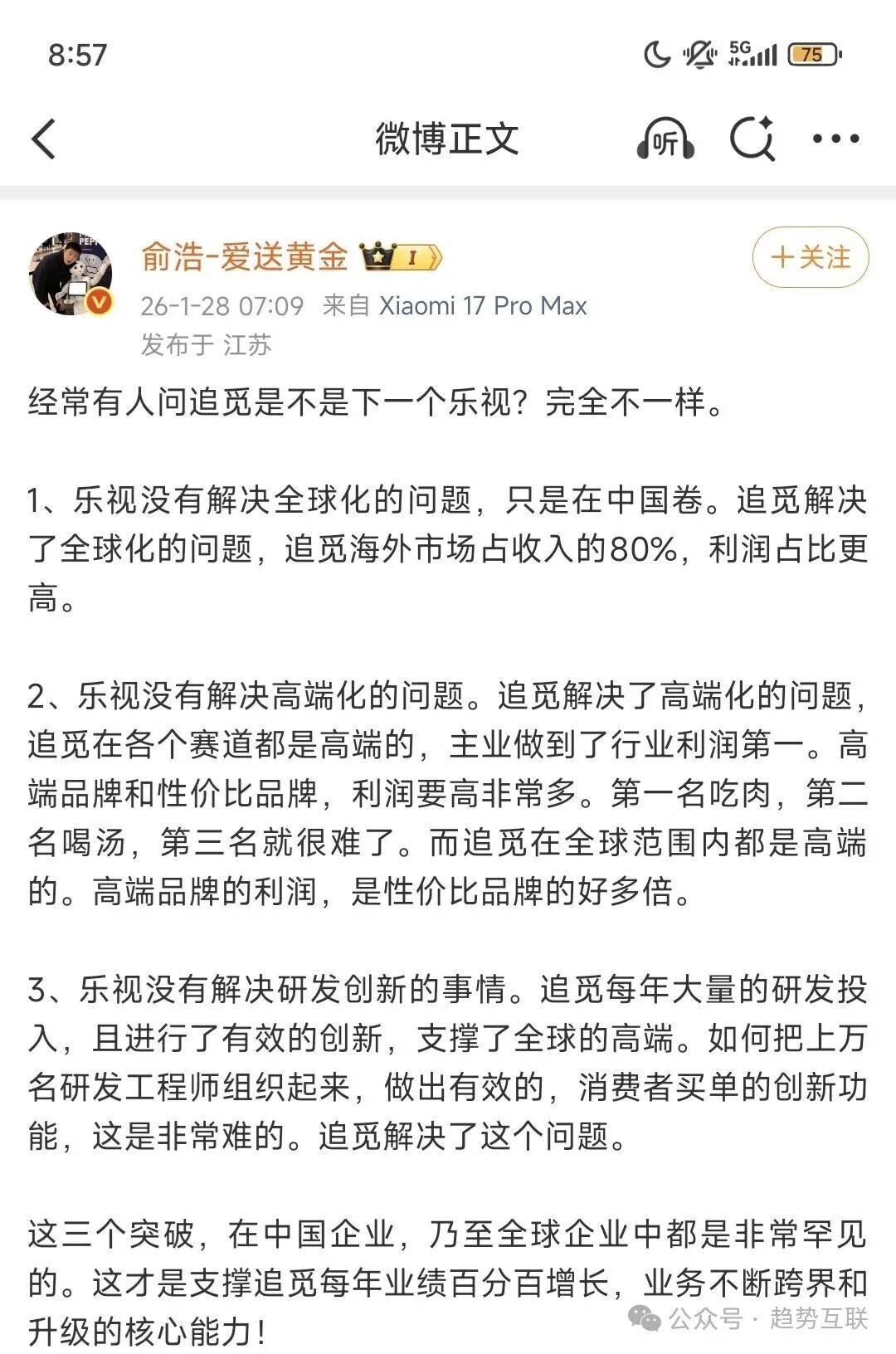
俞浩的追觅距离“生态化反”还有多远?
Sou Hu Cai Jing· 2026-02-01 18:37
Core Insights - The article contrasts the business models of Chasing Technology and LeEco, highlighting that Chasing has successfully addressed globalization, high-end positioning, and innovation, which are critical for its growth and market leadership [2][3][4] Group 1: Company Background - Chasing Technology was founded in 2017, emerging from a team that developed high-speed digital motors, achieving a performance level of 58%, surpassing the international leader's 49.8% [3][4] - The company initially struggled to secure funding due to the high technical barriers of its hardware projects, but eventually received angel investment from Xiaomi, which provided essential resources [4][6] Group 2: Market Performance - Chasing Technology has experienced a compound annual growth rate (CAGR) exceeding 100% from 2019 to 2024, with projected revenues of approximately 150 billion yuan in 2024, of which over 8 billion yuan will come from overseas [6][9] - The company has expanded its market presence to over 100 countries, leveraging partnerships with platforms like Amazon and AliExpress [6] Group 3: Strategic Initiatives - Chasing Technology is actively building its "ecological reaction" model, entering new markets such as home appliances, drones, and electric vehicles, with plans for a luxury electric car by 2027 [9][11] - The company aims to establish a global IPO strategy, with multiple business units expected to go public, contrasting with LeEco's reliance on capital for growth [11][12]

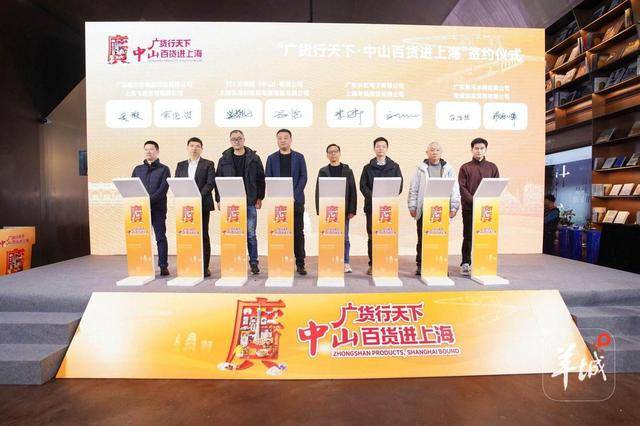
超百个合作项目签约!“中山百货进上海”深化粤沪产业协同
Sou Hu Cai Jing· 2026-02-01 15:18
Core Viewpoint - The "Guang Goods Going Global: Zhongshan Department Store Enters Shanghai" event has successfully facilitated over 100 cooperation agreements between enterprises from Zhongshan and Shanghai, with a total value exceeding 6 billion yuan, highlighting the collaboration between the manufacturing hub of the Pearl River Delta and the consumer market of the Yangtze River Delta [1][7]. Group 1: Event Overview - The event features a multi-dimensional exhibition model, including various sales platforms such as the Torch District Biomedicine Investment Promotion Conference and dedicated sales stores for home appliances [3][5]. - Notable products showcased include innovative lighting solutions from Zhongshan, such as Op Lighting's "Tianjing Lamp" and Songwei Lighting's "Traveling Lantern" series, which blend traditional craftsmanship with modern design [3][5]. Group 2: Business Collaborations - Zhongshan enterprises, including NVC Lighting and Songwei Lighting, signed contracts worth over 55 million yuan with Shanghai distributors during the event, demonstrating strong market demand [1][6]. - Guangdong Weili Electric's historical presence in Shanghai is highlighted, with the company showcasing both vintage and modern washing machines tailored to local consumer needs [6][10]. Group 3: Industry Synergy - The event not only promotes Guang goods in the Yangtze River Delta but also enhances the collaborative model of product circulation, encompassing research, design, marketing, and capital [7][10]. - Zhongshan's historical ties with Shanghai are emphasized, with references to the significant market share held by Zhongshan lighting products in Shanghai over the past decades [8][10]. Group 4: Future Directions - Companies are encouraged to view Shanghai as a hub for talent, information, and innovation, with plans for collaborative projects that leverage Shanghai's consumer data to drive production innovation in Zhongshan [10]. - Suggestions for future cooperation include building a digital platform for consumer experimentation and agile manufacturing, aiming to transition from price competition to high-quality, high-value products [10].
家电行业周报(26/1/26-26/1/30):AI Agent有望开启NAS成长新空间-20260201
Hua Yuan Zheng Quan· 2026-02-01 14:38
Investment Rating - The investment rating for the home appliance industry is "Positive" (maintained) [4] Core Insights - The rise of AI NAS, driven by Clawdbot, is expected to expand the demand for NAS, with Ugreen Technology likely to benefit significantly from this trend [5][14] - TCL Electronics is set to collaborate with Sony to take over Sony's television business, potentially allowing them to surpass Samsung and become the global leader in market share [22][23] - Stone Technology has launched new domestic floor cleaning robots, focusing on dual technology lines to enhance market penetration [25] - XGIMI continues to experience high growth overseas, with its new product Horizon 20 performing well in international markets [28] Summary by Sections AI NAS and Ugreen Technology - Clawdbot's popularity signifies a shift in AI applications towards local AI agents, creating a demand for edge hardware [8] - NAS is positioned as the optimal hardware for local AI agents due to its data centralization, low power consumption, and scalable computing power [11][12][13] - Ugreen Technology, as a leading consumer NAS provider in China, is expected to gain from the increased demand for local data platforms driven by AI agents [14][16] TCL Electronics and Sony Collaboration - TCL Electronics plans to establish a joint venture with Sony to manage Sony's home entertainment business, which could enhance their global market share [22] - This partnership is anticipated to leverage TCL's resources in panel production and Sony's brand strength to penetrate high-end markets [23] Stone Technology's Product Launch - Stone Technology has introduced two new high-end floor cleaning robots, targeting different market segments with innovative features [25] - The G30S Pro series and P20 Ultra are designed to address existing pain points in cleaning efficiency and user experience [25] XGIMI's Overseas Growth - XGIMI's Horizon 20 has shown strong sales performance in international markets, indicating successful product positioning and market strategy [28] - The company is expected to continue its growth trajectory as it challenges established competitors in the high-end projector market [28] Market Performance - The home appliance sector experienced a decline of 2.9% in the week of January 26 to January 30, 2026, underperforming against the Shanghai Composite Index [32][35] - Specific segments such as black appliances saw a significant drop of 7.2%, indicating varying performance across categories [32]


行业比较周跟踪(20260124-20260130):A 股估值及行业中观景气跟踪周报-20260201
Shenwan Hongyuan Securities· 2026-02-01 14:16
Investment Rating - The report does not explicitly provide an overall investment rating for the industry but includes detailed valuation metrics for various indices and sectors, indicating a mixed outlook based on historical percentiles [2][5][6]. Core Insights - The report highlights significant valuation metrics for various indices, with the CSI All Share (excluding ST) PE at 22.5x and PB at 1.9x, indicating it is at the 83rd and 50th historical percentiles respectively [2][5]. - The report identifies sectors with high PE and PB valuations, such as real estate, automation equipment, and electronics, suggesting potential investment opportunities [2][7]. - The report tracks the mid-cycle economic conditions across various industries, noting price fluctuations in the photovoltaic and battery sectors, as well as trends in consumer electronics and financial services [2][3][6]. Valuation Summary A-Share Valuation - The CSI All Share PE is 22.5x, with a PB of 1.9x, positioned at the 83rd and 50th historical percentiles [2][5]. - The Shanghai Composite Index PE is 11.7x, PB is 1.3x, at the 61st and 41st percentiles [2][5]. - The ChiNext Index PE is 42.6x, PB is 5.7x, at the 41st and 67th percentiles [2][5]. Industry Valuation - Industries with PE valuations above the 85th percentile include real estate, automation equipment, and electronics (semiconductors) [2][7]. - Industries with PB valuations above the 85th percentile include industrial metals and electronics (semiconductors) [2][7]. - The white goods industry is noted for having both PE and PB valuations below the 15th percentile, indicating potential undervaluation [2][7]. Mid-Cycle Economic Tracking - In the new energy sector, the report notes a 9.2% decline in upstream polysilicon futures prices, while downstream battery prices increased by 3.4% [2][3]. - The semiconductor sector shows a 0.5% increase in the Philadelphia Semiconductor Index, indicating positive momentum [3]. - The insurance sector reports a 7.4% year-on-year growth in premium income, although growth has slowed compared to previous months [3]. Sector-Specific Insights - The report details fluctuations in the steel and cement markets, with rebar prices down by 0.2% and cement prices down by 0.6% [3]. - In the consumer sector, pork prices have decreased by 5.2%, reflecting supply pressures ahead of the Spring Festival [3]. - The report also highlights a 50.9% year-on-year increase in new wind power installations, indicating strong growth in renewable energy [2][3].
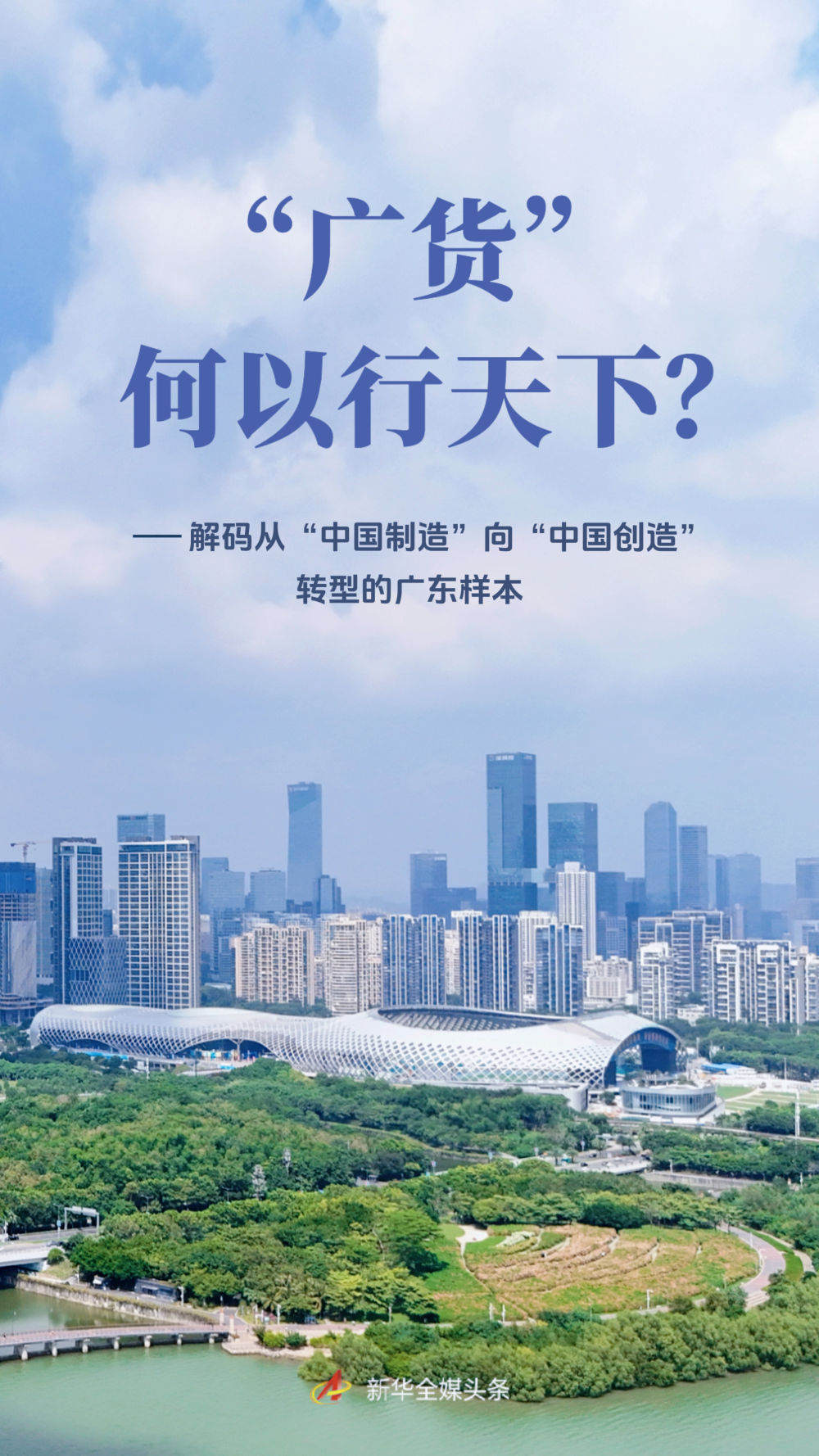
“广货”何以行天下?——解码从“中国制造”向“中国创造”转型的广东样本
Xin Hua Wang· 2026-02-01 13:58
Core Viewpoint - The article emphasizes the transformation of "Guangdong goods" from mere manufacturing to innovation and leadership in various high-tech industries, showcasing the resilience and potential of China's economy [3][4][7]. Group 1: Industrial Strength and Ecosystem - Guangdong has developed a robust industrial ecosystem, exemplified by the efficiency of local supply chains, such as the ability to source all components within a 5-kilometer radius for lighting products [4]. - The province boasts nine trillion-yuan industrial clusters, including electronics, textiles, and automotive, supported by both large enterprises like Huawei and numerous specialized SMEs [4][7]. - Guangdong's manufacturing capabilities are significant, producing 50% of the nation's air conditioners and 33% of mobile phones, along with 70% of consumer drones and 40% of industrial robots [7]. Group 2: Technological Innovation and Market Leadership - The evolution of "Guangdong goods" reflects a shift towards high-tech manufacturing, with local companies now leading in innovation and product development [7][10]. - Shenzhen's innovation cluster has been recognized as the top global innovation hub, highlighting advancements in low-altitude economy, commercial aerospace, and artificial intelligence [10]. - Companies are transitioning from order-takers to solution providers, indicating a deeper engagement with market needs and proactive product development [9][10]. Group 3: Cultural Integration and Global Reach - "Guangdong goods" serve as a cultural and lifestyle representation, integrating traditional elements into modern products, such as games and fashion, enhancing their global appeal [13][16]. - The province's cultural richness is reflected in various products, from traditional crafts to modern smart devices, which are increasingly recognized on the global stage [13][16]. - The digital economy is reshaping the trade landscape, allowing small businesses to connect directly with global consumers, thus enhancing the reach of "Guangdong goods" [17]. Group 4: Strategic Initiatives and Future Directions - The "Guangdong goods go global" initiative aims to leverage the province's manufacturing strengths to participate actively in both domestic and international markets [21]. - Government support is crucial in creating favorable conditions for businesses, focusing on quality improvement, technological innovation, and brand value enhancement [21][22]. - The strategy includes promoting local agricultural products and utilizing e-commerce to expand market access, reflecting a comprehensive approach to economic development [21].
1月PMI数据点评:出厂价格出现更多积极信号
Huachuang Securities· 2026-02-01 13:51
Group 1: PMI Data Overview - The manufacturing PMI for January is 49.3%, down from 50.1% in the previous month, indicating a contraction in the manufacturing sector[1] - The production index decreased to 50.6%, down 1.1 percentage points from 51.7%[1] - The new orders index fell to 49.2%, down from 50.8%, while the new export orders index dropped to 47.8% from 49.0%[1] Group 2: Supply and Demand Dynamics - The proportion of enterprises reporting insufficient demand decreased to 54.9% in January, down from 64.3%[4] - The midstream growth rate difference reached 10.4%, up from 8.1%, indicating improved supply-demand dynamics[3] - The downstream growth rate difference increased to 1.9%, up from 0.3%, suggesting a positive trend in demand[3] Group 3: Price Indicators - The PMI factory price index rose to 50.6%, marking the first increase above the critical point in nearly 20 months[12] - The BCI consumer price index surged to 51.5%, the first rise above the critical point in 28 months[12] - Micro-enterprises in the midstream sector are beginning to raise prices, with semiconductor companies announcing price increases of 15%-80%[14]
TCL电子(01070):与索尼达成战略合作,全球布局更进一步
GF SECURITIES· 2026-02-01 13:41
Investment Rating - The report maintains a "Buy" rating for the company [5] Core Insights - The strategic partnership with Sony aims to establish a joint venture for integrated operations in the home entertainment sector, which includes television and audio products [9] - The collaboration is expected to leverage both companies' strengths, enhancing technology, scale, and global presence [9] - Revenue projections for 2025-2027 are estimated at HKD 116.4 billion, HKD 132.3 billion, and HKD 145.8 billion, respectively, with corresponding net profits of HKD 26 billion, HKD 31 billion, and HKD 36 billion [9][10] - The report anticipates a significant increase in earnings per share (EPS) from HKD 0.30 in 2023 to HKD 1.43 by 2027 [4][14] Financial Projections - Revenue (in million HKD): - 2023A: 78,986 - 2024A: 99,322 - 2025E: 116,386 - 2026E: 132,328 - 2027E: 145,814 - Growth Rates (%): - 2023A: 10.7% - 2024A: 25.7% - 2025E: 17.2% - 2026E: 13.7% - 2027E: 10.2% [4] - EBITDA (in million HKD): - 2023A: 3,229 - 2024A: 4,457 - 2025E: 5,421 - 2026E: 6,578 - 2027E: 7,205 [4] Profitability Metrics - Return on Equity (ROE) is projected to increase from 4.5% in 2023 to 16.2% in 2027 [4] - The report estimates a PE ratio of 13x for 2026, leading to a target price of HKD 16.25 per share [9][14] Business Segments - Display Business Revenue (in million HKD): - 2024A: 69,440 (YoY: 23%) - 2025E: 77,884 (YoY: 12%) - 2026E: 86,430 (YoY: 11%) - 2027E: 94,691 (YoY: 10%) [11] - Innovative Business Revenue (in million HKD): - 2024A: 27,009 (YoY: 45%) - 2025E: 35,386 (YoY: 31%) - 2026E: 42,376 (YoY: 20%) - 2027E: 47,192 (YoY: 11%) [11] - Internet Business Revenue (in million HKD): - 2024A: 2,627 (YoY: -5%) - 2025E: 3,038 (YoY: 16%) - 2026E: 3,440 (YoY: 13%) - 2027E: 3,845 (YoY: 12%) [11]
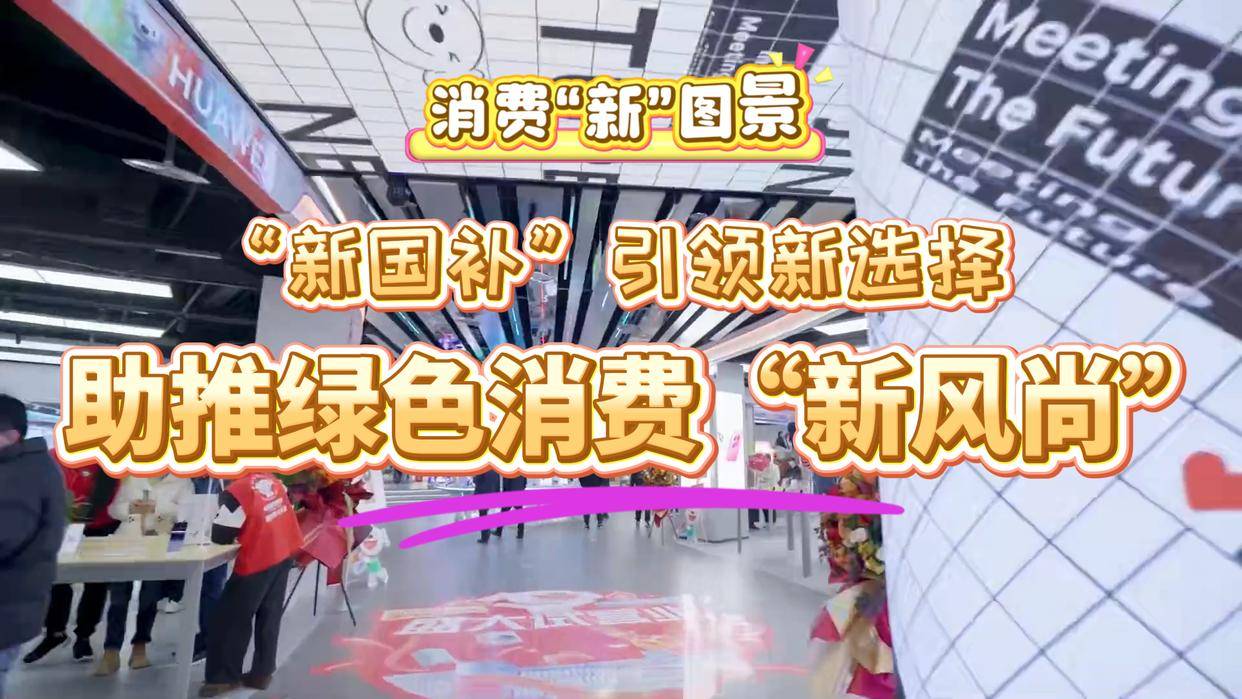
“新国补”引领新选择 助推绿色消费“新风尚”
Sou Hu Cai Jing· 2026-02-01 11:49
Group 1 - The core viewpoint of the article highlights the implementation of the "New National Subsidy" policy in 2026, which includes the allocation of 62.5 billion yuan in special long-term bonds to support a consumption plan for replacing old appliances with new ones, leading to a revitalization of the consumer market [1] - In the home appliance sector, the policy focuses on subsidizing products that meet first-level energy efficiency or water efficiency standards, promoting consumption upgrades and a transition towards low-carbon and green practices [1] - Consumers purchasing six types of home appliances, including refrigerators, washing machines, televisions, air conditioners, computers, and water heaters, will receive a subsidy of 15% of the product's sales price, with a cap of 1,500 yuan per item, and each consumer can claim one subsidy per product category [1] Group 2 - According to the Ministry of Commerce, by 2025, sales of first-level energy efficiency or water efficiency products among 12 categories of home appliances will account for over 90% of total sales [1] - The support from the "New National Subsidy" policy is expected to make green consumption more accessible and widespread, driving a dual upgrade in industry and consumption, and promoting low-carbon and environmentally friendly concepts as a new trend [1]
宏观量化经济指数周报20260201:春节错位对经济数据读数造成扰动-20260201
Soochow Securities· 2026-02-01 11:32
Economic Indicators - As of February 1, 2026, the weekly ECI supply index is 50.09%, up 0.03 percentage points from last week, while the demand index is 49.86%, up 0.02 percentage points[10] - The monthly ECI supply index for January is 50.02%, an increase of 0.09 percentage points from December, while the demand index is 49.84%, down 0.01 percentage points[13] - The ELI index as of February 1, 2026, is -0.25%, an increase of 0.40 percentage points from last week[16] Industrial Production - The operating rate for automotive full steel tires is 62.44%, down 0.18 percentage points from last week, while the coke oven production rate is 70.73%, down 0.66 percentage points[22] - The high furnace operating rate is 79.02%, up 0.36 percentage points from last week, and up 1.02 percentage points year-on-year[21] Consumer Trends - The average daily sales of passenger cars for the week ending January 18, 2026, is 50,171 units, a decrease of 23,608 units year-on-year[28] - The ticket revenue for the week is 1,327.85 million yuan, down 2,739.53 million yuan from last week and down 66,911.91 million yuan year-on-year[29] Real Estate Market - The transaction area of new homes in 30 major cities is 143.17 million square meters, up 23.18% from last week, while the second-hand home transaction area is 245.33 million square meters, down 2.35%[34] Export Performance - The SCFI index is 1,316.75, down 141.11 points from last week, while the Baltic Dry Index is 1,989.00, up 248.00 points[40] - The export growth rate for South Korea in the first 20 days of January is 14.90%, an increase of 8.20 percentage points from December and up 20.00% year-on-year[39]