免税

Search documents
【光大研究每日速递】20250428
光大证券研究· 2025-04-27 13:12
点击注册小程序 查看完整报告 特别申明: 本订阅号中所涉及的证券研究信息由光大证券研究所编写,仅面向光大证券专业投资者客户,用作新媒体形势下研究 信息和研究观点的沟通交流。非光大证券专业投资者客户,请勿订阅、接收或使用本订阅号中的任何信息。本订阅号 难以设置访问权限,若给您造成不便,敬请谅解。光大证券研究所不会因关注、收到或阅读本订阅号推送内容而视相 关人员为光大证券的客户。 今 日 聚 焦 【电新】上海车展趋势观察:大电量增程、商用车电动化、宁德时代引领新技术——碳中和领域动态追踪(一 百五十五) 宁德时代引领新技术突破,骁遥双核+自生成锂/钠负极再次拉开产品代差。增程车型有望成为电动化下半 场主力,大电量增程成为趋势。重卡等商用车电动化加速。上海车展新车型发布,大电量增程、商用车电 动化等趋势有望带动锂电需求,新技术突破有望催化固态电池、钠电等主题行情。 (殷中枢/陈无忌) 2025-04-27 您可点击今日推送内容的第1条查看 【汽车】2025上海车展开幕,聚焦智能化主旋律——汽车和汽车零部件板块跟踪报告 2025上海车展开幕,智驾+机器人共振,全产业链变革加速。1)预计2025E销量提振前景依然可期, ...
海南发展:坚定转型步伐,免税业务未来可期
Quan Jing Wang· 2025-04-26 01:55
自作出免税资产注入承诺以来,海南控股始终积极作为。针对当前中小股东存在的疑惑,海南控股相关 负责人表示,公司始终坚持维护中小股东利益,前期已结合市场案例以及相关制度规定,并论证了现金 收购、发行股份购买资产等多套方案,相关启动注入方案已提交监管部门,甚至考虑到全球精品亏损的 情况,也曾谋划以净资产为基础平价注入上市公司。同步按照承诺期限制定专项工作时间表,对全球精 品进行全面尽调、推动整改提升。但近年全球精品受海南离岛免税消费市场环境变化等因素影响经营亏 损,无法满足监管对于注入资产的要求,强行注入海南发展与"严监严管、推动上市公司高质量发展、 维护中小股东利益"的监管导向相悖,致使多种注入方案均无法实施。同时,考虑当前监管对于上市公 司跨界收购十分谨慎,遏制打击市场炒作,对拟注入资产的业务协同性等方面要求较高。当下公司体系 内机场、算力等业务位于其他上市公司体内,需避免构成同业竞争,而其余房地产、光伏发电等相对传 统的业务与海南发展业务关联度不高,注入上市公司也无法有效提升上市公司经营水平及市场价值。一 直以来,公司支持海南发展整合集团免税资源、向大消费领域转型的战略信心坚定、从未动摇,当前公 司已制定针对 ...

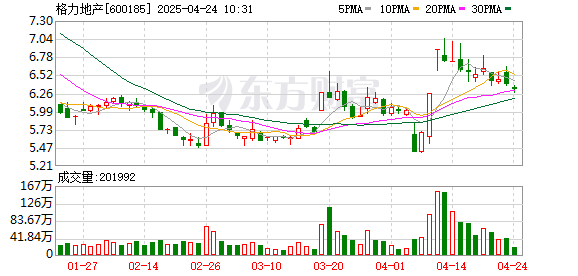
格力地产董事长辞职 华发股份现任高管拟进入董事会
Zhong Guo Jing Ying Bao· 2025-04-24 02:31
股东结构层面发生调整之际,格力地产(600185.SH)迎来人事变动。 4月22日晚间,格力地产公告于近日收到公司董事长陈辉的书面辞职报告,由于工作调动原因,陈辉申 请辞去其所担任的公司第八届董事会董事、董事长、董事会专门委员会及下属子公司相关职务,并不再 代行公司总裁职责。 辞职后,陈辉不再担任格力地产及下属子公司任何职务。截至4月22日,陈辉未持有格力地产股票。 与此同时,格力地产控股股东珠海投资控股有限公司(以下简称"珠海投控")提名郭凌勇、李向东为格 力地产第八届董事会非独立董事候选人。公告显示,郭凌勇、李向东均为华发股份(600325.SH)现任 高管。就在不久前,华发股份控股股东珠海华发集团有限公司(以下简称"华发集团")成为格力地产间 接控股股东。 而对于陈辉的最新去向,格力地产方面对《中国经营报》记者表示:"相关信息请以公司公告为准。" 根据格力地产方面此前披露,陈辉出生于1971年,2022年10月起担任格力地产董事长、法定代表人,任 期三年。也就是说,距离其到任日期还有半年之际,陈辉递交了辞呈。 任职时长两年半 陈辉上任格力地产董事长是在曾执掌格力地产14年的鲁君四之后。彼时,格力地产重大 ...


EY安永:2025年免税新纪元:破界重构炽浪突围研究报告
Sou Hu Cai Jing· 2025-04-23 13:23
Core Insights - The report by EY analyzes the duty-free market from both consumer and operator perspectives, highlighting the current state, competitive landscape, and future trends of the industry [1][10]. Group 1: Market Development Trends - The global duty-free market is experiencing robust growth alongside the recovery of the tourism industry, with the Asia-Pacific region being significant but still not fully recovered to pre-pandemic levels, while Europe and the Americas have largely rebounded [1][15]. - The Chinese duty-free market faces challenges due to weakened domestic consumption and outbound consumption diversion, but with supportive policies, it is expected to enter a new phase of prosperity [1][10]. Group 2: Consumer Insights - The global duty-free market saw severe shrinkage during the early pandemic but is gradually recovering, with stable demand for perfumes and cosmetics, which hold a significant market share [2][22]. - In China, luxury goods demand has decreased due to macroeconomic factors, leading to more rational consumer behavior and increased outbound consumption, which has intensified structural adjustments in the duty-free market [2][40]. - Hainan's duty-free market benefits from unique policies, with peak consumption during the Spring Festival, although average spending per customer has shown a slight decline, indicating increased competition and a shift towards value-oriented purchasing [2][44][47]. Group 3: Operator Strategies - The Asia-Pacific region leads the global duty-free market, with China's market share steadily expanding, aided by visa-free transit policies [3][25]. - New regulations for city duty-free stores are invigorating the industry, with companies like China Duty Free Group and Wangfujing actively expanding their presence [3][31]. - Operators are innovating collaboration models with airport duty-free shops to balance interests, while the closure of Haikou has significant implications for the industry, presenting both opportunities and challenges [3][31]. Group 4: Future Outlook - Government policies aimed at boosting consumption and expanding domestic demand are providing favorable conditions for the duty-free industry, which is expected to accelerate transformation through innovative services and models [4][30]. - The recovery of the global tourism market, combined with supportive policies in China, positions the duty-free industry as a vital force for driving growth and stimulating domestic demand [4][30].

中国中免(01880):“冷热效应”下,短期业绩承压、长期价值可期?
智通财经网· 2025-04-17 02:39
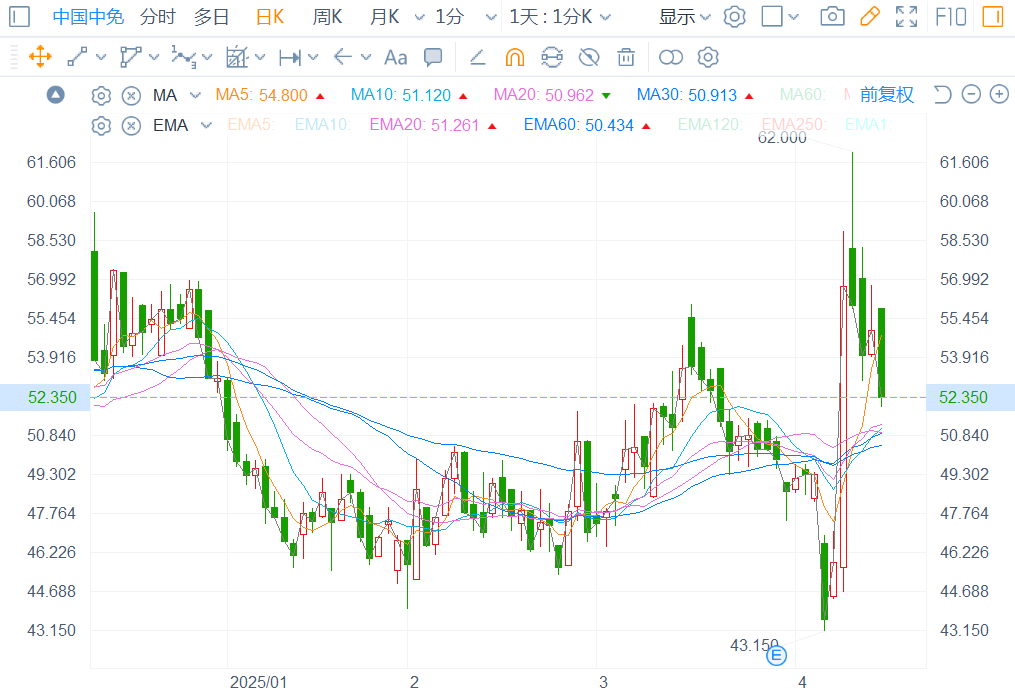
Core Viewpoint - The phenomenon of "ice and fire" is evident in China Duty Free Group (China Duty Free), where a new tax refund policy boosts stock prices despite ongoing declines in company performance and valuation [1][3]. Group 1: Policy Impact - The State Taxation Administration announced the nationwide implementation of the "immediate purchase and refund" tax refund policy, which simplifies the refund process and stimulates inbound tourism potential [1][7]. - The new policy allows foreign tourists to experience tax refunds more directly, potentially increasing their willingness to spend [8]. - Historical data from Japan indicates that similar tax refund policies significantly enhance inbound tourist spending, suggesting a positive outlook for the Chinese market [7]. Group 2: Company Performance - In 2024, China Duty Free is projected to see a revenue decline of 16.38% to 56.474 billion yuan and a net profit drop of 36.44% to 4.267 billion yuan, indicating significant performance pressure [3][4]. - The company's sales from duty-free goods decreased by 12.58% to approximately 38.666 billion yuan, while taxable goods sales fell by 23.49% to about 17.095 billion yuan, reflecting a contraction in online business due to competition [3][4]. - The Hainan region, a core market for the company, experienced a revenue decline of 27.13%, significantly impacting overall performance [3][4]. Group 3: Market Dynamics - Despite an increase in market share in Hainan, the overall market contraction means that this gain did not translate into revenue growth [4]. - The competitive landscape has intensified with the opening of new duty-free stores, reducing the company's monopoly advantage [4][10]. - The company's profit margins are under pressure due to increased discounting and rising operational costs, with a notable 76.9% drop in net profit in the fourth quarter [5][6]. Group 4: Future Outlook - The recovery of the Hainan market is expected to rely on policy stimuli, such as increased tax refund limits, and will face challenges from international competition post-border closure [6]. - The overall trend of policy support and consumer recovery suggests a potential for sustained recovery in the duty-free market [10]. - China Duty Free holds an 81.74% market share in the domestic duty-free market, positioning it well to benefit from the anticipated growth in inbound tourism [8][10].
消费股午后持续回暖 安记食品等多股涨停
news flash· 2025-04-16 05:32
Group 1 - Consumer stocks experienced a significant rebound in the afternoon, particularly in the food, duty-free, and dairy sectors [1] - Notable stocks that hit the daily limit include Anji Food, Guifaxiang, Eurasia Group, and Wewei Co., with others like Pinwa Food and Gaisi Food rising over 10% [1] - Additional stocks that saw gains include Maiqu'er, Zhu Laoliu, Black Sesame, Wangfujing, and Xiwang Food [1]





中小股东否决免税资产延期注入,海南发展连续两日跌停,市值蒸发超三成
Shen Zhen Shang Bao· 2025-04-16 03:18
Core Viewpoint - Hainan Development's proposal for the delayed injection of duty-free assets was rejected by shareholders, leading to significant market reactions and a sharp decline in stock price [1][2]. Company Summary - Hainan Development announced that its proposal to delay the injection of duty-free assets was rejected at the 2025 second extraordinary general meeting, with 56.22% of votes against the proposal [1]. - The proposal was put forth by the controlling shareholder, Hainan Development Holdings, which cited increased competition in the duty-free market and continuous losses of the asset as reasons for the delay [1]. - The stock price of Hainan Development fell sharply, with a cumulative decline of over 30% from March 28 to April 9, reaching a low of 6.20 CNY per share [1]. Industry Summary - The duty-free industry is experiencing heightened interest, with analysts noting that the delay in asset injection contrasts sharply with market expectations, exacerbating selling sentiment [2]. - Tax-free goods have a price advantage due to the exemption from tariffs and consumption taxes, and there is potential for sales to shift towards duty-free channels amid tariff policy adjustments [2]. - However, the global consumer goods entity, as a latecomer in the Hainan duty-free market, faces significant competition from established players, leading to ongoing losses [2].
英大证券晨会纪要-20250414
British Securities· 2025-04-14 07:06
Core Views - The A-share market has shown a four-day rally since April 8, following a significant drop on April 7, driven by state intervention and policy releases that alleviated liquidity pressure [1][14] - The temporary suspension of "reciprocal tariffs" by the Trump administration has improved global market sentiment, contributing to the recovery of A-shares [1][14] - The logic of domestic substitution has been reinforced, with accelerated progress in self-sufficiency in key industries, particularly in the semiconductor sector [1][14] Market Overview - The A-share market experienced a significant drop of 3.11% for the Shanghai Composite Index and 5.13% for the Shenzhen Component Index in the previous week, but has since rebounded [7] - The semiconductor sector has been a standout performer, with strong gains driven by new policies and market dynamics [9][10] - The overall market sentiment has improved, with a total trading volume of 13,487 billion yuan, indicating active trading conditions [6] Sector Performance - The semiconductor sector has seen substantial growth, supported by national policies and the establishment of the National Integrated Circuit Industry Investment Fund [9] - Precious metals have also surged as investors seek safe-haven assets amid global uncertainties, with gold prices rising significantly [10] - Consumer stocks have shown resilience, particularly in the food and beverage sectors, as domestic consumption is expected to drive economic recovery [11] Future Outlook - The report anticipates continued support from domestic policies, with expectations of increased fiscal and monetary stimulus to bolster the economy [3][15] - Close attention should be paid to trade negotiations, as successful outcomes could lead to a rebound in export-oriented industries [15] - The semiconductor and AI sectors are expected to receive more policy support, making them attractive for investors looking for opportunities [15]
中国中免(601888):渠道价值彰显 提振内需多措并举
Xin Lang Cai Jing· 2025-04-14 06:25
Core Viewpoint - The introduction of the "immediate purchase and refund" policy is expected to enhance the convenience for foreign tourists and stimulate local consumption, particularly benefiting companies like China Duty Free Group, which holds an 81.74% market share in the domestic duty-free market [1][2]. Group 1: Policy Impact - The "immediate purchase and refund" policy allows foreign tourists to claim VAT refunds on purchases made in designated stores, enhancing the shopping experience and potentially increasing the willingness to make repeat purchases [2]. - The policy is being expanded from pilot regions to nationwide implementation, which is anticipated to boost consumption among inbound tourists [2]. Group 2: Market Dynamics - The duty-free channel is expected to maintain its price advantage due to the exemption from import tariffs, consumption taxes, and VAT, making it an attractive option for consumers [3]. - The sales figures for offshore duty-free shopping in Hainan showed a decline in early 2025, but there are signs of stabilization in per capita spending, indicating a potential recovery in the market [3]. Group 3: Company Outlook - The company maintains its earnings forecast, projecting EPS of 2.26, 2.56, and 2.91 yuan for 2025, 2026, and 2027 respectively, and has raised its target prices for A and H shares to 79.1 yuan and 73.08 HKD, reflecting confidence in the company's leading position and growth potential in the duty-free sector [4].

“申”度解盘 | 多路资金助力A股市场筑底企稳
申万宏源证券上海北京西路营业部· 2025-04-14 02:26
Core Viewpoint - The A-share market is expected to stabilize at the support levels of 3100 points for the Shanghai Composite Index and 9200 points for the Shenzhen Component Index, leading to a structural market trend favoring domestic demand, domestic substitution, and high-dividend sectors [2][5][6]. Market Overview - The A-share market experienced significant adjustments due to escalating trade tensions with the United States, but showed signs of stabilization in the latter half of the week [3]. - Early in the week, the Shanghai Composite Index fell by 7.34% and the Shenzhen Component Index dropped by 9.66%, with over 5200 stocks declining and nearly 3000 hitting the daily limit down [4]. - Sectors heavily reliant on exports to the U.S., such as the Apple supply chain, automotive parts, and communication equipment, faced the largest declines, while technology stocks showed some recovery later in the week [4]. - The agricultural sector became a market highlight following the release of a policy aimed at advancing agricultural technology and promoting independent innovation in seed industries, leading to active stock performance in related companies [4]. - The high-speed rail sector saw significant gains, and the duty-free segment of consumption benefited from new tax refund measures aimed at attracting foreign tourists [4]. Market Outlook - In the context of overseas market declines and ongoing trade tensions, the health and stability of the A-share market are deemed crucial [5]. - Institutions such as Central Huijin, China Chengtong, and China Guoxin announced plans to increase their holdings in A-shares starting April 7, indicating confidence in the market [5]. - The National Financial Regulatory Administration's announcement to adjust the regulatory ratio of insurance funds to equity assets aims to enhance support for the capital market and the real economy [5]. - A number of A-share companies have also announced stock repurchases, reflecting their confidence in future growth prospects [5]. - The resilience and potential of the Chinese economy are highlighted, with a focus on companies that are becoming globally competitive as key stabilizing forces in the market [5].