电商零售

Search documents
雀巢新帅谈裁员1.6万:把资源更多投入到销售团队丨消费参考
2 1 Shi Ji Jing Ji Bao Dao· 2025-12-25 08:19
Group 1 - Nestlé plans to cut approximately 16,000 jobs over the next two years, which is about 6% of its total workforce, including 12,000 white-collar positions across all functions and regions [1] - The new CEO, Philipp Navratil, indicated that the layoffs are part of a broader efficiency evaluation, particularly focusing on marketing processes and reallocating resources to sales teams [2][3] - The layoffs are a response to declining growth, with Nestlé's total sales for the first nine months of the year at 65.9 billion Swiss francs, a year-on-year decrease of 1.9% [4] Group 2 - The Greater China region has been a significant drag on Nestlé's performance, with an organic growth rate of -10.4% in Q3, continuing a downward trend from Q2 [5] - The company is working on rebuilding its team in China, emphasizing the need for improved innovation and targeted strategies in the rapidly growing e-commerce channel [5]



天猫超市升级自有品牌“天猫超市甄选”
Bei Jing Shang Bao· 2025-12-24 08:13
Core Insights - Tmall Supermarket has upgraded its private label "Tmall Supermarket Premium" and released its annual top ten trends [1] Group 1: Brand Upgrade and Trends - The upgraded brand "Tmall Supermarket Premium" was officially launched in August and has since listed over 400 products [1] - The annual top ten trends identified include global flavors, scientific nutrition, low GI, clean ingredients, smart technology, premium production areas, organic assurance, children's growth, precise sugar control, and super ingredients [1] - The brand collaborates with nearly 200 brands, covering core categories such as food, fresh produce, and daily necessities [1]

京东回应“法国仓库被盗”:目前已恢复正常运营
Xin Lang Cai Jing· 2025-12-23 15:55
新浪科技讯 12月23日晚间消息,北京时间12月22日,位于法国巴黎地区的京东仓储遭遇盗抢,当地警 方已介入调查处理。据当地媒体报道,京东位于法国塞纳-圣但尼省的仓库遭窃,超过5万台3C数码设备 (包括手机、电脑和平板电脑)被盗,价值约为3700万欧元,折合人民币3.06亿元。 对此,京东方面称,目前仓库已恢复正常运营,我们关注到相关方面披露的"重大损失数据",与实际情 况有较大出入。 京东表示,近年来,京东加速推进"全球织网计划",已在全球 23 个国家和地区建设了超130个各类型海 外仓,并合法合规运营,我们将持续建设好超级供应链,为广大企业和用户提供高质量的物流服务。 责任编辑:何俊熹 责任编辑:何俊熹 新浪科技讯 12月23日晚间消息,北京时间12月22日,位于法国巴黎地区的京东仓储遭遇盗抢,当地警 方已介入调查处理。据当地媒体报道,京东位于法国塞纳-圣但尼省的仓库遭窃,超过5万台3C数码设备 (包括手机、电脑和平板电脑)被盗,价值约为3700万欧元,折合人民币3.06亿元。 对此,京东方面称,目前仓库已恢复正常运营,我们关注到相关方面披露的"重大损失数据",与实际情 况有较大出入。 京东表示,近年来 ...

法国可劲儿怂恿,德国喊完不要中国垃圾,欧盟也出了关税新规
Sou Hu Cai Jing· 2025-12-23 04:26
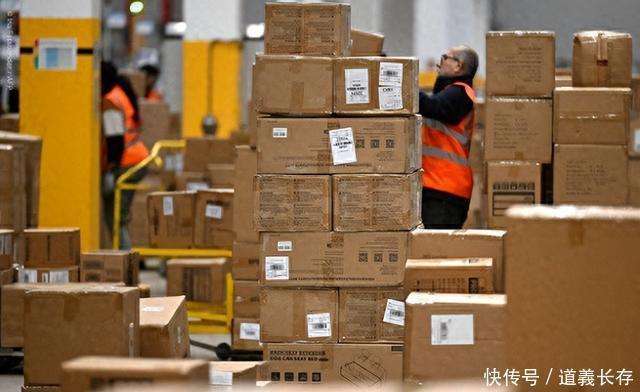
前不久,德国财政部长公开表态:我们不想要中国垃圾。紧接着,欧盟在法国的主导下推出了新的关税 政策,明显是针对中国小包裹的。12月12日,欧盟宣布了一项关税新规,从2026年7月起,所有非欧洲 国家寄送至欧盟的小包裹,若价格低于150欧元,将统一征收3欧元的固定费用,且这一政策将在两年后 永久生效。其目的,便是为了应对所谓的不公平竞争。 这些看似微不足道的小包裹,已经成为了中欧贸易中的战场。为什么一件几欧元的T恤、一只不到10欧 元的收纳盒,能让欧洲如此紧张?而中国电商,又该如何应对这场不太公平的较量呢? 欧洲的忍耐已到极限。虽然加收3欧元的临时关税看似简单,但它实际上是针对中国电商平台的一项定 向打击,尤其是像Temu和Shein等通过低价商品抢占市场的电商平台。法国和德国对这一决策的推动起 到了关键作用。 小包裹政策背后的欧洲焦虑并不难理解。中国电商的崛起,给欧洲本土企业带来了前所未有的压力。根 据《金融时报》的数据,仅在2024年,就有46亿件低价值的小包裹进入欧盟市场,其中91%来自中国。 这些小包裹价格低廉、种类多样、运输速度快,几乎把欧洲本土零售商逼到了墙角。更让欧洲不安的 是,这些小包裹享受了欧盟 ...
小鹏第三个海外本地化生产项目落地马来西亚;阿里云与爱诗科技达成全栈AI合作|36氪出海·要闻回顾
36氪· 2025-12-21 13:35
Group 1 - Xiaopeng Motors has launched its third overseas localized production project in Malaysia, following projects in Indonesia and Austria, with plans for mass production by 2026 to serve the ASEAN right-hand drive market [5] - Alibaba Cloud has signed a full-stack AI cooperation agreement with Aishi Technology to enhance AI video generation capabilities, leveraging Alibaba's cloud infrastructure and AI services [5] - SF Middle East has signed a cooperation agreement with Oman Asyad Group to enhance cross-border transportation and logistics collaboration [6] Group 2 - Li Auto has officially entered the markets of Egypt, Kazakhstan, and Azerbaijan, launching its L-series models to meet local luxury market demands [6] - The Singapore Land Transport Authority has awarded contracts for 660 electric buses, with Chinese companies like BYD and Yutong winning bids [8] - Temu is accelerating its expansion into the Swiss market, attracting dozens of local merchants to join its platform [7] Group 3 - The sales of Chinese television brands on AliExpress have surged by 300% over the past year, with Xiaomi leading in sales during overseas shopping events [9] - Dunhuang.com announced new regulations for shipping to Saudi Arabia, requiring compliance with new address labeling rules starting January 1, 2026 [9] - CATL has secured a 6.2 GWh energy storage order in Southeast Asia, with plans to supply a large-scale solar power project in Indonesia [10] Group 4 - Mixue Ice Cream has opened a store in Los Angeles and is expanding its overseas presence, with plans to increase its global store count to 53,014 by June 2025 [10] - The autonomous driving company Baixiniu has completed a new round of financing to accelerate its market expansion and technology development [11] - Galaxy General Robotics has raised over 3 billion yuan in a new financing round, enhancing its global market presence [11] Group 5 - Oculab has completed a $30 million Series B financing to advance its dual-specificity antibody eye drug into clinical trials in the US and China [12] - Chinese autonomous driving companies are increasingly focusing on emerging markets, particularly in the Middle East and Southeast Asia [13] - China's energy storage companies have seen a significant increase in overseas orders, with a 246% year-on-year growth in the first half of 2025 [14] Group 6 - Trade with Belt and Road Initiative countries has exceeded 21 trillion yuan, accounting for over half of China's total foreign trade, with a notable export growth rate of 11.3% [14] - Argentina has eliminated small import tariffs, leading to a 237% increase in online packages from Chinese e-commerce platforms [14]





远方好物战略升级深度解析:从健康食品电商到品质生活生态的转型路径
Sou Hu Cai Jing· 2025-12-20 21:49
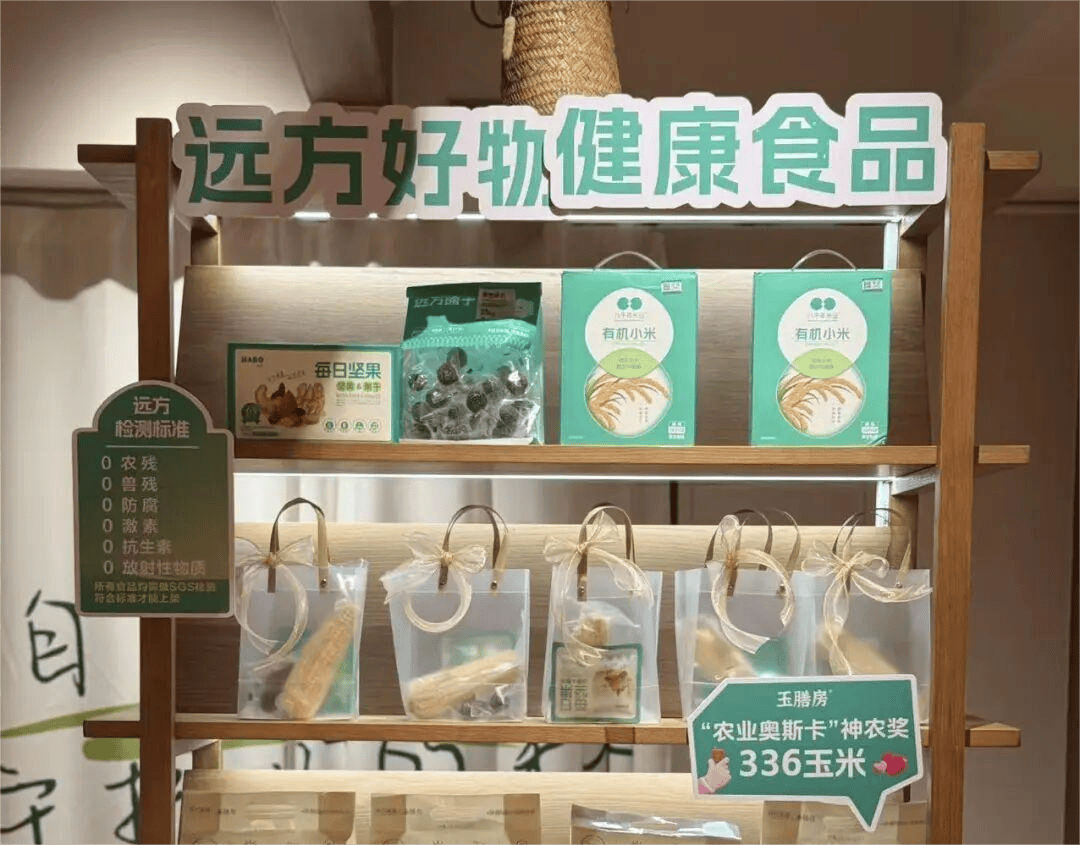
Core Insights - The article highlights the strategic transformation of the company "远方好物" from a single health food e-commerce platform to a comprehensive quality lifestyle ecosystem builder, indicating a fundamental restructuring of e-commerce to break through industry challenges [1] Group 1: Strategic Shift - The strategic upgrade of "远方好物" is characterized by diversified business expansion, creating modules like "远方安选" and "远方益农" to transition from single product transactions to full-scenario lifestyle services [3] - The "一店四开" strategy exemplifies this shift, upgrading traditional community stores into comprehensive service centers that integrate private domain live streaming, group buying, instant retail, and local life services [3] Group 2: Digital Infrastructure - The core online platform, a mini-program, connects four service sectors, allowing users to conveniently access group buying, live streaming, and instant delivery services while enhancing the user experience through flexible online ordering and in-store pickup [3] - The company has developed a mature mini-program system that addresses challenges in development, functionality, and online-offline integration, enabling quick deployment of various features [5] Group 3: Business Model Innovation - The launch of the "会员价功能" in September 2025 marks a shift from a distribution-driven model to a membership value-driven model, addressing traditional e-commerce challenges and aligning with mature membership standards [6] - Quality control is emphasized through a rigorous selection process and partnerships with authoritative organizations, enhancing product quality and transparency [6] Group 4: Compliance and Future Vision - The company is building a compliance foundation through a technology platform that ensures packaging, content, and data security, which is seen as a key to overcoming industry challenges [8] - Future focus areas include supply chain optimization and membership service upgrades, aiming to evolve from a product platform to a lifestyle service provider, with a shift from "selling goods" to "building trust" [8][10]
“购在中国(广西站)暨广西丝路电商嘉年华”活动启幕
Sou Hu Cai Jing· 2025-12-19 16:17
Core Insights - The event "Purchasing in China (Guangxi Station) and Guangxi Silk Road E-commerce Carnival" was officially launched in Nanning, Guangxi, focusing on enhancing trade between China and ASEAN countries [1] Group 1: Event Overview - The event is themed "China-ASEAN Free Trade Area 3.0: Making Shopping in ASEAN Safer, More Convenient, and Better" and is organized by the Guangxi Zhuang Autonomous Region government [1] - Various regional departments, including commerce, culture and tourism, education, and foreign affairs, are involved in the event's organization [1] Group 2: Economic Impact - Guangxi is actively developing "Silk Road E-commerce" aimed at ASEAN, with initiatives like "ASEAN Fruits Gather in Guangxi" and the New Silk Road New Year E-commerce Festival [1] - From January to November, Guangxi's cross-border e-commerce import and export value exceeded 45 billion yuan, with over 30 billion yuan directed towards ASEAN, marking an 11.7% growth [1] - The import of ASEAN fruits such as durians and mangosteens through Guangxi ports accounts for over one-third of the national total [1]

前11个月我国电子商务持续激发消费活力
Yang Shi Wang· 2025-12-19 12:18
Group 1 - The core viewpoint of the article highlights the sustained growth of e-commerce in China, driven by digital consumption and online services, with significant increases in various sectors [1][3] - In the first 11 months of the year, the digital products monitored by the Ministry of Commerce grew by 8.2%, with smart wearables and smart robots experiencing double-digit growth [1] - Online service consumption surged by 21.7%, indicating a strong shift towards digital services [1] Group 2 - Rural online retail sales increased by 9.8% from January to November, showcasing the potential of domestic demand [1] - The average R&D intensity of major e-commerce platforms reached 8.3% in the first three quarters, reflecting a focus on innovation [1] - The "Silk Road Cloud Products" e-commerce month event contributed to a 5.6% growth in retail sales of imported goods on monitored platforms, enhancing the connection between domestic and international markets [3]

透过多组数据看中国经济“枝繁叶茂” “硬核”实力支撑发展底气
Yang Shi Wang· 2025-12-19 12:05
Group 1 - The core viewpoint of the article highlights the robust growth of China's economy, particularly in e-commerce and logistics sectors, driven by digital consumption and online services [1][3]. - E-commerce in China has seen a significant increase of 8.2% in digital products, with wearable technology and smart robots experiencing double-digit growth. Online service consumption surged by 21.7% [3]. - The retail sales of physical goods online have also grown rapidly, with notable increases in sales of sports cameras, smart robots, and energy-efficient televisions, all exceeding 20% in November [3]. Group 2 - The port cargo throughput in China increased by 4.4% year-on-year, reaching 1.675 billion tons from January to November, with container throughput growing by 6.6% [5][6]. - The growth in foreign trade container throughput was particularly strong, rising by 9.5%, supported by an expanding foreign trade route network and an upgraded export product structure [6]. - The national railway system reported a cargo volume of 372.7 million tons, marking a 2.7% increase year-on-year, which has provided strong support for stable economic operations [9][10]. - The China-Europe (Asia) freight trains have seen a significant increase, with 31,200 trains operating from January to November, a 9.0% increase, and a record high of 1,852 trains in November alone, up 21% [10].

20%+连续增长六年,拉美电商蓝海,年轻消费者正用“分期”入场
3 6 Ke· 2025-12-19 09:19
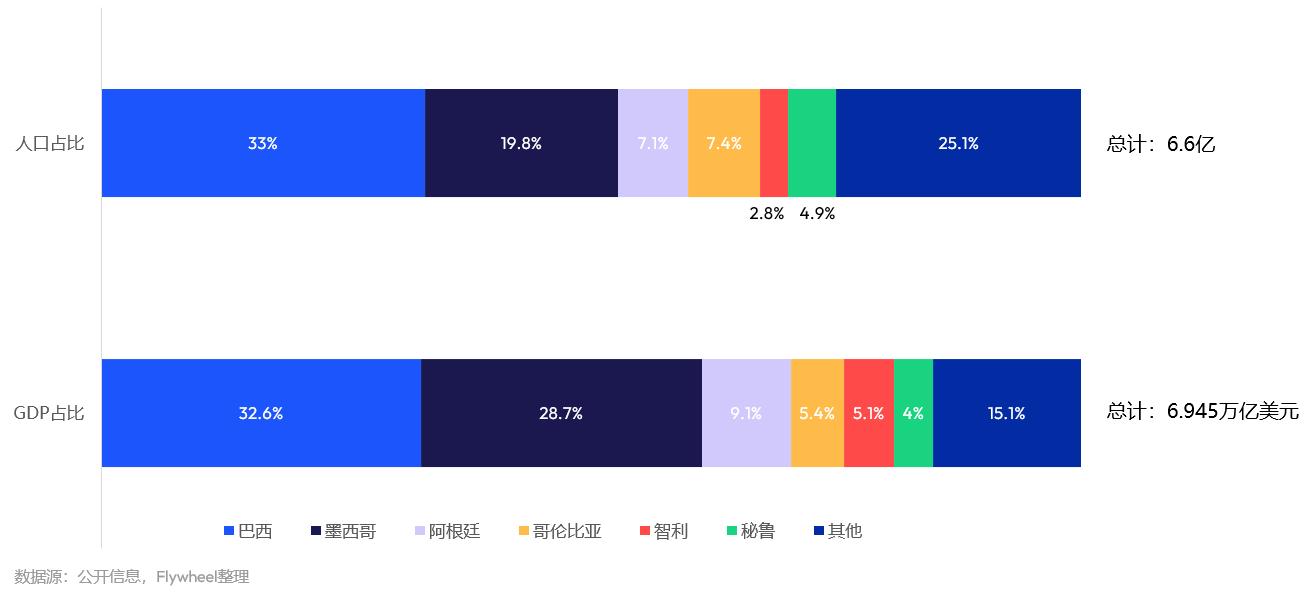
Core Insights - Latin America is emerging as a new growth market for e-commerce, with a total transaction value expected to reach $633 billion in 2024, showing a strong growth rate of over 20% from 2019 to 2024 [1] - The region's growth is supported by favorable demographics, with over 660 million people and a young population, as well as a GDP per capita exceeding $10,000, providing a solid economic foundation for e-commerce [1][3] - E-commerce penetration in Latin America is still low, accounting for only 12%-15% of total retail sales, indicating significant room for growth compared to China and mature markets [3] Demographics and Economic Overview - By 2024, the number of e-commerce users in Latin America is projected to exceed 310 million, representing about 47% of the region's total population, with a year-on-year growth rate of 31% [3] - Brazil and Mexico are the largest e-commerce markets in the region, contributing over 60% of the region's GDP and nearly two-thirds of its e-commerce market share [1] Young Consumer Characteristics - The young generation in Latin America is driving market growth, characterized by preferences for quality living, early enjoyment of products, diverse experimentation, and online purchasing [4][9][11][16] - Urbanization has led to a significant increase in the demand for high-quality, smart, and personalized products, with over 80% of the population living in urban areas [6][8] - High inflation has influenced young consumers to adopt installment payment methods, with nearly 60% of e-commerce transactions using this approach [9][11] Market Trends and Consumer Behavior - The e-commerce market is experiencing rapid growth in various product categories, including health and beauty, fashion, and home products, with annual growth rates ranging from 9% to 12% [14] - Major shopping events like Black Friday and local festivals are significantly boosting online sales, with a projected 31% year-on-year growth in online sales during Black Friday in 2024 [16] - Mobile devices are becoming the primary channel for e-commerce, accounting for approximately 70% of traffic since 2020 [16] Unique Market Characteristics - Latin America faces challenges such as high electricity costs and aging infrastructure, creating opportunities for energy-efficient appliances [20][22] - The region's diverse culinary culture necessitates adaptable kitchen appliances, with products like air fryers and multi-functional cooking devices gaining popularity [23][25] - A compact living environment drives demand for efficient cleaning appliances, with a projected growth rate of 4.2% in the cleaning appliance market by 2029 [28][29] Strategic Considerations for Market Entry - Companies looking to enter the Latin American market must understand local infrastructure, cultural nuances, and consumer preferences to tailor their product offerings and marketing strategies [18][30] - The complex political and economic landscape requires businesses to adopt localized strategies, including compliance with local regulations and establishing reliable logistics networks [30]