石化

Search documents
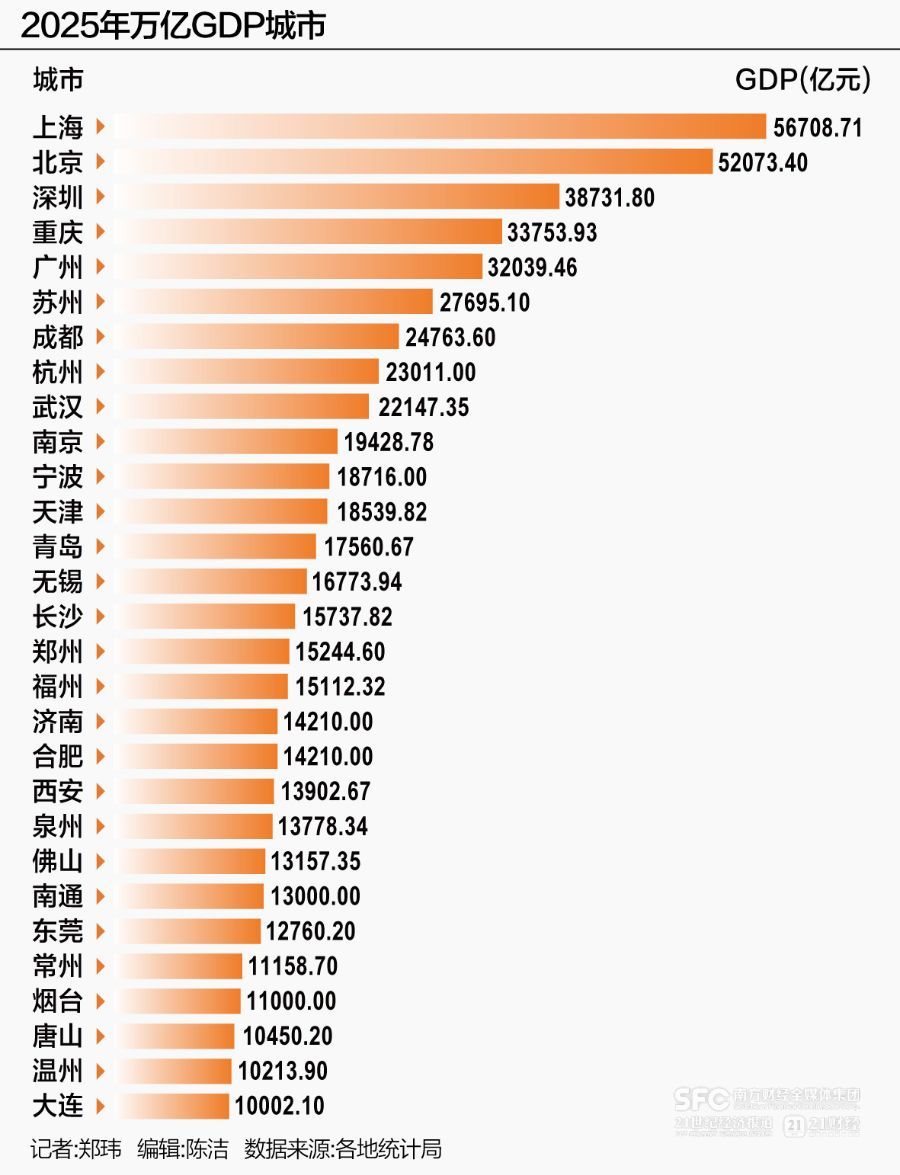
山海连云纳贤才 活力港城启新篇 春季“才市大集”吸引6000余人寻觅发展机遇
Xin Lang Cai Jing· 2026-02-08 07:09
Core Insights - The 2026 Lianyungang Spring Talent Exchange Conference successfully attracted over 2,000 job seekers and featured more than 5,000 quality job positions from over 140 key enterprises, highlighting the city's strong economic vitality and talent magnetism [1][3] Group 1: Event Overview - The conference has been held for over 20 years and is recognized as a high-quality human resources service brand in the province, organized by multiple local government departments [3] - The event effectively connects the talent demands of enterprises with various job-seeking groups, including recent graduates, veterans, and unemployed individuals [3][4] Group 2: Recruitment Opportunities - The conference featured specialized recruitment zones for industries such as petrochemicals, biomedicine, and e-commerce, with leading companies offering high-paying positions in various fields [4] - Many technical and management positions offered monthly salaries exceeding 10,000, along with competitive benefits and career development opportunities [4] Group 3: Innovative Services - The event introduced diverse service areas, including live-streaming recruitment and expert consultations, providing a comprehensive employment service experience for job seekers [4][10] - A social practice recruitment area attracted many university students, offering them opportunities to explore local technological innovations and practice routes [12] Group 4: Employment Support Initiatives - The conference included a special recruitment session for enterprises associated with the Political Consultative Conference, addressing the dual challenges of recruitment difficulties for companies and employment challenges for job seekers [6] - Participating enterprises emphasized their social responsibility in supporting employment and local economic development [8] Group 5: Online and Offline Integration - The event utilized a dual-track approach, combining online and offline recruitment to enhance accessibility and efficiency for job seekers [10] - The online platform provided continuous access to job opportunities for those unable to attend in person, creating a "never-ending" talent event [10][13] Group 6: Future Plans - The success of the conference reflects the city's commitment to becoming a regional talent hub, with plans for regular recruitment events and collaborations with local universities to maintain a steady flow of job opportunities [15]

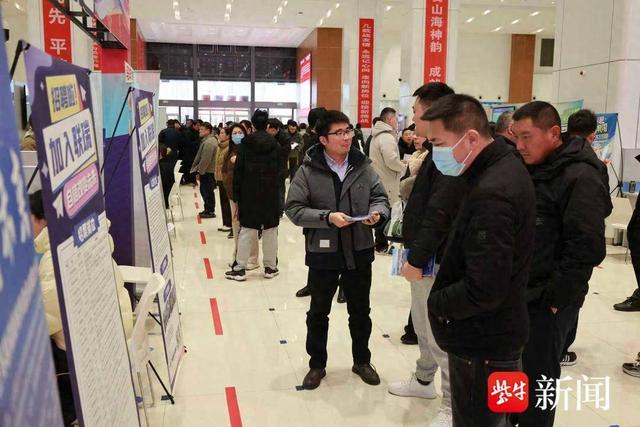
“十五五”开局,上海将这样发力
Guo Ji Jin Rong Bao· 2026-02-07 23:48
Core Viewpoint - Shanghai aims for a GDP growth target of around 5% for the year, emphasizing the importance of five key strategies to achieve a strong start to the 14th Five-Year Plan [2]. Group 1: Economic Development Strategies - Focus on national strategies to deepen reform and opening up, accelerating the construction of five centers and promoting integrated development in the Yangtze River Delta [2]. - Promote consumption and investment while stabilizing foreign demand, with plans for 184 major projects and an investment of 255 billion yuan [2]. - Cultivate new productive forces to lead industrial transformation, enhancing advanced manufacturing and smart, green, and integrated development [3]. Group 2: Industrial System Development - Shanghai will establish a modern industrial system characterized by "2+3+6+6," focusing on advanced manufacturing and traditional industries' transformation [4]. - The city aims to build 500 advanced smart factories and increase the density of industrial robots to 600 per 10,000 people [4]. - Target the development of six emerging pillar industries, including new-generation electronic information and high-end equipment, to create a trillion-yuan industry [4]. Group 3: Artificial Intelligence Initiatives - Shanghai will leverage its advantages in AI, including industry clusters and talent supply, to build a global AI innovation governance center [5][7]. - The city plans to strengthen its AI industry chain, providing substantial support through funding and infrastructure for AI development [6]. - Initiatives will include creating a vibrant environment for young entrepreneurs and establishing international cooperation platforms in AI [7]. Group 4: Future Industries Focus - Shanghai is prioritizing brain-computer interfaces and other future industries, with a systematic layout and multiple pioneering projects [8]. - The city will support various fields such as quantum computing and gene therapy, fostering innovation and industrialization [8][9]. - A governance system for future industries will be established to ensure effective management and promote high-quality economic development [9]. Group 5: Foreign Investment and Trade - Shanghai aims to attract foreign investment, targeting $16.06 billion by 2025, with a focus on high-tech industries [10]. - The city plans to enhance its business environment and support foreign enterprises in upgrading and transforming [11]. - New policies will be introduced to stabilize foreign trade, improve cross-border trade facilitation, and promote new business models in foreign trade [12].
上海市经信委:聚焦智能终端、商业航天等,再造万亿级产业新增量
第一财经· 2026-02-07 13:42
Core Viewpoint - Shanghai is focusing on enhancing its industrial capabilities and core competitiveness in 2026, the first year of the "14th Five-Year Plan," by implementing strategies across four key areas [3]. Group 1: National Strategy Implementation - The city will continue to maintain its advantages in leading industries such as integrated circuits and artificial intelligence, aiming for double-digit growth in manufacturing output [3]. - The integration of "IC + AI" will be leveraged to elevate the overall industrial system [3]. Group 2: Industrial Transformation and Upgrading - Shanghai aims to accelerate the transformation of industries like petrochemicals, steel, and light industry towards digitalization and greening, with plans to establish 500 advanced intelligent factories during the "14th Five-Year Plan" [4]. - The application density of industrial robots is targeted to reach 600 units per 10,000 people, and 200 green manufacturing enterprises at the municipal level will be created [4]. Group 3: Economic Growth and New Industries - The city plans to significantly increase the total industrial economy by developing six emerging pillar industries, including next-generation electronic information and intelligent connected new energy vehicles, targeting new sectors like smart terminals and commercial aerospace [3][4]. - The goal is to generate a trillion-level increase in industrial output [3]. Group 4: Industrial Ecosystem Optimization - Shanghai will guide districts to deepen their leading industries through an industrial map, aiming to create 25 billion-level sub-sectors [4]. - The city's industrial added value grew by 5.1% last year, with total output reaching 4.07 trillion yuan, marking a historical high [4]. - The proportion of "new manufacturing" increased from 40% to 45%, while the share of three leading industries in manufacturing rose from 7.8% to 12.4% [4].
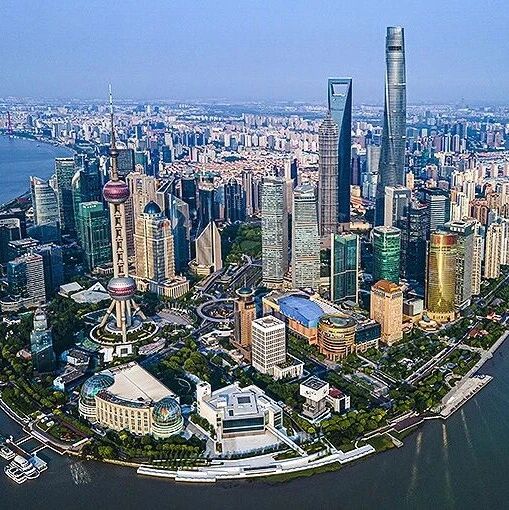
瞄准新赛道,上海将再造万亿级产业新增量
Xin Lang Cai Jing· 2026-02-07 11:29
Group 1 - Shanghai aims to expand its industrial economy by focusing on six emerging pillar industries, including new-generation electronic information and intelligent connected vehicles, targeting a trillion-level industrial increment [1][3] - By 2025, Shanghai's industrial added value is projected to grow by 5.1%, with total output reaching 4.07 trillion yuan, marking a historical high [3] - The city will maintain its advantages in leading industries such as integrated circuits and artificial intelligence, accelerating breakthroughs across the entire industrial chain with double-digit growth in manufacturing output [3] Group 2 - Shanghai plans to promote the transformation and upgrading of traditional industries like petrochemicals and steel towards digitalization and greening, aiming to establish 500 advanced intelligent factories during the 14th Five-Year Plan [3] - The city will create 200 green manufacturing enterprises at the municipal level and enhance the business environment to support outstanding companies [3] - Shanghai will guide districts to cultivate leading industries based on an industrial map, aiming to develop 25 billion-level niche markets [3]
大飞机、大邮轮接连取得突破,上海如何进一步提升产业核心竞争力?
Xin Lang Cai Jing· 2026-02-07 05:15
Core Insights - Shanghai aims to achieve an industrial output value exceeding 4 trillion yuan by 2025, marking a historical high, with significant advancements in key sectors such as large aircraft and cruise ships [1] Group 1: Industrial Growth and Achievements - In the past year, Shanghai's industrial added value grew by 5.1%, reaching a total output value of 4.07 trillion yuan, a record high [1] - The proportion of strategic emerging manufacturing industries increased from 40% at the beginning of the 14th Five-Year Plan to 45%, while the share of the three leading industries in manufacturing rose from 7.8% to 12.4% [1] Group 2: Future Development Strategies - Shanghai will focus on four key areas: 1. Implementing national strategies to maintain advantages in integrated circuits and artificial intelligence, aiming for double-digit growth in manufacturing output [2] 2. Accelerating industrial transformation towards digital and green development, with plans to establish 500 advanced intelligent factories and achieve an industrial robot application density of 600 units per 10,000 people [2] 3. Expanding the industrial economy by developing six emerging pillar industries, targeting new sectors such as smart terminals and commercial aerospace [2] 4. Enhancing the industrial ecosystem by guiding districts to cultivate leading industries and creating 25 billion-yuan-level niche markets [2] Group 3: Leadership and Contribution - Shanghai will leverage its leading role to contribute to the construction of a manufacturing powerhouse, embodying a commitment to national responsibilities and innovation [3]
齐鲁“气质”焕新 绿电唱起主角
Da Zhong Ri Bao· 2026-02-07 01:02
Group 1: Environmental Quality Improvement - By 2025, the average PM2.5 concentration in the province is expected to improve to 32.4 micrograms per cubic meter, achieving the national secondary air quality standard, with 20 more days of good air quality compared to the previous year [1] - The proportion of good water bodies in national monitoring sections reached 84.3%, the best level recorded, with five categories of water bodies continuously cleared for five years [1] - The province has completed rural sewage treatment in 14,481 villages, accounting for 30.1% of the total, and has established 36 national ecological civilization demonstration zones [1] Group 2: Green and Low-Carbon Development - The province is advancing the third round of the "Four Reductions and Four Increases" initiative, focusing on key sectors such as industry, energy, and transportation for a systematic green and low-carbon transition [2] - Non-fossil energy power generation capacity reached 139 million kilowatts, accounting for 54.2% of total installed capacity, marking significant breakthroughs in green energy supply [2] - The province has eliminated over 180,000 non-operational diesel trucks and achieved an 88% connectivity rate of large industrial enterprises and new logistics parks to dedicated railway lines [2] Group 3: Ecological Protection and Restoration - The province has conducted ten major actions for ecological protection in the Yellow River basin for four consecutive years, maintaining Class II water quality in the Yellow River mainstream for ten years [3] - Over 80,000 acres of afforestation have been added, and 35,000 acres of abandoned mines have been restored, along with the construction of 300 kilometers of ecological buffer zones [3] - The province has initiated over 6,600 ecological damage compensation cases, with compensation amounts exceeding 4.6 billion yuan [3]
韩媒:韩国企业开启“中国战略2.0”
Xin Lang Cai Jing· 2026-02-06 23:02
来源:环球时报 韩国《朝鲜日报》2月5日文章,原题:SK、LG调整战略:与中国企业合作和竞争并行曾用来形容中国 产业的"中国产品仅具价格竞争力"等说法已不再适用。中国企业如今在电动汽车、电池、显示器、钢 铁、石化等主要制造业领域全面提升质量和技术水平,已成为全球市场的重要参与者。 三星电子会长李在镕去年访华期间,先后与小米和比亚迪的高管会面。此后,其子公司三星电机等重新 定义中国电动汽车企业——不再视其为竞争对手,而是成为客户,在汽车零部件领域扩大合作。相关战 略是在智能手机和家电领域保持竞争的同时,融入中国汽车零部件和材料的供应链体系。 韩企领导层的看法转变正转化为战略调整,在与中国直接竞争困难的领域大幅缩减规模,将资源集中于 能保持技术优势的领域。 一位韩国商界人士说:"领导层的认知已进入冷静区分对华竞争与合作领域的阶段。"所谓"中国战略 2.0",并非简单重返中国市场,而是基于韩中两国产业格局变化而进行的战略性调整。(作者Cho Jaehyun,乔恒译) 韩国企业对中国企业的看法已发生巨大转变。大韩商工会议所去年对370家本土制造企业开展的调查显 示,认为"韩国企业技术能力领先于中国企业"的回答比例从2 ...
做强中国制造硬实力
Jing Ji Ri Bao· 2026-02-06 20:39
Core Viewpoint - China's manufacturing sector is poised for significant growth and transformation during the "14th Five-Year Plan" period, focusing on stabilizing the economy, advancing industrial upgrades, and fostering innovation to enhance competitiveness and sustainability [1][15]. Group 1: Stability - The reasonable growth of China's manufacturing output is essential for solidifying the economic foundation and supporting quality improvements in the industry [2]. - Key industrial provinces play a crucial role in stabilizing economic growth, contributing 80% of the industrial output value [2]. - The focus on stabilizing key industries, such as automotive and electronics, is vital for maintaining industrial economic growth [2][3]. - The government plans to implement new growth strategies for ten key industries to ensure long-term stability in the industrial economy [2]. Group 2: Progress - The effective enhancement of quality in China's manufacturing will strengthen core competitiveness and promote high-quality development [5]. - The growth rates for major manufacturing sectors, such as equipment and high-tech manufacturing, are projected to exceed the overall industrial growth rate by significant margins [5]. - The focus on high-end manufacturing and technological innovation will drive the industry towards higher value chains [6]. - The digital transformation of manufacturing is emphasized as a key strategy for improving quality and efficiency [6][7]. Group 3: New Growth Drivers - The cultivation of new quality productivity is essential for restructuring and revitalizing the manufacturing sector [9]. - Emerging industries, characterized by high technology and value, are seen as critical for driving economic growth and transitioning to sustainable development [9][10]. - Traditional industries will undergo significant upgrades, leveraging new technologies to support the growth of emerging sectors [10]. - Future industries will be strategically developed to ensure early positioning in high-potential areas such as quantum technology and artificial intelligence [11]. Group 4: Innovation - Technological innovation is identified as a core element for driving new productivity and enhancing industrial vitality [12]. - The government aims to increase high-quality technological supply by focusing on key industry needs and supporting major technological projects [13]. - Enterprises are recognized as the main drivers of R&D investment, with government policies aimed at further stimulating innovation [13][14]. - A collaborative innovation ecosystem will be established to facilitate the integration of various innovation resources into the manufacturing sector [14].
东北首现万亿GDP之城
21世纪经济报道· 2026-02-06 14:52
记者丨郑玮 实习生龚晨晨 编辑丨陈洁 近日,随着一批城市"尖子生"相继公布GDP数据,2025年中国万亿城市之争尘埃落定。 南方财经记者统计数据显示, 2025年全国有29座城市GDP迈入万亿级。其中,温州、大连两 市GDP首次突破万亿元, 同期上海、北京两市GDP也双双达到5万亿元区间,全国万亿GDP城 市版图再度迎来扩容。 "万亿矩阵"扩容背后,2025年,全国有22座万亿城市GDP增速超过5%(全国平均增速),其 中唐山、合肥、烟台、温州4城GDP增速超过6%。同期,14座万亿城市2025年GDP增速较 2024年持平或略有增长,其中西安、广州分别增长3.4个百分点和1.9个百分点。 进一步观察这批城市"尖子生"的经济结构,哪些产业在"破万亿"进程中提供了关键动能? 万亿城市"洗牌":两城上榜、沪京并肩 整体来看,在2025年全国29座万亿GDP城市中,GDP规模迈入5万亿元区间的城市有2座,4万 亿元区间城市出现断档,此后规模迈入3万亿元区间、2万亿元区间和1万亿元区间的城市分别 有3座、4座和20座,整体呈现正金字塔结构。 不同梯次城市的发展重心显露差异。其中,上海、北京两座"领头羊"2025年第三 ...
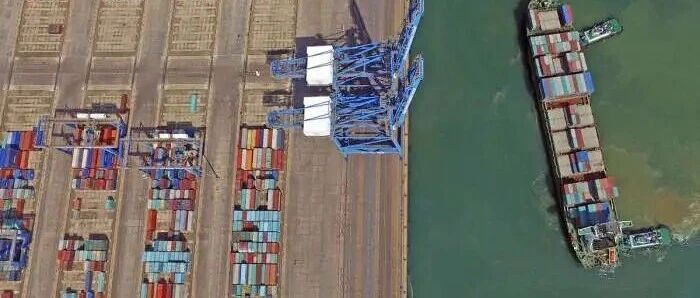
“万亿版图”重新洗牌,哪些城市要爆发
2 1 Shi Ji Jing Ji Bao Dao· 2026-02-06 13:20
南方财经记者郑玮 实习生龚晨晨 广州报道 近日,随着一批城市"尖子生"相继公布GDP数据,2025年中国万亿城市之争尘埃落定。 南方财经记者统计数据显示,2025年全国有29座城市GDP迈入万亿级。其中,温州、大连两市GDP首次突破万亿元,同期上 海、北京两市GDP也双双达到5万亿元区间,全国万亿GDP城市版图再度迎来扩容。 "万亿矩阵"扩容背后,2025年,全国有22座万亿城市GDP增速超过5%(全国平均增速),其中唐山、合肥、烟台、温州4城GDP 增速超过6%。同期,14座万亿城市2025年GDP增速较2024年持平或略有增长,其中西安、广州分别增长3.4个百分点和1.9个百 分点。 进一步观察这批城市"尖子生"的经济结构,哪些产业在"破万亿"进程中提供了关键动能? 不同梯次城市的发展重心显露差异。其中,上海、北京两座"领头羊"2025年第三产业增加值增速分别达到6.0%、5.8%,均跑赢 GDP增速。同期,温州、大连两座新晋万亿城市规上工业增加值增速均实现两位数以上正增长,依托第二产业扛起了万亿版图 的关键一角。 把时间维度拉长,2021年—2025年,全国万亿GDP城市数量已从24座逐步增长至29座。 ...