
军工

Search documents
泰豪科技逾13亿公积金填平母公司“累亏坑”,账面扭亏难掩主业困局
Di Yi Cai Jing· 2025-12-12 05:45
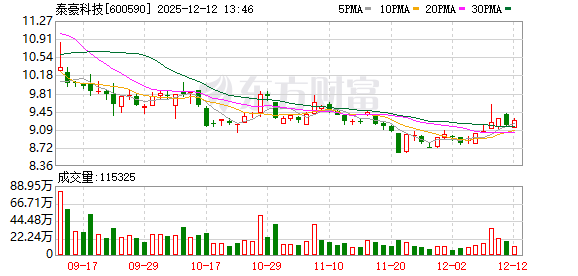
Core Viewpoint - Taihao Technology (600590.SH) is utilizing its capital reserve and surplus reserve to cover significant accumulated losses, which may have gone unnoticed by the market without this action [2][13]. Group 1: Financial Measures and Regulations - The company plans to use 1.04 billion yuan from surplus reserves and 12.63 billion yuan from capital reserves, totaling 13.67 billion yuan, to offset accumulated losses by December 31, 2024 [2]. - The new Company Law effective from July 1, 2024, allows the use of capital reserves to cover losses, breaking the previous prohibition [2][12]. - Over 30 listed companies have disclosed plans to use reserve funds to cover losses, with a total exceeding 30 billion yuan, indicating a trend in the A-share market [2][12]. Group 2: Financial Performance and Historical Context - Taihao Technology has reported losses for five consecutive years since 2020, with a significant loss of 910 million yuan at the parent company level in 2024 [4]. - The company's net profit before 2024 was maintained due to profits from subsidiaries, but the 2024 losses were exacerbated by industry adjustments and asset impairments [4][7]. - The company’s cumulative net profit from 2019 to 2024, excluding non-recurring gains, was -2.624 billion yuan, indicating ongoing operational challenges [7]. Group 3: Impact of Mergers and Acquisitions - The company's past mergers and acquisitions have led to significant goodwill impairments, with a peak goodwill of 1.27 billion yuan in 2018, which has since decreased to 320 million yuan by the end of 2024 [8][10]. - Notable impairments include a 161 million yuan write-down in 2020 and a 327 million yuan write-down in 2021 related to the acquisition of Shanghai Boyuan [9]. - The company’s asset quality remains under pressure, with a significant portion of accounts receivable at risk of impairment [10]. Group 4: Strategic Business Developments - The emergency equipment business has become a core growth area for the company, contributing positively to its strategic transformation [11]. - The investment in Guokai Military Industry has provided substantial returns, contributing over 700 million yuan to the company’s cash flow [10].


军工板块走高,超捷股份创新高,国瓷材料等大涨
Zheng Quan Shi Bao Wang· 2025-12-12 03:42
对于军工板块,银河证券指出,短期看,2026年作为"十五五"首年,主机端有望开启新一轮备货周期, 军工产业链上游或将率先受益,订单端牵引最早于2025年末启动。中期看,军贸需求迎重大拐点,带动 装备总需求"量价"齐升,主机和关键分系统厂商显著获益。AI对发电侧的强劲需求有望带动燃机产业链 持续强势。长期看,聚焦2027年建军百年重要节点,国防开支有望维持7%左右的较高增速,叠加新一 代主战装备迭代加速和新质战斗力需求跃升,行业高景气有望延续。 军工板块12日盘中发力走高,截至发稿,国瓷材料涨超19%,超捷股份涨约15%,盘中一度涨停创出新 高;创远信科涨近14%,航天长峰、长江材料等涨停。 ...

挖掘经济潜能,股市慢牛延续
Huajin Securities· 2025-12-12 00:29
Group 1 - The report emphasizes the need to fully tap into economic potential and stabilize the birth population as key policy directions, indicating a clear intention to expand domestic demand and stabilize economic growth [5][7] - The focus on expanding domestic demand is highlighted as the primary direction for policy in 2026, with an emphasis on both goods and service consumption, as well as increased infrastructure investment to stabilize the real estate market [7][8] - The report indicates that innovation-driven development and the cultivation of new productive forces will remain major policy directions, with a call for deeper integration of technological and industrial innovation [7][8] Group 2 - The report suggests that the A-share market is likely to continue a slow bull trend, potentially driving the onset of a spring market rally, supported by expectations of economic recovery and profit restoration [8][11] - Specific industries such as TMT (Technology, Media, and Telecommunications), machinery, non-ferrous metals, chemicals, military, new energy, and new consumption are identified as likely beneficiaries of the favorable policy environment [11] - The report highlights that sectors related to innovation, such as TMT and machinery, are expected to benefit from the emphasis on innovation-driven policies and high-quality development of key industrial chains [11]
韩第62届贸易日:有望达成史上最大出口额
Shang Wu Bu Wang Zhan· 2025-12-11 17:20
Core Insights - South Korea's export is expected to exceed $700 billion for the first time, with a cumulative export amount of $640.2 billion from January to November, marking the highest level since 2022 [1] - Exports have shown positive growth for six consecutive months, indicating a recovery trend after a period of decline [1] - Key sectors driving this growth include semiconductors, automobiles, ships, and biotechnology, supported by the global spread of K-culture products such as K-food and K-beauty [1] Export Performance - The export market structure is diversifying, contributing to the overall growth [1] - In the third quarter, the number of small and medium-sized enterprises (SMEs) involved in exports reached a record high of 89,000, with export value from SMEs hitting $87.1 billion, also a historical peak [1] Recognition and Awards - During the 62nd Trade Day ceremony, 598 individuals and 1,689 companies were recognized for their contributions to South Korea's export achievements [1]
川财证券首席经济学家陈雳:中国经济更重视消费升级与内需拉动
Bei Jing Shang Bao· 2025-12-11 14:47
Core Viewpoint - The 2026 macroeconomic outlook emphasizes a shift towards innovation-driven growth, with a focus on consumption and internal demand as key drivers of economic stability and transformation [3][4]. Group 1: Economic Trends - The year 2026 marks the beginning of the "14th Five-Year Plan," where China's economy is expected to achieve qualitative improvements through deepened reforms and expanded openness [1]. - Consumption remains the "ballast stone" for economic growth, with internal demand being elevated to a strategic priority [3]. - The transition from traditional factor-driven growth to innovation-driven growth is anticipated, alongside accelerated construction of a modern industrial system [3]. Group 2: Policy and Monetary Environment - The monetary policy is expected to maintain a moderately loose stance, characterized by stability in total volume and precision in structure [4]. - The timing and intensity of interest rate cuts and reserve requirement ratio adjustments will be flexibly managed based on economic conditions and inflation [4]. - There is an expectation for an increase in the scale of special bonds to support effective investment and ensure funding continuity for ongoing projects [4]. Group 3: Investment Opportunities - A combination of policies is expected to stabilize and activate the market, with the capital market showing a more robust and active trend in 2025 [4]. - The A-share market is projected to experience a structural bull market led by technology and new materials, with significant gains in sectors such as precious metals, communication, and power equipment [5]. - The military industry is anticipated to enter a new development cycle driven by certain demand and structural upgrades, while the coal and electricity sectors may present structural opportunities [5].
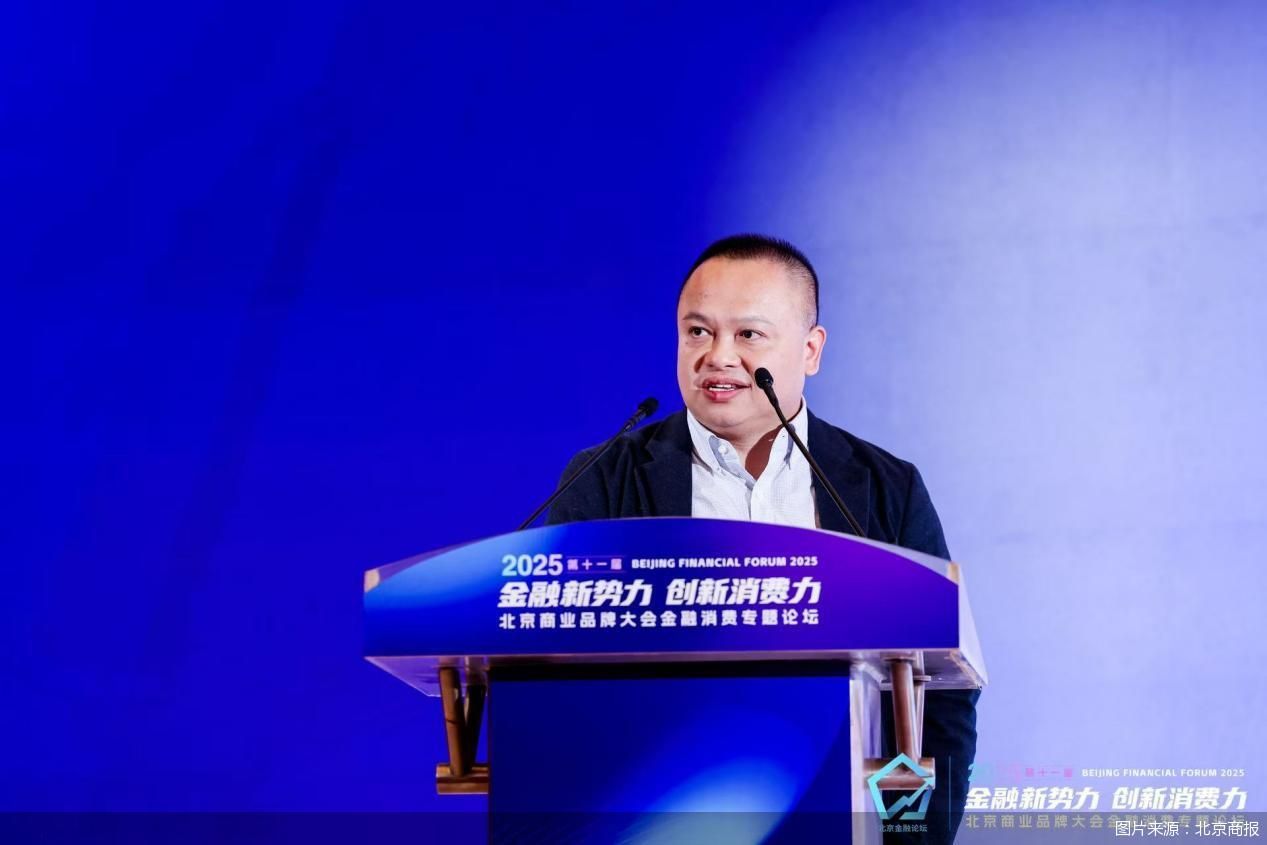
建设工业:公司目前有特品、汽车零部件、战略性新兴产业三大产业板块
Zheng Quan Ri Bao· 2025-12-11 14:05
Core Viewpoint - The company is focusing on three main industrial sectors: special products, automotive parts, and strategic emerging industries, with an emphasis on modernization and innovation in weaponry and automotive components [2] Group 1: Special Products - The special products sector includes lightweight weaponry, achieving comprehensive coverage in product series, calibers, and markets [2] - The company exports its products to dozens of countries and regions globally [2] - There is a commitment to the integration of mechanization, information technology, and intelligence in weaponry development [2] Group 2: Automotive Parts - The automotive parts sector encompasses components such as connecting rods, transmission systems, steering systems, and braking systems [2] - The company is adapting to trends in electrification, intelligence, and lightweighting in the automotive industry [2] - The market share of the automotive connecting rod products is leading, with steady development in components for new energy vehicles [2] Group 3: Strategic Emerging Industries - The strategic emerging industries include civilian firearms, anti-terrorism and riot control equipment, training systems, optoelectronic information integration equipment, high-end titanium alloy products, and high-strength powder metallurgy products [2] - The company provides green coating solutions and services, focusing on new special equipment, new energy vehicles, new materials, and optoelectronic information [2] - There is an accelerated pace in cultivating strategic emerging industries [2]

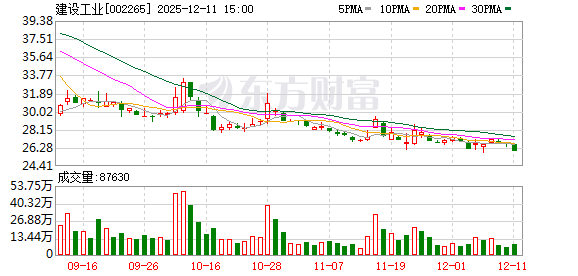
川财证券首席经济学家陈雳:算力将成为驱动AI新时代的智能引擎
Bei Jing Shang Bao· 2025-12-11 12:49
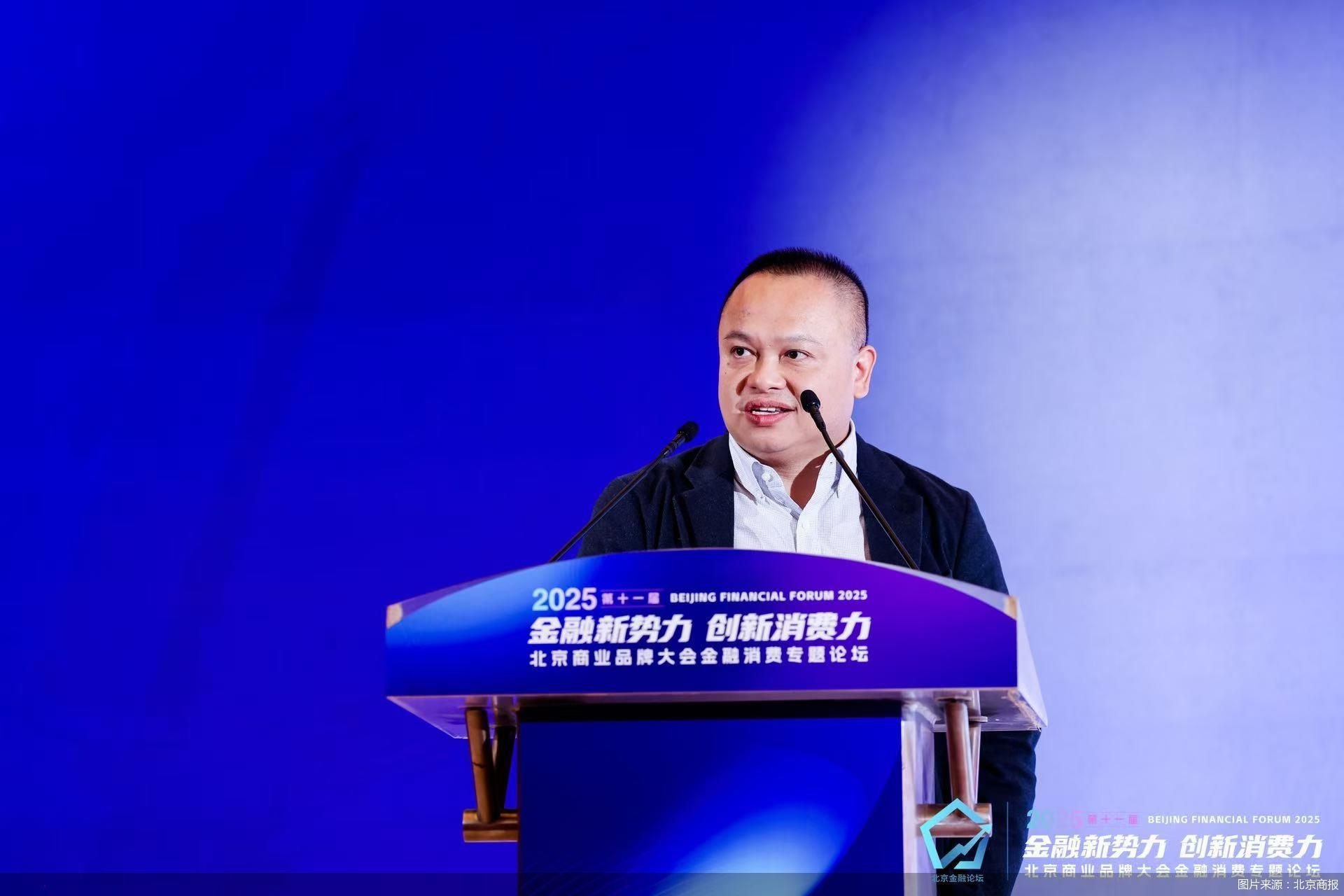
北京商报讯(记者 李海媛)12月11日,由中外企业文化、北京商报社主办的2025年度北京商业品牌大会金融消费专题论坛在北京召开。川财证券首席经济 学家、总裁助理、研究所所长陈雳在题为《向新而行:2026年宏观经济及市场投资展望》的演讲中提到,2026年投资机会要看几个看得见、摸得着的方向。 首先是一揽子政策组合拳巩固市场稳固活跃态势。2025年,我国资本市场在深化改革的政策驱动下,展现出更为稳固和活跃的运行态势。监管部门围绕稳市 场、促改革、防风险三大维度协同发力,通过一揽子"组合拳"政策巩固市场回稳向好势头,并着力提升资本市场服务新质生产力与科技创新的能力。 其次是2025年A股呈现科技和新材料主导的结构性牛市。从行业板块看,涨幅榜呈现清晰的产业主线。贵金属及特种金属大幅上涨,通信、电力设备及电子 板块紧随其后,共同构成了以新能源、科技与高端制造为核心的领涨集群。相比之下,金融、消费及部分传统周期板块表现相对疲软。这清晰地反映出市场 行情高度聚焦于代表新质生产力的科技成长赛道。债市在2025年承受了一定的压力,从投资展望来看,仍需要一定的时间。 具体赛道来看,算力将成为驱动AI新时代的智能引擎。同时,作为" ...
建设工业(002265) - 2025年12月11日投资者关系活动记录表
2025-12-11 08:38
Group 1: Company Overview - The company operates in three main sectors: special products, automotive parts, and strategic emerging industries [2] - Special products include light weaponry, with global exports to dozens of countries, focusing on modernization through mechanization, informatization, and intelligence [2] - The automotive parts sector includes components like connecting rods and braking systems, with a leading market share in connecting rods and partnerships with top domestic and international manufacturers [2] Group 2: Strategic Initiatives - The strategic emerging industries focus on civil firearms, anti-terrorism equipment, training systems, and advanced materials, aiming to accelerate development in new energy vehicles and optical information [3] - The company is committed to enhancing its capabilities in advanced weaponry and expanding into new domains to improve operational effectiveness [3] Group 3: Financial and Shareholder Information - The company will comply with disclosure regulations regarding annual performance forecasts, with mandatory disclosures if performance meets certain thresholds by January 31 of the following year [3] - As of December 10, 2025, the number of shareholders is reported to be 84,500 [3] - The company anticipates the release of restricted shares on January 4, 2026, with no current plans for major shareholder reductions [3]
军工ETF(512660)飘红,机构聚焦商业航天与十五五规划机遇
Mei Ri Jing Ji Xin Wen· 2025-12-11 05:57
Group 1 - The commercial aerospace sector is experiencing significant catalysts, with the 2025 Satellite Internet Industry Ecosystem Conference scheduled in Shanghai on December 4-5, and the successful launch of 14 low-orbit satellites on December 6 [1] - Global leader SpaceX is initiating a new round of financing and aims for an IPO next year, indicating strong market interest and potential growth in the sector [1] - The successful test of the Zhuque-3 Yao-1 rocket, despite the failure of first-stage recovery, has completed the full process of testing-launch-flight, laying the groundwork for future reuse and iteration [1] Group 2 - Breakthroughs in reusable rockets are expected to significantly reduce launch costs, facilitating the deployment and commercialization of low-orbit satellite constellations, shifting the industry logic from "scarcity of capacity" to "scale application" [1] - The demand for military and aerospace products is projected to grow substantially in 2026-2027, driven by multiple catalysts including the 14th Five-Year Plan, the centenary of the military, and military trade development [1] - The military ETF (512660) tracks the CSI Military Industry Index (399967), which selects the top ten military groups and representative companies in the military sector from the Shanghai and Shenzhen markets to reflect the overall performance of military-themed stocks [1]
日本军工面临停摆,90%产能被咱掌控,稀土成反制利器,认错已晚
Sou Hu Cai Jing· 2025-12-11 05:39
Core Insights - Japan's anxiety stems from delays in rare earth export application approvals, which are critical for its high-end manufacturing sector [3][4][5] - The unique physical and chemical properties of rare earth elements make them indispensable in various high-tech industries, including automotive and electronics [4][5] - Japan's reliance on Chinese rare earth supplies remains high, with over 90% of rare earth separation and purification capacity concentrated in China [14][15] Group 1: Impact of Delays - The sudden halt in the approval process for rare earth exports has heightened tensions within Japan's manufacturing industry, as any disruption in supply could lead to significant operational challenges [3][5] - The approval delays are perceived as a potential warning from China, especially following Japan's Prime Minister's controversial remarks regarding Taiwan, which may have triggered a diplomatic response [7][9][10] Group 2: Japan's Dependency Issues - Japan has struggled to reduce its dependency on Chinese rare earths despite efforts to diversify its supply sources since the 2010 Senkaku Islands incident [12][17] - The challenges in establishing a domestic rare earth industry are compounded by strict environmental regulations and limited local resources, making it difficult for Japan to achieve self-sufficiency [14][15] Group 3: Diplomatic Context - The recent delays in rare earth export approvals reflect a broader geopolitical struggle between China and Japan, with economic measures being used as a means of political signaling [19][20] - Japan's high level of external dependency on rare earths highlights structural vulnerabilities in its resource security, which could have long-term implications for its manufacturing capabilities [22]
