商业地产

Search documents
中金:维持恒隆地产跑赢行业评级 目标价9.46港元
Zhi Tong Cai Jing· 2025-10-13 01:26
Core Viewpoint - CICC maintains a "outperform" rating and profit forecast for Hang Lung Properties (00101), with a target price of HKD 9.46 per share, corresponding to a 15x core P/E for 2025, a 5.5% dividend yield, and a 5% upside potential [1] Group 1: Retail Performance - The retail performance of mainland shopping malls is expected to improve, with a projected year-on-year increase of 10% in retail sales for Q3 2025, following a trend of quarterly improvement throughout the year [2] - Contributing factors include a low base from the previous year (Q3 2024 retail sales down 18%), effective marketing strategies, and an expected 9% year-on-year increase in foot traffic during July and August [2] - During the National Day holiday, retail sales increased by 15% year-on-year, with notable growth in Wuhan and Shanghai [2] Group 2: Strategic Initiatives - The company has launched the "Hang Lung V.3" strategy, focusing on reinvesting in existing projects and exploring potential opportunities in surrounding areas [3] - Specific initiatives include the expansion of Shanghai Hang Lung Plaza, which is expected to increase rentable area by 30%, and the transformation of Shanghai Port Exchange into a five-star hotel [3] Group 3: Performance of Key Malls - Shanghai Hang Lung Plaza is expected to maintain its leading position in the luxury market through targeted services for high-end clientele, with new openings anticipated to further boost retail sales [4] - Shanghai Port Exchange is focusing on luxury brand expansion and optimizing its mix of sports, outdoor, and dining brands, with a projected year-on-year retail sales increase of 31% for Q3 2025 [4] - Wuxi Hang Lung Plaza has seen continuous growth since introducing luxury brands, with over 180 new brands expected to be signed in 2024-2025, including more than 70 first stores in Jiangsu or Wuxi [4]

绽放独特魅力 释放市场活力 润州文商旅融合点亮多彩假期
Zhen Jiang Ri Bao· 2025-10-12 23:32
刚刚过去的"双节",润州区紧扣"提振消费信心、释放市场活力"核心目标,联动全区商贸载体推 出"政策惠民+多元体验+跨界融合"的消费盛宴,全景式呈现古街活力与景点热度,为市民游客打造了 一场兼具烟火气与品质感的假日消费体验。全区纳入统计的重点景区假日期间累计接待游客60.6万人 次,同比增长26.65%,尽显省文化和旅游产业融合发展示范区的独特魅力。 "双节"期间,润州辖区各大商圈依托节庆节点,打造特色主题活动,让消费场景更具吸引力。万达 广场开展"红动国潮 当红不让"国潮消费季活动,潮玩、好礼、演出轮番上场,歌唱祖国爱国快闪、镇 江首届民谣之夜、国潮少年亲子跑等活动精彩纷呈。西津渡古街雅韵交织、活动多元,吸引省内外游客 沉浸式感受文化魅力。 京畿路街区在假日期间接待市民游客达23万人次,街区各类商铺假日期间表现抢眼,极大地提振了 网红街区持续发展的信心。假日期间街区化身"街头艺术大舞台",本土乐队三场高质量演出活动点燃节 日氛围,3处"艺术转角"点位开展20余场次演出,再次带领街区"火爆出圈"。 在人气爆棚的文商旅场景背后,一抹"志愿红"成为润州最温暖的底色。润州区构建"多方联动、全 域覆盖"的服务保障网络, ...
从宗馥莉到王思聪,为何企二代陷“接班困局”?
Sou Hu Cai Jing· 2025-10-12 23:13
Core Insights - The resignation of Zong Fuli, the chairwoman of Wahaha Group, marks a significant shift in leadership after only one year, highlighting challenges in family business succession and generational conflicts in management philosophy [1][11][12] Group 1: Leadership Changes - Zong Fuli officially resigned from all positions at Wahaha Group on September 12, 2023, following confirmation from the shareholders' meeting and board of directors [1] - Her departure reflects deeper issues within the company regarding family business succession and the difficulties faced by the second generation in taking over [1][10] Group 2: Background and Experience - Zong Fuli studied at Occidental College in the United States, gaining international perspectives and modern management concepts before returning to China [2] - She began her career at a subsidiary of Wahaha, gradually accumulating practical experience before being named the successor by her father, Zong Qinghou, in 2018 [2] Group 3: Challenges Faced - Zong Fuli's attempts to modernize the brand and appeal to younger consumers faced resistance from traditional distributors and consumers, leading to a lack of success in new product launches [3][10] - The existing sales system, based on a vast network of distributors, created a culture resistant to change, complicating her efforts to implement data-driven decision-making and digital management [3][10] Group 4: Control and Trust Issues - A significant incident involved Zong Fuli's attempt to transfer 387 Wahaha trademarks to a company she controlled, which was halted by local authorities, revealing trust issues with the largest shareholder [6] - The resignation was reportedly triggered by compliance issues related to trademark usage, indicating a struggle for control within the mixed-ownership structure of the company [6][10] Group 5: Broader Implications for Second-Generation Leaders - Zong Fuli's experience is part of a larger trend where many second-generation leaders in Chinese family businesses face difficulties in succession, often due to a disconnect between modern management practices and traditional business models [10][11] - The cases of other second-generation leaders, such as Wang Sicong and Yang Huiyan, illustrate the challenges of stepping into established businesses and the potential pitfalls of pursuing independent ventures [9][10] Group 6: Future Considerations - The resignation signifies a transition into an uncertain era for Wahaha, emphasizing the need for family businesses to adapt and prepare for change to facilitate successful succession [11][13] - The narrative suggests that the success of second-generation leaders is less about their educational background and more about the organization's readiness for transformation [11][12]


租赁型不动产缘何成险资“心头好”
Zheng Quan Ri Bao· 2025-10-12 15:47
Core Viewpoint - The recent successful listing of Huaxia Kaide Commercial REIT reflects a growing trend of insurance capital increasing investments in rental-type real estate, indicating a shift towards more diversified and stable income-generating assets in the current economic environment [1][2]. Group 1: Investment Trends - Insurance capital is increasingly investing in rental-type real estate through various methods such as direct acquisitions, equity partnerships, and participation in REITs, with a significant increase in large real estate investments reported in the first half of the year [1][2]. - The preference for high-quality rental assets is driven by their cost-performance advantages, as valuations have declined due to market adjustments, making them attractive for stable cash flow generation [2][3]. Group 2: Asset Characteristics - Rental-type real estate aligns well with the long-term liabilities of insurance capital, as these assets typically offer lease terms of 3 to 5 years or longer, providing predictable cash flows that can mitigate short-term market volatility [3][4]. - The development of a closed-loop system for investment, management, and exit strategies in rental-type real estate has alleviated concerns about liquidity, allowing insurance capital to exit investments more easily through public REITs and internal asset management platforms [4][5]. Group 3: Market Dynamics - The collaboration between insurance capital and rental-type assets is fostering a healthier market ecosystem, encouraging a shift from a focus on short-term sales to long-term operational excellence in the real estate sector [4][5]. - As the supply of quality real estate in core cities increases and the REITs market matures, insurance capital is expected to deepen its engagement in rental-type assets, balancing stability and growth in the capital market [5].
恒隆地产(00101.HK):3Q以来经营表现改善趋势进一步强化
Ge Long Hui· 2025-10-12 12:26
Company Overview - Recent management roadshow and site visits conducted by the company revealed a strengthening trend in retail performance for its mainland shopping malls, with a projected 10% year-on-year increase in retail sales for Q3 2025, following a gradual improvement throughout the year [1] - The company attributes this improvement to a low base from the previous year, effective marketing strategies, and an increase in foot traffic, which is expected to rise by 9% in July and August [1] Strategic Initiatives - The company has launched the "Henglong V.3" strategy to reinforce its market position in core cities, focusing on reinvestment in existing projects and exploring potential opportunities in surrounding areas [2] - Specific initiatives under this strategy include a 30% increase in leasable area at Shanghai Henglong Plaza, the transformation of Shanghai Port Exchange Henglong into a five-star hotel, and a 40% increase in retail space through long-term leasing cooperation in Hangzhou [2] Performance Insights - Key shopping malls in East China are performing well, with Shanghai Henglong Plaza expected to maintain its leading position in the luxury market, bolstered by the opening of high-end brands [2] - Shanghai Port Exchange Henglong is optimizing its brand mix, with a projected 31% year-on-year increase in retail sales for Q3 2025 [2] - Wuxi Henglong Plaza has seen continuous growth since introducing luxury brands in 2019, with over 180 new brand signings expected between 2024 and 2025, including more than 70 first stores in Jiangsu or Wuxi [2] Financial Projections - The company maintains an outperform rating and unchanged profit forecasts, with a target price of HKD 9.46 per share, reflecting a 15x core P/E for 2025 and a 5.5% dividend yield [2] - Current trading is at 14.6x core P/E for 2025, with a 5.8% dividend yield, suggesting continued attention to year-on-year retail performance and the progress of new openings [3]
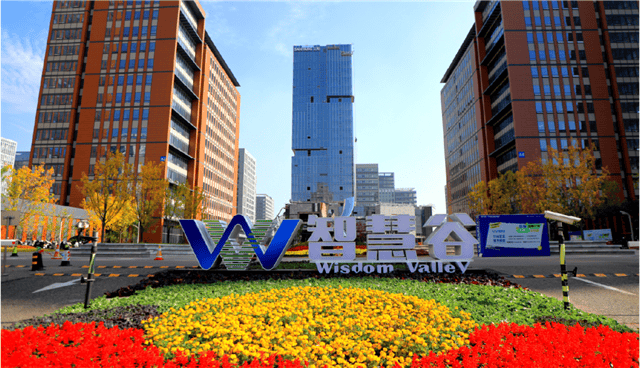
精彩出街!威海智慧谷T16街区双节欢动创造消费新场景
Sou Hu Cai Jing· 2025-10-12 11:30
Core Insights - The T16 Cultural and Creative Vitality Block in the Wehai Smart Valley has become a new commercial landmark, attracting 600,000 visitors during the eight-day holiday, with a peak of 150,000 on October 1, significantly boosting regional consumption [1][6][24] - The transformation from idle factories to a modern industrial community exemplifies the integration of production, city, and people, with 621 quality enterprises and over 8,000 new residents contributing to a vibrant ecosystem [3][6][20] - The T16 block features 138 brands across various sectors, with 55% being new entrants, catering to diverse consumer needs and enhancing the area's lifestyle offerings [13][17] Urban Development - The Smart Valley serves as a model for urban renewal in Shandong, successfully revitalizing underutilized land and integrating living, working, and ecological spaces [6][24] - The area has established a comprehensive support system for events, ensuring a seamless experience for visitors through effective coordination among various departments [20][22] Cultural and Commercial Integration - The T16 block has hosted numerous events during the holiday, including music festivals and cultural performances, positioning itself as a one-stop destination for culture, commerce, and tourism [14][24] - The integration of commercial spaces with lifestyle amenities reflects a strategic approach to attract both local residents and tourists, enhancing the overall appeal of the area [7][20] Future Prospects - The ongoing development in the Smart Valley aims to further enhance the synergy between industry, commerce, culture, and tourism, providing a replicable model for urban development in other regions [24]
京口“串珠成链”打造文旅消费新热点
Xin Hua Ri Bao· 2025-10-11 23:48
Core Viewpoint - The revitalization of historical alleys in Jingkou District, Zhenjiang, is transforming them into vibrant cultural and commercial hubs, enhancing local tourism and community engagement [1][2][3]. Group 1: Urban Revitalization - The transformation of historical alleys like Shuilu Temple Lane is attracting young visitors and promoting cultural tourism, with a focus on both aesthetic appeal and historical depth [1][2]. - The district is adopting a "small but exquisite" approach to urban renewal, emphasizing the unique characteristics of each alley while integrating modern amenities [2][4]. Group 2: Cultural and Commercial Integration - The "One Alley, One Scene" initiative is creating a diverse cultural landscape, with each alley showcasing its unique identity, such as the culinary focus of Yong'an Road and the artistic vibe of Shuilu Temple Lane [2][3]. - During the National Day holiday, the area saw over 300,000 visitors, highlighting the successful integration of cultural events and local businesses [2][3]. Group 3: Community Engagement and Governance - The revitalization efforts involve collaboration between local government and businesses, with initiatives like the "Merchant-Resident Alliance" fostering community participation in street management [5][6]. - The establishment of the "Merchant-Resident Alliance" aims to enhance local governance by involving merchants and residents in decision-making processes, promoting a sense of ownership and responsibility [6].
湖南衡阳:城文农旅“组合拳”激活双节消费新动能
Sou Hu Cai Jing· 2025-10-11 13:03
Core Insights - The article highlights the successful integration of cultural and tourism sectors in Hengyang's Zhengxiang District, which has led to a significant increase in both visitor numbers and consumer spending during the National Day holiday [1] Group 1: Market Activation - During the holiday, the Yumu Mountain scenic area received 110,000 visitors, marking a 5.6% year-on-year increase, showcasing the effectiveness of cultural tourism initiatives [1] - The district's strategy focuses on a comprehensive approach to tourism, emphasizing the integration of various business models to enhance market vitality [1] Group 2: Cultural and Economic Integration - The Zhengxiang District promotes deep collaboration between scenic areas and commercial zones, creating immersive consumer experiences [3] - New pathways over 3,800 meters long connect 18 cultural landmarks at Yumu Mountain, enhancing visitor engagement with local heritage [3] - The "Craftsmanship and Heritage: New Life of Intangible Cultural Heritage" exhibition features various local art forms, attracting numerous visitors through diverse cultural experiences [3] Group 3: Diverse Consumer Experiences - Museums in the area host a series of activities focused on intangible cultural heritage, providing visitors with varied experiences [4] - The district's commercial areas have transformed into vibrant cultural performance venues, hosting events like the Starlight Singing Party and traditional performances, which drive consumer engagement [4] Group 4: Service Enhancement - The district has organized a special food festival to promote local cuisine, integrating food with tourism and commerce for a comprehensive visitor experience [5] - Accommodation options around scenic areas have been upgraded, with themed inns and leisure farms catering to overnight guests, enhancing the overall visitor experience [8] - The local tourism bureau actively provides updated travel routes and activity guides to ensure a seamless experience for tourists, focusing on comfort and satisfaction [8]
第五届华强「超V趣乐季」,一场与消费者的情绪共振!
Sou Hu Cai Jing· 2025-10-11 09:43
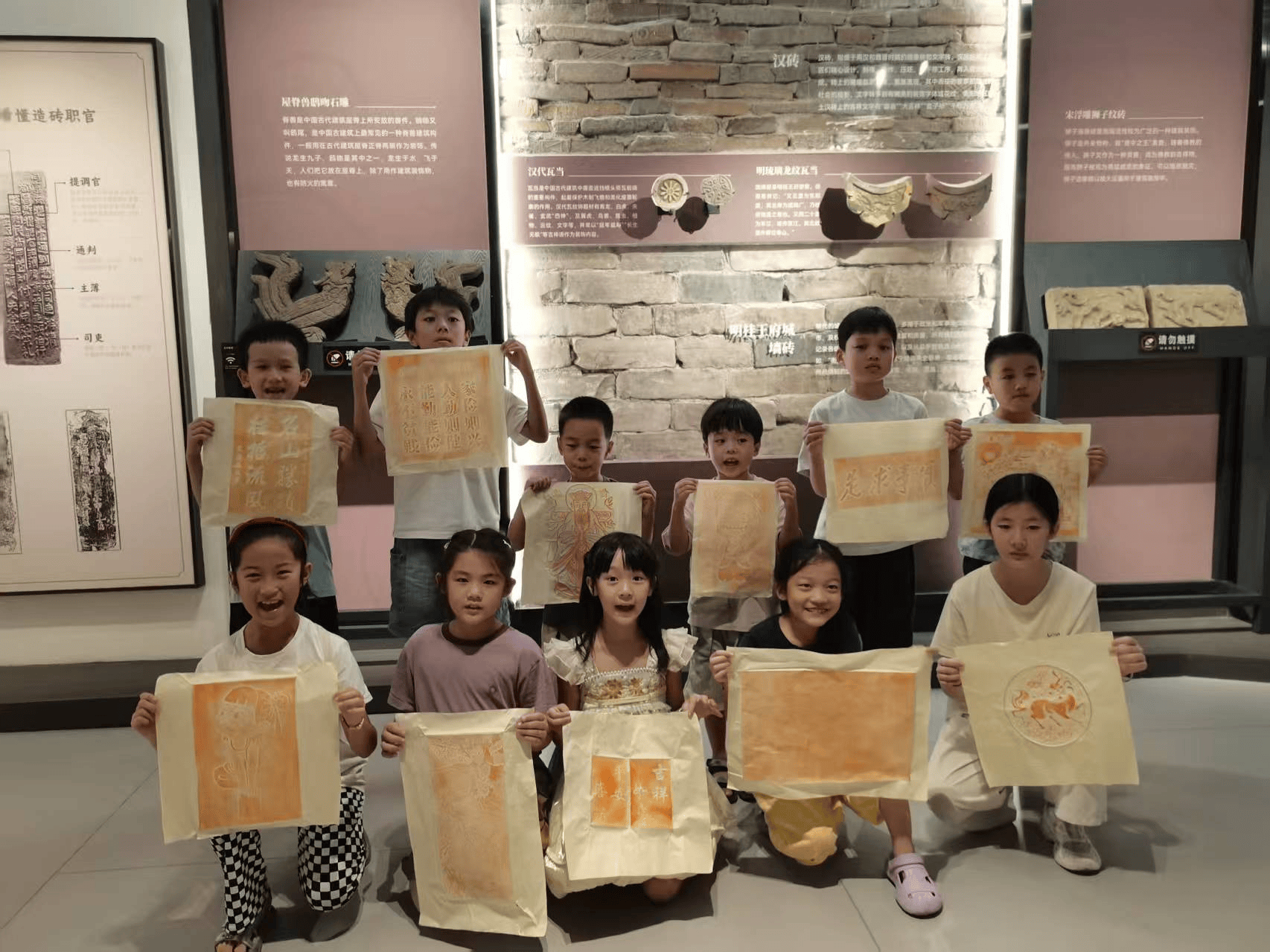
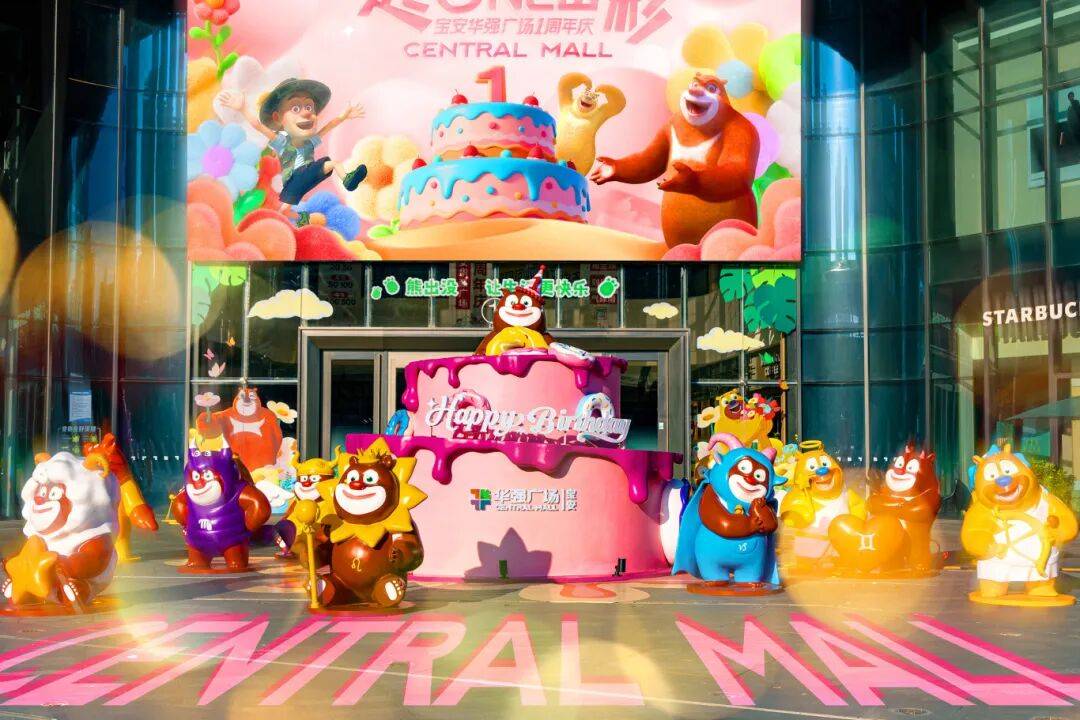
Core Insights - The current consumer market values experiences over material goods, with consumers willing to pay for emotional resonance and unique memories [1] - The fifth "Super V Fun Season" by Huqiang captures this trend by integrating national IPs, city premieres, cultural circles, and anniversaries to create a multi-touchpoint emotional supply space [1][3] Group 1: Experience Economy - The experience economy is driving consumers to seek emotional connections and memorable moments, transforming commercial activities into deep dialogues with consumers [3][4] - Huqiang Commercial leverages city-level IP premieres and exclusive performances to reshape commercial spaces into social hotspots, effectively driving foot traffic and online engagement [3][4] Group 2: Cultural Integration - The integration of local culture and consumer interests is key, with events like the "Boonie Bears" zodiac exhibition and traditional performances enhancing the emotional connection with consumers [4][5] - The use of traditional art forms during celebrations creates a unique immersive experience, blending modern and traditional elements [4][5] Group 3: Emotional Engagement - Anniversary celebrations feature giant cakes shared with consumers, enhancing the sense of belonging and participation through ritualistic experiences [6][7] - The "balloon rain" event at shopping centers surprises consumers with gifts, fostering emotional interactions and closer connections [7] Group 4: Fan Economy - The rise of fan economy and social circles is evident, with events like fan support gatherings and themed activities attracting large crowds and driving significant traffic [8][10] - Innovative events that combine gaming and cultural elements, such as the "King of Glory" city competition, create new consumption scenarios by engaging diverse consumer groups [8][10] Group 5: Family and Youth Engagement - Family-oriented activities, such as youth sports events and hands-on cultural experiences, cater to the growing demand for quality family time and educational engagement [10][12] - Events designed for children not only enhance their experiences but also strengthen family bonds through shared activities [12] Group 6: Membership and Loyalty - Huqiang Commercial emphasizes the importance of membership systems for long-term consumer engagement, offering various benefits to enhance loyalty and belonging [13][14] - Regular consumer research and exclusive member events foster deeper emotional connections between consumers and the brand [14] Group 7: Future Strategies - The company plans to introduce more cross-industry collaborations and innovative experiences, continuously reshaping the social attributes and experiential value of commercial spaces [14]
深圳知名地标半价易主背后:谁的“阳谋”?
经济观察报· 2025-10-11 08:31
Core Viewpoint - The article discusses the significant loss of ownership of Shenzhen Royal Plaza by Royal Court International due to a judicial ruling that allowed creditor Guangyao Xialan to take possession of the property through a debt-for-asset arrangement, raising concerns about the company's financial stability and potential delisting risks [2][19]. Group 1: Ownership Change and Financial Impact - On October 9, 2025, Royal Court International announced that its subsidiary, Shenzhen Rongfa Investment Co., lost ownership of Shenzhen Royal Plaza to Guangyao Xialan for 3.053 billion yuan as part of a debt settlement [2][19]. - The estimated value of Shenzhen Royal Plaza was approximately 5.75 billion yuan as of December 31, 2024, making it a major asset for the company [2][19]. - Following the asset transfer, the company indicated a potential risk of triggering financial delisting warnings due to negative net assets [19]. Group 2: Debt Background and Restructuring Attempts - The ownership change stems from a loan agreement made in March 2016, where Rongfa Investment used Shenzhen Royal Plaza as collateral for a 3 billion yuan trust loan, which became overdue in March 2021 [4][19]. - Royal Court International began planning for debt restructuring and asset sales in February 2022, engaging with various potential buyers, ultimately selecting Fenghan Yigang as a partner [4][5]. - Despite signing a cooperation framework agreement with Fenghan Yigang, the debt restructuring process stalled due to disagreements on specific details [5][6]. Group 3: Role of Guangyao Xialan and Related Entities - Guangyao Xialan, a small enterprise established in June 2021, acquired the debt from the original creditor, Citic Trust, which had previously held the loan [9][10]. - The relationship between Guangyao Xialan and Fenghan Yigang is complex, with indications of shared control and connections to a common investment entity [10][11][13]. - The article suggests that the entire situation may not be a straightforward competition for ownership but rather involves interconnected interests among the parties involved [10][11][13]. Group 4: Financial Consequences and Missed Opportunities - The annual revenue from Shenzhen Royal Plaza was approximately 369 million yuan in 2024, accounting for over 56% of Royal Court International's total revenue [19]. - Despite the asset transfer, the company still faces a significant debt shortfall, with total liabilities exceeding 4.2 billion yuan, including overdue interest [19][20]. - The article argues that earlier liquidation of the asset could have been a more effective strategy to address the debt crisis rather than pursuing restructuring [20].