AI

Search documents
陶冬:买芯片成为维稳股价刚需,科技企业闭眼砸钱“续命”
Di Yi Cai Jing· 2025-11-10 03:49
Core Insights - The profitability model of companies may face challenges due to the competition from open-source large models [1][2] - Recent market events reflect investor caution towards risk, particularly in the AI sector, leading to significant sell-offs in major tech stocks [1] - The unsustainable nature of AI investments is highlighted by OpenAI's substantial order contracts compared to its cash reserves [2] Group 1: Market Reactions - The financial market experienced a significant sell-off, with major tech companies losing nearly $1 trillion in market value [1] - Concerns over liquidity shortages and potential government shutdowns have contributed to market volatility [1] - The dollar index initially rose above 100 but quickly softened, while U.S. Treasury yields remained stable [1] Group 2: AI Investment Concerns - Major tech companies collectively invested $112 billion in AI during the third quarter, raising concerns about the sustainability of such investments [1][2] - OpenAI's sales are approximately $13 billion, with available cash between $3 billion to $5 billion, yet it has signed contracts worth $1.3 trillion, indicating a risky financial strategy [2] - The reliance on capital markets for funding AI initiatives raises questions about the long-term viability of these investments [2] Group 3: Economic Outlook - Despite short-term market turbulence, there is an expectation that funds will eventually return to the market due to ongoing low-interest rates and a large amount of capital chasing limited assets [3] - Upcoming economic indicators, such as the UK's GDP data and U.S. government budget negotiations, are anticipated to influence market sentiment [3]
中国经济_“稳中求进”- 中国宏观考察要点-China Economics_ “Seeking Progress in Stability” – Takeaways from China Macro Tour_
2025-11-10 03:34
Summary of Key Points from the China Macro Tour Conference Call Industry Overview - **Industry**: Chinese Economy - **Event**: Citi's 2025 China Macro Tour held in Beijing on November 3rd–4th, attended by approximately 20 investors, including former policy advisors, think tank representatives, industry participants, and regulators [1][4] Core Insights and Arguments 1. **Overall Sentiment**: There is a slight improvement in sentiment compared to previous tours, but policy expectations remain muted with no significant breakthroughs anticipated [5][6] 2. **Growth Target**: A consensus exists around maintaining a growth target of "around 5%" for 2026, although some participants suggest it could be lowered to "around 4.5%" due to demographic challenges [6][8] 3. **Consumption Rebalancing**: The necessity for consumption rebalancing was acknowledged, with a target of increasing the consumption ratio by one percentage point annually, requiring government support equivalent to 0.7% of GDP [7][8] 4. **Cyclical Policy Expectations**: Expectations for cyclical policies are low, with potential rate cuts limited to 10-20 basis points in 2026 and a sustained fiscal deficit at 4% [8][9] 5. **Industrial Policies and AI**: A new approach to industrial policies is deemed necessary, focusing on future industries and the role of private companies. Concerns about AI's impact on productivity and job losses were raised [10][11] 6. **External Risks**: Participants expressed cautious optimism regarding external relations, particularly with the US, while acknowledging ongoing strategic rivalry [12][13] 7. **Exports Outlook**: Most participants expect a smaller but positive contribution from net exports in 2026, driven by structural factors despite concerns over external demand [14] 8. **Consumption Rebalancing**: There is a strong consensus on the need to lift consumption, but structural tools to achieve this have not yet shown meaningful progress [15][16] 9. **Housing Market Sentiment**: Sentiment regarding the property sector has worsened, with expectations of continued downturn, particularly in tier 3 and 4 cities [17][18] 10. **RMB Appreciation**: There is a consensus among participants for RMB appreciation, driven by economic fundamentals and the need for RMB internationalization [21][23] Additional Important Insights - **Policy Constraints**: Long-standing constraints on monetary and fiscal policies remain, with concerns about local officials' incentives and the effectiveness of current measures [9][10] - **Inflation Outlook**: Participants expect marginal improvements in PPI and GDP deflator in 2026, but negative numbers may persist [20] - **Housing Policy**: There is skepticism about the effectiveness of current housing policies, with calls for more demand-side measures [22] - **Anti-involution Policies**: Participants do not view anti-involution as a significant solution to current economic challenges, indicating a need for more comprehensive strategies [19][22] This summary encapsulates the key takeaways from the conference call, highlighting the current state and outlook of the Chinese economy as discussed by various participants.

北美光通信企业当季业绩表现亮眼,英伟达、谷歌推进太空算力部署
2025-11-10 03:34
Summary of Conference Call Records Industry Overview - The conference call discusses the rapid development of the space computing industry, particularly in commercial aerospace, with major tech companies like NVIDIA and Google launching initiatives such as the Starlink project and Project Suncatch, respectively, to deploy advanced computing capabilities in space [1][2][3] - China is also making significant strides in this area, planning to launch between 1,000 to 3,000 satellites to support its three-body computing constellation, with Potevio Technology as a key supplier [1][3] Key Points and Arguments Space Computing - NVIDIA's Starlink initiative aims to send its first H100 GPU to space by November 2025, while Google's Project Suncatch plans to launch satellites equipped with TPU 6 chips by 2027 [2] - The efficiency of space computing, powered by solar energy, is several times greater than ground-based power, addressing energy shortages [2] - The commercial model for space computing is gradually taking shape, with companies like Nanjing Blue Tower exploring B-end services through satellite interconnectivity [1][3] AI Industry - There is ongoing debate regarding the existence of a bubble in the AI industry, highlighted by OpenAI's projected investment of $1.4 trillion against a quarterly revenue of over $4 billion and losses exceeding $10 billion [4] - Concerns have been raised about the low return on investment (ROI) for cloud service providers in North America, but the long-term growth potential of AI remains strong despite short-term financial data [4][6] Optical Communication Industry - The optical communication sector is experiencing significant growth, with strong demand for 1.6T optical modules and second-generation optical modules, alongside a robust supply chain for optical chips and lasers [5][7] - Companies like Lumentum and Coherent Finisar reported better-than-expected earnings, driven by data center interconnectivity and expanding production capabilities [7] - The demand for 1.6T modules is expected to reach 20 to 30 million units by 2026, while 800G demand could reach 40 to 50 million units [7] Additional Important Insights - Liquid cooling technology is highlighted as a key area of interest, with NVIDIA projecting a market size of $7 billion by 2026, indicating a significant growth opportunity [2][6] - The optical communication industry is seeing technological advancements and capacity expansions, with companies like ZTE pushing for new technology applications [5][7] - Investors are encouraged to focus on leading companies in the optical communication space, such as Zhongji Xuchuang and Tianfu Technology, as well as laser chip companies like Yuanjie Technology and Shijia Photonics [7]

投资大咖说 | 寻找领军企业 在科技赛道“闷头深耕”——访泰信基金董季周
Sou Hu Cai Jing· 2025-11-10 00:16
Investment Framework - The core of the investment framework is a "bottom-up stock selection" approach, with a stricter definition of "leading companies" than the market's general understanding [1][3] - Leading companies must be the most advanced in their industry, hold the top position in their niche, and have the potential to expand globally [3][7] Stock Selection Criteria - Companies must demonstrate strong competitive advantages and a significant market capitalization potential post-internationalization [3][7] - Two pools of candidates are established: the first pool includes over 100 stocks in the top tier of their industries, while the second pool tracks 300 to 400 quality companies [7] Portfolio Construction - The investment style is characterized by high stock concentration, with a focus on dynamic adjustments to risk-reward ratios to control drawdowns [8] - The proportion of semiconductor stocks has been reduced to below 50% to avoid reliance on a single industry's beta [6] Market Analysis and Strategy - The investment strategy has evolved to include a more cautious approach, avoiding linear extrapolation of market trends and focusing on sustainable demand in downstream applications [5][10] - Current observations indicate that the global semiconductor industry is in the latter half of an upcycle, with domestic market dynamics potentially aligning more closely with international trends [5][10] Focus on Technology Growth - The emphasis is on identifying certainty in technology growth sectors, particularly in AI and semiconductors, with a detailed understanding of industry trends and user experience alignment [9][10] - Specific areas of interest within AI include edge computing and software applications that enhance productivity, such as AI-assisted coding and legal services [9][10]


十大券商:风格切换可能会越来越强
Zheng Quan Shi Bao Wang· 2025-11-09 23:27
Group 1 - The core viewpoint is that the AI narrative has influenced the slope of market trends rather than the overall trend itself, with a focus on the stability of the corporate overseas environment and AI infrastructure investment [2] - The A-share market is expected to maintain resilience supported by stable economic and policy expectations, with a focus on cyclical sectors such as steel, chemicals, and new consumption [3] - The market is preparing for a new upward trend, with structural highlights in the third-quarter reports indicating fundamental resilience [3] Group 2 - The A-share market is likely to remain in a volatile state, with long-term upward trends in technology growth facing short-term fundamental concerns [4] - There are three parts of mid-term returns yet to be realized, including cyclical improvement, asset allocation towards equities, and China's increasing global influence [5] - November is favorable for small-cap and thematic investments, with a focus on themes related to the "14th Five-Year Plan" such as AI applications and new materials [7] Group 3 - The recent market rally is seen as a preemptive move for a cyclical recovery year, with price increases concentrated in sectors like coal, non-ferrous metals, and renewable energy [11] - Short-term attention is drawn to the power equipment sector and chemicals, as the market shifts towards high-certainty products [12] - The A-share investment focus is shifting towards strategic upstream industries and technology applications under the "anti-involution" theme [13]




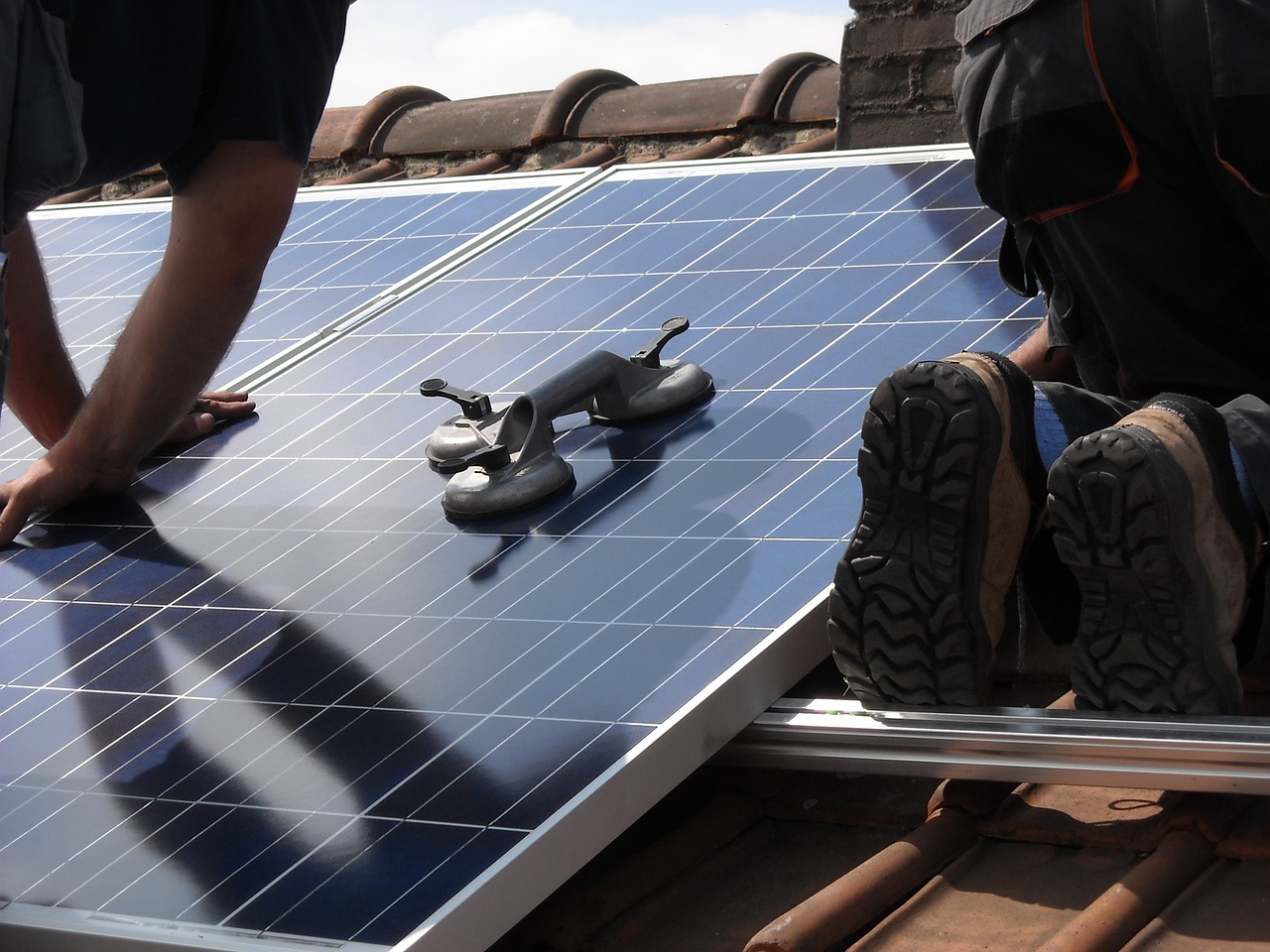
Sunrun Inc. (RUN) Balances Growth and Challenges in Shifting Solar Landscape
Insider Monkey· 2025-11-09 12:34
Core Insights - Artificial intelligence (AI) is identified as the greatest investment opportunity of the current era, with a strong emphasis on the urgent need for energy to support its growth [1][2][3] - A specific company is highlighted as a key player in the AI energy sector, owning critical energy infrastructure assets that are essential for meeting the increasing energy demands of AI technologies [3][7] Investment Landscape - Wall Street is investing hundreds of billions into AI, but there is a pressing concern regarding the energy supply needed to sustain this growth [2] - AI data centers consume energy equivalent to that of small cities, leading to a strain on global power grids and rising electricity prices [2][3] - The company in focus is positioned to capitalize on the surge in demand for electricity driven by AI advancements, making it a unique investment opportunity [3][6] Company Profile - The company is described as a "toll booth" operator in the AI energy boom, benefiting from the increasing need for energy infrastructure [4][5] - It is involved in the U.S. LNG exportation sector, which is expected to grow significantly under the current administration's energy policies [7] - The company is debt-free and has a substantial cash reserve, equating to nearly one-third of its market capitalization, which positions it favorably compared to other energy firms [8][10] Market Positioning - The company has a significant equity stake in another AI-related venture, providing investors with indirect exposure to multiple growth opportunities in the AI sector [9] - It is trading at a low valuation of less than 7 times earnings, making it an attractive option for investors looking for undervalued stocks in the AI and energy space [10][11] - The company is recognized for its ability to execute large-scale engineering, procurement, and construction projects across various energy sectors, enhancing its market relevance [7][8] Future Outlook - The ongoing AI infrastructure supercycle, combined with the onshoring boom and a surge in U.S. LNG exports, positions the company for significant growth [14] - The influx of talent into the AI sector is expected to drive continuous innovation, further solidifying the importance of energy infrastructure in supporting AI advancements [12][13]

Daqo New Energy Corp (DQ) Achieves Record EBITDA as Revenues Grow 26%
Insider Monkey· 2025-11-09 12:33
Core Insights - Artificial intelligence (AI) is identified as the greatest investment opportunity of the current era, with a strong emphasis on the urgent need for energy to support its growth [1][2][3] - A specific company is highlighted as a key player in the AI energy sector, owning critical energy infrastructure assets that are essential for meeting the increasing energy demands of AI technologies [3][7][8] Investment Landscape - Wall Street is investing hundreds of billions into AI, but there is a pressing concern regarding the energy supply needed to sustain this growth [2] - AI data centers, such as those powering large language models, consume energy equivalent to that of small cities, indicating a significant strain on global power grids [2] - The company in focus is positioned to benefit from the surge in demand for electricity driven by AI, making it a potentially lucrative investment opportunity [3][6] Company Profile - The company is described as a "toll booth" operator in the AI energy boom, collecting fees from energy exports and benefiting from the onshoring trend due to tariffs [5][6] - It possesses critical nuclear energy infrastructure assets, making it integral to America's future power strategy [7] - The company is noted for its capability to execute large-scale engineering, procurement, and construction projects across various energy sectors, including oil, gas, and renewables [7] Financial Position - The company is completely debt-free and has a substantial cash reserve, amounting to nearly one-third of its market capitalization, which positions it favorably compared to heavily indebted competitors [8] - It also holds a significant equity stake in another AI-related company, providing indirect exposure to multiple growth engines in the AI sector [9][10] Market Sentiment - There is a growing interest from hedge funds in this company, which is considered undervalued and off-the-radar, trading at less than seven times earnings excluding cash and investments [10][11] - The company is recognized for delivering real cash flows and owning critical infrastructure, making it a compelling investment choice in the context of the AI and energy sectors [11][12]
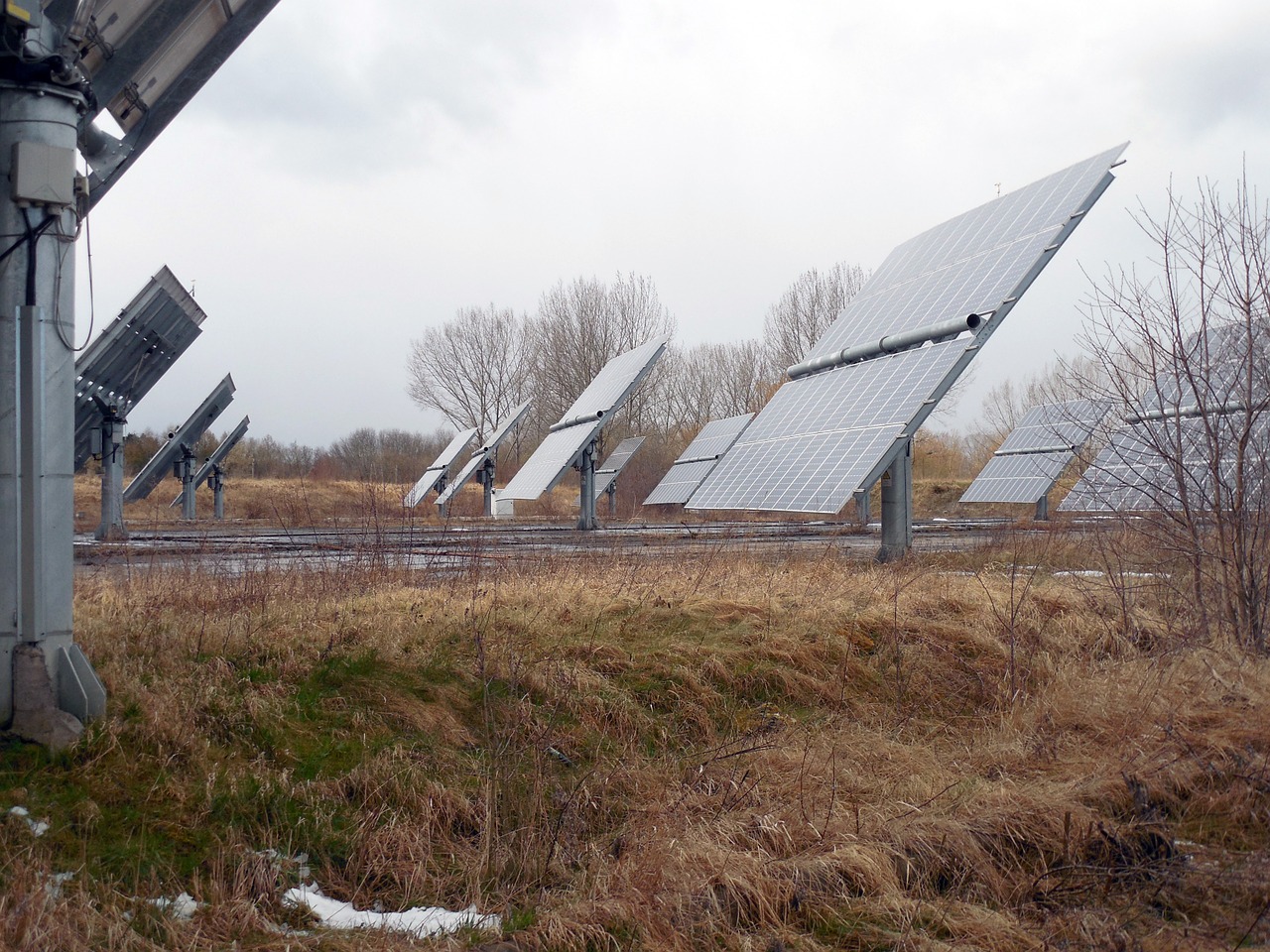
Shoals Technologies Group Inc. (SHLS) Gains Momentum on Clean Energy Demand
Insider Monkey· 2025-11-09 12:33
Core Insights - Artificial intelligence (AI) is identified as the greatest investment opportunity of the current era, with a strong emphasis on the urgency to invest in AI technologies now [1][13] - The energy demands of AI technologies are highlighted as a critical concern, with data centers consuming as much energy as small cities, leading to potential crises in power supply [2][3] Investment Opportunity - A specific company is presented as a unique investment opportunity, positioned to benefit from the increasing energy demands of AI, owning critical energy infrastructure assets [3][6] - This company is not a chipmaker or cloud platform but is described as the "Toll Booth" operator of the AI energy boom, collecting fees from energy exports [4][5] Energy Infrastructure - The company owns significant nuclear energy infrastructure, making it central to America's future power strategy and capable of executing large-scale engineering projects across various energy sectors [7][8] - It is noted that the company is debt-free and has substantial cash reserves, equating to nearly one-third of its market capitalization, which positions it favorably compared to other energy firms [8][10] Market Position - The company has an equity stake in another AI-related venture, providing indirect exposure to multiple growth engines in the AI sector without the associated premium costs [9][10] - Wall Street is beginning to take notice of this company due to its undervaluation and potential for significant returns, trading at less than seven times earnings [10][11] Future Trends - The ongoing AI infrastructure supercycle, the onshoring boom driven by tariffs, and a surge in U.S. LNG exports are identified as key trends that will benefit the company [14] - The influx of talent into the AI sector is expected to drive continuous innovation and advancements, reinforcing the importance of investing in AI-related companies [12]

中国ROE中枢趋势性上升,美国ROE中枢趋势性下降:产业经济周观点-20251109
Huafu Securities· 2025-11-09 12:20
Group 1 - The core viewpoint of the report indicates that China's ROE (Return on Equity) is on a rising trend while the US ROE is on a declining trend, suggesting a potential divergence in economic cycles between the two countries [2][3] - Recent data suggests that China's export and price data reflect the effects of anti-involution, with expectations for continued strengthening of corporate profits in China [3][8] - The debt expansion in the US AI industry may reinforce expectations for price improvement and corporate profitability in China, but it could also exacerbate stagflation characteristics in the US, posing risks to US stock performance [3][9] Group 2 - The report highlights a significant decline in China's export growth, with October exports showing a year-on-year decrease of 1.1%, down from 8.3% previously, primarily affected by a drop in exports to the EU [8] - The report notes that the global manufacturing PMI did not weaken in October, indicating that the decline in China's export growth may be more related to supply-side improvements rather than demand-side factors [8] - The report emphasizes that under a recovering price environment, market sentiment may shift towards value stocks, with a focus on export prices and US consumer data in the future [3][9] Group 3 - The report suggests that the configuration of energy investments should primarily respond to the overheating expectations of US AI investments, recommending a focus on short to medium-term trading strategies [3] - Long-term investment opportunities are identified in sectors such as insurance, anti-involution industries, Chinese internet companies, and military trade [3][9] - The report indicates that the performance of the A-share market is expected to rise while the US stock market may decline, reflecting the contrasting economic cycles of China and the US [3][9]
巨鲸抛售加剧,连续被血洗,今年前十个月的涨幅,币圈一个月跌完
Sou Hu Cai Jing· 2025-11-09 10:23
Core Viewpoint - The cryptocurrency market has experienced significant volatility, with Bitcoin's price dropping from a peak of $120,000 to around $99,000 in just over a month, leading to a substantial decrease in overall market capitalization [1][3][17] Market Performance - On October 6, Bitcoin reached a high of $120,000, contributing to a total cryptocurrency market capitalization of approximately $4.4 trillion [1] - By early November, Bitcoin fell below $100,000, with a low around $99,000, marking a decline of nearly 20% in total market capitalization over the month [3][17] - The overall gains from the beginning of the year have diminished significantly, leaving only a fraction of the initial increase [3] Investor Behavior - There has been a notable shift in investor sentiment; previously, dips in cryptocurrency prices prompted buying, but this behavior has ceased [10] - In the past week, over $700 million was withdrawn from digital asset ETFs, with nearly $600 million flowing out of BlackRock's Bitcoin fund alone [10] - The number of long-term Bitcoin holders, referred to as "whales," has decreased, raising concerns about market liquidity [15] Market Dynamics - The cryptocurrency downturn coincided with a broader sell-off in AI technology stocks, indicating a correlation between high-risk assets [6][17] - A significant number of investors faced liquidation, with over 400,000 being liquidated globally, resulting in losses exceeding $2 billion, predominantly from long positions [3][12] - Analysts suggest that the lack of new capital entering the market is exacerbating the situation, as existing investors exit without sufficient new investment to stabilize prices [12] Future Outlook - Analysts warn that if Bitcoin falls below the $100,000 mark, further declines could occur, potentially dropping to $70,000 [15] - The recent market turbulence serves as a reminder of the inherent risks associated with high-risk assets, emphasizing the importance of careful investment strategy [17][18]