光伏

Search documents
光伏行业“反内卷”成效进一步显现
Zheng Quan Ri Bao· 2026-02-11 16:28
Core Viewpoint - The photovoltaic industry is experiencing a clear trend of cost differentiation driven by fluctuations in silver prices and technological advancements, leading to a reduction in industry competition [1][8]. Cost Pressure - The global demand for silver is expected to remain strong through 2026, supported by geopolitical tensions and uncertainty in U.S. policies, despite a projected 17% reduction in global jewelry and silverware demand due to high prices [2]. - The silver price has increased by 11% this year, following its historic rise above $100 per ounce in January [2]. - The global silver market is projected to face a supply shortage of approximately 67 million ounces by 2026, marking the sixth consecutive year of deficit [2]. - The photovoltaic sector, as a major consumer of silver, will continue to face cost pressures due to high silver prices, prompting companies to accelerate the development of silver paste alternatives [2][3]. Technological Breakthroughs - Leading companies in the photovoltaic industry are making significant progress in developing silver paste alternatives, with some planning large-scale production of low-cost metal alternatives [4]. - Longi Green Energy has announced plans to start large-scale production of a copper paste solution in Q2 of this year, which could reduce component costs by approximately 0.02 yuan per watt [4]. - Other major players, including Aiko Solar and JinkoSolar, are also actively pursuing silver paste replacement technologies, with JinkoSolar collaborating with Wuxi Dike Electronic Materials to innovate in low-silver metallization techniques [4][5]. Industry Restructuring - The photovoltaic industry is expected to shift towards high-efficiency and reliable components, with companies possessing technological advantages able to command price premiums [6]. - The new installed capacity of photovoltaic systems in China is projected to reach between 180 GW and 240 GW in 2026, marking a significant turning point after years of growth [6]. - The transition towards high-quality development in the photovoltaic sector will be driven by upgraded end-user demand, which will compel manufacturers to enhance technology and market mechanisms [8].




为苏南新能源企业搭起风险“防护网”
Qi Huo Ri Bao Wang· 2026-02-11 16:21
Core Insights - The global photovoltaic (PV) installation capacity has grown at an average annual rate of over 24% in the past five years, while the prices of PV products have continued to decline, leading to intensified price competition and volatility in raw material prices [1] - A leading photovoltaic welding strip company in Jiangsu has managed to maintain stable operations despite significant increases in copper and tin prices in 2024, thanks to a risk management strategy involving financial derivatives [1] - The collaboration between the company and Nanhua Futures has sparked a trend in risk management within the Suzhou industrial cluster, highlighting the importance of financial tools in mitigating raw material price risks [2][3] Company Overview - The photovoltaic welding strip company, recognized as a high-tech enterprise in Jiangsu, has established itself as an industry benchmark due to its high market share [1] - The company faced challenges related to raw material price fluctuations, particularly for copper and tin, which could lead to increased costs and inventory management difficulties [1] - Following a year of risk management service from Nanhua Futures, the company signed a contract for investment consulting, indicating a deepening partnership [1] Risk Management Strategy - Nanhua Futures provided a tailored hedging solution focusing on futures and options to address the company's concerns about rising raw material prices and inventory management [1] - The company successfully locked in sufficient quantities of copper and tin ahead of price surges in 2024, demonstrating effective risk mitigation [2] - The introduction of new risk hedging tools, such as options, has further strengthened the company's risk management capabilities [2] Industry Impact - The successful collaboration between the company and Nanhua Futures has influenced other enterprises in the Suzhou industrial cluster, leading to increased interest in financial derivatives for risk management [2][3] - Local banks and securities firms have facilitated the connection between industries and futures institutions, accelerating the adoption of risk management practices [2] - The ongoing "dual carbon" policy and the transition in the photovoltaic sector underscore the necessity for robust risk management as a core competency for companies in the renewable energy industry [3]

大全新能源2026年面临政策调整与业绩披露等多重事件
Jing Ji Guan Cha Wang· 2026-02-11 14:25
Core Viewpoint - Daqo New Energy (DQ.US / A-share code: 688303) is facing multiple significant events in 2026, including policy adjustments, performance disclosures, regulatory follow-ups, company buybacks, and industry consolidation [1] Industry Policy and Environment - Starting from April 1, 2026, China will eliminate the value-added tax export rebate for photovoltaic products, aiming to drive high-quality development in the industry, which may impact the export business and competitive environment for companies like Daqo New Energy [2] Performance and Operating Conditions - On January 17, 2026, the company announced a forecast for its 2025 annual performance, expecting a net loss between 1 billion to 1.3 billion yuan, a significant narrowing compared to 2024, but the officially audited annual report has yet to be disclosed, with expectations for it to be published within 2026 [3] Regulatory Situation - In early January 2026, the State Administration for Market Regulation held discussions with the photovoltaic industry association and leading companies, including Daqo New Energy, regarding monopoly risk rectification requirements, with ongoing compliance progress likely to attract market attention [4] Company Status - The company has approved a stock buyback plan of 100 million USD, authorized until the end of 2026, aimed at boosting market confidence, with specific execution details to be monitored in future announcements [5] Industry Status - A multi-crystalline silicon capacity consolidation platform, rumored in December 2025, has been established, with shareholders including Daqo and other companies, and its operational progress in 2026 may alter the supply-demand dynamics in the industry [6]

特斯拉启动光伏制造基地选址,大摩分析:契合自身太空战略,提升长期估值
Zhi Tong Cai Jing· 2026-02-11 13:42
Core Insights - Tesla's ambitious plan to establish 100GW of vertically integrated solar manufacturing capacity is not merely a market expansion but a strategic move aimed at energy supply chain security amid geopolitical tensions and aligning with Musk's long-term space data center goals [1][2][9] Group 1: Supply Chain and Strategic Goals - The primary motivations behind Tesla's solar capacity expansion are the need for energy supply chain autonomy due to geopolitical factors and the anticipated demand from space data centers, rather than just catering to the terrestrial solar market [2][3] - Currently, over 75% of global solar manufacturing capacity is concentrated in China and Southeast Asia, leading to a significant imbalance in the U.S. solar supply chain, where core upstream capacities are below 10GW [1][3] Group 2: Market Dynamics - The global solar market is experiencing a surplus with over 1000GW of manufacturing capacity against an annual demand of approximately 625GW, while the U.S. market remains relatively balanced due to tariffs and investigations, making it a crucial supplementary market for Tesla [3][4] Group 3: Financial Projections - The construction of the 100GW solar capacity will require substantial capital expenditure, estimated between $150 billion to $700 billion depending on the level of vertical integration achieved [5][6] - Tesla's solar business is projected to reach a breakeven point by 2030, with expected annual revenues of $25 billion once fully operational, significantly surpassing its energy storage business revenue projections for 2025 [6][7] Group 4: Tax Incentives - The U.S. manufacturing tax credit is a vital financial advantage for Tesla's solar operations, potentially yielding $17.25 billion annually if full vertical integration is achieved [7][8] Group 5: Technological Direction - Unlike traditional solar manufacturers, Tesla is likely to develop new solar technologies suited for space applications, moving away from conventional crystalline silicon technology to meet the unique demands of space data centers [8][9] Group 6: Valuation Impact - The solar initiative is expected to enhance Tesla's energy business valuation by 35%, contributing an estimated $25 billion to $50 billion in equity value, which translates to an increase of $6 to $14 per share [9][10] Group 7: Future Outlook - Tesla is in the process of selecting sites for its solar manufacturing facilities, with upcoming quarterly earnings calls anticipated to provide further details on capacity development and technological advancements [10]

宇邦新材:公司当前量产的光伏涂锡焊带产品主要适用于地面光伏组件
Mei Ri Jing Ji Xin Wen· 2026-02-11 13:09
Core Viewpoint - The company is currently focused on producing photovoltaic soldering strips suitable for ground-based solar modules, but it acknowledges the higher material requirements for space photovoltaic components and plans to enhance research efforts to develop products for this sector in the future [2]. Group 1 - The company's current mass-produced photovoltaic soldering strip products are primarily designed for ground solar modules [2]. - The company recognizes that space photovoltaic components have more stringent material requirements [2]. - The company intends to increase research efforts to develop products that meet the higher standards required for space photovoltaic applications [2].

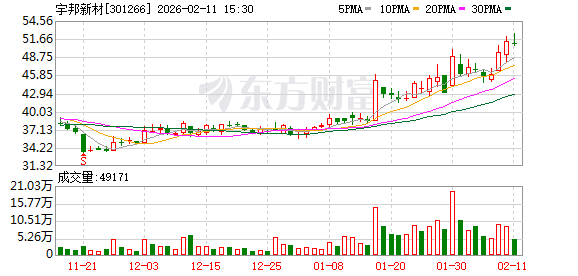
宇邦新材(301266.SZ):当前量产的光伏涂锡焊带产品主要适用于地面光伏组件
Ge Long Hui· 2026-02-11 13:09
Core Viewpoint - Company is currently mass-producing photovoltaic tin solder ribbon products primarily suitable for ground photovoltaic modules and is committed to enhancing research efforts to develop products that meet the higher requirements for space photovoltaic applications [1] Group 1 - The current mass-produced products are specifically designed for ground photovoltaic components [1] - The company acknowledges that space photovoltaic components have higher material requirements [1] - There is a commitment to increase research efforts to develop suitable products for space photovoltaic applications [1]
“宇宙订单”,能拯救这个行业吗?
财富FORTUNE· 2026-02-11 13:05
Core Viewpoint - The article discusses the emergence of a new term "Mars Chain" in the context of China's manufacturing industry, highlighting the potential shift in the solar photovoltaic (PV) sector due to Elon Musk's interest in deploying solar energy in space for AI applications [1][4]. Group 1: Industry Dynamics - The visit of Musk's team to Chinese solar companies has revitalized an industry struggling with price wars, positioning it at the intersection of "space + AI" [1][3]. - Musk predicts that within 36 months, space will become the cheapest location for deploying AI, leveraging unlimited solar energy, which could significantly enhance the appeal of the solar manufacturing sector [3][5]. - Following the news of Musk's visit, stock prices of leading solar companies like Jinko, Trina Solar, and Longi surged, reversing a prolonged period of underperformance [3][5]. Group 2: Technological Advancements - The transition from the "Fruit Chain" era, where Chinese companies primarily acted as manufacturers for Apple, to the "Mars Chain" era signifies a shift where Chinese firms are becoming core technology and material suppliers in the space solar industry [4][5]. - Key technological demands for space solar PV include higher energy conversion efficiency, lightweight and durable materials, and rapid scalability of production [5][6]. - Musk's team is particularly interested in two technological pathways: Heterojunction (HJT) and Perovskite technologies, which promise significant improvements in efficiency and adaptability to extreme conditions [6][7]. Group 3: Market Positioning - Chinese solar companies dominate the global supply chain, controlling over 90% of solar cell supply and 95% of polysilicon production, far surpassing U.S. capabilities [7][8]. - The cost of solar cells is expected to drop to historical lows of $0.20-$0.30 per watt by 2024-2025, making Chinese solar products significantly cheaper than those produced in the U.S. and Europe [8][9]. - Despite the excitement around space solar, the current market dynamics indicate that it may not be sufficient to resolve the overcapacity issues faced by the Chinese solar industry [9][10]. Group 4: Long-term Implications - The "Mars Chain" phenomenon offers a new valuation anchor for solar companies, potentially allowing them to be viewed as technology firms rather than traditional manufacturers [11]. - It encourages companies to climb the value chain by focusing on advanced technologies like HJT and Perovskite, which could differentiate them in a competitive market [11][12]. - The shift towards space solar could help re-educate the industry mindset, moving away from price competition towards a focus on performance and technological advancement [12].
华民股份:超薄硅片技术卡位 送样交付抢先布局太空光伏
Quan Jing Wang· 2026-02-11 12:54
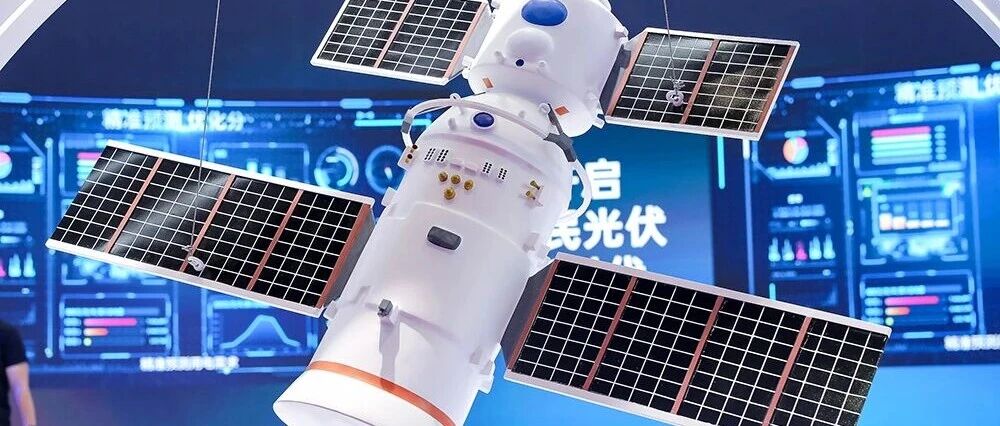
Core Viewpoint - Huamin Co., Ltd. has established deep cooperation with the upstream and downstream of the space photovoltaic industry chain, providing various specifications of P-type HJT dedicated silicon wafers for application testing [1][2] Group 1: Company Developments - In 2023, Huamin Co., Ltd. has laid out the HJT dedicated silicon wafer field and has introduced impurity control technology in the half-wafer cutting process [1] - The first phase of the "10GW heterojunction battery dedicated monocrystalline silicon wafer project" under Honghui New Energy has achieved stable mass production of 5GW capacity [1] - The project mainly produces dedicated silicon wafers for heterojunction, requiring higher standards for thin cutting, precision cutting, and yield [1] Group 2: Industry Trends - The global commercial aerospace industry is accelerating, with P-type HJT batteries becoming the main technological path for the commercialization of space photovoltaics due to their high conversion efficiency, cost advantages, and ultra-thin flexible adaptation [2] - Huamin Co., Ltd. has successfully developed thinner G12 (40μm) half-wafers and is supplying 100μm dedicated silicon wafers in bulk [2] - The chain-type impurity control technology enhances the efficiency distribution uniformity of HJT batteries, contributing to continuous cost reduction and efficiency improvement in the HJT industry [2] Group 3: Competitive Advantages - Huamin Co., Ltd.'s HJT dedicated silicon wafers possess three core competitive advantages: ultra-thin, superior performance, and flexibility, which are expected to strengthen its competitive position in the core material sector of space photovoltaics [2] - The P-type ultra-thin high-efficiency HJT dedicated silicon wafers have completed product sample delivery and have initially achieved market sales, demonstrating high market premium capability [2] - The upcoming explosive growth phase of the space photovoltaic industry is anticipated to become a key driver for the company's long-term performance growth [2]

艾能聚:2025年净利润4331万元同比增22.93%
Zheng Quan Ri Bao· 2026-02-11 12:39
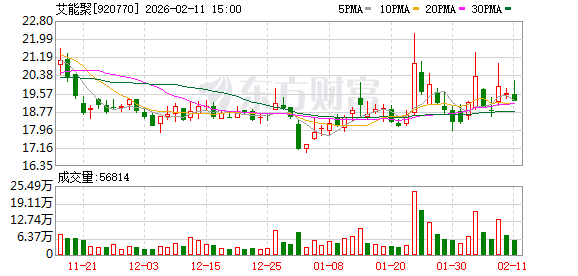
Core Insights - The company announced a projected revenue of 182,677,168.08 yuan for 2025, representing a year-on-year growth of 18.20% [2] - The net profit attributable to shareholders is expected to reach 43,310,043.15 yuan in 2025, reflecting a year-on-year increase of 22.93% [2] Financial Performance - Projected revenue for 2025: 182,677,168.08 yuan, up 18.20% from the previous year [2] - Projected net profit for 2025: 43,310,043.15 yuan, an increase of 22.93% year-on-year [2]
一座城的改革基因:从“一包三改”到创新大生态
Xin Lang Cai Jing· 2026-02-11 12:33
Core Insights - The article discusses the historical significance and ongoing evolution of China's economic reforms, particularly focusing on the "One Package, Three Reforms" initiative that originated in Wuxi, Jiangsu Province, which has played a crucial role in the modernization of China's rural economy and industrialization [2][3][7]. Group 1: Historical Context and Reforms - The "One Package, Three Reforms" initiative was introduced in 1983 in Wuxi, which included implementing an economic responsibility system in enterprises, changing the appointment system for cadres to a selection system, transitioning from fixed to floating wage systems, and establishing contracts for workers [7][8]. - The reforms led to a significant increase in agricultural and industrial output, with a reported 74% year-on-year growth in total agricultural and industrial output in 1983 [8]. - The initiative served as a model for extending rural reforms to urban areas, contributing to the rise of the "Southern Jiangsu Model" and the emergence of township enterprises across China [8][10]. Group 2: Industrial Evolution - Wuxi's township enterprises have transformed from small workshops into leading companies in innovative and technology-intensive sectors, such as new energy and aerospace [12][16]. - Companies like Tianqi Co., which started as a small mold factory, have evolved into leaders in automotive intelligent equipment, while others like Shangen Electric have made significant advancements in photovoltaic inverter technology [12][16]. - The region has developed a robust industrial cluster worth over 260 billion, focusing on emerging industries like electronic information, new energy, and biomedicine, alongside traditional sectors [17][19]. Group 3: Innovation and Research Collaboration - The establishment of research institutes, such as the Huazhong University of Science and Technology Wuxi Research Institute, has facilitated collaboration between academia and industry, addressing technological needs and fostering innovation [26][28]. - The region has seen the emergence of numerous high-tech enterprises, with over 1,100 high-tech companies now operating in Wuxi, supported by a network of specialized research institutions [23][28]. - The local government has implemented a "one town, one institute, one industry" model to enhance research and development capabilities, leading to significant advancements in various technological fields [28][30]. Group 4: Future Development and Urban Transformation - Wuxi is undergoing a transformation into a hub for high-end elements, innovation, and quality living, with significant infrastructure projects enhancing connectivity and urban functionality [32][34]. - The region is focusing on creating a balanced ecosystem that integrates economic development with social management, ensuring a coordinated approach to growth and resource allocation [30][31]. - The ongoing reforms aim to position Wuxi as a leading area for innovation and entrepreneurship, with a vision for sustainable and inclusive development [31][36].