石油

Search documents
G7拟协调释放石油储备!WTI原油抹去一半涨幅
华尔街见闻· 2026-03-09 07:31
以下文章来源于华尔街见闻Max ,作者张雅琦 华尔街见闻Max . 华尔街见闻姊妹号,直击全球市场风暴,助力投资者决策。 中东冲突引发原油价格暴涨,七国集团紧急召开会议讨论动用应急储备,标志着特朗普政府在能源政策上的重大立场转变。 据媒体援引知情人士消息,G7财长将于周一(纽约时间上午8时30分)与国际能源署(IEA)署长Fatih Birol召开紧急电话会议,就联合释放战略石油储备展开 讨论。据报道,包括美国在内的三个G7成员国已表态支持这一方案。 部分美国官员认为,释放3亿至4亿桶储备——约占IEA成员国总储量12亿桶的25%至 30%——将是合适的规模。 消息公布后,国际油价快速回落,WTI原油日内涨幅收窄至13%, 此前一度涨30%。 此次G7会议由财长与IEA署长共同参与,聚焦伊朗战争对能源市场的影响评估及应对方案。据了解情况的人士,包括一位G7高级官员透露,会议核心议题涵盖 两个方面 :一是研判伊朗战争对全球石油供应的实际冲击,二是讨论由IEA主导协调的联合释储方案是否具备实施条件。 IEA于上周二已先行召开紧急会议,评估潜在的石油供应危机。据报道,会议所用内部文件显示,IEA"随时准备采取行动, ...


亚洲能源保卫战升级!释放石油储备、取消燃油关税、设置油价上限…
华尔街见闻· 2026-03-09 07:31
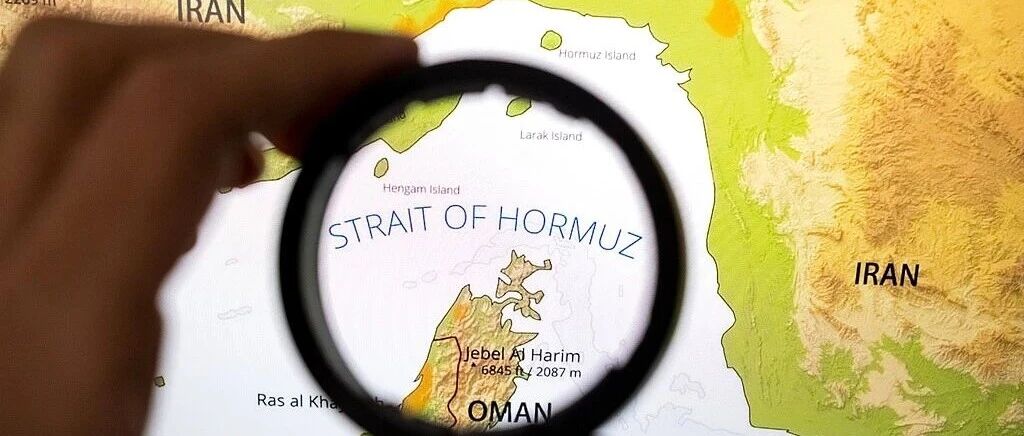
布伦特原油价格已突破100美元/桶。作为全球最大原油进口地区,亚洲首当其冲。多国政府开始密集出台应急政策,从释放战略储备到限制油价上涨,试图稳 定国内能源市场。 据媒体报道,越南政府上周五宣布将取消燃料进口关税,并赋予国有能源集团PetroVietnam更大的原油及成品油买卖灵活性。政府表示,当前供应"基本有保 障",但警告若冲突延续至4月,市场可能面临更大压力。韩国总统李在明周一则在紧急内阁会议上宣布,政府将对石油产品实施最高价格管制,这是韩国近30 年来首次动用这一行政工具。 受中东局势持续升温影响,韩国金融市场承压明显。韩国综合股价指数(Kospi)本周一一度下跌8%,本月内第二度触发熔断机制;韩元跌逾1%,逼近1美元 兑1500韩元的关键心理关口。 3月初以来,中东冲突持续升级,全球能源供应链受到冲击。霍尔木兹海峡这一全球关键能源运输通道几近停摆,大量原油和天然气运输受阻。 越南当前原油产量约为每日18万桶,远低于国内消费需求。国内两大炼厂整体运行平稳:容桂炼厂目前产能利用率约为118%,该水平将至少维持至4月底;义 山炼厂的供应合同亦覆盖至3月底。政府已同步要求工贸部采取积极措施确保充足供应,并优先 ...
US Equities Dragged Into Global Selloff as Iran Crisis Escalates
Youtube· 2026-03-09 07:00
Core Viewpoint - The recent surge in oil prices above $100 per barrel is expected to significantly impact U.S. stocks and the broader market, leading to increased volatility and a potential major sell-off [1][2][3]. Market Impact - The rise in oil prices is a game changer across asset classes, affecting not only U.S. markets but also global markets, with deep sell-offs observed in Asia and Europe [2][3]. - The Federal Reserve is unlikely to consider interest rate cuts in the near term due to the jump in energy prices, which is expected to contribute to rising inflation for U.S. consumers [3][4]. Economic Conditions - The conditions have shifted dramatically, with expectations of interest rate hikes being priced in across various regions, including Europe and Australia, as inflation concerns grow [4]. - U.S. equities are now fully integrated into the global market turmoil, making it difficult for them to remain insulated from external pressures [5]. Central Bank Response - Central bankers are anticipated to attempt to stabilize the markets, with the G-7 considering the release of oil reserves to address the situation [7][8]. - Despite efforts from central banks to reassure the markets, the high oil prices present a significant challenge to restoring market confidence [8].

美以“首次出现重大分歧”
第一财经· 2026-03-09 06:47
本文字数:911,阅读时长大约2分钟 2026.03. 09 来源 | 长安街知事 据新华社消息, 受美国和以色列与伊朗军事冲突持续影响,国际原油期货价格8日晚开始新一周交易 时突破每桶100美元,为2022年年中以来首次突破这一整数关口。 针对国际油价上涨,美国总统特朗普8日在社交媒体说,为了"美国及世界的安全与和平", 这只是一 个"非常小的代价"。 据美媒8日爆料,美国对以色列国防军袭击伊朗燃料储存设施感到不满,认为以军"打击规模远超美 国预期", 可能起到推高油价等反效果。 报道称, 这是美以对伊朗发起军事行动以来"首次出现重大分歧"。 上述报道援引美以官员的话说,美方对以军打击范围之广"感到惊讶","不认为这是好主意",甚至向 以方表达了"搞什么鬼"的不满。 美方担心,以军对伊朗民用基础设施发动袭击,"可能在战略上产生反效果""促使伊朗社会团结一致 支持政府"。此外,"燃料储存设施燃烧的画面可能会扰动石油市场,进一步推高能源价格"。 美国总统特朗普的一名顾问告诉该媒体: "总统不喜欢这样的袭击。他想保住石油,不想它被烧掉。 这会让人们联想到更高的油价。" 另据央视新闻报道,美国方面8日称,美国国防部 ...
能源日报-20260309
Guo Tou Qi Huo· 2026-03-09 05:59
| 1 1 模 1 | | --- | | D 12 | | 25 | | 1 | | 原油 | ★☆★ | | --- | --- | | 燃料油 | ★★☆ | | 低硫燃料油 ★☆☆ | | | 沥青 | ★☆★ | 2026年03月06日 王盈敏 中级分析师 F3066912 Z0016785 李海群 中级分析师 F03107558 Z0021515 010-58747784 gtaxinstitute@essence.com.cn 【原油】 美以与伊朗军事冲突持续,原油依然强势,Brent油价接近86美元/桶,WTI原油站稳80美元/桶。SC原油涨势松 动,自5日下午尾盘时段受突发消息影响直线跳水以来,SC呈区间整理形态。我们此前指出,SC强势本质是跑缘 风险通过运输成本在消费地价格上的放大,因此任何关于霍尔木兹海峡通航的消息都会显著影响SO溢价部分。 自冲突爆发以来,原油内外价差持续走阔,SC与Brent主力合约价差一度高达18.5美元/桶。5日,伊朗称并未封 领海峡且要根据国际相关规则和既定协议对过往船只进行处理,以及允许中国船只通过海峡的消息接踵而至, SC相对Brent的溢价部分大幅收窄,截 ...
大越期货原油早报-20260309
Da Yue Qi Huo· 2026-03-09 05:55
1. Report Industry Investment Rating - Not provided in the content 2. Core View of the Report - Oil prices have breached the $100 per - barrel mark for the first time since 2022. The Iran conflict is severely constraining global oil supplies, with limited strait navigation and some oil - producing countries starting passive production cuts. The attack on Iranian oil facilities has further panicked the market. Short - term crude oil will continue to rise, and it is expected that the domestic oil price will hit the daily limit today. SC2604 is expected to trade in the 765 - 771.9 range, and there will be opportunities to try short positions on rallies in the long - term [3] 3. Summary According to the Directory 3.1 Daily Prompt - **Fundamentals**: Israeli Prime Minister Netanyahu said the government would continue military operations and strike "mercilessly" against Iranian rulers. Due to the Iran war, Iraq's southern main oilfield production has dropped 70% to 1.3 million barrels per day, and Kuwait National Petroleum Company has also started to cut production and declared force majeure [3] - **Basis**: On March 6, the Oman crude oil spot price was $100.8 per barrel, the Qatar Marine crude oil spot price was $86.24 per barrel, and the basis was 31.53 yuan/barrel, with the spot at a premium to the futures [3] - **Inventory**: U.S. API crude oil inventories for the week ended February 27 increased by 5.647 million barrels (expected +2.2 million barrels), EIA inventories increased by 3.475 million barrels (expected +2.305 million barrels), Cushing area inventories increased by 1.564 million barrels, and Shanghai crude oil futures inventories as of March 6 were 2.557 million barrels, unchanged [3] - **Disk**: The 20 - day moving average is upward, and the price is above the average [3] - **Main Position**: As of March 3, the main long positions in WTI and Brent crude oil both decreased [3] - **Expectation**: Short - term upward, SC2604 to trade in the 765 - 771.9 range, long - term wait for shorting opportunities on rallies [3] 3.2 Recent News - Due to the Iran conflict, more major oil - producing countries have cut production. WTI and Brent crude oil both exceeded $100 per barrel on Monday. WTI once soared more than 21% to over $111 per barrel, and Brent rose more than 15%. The U.S. President threatened to further escalate the conflict. The UAE, Kuwait, and Iraq have cut production [5] - IEA Executive Director Fatih Birol said on the 6th that the logistics disruptions caused by the Middle East war are challenging many countries, but the global oil supply is still sufficient. All options are under discussion, but there is no plan to use the emergency oil reserve at present [5] - Iraq's southern oilfield production has dropped 70% to 1.3 million barrels per day. The U.S. military is formulating a plan to pass ships through the Strait of Hormuz. The U.S. may lift more sanctions on Russian oil. Qatar said that if the Iran conflict continues and oil prices rise to $150 per barrel, all Gulf energy producers are expected to stop exports within weeks. Kuwait has also cut production and declared force majeure [5] 3.3 Long - Short Concerns - **Likely to Rise**: Sanctions on Russia, deterioration of the Middle East situation [6] - **Likely to Fall**: IEA's concern about crude oil surplus, alleviation of supply problems in some oil - producing countries [6] - **Market Driver**: Short - term focus on geopolitics, long - term risk of supply exceeding demand [6] 3.4 Fundamental Data - **Futures Market**: The settlement prices of Brent, WTI, SC, and Oman crude oil have all increased, with increases of 4.93%, 8.51%, 6.68%, and 4.68% respectively [7] - **Spot Market**: The prices of most spot crude oils have increased, except for a 1.02% decrease in Shengli crude oil. The increases in British Brent Dtd, WTI, Oman, and Dubai crude oil are 8.46%, 8.51%, 10.16%, and 10.15% respectively [9] - **Inventory Data**: API and EIA inventories in the United States have generally shown an upward trend in recent weeks. As of February 27, API inventories increased by 5.647 million barrels, and EIA inventories increased by 3.475 million barrels [10][12] 3.5 Position Data - **WTI Crude Oil**: The net long position of WTI crude oil funds as of March 3 was 172,150, a decrease of 562 from the previous period [17] - **Brent Crude Oil**: The net long position of Brent crude oil funds as of March 3 was 285,594, a decrease of 35,358 from the previous period [19]
大摩闭门会:面向全球投资者的欧洲市场:聚焦伊朗冲突——美国政策路线图与能源
2026-03-09 05:18
发言人 1: 欢迎各位收听本期特别节目,这其实是面向全球投资者的欧洲专题,但今天的播客我们将 从全球视角展开。我很高兴邀请到我们的美国政策专家 Ariana Salvatori 连线参与。正如 大家在我之前的多期播客中听到的,今天还有 Martin Ratts 加入——他是我们的全球大宗 商品主管,同时负责欧洲能源团队。显然,鉴于过去一周左右中东地缘政治局势的升级, 我认为这是个绝佳机会,让我们听听 Arianna 的见解。我相信听众们会很想了解,你如何 分析未来几周美国在美伊冲突相关政策方面的走向。你用了一种非常清晰的框架:一方面 列出需要关注的要点,另一方面分析市场传导渠道。所以,我想先请你 Ariana,带我们梳 理一下听众们真正应该关注的重点。好的,没问题。 发言人 2: 显然,正如你提到的,最大的问题是这场冲突可能持续多久。政府最初的信息是大约 4 到 5 周。特朗普总统最近表示,会持续到完成目标为止。我们正试图弄清楚这到底意味着什 么,并基于火星场景制定了几个方案,这些方案在石油方面表现出色。 我认为有几点非常相关。首先是冲突相关目标的优先级。特朗普总统已经说了很多。他们 谈到要摧毁伊朗的海军、导 ...
专家研判-冲突持续-油价的推演
2026-03-09 05:18
专家研判:冲突持续,油价的推演 20260308 摘要 到"路上 405"),设计输送量约 150 万桶/日,短期最高可提高至约 180 万桶 /日。三是伊拉克北部基尔库克至叙利亚地中海港口巴尼亚斯管道,长度约 1,000 公里,设计输送能力约 30 万桶/日;伊朗目前尚无可用的输油管道外运 体系。 霍尔木兹海峡封锁影响全球 23%产量,5 国出口受阻规模达 1,714 万桶 /日,其中原油 1,362 万桶/日。 替代通道仅能弥补约 38%运量,沙特、阿联酋、伊拉克 3 条管道合计外 运能力约 680-750 万桶/日。 库存缓冲期极短,5 国剩余储量仅 1 亿桶,不减产下仅支撑 8-10 天,伊 拉克仅剩 3-4 天,沙特约 20-25 天。 封锁时长决定油价高度:封锁 2 周目标价 100 美元/桶,3 周 120 美元/ 桶,4 周或突破 130 美元/桶。 美国预计在油价破 100 美元后联合 IEA 释放战略储备,历史经验显示该 举措可使油价短期回调 5%-40%。 核心观察指标为船舶正常通过率,恢复至 70%-80%视为事实解封,护 航+再保险是缓解供应冲击的关键。 高油价将触发能源替代,100 ...
漫谈伊朗变局-内外博弈与全球市场的长尾风险
2026-03-09 05:18
Summary of Conference Call on Iran's Geopolitical Changes and Global Market Risks Industry or Company Involved - The discussion primarily revolves around the geopolitical situation involving Iran, Israel, and the United States, with implications for global markets, particularly in the energy sector. Core Points and Arguments Escalation of Conflict - The conflict between the U.S. and Iran has significantly escalated, with Israel aiming for Iran's "denuclearization" through warfare, while the U.S. finds itself in a strategic miscalculation without a negotiation counterpart or exit strategy [1][2] - The current conflict's intensity and duration are notably higher than the previous 12-day conflict in June 2025, marking a significant military confrontation in the Middle East [2] Iran's Resilience - Iran's political structure is decentralized, allowing it to maintain operational capabilities even after the assassination of its Supreme Leader, which has instead strengthened hardline factions [4][5][6] - Iran's population of nearly 100 million, with a high education level (22% with higher education), contributes to its resilience against U.S. strategies [6] Economic Implications - The potential blockade of the Strait of Hormuz could disrupt the transport of 21 million barrels of oil per day, potentially driving oil prices to $150, which would increase U.S. CPI by approximately 2 percentage points, severely limiting the Federal Reserve's ability to lower interest rates in 2026 [1][17][25] - The asymmetric impact of energy supply disruptions is highlighted, with Japan and South Korea facing over 80% risk of oil supply interruption, while China, with 90% of its new energy capacity from renewables, is better positioned [1][17] U.S. Strategic Miscalculations - The U.S. has made critical strategic errors, including misapplying lessons from Venezuela to Iran, leading to an underestimation of Iran's political cohesion and military structure [4][6][7] - The U.S. has failed to achieve its initial goals of regime change and internal division within Iran, leading to a situation where the conflict lacks a clear exit strategy [8][9] Political Dynamics - The ongoing conflict is influenced by domestic political pressures in the U.S., particularly as the 2026 midterm elections approach, with a high probability of losing control of the House of Representatives [3][13] - The conflict is also reshaping the dynamics of U.S. military credibility and the dollar's dominance, as doubts about U.S. military capabilities grow [14][15] Global Market Reactions - The potential for further escalation into a larger conflict, including nuclear risks, is acknowledged, with markets beginning to reassess the duration and intensity of the conflict following key events [15][25] - The traditional "petrodollar" cycle may face challenges as Middle Eastern countries reassess their investments in the U.S. amid declining oil revenues [24] Supply Chain and Economic Impact - Disruptions in oil and gas supply will have systemic impacts on various industries, affecting everything from food production to transportation, ultimately influencing CPI [19][20][21] - The "bullwhip effect" in supply chains could exacerbate the impact of disruptions, leading to broader economic consequences [22] Future Outlook - The potential for a third round of asset revaluation in China is discussed, driven by the ongoing geopolitical tensions and the country's relative advantages in energy and industrial capabilities [28][29] Other Important but Overlooked Content - The discussion emphasizes the interconnectedness of geopolitical events and their economic ramifications, particularly in energy markets and global supply chains, highlighting the need for investors to remain vigilant about these developments [1][19][24]
17倍“破坏力”,世界正面临史上最大一次石油中断?
财联社· 2026-03-09 03:59
Core Viewpoint - The closure of the Strait of Hormuz has led to a significant disruption in oil supply, with Iraq's production dropping by over two-thirds and global oil prices soaring above $100 per barrel, marking the highest level since the onset of the Russia-Ukraine conflict [1][4] Group 1: Oil Supply Disruption - Iraq, as OPEC's second-largest oil producer, is facing a critical storage situation due to the inability to transport crude oil, leading to a production drop of over 66% [1] - Analysts predict that daily oil production in the region could decrease by over 4 million barrels, potentially expanding to about 9 million barrels by the end of March, which is nearly 10% of global demand [1] - Current statistics indicate that oil exports from the Persian Gulf have decreased by 17.1 million barrels per day, a figure that is 17 times greater than the decline in Russian oil production after the peak in April 2022 [1] Group 2: Economic Impact - The energy market is experiencing its most severe shock since the 1970s, with rising gasoline and diesel prices affecting consumers and increasing mortgage rates and borrowing costs in the U.S. [4] - The geopolitical crisis is expected to have lasting effects, particularly in Europe and Asia, as the Strait of Hormuz is a critical passage for about 20% of global oil and LNG supplies [5] - The ongoing conflict has led to a surge in aluminum prices due to Middle Eastern refineries declaring force majeure, indicating a broader impact on commodity markets [5] Group 3: Historical Context - Historical precedents show that Middle Eastern oil disruptions have previously derailed the global economy, with the 1973 oil embargo causing oil prices to quadruple within three months [8] - The Iranian Revolution in the late 1970s also led to a significant drop in oil production, resulting in a doubling of oil prices and contributing to an economic recession in the U.S. [11] - The current situation is noted to be potentially more severe than past crises, with the Middle East accounting for about one-third of global oil production [12] Group 4: Future Outlook - The ongoing crisis may lead to long-term changes in energy dependencies, as Qatar has emerged as a major LNG exporter, but recent attacks have exposed vulnerabilities in this supply chain [16][17] - The competition for LNG supplies has intensified, with countries like India, Pakistan, and Bangladesh facing increased risks due to soaring prices and reduced availability [17] - Even if the Strait of Hormuz reopens, the recovery of Qatar's production capacity is expected to take weeks, complicating the global energy landscape [17]