
智能手机

Search documents
早报 | 苹果大幅降低日本“苹果税”,中国被区别对待;王毅分别同柬埔寨、泰国外长通电话;康师傅换帅;国盾量子董事长意外离世
虎嗅APP· 2025-12-18 23:54
昨夜今晨 大家早上好!这里是今天的早报,每天早上,我都会在这里跟你聊聊昨夜今晨发生了哪些大事儿。 【国盾量子董事长离世,警方通报:已排除案件】 国盾量子12月18日公告,公司董事长吕品先生不幸逝世。吕品先生于2025年5月起担任公司董事长,并担任战 略与投资委员会主任委员、薪酬与考核委员会委员。公司及公司董事会对吕品先生的逝世表示沉痛哀悼并向其 家属表达深切慰问。截至本公告披露日,吕品先生不持有公司股票,亦不存在应当履行而未履行的股份锁定承 诺。吕品先生的逝世不会导致公司董事会成员人数低于法定人数,不会影响公司董事会的正常运作。公司将根 据有关法律法规和《公司章程》的规定,尽快完成董事补选及董事长选举的相关工作,并及时履行信息披露义 务。 当晚,合肥高新公安分局晚间发布了警情通报:2025年12月18日13时许,我局接报警称,吕某(男,46岁)在 望江西路与孔雀台路交口某公司一办公室内失去意识。接警后,民警立即到场处置。经120现场确认,吕某已 无生命体征。经公安机关勘查调查,已排除案件。 【苹果宣布:大幅降低日本"苹果税"】 12月17日,苹果在官网宣布,为遵守日本《特定智能手机软件竞争促进法》,已在日本市 ...





雷军甩出“AI王炸”,小米再次爆火!
Xin Lang Cai Jing· 2025-12-18 14:23
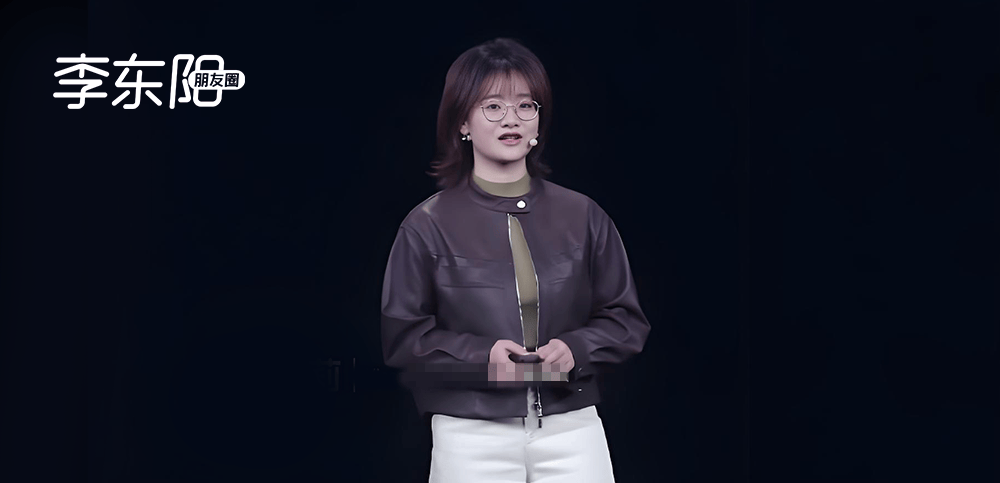
雷军亲自下场,小米AI隆重出场,瞬间"炸翻"全场。 正面PK豆包、DeepSeek,"小米发布最新MiMo大模型"登上热搜同时震惊行业。 又一个国产模型,悄悄跻身到了开源第一梯队。 曾被雷军千万元年薪挖角,曾是DeepSeek关键开发者的95后"AI天才"罗福莉,在加入小米一个多月后完成了AI首秀,"国内外模型代差从三年缩短至数 月"。 作者:枫叶 小米,再次炸场了! 这次不是汽车,更不是手机,而是近期爆火的赛道——AI。 虽说,小米的2025年激情澎湃;但同时,争议不断。 对雷军而言,应该是极其复杂的一年: 小米手机从稳定到高端,小米汽车从加速到成熟,小米"人车家全生态"愈发清晰,期间经历可谓是煎熬; 然后,又是激烈的市场竞争、全方位的舆论审视、消费者预期跌落的重重考验。 刚越过煎熬,又陷入"囚鸟",小米急需一场"大胜"来总结2025。 总参数3090亿,活跃参数150亿,采用专家混合架构 (MoE),推理速度狂飙2.6倍......小米AI在早已沸腾的大模型"江湖",甩出了一颗重磅炸弹,开源模型 也迎来一位重磅选手——"天才少女"罗福莉。 出身农村普通家庭的罗福莉,曾主导研发多款知名大模型,她提出下一代智 ...


押上整个美国,让中国倒退25年,特朗普的豪赌真的值得吗
Sou Hu Cai Jing· 2025-12-18 10:18
Group 1 - The trade decoupling initiated by the Trump administration aimed to revive American manufacturing but resulted in a significant decline in manufacturing jobs, losing nearly 100,000 positions by September 2025, with a continuous negative growth trend for five months [2][6] - Labor shortages due to tightened immigration policies and rising costs from tariffs on raw materials have hindered the competitiveness of American factories, leading to a decline in construction spending for seven consecutive months by late 2025 [4][6] - The trade deficit, which was expected to shrink, actually expanded to nearly $890 billion by August 2025, reflecting a 17% increase from the previous year, indicating that the decoupling strategy did not achieve its intended economic benefits [6][12] Group 2 - The share of Chinese imports in the U.S. market dropped from 21% in 2017 to 9% in 2025, a level comparable to when China joined the WTO in 2001, indicating a significant restructuring of supply chains [8][12] - Mexico surpassed China as the largest source of U.S. imports in 2023, with many Chinese companies relocating their production to Mexico to avoid tariffs, highlighting a shift in trade dynamics [10][12] - Despite the reduction in Chinese imports, China's overall trade with non-U.S. regions has strengthened, with a record trade surplus of over $1 trillion, suggesting that Chinese companies are diversifying their markets [12][16] Group 3 - The protectionist policies intended to safeguard American manufacturing have led to a paradox where job vacancies in manufacturing reached 415,000, with rising inflation impacting social security and retirement funds [14][16] - The overall economic impact of these policies has resulted in increased production costs for U.S. companies, with households facing an average additional expense of $1,200 due to tariffs [14][16] - The global trade landscape continues to evolve, with other countries advancing in globalization while the U.S. attempts to dismantle the achievements of the past 25 years, raising questions about the long-term effectiveness of the decoupling strategy [16][17]
雷军:小米17 Ultra 超高端手机下周发布
Bei Jing Shang Bao· 2025-12-18 09:59
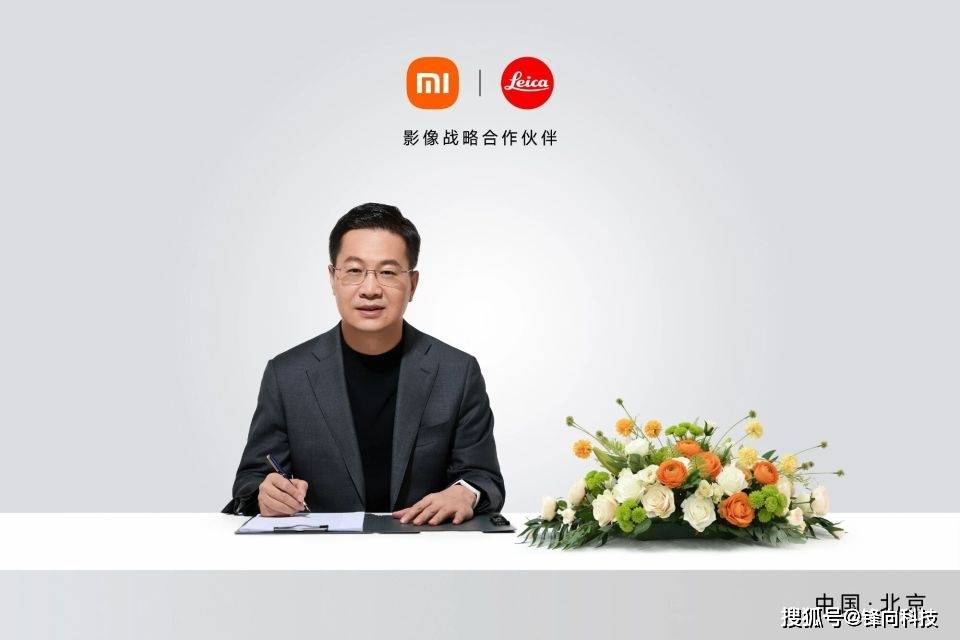
Core Viewpoint - Xiaomi Group and Leica Camera Company announced an upgrade to their global imaging strategic cooperation, introducing a new "strategic co-creation model" alongside their existing "joint research" framework [1] Group 1 - The first product utilizing this new model, the Xiaomi 17 Ultra, is set to be officially launched next week [1] - Xiaomi's founder Lei Jun stated that the new optical capabilities will be applied for the first time in the Xiaomi 17 Ultra high-end smartphone [1]
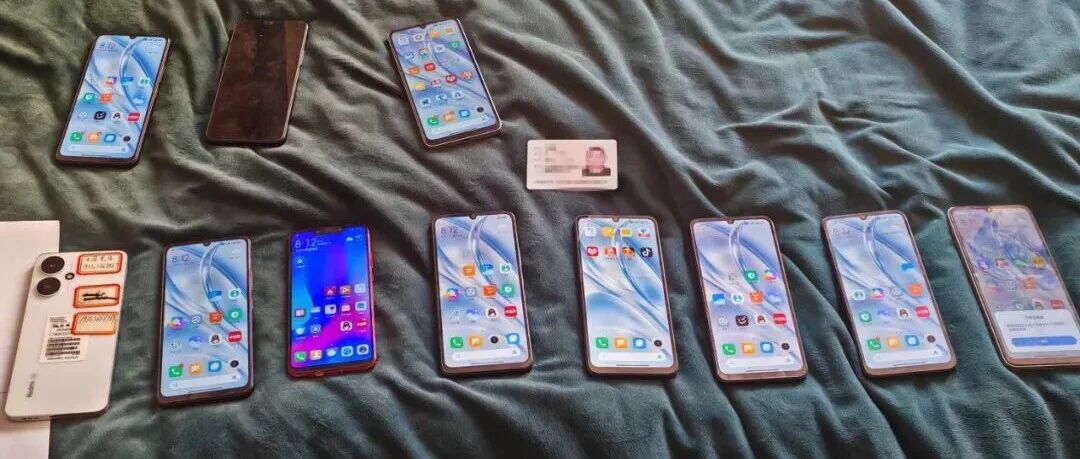
小米、华为、理想先后报案,警方抓获12人!
新华网财经· 2025-12-18 07:15
Core Viewpoint - The article discusses the organized efforts to spread negative information about emerging industries, particularly in the electric vehicle sector, and highlights a police operation that dismantled a group responsible for this misinformation campaign [1][3]. Group 1: Background and Context - Since July, companies like Xiaomi, Huawei, and Li Auto reported a surge in negative articles targeting their brands on a specific platform, indicating a coordinated attack on their reputations [1]. - The negative content exhibited characteristics of organized operations, including malicious defamation, impersonation of consumers, and the amplification of isolated issues through manipulated media [1]. Group 2: Investigation and Findings - Following reports from affected companies, the Yantai police conducted an investigation, identifying over 3,000 negative articles linked to accounts with short registration times and unusual activity patterns, suggesting a systematic operation [3]. - The criminal group utilized technology to scrape keywords related to major brands and employed artificial intelligence to generate low-quality, repetitive content aimed at driving traffic for profit [3]. Group 3: Law Enforcement Action - The police established a special task force to analyze over 80,000 pieces of online information and trace more than 100,000 financial transactions to understand the group's structure and operations [5]. - The operation culminated in the arrest of 12 suspects, the seizure of over 1 million yuan in illicit funds, and the shutdown of more than 8,000 illegal accounts, effectively dismantling the network of "internet water army" involved in the misinformation campaign [5].

雷军豪赌的95后天才少女,首秀炸了!
Sou Hu Cai Jing· 2025-12-18 07:06
Core Insights - Xiaomi is making a significant push into AI, highlighted by the introduction of the MiMo-V2-Flash model at the 2025 "Human-Vehicle-Home Ecosystem" partner conference [2][4][6] - The company has shifted its strategy from skepticism about large models to a full commitment, recognizing the necessity of AI for its hardware ecosystem [10][14] Group 1: AI Model Development - The MiMo-V2-Flash model has only 309 billion parameters, with 15 billion activated parameters, yet it ranks among the top two globally in code execution capability [6][7] - The model's inference speed is three times faster than its competitor DeepSeek-V3.2, while its cost is only one-twentieth of Gemini 2.5 Pro, indicating a significant achievement in low-cost, high-speed AI [7] - Xiaomi's AI development is now closing the gap with leading international models, with only a few months' difference compared to top closed-source models [7][12] Group 2: Strategic Importance of AI - The integration of AI is crucial for Xiaomi, as it aims to transform from a hardware manufacturer to a provider of intelligent services, leveraging its vast IoT ecosystem of 1.04 billion devices [14][16] - The company is investing 200 billion yuan in R&D over the next five years, with 40 billion yuan expected in 2026, reflecting the urgency to innovate amid pressures in its smartphone and automotive sectors [14][16] - The hiring of Rofo Li, a prominent AI talent, is seen as a strategic move to enhance Xiaomi's AI capabilities and is indicative of the company's commitment to developing its own AI models [12][16] Group 3: Challenges Ahead - Despite the advancements, Xiaomi faces challenges in achieving high-level reasoning on edge devices due to physical limitations and the need to adapt traditional hardware engineers to new AI paradigms [16] - The success of Xiaomi's AI strategy will depend on whether the MiMo model can outperform existing models in usability and efficiency [14][16]
小米、徕卡战略升级,雷军、卢伟冰给出答案
Sou Hu Cai Jing· 2025-12-18 06:03
Core Viewpoint - Xiaomi officially announced the launch of the Xiaomi 17 Ultra, which will be released next week, highlighting a strategic upgrade in its collaboration with Leica [1][4]. Group 1: Strategic Collaboration - The upgraded strategic partnership between Xiaomi and Leica signifies a deeper and more multi-dimensional collaboration, with speculation that the Xiaomi 17 Ultra may include multiple models and could feature its own "Extraordinary Master" in the Android ecosystem, a first in the industry [4]. - The Xiaomi 17 Ultra will feature a new generation 1-inch main camera sensor and Leica APO long-focus technology, creating a new optical impact system that is unique in the industry as of 2026 [4][6]. - This collaboration introduces a "strategic co-creation model," moving beyond joint development to deeply integrate Leica's professional optical capabilities and design aesthetics into Xiaomi's products [6]. Group 2: Product Features and Market Positioning - The Xiaomi 17 Ultra is positioned as a high-end mobile imaging device, with significant upgrades in both hardware and software, aiming to revolutionize night scene quality and long-focus creative experiences [8]. - The device is expected to be officially launched on December 25, with commercial availability anticipated before the New Year, marking it as the last flagship of the year and a key player in Xiaomi's new high-end strategy [8].
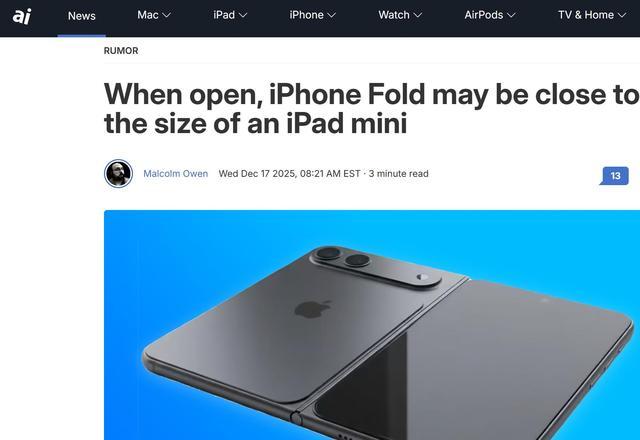
苹果首款折叠屏手机展开尺寸逼近iPad mini,或成2026年最“宽”手机
Huan Qiu Wang Zi Xun· 2025-12-18 04:54
Core Viewpoint - The anticipated iPhone Fold is expected to join Apple's smartphone lineup in 2026, featuring a design that balances a large screen experience with portability [1][3] Group 1: Product Specifications - The iPhone Fold will have a fully expanded screen size of 7.76 inches with a resolution of 2713 x 1920 pixels, slightly smaller than the current iPad mini [3] - The external display when folded will measure 5.49 inches with a resolution of 2088 x 1422 pixels, allowing for convenient use even when closed [3] Group 2: Design and Features - The design emphasizes user experience and durability, incorporating a special hinge design to minimize common folding screen issues like creases, allowing for a slight curvature when folded [3] - The device will retain the camera bump style of the iPhone Air, featuring a dual-camera system [3] Group 3: Information Source - Current information and renderings may have been leaked by accessory manufacturers based on existing data, aimed at preparing for future accessory production [3]
小米、华为、理想等报警,12人被抓
Nan Fang Du Shi Bao· 2025-12-18 04:15
Core Viewpoint - Since July, companies like Xiaomi, Huawei's HarmonyOS, and Li Auto have reported a surge of negative articles targeting their automotive brands on a certain platform, leading to police intervention in a case involving organized misinformation against the new energy vehicle sector [1][3]. Group 1: Police Action - Yantai police have dismantled a gang that was orchestrating negative information about new energy vehicles, arresting 12 individuals and seizing over 1 million yuan in funds, while shutting down more than 8,000 accounts [1][4]. - The police investigation revealed that the negative content was highly organized, involving tactics such as distorting facts, impersonating consumers, and creating misleading experiences to damage brand reputations [3][4]. Group 2: Investigation Findings - The investigation identified over 3,000 negative articles that originated from accounts with short registration times and unusual activity levels, indicating a systematic operation likely involving "internet water armies" aiming to generate profit through traffic manipulation [3][4]. - The criminal group utilized technical tools to scrape keywords related to "Xiaomi," "Huawei," and "Li Auto," employing artificial intelligence to mass-produce low-quality, repetitive "internet garbage" solely for profit [4]. Group 3: Ongoing Efforts - Yantai police have announced plans to continue their series of special operations aimed at cleaning up the internet and combating misinformation [5].

鸿蒙6真的可以做日常主力机了
Xin Lang Cai Jing· 2025-12-18 04:12
Core Insights - HarmonyOS 6 is now capable of serving as a daily primary operating system, meeting the compatibility needs for everyday applications while offering unique features [2][3] - Huawei's imaging capabilities remain strong, with AI enhancements aiding in better mobile content creation [2][3] - The AI assistant, Xiao Yi, has become more user-friendly and powerful, incorporating various unique features such as smart scanning, intelligent grip sensing, and privacy protection [2][3]