
商超

Search documents
“配料表很干净”背后的隐秘
虎嗅APP· 2025-10-29 13:37
Core Viewpoint - The article discusses the rise of private label brands in the retail industry, emphasizing the consumer trend towards "clean labels" and the hidden complexities behind seemingly simple ingredient lists [5][7][24]. Group 1: Industry Changes - In 2024, the retail industry faced unprecedented changes, with over 12,000 physical stores closing, including 782 supermarkets [8]. - The trend continued into 2025, with at least 17,100 stores closing in the first half, affecting over 100 companies, including major brands like Walmart and Starbucks [9][10]. - Retailers are increasingly turning to private label products to seek new profit margins and differentiation, with Sam's Club's private label contributing approximately 40% to its sales [11]. Group 2: Consumer Preferences - Consumers are willing to pay for products with "clean ingredients," as evidenced by the popularity of brands like Fat Donglai, which offers juices with minimal ingredients [12][13]. - The demand for high-end juices has surged, with sales of NFC (Not From Concentrate) juices growing by 40% in 2023, leading to an average price increase of 8.9% in the juice category [12]. Group 3: Ingredient Transparency - The term "clean label" is gaining traction, promoting transparency in ingredient lists, but many companies still engage in marketing tactics that obscure the true nature of their products [24][25]. - The article highlights the complexity behind terms like "peach pulp" and "concentrated juice," which may contain various additives that are not clearly disclosed [15][20]. - There is a growing concern about the lack of transparency in ingredient labeling, as many companies use composite terms to hide the presence of additives [18][33]. Group 4: Market Opportunities - The clean label market is projected to grow significantly, with a compound annual growth rate of approximately 6.51% from 2025 to 2030, reaching a market size of $62.43 billion by 2030 [24]. - Retailers like Sam's Club and Hema are adopting clean label practices, but the effectiveness and honesty of these claims are questioned [26][34].


“配料表很干净”背后的隐秘
Sou Hu Cai Jing· 2025-10-25 08:08
Core Insights - The article discusses the growing consumer demand for transparency in food ingredient labeling, particularly in the context of self-branded products in the retail industry [6][20][36] - It highlights the contrast between perceived "clean" ingredient lists and the reality of complex formulations that often include hidden additives [4][14][34] Group 1: Industry Trends - The retail industry is undergoing significant changes, with over 12,000 physical retail stores closing in 2024, including major chains like Walmart and Starbucks [6][8] - Retailers are increasingly turning to private label products as a strategy for differentiation and profitability, with Sam's Club's private label contributing approximately 40% to its sales [8][10] - The demand for "clean" ingredients is driving the growth of private label products, as consumers are willing to pay a premium for perceived health benefits [12][24] Group 2: Consumer Behavior - Consumers are becoming more health-conscious and are increasingly scrutinizing ingredient lists, with 60.43% of consumers considering brand importance [26][28] - There is a growing disconnect between consumer perceptions of "clean" labels and the actual complexity of ingredient formulations, leading to confusion and mistrust [26][30] Group 3: Ingredient Transparency - The concept of "clean label" emphasizes simple and transparent ingredient lists, but many companies still use complex terms to mask the presence of additives [20][24] - The article points out that terms like "peach puree" and "concentrated juice" can obscure the reality of added stabilizers and preservatives, which may not be clearly disclosed [16][19][34] - The lack of regulatory enforcement regarding ingredient transparency raises concerns about consumer rights and informed choices [30][32] Group 4: Industry Response - Companies are encouraged to adopt genuine transparency in their ingredient sourcing and processing to build consumer trust [35][36] - The article calls for a shift from superficial labeling practices to a more honest disclosure of all ingredients, including additives [36][37]
销售暴涨2.5倍!物美“AI新质零售+硬折扣”强势破局,年底调改店将超百家
Sou Hu Cai Jing· 2025-10-25 04:23
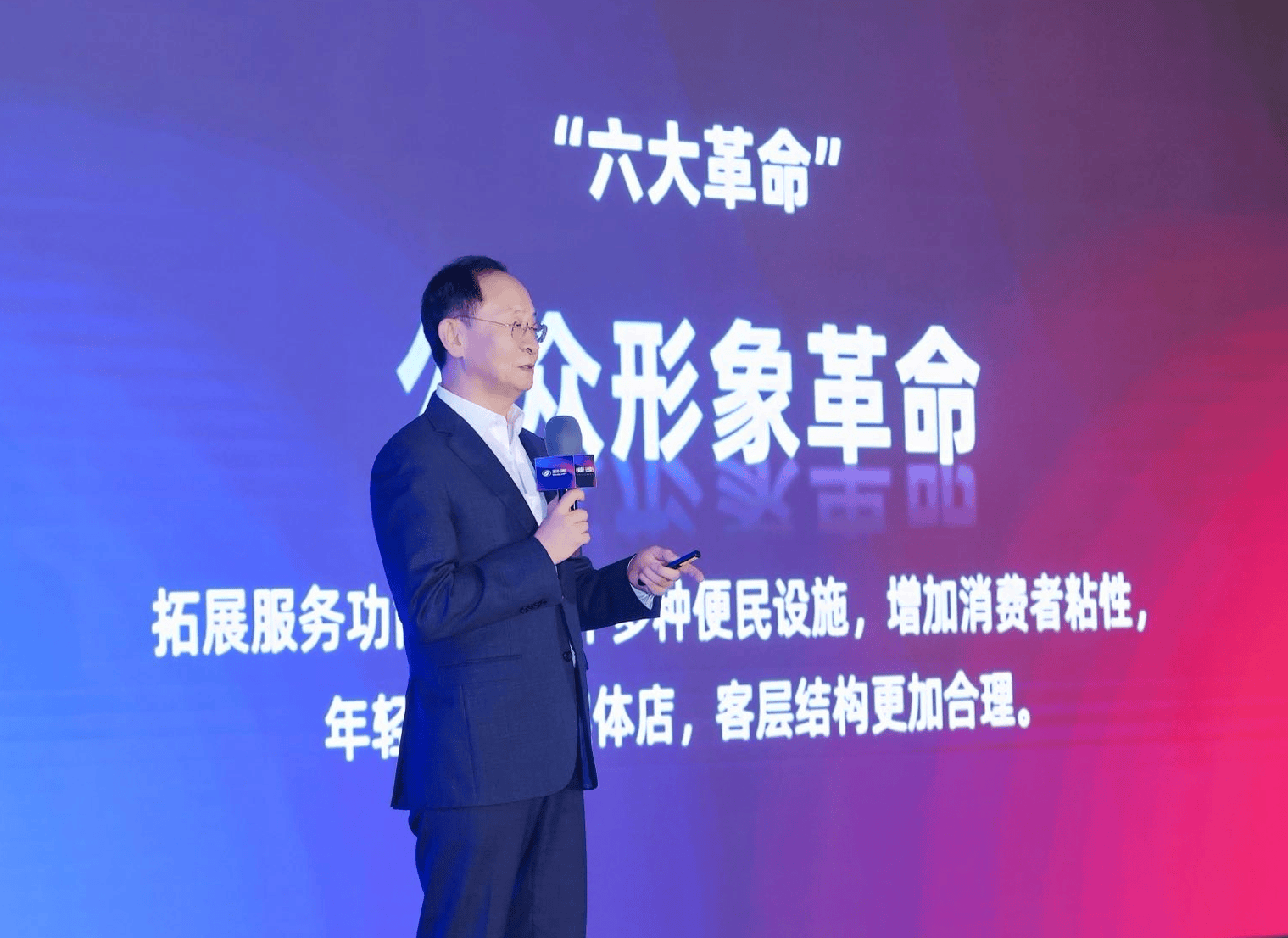
Core Insights - Wumart is focusing on two main strategies: AI new retail and hard discount, as a response to consumer trends and business insights [1][2] - The company has successfully transformed its stores, with daily sales and customer traffic increasing by 50% to 300% after renovations [2][3] AI New Retail - Wumart emphasizes the importance of AI in retail, stating that the industry must be built on AI support [2] - The AI new retail stores have fewer products compared to traditional supermarkets but offer a wider selection with clear pricing and a gross margin of only 19% [2] - The first AI new retail store opened in March has seen daily sales increase by over 2.5 times and transaction frequency rise by nearly 1.5 times [3] Hard Discount Strategy - The "Wumart Super Value" hard discount stores aim to provide high-quality products at the best prices, focusing on customer experience rather than rapid expansion [5][8] - The hard discount model reduces SKU count by over 90%, retaining only the best-performing products that meet daily needs [8] - Wumart plans to gradually expand its hard discount stores, with a target of several hundred locations in the future [8] Omnichannel Approach - Wumart is integrating online and offline services, enhancing the shopping experience for consumers [4] - The company aims to provide a consistent product offering across channels and improve delivery quality and speed [4] Overall Transformation - Wumart's transformation efforts, including the six major revolutions in categories and public image, are expected to enhance its competitiveness in the retail sector [8]
零售巨头转身,自有品牌能否再造大润发?
Guan Cha Zhe Wang· 2025-10-17 09:05
Core Insights - The article discusses the strategic shift of RT-Mart towards private label brands in response to the challenges faced in the retail industry, particularly during a downturn in consumer spending [1][5][6] Group 1: Company Strategy - RT-Mart is launching a "Private Label Festival" in October 2025, featuring nearly 500 private label products across various categories, aiming to balance cost control and quality experience [5][10] - The private label strategy includes two main series: "Super Savings," which focuses on cost-effective products, and "RT-Mart Selection," which emphasizes quality and local specialties [5][10] - The company aims to leverage its supply chain to ensure quality control and competitive pricing, moving away from traditional brand partnerships [10][11] Group 2: Market Context - The traditional supermarket model is under pressure from online platforms and new retail formats, leading to a significant decline in the number of physical stores and sales [6][11] - Consumer behavior has shifted towards value-driven purchasing, with a growing demand for high-quality, cost-effective products [6][11] - The retail industry is transitioning from a "channel dividend" to a "supply chain dividend," necessitating a focus on supply chain integration and brand storytelling [11][16] Group 3: Financial Performance - Financial data indicates a decline in revenue for RT-Mart's parent company, with a drop from approximately 83.66 billion yuan to 71.55 billion yuan between 2023 and 2025 [7][10] - The gross profit also decreased slightly, from 20.58 billion yuan to 17.24 billion yuan during the same period [7] Group 4: Competitive Landscape - RT-Mart faces competition from established private label brands like Walmart's "Great Value" and Sam's Club's "Member's Mark," which have already gained market recognition [13][14] - The rise of hard discount chains and online platforms offering low-priced products poses additional challenges to RT-Mart's market position [14][15] - The company must quickly innovate and adapt to consumer preferences to remain competitive in a crowded market [15][16]

太原商超市场的冰与火:美特好“断腕”关店14家,永辉调改店销售额爆长200%
Sou Hu Cai Jing· 2025-10-16 16:35
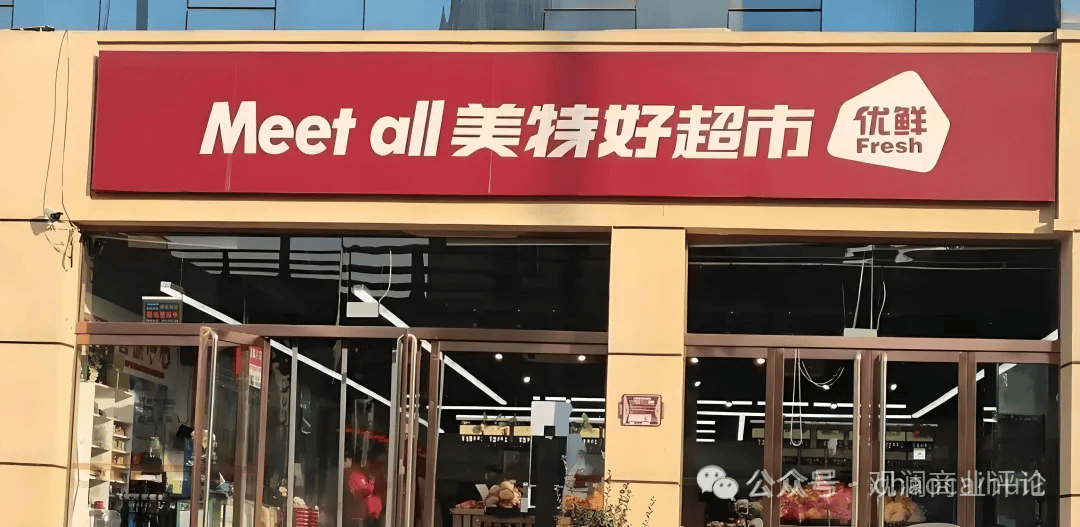
Core Viewpoint - Meetal is undergoing a significant transformation, closing 14 underperforming stores as part of a strategic shift towards a dual-brand strategy focusing on "Meetal Fresh Supermarket" and "Happy Big Membership Store" [2][5][8] Company Strategy - The closure of 14 stores is a strategic decision to concentrate resources on the new dual-brand strategy, which aims to enhance customer experience and meet local lifestyle needs [5][8] - The "Happy Big Membership Store" will focus on local characteristics and offer a unique shopping experience, while "Meetal Fresh Supermarket" will upgrade existing stores to provide higher quality fresh products at competitive prices [5][8] - A new central kitchen facility, built with an investment of 660 million, supports the supply chain and enhances product quality [5][8] Market Context - The closure of Meetal's stores reflects broader structural adjustments in the retail industry, where traditional supermarkets face challenges from online retail and changing consumer habits [8][11] - The retail landscape is shifting, with a significant number of stores closing across the country, indicating a trend towards efficiency-driven operations rather than mere scale expansion [11][13] Consumer Assurance - Meetal has assured customers that shopping cards will remain valid across all its stores, addressing consumer concerns during the transition [6][9] - The company emphasizes the importance of maintaining customer trust and rights during this strategic adjustment [6][9] Industry Trends - The retail industry is witnessing a transformation where successful companies are characterized by deep supply chain integration, digital transformation, and enhanced operational efficiency [13][16] - New retail formats are emerging, with companies like Yijiaqin and Happy Purchase Supermarket gaining traction by meeting consumer demands effectively [14][15]
账上41亿且无贷款!胖东来是如何攒下厚实家底的?
Sou Hu Cai Jing· 2025-10-16 05:03
Core Insights - The founder of Pang Donglai revealed that the company has 4.1 billion yuan in cash with no loans, challenging the conventional view of high turnover and high debt in the retail industry [1] - Pang Donglai's sales reached over 18.5 billion yuan, with monthly sales exceeding 1.16 billion yuan, indicating a unique approach that prioritizes quality over scale [1][6] - The company's strategy focuses on creating a "6A level consumption scenic area," emphasizing the reconstruction of "people, goods, and space" while adhering to financial discipline [1][10] Product Strategy - Pang Donglai positions its products as "trust-based traffic products" rather than "profit-based shelf products," enhancing consumer confidence [2] - The company maintains a low gross margin of 15.87% on its co-branded liquor, significantly lower than the industry average, yet achieves high sales volume [2] - The self-owned brand contributes 40% of sales and 60% of gross profit, promoting a cycle of attracting customers with essential goods while generating profit through high-margin products [2] Service Approach - The company transforms after-sales service into emotional connections, offering unique policies such as price matching and refunds for unsatisfactory products [3] - Pang Donglai empowers frontline employees to handle customer complaints autonomously, enhancing customer satisfaction and loyalty [3] - The focus on exceptional service creates a shopping experience that resonates emotionally with consumers, akin to a scenic tour [3] Store Environment - Pang Donglai's stores serve as public spaces that foster social interactions, not just retail locations [4] - The company implements employee-friendly policies, such as mandatory rest days and high profit-sharing, which resonate with consumers and enhance brand loyalty [4] - The establishment of amenities like charging stations and reading corners further enriches the shopping experience [4] Financial Strategy - The company adopts a "density over breadth" strategy, avoiding blind national expansion and focusing on a localized network [6][7] - Pang Donglai's logistics efficiency, including a 72-hour delivery system, significantly reduces costs compared to competitors [7] - The average sales per store are substantially higher than industry averages, contributing to stable cash flow and financial health [7][8] Profitability Model - The company operates on a low-margin, high-turnover model, achieving quick inventory turnover and maintaining a healthy cash flow [8] - The self-owned brand's high gross margin supports overall profitability despite lower margins on other products [8] - Employee productivity is significantly higher than industry averages, allowing for lower labor costs while maintaining service quality [8] Financial Discipline - Pang Donglai's financial health is attributed to strategic restraint, with a commitment to controlling sales growth and avoiding debt [9] - The company's asset-liability ratio remains below 10%, contrasting sharply with competitors facing financial strain due to aggressive expansion [9] - This disciplined approach ensures that Pang Donglai remains a "cash cow" in the industry, free from debt [9] Industry Implications - Pang Donglai's success offers a replicable model for the retail industry, emphasizing consumer trust and employee satisfaction over mere scale [10][11] - The essence of retail is redefined as managing relationships and emotions rather than just selling products [11] - Traditional retailers are encouraged to focus on regional depth and operational efficiency rather than nationwide expansion [11]

胖东来账上躺41亿现金零负债,于东来称企业价值是员工幸福
Sou Hu Cai Jing· 2025-10-15 10:17
Core Insights - The company, Pang Donglai, showcases remarkable financial health in a competitive retail industry, with a cash reserve of 4.1 billion yuan and no debt, which is rare in the sector [1] - Pang Donglai's sales continue to grow, exceeding 18.4 billion yuan as of October 13, 2025, surpassing the total sales of 16.9 billion yuan for the entire year of 2024 [1] - The founder emphasizes a controlled growth strategy, setting a sales target of under 20 billion yuan for the year to maintain employee satisfaction [1] Financial Health - Pang Donglai's cash reserve of 4.1 billion yuan is 5.1 times its net profit of 805 million yuan for 2024, highlighting its unique financial position in the retail sector [1] - The company operates with zero debt, contrasting sharply with the common practice of leveraging for expansion among other retailers [1] Sales Performance - During the eight-day National Day holiday in 2025, Pang Donglai achieved total sales of 820 million yuan, averaging daily sales of approximately 102 million yuan [3] - Supermarkets remain the main revenue driver, with sales of about 404 million yuan during the holiday, supported by high-quality self-operated bakery and deli products [4] Employee Welfare - Pang Donglai offers significantly higher employee compensation, with an average after-tax salary of 9,886 yuan and store managers earning up to 78,058 yuan per month, showing substantial year-on-year growth [4] - The company boasts a remarkably low employee turnover rate of only 0.94% from January to July 2025, with July's rate dropping to 0.14%, far below the industry average [4] Business Philosophy - The founder advocates for a business model focused on social responsibility and employee happiness rather than mere profit maximization, opposing blind expansion [1][4] - Pang Donglai's approach has attracted attention from other retailers, with the company assisting over ten supermarket chains in improving their operations [5] Future Outlook - The company plans to build a large commercial complex named "Dream City" near the Yuxiang High-Speed Railway East Station, with a construction timeline of 3-5 years, reflecting a long-term vision [5] - The founder aspires to position Pang Donglai alongside top global companies like Google and Amazon, aiming to enhance customer experience and well-being [5] Industry Impact - Pang Donglai's model presents an alternative strategy in the retail sector, demonstrating that focusing on employee satisfaction and service quality can lead to commercial success, even amidst a slowdown in overall retail growth [6] - The company's recent recruitment drive attracted 132,000 applicants for 900 positions, underscoring its appeal as an employer in the industry [6]

超1.7万家实体店,倒在2025上半年
商业洞察· 2025-10-15 09:24
Core Viewpoint - The retail industry in China is undergoing significant adjustments, with a notable increase in store closures across various sectors, including supermarkets, department stores, tea and coffee shops, and apparel brands, driven by changing consumer habits and market dynamics [2][3][7][9][12][19][24]. Supermarket Sector - In the first half of 2025, at least 720 supermarkets closed, including major brands like Yonghui and Walmart, due to factors such as operational strategy adjustments and lease expirations [4][6]. - The online retail growth rate of 8.5% significantly outpaces the 3.75% growth in offline retail, indicating a shift in consumer shopping habits towards online platforms [7]. - Traditional supermarkets face challenges from aging infrastructure and expiring leases, prompting a shift towards closing underperforming stores and enhancing online operations [8]. Department Store Sector - The department store retail total saw a 1.2% year-on-year increase in the first half of 2024, recovering from a 3% decline the previous year, but still lagging behind overall retail growth [9]. - At least 23 department stores and shopping centers closed in the first half of 2025, with closures attributed to outdated business models and lease expirations [10][11]. Tea and Coffee Sector - A total of 6,673 tea and coffee shops closed in the first half of 2025, reflecting a market reshuffle [12][15]. - Major brands like Xinyue and Nayuki saw significant store reductions, with Nayuki closing 159 stores, marking an 18.32% decrease in its total store count [15][18]. Apparel Sector - The apparel retail sector experienced a 3.1% year-on-year growth, which is below the overall retail growth rate of 5.0% [19]. - At least 4,563 apparel stores closed in the first half of 2025, with brands like Semir and H&M leading in closures due to high inventory levels and outdated brand appeal [20][23]. Cinema Sector - The cinema industry faced a high vacancy rate of 30-40%, leading to the closure of at least 38 cinemas in the first half of 2025 [25][26]. - Factors contributing to the cinema industry's struggles include high fixed costs, reliance on film content for revenue, and competition from streaming platforms [26]. Other Industries - Other sectors, such as the pet industry and home improvement, also experienced closures, indicating a broader trend of contraction across various retail formats [28].

新质零售助力 物美“胖改店”成消费新打卡地
Bei Jing Shang Bao· 2025-10-08 15:41
Core Insights - The "Fat Transformation Store" has become a new consumption landmark during the "Double Festival," with an average customer increase of 20% and a peak increase of 70% compared to the same period last year, leading to nearly 40% growth in sales performance [1] - The rapid expansion of the "Fat Transformation" strategy has been confirmed, with multiple stores opening in various regions, indicating successful exploration of a replicable business model [2] - AI technology is enhancing job creation and value improvement rather than replacing human labor, with employee numbers increasing significantly in transformed stores [3] Group 1: Store Performance and Expansion - The "Fat Transformation Store" has seen significant customer and sales growth during the holiday period, with a 20% average increase in visitors and nearly 40% in sales compared to last year [1] - The strategy has expanded from a single store pilot to multiple locations across Beijing, Tianjin, and Hangzhou, with new openings in regions like Zhejiang and Hebei, demonstrating a successful transition from concept validation to model replication [2] Group 2: Employment and Workforce Impact - The transformation has led to a 2.5 times increase in employee numbers at the Beijing Xueqing Road store, with an average increase of over 1.5 times across the first batch of "Fat Transformation" stores, focusing on skilled positions rather than low-end repetitive tasks [3] - The company anticipates adding 4,000 to 6,000 new jobs by the end of the year as part of its plan to transform 100 stores [3] Group 3: Employee Benefits and Satisfaction - Post-transformation, employees have seen salary increases of 30% to 50%, with base salaries reaching 5,000 to 6,000 yuan, exceeding industry averages, alongside improved work-life balance and enhanced benefits [4] - The implementation of welfare measures such as free canteens and extended paid leave has increased employee satisfaction and sense of belonging [4] Group 4: Industry Transformation and Innovation - The "Fat Transformation Store" serves as a model for the retail industry, simplifying product offerings while increasing the proportion of new and imported goods, and enhancing the in-store experience with popular ready-to-eat products [5] - The integration of AI technologies has enabled a shift from experience-based to data-driven decision-making, improving operational efficiency and sales strategies [6] - The transformation represents a systemic revolution in traditional supermarkets, demonstrating their ability to adapt and thrive amidst the challenges posed by the AI wave [6]
社会服务行业点评:双节出行延续高景气,消费市场活力持续
GOLDEN SUN SECURITIES· 2025-10-08 11:14
Investment Rating - The industry investment rating is "Maintain Overweight" [5] Core Viewpoints - The travel and consumption market remains vibrant, with significant increases in cross-regional travel during the holiday period, indicating strong consumer activity [1][2][3] - The report highlights four main investment themes: new consumption growth, transformation and reform opportunities, overseas expansion, and favorable policies [4][7][8] Summary by Sections Travel and Tourism - During the Mid-Autumn and National Day holidays, cross-regional travel is expected to reach 2.36 billion trips, a 3.2% increase from last year [1] - Tourist attractions have seen record visitor numbers, with notable increases in various regions, such as a 22.16% rise in visitors to Changbai Mountain [2] Hotel and Retail Performance - Hotel occupancy rates have improved, with an average of 64.7% during the first four days of the holiday, up 2 percentage points year-on-year [2] - Retail sales from key enterprises increased by 3.3% year-on-year during the holiday period, with specific regions like Guangxi showing an 11.3% increase [3] Investment Recommendations - Short-term focus on companies with strong Q3 performance certainty and those likely to benefit from the upcoming holiday season, including cross-border e-commerce and certain tourist attractions [4] - Recommended companies include Xiaogoods City, Yonghui Supermarket, and Jiuhua Tourism, among others [4][7][8]