电动车

Search documents
电力设备行业跟踪周报:太空光伏空间广阔,固态和AIDC潜力可期-20260126
Soochow Securities· 2026-01-26 02:32
Investment Rating - The report maintains an "Accumulate" rating for the power equipment industry [1] Core Viewpoints - The space for space photovoltaic technology is vast, and the potential for solid-state batteries and AIDC (Advanced Intelligent Driving Control) is promising [1] - The energy storage sector is expected to see significant growth, with a projected increase of over 60% in 2026 due to rising demand and supply constraints [3][4] - The report highlights the strong performance of various segments within the power equipment industry, including wind power, nuclear power, and lithium batteries, with notable price increases in lithium carbonate and other materials [3][4] Industry Trends - The energy storage market in China is experiencing rapid growth, with new installations reaching 66.43 GW and 189.48 GWh in 2025 [3] - The report notes that the U.S. energy storage market is also expanding, with a projected installation of 80 GWh in 2026, driven by data center demands and favorable policies [7] - The report indicates that the demand for solid-state batteries is increasing, with major companies accelerating their production lines [4] Company Performance - Companies such as Ningde Times, Sunshine Power, and others are expected to see significant profit growth in 2025, with projected increases ranging from 50% to over 100% [3][4] - The report mentions specific companies like Hunan YN, which anticipates a net profit of 1.15-1.4 billion yuan in 2025, reflecting a year-on-year increase of 93.75%-135.87% [3] - The report also highlights the expected losses for companies like Longi Green Energy and Tongwei Co., with projected net losses of 6-6.5 billion yuan and 9-10 billion yuan, respectively [3] Investment Strategy - The report suggests a focus on energy storage, lithium batteries, and solid-state technologies, with recommendations for leading companies in these sectors [4] - It emphasizes the importance of companies with strong technological advantages and overseas market access, particularly in the AIDC sector [4] - The report also highlights the potential for growth in the wind and solar power sectors, with specific recommendations for companies involved in these areas [4]




“穷人的黄金”,爆了
投中网· 2026-01-26 02:12
Core Viewpoint - Silver is transitioning from being perceived as "poor man's gold" to a critical industrial material due to a persistent supply-demand gap driven by key industries like photovoltaics and electrification [5][6][48]. Group 1: Silver's Market Dynamics - Historically, silver was undervalued due to its abundant supply and diverse applications, leading to a lack of serious market consideration for its scarcity [5][6]. - Since 2021, the global silver market has experienced a physical supply-demand gap, primarily driven by rapid demand growth in industries such as photovoltaics and high-end electronics, while supply has struggled to keep pace [6][44]. - Over 70% of global silver production comes from by-products of other metals, making its supply response to price signals slow and limited [7][38]. Group 2: Demand Structure - In 2024, global silver demand is projected to reach 1.164 billion ounces (approximately 3.62 million tons), with industrial demand accounting for 681 million ounces (about 58%), jewelry and silverware demand at 263 million ounces (around 23%), and investment demand at 191 million ounces (approximately 16%) [15]. - The behavior of these demand categories is distinct: industrial demand is tied to the industrial cycle, jewelry demand is highly price-sensitive, and investment demand fluctuates with macroeconomic sentiment [16]. Group 3: Industrial Applications - The photovoltaic sector is a key driver of silver demand, with actual demand expected to reach 198 million ounces in 2024, a 1.6-fold increase since 2019, representing about 17% of total silver demand [27]. - Electric vehicles and AI infrastructure are also contributing to silver demand, with the average silver usage in a traditional vehicle being 15-20 grams, while a new energy vehicle typically uses 30-40 grams [30]. Group 4: Supply Constraints - Global silver mine production is estimated at 820 million ounces in 2024, with a year-on-year growth rate of less than 1% [37]. - The structure of silver supply has remained largely unchanged over the past two decades, with primary silver production accounting for only about 228 million ounces, or less than 30% of total production [39]. Group 5: Market Repositioning - Silver is no longer just a shadow of gold; it is now recognized as a critical material with real and sustained demand, difficult-to-replace applications, and highly constrained supply growth [48][50]. - The market's perception of silver is shifting from a financial asset to a key functional material, reflecting its importance in various industrial applications [49].


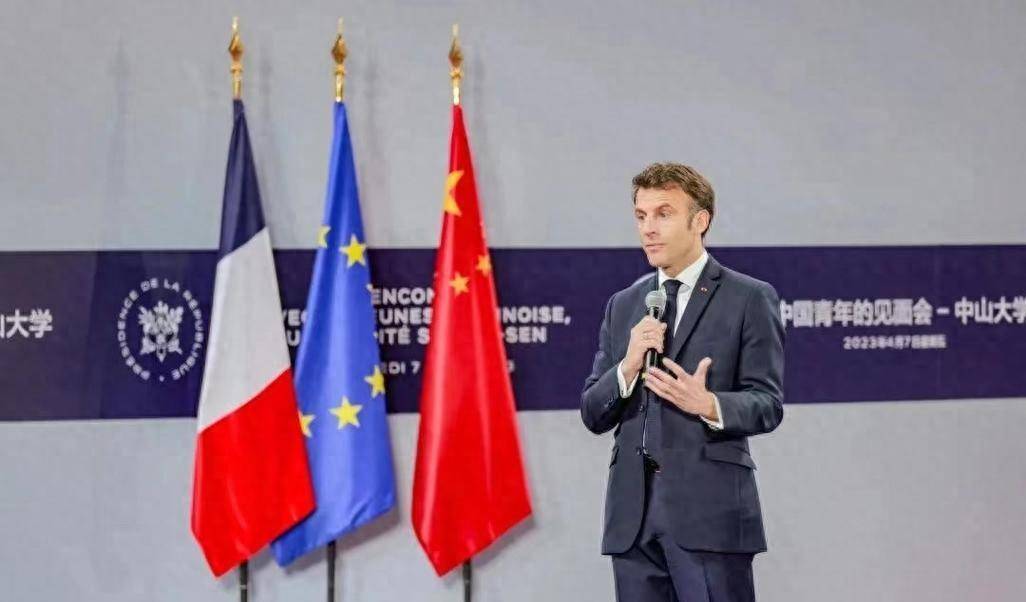
马克龙呼吁中国投资欧洲,中方回应愿当世界市场推动共赢合作
Sou Hu Cai Jing· 2026-01-25 22:57
Core Viewpoint - Macron's call for increased Chinese investment in Europe highlights the urgency of economic collaboration amid rising geopolitical tensions and trade barriers from the U.S. [1][3][30] Group 1: Geopolitical Context - Trump's recent tariff threats against European countries, including a 200% tariff on French wine and champagne, exemplify the aggressive U.S. trade policy that pressures European economies [1][3][5] - The U.S. is using security alliances to bind Europe while simultaneously imposing economic penalties, creating a challenging environment for European nations [5][22] Group 2: European Economic Challenges - Europe is facing significant economic hurdles post-pandemic, with slow industrial upgrades and a lack of unified funding mechanisms for key sectors like chips, renewable energy, and AI [5][7] - The internal financial flow within the EU is sluggish, making it difficult for countries to invest in necessary technological advancements [7][20] Group 3: Chinese Investment Potential - Chinese companies have demonstrated substantial overseas investment capabilities, backed by technological advancements and market competitiveness, rather than mere subsidies [7][10][12] - Macron's appeal for direct investment in "key areas" indicates a strategic move to attract Chinese capital to bolster European industries [8][28] Group 4: Mutual Benefits and Fairness - The essence of Sino-European economic relations is based on mutual benefits and complementary advantages, with China emphasizing the importance of fair treatment in investment opportunities [10][14][24] - China is open to collaboration in sectors like renewable energy and high-end manufacturing, provided that Europe dismantles barriers and ensures equitable conditions for investment [20][28] Group 5: Future of Sino-European Relations - The potential for a new chapter in Sino-European relations hinges on Europe's willingness to revise biased investment review mechanisms and ensure fair treatment for Chinese enterprises [30][32] - The choice between maintaining old alliances or embracing new partnerships will significantly impact Europe's economic future over the next decade [33][35]
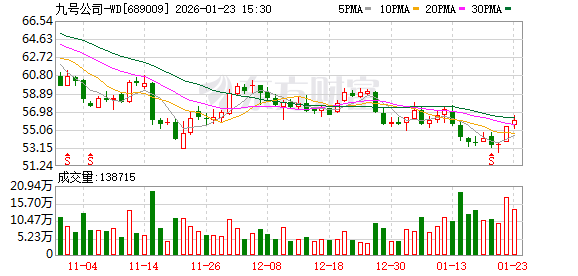
九号公司智能电动车国内累计出货量突破1000万台
Zheng Quan Ri Bao Zhi Sheng· 2026-01-25 13:37
在服务体验层面,九号公司正在持续推进全国终端门店升级,逐步将门店从传统销售网点转型为集体 验、销售、服务于一体的"九号体验中心",并全面推进销售与服务一体化的标准化管理体系构建。在服 务方式上,依托九号公司出行App与后台系统,九号公司正在建设分层级服务体系。在安全领域,除持 续提升产品本身的安全性能外,九号公司正推动主动安全技术的下沉与普及,让毫米波雷达、ABS防抱 死、TCS牵引力控制等高端安全配置逐步覆盖更多车型。 本报讯 (记者李乔宇)1月24日,九号有限公司(以下简称"九号公司")智能两轮电动车迎来重要里程 碑——国内累计出货量正式突破10000000台。当日,九号公司在常州九号科技工厂举办以"一千万个陪 伴"为主题的纪念仪式。 基于千万级用户规模,九号公司正系统性升级其服务与用户运营体系,推动从"售车"向"陪伴用户用车 全周期"的转变。 同日,九号公司正式发布以"双品牌、全球化、电切油"为核心的战略升级,宣布智能电动车业务将依 托"Ninebot九号"与"Segway赛格威"双品牌协同运营,进军全球市场。 (编辑 张昕) ...
九号公司出货量突破1000万台
Shang Hai Zheng Quan Bao· 2026-01-25 07:39
Core Insights - The company has achieved a significant milestone by surpassing 10 million units in cumulative domestic shipments of smart electric vehicles, marking both an important milestone and a new starting point for future growth [2] - The company has officially launched an upgraded strategy centered around "dual brands, globalization, and electric-to-oil transition," aiming to accelerate its transformation from "electric vehicles" to "AI robots" and from "smart products" to "smart ecosystems" [2][9] Global Expansion - The smart electric vehicle business will operate under the dual brands "Ninebot" and "Segway," targeting global markets [5] - Currently, the company's products are available in over 100 countries and regions, with online presence on major e-commerce platforms like Amazon and offline distribution in large retail chains such as Costco and Target [6] Market Potential - The global two-wheeled transportation industry is on the brink of an electric revolution, with Southeast Asia's electric two-wheeler penetration rate at only about 5%, indicating significant market potential for electric alternatives to traditional fuel vehicles [8] - The transition from fuel motorcycles to electric motorcycles is expected to take 5 to 10 years, with advancements in battery technology gradually addressing core issues like range [8] Technological Integration - The company is advancing its strategy from "electric vehicles" to "AI robots," integrating robotic technology into its electric vehicle product line [10] - The core of robotic technology lies in its ability to simplify and enhance work and life through automation, with significant value creation opportunities in personal mobility scenarios [11] Smart Systems and Profitability - The company launched the Lingbo OS, a comprehensive operating system for short-distance transportation, which integrates cloud, edge, and end capabilities, paving the way for smart upgrades in the two-wheeled vehicle sector [13] - The smart system is expected to enhance the company's gross margin, with software service fees from the growing user base projected to become a stable source of high-value revenue [13]
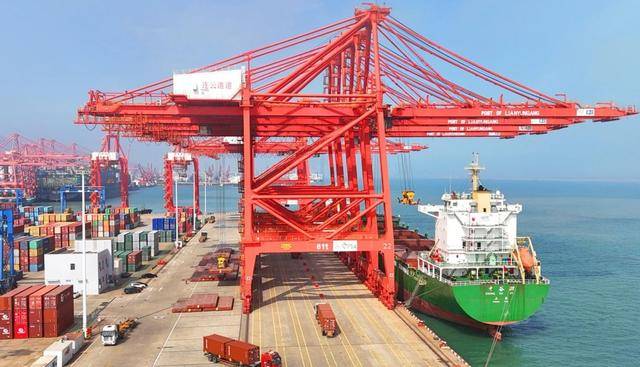
欧美加税拦不住!中国外贸狂收45万亿,新三样出口暴涨27%
Sou Hu Cai Jing· 2026-01-24 23:49
Core Insights - The total import and export value of China reached 45.47 trillion yuan in 2025, marking a 3.8% year-on-year increase, comparable to Germany's annual GDP [1] - Despite increased tariffs on Chinese electric vehicles by the EU (up to 45.3%) and stricter policies from the US, exports of new energy vehicles surged by 27.1%, indicating a significant transformation in China's foreign trade landscape [3][5] Trade Dynamics - ASEAN has become China's largest trading partner for three consecutive years, with trade volume with Belt and Road countries accounting for 51.9% of total trade, amounting to 23.6 trillion yuan, growing 2.5 percentage points faster than overall foreign trade [5][7] - China's trade partners now include over 240 countries and regions, with trade volume increasing in more than 190 of these markets, demonstrating resilience against tariff barriers [7][9] Export Strategies - The shift in export strategy from merely processing fees to establishing industry standards is evident, with Chinese companies now exporting complete energy solutions rather than just products [10][12] - In 2025, the export of self-owned brands grew by 12.9%, with market share increasing by 1.4 percentage points, showcasing the strength of China's manufacturing capabilities [14] Industry Strengths - China's complete supply chain advantage in the electric vehicle sector, from lithium mining to battery manufacturing and vehicle assembly, allows for rapid iteration and cost reduction [18][20] - The domestic market of 1.4 billion people serves as a significant accelerator for product scaling, enabling companies like CATL to dominate the global market [20][22] Long-term Strategies - The Chinese government has maintained a long-term commitment to industries like solar energy and electric vehicles, resulting in global leadership in production and cost efficiency [22][24] - The cancellation of export tax rebates in the solar industry reflects its strength and independence from subsidies, allowing for greater market share acquisition [14][28] Societal Impact - The growth in high-tech product exports (up 13.2% year-on-year) is creating numerous high-paying jobs, particularly in R&D and supply chain management [26] - The transformation in the perception of Chinese products, particularly electric vehicles, signifies a shift in national confidence and global standing [29][31]
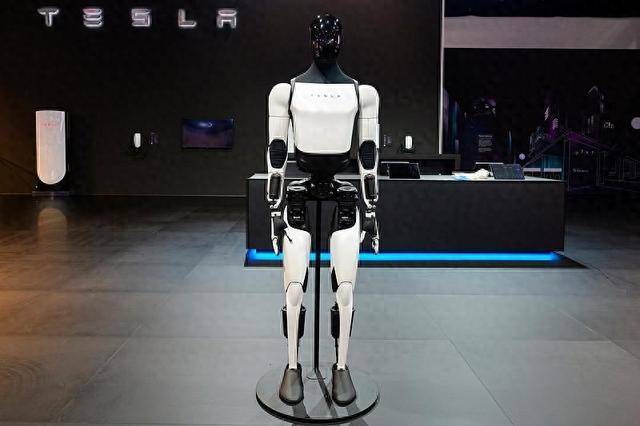
马斯克突袭达沃斯!特斯拉人形机器人明年开卖,万亿市场即将爆发
Sou Hu Cai Jing· 2026-01-24 23:12
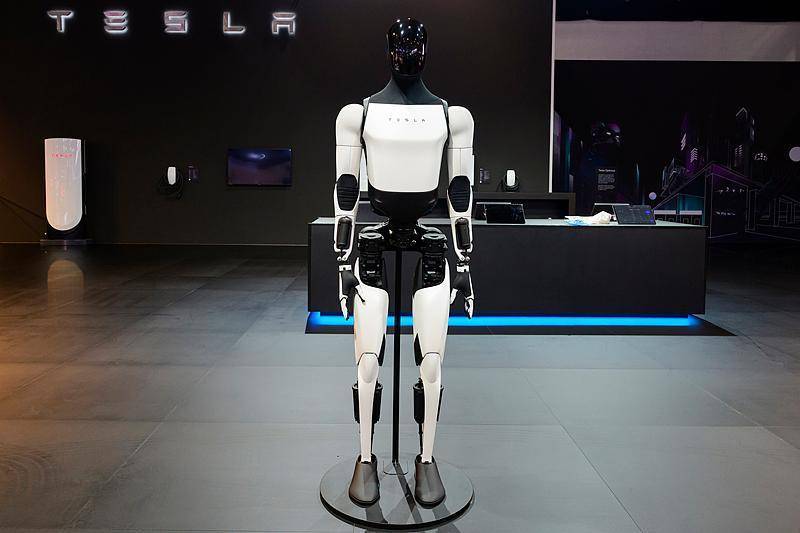
全球首富埃隆·马斯克又一次让世界震惊!在瑞士达沃斯世界经济论坛年会上,这位科技狂人突然现身 并扔下一枚'重磅炸弹'——特斯拉的人形机器人'Optimus'(擎天柱)可能最快在明年年底前开始向公众 销售!这一消息瞬间点燃全球科技圈和资本市场的热情。马斯克透露,特斯拉工厂已经开始使用擎天柱 执行简单任务,预计到2026年底这些机器人将能胜任更复杂的工作。这位硅谷钢铁侠强调,特斯拉只会 在确保产品'具备极高可靠性、安全性及广泛功能范围'时才会正式开售。 【投资理财建议】 1. 重点关注机器人产业链上游核心零部件企业,特别是伺服电机、减速器、传感器等关键部件供应商, 这些领域可能出现'卖铲人'式的投资机会。 值得注意的是,这并非马斯克第一次谈及人形机器人的商业前景。早在2025年1月的财报电话会议上, 他就曾预测2026年下半年可能开始向企业客户交付。但此次在达沃斯的表态,首次给出了面向普通消费 者的明确时间表,标志着特斯拉在机器人商业化道路上迈出关键一步。目前特斯拉已将人形机器人列为 与人工智能、自动驾驶并列的三大核心战略方向,马斯克更直言公司未来将'越来越依赖这些机器人'。 2. 警惕概念炒作风险,人形机器人商业 ...


马斯克突袭达沃斯放预告:人形机器人或于明年年底前开卖。全球首富埃隆·马斯克在达沃斯论坛上突然宣布,特斯拉的人形机器人“擎天柱”(Optimus)可能在2026年底前向公众开售。他表示,目前这些机器人已在特斯拉工厂执行简单任务,预计明年将能胜任更复杂的工作。马斯克强调,特斯拉只会在确保产品“...
Sou Hu Cai Jing· 2026-01-24 17:13
马斯克突袭达沃斯放预告:人形机器人或于明年年底前开卖。全球首富埃隆·马斯克在达沃斯论坛上突然宣布,特 斯拉的人形机器人"擎天柱"(Optimus)可能在2026年底前向公众开售。他表示,目前这些机器人已在特斯拉工厂 执行简单任务,预计明年将能胜任更复杂的工作。马斯克强调,特斯拉只会在确保产品"极高可靠性、安全性及广 泛功能"后才会正式发售。这一表态为外界提供了更清晰的时间表,尽管他此前对量产节奏的表述一直较为模糊。 评论:马斯克此次"突袭"达沃斯颇为戏剧性,毕竟他过去多次批评该论坛"无聊",甚至嘲讽其像"未经选举的世界 政府"。如今却亲自站台为擎天柱造势,足见特斯拉对机器人业务的重视。随着电动车业务增长乏力,人形机器人 和自动驾驶已成为特斯拉押注未来的关键方向。不过,马斯克也坦承量产初期将"异常缓慢",这或许暗示技术落 地仍存挑战。若擎天柱真能如期上市,不仅会颠覆制造业,还可能重塑人机交互的边界。但"画饼"与"兑现"之 间,特斯拉还需跨过无数现实关卡。 ...
九号智能电动车国内累计出货突破1000万台
Xin Lang Cai Jing· 2026-01-24 11:19
Core Insights - The founder and CEO of Ninebot, Wang Ye, announced that the cumulative domestic shipment of Ninebot's smart electric vehicles has surpassed 10 million units as of January 24, 2026 [1] Company Summary - Ninebot has achieved a significant milestone with over 10 million units of smart electric vehicles shipped domestically [1]
这下美国焦虑又加剧了!中国企业抛售万亿美国资产转投本土科技,人民币升值已成定局
Sou Hu Cai Jing· 2026-01-23 17:21
Group 1: Currency Exchange and Economic Predictions - The offshore RMB/USD exchange rate is expected to rise above 7.0 by the end of 2025, marking a 14-month high, influenced by the onset of the Federal Reserve's interest rate cuts and global capital flow shifts [1] - Economist Huang Qifan predicts that the RMB will appreciate to around 6.0 against the USD over the next decade, supported by China's industrial value added accounting for 32% of the global economy [1] Group 2: Federal Reserve Policy and Capital Flows - The Federal Reserve is projected to cut interest rates by a total of 200 basis points by the end of 2025, bringing the federal funds rate to a range of 4.00-4.25% [3] - The USD index is expected to decline from 105 to below 95, prompting investors to reassess global asset allocations [3] - By the second half of 2025, Chinese companies are anticipated to sell off $800 billion in USD assets, primarily investing in technology sectors such as semiconductors and renewable energy [3] Group 3: Impact on Import and Export Sectors - The appreciation of the RMB is expected to benefit import enterprises, with China's oil import costs projected to decrease by approximately 5% due to exchange rate factors, saving over $1 billion for petrochemical companies [4] - Conversely, the export sector faces challenges, with a projected 5% decline in exports to the US, leading to reduced orders for textile companies [6] Group 4: Cross-Border Capital Flows and Payment Systems - By 2025, northbound capital inflows are expected to exceed 150 billion RMB, doubling from 2024, with significant investments in high-dividend assets [6] - The CIPS cross-border payment system is projected to handle 12% of SWIFT's transaction volume, with RMB payments accounting for 30%, facilitating capital repatriation [6] Group 5: Global Currency Dynamics - The RMB's weight in the IMF's SDR basket is expected to rise to 12.28% by 2025, with countries like Iran and Saudi Arabia beginning to use RMB for oil trade settlements [6] - Criticism of the US for misusing dollar hegemony is growing, particularly as its budget deficit reaches 6% of GDP while continuing to lower interest rates [6] Group 6: Economic Structure and Trade Dynamics - China's export of new energy vehicles is projected to reach $120 billion by 2025, a sevenfold increase since 2019, while integrated circuit exports are expected to rise from $100 billion to $150 billion [10] - The US's attempts to reverse trade deficits through tariffs have resulted in an overall widening of its trade deficit [10]