
咖啡

Search documents
8点1氪:春秋航空否认故意调低温度卖毛毯;“鲁迅夹烟墙画”被投诉,绍兴文旅回应;胖东来招聘火爆致系统崩溃
36氪· 2025-08-26 00:19
Group 1 - Spring Airlines issued a statement denying the connection between the normal condensation phenomenon in summer cabins and the sale of blankets, clarifying that the condensation is a common physical reaction that disappears shortly after takeoff [2][3] - JD and Wanda have established a partnership with a total investment of approximately 80.53 billion yuan, focusing on management consulting and information technology consulting [12] - The U.S. Customs intercepted 1.83 million counterfeit LABUBU products this year, significantly contributing to the maintenance of a fair international trade environment [6] Group 2 - The Federal Reserve signaled a potential interest rate cut, which could extend the global bull market; the Shanghai Composite Index rose above 3,800 points following this news [9] - Meituan addressed user complaints regarding delayed refunds, attributing the issue to information display lag and payment channel anomalies, and has established a dedicated customer service team to assist users [9] - Porsche announced adjustments to its battery business, with its subsidiary Cellforce focusing on battery unit research and development, leading to staff reductions [13] Group 3 - KDP announced the acquisition of JDE Peet's, the parent company of Peet's Coffee, in a cash transaction expected to close in the first half of 2026 [15] - Pinduoduo reported Q2 revenue of 103.98 billion yuan, with a year-on-year growth rate of 7%, while net profit decreased by 4% [18] - Keep achieved revenue of 822 million yuan in the first half of 2025, with an adjusted net profit of 10.35 million yuan, and improved gross margin from 46.0% to 52.2% [19]

157亿欧元,饮料巨头KDP拟收购皮爷咖啡母公司JDE Peet's
3 6 Ke· 2025-08-26 00:09
Group 1: Acquisition Details - Keurig Dr Pepper (KDP) has reached a final agreement to acquire JDE Peet's for a total equity consideration of €15.7 billion, paying €31.85 per share in cash [1] - JDE Peet's will distribute a previously announced dividend of €0.36 per share before the closing of the deal, and the acquisition is expected to be completed in the first half of 2026 [1] - Post-acquisition, KDP plans to split into two independent publicly traded companies, with Tim Cofer as CEO of Beverage Co. and Sudhanshu Priyadarshi as CEO of Global Coffee Co. [1] Group 2: Company Background - KDP, based in Massachusetts, is a non-alcoholic beverage company founded in 2007, known for brands like Dr Pepper, 7UP, and Snapple, and recently acquired energy drink manufacturer Ghost [1] - As of August 25, KDP has a market capitalization of approximately $47.7 billion, with a net profit growth of 13.88% year-over-year in Q1 2025 and revenue of $3.635 billion [1] Group 3: Coffee Industry Context - The coffee industry is becoming increasingly competitive, and KDP's coffee business has been underperforming, prompting the acquisition to revitalize its coffee segment [2] - JDE Peet's, the parent company of Peet's Coffee, is recognized as a pioneer in the specialty coffee sector and had a successful IPO in Amsterdam in 2020, achieving a market value of €15.6 billion on its first day [2] - JAB Holdings, which has a significant stake in both KDP and JDE Peet's, is seen as a driving force behind this acquisition [3] Group 4: Market Performance and Challenges - Peet's Coffee has seen strong organic sales growth in China, with a 23.8% increase in adjusted EBITDA, contributing to JDE Peet's global sales of €8.837 billion, a 7.9% year-over-year increase [3] - However, Peet's Coffee has experienced a slowdown in store openings in China, with only a few new stores added this year compared to approximately 50 last year, indicating challenges in the specialty coffee market [3] - The closure of several Peet's locations in China, including its first store in Guangzhou, reflects the competitive pressures in the premium coffee segment [3]
“消费刺客”退烧
Hu Xiu· 2025-08-26 00:07
Core Viewpoint - The controversy surrounding the founder of Baiguoyuan's statement on "educating consumers" highlights the disconnect between brand management and consumer expectations, leading to significant financial losses for the company [1][7][11]. Group 1: Company Performance - Baiguoyuan issued a mid-year earnings warning on August 15, 2025, predicting a revenue decline of up to 25% year-on-year, with a net loss estimated between 330 million to 380 million yuan [2]. - The actual revenue reported was 4.376 billion yuan, a year-on-year decrease of 21.8%, with a net loss of 342 million yuan and a reduction in store count by approximately 27% to 4,386 stores [2][6]. Group 2: Market Trends - The rapid shift in consumer sentiment and market dynamics indicates that brands resisting these changes will incur significant costs, as seen with Baiguoyuan [3][4]. - The high-priced consumer segment is facing pressure, with the narrative of consumption upgrading being challenged as market realities shift [4][9]. Group 3: Consumer Behavior - Baiguoyuan's previous model relied on high-quality fruit to justify premium pricing, but issues with product quality have eroded consumer trust [5][6]. - The founder's comments reflect a misalignment with consumer expectations, as consumers are becoming more price-sensitive and pragmatic [7][11]. Group 4: Industry Dynamics - The new consumption landscape is marked by a decline in high-priced brands across various sectors, including tea and coffee, as companies adjust pricing strategies to remain competitive [10][11]. - The oversupply in the market has led to increased competition, with many brands struggling to differentiate themselves, resulting in a significant number of closures in the beverage sector [15][19]. Group 5: Future Outlook - The industry is transitioning towards two distinct business models: cost-driven efficiency and value-driven experience, with brands needing to adapt to survive [30][32]. - Baiguoyuan must either establish advantages in scale and cost control or create unique value propositions to avoid being squeezed out of the market [36][37].
蜜雪冰城加速托举第二增长曲线
财富FORTUNE· 2025-08-25 13:05
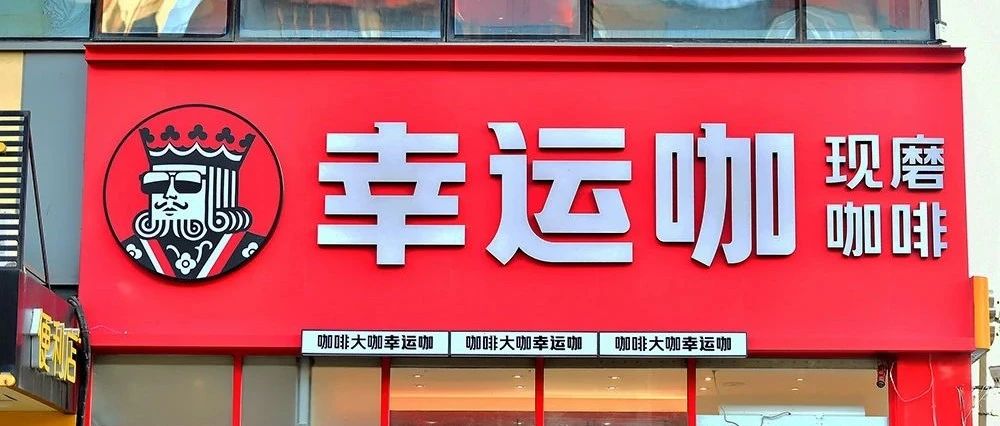
Core Viewpoint - The article discusses the expansion strategy of Mixue Ice City and its coffee brand, Lucky Coffee, focusing on their growth in both domestic and international markets, particularly in Southeast Asia [2][5][6]. Group 1: Expansion Plans - Lucky Coffee is preparing to open five stores in Malaysia, marking its first international expansion [2]. - The brand aims to reach over 10,000 stores by the end of this year, with current store numbers exceeding 7,000 [5]. - Mixue Ice City plans to have over 46,000 global stores by early 2025, with nearly 5,000 located outside mainland China, primarily in Southeast Asia [2][5]. Group 2: Market Position and Competition - As of the end of 2023, Lucky Coffee has become the fourth largest fresh coffee brand in China with nearly 3,000 stores [4]. - The coffee market in China has been highly competitive, and Lucky Coffee has faced challenges, including store closures and stagnation in growth [4]. - Lucky Coffee will compete with other Chinese brands like Luckin Coffee and Kudi in Southeast Asia, with Kudi having a rapid expansion plan aiming for 50,000 stores globally by the end of 2025 [8]. Group 3: Supply Chain and Operational Efficiency - Mixue Ice City has established a robust supply chain system that supports both its brand and Lucky Coffee, allowing for cost-effective operations [6]. - The company operates 27 self-managed warehouses in China and 7 in Southeast Asia, totaling approximately 69,000 square meters [6]. - The recent IPO on the Hong Kong Stock Exchange is expected to enhance Mixue Ice City's global expansion and supply chain capabilities [6]. Group 4: Financial Performance and Market Challenges - Following a downgrade by UBS, Mixue Ice City's stock price has declined from nearly 620 HKD to below 500 HKD due to high valuations and challenges in overseas markets [7]. - The company aims to utilize 66% of the proceeds from its global offering to upgrade its supply chain [6].
茶咖日报|多个奶茶品牌被检出含反式脂肪酸
Guan Cha Zhe Wang· 2025-08-25 12:10
Group 1: Milk Tea Brands and Health Concerns - Multiple milk tea brands, including Heytea and Naixue Tea, were found to contain trans fats and high sugar levels, with Mixue Ice City’s pearl milk tea having 50.82 grams of sugar per 650ml, exceeding the recommended daily limit of 50 grams [1] - Heytea's roasted brown sugar bubble milk tea had a sodium content of 942mg/kg, translating to approximately 1.2 grams of salt per 500ml serving, marking it as the "salt champion" [1] - The presence of trans fats in products from several brands, including Heytea and Naixue Tea, raises health concerns, as long-term consumption is linked to increased cardiovascular disease risk [1] Group 2: Company Responses to Health Claims - Heytea responded to the health claims, stating that the detected trans fats are from natural sources in dairy products, and emphasized the use of high-quality ingredients [2] - Bawang Chaji also denied the claims, asserting that their product met national food safety standards regarding trans fat content [2] Group 3: Coca-Cola's Strategic Evaluation of Costa Coffee - Coca-Cola is considering selling its UK coffee brand, Costa Coffee, and has engaged Lazard to explore potential sale options, following its acquisition of the brand for £3.9 billion in 2018 [3] - Costa Coffee operates in 50 countries and includes a comprehensive business model with chain stores, ready-to-drink products, and coffee machines [3] - Initial bids from potential buyers may be submitted in early autumn, but the sale process remains uncertain [3] Group 4: Tea Yan Yue Se's Apology for Design Issues - Tea Yan Yue Se issued an apology for allegedly copying designs from four bloggers in their new product line, acknowledging unauthorized use of certain elements [4][5] - The company plans to establish a dedicated investigation team to address management and design oversight issues to prevent future occurrences [5] Group 5: Keurig Dr Pepper's Acquisition of JDE Peet's - Keurig Dr Pepper announced its acquisition of JDE Peet's for €15.7 billion, with plans to split into two independent companies focusing on North American beverages and global coffee [6] - The acquisition price of €31.85 per share represents a 33% premium over JDE Peet's average stock price [6] - This move is seen as a significant transformation in the beverage industry, with KDP aiming to establish itself as a global coffee leader [6] Group 6: Lucky Coffee's International Expansion - Lucky Coffee, a brand under Mixue Group, opened its first overseas store in Malaysia, selling nearly 2,000 cups on the opening day [7] - The store incorporates local cultural elements into its design and product offerings, including localized flavors like matcha lemon and strawberry iced tea [7] - Lucky Coffee has rapidly expanded in the domestic market, surpassing 7,000 signed stores by July, marking a new phase in its international growth [7]



36氪晚报|海底捞:上半年营收207亿元,同比下降3.7%;KDP宣布将收购皮爷咖啡母公司JDE Peet's;贝莱德暂停最新亚洲私募信贷基金募资
3 6 Ke· 2025-08-25 11:12
Company Performance - Haidilao reported a revenue of 20.7 billion yuan for the first half of the year, a year-on-year decrease of 3.7%, with a net profit of 1.76 billion yuan, down 13.7% year-on-year [1] - Dongfeng Motor's management stated that there are currently no further capital operation plans following the privatization of Dongfeng Group, focusing instead on professional integration and strategic positioning [2] - Keep achieved a revenue of 822 million yuan in the first half of 2025, with an adjusted net profit of 10.35 million yuan and a gross profit of 429 million yuan, increasing the gross margin from 46.0% to 52.2% year-on-year [2] - Maoyan Entertainment reported total revenue of 2.472 billion yuan for the first half of 2025, a year-on-year increase of 13.9%, with a net profit of 179 million yuan [3] - Pinduoduo's second-quarter revenue reached 103.98 billion yuan, a year-on-year growth of 7%, while net profit decreased by 4% to 30.75 billion yuan [4] Corporate Adjustments - Porsche announced adjustments to its battery business, with its subsidiary Cellforce focusing on battery cell development and reducing staff in a responsible manner [5] - KDP announced the acquisition of JDE Peet's in a cash transaction, with the deal expected to close in the first half of 2026 [6] New Products and Initiatives - Zeekr 9X, the world's first 900V hybrid full-size SUV, will start pre-sales at the Chengdu Auto Show on August 29, with the top configuration priced at 599,800 yuan [7] - A new energy technology company, Times Qiji New Energy Technology (Yulin) Co., Ltd., was established under CATL, focusing on charging pile sales and related services [8] - Tencent Meeting launched an "AI Minutes" feature that generates real-time meeting minutes and allows users to ask questions post-meeting [9] - Xiaopeng Motors has deployed hundreds of humanoid robots on its production line, primarily for algorithm training and data collection [10] Market Trends - Huawei Cloud announced an organizational restructuring to focus more resources on AI and computing industries [11] - Singapore's inflation rate dropped to 0.6% in July, lower than expected, indicating a potential economic slowdown [11] - India's crude oil imports fell to a near 18-month low of 18.56 million tons in July, a decrease of 8.7% month-on-month [12]

咖啡业务增长遇阻 Keurig Dr Pepper(KDP.US)以157亿欧元收购JDE Peet‘s破局
智通财经网· 2025-08-25 08:06
Core Viewpoint - Keurig Dr Pepper (KDP) announced a cash acquisition of JDE Peet's NV for €15.7 billion (approximately $18.4 billion) to revitalize its struggling coffee business, with the deal priced at €31.85 per share, representing a 20% premium over JDE Peet's closing price on August 22 [1] Company Summary - JDE Peet's is a global leader with over 50 coffee and tea brands, including well-known names like L'OR, Peet's, and Jacobs, which will significantly expand Keurig Dr Pepper's product portfolio [1] - Keurig Dr Pepper's coffee business in the U.S. is currently facing growth challenges, with coffee sales remaining flat in the second quarter, despite price increases on K-Cups partially offsetting cost pressures [1] - Since the merger of Keurig and Dr Pepper in 2018, the coffee segment has struggled to achieve growth due to intensified market competition, making this acquisition a key strategic move for Keurig Dr Pepper to turn around its performance [1]
星巴克劲敌要卖了
Hu Xiu· 2025-08-25 08:04
Core Viewpoint - Coca-Cola is planning to sell Costa Coffee, with a significant price drop from its original acquisition cost, indicating a shift in strategy amid increasing competition in the coffee market [2][14][17]. Group 1: Company Developments - Coca-Cola is collaborating with Lazard to evaluate the sale of Costa Coffee, having already engaged in preliminary talks with private equity firms [2][13]. - Costa Coffee was acquired by Coca-Cola for £3.9 billion (approximately ¥34.7 billion) in 2018, but the current sale price is expected to be around £2 billion (approximately ¥19.4 billion), reflecting a 50% decrease [2][14]. - As of the end of 2023, Costa Coffee generated revenues of £1.22 billion (approximately ¥12.8 billion) and operates over 4,000 stores globally [11]. Group 2: Market Context - The coffee market has become increasingly competitive, with major players like Starbucks, McDonald's (McCafé), and Tim Hortons aggressively expanding their coffee offerings [17]. - Starbucks China is also in talks for a potential sale, with its market share dropping from 34% in 2019 to an estimated 14% in 2024, despite a valuation increase from $5-6 billion to potentially $10 billion [21][22]. - The global coffee market is undergoing significant changes, with multiple brands, including Costa and Peet's Coffee, facing strategic shifts and potential acquisitions [26][29]. Group 3: Strategic Implications - Coca-Cola's decision to divest Costa Coffee is seen as a move to focus on its core beverage business and reduce reliance on lower-margin products [17][27]. - The ongoing changes in the coffee industry reflect broader economic trends, with companies adapting to competitive pressures by shifting from "heavy asset" to "light asset" strategies [27][29]. - The current environment presents opportunities for investors looking to acquire undervalued assets in the coffee sector [28].

刚刚,星巴克劲敌要卖了
投资界· 2025-08-25 07:27
Core Viewpoint - The global coffee market is undergoing significant changes, with major players like Coca-Cola and Starbucks considering divestitures amid increasing competition and shifting market dynamics [2][10]. Group 1: Coca-Cola and Costa Coffee - Coca-Cola is reportedly evaluating the sale of Costa Coffee, having initially acquired it for £3.9 billion (approximately ¥34.7 billion) in 2018, but is now considering a sale price of only £2 billion (approximately ¥19.4 billion), indicating a significant depreciation in value [3][11]. - Costa Coffee's revenue was £1.22 billion (approximately ¥12.8 billion) in 2023, but the company has faced challenges in maintaining growth due to economic conditions and inflationary pressures [8][12]. - The competitive landscape has intensified, with rivals like Starbucks and fast-food chains such as McDonald's and Tim Hortons eroding market share, particularly in China, which is a crucial market for Costa [12][10]. Group 2: Starbucks and Market Dynamics - Starbucks China is also in talks for a potential sale, with interest from various investment firms, reflecting the competitive pressures it faces from local brands like Luckin Coffee and others [14][15]. - Starbucks' market share in China has dropped from 34% in 2019 to an estimated 14% by 2024, yet its valuation has increased significantly, with potential bids reaching up to $10 billion [15]. - The coffee market is experiencing a broader trend of consolidation and strategic realignment, as companies adapt to fierce competition and changing consumer preferences [16][17]. Group 3: Industry Trends - The coffee industry is witnessing a major reshuffling, with established brands like Costa and Starbucks reassessing their strategies in response to market pressures [13][16]. - The trend of divestitures and acquisitions is indicative of a larger shift in the consumer sector, where companies are moving from heavy asset models to lighter asset strategies to remain competitive [17].

克里格胡椒博士将收购皮爷咖啡母公司JDE Peet's,总股权对价157亿欧元
Xin Lang Cai Jing· 2025-08-25 07:09
Core Viewpoint - Keurig Dr Pepper has announced a definitive agreement to acquire JDE Peet's, the parent company of Peet's Coffee, in an all-cash transaction valued at €15.7 billion [1] Group 1: Acquisition Details - The acquisition will be completed in cash, with a total equity consideration of €15.7 billion [1] - Following the acquisition, Keurig Dr Pepper plans to split into two independent publicly traded companies focusing on soft drinks and coffee businesses respectively [1]