
跨境电商

Search documents
跨境格局要变?!亚马逊发布2026“新四大战略”
Sou Hu Cai Jing· 2025-12-07 02:11
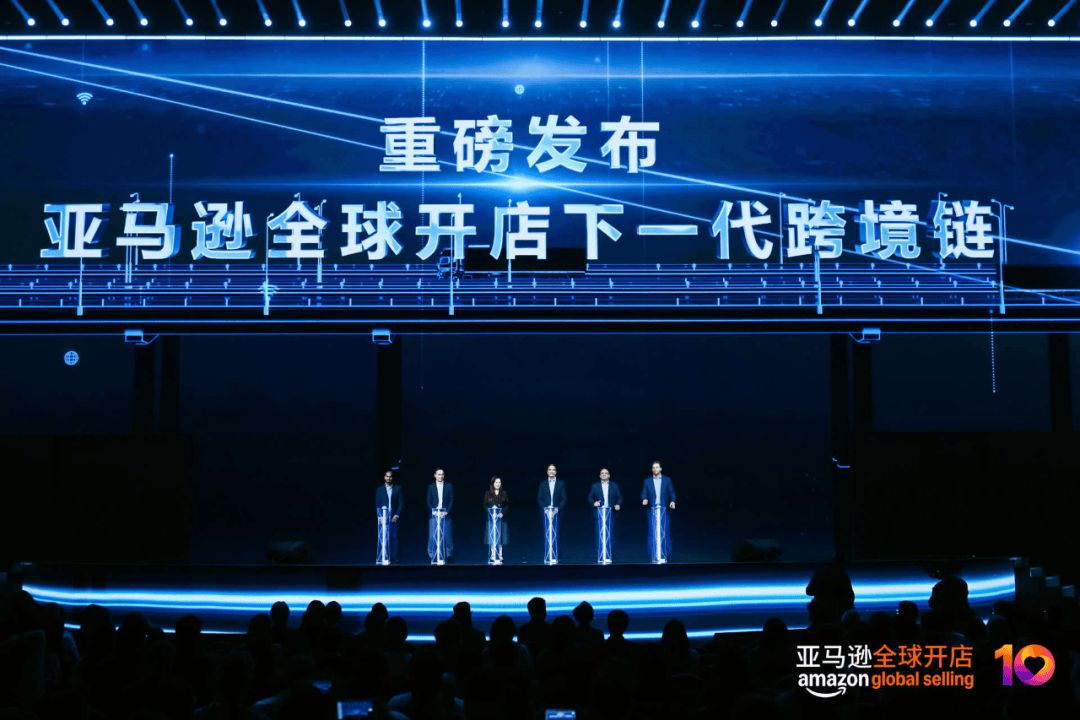
Core Insights - Amazon has officially announced its "Next Generation Global Selling" strategy, aiming to enable sellers to achieve "one listing, global selling" by 2026 through a restructured supply chain architecture [3][5] - The company revealed four strategic focuses for 2026: AI-driven initiatives, boundary-breaking expansion, smart logistics, and local support [5][6] - The latest data indicates a significant increase in the number of medium and large sellers, with sales exceeding $2 million, $5 million, and $8 million growing over 20%, and those surpassing $10 million increasing nearly 30% [6][7] Group 1 - The "Next Generation Global Selling" strategy allows sellers to store products in a local warehouse, with automatic synchronization of product information across over 20 global sites, optimizing logistics and reducing complexity [3][6] - The "boundary-breaking expansion" strategy will continue to enhance support for Chinese sellers in emerging markets, where growth rates have already exceeded 30% [5][6] - The "smart logistics" strategy will leverage AI and automation to optimize the global warehouse network, with the Shenzhen Global Intelligent Hub Warehouse being a key component [5][6] Group 2 - The shift in cross-border e-commerce is moving from reliance on manual operations to a more standardized and brand-focused competition, emphasizing the importance of understanding market cultures and utilizing AI for optimization [6][7] - The unified system for global management will become a common choice for more Chinese sellers, as Amazon reshapes the underlying logic of cross-border e-commerce [7] - The upcoming changes in 2026 are expected to lead to a new round of industry reshuffling, marking the beginning of a new decade for Chinese sellers [7]


与世界各国共享机遇共同发展——扩大高水平对外开放 开创合作共赢新局面
Ren Min Ri Bao· 2025-12-06 22:04
Group 1 - The core viewpoint emphasizes that open cooperation and mutual benefit are essential requirements for China's modernization, especially in the context of a rapidly changing global landscape and economic challenges [1] - The "14th Five-Year Plan" suggests steadily expanding institutional openness, maintaining a multilateral trade system, and promoting international circulation to share opportunities and develop together with other countries [1][2] - China aims to proactively shape its international environment and leverage favorable conditions to enhance strategic initiatives during the "14th Five-Year" period [1] Group 2 - The concept of "autonomous openness" is highlighted as a key feature of China's high-level opening-up strategy, which includes building the Hainan Free Trade Port and high-quality cooperation in the Belt and Road Initiative [2][3] - The recent China International Import Expo showcased active trade growth from the Global South, indicating China's commitment to engaging with developing countries through favorable trade terms [2] Group 3 - The relationship between deepening reforms and increasing openness is emphasized, with a call for expanding institutional openness to promote development [4] - The Hainan Free Trade Port is set to launch full island closure operations, focusing on aligning with international high-standard economic and trade rules [4] Group 4 - China's foreign trade remains a crucial engine for economic growth, with the country maintaining the largest goods trade scale globally and the second-largest service trade scale [6] - The "14th Five-Year Plan" aims to enhance the quality and efficiency of foreign trade, establishing China as a trade powerhouse [6][7] Group 5 - The development of service trade is identified as a key area for future autonomous openness, with a focus on encouraging service exports and optimizing policies for inbound tourism [8] - The rise of digital trade and cross-border e-commerce is noted, with significant growth in international cargo volumes at key ports [9] Group 6 - The strategy of dual-direction investment cooperation is emphasized, combining "bringing in" and "going out" approaches to enhance China's open development [10] - The need to create a favorable investment environment and promote reinvestment by foreign enterprises in China is highlighted [12] Group 7 - The establishment of a comprehensive overseas service system is crucial for enhancing the global capabilities of enterprises, providing support throughout the investment process [13] - The "Shenzhen Outbound E-Station" platform aims to support enterprises in various aspects of international operations, enhancing their risk management capabilities [13]
在青岛做跨境电商
Jing Ji Ri Bao· 2025-12-06 21:59
Core Insights - The Qingdao Free Trade Zone, which occupies only 0.46% of the city's land, accounts for over 20% of Qingdao's total foreign trade import and export volume, highlighting its significance in facilitating international trade [1] Group 1: Challenges Faced by Companies - Companies like Qingshan Electronics and Zhongsheng Bearing face significant challenges in exporting their products, including the need for overseas clients and understanding customs and tax refund processes [2][3] - The high costs associated with establishing an in-house foreign trade team deter many small and medium-sized enterprises (SMEs) from pursuing international markets [2][3] - SMEs often struggle with compliance standards, logistics costs, and the complexities of international shipping, which complicate their ability to export effectively [2][3] Group 2: Solutions and Innovations - Qingdao First Logistics has emerged as a key player by providing comprehensive supply chain services that address the pain points of SMEs, enabling them to successfully enter overseas markets [4] - The establishment of a cross-border e-commerce public service platform in Qingdao has streamlined the customs process, significantly increasing the volume of orders processed [5][6] - The introduction of a "full custody service" by the Qingdao Free Trade Zone logistics center allows small shipments to be consolidated, reducing costs and improving efficiency for SMEs [10][11] Group 3: Growth and Development - The number of cross-border e-commerce companies in Qingdao has surged, with the public service platform processing an average of 37,000 orders daily, reflecting the rapid growth of the industry [6] - The Qingdao Customs has adapted to the increasing volume of exports by enhancing operational efficiency and implementing new inspection protocols [7] - The logistics center is actively working to retain clients by offering innovative services and training programs, positioning itself as a vital resource for businesses in the region [9][12]
俄罗斯电商爆发:平台碾压独立站的“冰与火”
Sou Hu Cai Jing· 2025-12-06 13:15
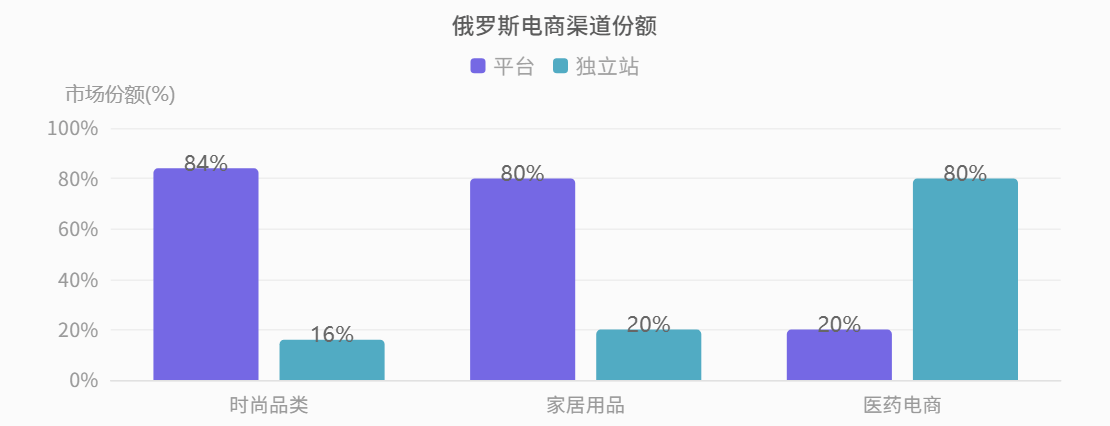
Core Insights - The article emphasizes that for most businesses looking to enter the Russian market, leveraging comprehensive e-commerce platforms like Wildberries and Ozon is a more practical and advantageous choice compared to building independent sites due to the unique market environment, infrastructure, and consumer habits in Russia. Comparison of E-commerce Models - **Trust and Traffic**: Comprehensive platforms have a significant advantage with millions to tens of millions of monthly active users, which helps resolve consumer trust issues. In contrast, independent sites must invest heavily to build brand recognition and attract traffic, facing challenges in a market with generally low trust levels [3]. - **Payment and Settlement**: Platforms offer various localized payment methods (e.g., cash on delivery) and handle complex cross-border settlement issues, providing a secure channel for sellers. Independent sellers face high risks as international payment channels (e.g., Visa, PayPal) have exited, making it extremely difficult for small sellers to establish secure and reliable ruble collection channels [4][5]. - **Logistics and Delivery**: Platforms have built extensive logistics networks (e.g., Ozon has thousands of pickup points), effectively addressing the "last mile" delivery challenge with next-day delivery in core cities. Independent sellers must manage local delivery service providers, which are limited in Russia, leading to high logistics costs and uncertain delivery times [6]. - **Operational Barriers and Costs**: Platforms lower the entry barriers by providing standardized store management, marketing tools, and logistics services, allowing sellers to focus on product selection and operations with relatively controllable startup costs. Independent sellers face high barriers, needing to handle website development, technical maintenance, multi-channel marketing, and customer service, requiring significant resources and expertise [7][8]. Recommendations for Product Selection and Operations - **Precise Product Selection**: The Russian market has a sustained demand for clothing, electronics, home goods, and auto parts. Chinese products like mobile phones, small appliances, and fast fashion clothing are highly competitive. Sellers should also monitor seasonal bestsellers and emerging categories like smart home devices and pet products [9]. - **Deep Localization**: Beyond translating product information into Russian, sellers should localize designs to fit local aesthetics, provide detailed product specifications (as Russian consumers value this), and ideally offer Russian-speaking customer service to significantly enhance conversion rates [10]. - **Marketing Timing**: Sellers should align marketing efforts with important Russian holidays and shopping seasons, such as New Year (the largest sales season), International Women's Day (a significant gift-giving occasion), and "Double Eleven," planning marketing activities in advance [10]. - **Compliance Management**: Russia has mandatory product certification requirements (e.g., EAC certification). After joining a platform, sellers must thoroughly understand platform rules and local regulations to ensure product qualifications are complete, avoiding losses due to compliance issues [10]. Policy Implications - The introduction of a visa-free policy between China and Russia is expected to facilitate cross-border e-commerce development, making business exchanges more convenient and reducing costs for Russian buyers visiting China for market exploration [12][15].
前海1700亿“招商优胜”背后,重大项目何以纷至沓来?
2 1 Shi Ji Jing Ji Bao Dao· 2025-12-06 02:50
(原标题:前海1700亿"招商优胜"背后,重大项目何以纷至沓来?) 21世纪经济报道记者 陈思琦 深圳报道 40个签约项目、总投资额超1700亿元,在12月5日举行的2025深圳全球招商大会上,前海荣获年度"招商优胜区",投资额较去年增加近700亿元。 大会现场,前海集中展示了6个标志性落户项目,包括蚂蚁集团大湾区研发总部、芬兰通力电梯南方总部、香港中电控股内地总部、滴滴出行大湾 区总部、谷歌跨境电商加速中心、山东魏桥新能源船舶采购及换电运营中心等,均为行业巨头的重点业务项目。 在全球经济充满不确定性的背景下,前海因何成为大项目争相落户的热土? 2024年,中国海洋生产总值首次突破10万亿元,成为经济增长又一强力引擎。而前海坐拥68公里活力海岸带,规划布局了蛇口国际海洋城、大铲 湾、海洋新城等海洋经济核心片区,今年以来项目落地频频。 例如山东魏桥新能源船舶采购及换电运营中心项目,将服务水路货物运输业务,打造船舶电动化、智能化技术创新应用标杆;中建投融资租赁公 司7月在前海新设2个船舶融资租赁SPV(特殊目的公司),中信金融租赁有限公司8月亦新设4个船舶融资租赁SPV,前海船舶租赁资产价值跃居 全国第三。 分析 ...
焦点科技副总裁李丽洁:真正具有战略定力的企业在加速全球化布局
2 1 Shi Ji Jing Ji Bao Dao· 2025-12-06 01:52
Core Insights - The forum focused on the theme "Innovation Without Boundaries, Intelligence to See the Future," highlighting the importance of digitalization and AI in the context of cross-border trade and globalization [1]. Group 1: Digitalization and Cross-Border Trade - Companies have evolved from early attempts at using digital platforms to now having digital tools as standard for going global, with a shift from B2B cross-border e-commerce to a mature ecosystem including B2C, cross-border logistics, and payment [1]. - The challenges faced by Chinese companies have shifted from initial technology and channel issues to more complex regional compliance, localization operations, and supply chain restructuring [1]. Group 2: Globalization Strategy - In the face of geopolitical pressures and tariff barriers, companies with strategic determination are accelerating their global expansion, with leaders planning their production capacity and supply chains more rationally [2]. - The launch of the "New Maritime Plan" by the company aims to assist businesses in penetrating emerging markets in Southeast Asia, the Middle East, and Africa, fostering deep connections with local business associations and channel partners [2]. Group 3: AI Integration - The company is strategically advancing AI empowerment across the entire supply chain, providing AI tools for buyers and sellers to enhance user experience and transaction efficiency [2]. - AI model technology is expected to bring profound changes to cross-border trade, necessitating companies to adopt AI in both product strategies and platform operations [2]. Group 4: Future Outlook - There is confidence in the ability of Chinese companies, especially SMEs, to expand globally through a combination of digitalization and deep localization [4]. - The importance of human connections remains significant in the current wave of globalization, emphasizing that while digital tools are crucial, the inherent warmth and decision-making ability of individuals are invaluable [4]. - With the support of digital tools and platforms, combined with the determination and flexibility of entrepreneurs, Chinese manufacturing is expected to continue rising in the global value chain [4].

济宁分行:西城支行联合阿里巴巴济宁分公司举办进出口贸易峰会
Sou Hu Cai Jing· 2025-12-06 01:41
Core Insights - The event aims to strengthen cooperation between banks and enterprises, creating a platform for communication among import and export companies [2] - The collaboration between Jining Xicheng Branch and Alibaba Jining focuses on integrating resources to provide comprehensive cross-border financial services [2] - The summit received positive feedback from participating companies, highlighting its relevance to actual business needs [2] Group 1: Event Overview - On November 12, Jining Xicheng Branch and Alibaba Jining held an import and export trade summit [2] - The summit aimed to leverage Alibaba's e-commerce ecosystem and the bank's financial service experience [2] - The event included discussions on current import and export trade policy trends and financial tool applications [2] Group 2: Financial Services Offered - The collaboration will provide one-stop cross-border financial services, including payment settlement and financing support [2] - Customized financial solutions were introduced to meet the needs of enterprises of different sizes [2] - The content of the presentations combined policy insights with practical applications to clarify development directions for businesses [2] Group 3: Future Plans - Jining Xicheng Branch plans to continue enhancing cross-border financial services and deepen outreach activities [2] - The focus will be on accurately matching enterprise needs and innovating financial service models [2] - The goal is to support local enterprises in expanding overseas markets and inject strong financial momentum into the region's export-oriented economic development [2]


市值超596亿!安克创新已递交港股上市申请
Sou Hu Cai Jing· 2025-12-06 00:04
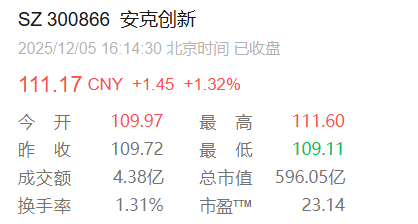
Core Viewpoint - Anker Innovations, a leading cross-border e-commerce company, has submitted a prospectus to the Hong Kong Stock Exchange for a public listing, aiming to enhance its capital strength and global strategy [1][3][5]. Group 1: Listing Details - Anker Innovations plans to raise approximately $500 million (around 3.535 billion RMB) through its Hong Kong IPO, marking a significant step in its global expansion strategy [3][5]. - The company has already been listed on the A-share market since 2020 and aims to become one of the few cross-border e-commerce firms with both A-share and H-share listings [3][5]. - The listing process has been expedited, with the board approving the proposal on November 10 and the prospectus submitted on December 2, indicating a strong commitment to the dual listing structure [5]. Group 2: Financial Performance - In the first three quarters of the year, Anker Innovations reported a nearly 30% increase in revenue and net profit, but faced a significant cash flow issue with a net cash flow of -865 million RMB, a decline of 152.38% year-on-year [8]. - The company relies heavily on overseas revenue, with 96.7% of its income coming from international markets, particularly North America, which contributes 45.2% of total revenue [9]. Group 3: Strategic Implications - The IPO is seen as a crucial move to alleviate cash flow pressures and support the company's global strategy, allowing for investment in product innovation, supply chain management, and brand enhancement [10][11]. - The listing will also facilitate better engagement with international investors, particularly in the U.S. and Europe, aligning with the company's focus on overseas markets [10][11]. - Anker Innovations aims to optimize partnerships with global retailers and enhance localized marketing efforts to strengthen its competitive position in the consumer electronics sector [12].

创新工作机制 强化通道建设 甘肃多举措稳外贸提质效
Jing Ji Ri Bao· 2025-12-05 22:23
近日,一批贴有"天水花牛"标识的鲜苹果完成装柜,正式启程发往印度尼西亚勿拉湾港口。针对苹 果"保鲜期短、船期紧"的特点,天水海关专门组建服务专班,优化"属地查验—证书签发—口岸放行"全 流程。 助力农产品拓展国际市场,是甘肃推动外贸保稳提质的一个缩影。近年来,甘肃充分发挥外经 贸"1+5+N"工作机制效能,全面落实支持外经贸企业稳定发展的19项措施,并制定详细项目实施方案。 在通道建设上,甘肃积极融入高质量共建"一带一路"和西部陆海新通道建设,持续强化陆上、空中、网 上"三大通道"功能,不断巩固在国家向西开放布局中的战略通道地位。目前,甘肃已开通中欧、中亚、 南亚、陆海新通道、"中吉乌"中亚新通道及东部海港铁海联运等"四向多条"国际货运班列,线路覆盖20 多个国家和地区。 在"引进来"与"走出去"双向发力方面,甘肃省商务厅组织召开全省海外协同招商工作座谈会,建立海外 招商协同联动机制。陆海新通道运营甘肃有限公司积极对接东盟企业,推动东南亚的火龙果、青柚、榴 莲等水果以公铁联运方式运抵兰州。 此外,甘肃积极推进兰州、天水跨境电商综试区建设,两地分别建成七里河跨境电商产业园和天水跨境 电商产业园,促进跨境电商产业 ...
补上跨境电商退货短板
Jing Ji Ri Bao· 2025-12-05 22:19
最近,有跨境电商卖家反映,万圣节相关商品售出5600多单,其中有1700多单退货。然而,因退货成本 常超过商品本身售价,叠加海外仓拒收、清关流程复杂、缺乏统一逆向物流标准等,导致大量退货长时 间滞留。近年来,我国跨境电商进出口规模持续攀升,2024年总额达2.71万亿元,连续3年保持9%以上 增速。破解高增长下的"退货困局",补上跨境电商退货物流短板,是降低卖家成本、提升消费者体验的 重要举措,更将促进跨境电商从快速增长向高质量发展跨越。 筑牢物流基础,畅通回程"动脉"。将跨境电商退货物流体系纳入国家现代物流体系建设整体布局,统筹 考虑退货集散枢纽与海外前置处理节点的功能定位。与主要贸易伙伴建立互认的退货便利化规则,减少 清关障碍。鼓励国际物流企业与海外仓运营主体深化合作,推广集货退运模式。将海外仓升级为具备自 动化和翻新能力的区域性枢纽,以规模化运营降低物流成本,加速退货检测、维修和再销售。支持在综 保区、综试区推广"退货中心仓"机制,让退货商品能够高效完成入境申报、质检、翻新及重新上架的无 缝衔接。 深耕绿色合规,打造循环生态。企业应对标国际环境、社会和公司治理(ESG)准则,建立健全退货全 生命周期可持 ...