云辇智能车身控制系统

Search documents
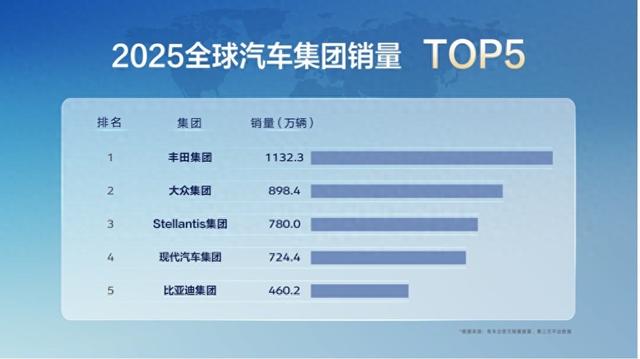
比亚迪2025年销量跻身全球前五,创中国车企集团历史纪录
Xin Lang Cai Jing· 2026-02-10 06:13
Core Insights - BYD has achieved a historic milestone by becoming the first Chinese automotive group to enter the global top five in vehicle sales, with an annual sales figure of 4.602 million units in 2025, marking a significant shift in the global automotive industry landscape [1][9] - The company has consistently ranked first in global new energy vehicle sales for four consecutive years, demonstrating its dominance in the sector [2][4] Sales Performance - In 2025, BYD's new energy vehicle sales reached 4.602 million units, maintaining its position as the global leader in this category [2] - The company surpassed Tesla in pure electric vehicle deliveries with 2.257 million units in 2025, indicating a shift in market leadership [4] - BYD's sales growth is notable, with an 18.3% year-on-year increase, contrasting with the stagnation or decline seen among traditional automotive giants [1][2] Market Expansion - BYD's overseas sales exceeded 1 million units for the first time, accounting for over 22% of total sales, with a remarkable 145% year-on-year growth [4][8] - In Europe, BYD registered 187,657 new vehicles in 2025, reflecting a 268.6% increase, and it leads in several emerging markets [5][6] Strategic Focus - The company aims to prioritize overseas expansion and high-end market penetration over low-cost strategies, emphasizing technology and value recognition [7] - BYD's success is attributed to its comprehensive capabilities across the entire supply chain, from battery production to vehicle manufacturing, which enhances its competitive edge [8] Technological Advancements - BYD has invested in core technologies and maintains a strong focus on R&D, developing advanced systems such as the fifth-generation DM hybrid technology and various intelligent driving solutions [7][8] - The company has established a vertically integrated supply chain, allowing it to remain competitive even in the face of tariffs [8] Future Outlook - BYD's entry into the global top five signifies a new phase for the Chinese automotive industry, driven by technological innovation and a focus on global competition [9] - With ongoing investments in overseas production facilities and continuous product development, BYD is positioned for further breakthroughs in the global market [9]


汽车行业周报:市场品牌化发力,政策托底启程-20260209
Guoyuan Securities· 2026-02-09 05:52
Investment Rating - The report maintains a "Recommended" investment rating for the automotive industry, indicating a positive outlook for the sector [6]. Core Insights - The automotive market is experiencing a significant shift towards brand differentiation, with new energy vehicle (NEV) manufacturers like Hongmeng Zhixing and Xiaomi achieving substantial year-on-year growth in delivery volumes, despite a decline compared to December [1][22]. - Over twenty provinces and cities in China have introduced subsidy policies to stimulate automotive consumption, aiming to stabilize the market amid downward pressures [2][26]. - Internationally, Canada is opening up to collaborations with Chinese NEV manufacturers, signaling a potential expansion of the automotive supply chain [3][42]. Summary by Sections Market Overview - In January 2026, several new energy vehicle brands reported delivery figures, with Hongmeng Zhixing leading at 57,915 units, a 65.6% increase year-on-year. Xiaomi followed with over 39,000 units, marking a strong start towards its annual sales target of 550,000 units [1][20]. - The overall automotive sector saw a 0.32% increase in stock performance during the week of January 31 to February 6, 2026, outperforming the broader market index [12]. Policy Developments - The Chinese government has initiated various consumer incentives, including trade-in and purchase subsidies, to support the automotive market. This includes a special plan for the Spring Festival to boost consumer spending [2][26]. - Canada's new automotive policy will replace previous electric vehicle mandates with a more flexible fuel efficiency standard, while also reintroducing consumer purchase subsidies [3][42]. Investment Recommendations - The report suggests focusing on companies with strong brand advantages and systematic capabilities, as these firms are likely to benefit from the market recovery and long-term growth opportunities in the automotive supply chain [4].
比亚迪推出全新品牌“领汇”,搭载天神之眼辅助驾驶系统
Feng Huang Wang· 2026-02-02 10:27
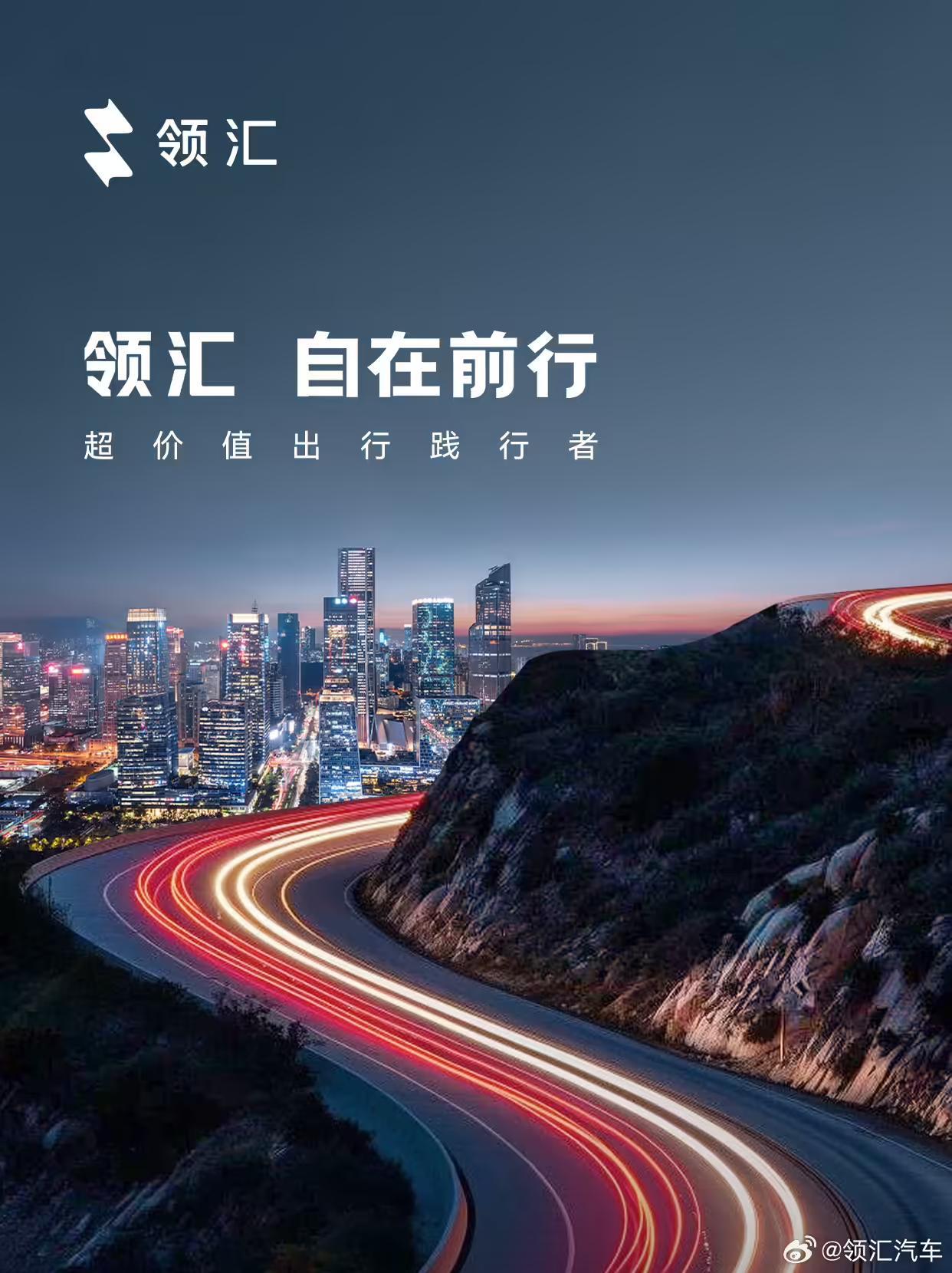
Core Viewpoint - BYD officially announced the launch of its new automotive brand "Linghui Auto," targeting the mobility market with a focus on "uncompromised technology and more affordable pricing" to fill a gap in the current electric vehicle market [1] Group 1: Market Positioning - Linghui Auto aims to address the market gap between high-priced luxury models and mainstream products that lack performance and experience [4] - The new brand is positioned to offer competitive pricing while enhancing the driving experience through advanced technology [4] Group 2: Technological Integration - Future products from Linghui Auto are planned to feature advanced systems such as the "Tianshen Eye" driver assistance system and the "Yunlian" intelligent body control system [4] - The brand will leverage existing technologies from BYD, including the e-platform 3.0, fifth-generation DM technology, and the eight-in-one electric drive platform [4]
比亚迪全新子品牌领汇汽车正式官宣亮相
Xin Hua Cai Jing· 2026-02-02 09:26
Group 1 - BYD's new sub-brand, Linghui Auto, officially announced its launch on February 2, positioning itself as a "super value mobility practitioner" with a vision to "redefine mobility through technological innovation" [1] - The brand emphasizes "uncompromising technology and more affordable prices" [1] - Linghui Auto will feature advanced systems such as the "Tianshen Eye" driver assistance system and the Yunlian intelligent body control system, integrating resources from the e-platform 3.0 and fifth-generation DM technology for future vehicle models [1]
观察 粤企领跑扩招涨薪潮,腾讯、比亚迪、研祥如何招才引智
Nan Fang Du Shi Bao· 2026-01-19 13:07
Core Insights - The article emphasizes the importance of "stabilizing employment" as a key factor for "stabilizing the economy," with a focus on actions to enhance job quality and quantity for specific groups like college graduates and migrant workers [1] Group 1: Employment Strategies - Guangdong, as China's largest economy, has implemented measures to stabilize employment by enhancing recruitment and talent mechanisms in enterprises, leading to increased hiring and salary growth [1][3] - Companies like Tencent, BYD, and Yanzheng Group are shifting their focus from merely hiring more people to hiring the right talent, nurturing them, and retaining them [3][4] Group 2: Recruitment Trends - Recruitment is increasingly concentrated in "new technologies, new tracks, and new positions," with a significant focus on AI-related roles, which account for over 60% of Tencent's new job openings [4][6] - BYD's job growth is driven by the expansion of its industrial chain and technological upgrades, leading to a multi-layered demand for talent across various sectors [6] Group 3: Talent Development Mechanisms - Companies are implementing comprehensive training and development mechanisms to improve employment quality, with Tencent focusing on campus recruitment and internal training resources to facilitate the transition from school to work [7][8] - BYD emphasizes a "full-cycle" talent system that integrates recruitment, onboarding, and training, while also providing a structured growth path for employees [8][9] Group 4: Long-term Employment Quality - The article highlights that effective talent retention strategies, such as mentorship programs and multi-channel development paths, are crucial for reducing turnover and enhancing job quality [9][10] - Yanzheng Group's "Qingyan Society" focuses on matching talent with job requirements through systematic training and practical experience, thereby improving retention rates [9][12] Group 5: Broader Implications for Innovation and Industry Resilience - The ability of companies to continuously attract and develop talent is seen as critical for innovation and industry resilience, with Tencent and BYD both investing in high-end talent and specialized training programs [10][12] - The article concludes that employment strategies are evolving from simple recruitment to a more integrated approach that combines talent development, adaptability, and alignment with industry upgrades [12]

比亚迪发布云辇智能车身控制系统
Xin Lang Cai Jing· 2026-01-15 06:03
Core Viewpoint - BYD has officially launched the Yun Nian intelligent body control system, aimed at systematically addressing body control issues in vertical directions, reflecting its commitment to technology and innovation [1][2] Group 1: Technological Development - In 2022, BYD invested 20.2 billion yuan in R&D, marking a year-on-year increase of 90.31%, showcasing its long-term commitment to technological advancement [1] - The company has introduced several groundbreaking technologies, including Blade Battery, e-platform, DM, and "Easy Four" to secure a technological edge in the era of electrification [1] Group 2: New Product Features - The Yun Nian system architecture includes perception, decision-making, and execution layers, enabling intelligent perception, precise decision-making, and efficient execution [2] - The system integrates five dimensions: people, vehicles, roads, clouds, and systems, ensuring timely and accurate signal collection for the vehicle, enhancing stability and passenger comfort [2] - The Yun Nian system consists of multiple architectures, including Yun Nian-A, Yun Nian-C, and Yun Nian-P, which will be gradually applied to various BYD models to strengthen its market position [2]
比亚迪:全球公务车市场的新能源破局者
Xin Lang Cai Jing· 2025-12-08 06:53
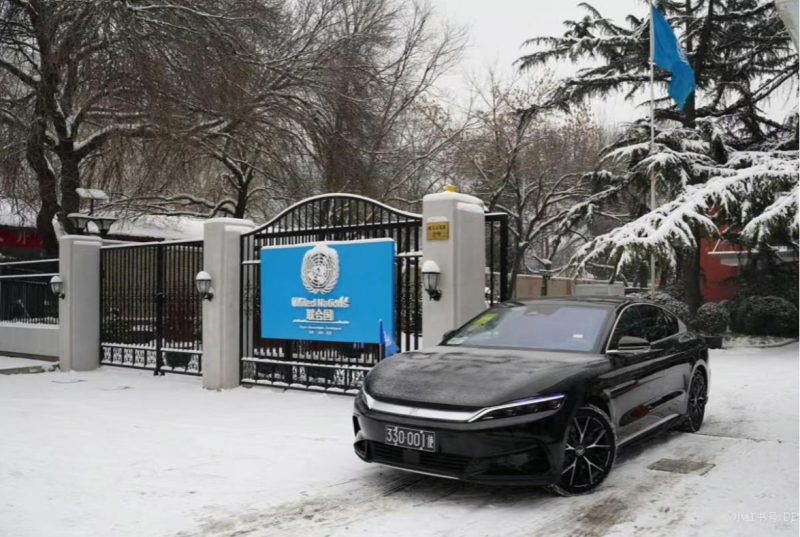
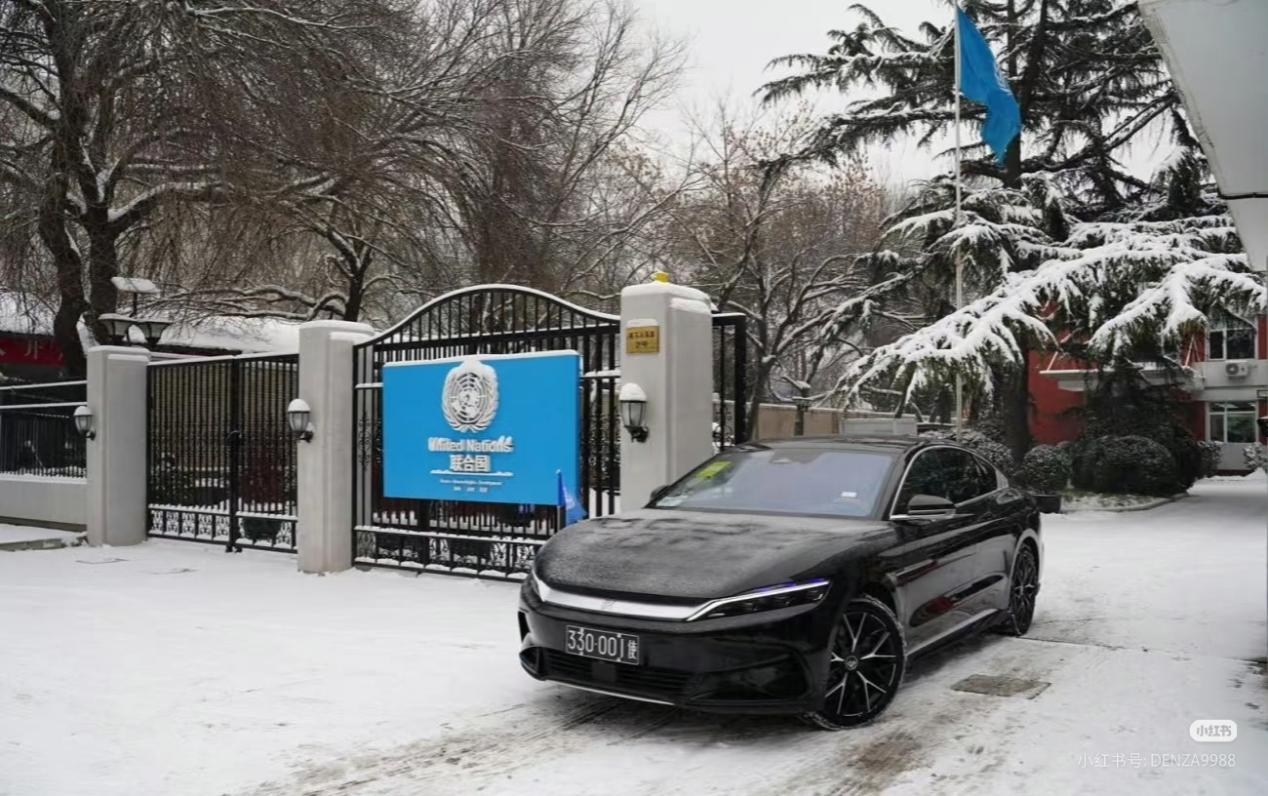
Core Insights - BYD is transforming the global public vehicle market by leveraging technological innovation and local adaptation, breaking the long-standing dominance of local and traditional luxury brands [1][8][13] Market Penetration - The global public vehicle market has historically been dominated by local brands and traditional luxury brands, with German brands holding over 60% of government procurement in Europe [1][8] - The shift towards electric vehicles is rapidly changing this landscape, with countries like Mexico, Hungary, and Brazil adopting BYD vehicles for various public service roles [3][5][6] Environmental Demand - The global push for low-carbon transitions is driving the adoption of electric vehicles in public fleets, with the EU mandating that by 2027, at least 50% of corporate fleets must be electric [5][6] - Traditional fuel vehicles emit approximately 5.08 tons of CO2 annually, while BYD's hybrid and electric models significantly reduce emissions [5] Technological Innovation - BYD's vehicles meet stringent reliability and safety standards required for public procurement, including rigorous testing for extreme conditions [9][10] - The unique blade battery technology and intelligent vehicle control systems enhance performance and reduce maintenance costs for government fleets [10][11] Sales Growth - BYD's overseas sales reached 417,200 units in 2024, with a significant increase to 917,000 units in the first 11 months of 2025, indicating a successful global strategy [12] - The share of overseas revenue in BYD's total revenue rose from 28% in 2024 to 36.5% in the first half of 2025, reflecting a shift from low-cost volume to technology-driven value [12] Industry Implications - BYD's success in the global public vehicle market illustrates a shift in the competitive landscape, moving from geographical advantages to technological value [8][13] - The transformation of BYD's approach signifies a broader change in the perception of Chinese manufacturing, emphasizing quality and innovation over mere quantity [12][13]
实力硬核!比亚迪在海外公务车市场获热捧
Chang Sha Wan Bao· 2025-12-05 09:14
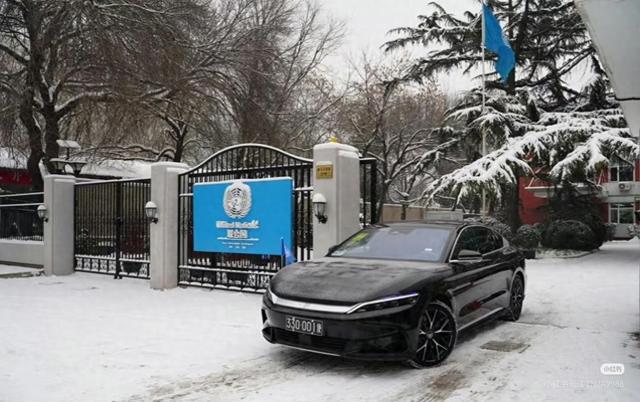
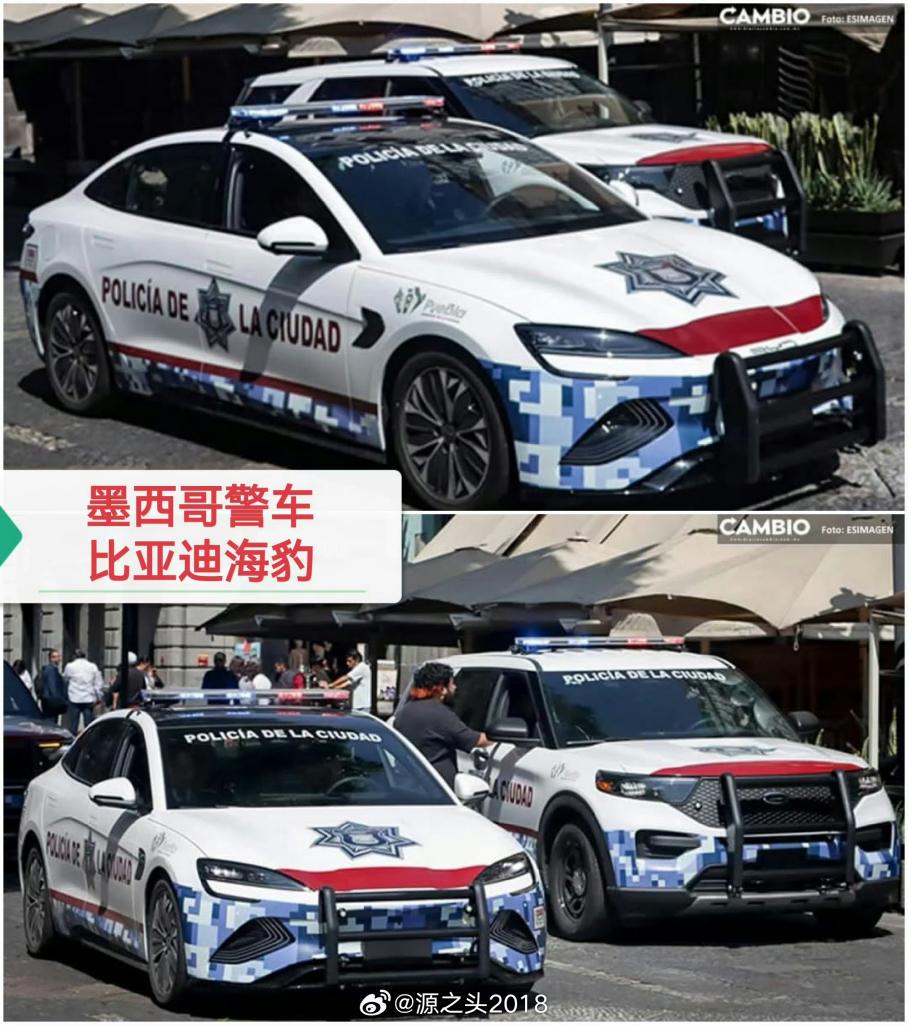
Core Insights - BYD is breaking into the overseas government vehicle market, traditionally dominated by local brands and established German and Japanese automakers [1][3] - Multiple countries are selecting BYD for police and government vehicles, indicating a shift towards electric and hybrid options in public service [3][5] Group 1: Market Penetration - BYD vehicles are increasingly seen in various international government settings, including police forces in Mexico and government fleets in Austria and Hungary [1][3] - The company has become a strategic partner for governments aiming to achieve low-carbon goals through its advanced electric and hybrid technologies [5] Group 2: Technological Advantages - BYD's blade battery is noted for its high safety and longevity, which reduces maintenance costs [5] - The DM-i super hybrid technology offers ultra-low fuel consumption and a quiet driving experience, making it suitable for diverse public service needs [5] - The Yun Nian intelligent vehicle control system enhances stability and comfort in complex driving conditions, catering to both daily commuting and emergency response [5] Group 3: Sales Performance - BYD's overseas sales reached 917,000 units from January to November 2025, surpassing the total overseas sales for 2024 [6] - The company has established a presence in 117 countries and regions with its electric vehicle products, demonstrating significant global market acceptance [6] - BYD has maintained its position as the global sales leader in pure electric vehicles for four consecutive quarters, showcasing the success of its international strategy [6]
中国制造新名片:全球公务车新能源破局者
2 1 Shi Ji Jing Ji Bao Dao· 2025-12-04 11:46
Core Insights - BYD is emerging as a disruptor in the global government vehicle market, traditionally dominated by local and established German and Japanese brands [2][3][5] - The company is increasingly chosen for police and government vehicles across multiple countries, including Mexico, Austria, Hungary, Uzbekistan, and Brazil [5][7] Group 1: Market Dynamics - The overseas government vehicle market is known for its high standards and barriers to entry, which have historically favored local brands and traditional automakers [3] - BYD is breaking this long-standing dominance by offering innovative electric and hybrid vehicles that meet the evolving needs of government agencies [2][3] Group 2: Environmental Trends - Environmental considerations have become a core standard in government vehicle procurement, with many countries setting targets for the electrification of their fleets [7] - BYD is positioned as a strategic partner for governments aiming to achieve low-carbon goals, providing solutions that address both low emissions and charging infrastructure challenges [7] Group 3: Technological Advantages - BYD's technological strengths include its blade battery known for high safety and longevity, DM-i super hybrid technology for ultra-low fuel consumption, and the Yun Nian intelligent vehicle control system for enhanced stability and comfort [9] - These innovations cater to diverse needs, from daily commuting to emergency response, solidifying BYD's reputation as a global brand [9] Group 4: Sales Performance - In the period from January to November 2025, BYD's overseas sales reached 917,000 units, significantly surpassing the total overseas sales for 2024 [9] - BYD's electric vehicle products are now available in 117 countries and regions, reflecting the success of its global strategy and the growing recognition of Chinese electric vehicle brands [9]
海外公务车“新标配”:比亚迪驶入多国政府车队
Huan Qiu Wang· 2025-12-04 10:20
Core Insights - BYD is emerging as a disruptor in the global government vehicle market, traditionally dominated by local and established German and Japanese brands [2][3] - The company is increasingly being chosen for police and government vehicles in various countries, including Mexico, Austria, Hungary, Uzbekistan, and Brazil [5] - Environmental considerations are becoming central to government vehicle procurement, with BYD leading the transition to low-carbon solutions through its full-chain new energy technology [7] Group 1 - BYD vehicles are now preferred choices for government agencies and police departments across multiple regions, including Europe, Asia-Pacific, the Americas, and the Middle East [1][5] - The company has been selected for significant contracts, such as the large-scale procurement of hybrid pickups in Mexico and government administrative vehicles in Austria [5] - BYD's presence is noted in high-profile locations, including the presidential offices of Uzbekistan and Brazil [5] Group 2 - The shift towards electric and hybrid vehicles is driven by the need to reduce emissions and energy consumption from traditional fuel vehicles [7] - BYD's technology, including its blade battery and DM-i hybrid technology, offers high safety, longevity, low fuel consumption, and enhanced driving comfort [9] - The company has achieved significant global sales, with overseas sales reaching 917,000 units from January to November 2025, surpassing the total for 2024 [9][10] Group 3 - BYD's products are now available in 117 countries and regions, establishing it as a global brand in the electric vehicle market [9] - The company has maintained its position as the sales leader in pure electric vehicle models for four consecutive quarters [9][10] - The recognition of BYD's global strategy success reflects the growing acceptance of Chinese electric vehicle brands in the international market [10]