
健身卡

Search documents
消费前如何避开大坑?这几个热门行业的避雷指南请收好
Xin Lang Cai Jing· 2026-01-06 10:47
Core Insights - The article emphasizes the importance of conducting thorough research before making consumer decisions to avoid potential pitfalls and losses, particularly in high-frequency consumption sectors [1][7] - It suggests utilizing third-party complaint platforms to check the historical records and user reviews of companies or brands to enhance consumer safety [1][7] Group 1: High-Complaint Areas - Instant delivery and takeaway services face significant complaints, including severe delays, food spillage, and foreign objects in food, indicating the need for consumers to check complaint records before choosing unfamiliar brands [4][10] - E-commerce and live-streaming sales often present discrepancies between advertised and actual products, with issues like false advertising and poor product quality being prevalent; consumers are advised to verify the reputation of sellers before purchasing [4][10] - Shared services and prepaid consumption models carry risks such as business failure or unilateral changes in service terms; consumers should assess the stability and reputation of these businesses through complaint platforms [4][10] Group 2: Multi-Channel Information Utilization - Official regulatory information can be accessed through the National Enterprise Credit Information Publicity System to verify company legitimacy and integrity [11][13] - Social media and content platforms like Weibo and Xiaohongshu provide real user experiences and discussions, serving as supplementary references for consumers [11][13] - Industry-specific communities and forums offer valuable insights from experienced users, making them a reliable source for understanding long-term product performance and issues [11][13] Group 3: Key Channels for Consumer Rights Protection - The 12315 platform serves as the primary official complaint channel, allowing consumers to report issues directly to market supervision authorities, particularly for illegal business practices [12][13] - Different industries have corresponding regulatory bodies for complaints, such as the National Financial Regulatory Administration for financial disputes and the Ministry of Industry and Information Technology for telecommunications issues [12][13] - Third-party public complaint mediation platforms, like the Black Cat Complaint platform, facilitate communication between consumers and businesses, providing a neutral space for issue resolution [9][12]
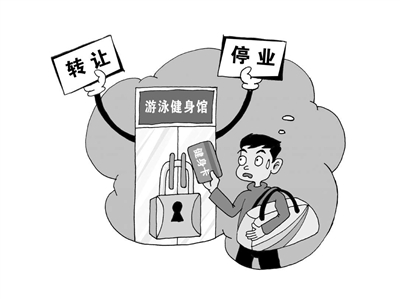
健身馆转让后停业 健身会员该找谁赔?
Xin Lang Cai Jing· 2026-01-05 19:46
Core Viewpoint - The court ruled that the original operator of a swimming and fitness center is responsible for compensating a member for losses incurred due to the closure of the facility after a transfer of ownership, as the transfer was made without the consent of the member holding an unexpired membership card [6][7]. Group 1: Case Background - A member named Jiang purchased a six-month fitness card for 800 yuan, valid from September 16, 2023, to March 16, 2024 [4]. - The original operator, Wen, transferred the gym to Dong on December 5, 2023, with an agreement that Dong would assume responsibility for the existing members, but Dong soon closed the facility [4][5]. Group 2: Legal Proceedings - Jiang filed a lawsuit against both Wen and the gym, arguing that he was unaware of the transfer and that Wen should be liable for the refund since he paid Wen directly [5]. - Wen claimed he was not responsible for refunds as he had transferred the gym and paid Dong a transfer fee of 70,000 yuan to take on the obligations [5]. Group 3: Court Ruling - The court determined that Wen remained liable for the debt incurred during his tenure as the operator, as the transfer of obligations to Dong was not valid without Jiang's consent [6][7]. - The court ordered Wen to refund Jiang 400 yuan for the unused portion of the membership [6]. Group 4: Expert Analysis - Legal experts emphasized the importance of consumer rights in cases of business ownership transfer, highlighting that consumers should be notified and have the right to consent to any transfer of their membership rights [8]. - The case illustrates the need for clarity in the responsibilities of original and new operators in consumer contracts, especially in businesses with prepaid services [8].

消费前如何避坑?先上投诉平台查口碑
Xin Lang Cai Jing· 2025-11-27 07:36
Core Viewpoint - The article emphasizes the growing trend of consumers utilizing complaint platforms to research businesses and avoid potential pitfalls before making purchasing decisions [1][2]. Group 1: New Consumer Rights Concept - The traditional model of consumer rights protection often involves seeking complaint channels only after rights have been infringed, which is time-consuming and uncertain. A new proactive approach is emerging, focusing on risk avoidance during the decision-making phase [2]. - This new concept leverages the transparency of information available on the internet, allowing consumers to assess businesses' past complaints and reputations before making purchases [2]. Group 2: Value of Official Complaint Platforms - The national 12315 platform serves as a key complaint channel, providing essential information such as business registration details, administrative penalties, and some complaint records, reflecting the compliance and credit status of enterprises [3]. Group 3: Third-Party Complaint Platforms - Third-party complaint platforms, like Black Cat Complaints, consolidate consumer complaints into a comprehensive database, offering valuable insights for future consumers [4]. - Black Cat Complaints features include: - Complete transparency of complaint content after anonymization, allowing public access [5]. - Convenient search functionality for users to find complaints related to specific businesses or products [5]. - Transparency in handling outcomes, showcasing response times and resolutions [5]. Group 4: Guidelines for Different Consumption Scenarios - In home renovation, consumers should check for: - Complaints about additional charges [6]. - Common issues with project delays [6]. - Frequency of complaints regarding substandard materials [6]. - Execution of after-sales service [6]. - In the education and training sector, consumers should focus on: - Alignment of course quality with promotional claims [8]. - Efficiency of refund mechanisms [8]. - Authenticity of teacher qualifications [8]. - Risks of institutions closing down [8]. - In fitness services, consumers should investigate: - Complaints about gyms closing unexpectedly [9]. - Issues with refunding personal training sessions [9]. - Problems related to service quality and facility maintenance [9]. Group 5: Effective Use of Complaint Platforms - Establishing a habit of researching complaint platforms before purchases can prevent future disputes, especially for high-value or prepaid services [10]. - Learning to interpret complaint data involves analyzing: - Types of complaints [10]. - Timeliness of business responses [10]. - Satisfaction with complaint resolutions [10]. - Trends in recent complaints [10]. - Cross-verifying information across multiple platforms, including credit information systems and social media, can provide a more comprehensive assessment [11]. Group 6: Positive Impacts of Consumer Caution - Checking complaint platforms before purchases not only serves individual interests but also encourages businesses to prioritize service quality [12]. - It promotes market competition, leading to the gradual elimination of poorly performing companies [12]. - Collective consumer choices can drive improvements in industry standards [12].
“不征税”的健身卡,企业真的不用纳税吗?
蓝色柳林财税室· 2025-11-25 13:34
Core Viewpoint - The article discusses the tax implications of prepaid fitness cards, clarifying that the sale and recharge of these cards are considered non-taxable events until a service is rendered [4][5]. Group 1: Taxation on Prepaid Cards - The sale and recharge of prepaid cards fall under the category of non-taxable items as no actual sales of goods or taxable services have occurred [4][5]. - According to the National Taxation Administration's announcement, prepaid card sales are classified as "non-taxable items for unexecuted sales" [5]. Group 2: Tax Obligations for Services - When cardholders use single-purpose cards to purchase goods or services, the seller is required to pay value-added tax (VAT) according to current regulations [5][6]. - The article emphasizes that while the sale of fitness services is subject to taxation, the initial sale of the prepaid card itself is not [4][5].

买完东西投诉该去哪里?这份超实用投诉指南请收好
Xin Lang Cai Jing· 2025-10-31 06:21
Core Insights - The article provides a detailed guide on how consumers can effectively file complaints regarding various consumer issues, emphasizing the importance of choosing the right platform for different types of complaints [1][2][3][4][5] Group 1: Official Complaint Channels - The 12315 platform, operated by market regulatory authorities, is highlighted as a formal and authoritative channel for serious infringement issues such as food safety and price fraud [1] - Complaints through 12315 undergo a structured process including review, investigation, and response, which may lead to longer processing times due to high complaint volumes [1] Group 2: Informal Complaint Platforms - Black Cat Complaints is recommended for quicker responses to everyday consumer disputes, with many users reporting rapid replies from businesses [2] - The platform is user-friendly, allowing easy uploads of evidence such as chat logs and product photos, making it a popular choice among younger consumers [2] Group 3: Choosing the Right Platform - A simple principle is suggested: for serious issues like health and safety, prioritize 12315; for general disputes, start with Black Cat Complaints; and for platform-specific issues, contact the respective customer service [3] - Many consumers are now using a dual approach by filing complaints on both official and informal platforms to enhance the chances of resolution [3] Group 4: Preparation for Complaints - Proper evidence preparation is crucial, including order screenshots, product issue photos, and complete chat records, as this strengthens the complaint's validity [4] - A structured approach to describing the issue is recommended, using a three-part format to clearly outline the problem and desired resolution [4] Group 5: Consumer Vigilance - Consumers are encouraged to check complaint records of businesses before making significant purchases, especially during promotional events, to avoid potential pitfalls [5] - The article concludes by emphasizing that effective complaints not only serve individual rights but also contribute to improving the overall business environment [5]
售后难?多途径、全流程助你完美解决
Xin Lang Cai Jing· 2025-10-16 09:33
Core Viewpoint - After-sales service is as important as the product itself in modern consumer society, yet it often becomes a major headache for consumers due to various issues [1][2]. Group 1: Root Causes of After-sales Issues - One reason for after-sales anxiety is "information asymmetry," where consumers are in a weaker position during purchase and rely on the information provided by companies to assess product quality [4][5]. - When problems arise, consumers must navigate the company's system to determine responsibility and standards, often losing their initiative in the after-sales process [6][7]. - Another reason is "uncertainty of efficiency," where many complaints stem from lengthy processes rather than poor outcomes, leading to feelings of being "put on hold" [8][9][10]. Group 2: Consumer Options - Consumers have various avenues to address after-sales difficulties, with direct negotiation with the seller being the most common approach for minor issues [12][13]. - For e-commerce platforms, internal customer service systems can resolve some refund, exchange, or warranty requests [14]. - If negotiations fail, consumers can file complaints with official regulatory bodies, such as the "12315" system, which covers product quality, service commitments, and price disputes [15][16][17][18]. Group 3: Role of Public Platforms - Increasingly, consumers are opting to publicly address their issues online, with third-party complaint platforms like "Black Cat Complaints" providing a visible space for grievances [19][20]. - These platforms allow users to submit complaints, upload order screenshots and communication records, and track the progress of their issues, promoting transparency [21]. - The existence of such platforms encourages companies to improve service quality, as complaints can directly impact their brand image, and they often respond proactively to issues raised [22]. Group 4: Trust Restoration - After-sales service is crucial not only for problem resolution but also for restoring trust between consumers and companies [25][26]. - Consumers are more likely to choose the same brand again not because the product is flawless, but due to the company's response to issues when they arise [27]. - The presence of complaint platforms fosters a cycle of trust, as companies become more aware of the need for process standardization and communication speed when issues are made public [28].
当消费遇“坑”,这几条维权路你得知道
Xin Lang Cai Jing· 2025-09-18 02:16
Core Points - The article emphasizes the importance of consumer rights protection and the various tools available for consumers to address grievances effectively [1][2][3][4][5][6] Group 1: Consumer Rights Protection Tools - The Consumer Association is highlighted as a reliable resource for consumers, allowing them to submit complaints through the "National 12315 Platform" via mobile devices, making the process more accessible [2][4] - The "Black Cat Complaint" platform is presented as a modern and flexible tool for consumers, enabling them to file complaints anytime and anywhere, aligning with contemporary mobile usage habits [2][3] - The efficiency of the Black Cat Complaint platform is noted, with most complaints receiving feedback on the same day, which alleviates consumer anxiety about the status of their complaints [3][4] Group 2: Complaint Handling and Transparency - The platform provides transparency in the complaint process, allowing consumers to track the status of their complaints and receive notifications at each stage, which enhances trust in the system [3][4] - Black Cat Complaint covers a wide range of issues beyond online shopping, including offline disputes, prepaid card issues, and service complaints, making it a versatile tool for various consumer grievances [4][5] Group 3: Additional Support and Resources - If initial mediation through the Consumer Association or Black Cat Complaint fails, consumers can seek assistance from relevant administrative departments or use the 12345 citizen hotline for further support [4][5] - For more complex issues, such as significant financial disputes, consumers are encouraged to consider arbitration or legal action, with simplified processes available for small claims [5][6] Group 4: Best Practices for Consumers - The article advises consumers to keep evidence of their transactions and communications, as this documentation is crucial for effective complaint resolution [6] - Awareness of current consumer protection policies and practices, such as no-reason return policies, can empower consumers during the complaint process [6]
消费维权有门道:按场景选对渠道更高效
Xin Lang Cai Jing· 2025-09-12 03:09
Group 1: Online Shopping Disputes - Online shopping is a high-frequency area for disputes, primarily involving issues like "goods not matching description, after-sales evasion, and false advertising" [2] - The two most suitable channels for addressing these issues are the national 12315 platform and Black Cat Complaints [2][3] - The 12315 platform serves as an authoritative option for cases of clear merchant violations, providing feedback within 7 working days [2][3] - Black Cat Complaints offers a rapid channel for consumers to directly communicate with businesses, with many top companies responding within 1-2 working days [3] Group 2: Offline Service Disputes - Offline consumption issues often relate to "service reduction, prepaid consumption fraud, and public facility problems," requiring targeted channel selection [5] - The 12345 government hotline acts as a comprehensive tool for cross-departmental issues, effectively directing complaints to the relevant authorities [6] - Specialized hotlines exist for specific issues, such as 12319 for property disputes and 12301 for tourism complaints, enhancing efficiency [6] Group 3: Labor and Financial Disputes - For disputes involving wages, social security, and financial fraud, channels with legal or regulatory attributes should be chosen [7] - Labor arbitration is available for issues like unpaid wages and wrongful termination, with resolutions typically within 45 days [7] - The 12378 hotline is the preferred channel for financial disputes, directly urging financial institutions to rectify issues [9] Group 4: Special Scenarios - For cross-border shopping disputes, the China International Trade Promotion Committee can facilitate international commercial mediation [10] - In cases of online fraud or personal information leaks, the Central Cyberspace Administration's 12377 reporting center is available for complaints [11] Group 5: Key to Effective Rights Protection - Evidence retention and timely action are crucial for successful dispute resolution, with consumers advised to keep all relevant documentation [12][13] - Complaints must be filed within one year of the rights infringement to ensure effectiveness [13] - The combination of various channels based on the nature of the problem can lead to more precise and efficient rights protection [13]
健身房不跑路才奇怪了
半佛仙人· 2025-08-11 03:50
Core Viewpoint - The fitness industry, particularly gyms, is facing significant challenges leading to a high rate of closures, driven by inherent human behavior and economic factors [2][4]. Group 1: Industry Challenges - Many gyms, including established brands, are struggling to survive, with a notable trend of closures [2][4]. - The fitness business model is fundamentally flawed as it relies on a small percentage of dedicated users, while the majority do not consistently attend [6][8]. - The high costs associated with running a gym, including rent, equipment, and utilities, make it difficult to maintain profitability [8][9]. Group 2: Consumer Behavior - Most individuals lack the self-discipline to maintain a regular gym routine, leading to a high number of unused memberships [5][6]. - The perception that gym memberships are necessary for fitness is misleading; many can achieve their goals through self-directed methods without incurring costs [5][6]. - The time commitment required for regular gym attendance is often unfeasible for many, particularly working professionals [8][9]. Group 3: Financial Dynamics - Gyms often struggle with cash flow issues, as the prepayment model does not guarantee ongoing revenue if members do not attend [8][9]. - The reliance on selling personal training sessions for profitability creates a conflict of interest, where sales tactics may overshadow genuine fitness guidance [11][12]. - The high initial investment in gym facilities and equipment does not translate into sustainable revenue, leading to financial instability [8][9]. Group 4: Market Trends - The fitness industry is witnessing a trend where new gyms may operate under a "pump and dump" model, quickly selling memberships before closing down [13]. - The market is characterized by a lack of trust, with many consumers associating personal trainers with aggressive sales tactics rather than professional guidance [11][12]. - The overall demand for fitness services exists, but the traditional gym model is not effectively meeting this demand [8][9].

一问到底丨预付式消费司法解释实施 如何保护消费者权益?
Yang Shi Wang· 2025-05-01 16:08
Group 1 - The Supreme People's Court has implemented a judicial interpretation regarding prepaid consumption, providing consumers with new rights to protect themselves against businesses that close suddenly or refuse refunds [1] - Consumers are advised to gather essential information about businesses, such as their name, address, and contact details, to facilitate future claims [2][7] - If a business closes and consumers cannot locate them, they can seek compensation from the venue owner if the venue failed to verify the business's qualifications [3] Group 2 - Consumers have the right to request refunds under specific conditions, including when businesses fail to provide agreed-upon services or relocate without consent [4] - Refund calculations differ based on the reason for the refund; if the business is at fault, consumers may receive a higher refund amount compared to refunds requested for personal reasons [5] - Businesses cannot impose excessive fees for refunds, and consumers can refuse such charges while seeking assistance from consumer protection organizations [6] Group 3 - Consumers should retain evidence such as contracts, payment receipts, and business licenses to support their claims [7] - Alternative dispute resolution methods, such as filing complaints with consumer associations or market regulatory bodies, are available for consumers who wish to avoid litigation [8] - The new judicial interpretation applies only to contracts signed after May 1, 2023, while contracts signed before this date are governed by existing laws [9]