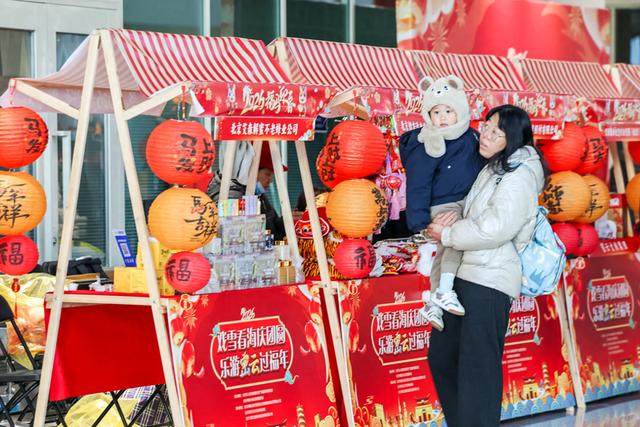
六必居酱菜

Search documents
春节消费,多地赢在了这两个字!
Jin Rong Shi Bao· 2026-02-25 08:35
Group 1 - The core viewpoint of the articles highlights the vibrant consumption market during the longest Spring Festival holiday, driven by innovative consumption scenarios that cater to diverse consumer needs [1][2][3] - Various cities, such as Guangzhou and Beijing, have successfully integrated traditional cultural elements with modern consumption experiences, creating unique festive shopping environments that enhance consumer engagement [1][2] - The Ministry of Commerce and other departments have launched the "2026 'Buy New Spring' Special Activity Plan," which emphasizes financial support and policies to stimulate consumption growth during the Spring Festival [3][4] Group 2 - Financial institutions are actively supporting the consumption upgrade by offering convenient financial services and promotional activities, such as higher-value rewards for consumers participating in exchange programs during the holiday [4] - The "Guangdong Quality Products Purchase" initiative has significantly boosted sales in various categories, with a reported 260 billion yuan in sales for home appliances and 47.6 billion yuan for the exchange program [3] - Continuous policy support, the creation of new consumption scenarios, and the provision of high-quality financial services are essential for sustaining the recovery and growth of the Chinese consumption market [4]
春节消费,赢在场景
Jin Rong Shi Bao· 2026-02-25 03:32
Group 1 - The core viewpoint of the articles highlights the vibrant consumption market during the longest Spring Festival holiday, driven by innovative consumption scenarios that cater to diverse consumer needs [1][2][3] - Various cities, such as Guangzhou and Beijing, have successfully integrated traditional cultural elements with modern consumption experiences, creating unique festive shopping environments that enhance consumer engagement [1][2] - The government's policies and financial support play a crucial role in stimulating consumption, with initiatives like the "2026 'Happy Shopping Spring' Special Activity Plan" aimed at boosting consumer spending through financial incentives and promotional activities [3][4] Group 2 - In Guangzhou, specific measures such as coupon incentives and local subsidies have been implemented to encourage consumer spending, resulting in significant sales figures, including 260 billion yuan in home appliances and automobiles [3] - Financial institutions are actively responding to consumer needs by offering tailored financial services and promotional activities, such as interest-free coupons and enhanced trade-in programs, to facilitate consumption upgrades during the holiday [4] - The overall economic vitality and consumer happiness are reflected in the rising data and lively shopping scenes, indicating a need for continued policy support and the creation of new consumption scenarios to sustain market growth [4]
274家北京老字号去年营收约2500亿元,超九成入驻三大电商平台
Sou Hu Cai Jing· 2026-02-24 23:22
Core Insights - The report highlights the transformation of Beijing's time-honored brands (老字号) into modern consumer attractions and competitive industry players, emphasizing their cultural and commercial value [1] - The "14th Five-Year Plan" period is identified as a rapid growth phase for these brands, with significant expansion into various industries beyond traditional commerce [2] - A multi-layered policy support system has been established since 2017, facilitating the upgrade of these brands from mere commercial entities to important cultural and urban service carriers [3] Industry Growth - The number of Beijing's time-honored brands has reached 274, with 77 new brands recognized from 2021 to 2025, marking a significant increase [2] - Revenue for these brands is projected to grow from 135.5 billion yuan in 2021 to approximately 251 billion yuan by 2024, reflecting a compound annual growth rate of 22.8% [2] - The brands have expanded their operational reach to cover all 16 administrative districts in Beijing, integrating deeply into urban development and citizen life [2] Policy Support - A comprehensive policy framework has been developed, including national and local guidelines that support innovation, brand protection, and industry integration [3] - The policy support has enabled the development of time-honored brands across 14 industries, enhancing their innovative capabilities and market presence [3] - The top eight brands contribute 67.7% of the total revenue, showcasing the effectiveness of brand clustering and value reconstruction [3] Innovation and Experience - Brands are leveraging innovation to create immersive cultural experiences, such as integrating traditional products with modern retail formats [4][5] - Digitalization is crucial for connecting with younger consumers, with over 90% of brands having an online presence on major e-commerce platforms [4] - The transformation of traditional stores into multifunctional cultural spaces enhances public cultural offerings and urban cultural landscapes [5] Talent and Challenges - The workforce in the industry has decreased from 46,935 in 2018 to 40,289 in 2023, indicating a challenge in talent retention and acquisition [6] - The current talent structure shows a significant gap in digital and innovative skills, with only 1% of the workforce being digital technology professionals [6][7] - Efforts are being made to address these gaps through talent recruitment and project collaborations [7] Intellectual Property and Ecosystem - The protection of intellectual property is evolving from a focus on rights enforcement to building a comprehensive ecosystem for brand protection [7] - The establishment of cross-regional coordination mechanisms signifies a shift towards collaborative efforts in safeguarding these brands [7] - The development of Beijing's time-honored brands serves as a model for revitalizing similar brands across the country, contributing to the construction of an international consumption center [7]
北京春节文旅市场“人财两旺”
Bei Jing Wan Bao· 2026-02-24 05:51
Core Insights - The Beijing cultural and tourism market during the 2026 Spring Festival showcased vibrant consumer activity, with a total of 19.84 million visitors and a tourism expenditure of 33.14 billion yuan over the 9-day holiday period [1] Group 1: Tourism and Visitor Statistics - The Spring Festival saw a record number of visitors, with 19.84 million tourists contributing to a total tourism expenditure of 33.14 billion yuan [1] - The average daily visitor count reached approximately 2.21 million, reflecting a strong interest in traditional and modern cultural experiences [7] Group 2: Cultural Events and Activities - Over 40 unique temple fairs and lantern festivals were held, marking a new high in both quantity and scale, blending traditional customs with technological experiences [4] - The "Beijing Gift" sales exceeded 10 million yuan, indicating a strong market for local cultural products during the holiday [4] Group 3: Commercial Activity and Consumer Trends - The "New Year Shopping" theme led to over 460 activities across various commercial districts, with notable increases in foot traffic, such as a 4.2 times increase in the Longfu Temple area [6] - Key commercial sectors, including retail and dining, achieved a total sales figure of 8.45 billion yuan, reflecting a year-on-year growth of 12.4% [6] Group 4: Park and Outdoor Activities - City parks welcomed 12.58 million visitors during the holiday, with a daily average of 1.39 million, marking an 18.79% increase year-on-year [7] - Major parks like the Temple of Heaven and Summer Palace were particularly popular, attracting significant visitor numbers [7] Group 5: Continuation of Festivities - Post-Spring Festival, parks are set to continue celebrations with activities leading up to the Lantern Festival, including traditional lantern-making and dragon dances [8]

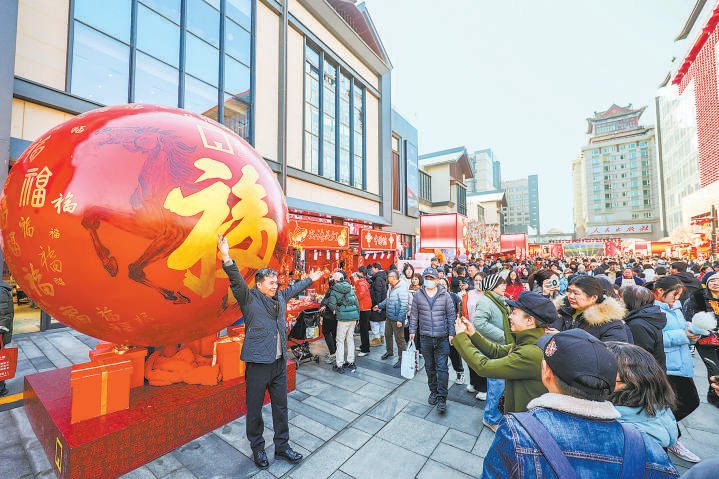
北京文旅市场人气旺 春节假期接待游客1984.3万人次
Ren Min Ri Bao Hai Wai Ban· 2026-02-24 02:38
Group 1 - The cultural and tourism market in Beijing during the Spring Festival showed characteristics of high visitor numbers, strong consumption, rich cultural atmosphere, technological integration, and internationalization, with a total of 19.843 million visitors and a total tourism expenditure of 33.14 billion yuan [1] - Over 40 unique temple fairs, lantern festivals, and garden events were held, achieving record numbers in both quantity and scale, highlighting the integration of traditional Beijing customs with technological experiences [1] - There was a surge in consumption of time-honored brands and intangible cultural heritage experiences, with the Longfu Temple New Year Market becoming a popular destination for visitors, featuring local delicacies and cultural products [1] Group 2 - A total of 2,190 commercial performances were held during the Spring Festival, attracting approximately 410,000 audience members and generating ticket revenue of about 64.015 million yuan [2] - Major cultural institutions such as the National Grand Theatre and Beijing Symphony Orchestra hosted New Year-themed concerts and performances, contributing to the festive atmosphere [2] - The Shuwenke Group's 2026 New Year Cultural Season featured notable performances, including "Five Stars Rising from the East" and a Peking opera concert, enhancing the cultural offerings during the holiday [2]
2026年春节假期北京累计接待游客1984.3万人次
Bei Jing Shang Bao· 2026-02-23 11:25
Group 1 - The core viewpoint of the articles highlights the vibrant cultural and tourism market in Beijing during the 2026 Spring Festival, with a total of 19.84 million visitors and a tourism expenditure of 33.14 billion yuan [1] - The top ten tourist attractions during the Spring Festival included Wangfujing, Olympic Park, Tiananmen area, Xidan, Liangma River International Style Waterfront, Qianmen Street, Temple of Heaven, Shichahai Scenic Area, Summer Palace, and Nanluoguxiang [1] - Over 40 unique temple fairs and lantern festivals were held, showcasing a blend of traditional Beijing customs with technological experiences, creating an immersive New Year celebration for visitors [1] Group 2 - The "Wander in the Suburbs" smart platform was a key initiative by the Beijing Municipal Bureau of Culture and Tourism, enhancing rural tourism product offerings [2] - During the holiday period, the "Wander in the Suburbs" platform achieved over 28 million exposures through short videos and live broadcasts, resulting in 31,000 orders and a transaction volume exceeding 10 million yuan [2] - There was a notable increase in consumption of nighttime tours and in-depth experience products during the holiday [2]
老字号伴手礼成游客心头好
Xin Lang Cai Jing· 2026-02-19 06:34
Core Viewpoint - The article highlights the popularity of traditional Beijing brands during the Spring Festival, showcasing how tourists are engaging with local products and taking home a piece of Beijing culture [1] Group 1: Tourist Engagement - Tourists are actively visiting traditional Beijing stores such as Daoxiangcun, Zhang Yiyuan, and Liubiju to purchase local specialties as souvenirs [1] - The festive atmosphere is enhanced by the decorations in stores along Qianmen Street, attracting more visitors [1] Group 2: Product Popularity - Tea-flavored ice cream from Wuyutai is a hit, with long queues forming for purchases [1] - Various flavors of packaged pickles from Liubiju are being favored for their convenience and variety [1] - Zhang Yiyuan's tea leaves are sought after, especially those presented in gift boxes featuring artwork by Xu Beihong [1] - The unique milk skin yogurt from Ziguangyuan is also a popular choice among tourists [1] Group 3: Consumer Preferences - Tourists express a desire to try innovative flavors such as matcha, roasted tea, and jasmine tea in snacks [1] - The trend of purchasing small, portable packages allows tourists to sample multiple flavors and share with family [1] - The overall experience of shopping for local delicacies reflects a meaningful connection between visitors and Beijing [1]
把京味打包回家!北京老字号伴手礼成游客心头好
Xin Lang Cai Jing· 2026-02-19 01:27
Core Viewpoint - The article highlights the vibrant atmosphere of traditional Beijing shops during the Spring Festival, showcasing how tourists engage with local specialties and take home a piece of Beijing culture through various products [1][5]. Group 1: Tourist Engagement - Tourists are actively visiting traditional Beijing shops like Daoxiangcun, Zhangyiyuan, and Liubiju to select local specialties as souvenirs, reflecting a desire to bring home a taste of Beijing [1]. - The festive decorations along Qianmen Street, including lanterns and "Fu" characters, enhance the shopping experience, attracting more visitors [3]. Group 2: Popular Products - The popularity of tea-flavored ice cream at Wuyutai has led to long queues, indicating strong consumer interest in innovative local flavors [5]. - Small packaged pickles from Liubiju are favored for their convenience and variety, allowing customers to sample multiple flavors [5]. - Zhangyiyuan's tea gift boxes, featuring artwork by Xu Beihong, are particularly appealing to tourists looking for festive and culturally significant gifts [5]. - The "Nai Pi Zi" yogurt from Ziguangyuan remains a top choice among visitors, especially for families [5]. Group 3: Cultural Significance - The products from these traditional shops serve as "mobile business cards" for Beijing, embodying the craftsmanship and heritage of the city while sharing its flavors and warmth with visitors [5].
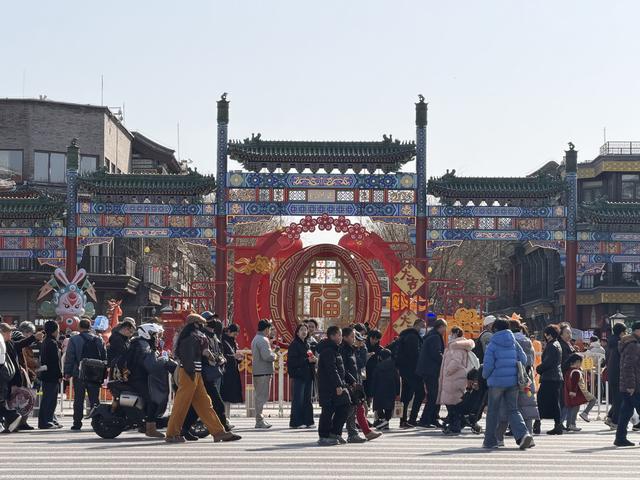
快来打卡!北京春节必体验的20个非遗项目
Huan Qiu Wang· 2026-02-11 02:47
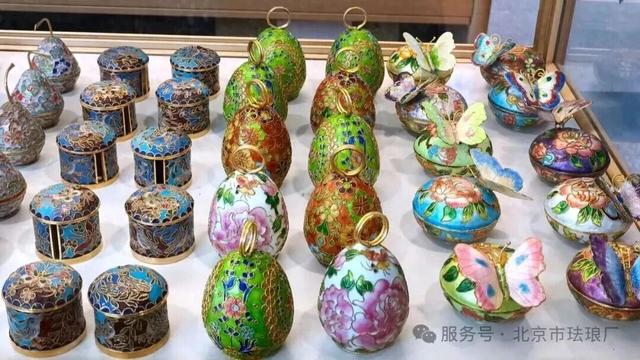
Group 1 - Jingtailan, also known as "copper胎掐丝珐琅," originated during the Ming Dynasty and reached its artistic peak during the Qing Dynasty [3] - The production process of Jingtailan is complex, involving multiple steps such as making the base, wire inlay, applying enamel, firing, polishing, and gilding, with wire inlay and enamel application being the core techniques [3] - The art style of Jingtailan is characterized by its richness and elegance, combining techniques from bronze craftsmanship, porcelain firing, and painting [3] Group 2 - Zhihua Temple's Jing music has been passed down through 27 generations and is considered a "living fossil" of ancient Chinese music, with significant historical, academic, and artistic value [4] - The music features solemn and elegant melodies, with precious and mysterious scores, and a rich variety of traditional forms [4] Group 3 - Wu Yutai Tea House, established in the 13th year of Guangxu, is renowned for its jasmine tea, which undergoes an eight-step process to achieve a unique flavor characterized by lasting fragrance and rich taste [7] - The tea is harvested under strict conditions, ensuring quality and flavor [7] Group 4 - Quanjude, founded in 1864, is famous for its hanging oven roast duck, which is cooked over fruitwood, resulting in a fragrant and crispy skin with tender meat [9] - Quanjude also pioneered the whole duck banquet, enhancing the dining experience [9] Group 5 - Donglaishun, established in 1903, is a representative of northern hot pot culture, known for its high-quality lamb and unique preparation techniques [11] - The restaurant emphasizes the selection of ingredients, knife skills, and flavorful broth, making it a notable establishment in the culinary scene [11] Group 6 - Peking Opera, which evolved from various regional performances, incorporates elements from different styles and has become a significant cultural symbol [13] - The upcoming performances at Jixiang Theatre feature renowned actors and aim to celebrate the Chinese New Year with rich theatrical traditions [13] Group 7 - Tongrentang, founded in 1669, is a famous traditional Chinese medicine brand that has served imperial medicine for over 188 years [15] - The innovative business model combines traditional Chinese medicine with modern technology, offering health assessments and dietary options [15] Group 8 - Beijing embroidery, known as palace embroidery, showcases the skills of various artisans and is a significant cultural heritage [17] - The Yanjing Eight Wonders Museum houses exquisite examples of this craft, making it a prime location for understanding palace techniques [17] Group 9 - The ancient gold-making technique combines traditional craftsmanship with modern design, involving multiple intricate processes [19] - The craftsmanship includes methods such as lost-wax casting and high-temperature enamel, showcasing the artisans' skills [19] Group 10 - Liu Biju's pickled vegetables, with a history of nearly 600 years, are recognized as a national intangible cultural heritage [22] - The pickles are known for their vibrant color, crisp texture, and rich flavor, making them a staple in Chinese cuisine [22] Group 11 - Yidege ink, known for its bright ink and rich fragrance, has been produced using traditional methods for over a century [24] - The production process involves multiple stages, ensuring high quality and consistency in the final product [24] Group 12 - Rongbaozhai, a century-old store specializing in writing materials, is known for its woodblock printing and restoration techniques, both recognized as national intangible cultural heritage [27] - The store's restoration skills are considered top-notch both domestically and internationally [27] Group 13 - The gold lacquer inlay technique combines gold lacquer, inlay, and decoration, representing the pinnacle of Chinese lacquer art [29] - This craft reflects the spirit of craftsmanship that has been passed down through generations [29] Group 14 - The Yongding River is considered the mother river of Beijing, playing a crucial role in the city's culture and history [31] - The river's legends encompass various narratives that highlight its significance in irrigation and flood management [31] Group 15 - He’s pig face dish, recognized as an intangible cultural heritage, has been refined over four generations, combining local flavors and culinary techniques [33] - The dish is prepared with over twenty spices and requires extensive cooking time, making it a unique culinary experience [33] Group 16 - Ruifuxiang's traditional Chinese clothing craftsmanship has been passed down for over a century, emphasizing a comprehensive service from material selection to finished garments [35] - The production process involves over 100 detailed steps, showcasing a unique Beijing style [35] Group 17 - Daiyuexuan, established in 1916, specializes in making Huabi brushes known for their quality and craftsmanship [37] - The brushes are designed to meet specific writing needs, ensuring a balance of firmness and flexibility [37] Group 18 - Sanyuan Meiyuan recreates imperial recipes, making traditional dairy products accessible to the public [39] - The production techniques are rooted in historical methods, ensuring authenticity and quality [39] Group 19 - The colorful clay figurines of Peking Opera are a notable intangible cultural heritage, showcasing traditional craftsmanship through various artistic processes [42] - The figurines are characterized by their vivid colors and lifelike representations of opera characters [42] Group 20 - The ancient flower lantern-making technique involves multiple steps, allowing for personalized creations that reflect traditional craftsmanship [44] - The workshop offers hands-on experiences, promoting cultural heritage through interactive learning [44]
老字号品牌齐聚火车站,旅客上车前带走北京礼物
Xin Lang Cai Jing· 2026-02-02 08:44
Core Points - The 2026 Spring Festival travel season commenced on February 2, featuring a cultural market at Beijing Chaoyang Station with over ten traditional Chinese brands showcasing their products [1][3] - A total of 120 activities will be held in the "Eight Stations and Two Venues" area from February 2 until the Lantern Festival, promoting a vibrant cultural atmosphere [7] Group 1: Cultural Activities - The cultural market at Chaoyang Station includes well-known brands like Quanjude, Tongrentang, and Zhangyiyuan, offering travelers a chance to purchase local specialties before their journeys [1][3] - The market features over 70 stalls, including products from Beijing's suburban districts, and promotes various consumption experiences such as skiing [3][5] Group 2: Reading and Educational Initiatives - This year marks the introduction of a book culture section at the market, featuring over a hundred titles related to the Spring Festival, folk literature, and Beijing's history, creating a "book fragrance accompanying the festive atmosphere" [5] - The initiative aims to provide an immersive experience for travelers, combining shopping, tasting, and reading opportunities [5] Group 3: Broader Market Integration - The Beijing Municipal Committee is promoting the integration of culture, commerce, and tourism through various activities, including the "Beijing Color Station" cultural market and reading events [7] - Activities will also include traditional performances and exhibitions at different stations, enhancing the cultural experience for travelers [7]