稻香村糕点

Search documents
春节消费,多地赢在了这两个字!
Jin Rong Shi Bao· 2026-02-25 08:35
Group 1 - The core viewpoint of the articles highlights the vibrant consumption market during the longest Spring Festival holiday, driven by innovative consumption scenarios that cater to diverse consumer needs [1][2][3] - Various cities, such as Guangzhou and Beijing, have successfully integrated traditional cultural elements with modern consumption experiences, creating unique festive shopping environments that enhance consumer engagement [1][2] - The Ministry of Commerce and other departments have launched the "2026 'Buy New Spring' Special Activity Plan," which emphasizes financial support and policies to stimulate consumption growth during the Spring Festival [3][4] Group 2 - Financial institutions are actively supporting the consumption upgrade by offering convenient financial services and promotional activities, such as higher-value rewards for consumers participating in exchange programs during the holiday [4] - The "Guangdong Quality Products Purchase" initiative has significantly boosted sales in various categories, with a reported 260 billion yuan in sales for home appliances and 47.6 billion yuan for the exchange program [3] - Continuous policy support, the creation of new consumption scenarios, and the provision of high-quality financial services are essential for sustaining the recovery and growth of the Chinese consumption market [4]
春节消费,赢在场景
Jin Rong Shi Bao· 2026-02-25 03:32
Group 1 - The core viewpoint of the articles highlights the vibrant consumption market during the longest Spring Festival holiday, driven by innovative consumption scenarios that cater to diverse consumer needs [1][2][3] - Various cities, such as Guangzhou and Beijing, have successfully integrated traditional cultural elements with modern consumption experiences, creating unique festive shopping environments that enhance consumer engagement [1][2] - The government's policies and financial support play a crucial role in stimulating consumption, with initiatives like the "2026 'Happy Shopping Spring' Special Activity Plan" aimed at boosting consumer spending through financial incentives and promotional activities [3][4] Group 2 - In Guangzhou, specific measures such as coupon incentives and local subsidies have been implemented to encourage consumer spending, resulting in significant sales figures, including 260 billion yuan in home appliances and automobiles [3] - Financial institutions are actively responding to consumer needs by offering tailored financial services and promotional activities, such as interest-free coupons and enhanced trade-in programs, to facilitate consumption upgrades during the holiday [4] - The overall economic vitality and consumer happiness are reflected in the rising data and lively shopping scenes, indicating a need for continued policy support and the creation of new consumption scenarios to sustain market growth [4]
274家北京老字号去年营收约2500亿元,超九成入驻三大电商平台
Sou Hu Cai Jing· 2026-02-24 23:22
Core Insights - The report highlights the transformation of Beijing's time-honored brands (老字号) into modern consumer attractions and competitive industry players, emphasizing their cultural and commercial value [1] - The "14th Five-Year Plan" period is identified as a rapid growth phase for these brands, with significant expansion into various industries beyond traditional commerce [2] - A multi-layered policy support system has been established since 2017, facilitating the upgrade of these brands from mere commercial entities to important cultural and urban service carriers [3] Industry Growth - The number of Beijing's time-honored brands has reached 274, with 77 new brands recognized from 2021 to 2025, marking a significant increase [2] - Revenue for these brands is projected to grow from 135.5 billion yuan in 2021 to approximately 251 billion yuan by 2024, reflecting a compound annual growth rate of 22.8% [2] - The brands have expanded their operational reach to cover all 16 administrative districts in Beijing, integrating deeply into urban development and citizen life [2] Policy Support - A comprehensive policy framework has been developed, including national and local guidelines that support innovation, brand protection, and industry integration [3] - The policy support has enabled the development of time-honored brands across 14 industries, enhancing their innovative capabilities and market presence [3] - The top eight brands contribute 67.7% of the total revenue, showcasing the effectiveness of brand clustering and value reconstruction [3] Innovation and Experience - Brands are leveraging innovation to create immersive cultural experiences, such as integrating traditional products with modern retail formats [4][5] - Digitalization is crucial for connecting with younger consumers, with over 90% of brands having an online presence on major e-commerce platforms [4] - The transformation of traditional stores into multifunctional cultural spaces enhances public cultural offerings and urban cultural landscapes [5] Talent and Challenges - The workforce in the industry has decreased from 46,935 in 2018 to 40,289 in 2023, indicating a challenge in talent retention and acquisition [6] - The current talent structure shows a significant gap in digital and innovative skills, with only 1% of the workforce being digital technology professionals [6][7] - Efforts are being made to address these gaps through talent recruitment and project collaborations [7] Intellectual Property and Ecosystem - The protection of intellectual property is evolving from a focus on rights enforcement to building a comprehensive ecosystem for brand protection [7] - The establishment of cross-regional coordination mechanisms signifies a shift towards collaborative efforts in safeguarding these brands [7] - The development of Beijing's time-honored brands serves as a model for revitalizing similar brands across the country, contributing to the construction of an international consumption center [7]
北京春节文旅市场“人财两旺”
Bei Jing Wan Bao· 2026-02-24 05:51
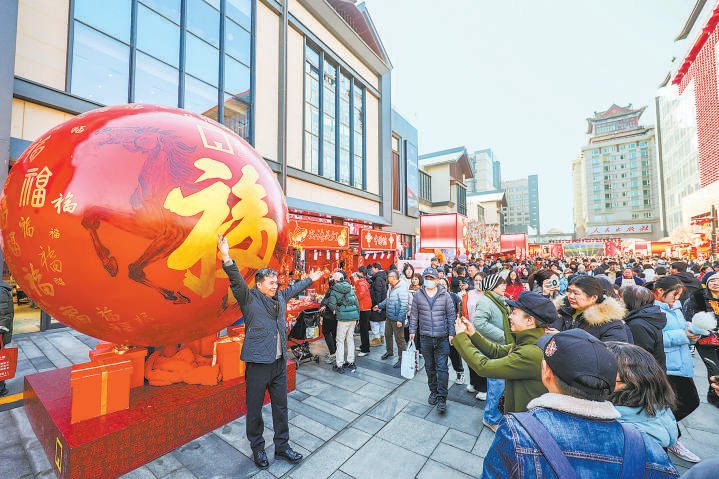
Core Insights - The Beijing cultural and tourism market during the 2026 Spring Festival showcased vibrant consumer activity, with a total of 19.84 million visitors and a tourism expenditure of 33.14 billion yuan over the 9-day holiday period [1] Group 1: Tourism and Visitor Statistics - The Spring Festival saw a record number of visitors, with 19.84 million tourists contributing to a total tourism expenditure of 33.14 billion yuan [1] - The average daily visitor count reached approximately 2.21 million, reflecting a strong interest in traditional and modern cultural experiences [7] Group 2: Cultural Events and Activities - Over 40 unique temple fairs and lantern festivals were held, marking a new high in both quantity and scale, blending traditional customs with technological experiences [4] - The "Beijing Gift" sales exceeded 10 million yuan, indicating a strong market for local cultural products during the holiday [4] Group 3: Commercial Activity and Consumer Trends - The "New Year Shopping" theme led to over 460 activities across various commercial districts, with notable increases in foot traffic, such as a 4.2 times increase in the Longfu Temple area [6] - Key commercial sectors, including retail and dining, achieved a total sales figure of 8.45 billion yuan, reflecting a year-on-year growth of 12.4% [6] Group 4: Park and Outdoor Activities - City parks welcomed 12.58 million visitors during the holiday, with a daily average of 1.39 million, marking an 18.79% increase year-on-year [7] - Major parks like the Temple of Heaven and Summer Palace were particularly popular, attracting significant visitor numbers [7] Group 5: Continuation of Festivities - Post-Spring Festival, parks are set to continue celebrations with activities leading up to the Lantern Festival, including traditional lantern-making and dragon dances [8]

北京文旅市场人气旺 春节假期接待游客1984.3万人次
Ren Min Ri Bao Hai Wai Ban· 2026-02-24 02:38
Group 1 - The cultural and tourism market in Beijing during the Spring Festival showed characteristics of high visitor numbers, strong consumption, rich cultural atmosphere, technological integration, and internationalization, with a total of 19.843 million visitors and a total tourism expenditure of 33.14 billion yuan [1] - Over 40 unique temple fairs, lantern festivals, and garden events were held, achieving record numbers in both quantity and scale, highlighting the integration of traditional Beijing customs with technological experiences [1] - There was a surge in consumption of time-honored brands and intangible cultural heritage experiences, with the Longfu Temple New Year Market becoming a popular destination for visitors, featuring local delicacies and cultural products [1] Group 2 - A total of 2,190 commercial performances were held during the Spring Festival, attracting approximately 410,000 audience members and generating ticket revenue of about 64.015 million yuan [2] - Major cultural institutions such as the National Grand Theatre and Beijing Symphony Orchestra hosted New Year-themed concerts and performances, contributing to the festive atmosphere [2] - The Shuwenke Group's 2026 New Year Cultural Season featured notable performances, including "Five Stars Rising from the East" and a Peking opera concert, enhancing the cultural offerings during the holiday [2]
2026年春节假期北京累计接待游客1984.3万人次
Bei Jing Shang Bao· 2026-02-23 11:25
Group 1 - The core viewpoint of the articles highlights the vibrant cultural and tourism market in Beijing during the 2026 Spring Festival, with a total of 19.84 million visitors and a tourism expenditure of 33.14 billion yuan [1] - The top ten tourist attractions during the Spring Festival included Wangfujing, Olympic Park, Tiananmen area, Xidan, Liangma River International Style Waterfront, Qianmen Street, Temple of Heaven, Shichahai Scenic Area, Summer Palace, and Nanluoguxiang [1] - Over 40 unique temple fairs and lantern festivals were held, showcasing a blend of traditional Beijing customs with technological experiences, creating an immersive New Year celebration for visitors [1] Group 2 - The "Wander in the Suburbs" smart platform was a key initiative by the Beijing Municipal Bureau of Culture and Tourism, enhancing rural tourism product offerings [2] - During the holiday period, the "Wander in the Suburbs" platform achieved over 28 million exposures through short videos and live broadcasts, resulting in 31,000 orders and a transaction volume exceeding 10 million yuan [2] - There was a notable increase in consumption of nighttime tours and in-depth experience products during the holiday [2]
王府井快递“老将”日行两三万步,把北京年味寄向全国
Bei Jing Ri Bao Ke Hu Duan· 2026-02-16 01:35
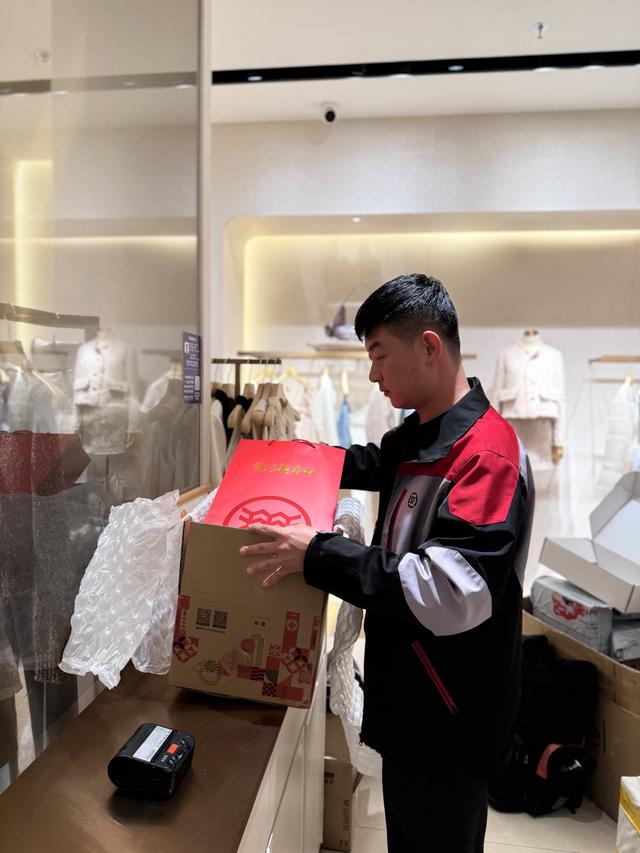
Core Insights - The article highlights the dedication of delivery personnel during the Spring Festival, showcasing the evolving nature of consumer behavior in the Wangfujing area, particularly the shift towards online shopping and home delivery services. Group 1: Changes in Consumer Behavior - Tourists now prefer to shop online for traditional goods, such as Quanjude roast duck and Daoxiangcun pastries, and have them delivered instead of carrying them home themselves [3][4] - The proportion of e-commerce packages has significantly increased, allowing consumers to avoid crowded shopping malls by ordering online and receiving deliveries at home [4] Group 2: Delivery Operations and Challenges - Delivery personnel, like Zhao Junfeng, must handle packages with care, especially fragile items like pastries, ensuring they are securely packed to prevent damage during transit [6] - The daily routine for delivery personnel includes early mornings and long hours, often exceeding 20,000 steps a day, reflecting the physical demands of the job [7] Group 3: Company Support and Employee Welfare - The company provides meals and special incentives for delivery personnel during peak periods, including a bonus for outstanding performance during the Spring Festival [7] - Post-holiday policies allow delivery personnel to take time off to reunite with their families, addressing the emotional aspect of working during the festive season [7]


稻香村、全聚德、北冰洋,北京西站里有一条“老字号通廊”
Xin Jing Bao· 2026-02-14 09:01
Core Insights - The railway department has established a "Beijing Specialty Time-honored Brand Corridor" at Beijing West Station to integrate traditional brands with the travel experience, offering convenient snacks and gift boxes for travelers during the Spring Festival [1][2] - Six renowned Chinese time-honored brands, including Daoxiangcun, Quanjude, and Beijing Tongrentang, are now available at Beijing West Station, enhancing the travel experience for millions of returning travelers [1] - The management company, China Railway Century Media Advertising Co., is focused on supporting these traditional brands through brand enhancement and professional management strategies [1][2] Group 1 - The railway department is enhancing the operational quality of time-honored brands by focusing on attracting quality brands, ensuring they meet passenger needs, and creating a unique commercial cultural landscape [2] - During the Spring Festival, the railway department will conduct regular inspections of the time-honored brand shops to ensure orderly operations and provide comprehensive support in areas such as crowd management and facility maintenance [2] - Suggestions for optimizing shop layouts and introducing convenient food options have been provided to help these brands better serve travelers [2]


在中国式现代化征程上建功立业——习近平总书记在北京市考察时的重要讲话引发热烈反响
Yang Guang Wang· 2026-02-12 04:56
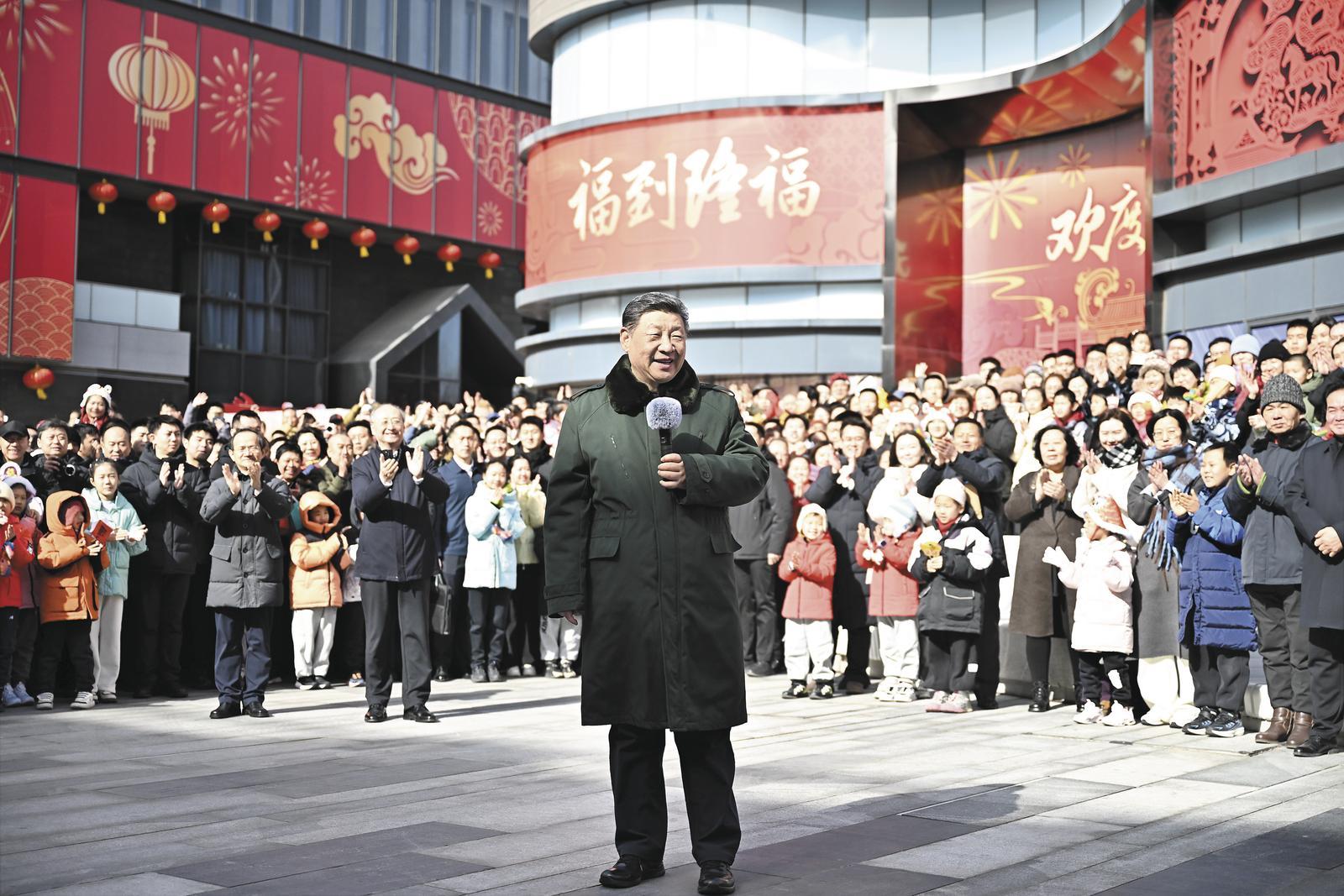
Group 1 - Xi Jinping emphasized the importance of fostering a strong sense of national pride among technology workers and encouraged them to contribute to China's modernization efforts [1][2] - The focus on the development of the robotics industry was highlighted during Xi's visit, indicating a commitment to advancing this sector in Beijing [2] - The government is urged to enhance elderly care services by integrating various resources to improve the quality and availability of these services [2][3] Group 2 - Xi Jinping's visit to local communities reflects a commitment to understanding and addressing the needs of both the elderly and the younger workforce, such as delivery workers [2][3] - The importance of preserving and innovating traditional brands, like the Beijing Daoxiangcun, was underscored during Xi's visit to a local pastry shop [3] - Beijing is encouraged to adopt a high-quality development approach, balancing economic growth with sustainable practices [3]
向全国各族人民致以美好的新春祝福祝各族人民幸福安康 祝伟大祖国繁荣昌盛
Xin Lang Cai Jing· 2026-02-10 20:03
Group 1 - Xi Jinping visited grassroots cadres and the public in Beijing, offering New Year greetings and emphasizing the importance of traditional values and community support [2][5] - During the visit to the National Innovation Park, Xi highlighted the significance of technological self-reliance and encouraged tech workers to contribute to national modernization [3][6] - The "Wulao New Street" elder care service area was noted for its improvements in accessibility and diverse services for the elderly, reflecting a commitment to social responsibility [3][4] Group 2 - Xi Jinping underscored the need for Beijing to leverage its strategic position and enhance high-quality development, focusing on economic growth and urban planning [7][8] - The emphasis was placed on the integration of education, technology, and talent development to foster innovation and collaboration within the Beijing-Tianjin-Hebei region [7] - Urban governance must adhere to high standards, ensuring public safety and environmental sustainability while addressing community needs effectively [8]