
动漫周边

Search documents
快闪春节挤爆商场,二次元“痛楼”单场吸金1000万
投中网· 2026-02-26 01:57
Core Insights - The article discusses the transformation of shopping malls during the Spring Festival, highlighting the rise of pop-up stores featuring popular IPs, particularly in the anime sector, which have become a significant revenue source for malls [6][12][13]. Group 1: Pop-up Store Dynamics - Pop-up events in malls require booking six months in advance, with popular IPs generating sales between 4 million to 10 million yuan per event [6][10]. - Major cities like Shanghai and Beijing are seeing a surge in pop-up activities, with over 40 events in Shanghai alone during the Spring Festival [9][10]. - The collaboration between malls and IPs is based on the expected foot traffic generated, with high-demand IPs often getting priority in scheduling [10][20]. Group 2: Financial Performance - Malls are experiencing significant financial success from these pop-up events, with Shanghai's ZX Creative Park generating 450 events in its first year and projected sales of 450 million yuan by 2025 [13]. - The sales figures for pop-up events at major malls like Jing'an Joy City and Beijing's Xifanli indicate a strong market trend, with sales exceeding 220 million yuan in 2025 [13][14]. Group 3: Emerging Professions - The rise of "pop-up purchasing" has created new job opportunities, with individuals earning over 1,000 yuan daily by facilitating purchases for customers during these events [12][17]. - The demand for limited edition products drives the pop-up purchasing market, as fans are willing to pay for exclusive items [16][18]. Group 4: Target Demographics - Malls are increasingly targeting younger demographics, with the percentage of visitors aged 18-35 rising from 49% in 2023 to 80% in 2025 at Chaoyang Joy City [20]. - The emotional connection and identity recognition associated with these events translate into consumer spending, benefiting both IP owners and malls [21][25]. Group 5: Marketing Strategies - The integration of fan engagement activities, such as birthday cafes and themed exhibitions, is expected to provide continuous revenue streams for malls [21][24]. - The use of LED screens for fan support events has become a lucrative market, with costs ranging from thousands to millions of yuan per event [22][23].


快闪春节挤爆商场,二次元“痛楼”单场吸金1000万
3 6 Ke· 2026-02-20 02:57
Core Insights - The article highlights the shift in shopping mall dynamics during the Spring Festival, with a significant rise in pop-up stores featuring popular anime characters, indicating a trend towards youth-oriented marketing strategies [1][9][12] Group 1: Pop-up Store Trends - Shopping malls are increasingly transforming their spaces into "pain buildings" filled with anime character displays, indicating a strong visual marketing strategy aimed at attracting younger consumers [1][9] - Popular IP pop-up events require booking six months in advance, with sales for a single event ranging from 4 million to 10 million yuan [1][2] - Major cities like Shanghai and Beijing are seeing a surge in these pop-up events, with over 40 events reported in Shanghai alone during the Spring Festival [2][6] Group 2: Economic Impact - The pop-up activities have become a significant revenue source for malls, with venues like Shanghai's ZX Creative Park hosting around 450 events in its first year, generating sales of 450 million yuan by 2025 [6][9] - The collaboration model between malls and brands typically involves a "minimum guarantee plus rent" approach, allowing for flexible revenue sharing based on performance [3][6] - The demand for pop-up stores is leading to a reduction in the duration of these events, with many now lasting only seven days to maximize turnover [3][6] Group 3: Consumer Behavior - The rise of "flash purchasing" has given birth to a new profession of pop-up buyers, who often spend significant time queuing to secure limited edition items for clients [1][8] - Consumers are increasingly willing to pay for the experience and exclusivity of these pop-up events, with some individuals earning over 1,000 yuan per day through pop-up buying services [8][9] - The emotional connection and identity recognition associated with these events are driving consumer spending, as fans are eager to participate in immersive experiences [10][11][12]
视频丨从银幕到生活圈 解锁观影外的消费体验
Yang Shi Xin Wen Ke Hu Duan· 2026-01-08 06:52
Core Insights - The integration of movies with consumer products and tourism is driving significant growth in the domestic market, particularly through the rise of film-related IPs [5][19][23] Group 1: Consumer Behavior - Nearly 70% of consumers are willing to spend 2-3 hours shopping and dining before or after watching a movie, with over 40% willing to travel to filming locations for a weekend or longer [4] - Consumers are increasingly purchasing related merchandise, such as blind boxes and anime-themed products, indicating a trend towards experiential and collectible spending [2][3] Group 2: IP Development and Market Growth - The number of domestic IP collaborations is expected to grow by over 60% by 2025, with around 50 quality IPs contributing to a nearly 40% increase in company revenues [7] - The film industry is transitioning from a reliance on box office revenue to a diversified profit model through the full-chain development of IPs, enhancing cultural dissemination and profitability [23][25] Group 3: Tourism Impact - The "Follow the Movie to Travel" initiative is set to significantly boost tourism, with a projected 6% increase in visitor numbers to film-related cities in 2025, and holiday periods seeing increases of up to 30.6% [11][18] - The expansion of night tourism and immersive experiences at filming locations is enhancing visitor engagement and satisfaction [16][18] Group 4: Industry Dynamics - The rapid development of film IPs is a response to upgraded consumer demands and the fast-paced evolution of the industry, moving beyond traditional viewing experiences to offer long-term emotional connections [19][21] - The film industry's ability to create a virtuous cycle where movies boost merchandise sales, which in turn enhances the popularity of the IP, is becoming increasingly evident [25] Group 5: Economic Contribution - In the previous year, the total box office revenue in China reached 51.832 billion yuan, while the related industry chain's output value exceeded 800 billion yuan, highlighting the economic significance of the film industry [27]
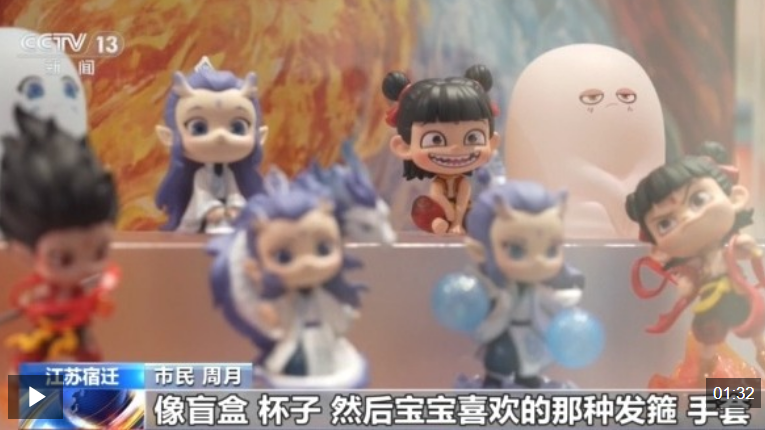
从银幕到生活圈 解锁观影外的消费体验
Yang Shi Xin Wen· 2026-01-08 02:40
Core Viewpoint - The integration of movies with various consumer products and experiences is driving significant growth in the domestic film industry and related sectors, creating a robust ecosystem that enhances cultural exchange and economic opportunities [4][20][24]. Group 1: Consumer Behavior and Trends - Nearly 70% of consumers are willing to spend 2-3 hours shopping and dining before or after watching a movie, with over 40% willing to travel to filming locations for a weekend or longer [3][12]. - The popularity of blind boxes and related merchandise indicates a growing trend in consumer spending on film-related products [1]. Group 2: IP Development and Market Growth - The number of domestic IP collaborations is expected to increase by over 60% in 2025 compared to the previous year, with around 50 quality IPs contributing to nearly 40% growth in company performance [7]. - The film industry is transitioning from a reliance on box office revenue to a diversified profit model through IP development, enhancing cultural dissemination and profitability [24][26]. Group 3: Tourism and Experience Enhancement - The "Follow the Movie to Travel" initiative is set to significantly boost tourism, with a projected over 6% increase in visitor numbers to film-related cities in 2025, particularly during holidays [13][15]. - The expansion of night tourism experiences and interactive elements in film locations aims to create a more immersive experience for visitors, enhancing engagement with the film's narrative [19][17]. Group 4: Economic Impact - In the previous year, the total box office revenue in China reached 51.832 billion yuan, while the related industry chain's output value exceeded 800 billion yuan, highlighting the economic significance of the film industry [28].
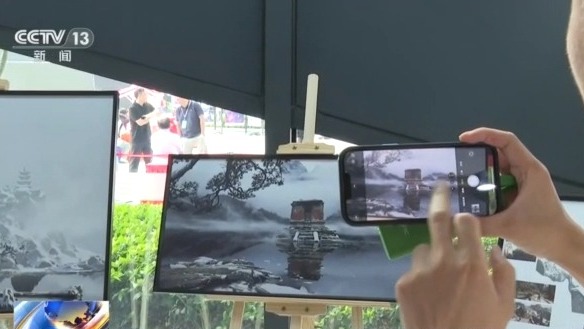
QuestMobile报告:淘宝“00后”用户规模达1.55亿 个性化供给圈粉年轻一代
Zheng Quan Ri Bao Wang· 2025-12-10 06:11
Group 1 - The core viewpoint of the reports indicates that by October 2025, the monthly active user base of Taobao's post-00s demographic is expected to reach 155 million, representing a year-on-year growth of 11.6%, significantly surpassing other e-commerce apps [1] - The post-00s demographic shows a stable online consumption willingness, with nearly 95% of this group exhibiting medium to high consumption intent, and their spending capacity primarily concentrated in the range of 1,000 to 2,999 yuan, indicating strong consumption potential and a mature consumption structure [1] - The interest preferences of the post-00s users are notably in areas such as sharing, food, and anime/second dimension, which are reflected in the consumption trends and ecological structure of the Taobao and Tmall platforms [1] Group 2 - In the trendy toy industry, which is primarily driven by the post-00s demographic, products such as blind boxes, anime peripherals, and dolls saw growth exceeding double digits during the Double 11 shopping festival, with over 300,000 new toy products launched [2] - Taobao's young-oriented operations have become a key factor in attracting post-00s users, with interactive activities like guessing games and New Year wishes appealing to young people's interests, making the post-95s and post-00s the main participants [2] - The rapid growth of Taobao's flash sales, which primarily target a young audience, has contributed to a significant influx of new young users, with 72% of instant retail users being under 35 years old according to Nielsen IQ's 2024 annual online shopping trend report [2]

新华视点·关注城市更新|“00”后为啥又开始爱逛街了?
Xin Hua She· 2025-11-25 02:57
Core Insights - A portion of the "post-00s" generation, known as "internet natives," is shifting from online consumption to offline shopping, with "two-dimensional street blocks" becoming new urban landmarks [1] - Traditional malls are undergoing significant renovations to attract younger consumers and enhance their shopping experience [2][3] Group 1: Market Trends - A survey by the China National Commercial Information Center indicates that 66% of surveyed enterprises expect an increase in renovation and upgrade events in 2024 [2] - The Wangfujing Joy Shopping Center, transformed from the Beijing New Yansha Golden Street Shopping Center, has quickly become a trendy destination for Gen Z consumers since its opening at the end of 2023, with significant increases in sales and foot traffic [2][3] - The Shanghai Bailian ZX Creative Park focuses on the two-dimensional economy, hosting nearly 700 events in 2024, resulting in a 70% year-on-year increase in sales and a 40% rise in foot traffic [3] Group 2: Consumer Preferences - Consumers are increasingly prioritizing experiential and emotional aspects of shopping, with 64% of consumers valuing spiritual consumption more, especially among younger demographics [5] - The demand for offline shopping has shifted from merely purchasing goods to seeking unique experiences and personalized offerings [5] Group 3: Innovative Strategies - Malls are evolving from traditional retail spaces to urban lifestyle centers that integrate social, cultural, and consumption experiences [7] - Various malls are implementing unique service enhancements, such as multilingual support and pet-friendly spaces, to create differentiated competitive advantages [8] Group 4: Challenges and Solutions - The disconnect between traditional business models and modern consumer needs poses challenges for physical retail [9] - High renovation costs and the need for effective operational support are significant hurdles for many malls [11] - Innovative approaches, such as mixed-use developments that combine retail with office and residential spaces, are being explored to mitigate renovation costs and boost foot traffic [11]

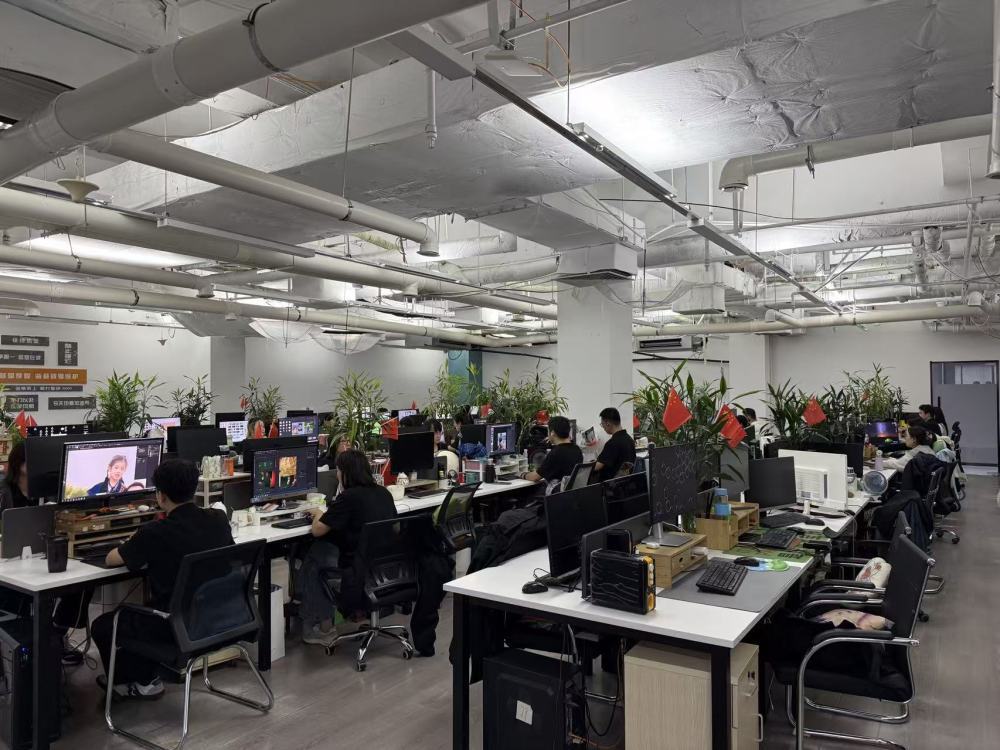
做木工、比航模,2025年北京市中小学生科技创客活动开幕
Xin Jing Bao· 2025-11-23 23:02
Core Points - The 2025 Beijing Primary and Secondary School Technology Maker Activities commenced on November 22, showcasing over 400 students engaging in various technology projects [1][2] - The event aims to integrate traditional culture education and labor education into technology maker education, providing a platform for students to display and exchange their innovative works [3] Group 1: Student Projects - Students from different schools presented their creations at the "Maker Market," including AI-generated anime stories and original storybooks [1] - The "Ink Trace" storybook, created by students, combines traditional culture with digital technology, highlighting the importance of cultural transmission [1] Group 2: Woodworking Competition - The "Craftsmanship Creation" woodworking competition featured students designing and building a two-layer storage box with a mirror, enhancing their practical skills [2] - The competition emphasizes the application of mathematical knowledge and problem-solving abilities in product design [2] Group 3: Model Projects - Students participated in model sailing practice, which enhances hand-eye coordination and provides a sense of achievement [3] - The event included new model project categories, expanding the scope of activities available to students [2] Group 4: Event Organization and Future Plans - The event is organized by the Beijing Education Commission and aims to promote technology innovation among students [3] - Future initiatives include exhibitions of outstanding works and workshops to further support the transformation of technological achievements into practical applications [3]
专访许纪霖:氪爆谷子、疯抢演唱会门票,年轻人逃进“抽象世界”
经济观察报· 2025-11-06 11:56
Core Viewpoint - The article discusses how the current generation is constructing a new emotional world, moving away from the grand narratives of previous generations and creating their own "abstract world" within a digital and community-oriented context [2][3]. Group 1: Emotional Economy and Community - The younger generation is building "molecular communities" that are small in scale but possess strong cohesion and productivity, particularly in areas like concerts and fan culture [3][4]. - These communities create a new type of "emotional economy" centered around resonance and presence, providing individuals with a sense of being seen and shared life experiences [3][4]. - The phenomenon of emotional expression and value attribution is reshaping how individuals connect and find meaning in their lives, signaling the arrival of a "new emotional economy era" [3][4]. Group 2: Abstract Worlds and Escapism - Young people are moving away from abstract ideals and grand narratives, preferring to engage with concrete, relatable experiences in their daily lives [7][8]. - They have constructed their own "abstract world" through practices like cosplay, virtual reality, and participation in 2.5D culture, which serve as both an escape and a means of spiritual elevation [8][12]. - This "abstract world" is characterized by a lack of traditional religious or ideological frameworks, instead focusing on personal experiences and emotional engagement [8][9]. Group 3: Social Dynamics and Community Structures - The article highlights a shift from traditional public participation to a more atomized individual existence, where young people find connection in specific cultural communities rather than broader societal narratives [21][24]. - These "molecular communities" provide a sense of belonging and emotional support, allowing individuals to resist loneliness and find motivation in their lives [24][25]. - The challenge remains in how these communities can integrate into a larger societal framework without losing their unique identities [25]. Group 4: Cultural Context and Shanghai's Role - Shanghai is identified as a cultural hub for the younger generation, particularly in the realm of 2D and virtual culture, due to its historical openness to diverse influences and practical engagement with daily life [26][27]. - The city's cultural characteristics align with the younger generation's preference for concrete experiences over abstract ideals, making it a fertile ground for the growth of new cultural expressions [27][28]. - The article suggests that Shanghai's unique blend of cultural traditions and its acceptance of global influences contribute to its status as a "two-dimensional capital" [29][30].

7月国内潮玩大盘稳增,小菜园开店步入加速期
KAIYUAN SECURITIES· 2025-08-17 14:16
Investment Rating - The investment rating for the social services industry is "Positive" (maintained) [1] Core Insights - The report highlights significant differentiation within the industry, particularly noting that the card category is under pressure. The performance of various segments, such as the toy industry and light medical beauty, shows strong growth, with companies like Xiaocaiyuan and Xinyang achieving notable revenue and profit increases [4][45] - The report indicates that the social services sector has underperformed compared to the broader market indices, with specific recommendations for investment in tourism, education, catering, and beauty care sectors [5] Summary by Sections 1. Toy Industry - In July 2025, the online sales of the toy category maintained steady growth, with a total sales amount of 1.23 billion yuan, representing a year-on-year increase of 29% [16] - The performance of various toy subcategories was strong, with blind boxes and anime peripherals showing significant growth rates of 55% and 70% respectively [17][21] - The number of offline toy stores reached 3,865, with a net increase of 131 stores, and the overall offline store efficiency grew by 8% year-on-year [28] 2. Xiaocaiyuan - Xiaocaiyuan achieved a revenue of 2.714 billion yuan in the first half of 2025, a year-on-year increase of 6.52%, and a net profit of 382 million yuan, up 35.66% [34][35] - The company’s gross margin improved to 70.46%, a historical high, and employee costs as a percentage of revenue decreased to 24.56% [34][40] - The company plans to accelerate its store opening pace, aiming to exceed 800 stores by the end of 2025 and reach a thousand-store scale by 2026 [34][42] 3. Xinyang - Xinyang's light medical beauty chain business saw revenue of 144 million yuan in Q2 2025, a remarkable year-on-year increase of 426% [45] - The company has expanded its operational scale, with 31 stores across 9 cities, and 25 stores generating positive cash flow [45][48] - The upcoming launch of the NAN beauty brand is expected to enhance market presence, with five new products set to be released [56][59] 4. Travel and Consumer Services - The report notes that the social services sector has lagged behind the broader market indices, with specific sectors like education and sports showing stronger performance [5][26] - Domestic air travel has seen a slight increase, while international flights have decreased, indicating a mixed recovery in the travel sector [60][64] - Visitor numbers to Hong Kong from the mainland and globally have shown positive trends, with a week-on-week increase of 15.4% and 16.9% respectively [65][67]
“情绪消费”蓝海爆发 商家加速掘金万亿市场
Zhong Guo Jing Ying Bao· 2025-07-23 06:29
Group 1 - Emotional value is driving consumer growth, with 99.9% of respondents willing to pay for emotional value, particularly for "emotional support" services [1] - The domestic healing economy market has reached 10 trillion yuan, growing at an annual rate of 10% globally, with healing home products seeing sales growth exceeding 40% [1][5] - The rise of emotional consumption is influencing retail business models, with shopping centers needing trendy brands to attract more foot traffic [1] Group 2 - Emotional consumption is becoming a necessity, with the proportion of spending on emotional consumption increasing by nearly 8 percentage points among those spending 21%-30% of their total [3] - The distribution of trendy toy brands is widespread, with over 350 stores operating in Shanghai, reflecting structural changes in the Chinese consumer market [3] - The healing economy is a significant segment of "new Chinese consumption," with a focus on cultural narratives and the aesthetics of slow living [5] Group 3 - The global healing economy is expected to reach $7 trillion by 2025, with the essential oil massage industry projected to reach $34.6 billion by 2030 [5] - The rise of the healing economy is driven by a shift from functional needs to emotional healing, particularly among Generation Z [5] - The market for aromatherapy is rapidly growing, with annual consumption growth rates of 20%-30%, and a "SPA + retail" model emerging [5]