
埃安UT Super

Search documents
建完 1000 个站,宁德时代换电的账终于能算清了
Xin Lang Cai Jing· 2026-02-03 12:47
Core Viewpoint - The company aims to establish a robust battery swapping network, transitioning from a demand-driven approach to a proactive large-scale station construction strategy, which is expected to enhance user trust and operational efficiency [3][5][30]. Group 1: Network Expansion and Strategy - The company plans to build 2,000 battery swapping stations by the end of 2026, marking a significant turning point in its business development [4][36]. - The construction speed of battery swapping stations is a direct demonstration of the company's determination and capability, with 500 stations completed by August of the previous year attracting major automotive manufacturers for collaboration [29][35]. - The company has shifted its strategy from building stations based on vehicle numbers to a large-scale station construction approach, addressing the issue of network density to attract users [5][30]. Group 2: Operational Efficiency and Challenges - The company has optimized the construction process, reducing the time to build a swapping station from nearly three months to just 16 days through improved methodologies [34]. - The rapid expansion of the network has led to positive feedback from automotive manufacturers, shifting negotiations from concerns to detailed discussions [11][35]. - The company faces challenges in matching service capacity with the increasing user demand, particularly in the context of its battery-as-a-service (BaaS) model [39][40]. Group 3: Market Position and User Experience - The company aims to provide certainty to users by ensuring clear battery sourcing, performance, and pricing, which is crucial for building trust in the battery swapping model [44][46]. - The battery swapping model is positioned as a more efficient and convenient option compared to traditional charging, with the goal of making it a standard feature in electric vehicles [22][49]. - The company is working on enhancing its service capabilities, including involvement in the design of new battery swapping vehicles, to ensure a seamless user experience [43][44]. Group 4: Future Roadmap - The company has outlined a three-phase roadmap: first, establishing infrastructure; second, increasing station utilization; and third, expanding ecosystem services such as finance and insurance [50][51]. - The long-term goal is to reach 5,000 stations, which would solidify the network and allow for service diversification, making battery swapping a standard in the electric vehicle market [52].


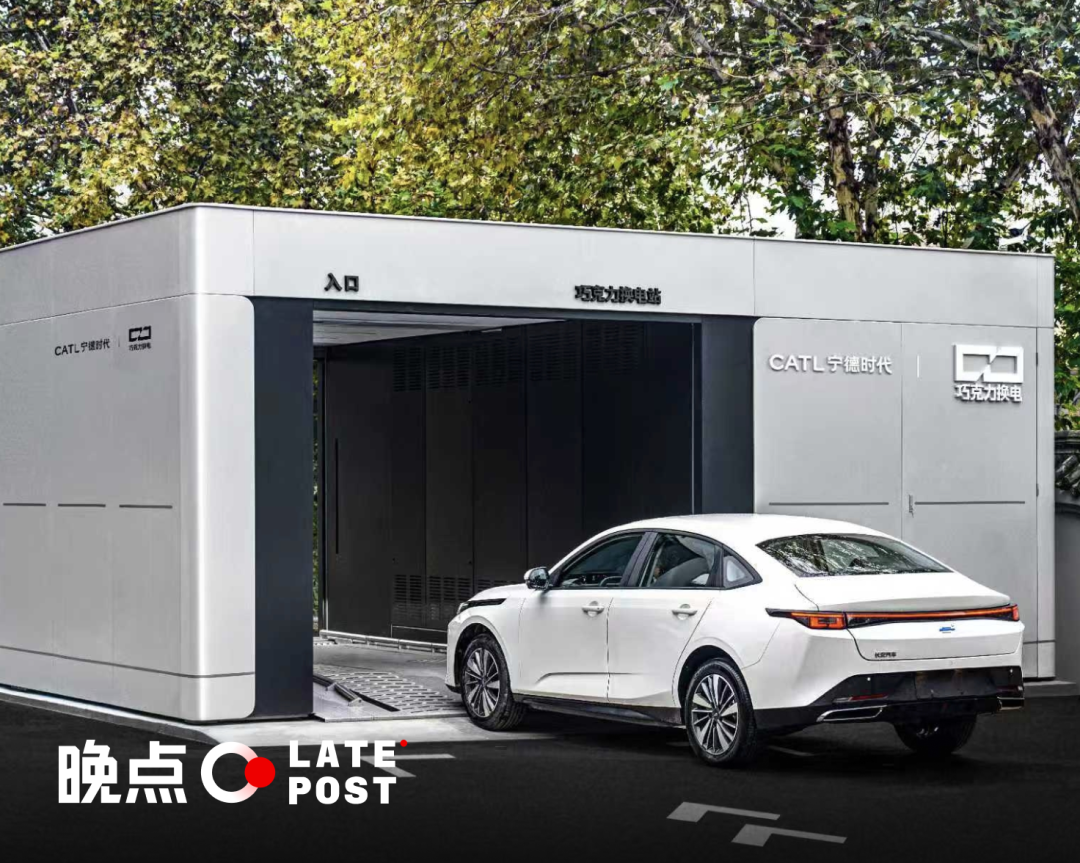
建完 1000 个站,宁德时代换电的账终于能算清了
晚点LatePost· 2026-02-03 12:13
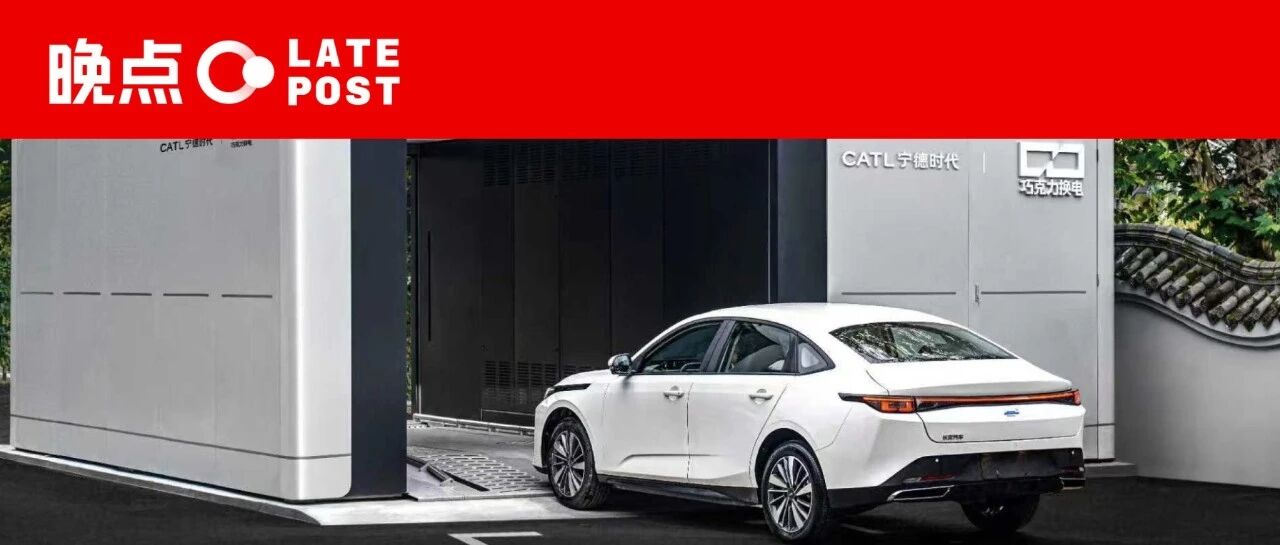
Core Viewpoint - The article discusses the ambitious plans of CATL's energy service division, which aims to build a comprehensive battery swapping network to alleviate the charging anxiety of electric vehicle users and enhance the overall user experience [3][5][19]. Group 1: Network Expansion and Strategy - CATL's energy service division plans to build 2,000 battery swapping stations by the end of 2026, significantly increasing the density of its network to meet growing demand [4][10]. - The strategy has shifted from building stations based on demand to a proactive approach of large-scale construction, which is expected to attract more partnerships with automakers [5][9]. - The rapid expansion of the network has already led to increased interest from major automakers, who are now more willing to collaborate due to the growing infrastructure [4][9]. Group 2: Operational Efficiency and Challenges - The construction process for battery swapping stations has been optimized, reducing the time required from nearly three months to just 16 days [8]. - The team faced initial challenges in site selection and construction quality, but improvements have led to a significant increase in the number of stations built in the latter half of the year [8][9]. - The complexity of building and operating battery swapping stations requires a robust organizational capability, which the company is actively developing [11][13]. Group 3: Market Dynamics and User Experience - The battery swapping model is being validated through real-world applications, with successful implementations in cities like Chongqing demonstrating the potential for high user adoption [9][10]. - The company aims to provide users with a reliable and efficient service, emphasizing safety, convenience, and economic viability as key factors for user acceptance [17][19]. - The introduction of battery leasing options is expected to lower the cost barrier for consumers, making electric vehicles more accessible [13][19]. Group 4: Future Outlook and Goals - The long-term vision includes expanding the network to 5,000 stations, which would solidify the infrastructure and allow for further service enhancements [19][21]. - The company is focused on building trust with users and automakers, as the success of the battery swapping business relies on long-term relationships and consistent service quality [20]. - Future developments may include deeper integration with financial services, insurance, and advertising, creating a more comprehensive ecosystem around battery swapping [21].
开年即洗牌?1 月新能源销量出炉:分化加剧,谁在逆势突围?
电动车公社· 2026-02-01 16:41
Core Viewpoint - The article highlights the impact of policy adjustments and changes in consumer behavior on the Chinese new energy vehicle (NEV) market in January 2026, indicating a cautious outlook for February due to these factors [1]. Market Overview - The NEV market in January faced dual short-term pressures: adjustments in the purchase tax policy and promotional activities by car manufacturers to meet annual targets, which led to a preemptive consumption demand [1]. - The New Year holiday compressed the sales window, placing the market in a demand recovery phase [1]. - Key variables influencing the market include policy alignment and consumer expectations, with some local subsidy application details yet to be finalized, leading to a wait-and-see attitude among consumers [1]. Company Performance - **BYD**: Achieved a passenger car sales volume of 205,518 units in January, maintaining a significant lead in the NEV sector [2][5]. - **Geely**: Reported total sales of 270,167 units, with 124,252 units being NEVs, showing a strong performance across its brands [6][9]. - **Harmonious Intelligence**: Delivered 57,915 units, driven by strong demand for its models and successful technology integration [3][11]. - **Chery**: Sold 52,131 NEVs out of a total of 200,269 units, with a notable year-on-year growth exceeding 50% in the NEV segment [12][15]. - **Xiaomi**: Recorded over 39,000 units delivered, with upcoming models expected to boost sales further [16][18]. - **Leap Motor**: Achieved 32,059 units in deliveries, marking a 27% year-on-year growth despite the seasonal slowdown [6][20]. - **NIO**: Delivered 27,182 units, with the ES8 model showing significant sales momentum [7][23]. - **Li Auto**: Reported 27,668 units delivered, maintaining a positive outlook despite competitive pressures [8][25]. - **GAC Aion**: Sold 21,635 units, benefiting from brand integration and new model launches [9][27]. - **XPeng**: Delivered 20,011 units, with plans for new model releases enhancing its market presence [10][31]. - **Great Wall Motors**: Recorded 18,029 NEV sales, with a focus on high-end markets and international sales [11][34]. - **Lantu**: Achieved 10,515 units delivered, with ongoing product development and partnerships [12][36]. - **BAIC New Energy**: Sold 11,169 units, with a focus on high-end models and technological advancements [13][38]. - **Zhi Mi**: Delivered 5,017 units, expanding its product line with new models [14][39]. - **Extreme Stone**: Achieved 1,028 units delivered, with plans for global market expansion [15][42].



“目标是大量推广钠电池!”宁德时代CTO释放重要信号
Di Yi Cai Jing· 2026-01-28 00:32
Core Viewpoint - Sodium batteries are emerging as a viable alternative to lithium batteries in certain fields, marking a significant step in energy restructuring, with a goal of widespread promotion of sodium batteries [3] Group 1: Industry Developments - CATL has launched the Tianxing II light commercial vehicle series solution, which includes the first mass-produced sodium battery for the light commercial sector [4] - The sodium battery sector index (BK0988) surged by 3.32% on the second trading day after CATL's announcement, reaching its highest point since May 2021, with a cumulative increase of 62% since the launch of the sodium battery brand [4] - Companies like Lianying Laser and Huayang Co. have reported progress in their sodium battery businesses, indicating growing interest and collaboration in the sector [4] Group 2: Technical Advantages and Challenges - Sodium batteries have notable advantages over lithium batteries, including easier resource availability, better low-temperature performance, higher safety, and minimal temperature increase during high-rate charging [4] - However, challenges remain, such as current industrial costs, maturity of the supply chain, and energy density, which are still inferior to lithium batteries [5] Group 3: Future Outlook - CATL plans to achieve economic viability and energy density of sodium batteries comparable to lithium batteries within the next three years [5] - The Tianxing II light commercial vehicle is designed for cold regions, maintaining a cell energy retention rate of over 92% at -20°C, compared to around 80% for lithium batteries [5] - By 2026, CATL aims for large-scale applications of sodium batteries across various sectors, including battery swapping, passenger vehicles, commercial vehicles, and energy storage [5] Group 4: Market Projections - The "National Good Car" Aion UT Super, jointly launched by JD, GAC Group, and CATL, will feature a sodium battery version expected to go into mass production in the second quarter of this year [6] - By 2030, the shipment volume of sodium batteries in both vehicle and non-vehicle sectors is projected to exceed 100 GWh, with Morgan Stanley predicting a price reduction of over 30% compared to lithium iron phosphate batteries when production scales reach 100 GWh [6]

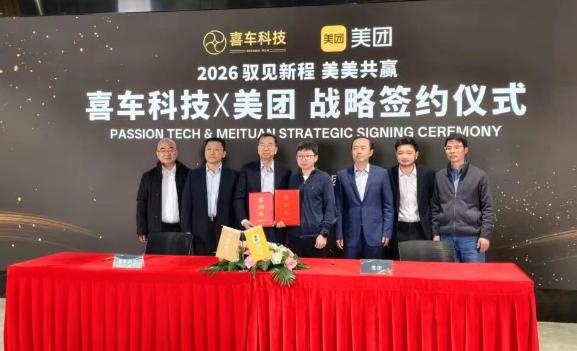
美团杀入汽车赛道,要和京东大干一场
3 6 Ke· 2026-01-16 12:43
Core Insights - Meituan has officially entered the automotive sector by signing an agreement with Xiche Future Intelligent Technology, aiming to integrate the automotive industry with local lifestyle services [2][4] - The move comes as a response to intense competition in the food delivery market, where Meituan has faced significant pressure from rivals like Alibaba and JD.com [11][12] - Meituan's strategy focuses on leveraging its existing platform to provide a centralized online window for car purchasing, enhancing consumer experience and transparency in the automotive market [4][10] Group 1: Meituan's Automotive Strategy - Meituan plans to onboard over 30 automotive brands and thousands of dealerships onto its platform by the end of 2026, creating a nationwide online automotive service ecosystem [4] - The collaboration with Xiche Technology aims to utilize Meituan's merchant rating system to evaluate offline 4S stores, improving service quality in the automotive sector [4][10] - Unlike JD.com, which focuses on direct sales and a complete ecosystem, Meituan's approach is to act as a lead generation tool for existing dealerships [10][9] Group 2: Competitive Landscape - The competitive landscape has intensified, with Alibaba's Taobao Shanguo aggressively expanding its market share in instant retail, posing a direct threat to Meituan's core business [21][25] - Meituan reported a significant quarterly net loss of 16 billion yuan, marking its first quarterly loss in three years, primarily due to pressures in its core local business segment [12][15] - Analysts predict a decline in Meituan's market share in instant retail from 73% in 2024 to 55% by 2027, necessitating the search for new growth avenues [15][16] Group 3: Rationale Behind Automotive Entry - The automotive sector presents higher profit margins compared to Meituan's traditional low-margin food delivery business, making it an attractive new revenue stream [16] - Meituan's entry into the automotive market is also a defensive strategy to prevent competitors from establishing a stronghold in this lucrative sector [17][20] - The company possesses extensive consumer behavior data, allowing it to provide targeted advertising and insights to 4S stores, enhancing its value proposition in the automotive space [18][19] Group 4: Future Directions - Meituan's future actions are expected to include expanding overseas operations, enhancing AI capabilities for logistics and user demand forecasting, and accelerating the development of its retail infrastructure [30][31][32] - The competitive environment is anticipated to become more complex and intense, but Meituan's established market presence and strategic initiatives may provide a robust defense against emerging threats [32][28]

【新能源】2025年10月新能源汽车行业月报
乘联分会· 2025-12-11 08:38
Sales Performance - In October, the total passenger car sales reached 2.103 million units, a year-on-year decrease of 9.3% and a month-on-month decrease of 6.5% [4] - The new energy vehicle (NEV) market sales were approximately 1.189 million units, showing a slight year-on-year increase of 0.6% but a month-on-month decrease of 7.6% [4] - NEVs accounted for 56.5% of total passenger car sales in October, a decrease of 0.7% from the previous month but an increase of 5.6% compared to the same month last year [4] New Energy Market Performance - In October, pure electric vehicle sales were about 763,000 units, a year-on-year increase of 12.8% but a month-on-month decrease of 8.9% [9] - Plug-in hybrid sales were approximately 426,000 units, showing a year-on-year decrease of 15.7% and a month-on-month decrease of 5.2% [9] - Cumulative NEV sales reached 9.823 million units by 2025, with a cumulative year-on-year increase of 19.6% [9] Top Cities for NEV Sales - The top 10 cities accounted for 26.1% of NEV sales, an increase of 0.7% from the previous month [10] - The top three cities for NEV sales were Shanghai, Zhengzhou, and Chengdu, with Xi'an replacing Ningbo in the top ten [10] - NEV penetration rates in the top 10 cities exceeded 50%, with Shenzhen leading at 69.9%, followed by Shanghai at 65.0% and Hangzhou at 64.8% [10] Pure Electric Market Analysis - The top three segments in the pure electric market were A00 class (17.1%), A0 class (16.3%), and B-SUV (13.8%) [15] - The C-SUV market share increased significantly from 5.8% to 11.5% year-on-year, while the A-SUV market share decreased from 15.1% to 10.2% [15] - Personal users accounted for 89.2% of pure electric vehicle sales in October, a year-on-year increase of 19.2% [16] Industry Dynamics - Nexperia, a semiconductor company, faced a regulatory freeze from the Dutch government, impacting the global automotive semiconductor supply chain and highlighting risks in China's automotive industry [21] - The freeze was a response to U.S. export controls, affecting Nexperia's operations and leading to potential production impacts on approximately 9 million vehicles globally [22] - JD.com announced a strategic partnership with Changan Automobile and GAC to launch a new electric vehicle, aiming to target family and young first-time car buyers [23] Policy Updates - The Ministry of Industry and Information Technology released new technical requirements for NEVs, effective from January 1, 2026, which include stricter energy consumption limits for electric and plug-in hybrid vehicles [29][31]
雷克萨斯直播间,被保洁阿姨攻占了
Xin Lang Cai Jing· 2025-12-10 06:23
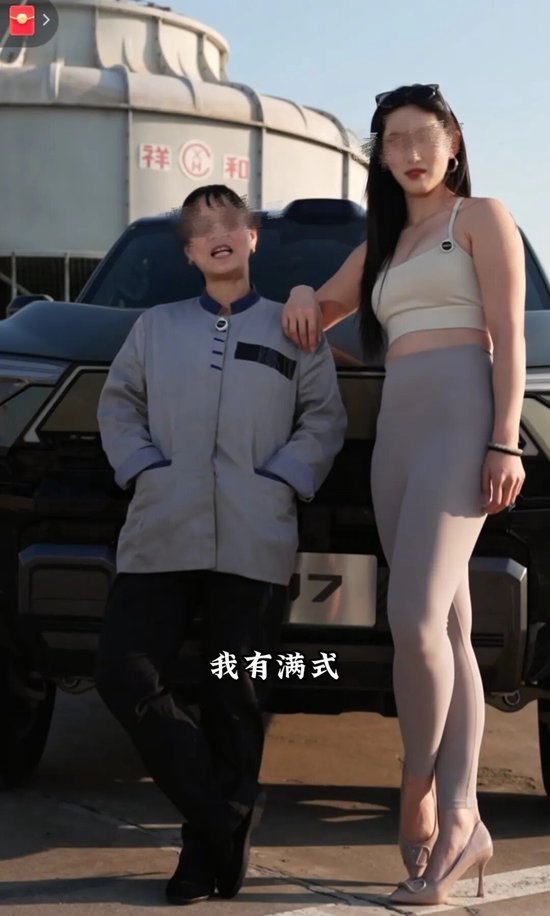
Core Insights - The rise of unconventional hosts, such as cleaning staff, in car sales live streams is refreshing audiences tired of traditional formats [1][10][11] - The automotive industry is increasingly embracing e-commerce, with brands utilizing live streaming to showcase products and attract customers [19][20][21] Group 1: Unconventional Hosts - Cleaning staff and security personnel are becoming popular hosts in car sales live streams, contrasting with the traditional attractive hosts [1][4][11] - Two main types of cleaning staff hosts have emerged: the "flower and leaf" type, who appear alongside professional hosts, and the "independent" type, who present cars based on their own understanding [5][7][31] - A notable example includes a cleaning staff member from a Lexus dealership whose video received over 100,000 likes, surpassing previous content [11][37] Group 2: New Streaming Styles - Various unconventional streaming styles are gaining traction, including the "car-side parkour" style, "dialect car talk," and "short drama" formats [14][40][42] - The "car-side parkour" style features hosts performing stunts around vehicles, while "dialect car talk" uses local dialects to engage audiences [40][42] - The "short drama" format incorporates storytelling elements, creating engaging narratives that resonate with viewers [42][43] Group 3: E-commerce Integration - The automotive industry is shifting towards e-commerce, with brands increasingly using live streaming for product promotion and customer engagement [19][20][21] - Data shows a significant increase in live streaming activity among car manufacturers, with a 408% rise in average monthly live sessions and a 263% increase in interaction [20][46] - Major sales events, such as the Douyin Double Eleven shopping festival, have generated substantial revenue, indicating the effectiveness of this approach [21][47] Group 4: Competitive Landscape - The entry of unconventional hosts has created a new competitive dynamic in the automotive sales sector, as brands seek to differentiate themselves in a crowded market [26][52] - E-commerce strategies are being adopted by various platforms, with companies like Tmall and JD.com also entering the automotive sales space [50][52] - While unconventional hosts can drive traffic, dealerships must continue to innovate to maintain sales momentum and customer engagement [26][52]
赔付2600元权益的“埃安UT天窗事件”,或许不是汽车电商的个案
Guan Cha Zhe Wang· 2025-12-05 02:52
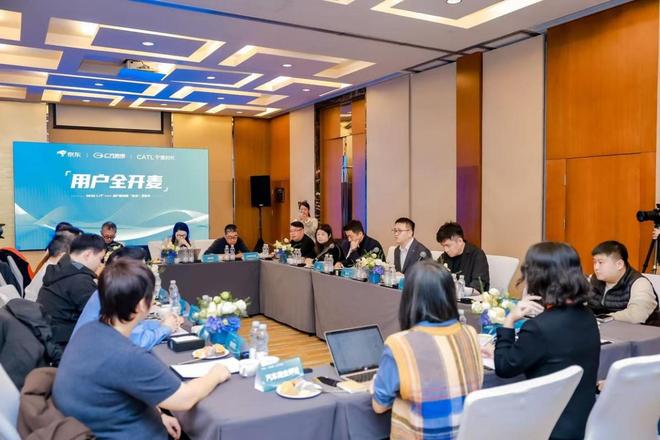
Core Viewpoint - The recent collaboration between JD.com, GAC Aion, and CATL to launch the Aion UT Super electric vehicle has faced challenges, including order cancellations and customer complaints, prompting the companies to implement measures to address these issues [1][3][23]. Group 1: Company Responses and Measures - A face-to-face meeting was held to address user concerns, resulting in four initiatives: a service package worth 2,600 yuan, expanded invoice issuance to more cities, and a more flexible refund and cancellation policy [1][3]. - The companies acknowledged the need for better communication and compensation to mitigate the online purchasing crisis [3][23]. Group 2: Customer Complaints and Issues - Customers reported discrepancies between promotional materials and actual vehicle features, such as the absence of a sunroof that was advertised [7][23]. - There were complaints regarding the limited issuance of invoices, which restricted customers in other regions from receiving local purchase subsidies [7][23]. Group 3: Market Context and Historical Background - The collaboration marks a significant attempt to integrate e-commerce with the automotive industry, reminiscent of early attempts at online car sales in China [10][11]. - The electric vehicle market is evolving, with companies like Xiaomi and Huawei also exploring direct sales models, indicating a shift in consumer purchasing behavior [14][15]. Group 4: Strategic Implications for Companies - GAC Aion's sales have been declining, with a projected annual sales drop of 21.19% from 2023 to 2024, highlighting the need for effective marketing channels [18][20]. - CATL aims to leverage this partnership to connect its technology directly with consumers, as the success of the Aion UT Super will influence future collaborations [22][29]. Group 5: Operational Challenges and Future Outlook - The collaboration has revealed operational issues, such as the need for better product detail management and customer service training [23][31]. - The companies are working on establishing a supervision mechanism to improve service quality and user experience, but the effectiveness of these measures remains to be seen [31][32].


埃安UT Super“退款风波”后 广汽京东宁德三方给出回应
Xi Niu Cai Jing· 2025-12-04 02:44
Core Viewpoint - The recent delivery of the Aion UT Super has led to a refund controversy due to discrepancies between the actual vehicle configuration and the promotional materials, raising concerns among consumers [2][3] Group 1: Consumer Concerns - Multiple consumers reported issues such as the absence of a sunroof, undisclosed mileage limits on battery rental, and invoice policies affecting local subsidies [2] - The missing sunroof issue was attributed to a content review error during the introduction of the Aion community's three-party cooperation ecosystem, which has since been corrected [2] - The battery rental service's previously unmentioned monthly mileage limit of 3,000 kilometers has caused dissatisfaction among some consumers, although the company claims it is based on actual usage data [2] Group 2: Company Responses - Aion's Vice President clarified that the configuration details were made clear on all official platforms on the day of the launch [2] - The company plans to introduce a mileage increment package in December, allowing users to purchase additional kilometers for 50 yuan [2] - The marketing head from JD Auto stated that invoice issuance in Shanghai and Guangzhou aims to help more users benefit from government subsidies, with plans to expand to more cities soon [3] Group 3: Market Performance - Despite the proactive responses from the three parties involved, Aion's sales have not been satisfactory, with a year-on-year decline of 32.55% in October [3] - The future success of the Aion UT Super in reversing the sales decline remains uncertain and will depend on market reception [3]
京东“国民好车”光环褪色 多重争议引发退订潮
Mei Ri Shang Bao· 2025-12-03 23:02
Core Viewpoint - The launch of the "National Good Car" Aion UT Super by JD.com, GAC Group, and CATL has faced significant backlash due to various issues, leading to a wave of cancellations and raising questions about the reliability of cross-industry collaborations in the automotive sector [1][2][3]. Group 1: Product Launch and Initial Reception - The Aion UT Super was introduced with a starting price of 49,900 yuan and a rental battery purchase plan, attracting over 18,000 reservations on the first day and exceeding 30,000 pre-orders before delivery [1]. - However, issues such as the absence of a promised sunroof, hidden limitations in the rental battery plan, and regional restrictions on invoicing led to customer dissatisfaction and cancellations [2]. Group 2: Customer Complaints and Company Response - Complaints from customers regarding the missing sunroof and undisclosed mileage limits on the rental plan surfaced immediately upon delivery, prompting a user meeting on December 1 to address these concerns [3]. - In response, the companies announced measures including a mileage increment package and a commitment to expand invoicing cities, while also improving transparency on product details [3]. Group 3: Cross-Industry Collaboration Challenges - The collaboration among JD.com, GAC, and CATL, initially seen as a promising combination of e-commerce, automotive manufacturing, and battery technology, revealed significant coordination and communication failures [4]. - The differing objectives of the companies—GAC aiming for sales volume, JD.com focusing on market expansion, and CATL promoting battery technology—led to a prioritization of traffic over user rights, resulting in a lack of transparency and information [4]. Group 4: Industry Implications and Future Considerations - The incident serves as a cautionary tale for the automotive industry, emphasizing the need for cross-industry collaborations to prioritize user logic over mere traffic logic [5]. - To regain consumer trust, companies must restructure their collaboration frameworks, ensuring clear roles and responsibilities, and focus on transparent information disclosure and user rights protection [5].