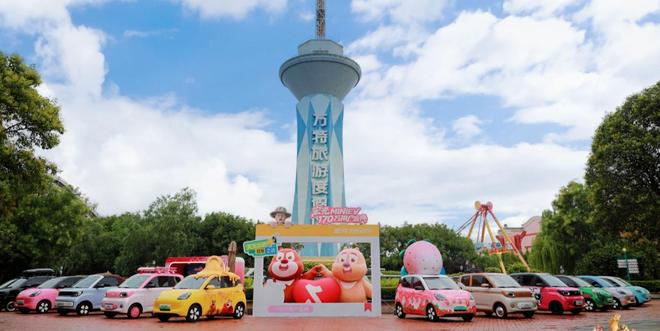
宏光MINI EV

Search documents
总销量154万台,国民神车复活!纯电小车时代来了?
电动车公社· 2026-02-10 16:02
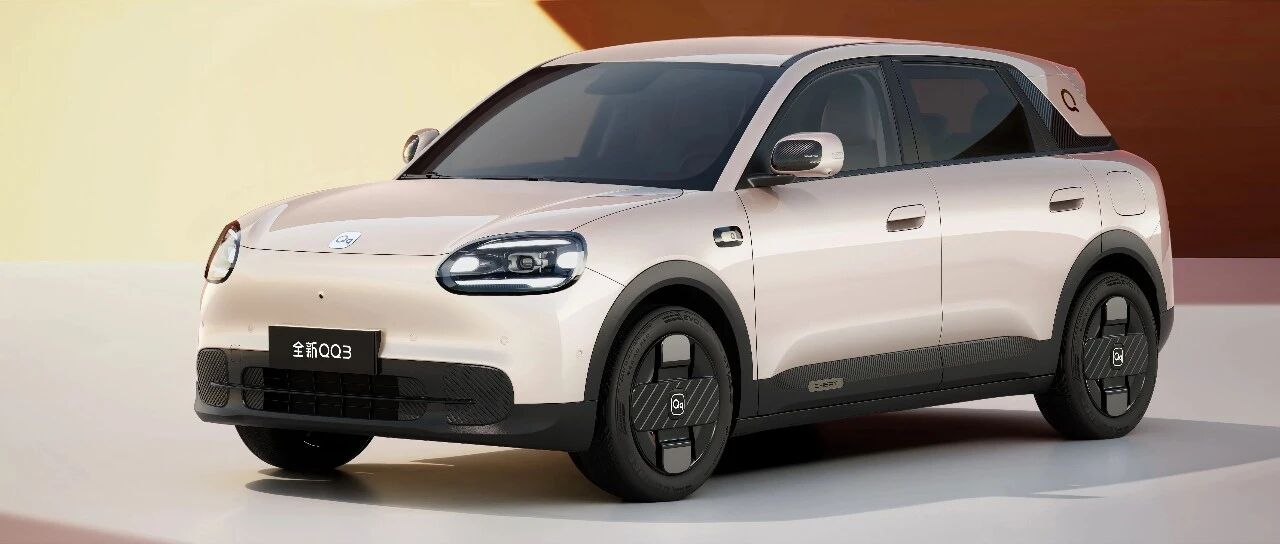
Core Viewpoint - The small car market is set to experience significant changes and growth, highlighted by the successful launch of new models like the Honda Fit and Chery QQ3, indicating a shift in consumer preferences and market dynamics [1][5][7]. Group 1: Market Dynamics - The new Honda Fit sold out its limited 3,000 units within a short period, showcasing a successful marketing and sales strategy [2][4]. - In contrast, the Chery QQ3 received 27,319 blind orders within just 3 hours of its launch, indicating a strong demand for electric small cars [5][7]. Group 2: Historical Context of Small Cars - Small cars have historically been defined by their size and affordability, catering to essential transportation needs while gaining popularity for their practicality [8][11]. - The evolution of small cars has been influenced by their low entry barriers and ease of imitation, allowing emerging automotive markets to adopt and adapt successful designs [15][16][20]. Group 3: Changes in Chinese Small Car Market - The Chery QQ, launched in 2003, became a market sensation with a starting price below 40,000 yuan, offering features that were competitive for its time [27][30]. - The market for small cars in China has shifted as consumer preferences evolved, with a growing demand for larger, more comfortable vehicles and the rise of compact cars and SUVs [35][37]. Group 4: The New Era of Electric Small Cars - The introduction of the Wuling Hongguang MINI EV in 2020 marked a turning point for electric small cars in China, offering an affordable and practical solution for urban transportation [43][44]. - The competitive landscape for electric small cars is rapidly evolving, with numerous models emerging that emphasize original design and local supply chain capabilities [52][54]. Group 5: Future Outlook - The Chery QQ3 represents a new chapter for the brand, combining modern technology and design to meet the demands of today's consumers [62][65]. - The strong initial demand for the QQ3, evidenced by its blind orders, suggests a promising future for small electric cars in the Chinese market [73].

二手车市场这么火爆,为什么你的车还是卖不出好价?
Xin Lang Cai Jing· 2026-01-07 06:56
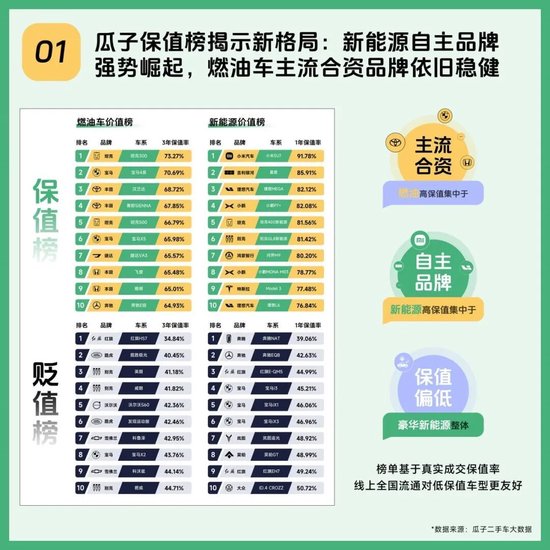
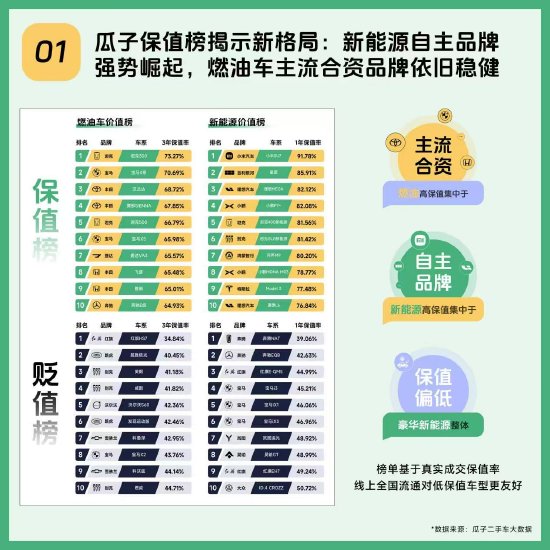
Core Insights - The article discusses the current state of the used car market in China, highlighting the disparity between reported car value retention rates and actual selling experiences for individual sellers [20][24]. - It emphasizes the role of platforms like Guazi in bridging the gap between buyers and sellers, enhancing transaction efficiency and trust [27][29]. Group 1: Used Car Value Retention - The 2025 used car value retention report indicates that traditional fuel vehicles, particularly from brands like Toyota and Honda, maintain strong value, with three-year retention rates above 65% [18][19]. - In contrast, electric vehicles (EVs) like the Xiaomi SU7 show a one-year retention rate of 91.78%, while some luxury brands struggle, with models like BMW i3 retaining only about 45% [18][19]. Group 2: Market Dynamics - The used car market is experiencing high activity, with over 11.2 million vehicles exchanged through trade-in programs from January to November 2025, and a peak used car transfer rate of 33.1% in October 2025 [19][20]. - The disparity in selling experiences arises from the complex transaction structure, where 84% of used cars do not sell directly to individual buyers but go through intermediaries like dealerships [24][25]. Group 3: Challenges in Selling - Individual sellers often face challenges due to a lack of trust and transparency in personal-to-person transactions, leading to lower offers from dealers compared to expected market values [26][25]. - The article notes that selling directly to individuals can be inefficient due to limited exposure and geographical constraints, making it difficult for sellers to reach potential buyers willing to pay higher prices [26][27]. Group 4: Role of Guazi - Guazi plays a crucial role in eliminating geographical limitations, allowing sellers to reach a broader audience, with over 100 million users engaging on the platform daily [27][29]. - The platform enhances trust through comprehensive vehicle inspections and transparent pricing based on real transaction data, enabling competitive bidding between individual buyers and professional dealers [29][30]. Group 5: Underestimated Vehicles - Certain categories of used cars, such as EVs, high-end luxury vehicles, older cars, and niche models, are often undervalued in traditional markets but can achieve fair market prices through Guazi's platform [30][31]. - The article provides examples of individual sellers who successfully sold their vehicles at higher prices than local dealers offered, thanks to Guazi's nationwide reach and intelligent pricing systems [33][34]. Group 6: Future Outlook - As the trend of vehicle trade-ins continues, the pricing capabilities and efficiency of platforms like Guazi will significantly impact how sellers maximize their vehicle values [35].
2025瓜子二手车年度趋势报告:新能源车保值率小米、吉利、理想位列前三
Xin Lang Cai Jing· 2025-12-25 09:40
Core Insights - Guazi used its 2025 real transaction data to release a trend report, highlighting the depreciation rates of various car models, with the Xiaomi SU7 leading the new energy category at over 90% one-year retention rate [2][6] Depreciation Rates - In the new energy vehicle segment, the Xiaomi SU7 tops the list, followed by Geely and Li Auto [2][6] - Traditional joint venture brands dominate the fuel vehicle market, with Toyota and Honda holding four out of the top ten spots for three-year retention rates, maintaining over 65% [2][6] - Some overseas luxury brands, such as the Range Rover Evoque and Volvo S60, show a significant decline in retention rates, dropping to around 40% [2][6] - The overall depreciation of used cars is not linear; the first-year retention rate for fuel vehicles is approximately 66%, with nearly 50% depreciation by the third year, stabilizing thereafter [2][6] - New energy vehicles experience a more concentrated depreciation pattern, with prices nearly halving after two years and a further 9% drop in the third year, stabilizing after that [2][6] Sales Rankings - The sales ranking shows that the Haval H6 leads in transaction volume in the fuel vehicle market, maintaining a high retention rate [3][7] - Traditional popular models from Volkswagen, such as the Polo and Lavida, continue to have stable demand in the used car market [3][7] - In the new energy category, the Hongguang MINI EV is the highest-selling model due to its low entry price, while Tesla's Model Y and Model 3 rank second and third, respectively, being the only foreign brands in the top ten [3][8] - Tesla maintains a strong influence in the new energy used car market overall [4][8]
263km续航卖12万!法国人炸了,欧盟疯了?
电动车公社· 2025-11-17 16:35
Group 1 - The core viewpoint of the article highlights the contrasting electric vehicle (EV) market dynamics between China and Europe, with China experiencing a surge in sales of affordable electric cars while Europe faces rising prices and regulatory challenges [1][3][45]. - In October, several electric vehicles in China achieved significant sales milestones, such as the Wuling Hongguang MINI EV surpassing 60,000 units sold, indicating a robust demand for affordable electric cars [1][3]. - The article emphasizes the price disparity in Europe, where the cost of small cars has increased significantly over the past 20 years, with only one fuel-powered car priced below €15,000, while many electric models are priced above €25,000 [3][5]. Group 2 - Renault's new electric car, the Twingo, aims to be priced below €20,000, targeting the European market's need for affordable electric vehicles [5][43]. - The Twingo's design incorporates cost-saving measures, such as simplifying components and reducing unnecessary features, to achieve a competitive price point [15][19]. - The Twingo project benefited from a rapid development process, taking only 24 months from design to production, largely due to the involvement of a Chinese engineering team and suppliers [56][60][64]. Group 3 - The article discusses the challenges Renault faces in entering the Chinese market, where competition is fierce with numerous affordable electric vehicles already available [48][49]. - Despite the Twingo's potential success in Europe, Renault's CEO expressed skepticism about its viability in China due to pricing issues [46][48]. - The article notes that Renault's strategy involves leveraging China's supply chain to reduce costs and enhance competitiveness in the global market [55][67][90]. Group 4 - Renault's restructuring in China reflects a shift towards a more collaborative approach, focusing on integrating with the local supply chain and adapting to the competitive landscape [75][80]. - The partnership with Chinese suppliers is expected to extend beyond the Twingo project, influencing Renault's global operations and product development [86][89]. - The article concludes that Renault's strategy represents a broader trend in the automotive industry, where traditional manufacturers must adapt to the evolving market shaped by Chinese brands [93][94].
零跑破7万、蔚来小鹏破4万、比亚迪破43万!10月新能源销量公布,多家车企再创新高!
电动车公社· 2025-11-01 16:40
Core Viewpoint - The automotive industry is experiencing a strong performance in October, with many companies reporting higher sales than in September, particularly in the electric vehicle (EV) segment. The year-end sales surge is anticipated to be significant due to various incentives and tax policies [1][4]. Group 1: BYD - In October, BYD's passenger car sales reached 436,856 units, maintaining a leading position in the EV market with over 3.7 million cumulative sales in the first ten months of the year [2][4]. - The sales breakdown includes 395,015 units from the Dynasty and Ocean series, 31,052 from the Fangcheng Leopard, 10,135 from Tengshi, and 654 from Yangwang [2]. Group 2: Geely - Geely's total sales in October were 307,133 units, with 177,882 units being electric vehicles. The Galaxy brand contributed 245,497 units, while Lynk & Co and Zeekr added 40,213 and 21,423 units, respectively [5][6]. - Geely's sales have shown rapid growth, particularly with the Galaxy brand doubling its sales compared to the previous month [8]. Group 3: Chery - Chery achieved a significant milestone with its monthly EV sales surpassing 110,000 units for the first time, driven by the newly launched Fengyun T11, which received nearly 40,000 orders within 24 hours [12]. Group 4: SAIC-GM-Wuling - SAIC-GM-Wuling reported total sales of 174,956 units in October, with 123,147 units being electric vehicles. The Hongguang MINI EV was a key contributor to this success [13][17]. Group 5: Great Wall Motors - Great Wall Motors sold 143,078 units in October, with 46,155 units being electric vehicles. The company is accelerating its transition to electric vehicles and achieving success in high-end and overseas markets [19]. Group 6: Leap Motor - Leap Motor delivered 70,289 units in October, showing strong momentum in the 100,000 to 200,000 yuan price range. The company is expanding its product line with new models [6][21]. Group 7: Huawei's Hongmeng Zhixing - Hongmeng Zhixing delivered 68,216 units in October, with significant contributions from the Zhijie and Xiangjie models. The company is focusing on increasing production capacity and solidifying its position in the high-end market [21][23]. Group 8: NIO - NIO delivered 40,397 units in October, with the brand's performance driven by the successful launch of new models and organizational efficiency improvements [26][30]. Group 9: Xiaomi - Xiaomi's electric vehicle sales exceeded 40,000 units in October, supported by a tax subsidy policy that has garnered positive feedback from consumers [31][33]. Group 10: Deep Blue and Avita - Deep Blue reported global deliveries of 36,792 units in October, with the Deep Blue S05 being a major contributor. The brand's cumulative sales increased by 57.1% year-on-year [11][35]. Group 11: Li Auto - Li Auto delivered 31,767 units in October, facing intense competition but maintaining a dual strategy of range-extended and pure electric vehicles [12][38]. Group 12: Dongfeng Yipai Technology - Dongfeng Yipai Technology achieved sales of 31,107 units in October, benefiting from the integration of multiple sub-brands [39]. Group 13: BAIC New Energy - BAIC New Energy sold 30,542 units in October, with significant contributions from the Arcfox and Xiangjie brands [40][42]. Group 14: FAW Bestune - FAW Bestune's sales reached 20,400 units in October, with 18,468 units being electric vehicles, indicating a successful transition towards electrification [15][44]. Group 15: Lantu - Lantu delivered 17,218 units in October, focusing on flagship models and technological upgrades in collaboration with Huawei [16][46]. Group 16: IM Motors - IM Motors delivered 13,159 units in October, with the launch of the LS6 model contributing to a new monthly delivery record [17][48]. Group 17: Jishi Motors - Jishi Motors delivered 1,426 units in October, showing steady growth in sales, particularly in international markets [18][51].



零跑破6万、小鹏破4万、五菱破10万!9月新能源销量公布,多家车企再创新高!
电动车公社· 2025-10-01 16:05
Group 1 - The overall performance of the new energy vehicle market in September was strong, with many companies achieving record sales, indicating a potential breakthrough in the overall penetration rate of new energy vehicles in the automotive industry [1][2] - BYD's passenger car sales reached 393,060 units in September, with significant contributions from its various brands, indicating a stable monthly sales base of over 300,000 units [2][7] - Geely's new energy vehicle sales were 165,201 units in September, with a total sales volume of 273,125 units, showcasing its strong market presence and growth potential [8][9][13] Group 2 - Changan Automobile reported over 103,000 units in new energy vehicle sales in September, reflecting a clear product strategy across different price segments [14][18] - SAIC-GM-Wuling achieved new energy vehicle sales of 100,593 units, marking a significant milestone for the brand, particularly with its popular models [20] - Leap Motor's sales reached 66,657 units in September, driven by its commitment to technology and successful business model exploration [22] Group 3 - Great Wall Motors sold 45,961 new energy vehicles in September, with a focus on user-centric vehicle development [26][31] - XPeng Motors delivered 41,581 units, marking a significant increase in sales and a strategic focus on expanding into the European market [33] - Xiaomi Motors reported over 40,000 units in deliveries, with efforts to improve production capacity and customer satisfaction [38] Group 4 - NIO delivered 34,749 units in September, with a strong performance from its brands, indicating a positive trend towards profitability [39][46] - Li Auto's deliveries reached 33,951 units, with a focus on expanding its product offerings to meet market demands [48][51] - GAC Aion sold 29,113 units, maintaining stable sales amidst fierce competition [52] Group 5 - Dongfeng Yipai Technology achieved sales of 30,256 units, indicating a positive growth trajectory [53] - BAIC New Energy sold 20,539 units, with a notable contribution from its new model launches [54] - FAW Bestune's new energy vehicle sales reached 16,214 units, reflecting a successful transition towards electrification [59]





太阳能电动车即将落地?!每天不花钱白跑50公里?
电动车公社· 2025-09-11 15:51
Core Viewpoint - The article discusses the emergence of Solarky, a new player in the electric vehicle market, which aims to create solar-powered vehicles specifically for the African market, diverging from the trend of targeting Europe by other manufacturers [1][5][7]. Group 1: Company Overview - Solarky was established in November 2023 in Shenzhen and aims to provide tailored transportation solutions for the African population [5]. - The company has introduced its first solar-powered vehicle, the C11A, which features a large solar panel on the roof with a conversion efficiency of 28.8% [15][10]. - The C11A is designed to be lightweight, weighing only 450 kg without the battery, and requires just 10 kWh of battery capacity to achieve a range of 180 km [23][26]. Group 2: Market Strategy - Solarky targets the African market due to its high solar exposure, with an average of 3,250 hours of sunlight per year, making solar energy a viable option [34]. - The vehicle is priced at approximately 50,000 RMB, making it affordable compared to traditional vehicles like the Toyota Corolla, which can cost over 100,000 RMB when imported [47]. - The company aims to address the lack of charging infrastructure in Africa by utilizing solar energy, which is abundant in the region [32][33]. Group 3: Technological Innovations - The C11A incorporates a unique "solar tracking" feature that allows the solar panel to adjust its angle to maximize sunlight exposure, potentially increasing energy generation by nearly 20% [18]. - The vehicle's design includes an energy domain controller that optimizes the energy distribution between solar power and battery usage [21]. - Solarky has applied for six core technology patents related to solar energy and vehicle control systems [77]. Group 4: Founder's Background and Business Model - The founder, Yin Kai, has a background in international business and previously held a significant role in a leading container company, which supports Solarky's market entry strategy [52][55]. - The company plans to adopt a light-asset model for production, partnering with Jiangxi Zhicheng Automobile for manufacturing, which helps mitigate financial risks [67][68]. - Solarky has already signed a distribution agreement with East Africa's GSM Group, securing an initial order of 2,000 vehicles for the first year [79].
新能源汽车行业月报-20250819
WAYS· 2025-08-19 08:22
Investment Rating - The report provides a positive investment rating for the new energy vehicle industry, highlighting strong growth potential and market dynamics [2]. Core Insights - The new energy vehicle market showed significant growth in June, with total sales reaching 2.14 million units, a year-on-year increase of 20.6%, while new energy vehicle sales reached approximately 1.11 million units, up 33.3% year-on-year [9][12]. - New energy vehicles accounted for 51.9% of total passenger vehicle sales in June, indicating a growing market share [9]. - The cumulative sales of new energy vehicles in 2025 reached 5.27 million units, reflecting a year-on-year increase of 30.9% [12]. Market Sales Performance - In June, pure electric vehicle sales were approximately 676,000 units, up 42.1% year-on-year, while plug-in hybrid sales were about 434,000 units, up 21.6% year-on-year [12]. - The top 10 manufacturers in the new energy market held a market share of approximately 67.3%, with BYD and Geely leading the rankings [15][28]. - The top three cities for new energy vehicle sales in June were Beijing, Guangzhou, and Chengdu, with a combined market share of 25.9% [18]. Market Dynamics - The report highlights significant monthly sales growth in the new energy vehicle sector, with a 15.0% increase in June compared to the previous month [15]. - The report notes that the market dynamics are influenced by various manufacturers' performance, with notable increases from Tesla (China), Zero Run, and Changan [28]. Industry Policies - The Ministry of Industry and Information Technology issued an implementation plan to promote green and low-carbon standardization in the industrial and information sectors, with a focus on the automotive industry [65][66]. - The plan outlines key research directions for green low-carbon standards in the automotive sector, including carbon footprint management and new energy vehicles [66][68].

智己卖新车,让五菱“抬轿子”
Jing Ji Guan Cha Wang· 2025-08-17 15:08
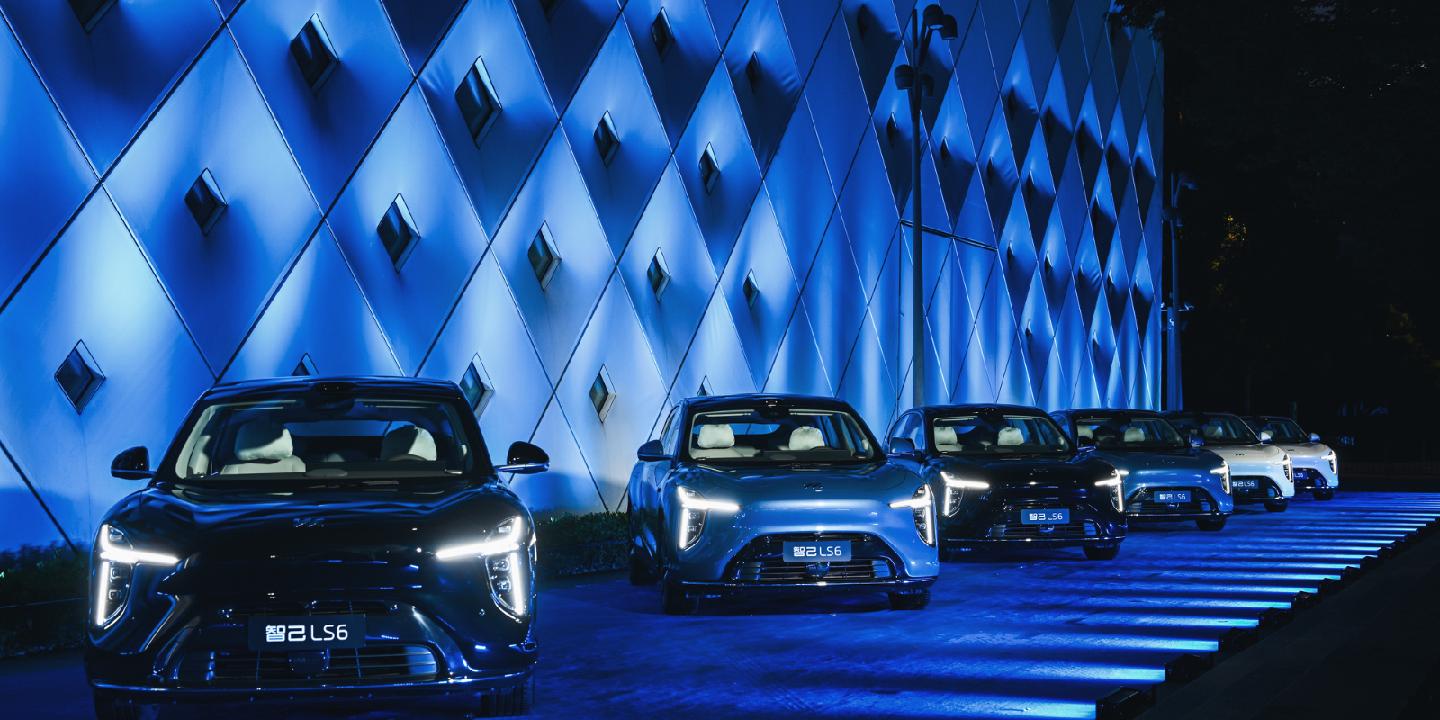
Core Insights - The new generation of Zhiji LS6 has officially started pre-sales on August 15, marking it as the most important product for Zhiji this year [2] - Zhiji's marketing strategy includes both upward comparisons with luxury brands and downward comparisons with lower-tier models, showcasing the LS6's flexibility and safety features [2] - The LS6 aims to address consumer pain points such as range anxiety and charging convenience, positioning itself as a preferred choice for various user segments [3] Product Features - The LS6 features the largest 66kWh battery from CATL, achieving a pure electric range of over 450 kilometers, which surpasses the average ranges of other plug-in hybrid and electric vehicles [3][4] - The vehicle boasts high-performance specifications, including a 0-100 km/h acceleration time of 3.48 seconds and a braking distance of 33.6 meters [4] - The pricing strategy is competitive, with the 450 km range version priced at 239,900 yuan and the 370 km range version at 214,900 yuan [4] Market Performance - Despite the ambitious launch, Zhiji's sales figures remain modest, with 24,900 units sold from January to July, reflecting a year-on-year decrease of 6.25% [5] - The success of the LS6 is critical for Zhiji, as evidenced by the rapid order volume, with over 10,000 orders placed within 30 minutes of the pre-sale announcement [6]
宏光MINI EV再打个性牌,全新联名改装车亮相
Jing Ji Guan Cha Bao· 2025-08-13 03:09
Core Insights - SAIC-GM-Wuling announced that the sales of the Hongguang MINI EV have surpassed 1.7 million units, making it the best-selling pure electric vehicle from a Chinese brand [2] - The Hongguang MINI EV was launched in 2020 with the slogan "the people's vehicle" and quickly became the top-selling model in the micro electric vehicle market [2] - To enhance user engagement amid increasing competition in the micro electric vehicle market, the Hongguang MINI EV has started to emphasize personalization and trendiness through collaborations with well-known IPs [2] Sales Performance - The Hongguang MINI EV has achieved cumulative sales of over 1.7 million units, establishing itself as the sales champion among Chinese electric vehicle brands [2] Product Development - The vehicle was introduced in 2020 and has maintained its position as a leading model in the micro electric vehicle segment [2] - Recent collaborations include partnerships with brands such as Yili Pasture and Capybara, showcasing a series of trendy modifications and interactive events [2]