
浙BA

Search documents
“浙BA”赋能文旅 新春延续“长尾效应”
Zhong Guo Xin Wen Wang· 2026-02-18 08:27
Core Insights - The first Zhejiang Province Urban Basketball League ("ZheBA") has concluded, but its "long tail effect" continues to empower cultural and tourism activities during the Spring Festival [1][3] - The integration of sports and cultural tourism is emphasized as a means to enhance local engagement and economic development [2] Group 1: Event Impact - The "ZheBA" league has directly driven over 3.2 billion yuan in cultural, commercial, and tourism consumption across the province [3] - Local teams, such as the Fuyang team, have engaged with the community through various events, enhancing local pride and participation in basketball [1] Group 2: Strategic Development - Fuyang is focusing on deeply integrating the "ZheBA" brand with its identity as "China's Sports Leisure City," aiming to create a sustainable development loop of sports attracting tourism and retaining consumer spending [2] - Similar initiatives are observed in other regions of Zhejiang, where local teams are actively participating in cultural tourism events, further promoting the league's influence [2]
浙江“十五五”规划纲要:统筹“浙BA”、浙江城市足球联赛等赛事IP
Sou Hu Cai Jing· 2026-02-10 08:10
Core Insights - The "15th Five-Year Plan for Economic and Social Development of Zhejiang Province" emphasizes the expansion of service consumption and the development of various consumption sectors [1] Group 1: Consumption Expansion - The plan aims to accelerate the development of emotional consumption, community consumption, pet economy, inbound consumption, low-altitude consumption, automotive aftermarket consumption, and travel consumption [1] - It promotes the growth of live e-commerce, instant retail, and interest-based e-commerce models [1] Group 2: Economic Development Initiatives - The plan focuses on nurturing the "first launch economy" by coordinating the opening of stores, debuting activities, establishing new scenarios, innovating models, and building brands [1] - It aims to leverage sports events like "ZheBA" and the Zhejiang City Football League to boost the performance economy, event economy, ticket economy, and "exhibition+" economy [1] Group 3: Green and Health Consumption - There is a strong advocacy for green consumption, promoting the development of the second-hand economy and sharing economy [1] - The plan seeks to optimize health consumption supply and explore the potential of sectors such as accommodation, catering, housekeeping services, and elderly care [1]
借鉴浙BA模式,浙江官宣:首届浙江省城市足球联赛即将开打
Xin Lang Cai Jing· 2025-12-21 12:30
Core Viewpoint - Zhejiang Province is expanding its sports event portfolio by launching the first provincial urban football league, inspired by the successful "ZheBA" basketball league, aiming to integrate sports with cultural and tourism sectors [1][3]. Group 1: Event Overview - The first Zhejiang Provincial Urban Football League will follow a similar structure to "ZheBA," consisting of preliminary rounds and a city championship phase [3][6]. - The preliminary rounds will be organized by various districts, while the championship phase is scheduled to take place from mid-April to the end of July 2026 [3][5]. Group 2: Economic Impact - "ZheBA" has generated over 2.5 billion yuan in direct cultural, tourism, commercial, and sports consumption, with 275 cultural and tourism markets contributing approximately 46 million yuan in direct sales [3][6]. - The establishment of "second viewing points" in urban commercial areas attracted nearly 65,000 spectators, leading to an 8.9% year-on-year increase in overall sales for participating malls [3][6]. Group 3: Preparations and Participation - Eleven districts in Zhejiang are actively preparing for the football league, with several cities already initiating their local league matches [4][5]. - Cities like Wenzhou, Taizhou, and Lishui have already kicked off their local leagues, while others like Hangzhou and Ningbo are in the planning stages [5][6]. Group 4: Historical Context - The Zhejiang Provincial Super League, which has evolved since its inception in 1991, reflects a well-structured sports event system characterized by government leadership, club participation, and market-oriented operations [6].

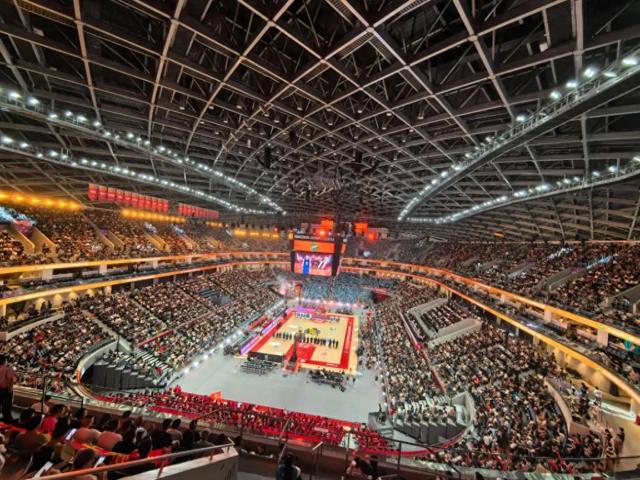
群“超”并起 中国体育“民间力量”激发新活力
Zhong Guo Xin Wen Wang· 2025-12-21 03:44
Group 1 - The term "Su Chao" has gained significant recognition in 2025 keyword rankings, highlighting its status as one of China's most successful grassroots sports events, which has sparked enthusiasm for sports and boosted local economic development [1] - Since its launch on May 10 until the final on November 1, "Su Chao" attracted over 2.43 million spectators, averaging more than 28,000 attendees per match, with "Gan Chao" setting a record of 50,168 attendees for a single match [1] - The event's appeal is attributed to its grassroots nature, featuring participants from various professions, driven by a pure love for football rather than high salaries or professional backgrounds [1] Group 2 - The 13 city teams in "Su Chao" have created unique football identities based on local history and cultural characteristics, enhancing regional cultural engagement and emotional connections among cities [2] - Events like "Gan Chao" have served as emotional "adhesives" between cities, fostering community ties through cultural exchanges, such as the gifting of local produce and letters between cities [2] - The "Meng Chao" event provided immersive cultural experiences, showcasing local traditions and enhancing regional identity [2] Group 3 - The "Su Chao" final on November 1 saw Taizhou team defeat Nantong team 4-3, marking the first championship of the league, while also generating significant tourism and consumption in host cities [4] - The event has driven substantial economic activity, with "Xiang Chao" converting tickets into travel passes, leading to a total of 41.81 million yuan in dining, 23.06 million yuan in accommodation, and 61.99 million yuan in transportation spending [4] - During the "Meng Chao" finals, Hohhot welcomed over 890,000 domestic tourists, resulting in total consumer spending of 734 million yuan [4] Group 4 - The "Super" leagues represent a vibrant example of the integration of sports with cultural and economic development, showcasing a new approach to sports in China [6] - The Chinese government has emphasized the importance of enhancing sports consumption and developing a modern sports industry, as outlined in recent policy documents [6] - To ensure the sustainability of grassroots sports events, there is a need for deeper integration of culture, sports, tourism, and commerce, supported by relevant policies [6]
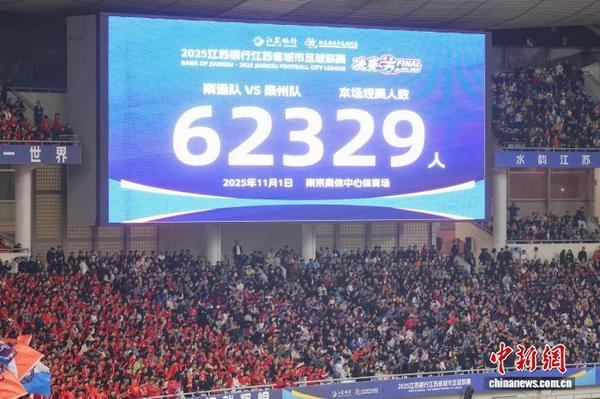
(年终特稿)群“超”并起 中国体育“民间力量”激发新活力
Zhong Guo Xin Wen Wang· 2025-12-21 03:36
Core Viewpoint - The rise of grassroots sports events in China, exemplified by the "Su Super" league, has significantly boosted public enthusiasm for sports and local economic development, showcasing a new vitality in the sports sector [1]. Group 1: Event Popularity and Participation - The "Su Super" league attracted over 2.43 million spectators from May 10 to November 1, averaging more than 28,000 attendees per match [1]. - The "Gan Super" league recorded a peak attendance of 50,168, setting a record for single-match attendance in Jiangxi province [1]. - Participants in these grassroots events come from diverse backgrounds, including teachers, chefs, and delivery drivers, driven by a pure love for football rather than professional aspirations [1]. Group 2: Cultural Integration and Community Engagement - The 13 city teams in the "Su Super" league leverage local history and cultural characteristics to create unique football identities, enhancing regional cultural recognition [2]. - Events like the "Gan Super" serve as emotional connectors between cities, fostering community bonds through cultural exchanges, such as the gifting of local produce [2]. - The "Meng Super" league incorporates local cultural experiences, such as traditional dances, providing immersive cultural engagement for spectators [2]. Group 3: Economic Impact and Consumer Spending - Grassroots sports events have significantly stimulated local tourism and consumption, with the "Xiang Super" converting tickets into travel passes for local attractions, leading to substantial increases in spending [4]. - The "Xiang Super" generated approximately 41.81 million yuan in dining, 23.06 million yuan in accommodation, and 61.99 million yuan in transportation expenditures [4]. - The "Meng Super" final attracted over 890,000 domestic tourists, resulting in total consumer spending of 734 million yuan [4]. - The "Zhe BA" basketball league hosted 280 events, drawing nearly 920,000 spectators and generating over 1 billion yuan in related economic activity [4]. Group 4: Policy and Future Development - The rise of grassroots sports leagues represents a practical example of the "sports plus" integration model, reflecting a new approach to sports development in China [6]. - Official policies aim to enhance the sports industry and consumer engagement, emphasizing the need for deeper integration of culture, tourism, and commerce [6]. - Analysts suggest that for grassroots sports events to maintain their popularity, efforts must focus on the integration of cultural, sports, and commercial elements, supported by relevant policies [6].
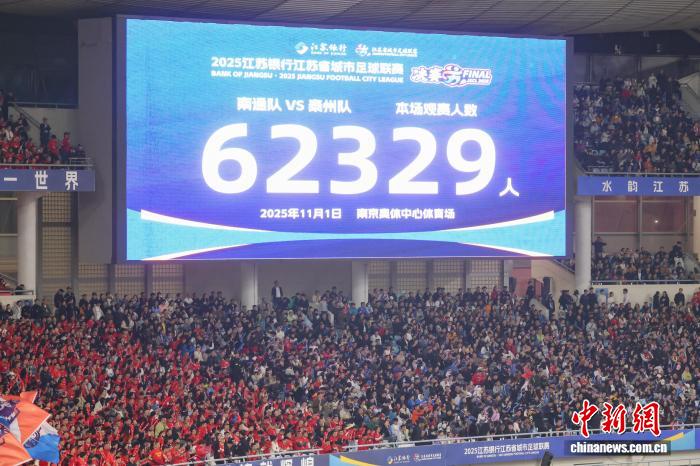
从群众赛事看人文经济学(体谈·关注群众体育)
Ren Min Ri Bao· 2025-12-18 07:26
Core Insights - The article emphasizes the multifaceted value of community sports events, likening their impact to ripples created by a stone thrown into a lake, which stimulates the integration of urban economy, culture, tourism, and sports [1][2] Group 1: Economic Impact - Successful sports events can significantly boost a city's economic and social development, acting as a new engine for urban growth [2] - Events like "Xiang Super" and "Gan Super" not only attract crowds but also release urban energy, contributing to local economies through initiatives like "night market economy" and cultural product sales [2] Group 2: Cultural Significance - Local sports events evoke nostalgia and pride among residents, with unique cultural elements in team uniforms and logos reflecting local heritage [1] - The participation of local workers in community sports fosters a sense of belonging and community spirit, enhancing the cultural fabric of the city [1] Group 3: Community Engagement - Community sports events are designed to be accessible, with matches held close to home, increasing public participation and engagement [1] - The involvement of various local workers as main participants in events like the "Factory Basketball Association" highlights the grassroots nature of these competitions [1]
数读中国|体育经济方兴未艾 赛事流量转化为发展增量
Yang Guang Wang· 2025-11-20 12:32
Core Insights - The sports economy is emerging as a new engine for driving domestic demand in China, with significant consumer spending linked to various sporting events [1][3][11] - Events like "Village Super" and "Zhejiang BA" are showcasing the potential of grassroots sports to stimulate local economies and enhance community engagement [2][4][6] Economic Impact of Sports Events - In the first half of the year, 511 key sporting events across seven regions generated over 16 billion yuan in related consumption, averaging over 30 million yuan per event [1] - The "Zhejiang BA" basketball league attracted over 100,000 online ticket buyers, demonstrating the popularity and community involvement in local sports [6] - The "Su Super" league reported a remarkable leverage effect, with 1 yuan in ticket sales generating 7.3 yuan in surrounding consumption [8] Integration of Sports and Local Economy - Sports events are increasingly integrated with local tourism and cultural activities, enhancing the overall consumer experience [7][10] - The "Zhejiang BA" event featured local delicacies and cultural performances, further promoting regional products and tourism [7][8] - In Jiangsu, the city football league has been linked to travel initiatives, driving significant visitor numbers and spending [3][14] Policy Support and Future Growth - The Chinese government is actively promoting the sports economy through policies aimed at enhancing sports consumption and developing a multi-tiered event system [11][12] - The sports industry in Guangdong has seen substantial growth, with a total scale exceeding 700 billion yuan, accounting for about one-fifth of the national total [11] - The "14th Five-Year Plan" emphasizes the importance of sports in driving high-quality economic development, indicating a strong future for the sports economy [14]
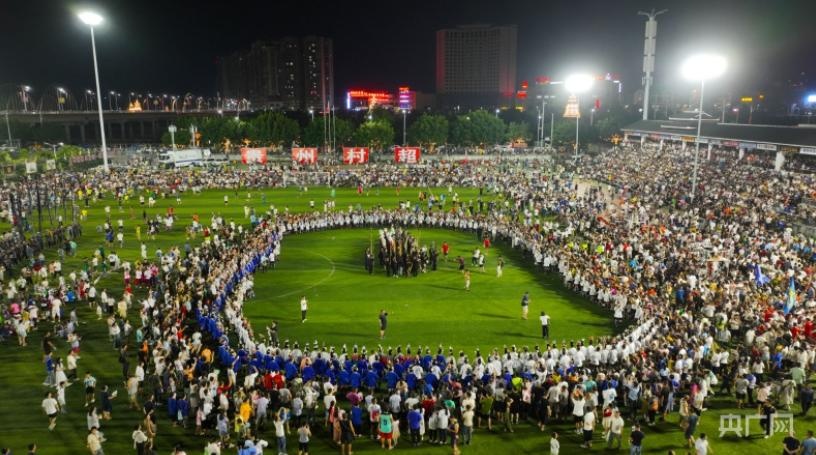
苏浙体育局长谈苏超、浙BA火爆之因
Jing Ji Guan Cha Wang· 2025-09-23 07:14
Core Insights - The 2025 East China Sports Bureau Directors' Conference was held in Hangzhou, highlighting the successful strategies of Jiangsu Super League (Su Chao) and Zhejiang Basketball Association (Zhe BA) [1] Group 1: Jiangsu Super League (Su Chao) - Su Chao's success is attributed to leveraging local cultural "hot topics" to attract attention, resulting in 1.716 million on-site spectators and nearly 1.5 billion online views during the first ten rounds of events [1] - The event also integrated cultural and tourism activities, yielding a "traffic dividend," and its event management approach has been adopted by eight other provinces [1] Group 2: Zhejiang Basketball Association (Zhe BA) - Zhe BA has effectively targeted community basketball through a "Five Ones" model, combining government leadership with market operations to enhance urban vitality and boost consumption [1]
苏超、浙BA火爆出圈,7万亿体育产业“新部署”将撬动什么
Di Yi Cai Jing· 2025-09-11 12:33
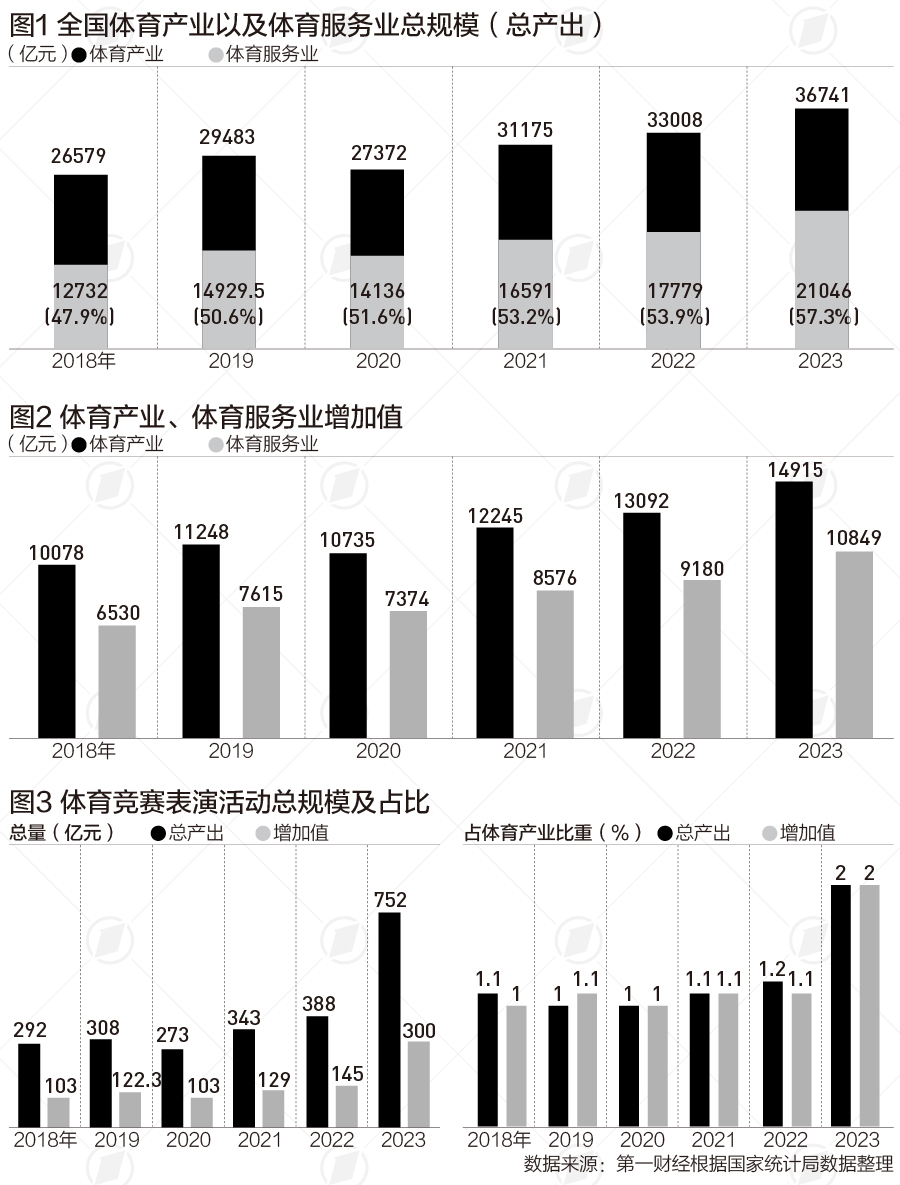
Core Viewpoint - The recent release of the "Opinions on Releasing Sports Consumption Potential and Further Promoting High-Quality Development of the Sports Industry" by the State Council aims to set a direction for the next phase of sports industry development, targeting a total scale of over 7 trillion yuan by 2030 [1][2]. Group 1: Sports Industry Scale and Growth - The sports industry total scale increased from 2.66 trillion yuan in 2018 to 3.67 trillion yuan in 2023, with an annual compound growth rate of approximately 9.6% needed to reach the 7 trillion yuan target by 2030 [2]. - The value added of the sports industry rose from 1 trillion yuan to 1.49 trillion yuan during the same period, with the sports service sector's scale growing from 1.27 trillion yuan to 2.1 trillion yuan, increasing its share from 47.9% to 57.3% [2]. - The average growth rate of the sports industry value added was 11.6% from 2021 to 2023, despite the impact of the pandemic [2]. Group 2: Key Measures and Initiatives - The "Opinions" document outlines 6 key areas with 20 specific measures, emphasizing the importance of events, which are mentioned 32 times [3]. - It proposes the establishment of special policies for sports event economic development and the cultivation of a multi-level event system to enhance the quality of professional events [10][11]. - The document also highlights the need to develop a batch of sports enterprises and events with international influence as a crucial strategy to achieve the 7 trillion yuan goal [1][10]. Group 3: Economic Impact of Sports Events - Sports events have shown significant potential in driving economic growth, with an example from Shandong indicating that 739 events generated direct economic benefits of 4.6 billion yuan and indirect benefits of 11.3 billion yuan in the first half of the year [10]. - The China Open tennis tournament attracted around 300,000 attendees last year, generating over 80 million yuan in ticket sales and a consumption multiplier effect of 1:7.1 in the surrounding area [10]. - The continuous development of sports events is expected to create new demands for facilities and sports equipment, with the sports equipment industry growing from 1.12 trillion yuan in 2015 to over 1.5 trillion yuan [11].
赛事经济蓬勃发展 体育总局:积极支持“浙BA”等群众赛事
Zhong Guo Jing Ying Bao· 2025-08-20 23:18
Core Insights - The rise of community sports events like "Su Chao," "Village Super," and "Zhe BA" has significantly boosted local economies and consumer spending, becoming new engines for economic growth [1][2][5] - The National Sports Administration supports the integration of mass sports and competitive sports, aiming to revitalize the "three major ball sports" through community events [1][2] Group 1: Economic Impact of Sports Events - "Su Chao" has attracted over 1 million spectators, generating approximately 379.6 billion yuan in revenue across various sectors, marking a 42.7% year-on-year increase [3][4] - The "Zhe BA" basketball league has drawn 778,800 attendees during its preliminary phase, leading to a total consumption of 6.03 billion yuan [4] - The "Village Super" event in Guizhou has created nearly 200 billion yuan in tourism revenue over two years, showcasing its potential as a local economic driver [5] Group 2: Government Support and Policy Initiatives - The "14th Five-Year Plan" emphasizes the construction of a sports event system, promoting the integration of sports with culture, tourism, and commerce [2][6] - The National Sports Administration has introduced four industry standards and plans to release a national standard for safety assessments in mass sports events, enhancing the regulatory framework [6] - Future policies will focus on enriching event offerings, enhancing brand influence, and fostering coordination between events and industries to stimulate consumption and economic growth [6]