特斯拉Model Y L

Search documents
计算机行业周报:太空光伏“破晓”:商业航天的能源革命与万亿机遇-20260301
HUAXI Securities· 2026-03-01 02:24
Investment Rating - Industry Rating: Recommended [3] Core Insights - The commercial space industry is accelerating, and space photovoltaics are opening up growth opportunities. The demand for space photovoltaics is surging due to the commercialization of space, with the U.S. and China leading global commercial launches. Space photovoltaics offer significant advantages over ground-based solar, including unobstructed sunlight, 24-hour power generation, and high energy density, making them essential for AI data centers and satellite constellations [1][15][20]. - Countries are rapidly positioning themselves in the space photovoltaic sector, with China holding key advantages. The Chinese photovoltaic industry dominates global production, accounting for 92% of silicon wafer capacity and over 80% of battery and module production. This positions China to meet the substantial equipment procurement needs arising from Elon Musk's 200GW production plan [2][16][30]. - China is entering a dense phase of reusable rocket launches, marking 2026 as a breakthrough year for commercial space. Both state-owned and private companies are making significant advancements, with multiple launches planned, which will reshape the economic model of commercial space and reduce launch costs [5][17][37]. Summary by Sections Section 1: Commercial Space Acceleration - The commercial space sector is entering a new era, with the U.S. and China as the main players. In 2025, the U.S. is expected to conduct 167 launches, while China will have 92, both showing year-on-year growth. Low Earth orbit satellites are becoming central to development, driven by the need for satellite internet and resource allocation [20][27]. Section 2: Global Positioning in Space Photovoltaics - Major global tech companies are competing for strategic advantages in space photovoltaics. The U.S. has a "three giants" competition, with Musk's SpaceX leading with a 40GW capacity plan. China is leveraging a "national team + private enterprise" model, with state-owned enterprises and private companies collaborating to capture market share [2][30]. Section 3: Reusable Rocket Launches - 2026 is set to be a pivotal year for China's commercial space sector, with numerous core rockets entering key validation stages. The advancements in reusable rocket technology will fundamentally change the commercial space economic model, leading to lower launch costs and new opportunities in satellite networking and space infrastructure [5][17][37]. Section 4: Investment Recommendations - Beneficiary stocks in the space photovoltaic sector include JunDa Co., Maiwei Co., Liancheng CNC, and others. For SpaceX and North America, recommended stocks include Western Materials and Xinwei Communication. In the rocket sector, stocks like Aerospace Power and Chaojie Co. are highlighted [6][18][19].

银行推出多重购车福利
Jin Rong Shi Bao· 2026-02-12 02:03
Core Viewpoint - Banks are intensifying their promotional efforts in the auto finance market by offering low-interest loans and various subsidies to attract consumers during the year-end shopping season, particularly with the upcoming Spring Festival [1][2]. Group 1: Low-Interest Loan Promotions - Multiple banks are launching low-interest car purchase subsidies, with some offering up to 3,000 yuan in consumer loan subsidies to ease monthly payment burdens [2]. - Ping An Bank has introduced a special car loan subsidy for new car buyers, allowing for annual interest rates as low as 0% and loan amounts up to 5 million yuan [2]. - SPDB has also launched promotional activities, offering annual interest rates as low as 0.49% for specific Tesla models, with monthly payments starting at 1,788 yuan [2]. Group 2: Extended Loan Terms - Many banks are extending the loan terms for low-interest car loans from a maximum of 5 years to 7 years, aiming to reduce monthly payment amounts for consumers [4]. - Huishang Bank has introduced a loan product with a maximum amount of 1 million yuan and an interest rate as low as 3.0%, with a repayment period of up to 7 years [4]. - The extension of loan terms is seen as a strategy to stimulate demand for mid-to-high-end vehicles, particularly those priced above 200,000 yuan [6]. Group 3: Credit Card Incentives - Banks are leveraging credit card programs to boost auto consumption, with activities such as offering points for test drives and financing options [3]. - Shanghai Bank is providing discounts for new credit card holders who apply for auto financing, enhancing the overall consumer experience [3]. Group 4: Risks and Challenges - The combination of low-interest rates and extended loan terms presents challenges such as complex risk pricing and potential asset depreciation over long repayment periods [7]. - Consumers are advised to be cautious of the hidden risks associated with low monthly payments, including the potential for negative equity in vehicles due to rapid technological advancements [7]. - Industry experts suggest that banks should shift from price competition to value-driven strategies, focusing on product innovation and risk management [8].
解码消费新浪潮,世研指数发布《2025年度消费榜单》趋势报告
3 6 Ke· 2026-02-02 10:44
Core Insights - The report titled "2025 Consumer Rankings: Decoding Consumption Trends" was officially released by the World Research Index on January 27, providing a systematic analysis of hot categories, brands, and consumption hotspots for 2025, aimed at helping businesses accurately grasp consumption trends and identify growth opportunities [1]. Group 1: Key Observations - The report's core observation revolves around two main themes: "Rational Foundation, Value Return" and "Emotional Leap, Scene Integration," utilizing a proprietary consumption index evaluation system developed by the World Research Index [4]. - The report systematically outlines annual hot categories, the top 100 brands, twelve major industry hot brands, a hot consumption map, and key events, presenting an objective and dynamic view of consumption trends in the Chinese market [4]. Group 2: Annual Hot Categories - The top annual hot categories include cooking oils and seasonings (1.82), mobile communications (1.74), major appliances (1.70), and main fermented foods (1.65), indicating a strong consumer focus on essential goods and the continued penetration of technology in daily life [6]. - Categories such as smart devices (1.59) and facial care (1.55) reflect a trend towards intelligent and convenient upgrades in consumer products [6]. Group 3: Annual Brand Rankings - The top brands in the annual brand rankings include Apple (1.93), BYD (1.91), and Huawei (1.82), showcasing strong brand loyalty and consumer interest in technology and lifestyle products [8]. - In the 3C digital and home appliance sectors, brands like Apple, Huawei, and Xiaomi are noted for their innovation in AI smartphones and smart home products, indicating a shift towards integrated smart living solutions [12]. Group 4: Industry Trends - The outdoor trend is reshaping the sportswear and outdoor industries, with domestic brands like Anta and Li Ning leveraging functional technology and aesthetic styles to penetrate everyday fashion, promoting a "national outdoorization" consumption trend [14]. - The pet product market is evolving from basic care to high-quality living, with brands focusing on scientific and premium offerings, driven by trends towards "humanization" in pet care [19]. Group 5: Consumption Hotspots - The report identifies social livelihood and digital technology as the two main engines of annual consumption hotspots, intertwined with seasonal rhythms and cultural tourism emotions, shaping a rich and interconnected consumption pulse [24]. - Key consumption events for 2025 have shifted from traditional holiday promotions to a diverse network of social emotions, technological innovations, and cultural phenomena, marking the entry into an era of omnipresent consumption triggers [26].





汽车视点 | 7年低息购车潮席卷车市,行业格局加速洗牌
Xin Hua Cai Jing· 2026-01-22 07:30
Core Insights - The automotive market is experiencing a significant shift towards innovative financial services, with multiple companies introducing 7-year low-interest financing options to stimulate sales [1][2][3] - The trend indicates a move away from traditional price-cutting strategies, as companies seek to enhance competitiveness through financial promotions [2][3] Group 1: Financial Innovations - Xpeng Motors announced a 7-year low-interest financing plan with monthly payments starting at 1,355 yuan [1] - Geely Galaxy followed suit, offering a similar plan with a down payment starting at 25,800 yuan and monthly payments from 1,999 yuan [1] - Tesla initiated the trend with a financing option for its Model 3 and Model Y, featuring an annual interest rate of approximately 0.98% and monthly payments starting at 2,947 yuan [2] Group 2: Market Dynamics - Over 20 automotive companies have implemented price reductions since the beginning of 2026, but retail sales have not shown significant growth, with a 28% year-on-year decline in passenger vehicle sales from January 1-18 [3] - The retail sales of new energy vehicles also fell by 16% year-on-year during the same period [3] - Regulatory bodies are emphasizing the need to avoid chaotic price wars, aiming to maintain a fair market environment [3] Group 3: Consumer Impact - The 7-year low-interest financing significantly lowers the barrier to vehicle ownership, making it accessible for younger consumers [5] - However, the long loan term introduces uncertainties, as rapid technological advancements may lead to depreciation of vehicles, potentially resulting in negative equity [5] - The extended repayment period requires stable financial conditions, as any significant changes could create financial pressure [5] Group 4: Industry Challenges - Companies face challenges in cash flow management due to the extended repayment period associated with 7-year financing [4] - Financial reports indicate that companies like Xpeng and Li Auto are experiencing thin profit margins, with Li Auto reporting its first quarterly loss [4] - The long-term viability of low-interest financing strategies may lead to a "sell one at a loss" scenario for brands with already tight margins [4] Group 5: Competitive Landscape - The shift towards 7-year financing may accelerate industry consolidation, favoring companies with strong technological foundations [6][7] - Non-leading brands may struggle to balance the costs of low-interest financing with the risk of declining sales if they do not adopt similar strategies [6] - Ultimately, the competitive edge will rely on technological innovation rather than financial gimmicks, as the market will revert to valuing product quality and user experience [6][7]


小鹏、理想汽车推出7年低息购车方案
新华网财经· 2026-01-22 06:24
Core Viewpoint - The automotive industry is witnessing a trend of introducing low-interest financing options for vehicle purchases, aimed at making cars more affordable for consumers, particularly in the electric vehicle segment. Group 1: Financing Plans - Xpeng Motors announced a 7-year low-interest financing plan with a down payment starting at 15% and monthly payments as low as 1355 yuan, valid until January 31, 2026 [1] - Li Auto introduced a similar 7-year low monthly payment plan starting from 32,500 yuan down payment and monthly payments as low as 2578 yuan, effective from January 20, 2026 [2] - Xiaomi Motors launched a 7-year low-interest plan with a down payment starting at 49,900 yuan and monthly payments starting at 2593 yuan, available from January 16 to February 28 [5] - Tesla announced a 7-year low-interest plan for Model 3/Y/Y L with monthly payments starting at 1918 yuan and a down payment starting at 79,900 yuan, with a maximum interest rate of 0.5% [8] Group 2: Market Trends - The introduction of low-interest financing options by multiple companies, including Xiaomi and Tesla, indicates a competitive strategy to lower the barriers for consumers to purchase electric vehicles [5][8] - Tesla's recent delivery data shows a decline in delivery volumes, with Q4 2025 deliveries at 418,200 units, down 15.6% year-over-year, and an annual total of 1.6361 million units, marking an 8.6% decrease, the largest annual drop [8]
马斯克“大战”奥尔特曼,扯下了西方AI神话的遮羞布?
Sou Hu Cai Jing· 2026-01-22 03:46
Group 1 - The core conflict between Musk and Altman highlights the shortcomings of both Tesla's FSD and OpenAI's ChatGPT, suggesting that both technologies have not lived up to their initial promises [1][3] - Tesla's FSD was launched in 2016 with claims of achieving full autonomy, yet it has faced numerous delays and issues, including at least 40 incidents since 2023 where the software failed to handle railroad crossings properly [6][8] - ChatGPT, initially hailed as revolutionary, has been criticized for its inaccuracies in basic calculations and providing harmful advice, leading to concerns about its impact on users' mental health [10][12] Group 2 - Both Tesla and OpenAI exhibit a tendency to ignore known issues with their products, raising questions about their commitment to user safety and satisfaction [13][15] - Tesla's FSD relies heavily on visual perception, which can fail under adverse conditions, and the company has not adequately addressed the need for driver monitoring systems to ensure safety [17][19] - The concept of "first principles" is central to Tesla's innovation strategy, allowing the company to challenge industry norms and reduce costs, but this approach may overlook critical safety and usability aspects [19][21] Group 3 - The public dispute between Musk and Altman reveals that leaders in the tech industry are aware of their products' flaws but often choose not to address them, focusing instead on marketing and brand image [24] - Consumers are encouraged to critically evaluate products based on their actual performance rather than brand reputation or marketing hype, emphasizing the importance of understanding true value [23][24]

超20款车光速调价,丰田“自杀式”反击,2026价格战再升级
3 6 Ke· 2026-01-16 12:53
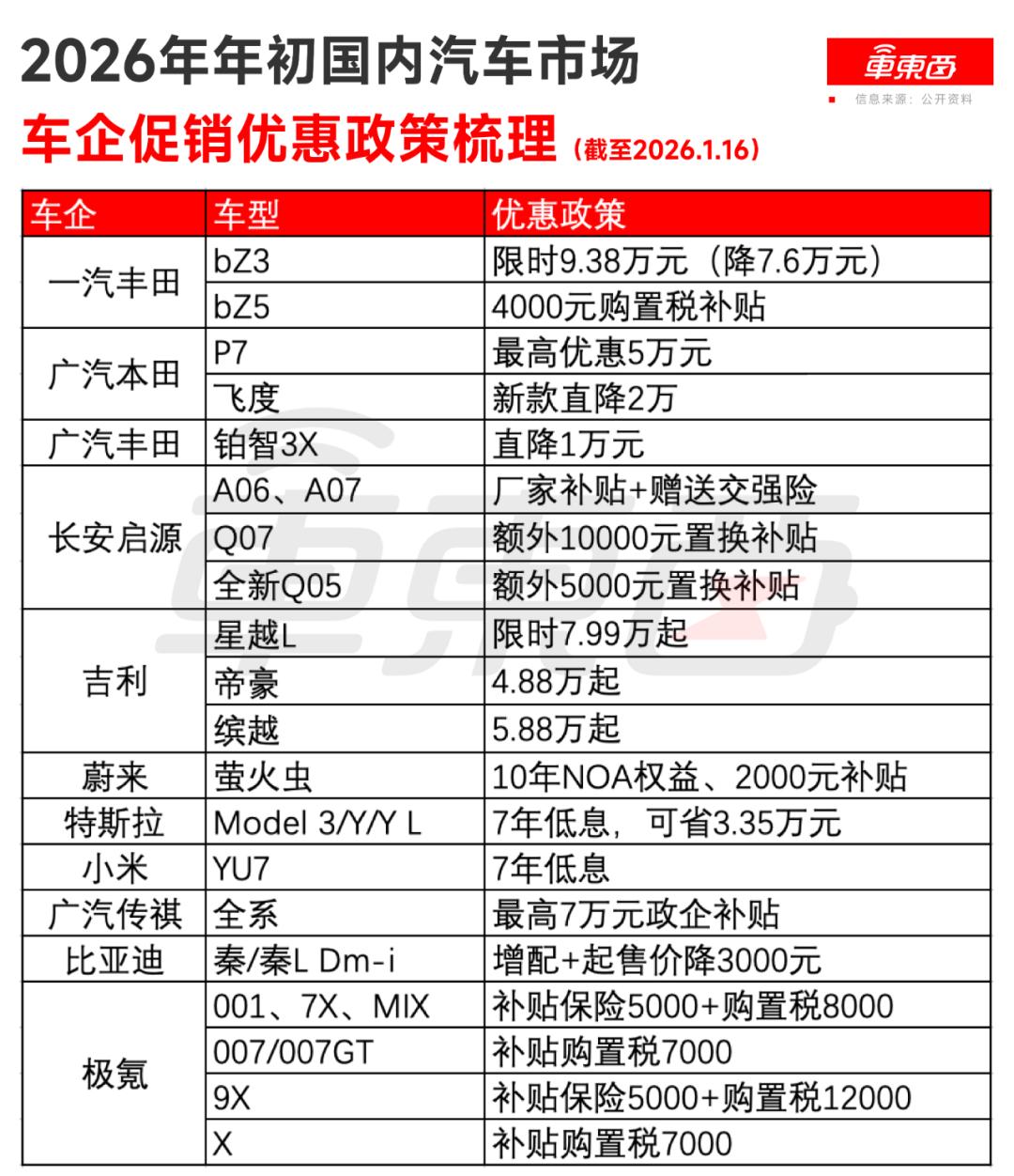
Core Viewpoint - The automotive industry is experiencing an intense price war initiated by luxury brands, leading to significant price reductions across various models from multiple manufacturers, creating a new wave of discounts in the market [1][6]. Group 1: Price Reductions and Promotions - BMW has initiated a price drop of up to 300,000 yuan, prompting over 10 automakers to follow suit with more than 20 mainstream models participating in the price reduction trend [1]. - Geely's Emgrand is now priced at 48,800 yuan, while the new Honda Fit has seen a price cut of 20,000 yuan, setting a new low at 66,800 yuan [1][13]. - Toyota's bZ3 electric sedan has been drastically reduced to 93,800 yuan, a decrease of 76,000 yuan, representing a nearly 45% drop from its previous price [9]. Group 2: Competitive Strategies - The competition has escalated with joint efforts from joint venture brands, particularly Japanese automakers, who are adopting aggressive pricing strategies to reclaim market share [7]. - Various automakers are employing a combination of subsidies, enhanced features, and financing options to attract buyers, rather than relying solely on price cuts [20][30]. - NIO's Firefly brand is offering cash subsidies along with a 10-year NOA (Navigation on Autopilot) free usage right, showcasing a strategic approach to enhance customer value [32]. Group 3: Market Dynamics and Consumer Impact - The price war has led to a significant reduction in the entry price for electric vehicles, making them more accessible to consumers [9][19]. - The automotive market is witnessing a shift where companies are not just competing on price but also on the value offered through financing and additional features, which may lead to a more sustainable competitive environment [37]. - The ongoing promotions and price adjustments are expected to drive sales ahead of the Chinese New Year, indicating a strategic push by manufacturers to maximize order volumes during this peak season [37].





汽车公司或降价或补贴,但没能迎来预想中的“开门红”
Xin Lang Cai Jing· 2026-01-16 03:48
Core Insights - The Chinese automotive market in 2026 has not experienced the anticipated "opening red" sales, with significant declines in both retail and wholesale figures for passenger vehicles compared to the previous year [1][10] - The adjustment of the new energy vehicle (NEV) purchase tax from full exemption to a 50% reduction has led to increased vehicle costs, impacting consumer purchasing decisions [1][11] - Despite promotional efforts from over 20 automakers to mitigate the effects of policy changes, consumer sentiment remains cautious, with many opting to wait for better deals [4][5][10] Market Performance - From January 1 to January 11, 2026, retail sales of passenger vehicles reached 328,000 units, a 32% decrease year-on-year, while wholesale figures were 381,000 units, down 40% year-on-year [1] - The penetration rate of NEVs has dropped significantly, with retail penetration at 35.5% and wholesale at 43.9%, both below the 50% average of 2025 [1] Consumer Behavior - Consumers are increasingly comparing NEVs with traditional fuel vehicles due to the increased cost of NEVs, with a price difference of around 10,000 yuan influencing purchasing decisions [2][5] - Many consumers are adopting a wait-and-see approach, seeking to compare various brands and waiting for potential discounts before making a purchase [5][10] Promotional Strategies - Over 20 automakers have introduced promotional policies, including price reductions and extended financing options, to attract buyers amid declining sales [4][5] - BMW has made significant price adjustments, with some models seeing reductions of over 300,000 yuan, reflecting the competitive landscape in the luxury car market [4][5] Inventory and Production - The delivery times for previously popular models have shortened, indicating a shift in demand and production capacity [7] - Some automakers are facing inventory pressure, with certain models being offered at substantial discounts to clear stock [8][10] Industry Trends - The automotive industry is shifting from a focus on price competition to value competition, with an emphasis on product quality and technological advancements [14][15] - The market is expected to see a growth in the 15 to 20 million yuan NEV segment, as automakers adjust their strategies to focus on this profitable market [11][14] Future Outlook - The overall automotive market in China is projected to reach 34.75 million units in 2026, with NEVs expected to grow by 15.2% to 19 million units [14] - The industry is anticipated to undergo a transformation as it adapts to policy changes and consumer preferences, with a focus on enhancing product value and expanding into international markets [14][15]
月供2593元!小米推出7年低息购车政策
新华网财经· 2026-01-16 02:22
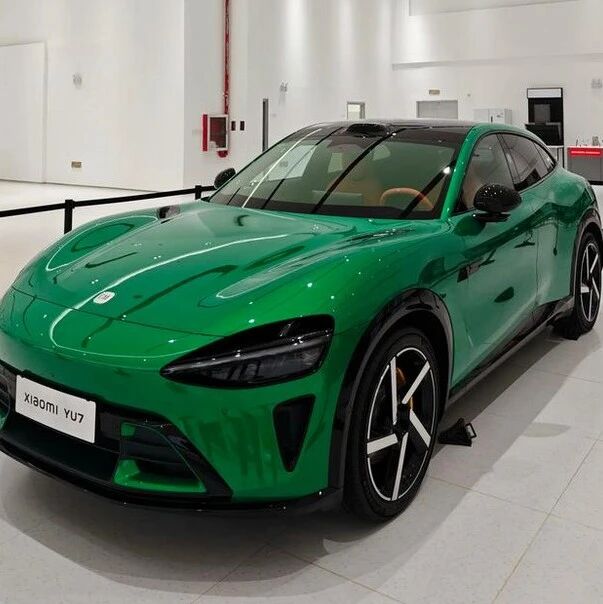
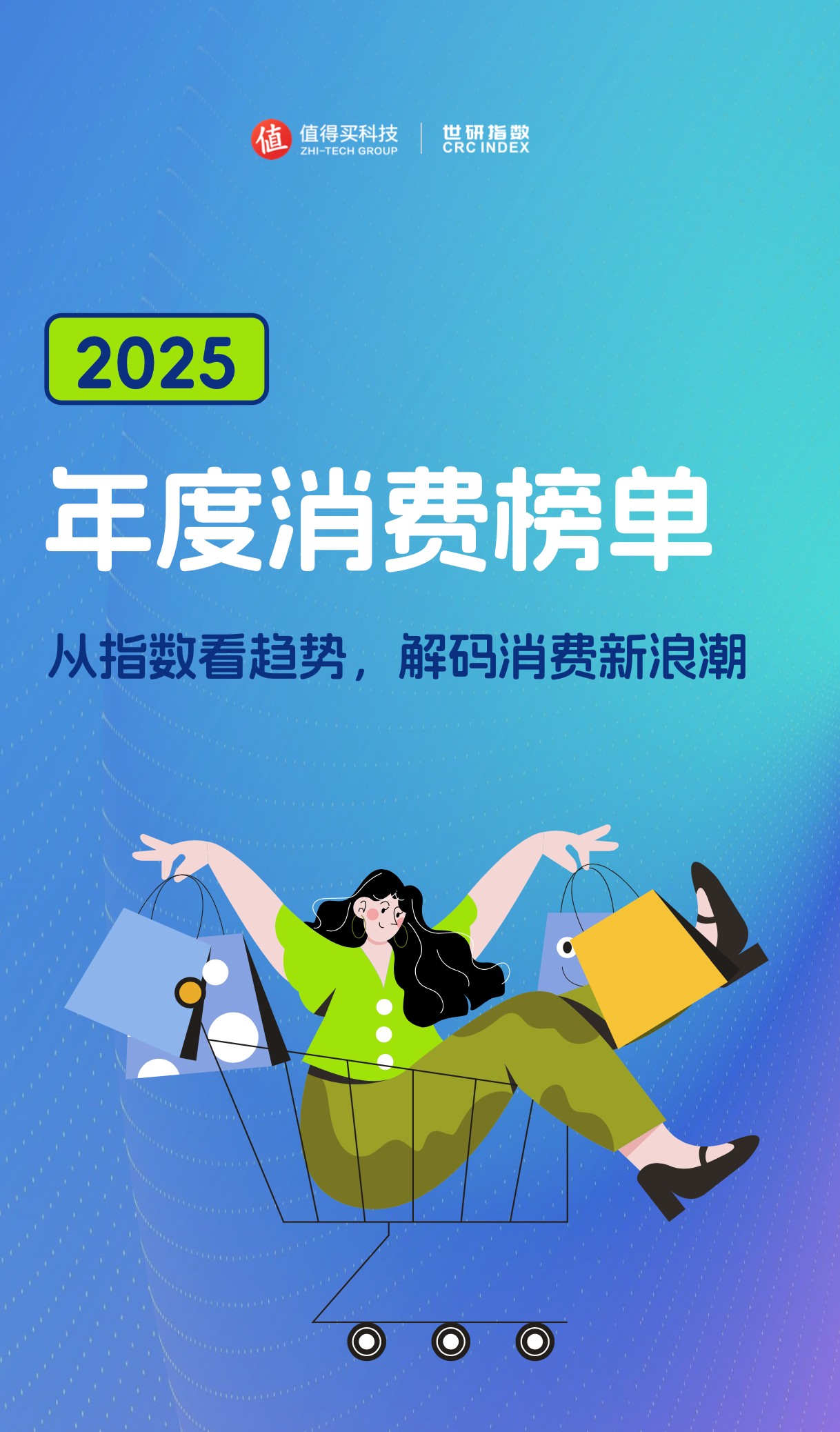
Core Viewpoint - Xiaomi Group has launched its first pure electric SUV, the Xiaomi YU7, with a 7-year low-interest car purchase policy, following a similar initiative by Tesla [1][3]. Group 1: Product Launch and Financing Policy - The Xiaomi YU7 is available with a down payment starting at 49,900 yuan and monthly payments as low as 2,593 yuan [1]. - This financing policy was introduced shortly after Tesla announced a similar 7-year low-interest plan for its Model 3 and Model Y vehicles [3][5]. Group 2: Competitive Landscape - Xiaomi views Tesla as a strong competitor, with CEO Lei Jun acknowledging the need to respond to Tesla's financial offerings due to consumer demand [3]. - Despite the current sales gap, Lei Jun expressed confidence that the YU7 could compete with Tesla's Model Y in the future [6]. Group 3: Sales Targets and Performance - Xiaomi aims to deliver 550,000 vehicles in 2026, exceeding the previous target of 300,000 for 2025, which has now been raised to over 410,000 [6]. - In comparison, Tesla's global delivery target for 2025 is 1.636 million vehicles, which is nearly four times that of Xiaomi's target [7]. Group 4: Product Upgrades and Market Position - The Xiaomi YU7 will feature 26 upgraded models, with a pre-sale price range of 229,900 to 309,900 yuan, set to launch in April 2026 [8]. - Lei Jun addressed concerns regarding the resale value of Xiaomi vehicles, stating that the YU7 has an 80.1% resale value, placing it among the top in the industry [8].

硬刚特斯拉,小米YU7全系推出7年低息购车:首付4.99万元起,月供2593元起
21世纪经济报道· 2026-01-15 14:16
Core Viewpoint - Xiaomi is implementing low-interest car purchase policies for its YU7 model, aiming to boost sales amid a competitive market, particularly against Tesla's offerings [1][2]. Group 1: Xiaomi's Car Purchase Policies - Xiaomi YU7 offers a low-interest purchase option starting with a down payment of 49,900 yuan and monthly payments as low as 2,593 yuan, available from January 16 to February 28 [1]. - An alternative "3 years 0 interest" plan is available, requiring a down payment of 74,900 yuan and monthly payments starting at 4,961 yuan [1]. Group 2: Competitive Landscape - Tesla has introduced a 7-year low-interest purchase plan for its Model 3/Y/Y L, with down payments starting at 79,900 yuan and monthly payments as low as 1,918 yuan for Model 3/Y [2]. - The Model Y L also offers a 5-year 0 interest option, with a down payment of 99,900 yuan and monthly payments starting at 3,985 yuan [2]. Group 3: Market Performance and Sales - Xiaomi's used car market has seen significant price drops, with the SU7 model's average price falling to 207,000 yuan, a decrease of over 7,000 yuan in one month [6]. - In its first full delivery year (2025), Xiaomi delivered over 410,000 vehicles, achieving a completion rate of 117% of its annual target [6]. - The SU7 model is the best-selling vehicle in the 200,000 yuan and above category, while the YU7 has been the top-selling mid-to-large SUV, delivering over 150,000 units in six months, which is 2.3 times the SU7's delivery in the same period [6].