
石墨及碳素制品

Search documents
超纳微(上海)科技有限公司成立,注册资本3000万人民币
Sou Hu Cai Jing· 2026-02-04 07:17
Core Viewpoint - The establishment of ChaoNaWei (Shanghai) Technology Co., Ltd. indicates a new player in the manufacturing sector, focusing on advanced materials and technology development [1] Company Summary - Company Name: ChaoNaWei (Shanghai) Technology Co., Ltd. [1] - Legal Representative: Pan Qiming [1] - Registered Capital: 30 million RMB [1] - Business Type: Limited Liability Company (Hong Kong, Macao, Taiwan investment, non-wholly owned) [1] - Business Duration: Until February 3, 2026, with no fixed term thereafter [1] - Registration Authority: Shanghai Market Supervision Administration [1] Shareholding Structure - Pan Qiming holds 65% of the shares [1] - Hai Ming Wei (Shanghai) Partnership (Limited Partnership) holds 15% [1] - Fu Ze Lan Jun (Shanghai) Technology Co., Ltd. holds 10% [1] - Eurasia Green Energy Development Group Co., Ltd. holds 10% [1] Business Scope - The company is engaged in the research and development of new materials technology [1] - Manufacturing of synthetic materials (excluding hazardous chemicals) [1] - Production of metal materials and graphite/carbon products [1] - Sales of metamaterials, superconducting materials, synthetic materials, metal materials, and non-metallic minerals/products [1] - Information technology consulting services and import/export of goods and technology [1]
新修订《行业用水定额》今日起实施
Xin Lang Cai Jing· 2026-01-24 19:37
Core Viewpoint - The newly revised local standard for industry water quotas in Inner Mongolia will be implemented on January 25, 2026, marking the fourth revision since its initial release in 2003 [1][2]. Group 1: Overview of the Revised Water Quotas - The revised standard includes tiered indicators, water boundaries, and quotas for agricultural, industrial, social services, and ecological water use, covering 17 categories, 61 major categories, 168 medium categories, 282 minor categories, 640 products, and 1,922 water quotas [1]. - Compared to the 2020 version, the new standard adds 40 product quota values, providing a more scientific basis for water management, agricultural water pricing reform, and water resource verification in Inner Mongolia [1]. Group 2: Specific Adjustments in Water Quotas - The revision has adjusted agricultural water quotas by changing the names of 2 products, modifying 8 agricultural divisions across counties, adding 8 new products and 61 quota values, changing 7 products and 126 quota values, and deleting 72 quota values [2]. - For industrial water quotas, 13 new products and 28 quota values have been added, while 88 products and 223 quota values have been modified [2]. - In the social services sector, 11 new products and 39 quota values have been introduced, with changes made to 29 products and 42 quota values, and 2 products and 2 quota values deleted [2].
上月PPI环比涨幅扩大
Zhong Guo Hua Gong Bao· 2026-01-13 02:51
Core Viewpoint - The Producer Price Index (PPI) in December 2025 showed a year-on-year decline of 1.9%, with a narrowing decrease compared to the previous month, while a month-on-month increase of 0.2% was observed, indicating a mixed trend in industrial prices driven by supply-demand dynamics and external factors [1]. Group 1: PPI Trends - The year-on-year PPI decline of 1.9% reflects a narrowing of 0.3 percentage points from the previous month [1]. - The month-on-month PPI increased by 0.2%, which is an expansion of 0.1 percentage points compared to the prior month [1]. Group 2: Price Influences - Improvement in supply-demand structure led to price increases in certain sectors, such as a 1.0% rise in lithium-ion battery manufacturing prices for three consecutive months [1]. - Seasonal demand increases contributed to price rises in gas production and supply (1.2%) and electricity and heat production and supply (1.0%) [1]. - Input factors caused a divergence in prices for non-ferrous metals and oil-related industries, with international crude oil prices leading to declines of 2.3% in domestic oil extraction and 0.9% in refined oil product manufacturing [1]. Group 3: Policy Impact and Sector Performance - Continuous effectiveness of macro policies has resulted in positive price changes in certain industries, with the construction of a unified national market contributing to a narrowing of year-on-year price declines [1]. - The growth of new productive forces has led to price increases in related sectors, including a 9.0% rise in biomass liquid fuel prices, 5.5% in graphite and carbon product manufacturing, 2.4% in integrated circuit finished products, and 0.9% in waste resource recycling [1]. - The effective release of consumer potential has also driven year-on-year price increases in relevant industries [1].
上月CPI同比上涨0.8% 回升至2023年3月以来最高
Sou Hu Cai Jing· 2026-01-11 12:33
Group 1: CPI Analysis - In December 2025, the Consumer Price Index (CPI) increased by 0.2% month-on-month and 0.8% year-on-year, marking the highest level since March 2023 with a 0.1 percentage point increase from November [1] - The core CPI rose by 1.2% year-on-year, maintaining a growth rate above 1% for four consecutive months [5] - The increase in CPI was primarily driven by rising prices of industrial consumer goods, excluding energy, and a significant rise in food prices, particularly fresh fruits and seafood [4][6] Group 2: PPI Analysis - The Producer Price Index (PPI) fell by 1.9% year-on-year in December 2025, but the decline was less severe than in November, with a 0.3 percentage point narrowing of the drop [3][7] - Month-on-month, the PPI increased for three consecutive months, indicating a strengthening trend [3] - Factors contributing to the PPI increase include seasonal demand improvements and rising prices in the non-ferrous metals sector, which have been supported by anti-involution measures [7][8] Group 3: Sector-Specific Insights - The prices in the non-ferrous metal mining sector have been rising for 22 consecutive months, driven by both international demand for key metals and domestic growth in high-end manufacturing sectors such as lithium batteries and photovoltaic equipment [9] - The government's policy to stabilize growth in the non-ferrous metal industry aims for an average annual increase of 5% in value-added output from 2025 to 2026 [9]

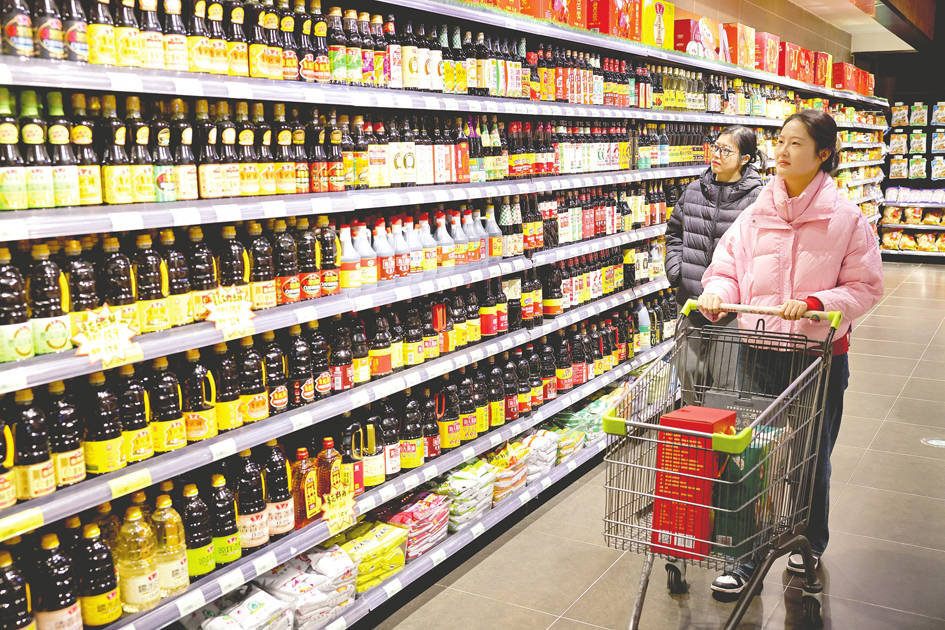
物价温和回升背后,有哪些积极变量?
2 1 Shi Ji Jing Ji Bao Dao· 2026-01-10 02:10
Group 1 - The consumer price index (CPI) in China increased by 0.8% year-on-year in December 2025, marking the highest growth since March 2023, driven by effective domestic demand policies and increased consumption during the New Year holiday [1] - The core CPI, excluding food and energy prices, rose by 1.2% year-on-year, indicating sustained consumer recovery momentum [1] - The industrial producer price index (PPI) showed a month-on-month increase, with the year-on-year decline narrowing, reflecting improvements in industrial production and pricing [1] Group 2 - The service sector and quality consumer goods prices have been steadily rising, with service prices increasing for eight consecutive months, indicating a shift in consumer spending from basic to quality-oriented products [2] - Prices in the digital economy sector, such as external storage devices, rose by 15.3% year-on-year, while biomass liquid fuel prices increased by 9%, showcasing the structural support for industrial prices from new productive forces [2] - The overall price recovery is supported by the optimization of demand structure and industrial upgrades, reflecting new growth momentum in the market [2] Group 3 - Policies aimed at reducing "involution" competition and building a unified national market are positively impacting PPI recovery, with prices in previously over-competitive sectors like coal and lithium batteries showing a continuous narrowing of year-on-year declines [3] - The significant year-on-year drop in pork prices by 14.6% in December is a major factor pulling down food prices and overall CPI, while international oil prices are expected to influence domestic fuel prices [3] - The recovery pace of the real estate market will also affect overall domestic demand and is a key variable in determining the price level [3] Group 4 - The internal recovery momentum is expected to dominate, promoting a continued moderate increase in prices, supported by macro policies and ongoing industrial upgrades [4] - Policies such as trade-in programs are anticipated to effectively boost consumer demand, with CPI and core CPI likely to continue their moderate upward trend [4] - The supply-demand relationship in the industrial sector is expected to improve, driven by the growth of the digital economy and green industries, leading to a potential year-on-year positive PPI by the second half of 2026 [4]
扩内需政策助力供需关系改善
Zheng Quan Ri Bao· 2026-01-09 22:52
Group 1: CPI Analysis - In December 2025, the Consumer Price Index (CPI) increased by 0.2% month-on-month and 0.8% year-on-year, with core CPI (excluding food and energy) rising by 1.2% year-on-year [1][3] - The rise in CPI was primarily driven by increased prices in non-energy industrial consumer goods, with a 0.6% increase in these prices contributing approximately 0.16 percentage points to the month-on-month CPI increase [2] - Food prices rose by 0.3%, contributing about 0.05 percentage points to the month-on-month CPI increase, with notable increases in fresh fruits and seafood prices due to heightened pre-holiday demand [2][4] Group 2: PPI Analysis - The Producer Price Index (PPI) rose by 0.2% month-on-month in December 2025, marking the third consecutive month of increase, while the year-on-year decline narrowed to 1.9% [5] - The month-on-month PPI increase was attributed to improved supply-demand dynamics in certain industries and rising prices in non-ferrous metals, reflecting a seasonal demand increase [6] - Positive changes in PPI were noted in various sectors, including a reduction in price declines for coal mining, lithium-ion battery manufacturing, and photovoltaic equipment, indicating a strengthening market competition [6] Group 3: Economic Outlook - The overall changes in CPI and PPI in December indicate a stable and improving economic environment in China, with a gradual recovery in demand and ongoing structural optimization in supply [7]
扩内需促消费政策显效 2025年物价呈温和回升态势
Shang Hai Zheng Quan Bao· 2026-01-09 18:39
Group 1 - The core viewpoint of the articles indicates that the Consumer Price Index (CPI) has shown a moderate recovery, with a year-on-year increase of 0.8% in December 2025, marking the highest level since March 2023 [2][6][7] - The increase in CPI is significantly driven by food prices, particularly fresh vegetables and fruits, which saw year-on-year price increases of 18.2% and 4.4%, respectively [2][3] - The Producer Price Index (PPI) has shown a narrowing year-on-year decline of 1.9% in December, indicating positive changes in certain industries due to improved market competition [4][5] Group 2 - The core CPI, excluding food and energy, rose by 1.2%, maintaining a growth rate above 1% for four consecutive months, reflecting a stable recovery in demand [3][6] - The overall price stability in 2025, with CPI remaining flat year-on-year and PPI declining by 2.6%, suggests that market supply and demand relationships are improving [6][7] - Experts predict that in 2026, with more proactive macroeconomic policies, CPI is expected to rise steadily, supported by recovering consumer demand and structural adjustments in the economy [7][8]
CPI同比涨幅继续扩大 PPI同比降幅收窄
Xin Lang Cai Jing· 2026-01-09 17:39
Group 1 - In December 2025, the Consumer Price Index (CPI) increased by 0.2% month-on-month and 0.8% year-on-year, while the Producer Price Index (PPI) rose by 0.2% month-on-month but decreased by 1.9% year-on-year [1][2] - The CPI's year-on-year growth rate expanded by 0.1 percentage points compared to the previous month, reaching the highest level since March 2023, primarily driven by an increase in food prices, which rose by 1.1% [1][3] - Key food items such as fresh vegetables and fruits saw price increases of 18.2% and 4.4%, respectively, contributing approximately 0.16 percentage points to the CPI's year-on-year increase [1][2] Group 2 - The month-on-month CPI increase was influenced by rising prices of industrial consumer goods, excluding energy, which rose by 0.6%, contributing about 0.16 percentage points to the CPI [2] - The PPI's year-on-year decline of 1.9% showed a narrowing of the decline by 0.3 percentage points from the previous month, with significant price reductions in coal mining and lithium-ion battery manufacturing [3] - Prices in sectors such as external storage devices and biomass liquid fuels increased by 15.3% and 9.0%, respectively, indicating a growth in new productive forces [3]
2025年12月份CPI和PPI出炉 扩内需政策助力供需关系改善
Zheng Quan Ri Bao· 2026-01-09 16:25
Group 1: CPI Analysis - In December 2025, the Consumer Price Index (CPI) increased by 0.2% month-on-month and 0.8% year-on-year, with core CPI (excluding food and energy) rising by 1.2% year-on-year [1][3] - The rise in CPI was primarily driven by increased prices in non-energy industrial consumer goods, which rose by 0.6%, contributing approximately 0.16 percentage points to the month-on-month CPI increase [2] - Food prices rose by 1.1% year-on-year, significantly contributing to the CPI increase, while energy prices decreased by 3.8% [3] Group 2: PPI Analysis - The Producer Price Index (PPI) rose by 0.2% month-on-month in December 2025, marking three consecutive months of increase, while the year-on-year decline narrowed to 1.9% [5] - Factors contributing to the PPI increase include seasonal demand improvements and rising prices in the non-ferrous metals sector [5][6] - Positive changes in various industries were noted, with prices in coal mining, lithium-ion battery manufacturing, and photovoltaic equipment showing reduced year-on-year declines [5][6] Group 3: Economic Outlook - The overall economic indicators suggest a stable improvement in China's economy, with demand gradually recovering and supply-side structural optimization continuing [7] - The implementation of consumption-boosting policies has shown significant effects, particularly in the cultural and quality consumption sectors [7] - The combination of favorable weather conditions and effective consumption policies has led to a notable increase in food prices, contributing to the CPI's upward trend [4][7]
南财快评|物价温和回升背后,有哪些积极变量?
2 1 Shi Ji Jing Ji Bao Dao· 2026-01-09 15:44
Group 1 - The core consumer price index (CPI) in China increased by 0.8% year-on-year, marking the highest growth since March 2023, driven by effective domestic demand policies and increased consumption during the New Year holiday [1] - The core CPI, excluding food and energy, rose by 1.2%, indicating sustained consumer recovery momentum, while the industrial consumer goods price, excluding energy, increased by 2.5%, reflecting improved demand in the manufacturing sector [1][2] - The service sector and quality consumer goods prices have shown steady growth, with service prices rising for eight consecutive months, indicating a shift in consumer spending from basic to quality-oriented products [2] Group 2 - The Producer Price Index (PPI) has shown a narrowing decline due to structural support from the growth of new productive forces, with prices for external storage devices rising by 15.3% year-on-year and biomass liquid fuel prices increasing by 9% [2][3] - Policies aimed at reducing "involution" competition and building a unified national market have positively impacted PPI recovery, with prices in previously over-competitive sectors like coal and lithium-ion batteries showing a consistent narrowing of year-on-year declines [3] - Key variables affecting price trends include a significant year-on-year drop in pork prices by 14.6%, which has pressured overall CPI, and the impact of international oil prices on domestic fuel prices, which decreased by 8.2% year-on-year [3] Group 3 - The internal recovery dynamics are expected to dominate, promoting a continued moderate increase in prices, supported by policies like trade-in programs and the ongoing construction of a unified national market [4] - The supply-demand relationship in the industrial sector is expected to improve, driven by the growth of the digital economy and green industries, which will contribute to a sustained rise in PPI and potentially achieve year-on-year growth by the second half of 2026 [4] - The moderate rise in prices is anticipated to support nominal GDP expansion, laying a positive foundation for stable economic performance in 2026 [4]