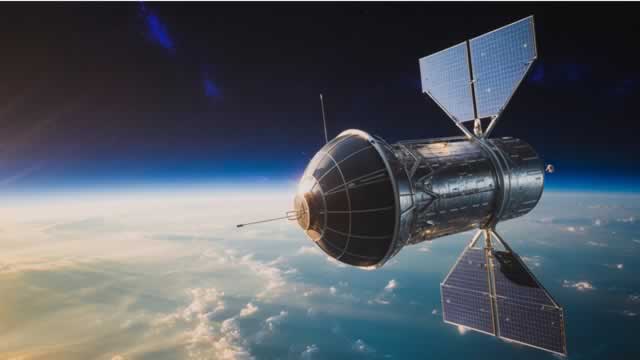
空中出租车

Search documents
向“新”而行 上海两会热议未来产业新版图
Shang Hai Zheng Quan Bao· 2026-02-04 18:12
Core Viewpoint - Shanghai aims to seize global opportunities in the low-altitude economy, establishing itself as a comprehensive demonstration zone and an internationally influential "Sky City" to contribute to national low-altitude economic development [2] Group 1: Space Computing and Commercial Aerospace - The global space computing market is projected to reach $24.94 billion by 2026, with a compound annual growth rate (CAGR) of 15.08% from 2026 to 2035, indicating significant growth potential [4] - Shanghai is encouraged to accelerate research and industrial layout in space computing technologies, including radiation-resistant CPUs/GPUs and high-speed inter-satellite laser communication [5] - The commercial aerospace sector is expected to see a surge in activity, with the "Thousand Sails Constellation" launch expected to double in scale compared to the previous year [6] Group 2: Low-Altitude Economy - The low-altitude economy is viewed as a rapidly approaching growth area, with expectations for mass production of "air taxis" by 2027 [8] - Shanghai is advised to establish itself as a leading area for low-altitude economic development, providing a model for national growth and contributing to the overall industry [8] - Recommendations include accelerating local legislation to create a comprehensive regulatory framework for low-altitude flight management and infrastructure development [9]


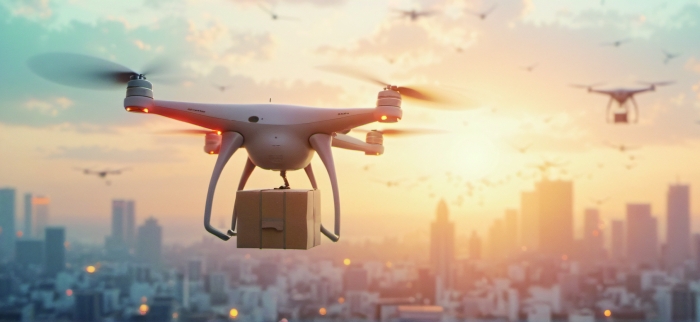
AI助力突破瓶颈,开启商业转化模式,飞行汽车与量子计算有何共通点?
Huan Qiu Shi Bao· 2026-01-07 22:31
Group 1: Flying Cars - The dream of flying cars, once considered a fantasy, is becoming a reality with the emergence of eVTOL (electric Vertical Take-Off and Landing) aircraft, which are now the focus of the low-altitude economy [2] - Joby Aviation plans to launch an "air taxi" service in Dubai in early 2026 and aims to expand operations in the U.S. [2] - The total market capitalization of Joby Aviation and its major competitors has reached $20 billion, more than tripling since September 2024 [2] - A Chinese eVTOL manufacturer has seen its valuation soar from $6 billion to $12 billion, surpassing Renault and Lyft [2] Group 2: Quantum Computing - Quantum computing has made significant advancements, with researchers demonstrating that using more physical qubits can reduce error rates, addressing long-standing engineering challenges [3][4] - The total market capitalization of three publicly traded quantum computing companies—Rigetti Computing, IonQ, and D-Wave—has reached $33 billion, a twelvefold increase since the end of 2023 [4] - Quantinuum, a quantum computing startup valued at $11 billion, has begun selling a new commercial quantum computer and providing cloud access services [4] Group 3: Nuclear Fusion - Nuclear fusion technology is advancing rapidly, with improvements in tokamak devices that are expected to achieve a significant breakthrough by producing more energy than required for the reaction [5] - The development of high-temperature superconductors is crucial, as they operate at -200°C, requiring less cooling energy and generating stronger magnetic fields [5] Group 4: Role of Artificial Intelligence - Artificial intelligence is playing a pivotal role in the advancements of these technologies by aiding in battery material design, error correction in quantum computing, and controlling plasma in tokamak devices [6]
21社论丨打造交通消费新场景,激发新兴消费市场活力
21世纪经济报道· 2025-12-25 00:57
Core Viewpoint - The article emphasizes the importance of transforming transportation services into a comprehensive service platform that enhances quality of life and stimulates domestic consumption, moving beyond traditional transportation functions [1][2]. Group 1: Investment and Economic Impact - During the "14th Five-Year Plan" period, China's fixed asset investment in transportation reached 18.8 trillion yuan, significantly improving transportation capacity and operational efficiency [1]. - The increasing accessibility of road networks and improved service levels have created conditions for expanding consumption functions in the transportation sector [1]. Group 2: Development Directions - The central economic work conference highlighted the need to implement actions to boost consumption, focusing on three key areas: developing cruise and yacht consumption, promoting high-quality development of small and micro car rentals, and creating cross-regional, distinctive self-driving routes [2]. - The "15th Five-Year Plan" emphasizes building a strong transportation nation, enhancing the modern comprehensive transportation system, and improving cross-regional coordination and integration [2]. Group 3: Upgrading Existing Infrastructure - There is a need to transform traditional transportation nodes like highway service areas and passenger hubs into multifunctional complexes that integrate commercial shopping, cultural experiences, and tourism [3]. - Innovative technologies such as robotic kitchens and smart retail systems should be introduced to enhance service efficiency and personalized experiences at transportation nodes [3]. Group 4: Exploring New Consumption Models - The low-altitude economy is emerging as a new growth engine, with plans to develop air taxis and electric vertical takeoff and landing aircraft (eVTOL) for urban commuting and sightseeing [3]. - The growing emotional role of pets in families calls for the exploration of pet-friendly transportation options, including dedicated waiting areas at major transport hubs [4]. Group 5: Structural Challenges - The article identifies structural challenges such as market barriers, local protectionism, and the need for deeper integration between transportation and related industries like tourism and agriculture [4]. - It calls for unified market rules, deep industry integration, and enhanced infrastructure and service networks to support the healthy development of new transportation consumption scenarios [4].

【快讯】每日快讯(2025年12月22日)
乘联分会· 2025-12-22 08:37
Domestic News - The Ministry of Transport and the Ministry of Emergency Management have jointly issued a regulation to ensure free passage for vehicles executing emergency rescue tasks, optimizing the process and enhancing information application levels [3] - Wuhan's 15th Five-Year Plan emphasizes the development of emerging industries, aiming to strengthen sectors like integrated circuits, new energy vehicles, and artificial intelligence, while establishing a world-class storage and computing industry base [4] - China FAW Group has signed a strategic cooperation agreement with the State Administration for Market Regulation to establish a new automotive chip certification and review system, promoting the modernization and internationalization of the automotive chip supply chain [5] - The first model of the new brand "Yijing," co-created by Dongfeng Motor and Huawei, is set to debut at the 2026 Beijing Auto Show, focusing on mid-to-high-end intelligent vehicles [6] - Changan Automobile has received the first official license plate for L3-level autonomous driving, marking the beginning of a new era in autonomous driving [7] - Xiaomi has obtained a road testing license for L3-level autonomous driving in Beijing, continuing regular testing on designated routes [8] - NIO's subsidiary, Ladao, announced a battery doubling plan, aiming to increase the number of new battery packs to over 8,000 by mid-January 2026, enhancing its battery swap network [9] - BYD's app has launched a home charging pile sharing service, facilitating charging assistance among BYD car owners in the same community [10] International News - Major AI companies, including Google and NVIDIA, have joined the U.S. government's "Genesis Project," aimed at promoting the application of emerging technologies in scientific exploration and energy projects [11] - Honda plans to launch an electric version of its popular N-Box microcar in Japan around the fiscal year 2027, which has seen sales exceed 200,000 units in 2024 [12] - Joby Aviation aims to double its air taxi production capacity by 2027, with plans to produce up to four aircraft per month at its California and Ohio facilities [13] - BMW has announced that the global production of the 3 Series has surpassed 18 million units, with the electric version set to begin production in late 2026 [14] Commercial Vehicles - The new Xiangling U series, including models U7 and U8, has been officially launched, featuring advanced technologies for enhanced space and fast charging capabilities [15] - Foton has officially launched the production version of the Kavan heavy truck, which includes groundbreaking hydrogen-powered models [16] - Foton has introduced a new refrigerated vehicle brand, "Tuyano Ice Cube," aimed at the green and intelligent transformation of the cold chain logistics industry [18] - Qingling Motors has delivered the first batch of 200 supercharged heavy trucks, marking a significant milestone in the electrification and green transformation of heavy-duty transportation in Chongqing [19]

美记者:在中国农村,看到无人驾驶卡车给牛让路…
Xin Lang Cai Jing· 2025-12-19 11:15
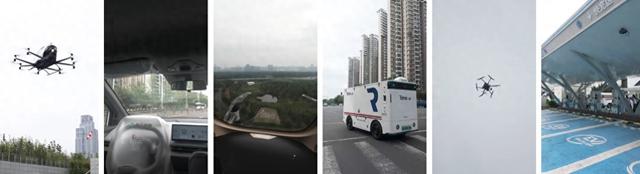
Core Insights - China is making significant advancements in autonomous technologies, including self-driving delivery vehicles, flying cars, and battery-swapping robots, which are being rapidly deployed in urban settings [1][2][3] Group 1: Autonomous Vehicles and Delivery Systems - The city of Hefei is leading in low-altitude economy and electric vertical takeoff and landing (eVTOL) aircraft, with its "air taxi" service transitioning from testing to commercial operation [3] - Autonomous delivery vehicles are increasingly replacing human drivers in the "last mile" delivery segment, with small self-driving trucks capable of carrying 300 to 500 packages [9][11] - The deployment of autonomous delivery systems is not limited to urban areas; these technologies are also being utilized in rural regions, as evidenced by the experience of a self-driving truck yielding to water buffalo [1][9] Group 2: Electric Vehicles and Charging Infrastructure - China has established 18.6 million public charging stations, effectively addressing range anxiety for electric vehicle users, even in remote areas [5][6] - New electric vehicle models can achieve a fast charge in just five minutes, showcasing advanced technology comparable to mobile smartphones [5] - Automated battery-swapping stations are common, allowing for battery replacement in just three minutes, enhancing the convenience of electric vehicle usage [6][12] Group 3: Drone Delivery and Urban Logistics - Drone delivery services are being utilized for various applications, including the rapid transport of medical supplies and food, demonstrating their potential to improve urban logistics [9][12] - The integration of drones into everyday life is seen as a significant advancement in addressing delivery delays caused by ground traffic congestion [9] Group 4: Broader Technological Integration - The rapid testing and implementation of various technologies, such as autonomous buses and hydrogen fuel cell vehicles, reflect China's commitment to technological innovation in public transport [12] - The use of unmanned systems in public services, such as automated vending machines, indicates a willingness to push the boundaries of transportation technology [12] - China's approach contrasts with the more cautious stance of Western countries, emphasizing a strong desire to lead in clean energy technologies and their global market deployment [12]
美记者:在中国农村,我看到震撼一幕
Guan Cha Zhe Wang· 2025-12-19 10:57
Core Insights - China is making significant advancements in autonomous technologies, including self-driving delivery vehicles, flying cars, and battery-swapping robots, which are being rapidly deployed in urban settings [1][12] - The city of Hefei is at the forefront of low-altitude economy and electric vertical takeoff and landing (eVTOL) aircraft, transitioning from testing to commercial operations [3][12] - The integration of advanced technologies into daily life in China is creating a competitive edge in future transportation and urban management [1][12] Autonomous Vehicles and Delivery Systems - Hefei has implemented small autonomous delivery vehicles capable of carrying 300 to 500 packages, which navigate complex urban traffic using advanced sensors and software [9] - The use of autonomous delivery vehicles is expanding into rural areas, demonstrating their versatility and adaptability in various environments [9] - The city has also introduced drone delivery services for urgent medical supplies, showcasing the technology's potential to enhance public welfare [9] Electric Vehicles and Charging Infrastructure - China has established 18.6 million public charging stations, effectively addressing range anxiety for electric vehicle users [5] - New electric vehicle models can achieve a fast charge in just 5 minutes, reflecting the advanced technology in Chinese electric cars [5] - Automated battery-swapping stations are becoming common, allowing for battery replacements in just three minutes, further enhancing the convenience of electric vehicle usage [6] Urban Transportation Innovations - Hefei's "air taxis" are now in commercial operation, with a flight duration of up to 25 minutes and a speed of approximately 128.75 km/h [3] - The integration of autonomous driving technology in public transportation, including subways and buses, is being actively tested across various cities in China [12] - High-speed rail services are also incorporating innovative features, such as in-seat ordering for food and beverages, enhancing passenger experience [12] Overall Technological Landscape - The rapid deployment of various autonomous technologies in China reflects a strong commitment to innovation and practical application, contrasting with the more cautious approach seen in many Western countries [12] - The ongoing real-world testing of these technologies in cities like Hefei is generating valuable operational experience, which is crucial for future improvements and scalability [12] - China's ambition extends beyond domestic applications, aiming to lead in clean energy technologies and expand their market presence globally [12]
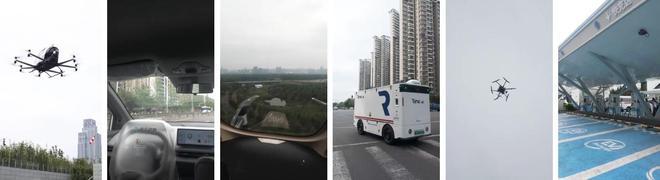
中国经济“向新力”|低空“飞”出经济“新高度”
Ren Min Wang· 2025-12-08 01:17
Core Viewpoint - The low-altitude economy in China is transitioning from pilot projects to large-scale applications, with a projected market size of 1.5 trillion yuan by 2025 and over 2 trillion yuan by 2030, indicating strong growth momentum in the industry [1] Group 1: Market Potential and Growth - The low-altitude economy encompasses various low-altitude flight activities, including manned and unmanned aerial vehicles, which are expected to drive commercial activities and public services [1] - China holds approximately 70% of the global market share in consumer drones, with 969 companies registered in the civil unmanned aerial vehicle product information system and over 478 million related aircraft [1] - The value chain of the drone industry in China shows that upstream segments account for 70% of the output value, while design, testing, and operational services each account for 15% [2] Group 2: Technological and Industrial Foundations - China's competitive edge in new energy industries provides supply chain advantages for low-altitude aircraft manufacturing, including technology accumulation in batteries, materials, and control systems [2] - The successful delivery of the first 100 light sport aircraft by a company in just two years demonstrates the market's recognition of low-altitude economic products [2] - By 2035, the value of China's drone logistics is expected to exceed 1 trillion yuan, with an annual growth rate of around 20% [2] Group 3: Policy and Regulatory Environment - The establishment of the National Development and Reform Commission's low-altitude economic development department in 2024 aims to address multi-head management issues and provide institutional support for the industry [3] - Shenzhen has introduced the first legislative framework for low-altitude economic development, establishing a classified airspace management mechanism to ensure sustainable industry growth [3] - The government is enhancing pilot programs and systematic layouts to tackle challenges in commercial models and infrastructure, promoting collaborative development in the aviation industry [3] Group 4: Transition from Policy to Market-Driven Growth - The low-altitude economy is shifting from being policy-driven to market-driven, unlocking broader value spaces as infrastructure and management bottlenecks are gradually resolved [4] - The continuous validation of scenarios is enhancing the economic viability of the low-altitude sector, indicating a strengthening of its "blood production capacity" [4]
Archer Aviation(ACHR.US)公布迈阿密都会区空中出租车网络计划
智通财经网· 2025-12-03 12:39
Core Viewpoint - Archer Aviation has announced plans to operate an air taxi network in the Miami metropolitan area, connecting key locations and major international airports [1] Group 1: Air Taxi Network Details - The air taxi network will connect Miami, West Palm Beach, Boca Raton, and Fort Lauderdale [1] - It will also operate flights connecting three major international airports: Miami International Airport, Fort Lauderdale-Hollywood International Airport, and Palm Beach International Airport, along with strategic general aviation airports in the region [1] Group 2: Infrastructure Development - Related Ross will develop a vertical takeoff and landing (VTOL) site in its downtown West Palm Beach project [1] - Hard Rock Stadium and the Apogee Golf Club will retrofit their existing helicopter pads to accommodate electric operations for the air taxi service [1] - Dragon Global is set to build a VTOL site in the Magic City Innovation District in Little Haiti, Miami [1] Group 3: Aircraft Specifications - Archer's air taxi network will operate its "Midnight" model, a piloted aircraft designed to carry four passengers [1]

中国入境游客量增超100%,国产GPU第一股启动申购 | 财经日日评
吴晓波频道· 2025-11-25 00:29
Group 1: Tariff Policy Changes - The U.S. Supreme Court is considering whether to invalidate Trump's "reciprocal tariff" policy, which could require the government to refund over $88 billion in tariffs if ruled against [2] - The Trump administration is preparing alternative strategies to maintain tariffs, potentially invoking sections 301 and 122 of the Trade Act, which allow unilateral tariff imposition [2][3] - The global response to U.S. tariff threats has led many countries to sign trade agreements with the U.S., committing to purchase American goods and invest domestically [3] Group 2: Low-altitude Economy Growth - The low-altitude economy market in China is projected to reach 1.5 trillion yuan by 2025 and exceed 2 trillion yuan by 2030, indicating strong growth [4] - As of now, 969 companies have registered in the civil unmanned aerial vehicle product information system, with over 478,000 aircraft [4] - Cities like Shenzhen, Chengdu, and Nanchang are developing low-altitude industry clusters, particularly in drone logistics and low-altitude tourism [4][5] Group 3: Nuclear Fusion Research - China's nuclear fusion research has entered a new phase with the launch of the BEST research plan, aiming to conduct plasma experiments by the end of 2027 [6] - The BEST device seeks to achieve a fusion power output of 20 to 200 megawatts, demonstrating energy production exceeding consumption [6][7] - Successful breakthroughs in material durability and plasma stability are critical for the advancement of controlled nuclear fusion technology [7] Group 4: Inbound Tourism Surge - Inbound tourist numbers to China have more than doubled this year, with significant increases in spending from American (up 50%) and French (up 160%) tourists [8] - Policy changes, such as the introduction of a one-click tax refund service, have facilitated this growth in tourism [8] - To sustain this influx, improvements in service quality and payment processes at tourist sites are necessary [9] Group 5: Childcare Leave Policy in Shanghai - Shanghai has implemented a new policy allowing caregivers of elderly patients to take up to 5 days of paid leave, with 7 days for only children [10] - This policy applies to all working individuals in Shanghai, regardless of their or the elderly person's residency status [10][11] - The initiative aims to alleviate the caregiving burden on working individuals as the population ages [11] Group 6: Development of Intelligent Insurance Products - Major Chinese insurance companies are launching specialized insurance products for humanoid robots to address safety concerns in their market applications [12] - The introduction of these insurance products aims to mitigate risks associated with robot malfunctions and accidents [12] - The growing use of household robots raises privacy concerns, necessitating clearer regulations and insurance coverage [13] Group 7: Domestic GPU Company IPO - The domestic GPU company, Moore Threads, has begun its IPO process with a high issuance price, indicating strong market interest [14] - Despite significant revenue growth, the company remains in a loss-making position, with projected revenues of 0.46 billion yuan in 2022 and 4.38 billion yuan in 2024 [14] - The company's products are positioned as alternatives to NVIDIA's offerings, catering to both B2B and B2C markets [14][15] Group 8: Stock Market Overview - The stock market experienced a slight recovery, with major indices closing in the green, driven by interest in AI applications and military sectors [16] - Market sentiment remains cautious, with trading volumes decreasing as the year-end approaches [17] - The overall market is expected to enter a new consolidation phase amid ongoing economic uncertainties [17]

Archer Aviation stock: why Hawthorne Airport deal isn't sitting well with investors?
Invezz· 2025-11-07 17:36
Core Viewpoint - Archer Aviation Inc (NYSE: ACHR) experienced a significant decline of approximately 20% following the announcement of a $126 million acquisition of Hawthorne Airport, aimed at establishing a foundation for its air taxi operations and AI testing [1] Company Summary - The acquisition of Hawthorne Airport for $126 million is a strategic move by Archer Aviation to enhance its air taxi operations [1] - The investment is intended to support the company's AI testing initiatives, which are crucial for the development of its air mobility solutions [1] Industry Summary - The air taxi industry is witnessing increased consolidation as companies seek to secure operational bases and testing facilities to advance their technologies [1] - The acquisition reflects a broader trend in the aviation sector towards integrating AI and innovative transportation solutions [1]