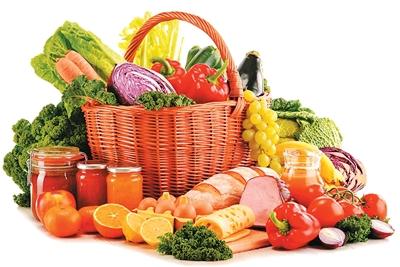
蔓越莓

Search documents
新春走基层丨东极暖阳:乡村兴、文旅热、市场旺、边境安
Jing Ji Ri Bao· 2026-02-19 01:16
Core Insights - The article highlights the economic and cultural revitalization of Fuyuan City, located at the easternmost point of China, emphasizing its agricultural development, tourism growth, and community engagement [1][2][4]. Agricultural Development - Fuyuan is a major grain-producing county, with the Jiu Cheng Rice Planting Cooperative established in 2015, now comprising 170 members and cultivating 120,000 acres [2]. - In 2023, the cooperative was recognized as a national model, projecting a total output of over 25,000 tons of rice, corn, and soybeans by 2025, with revenue expected to reach 120 million yuan and average farmer dividends exceeding 8,000 yuan [2]. - The cooperative plans to invest 9.7 million yuan in developing a new greenhouse and a picking garden [2]. Tourism Growth - Fuyuan is known for its rich aquatic resources, being the largest producer of freshwater fish in China, with a historical fish market that sees significant activity during the festive season [5][6]. - The city anticipates receiving 2.82 million tourists in 2025, generating a total tourism revenue of 3.105 billion yuan, reflecting year-on-year growth of 16.8% and 21.4% respectively [7][8]. Cultural Heritage - Fuyuan is home to the Hezhe ethnic group, with a strong cultural heritage in fishing and fish-skin art, which is being preserved and promoted through local artisans [7]. - The city has been designated as a national civilized city, leveraging its unique geographical advantages to enhance its cultural identity and tourism appeal [10]. Infrastructure and Development - The local government is focused on ecological protection and sustainable development, particularly in the Black Blind Island area, which is crucial for biodiversity [9][10]. - Significant investments are being made in infrastructure, including the construction of transportation links to enhance connectivity with Russia and support local economic growth [10].
“超级食物”究竟是营养担当还是以健康为名营销?
Xin Lang Cai Jing· 2026-01-30 06:14
Core Viewpoint - The article discusses the rising popularity of "superfoods" in the market, questioning whether they are genuinely nutritious or merely a marketing trend aimed at health-conscious consumers [2][10]. Group 1: Definition and Market Trends - "Superfoods" lack a unified scientific definition and are often seen as a marketing concept designed to appeal to consumers willing to pay a premium for health claims [2][10]. - Consumers are increasingly purchasing these products, with many young individuals believing they can improve their health despite the higher prices [2][3]. Group 2: Nutritional Analysis of Superfoods - Common superfoods like kale, acai powder, and quinoa are highlighted for their nutritional benefits, but their actual health impacts may be overstated [3][4][7]. - Kale is noted for its high content of vitamins K and C, as well as minerals like calcium and iron, but its high price in the domestic market is a concern [3][10]. - Acai powder is recognized for its antioxidant properties, but its effectiveness compared to other berries is questioned [4]. - Quinoa is a good source of plant protein but does not offer significant advantages over more common grains like oats [7]. Group 3: Consumer Perspectives and Recommendations - Consumer attitudes towards superfoods vary, with some loyal users and others skeptical about their claimed benefits [3][11]. - General recommendations suggest that most people do not need to pursue superfoods specifically; a balanced diet is more important [11][12]. - For specific populations, such as vegetarians or those with dietary restrictions, certain superfoods may provide necessary nutrients under professional guidance [11]. Group 4: Practical Advice for Consumers - When purchasing superfoods, consumers should clarify their needs, read ingredient labels carefully, and use these products as dietary supplements rather than meal replacements [14][16]. - Affordable and nutritious alternatives to superfoods include oats, soybeans, cruciferous vegetables, and eggs, which can provide similar health benefits without the high costs [14][15][16].
“超级食物”网红标签下的真相
Ren Min Ri Bao Hai Wai Ban· 2026-01-29 23:15
Core Viewpoint - The rise of "superfoods" in the market has sparked discussions about their actual nutritional value versus their marketing appeal, with experts suggesting that they are often more of a marketing concept than scientifically defined foods [2][3][4]. Group 1: Definition and Popularity of Superfoods - "Superfoods" are described as nutrient-dense foods rich in antioxidants, vitamins, or minerals, but lack a standardized scientific definition [3][4]. - Consumers are willing to pay a premium for foods labeled as healthy, driving the food industry's promotion of "superfoods" [4]. - Popularity among younger consumers is evident, with many seeking these foods for perceived health benefits [3]. Group 2: Nutritional Analysis of Specific Superfoods - Kale is noted for its high nutritional value, containing vitamins K and C, calcium, iron, and significant amounts of potassium (395mg/100g) and dietary fiber (3.2g/100g) [5][6]. - Acai berry powder has strong antioxidant properties but does not stand out compared to other berries [6]. - Beetroot is rich in calcium, iron, and vitamin A, with antioxidant components beneficial for gut health [7]. - Quinoa is a good source of plant protein but lacks advantages over common grains like oats, which are more economical and beneficial for blood sugar control [8]. - Blueberries and cranberries are rich in anthocyanins, beneficial for brain and cardiovascular health, but similar nutrients can be found in other common fruits and vegetables [9]. - Chia seeds can help delay gastric emptying but require adequate hydration; their omega-3 fatty acids are less efficiently converted to DHA compared to fish sources [10]. Group 3: General Recommendations on Superfoods - While "superfoods" can offer health benefits, they should not be relied upon solely for health maintenance; a balanced diet is crucial [12]. - General populations do not need to pursue "superfoods" specifically; those with nutritional deficiencies may consider specialized foods or supplements under professional guidance [13]. - Whole, fresh foods are preferred over supplements for nutrient absorption and safety [14]. Group 4: Practical Advice for Consumers - Consumers should clarify their needs when purchasing "superfoods" and be cautious of products with high sugar content or misleading health claims [15]. - Affordable, nutrient-rich foods such as oats, soybeans, cruciferous vegetables, and eggs are recommended as part of a balanced diet [16][17][18][19][20].

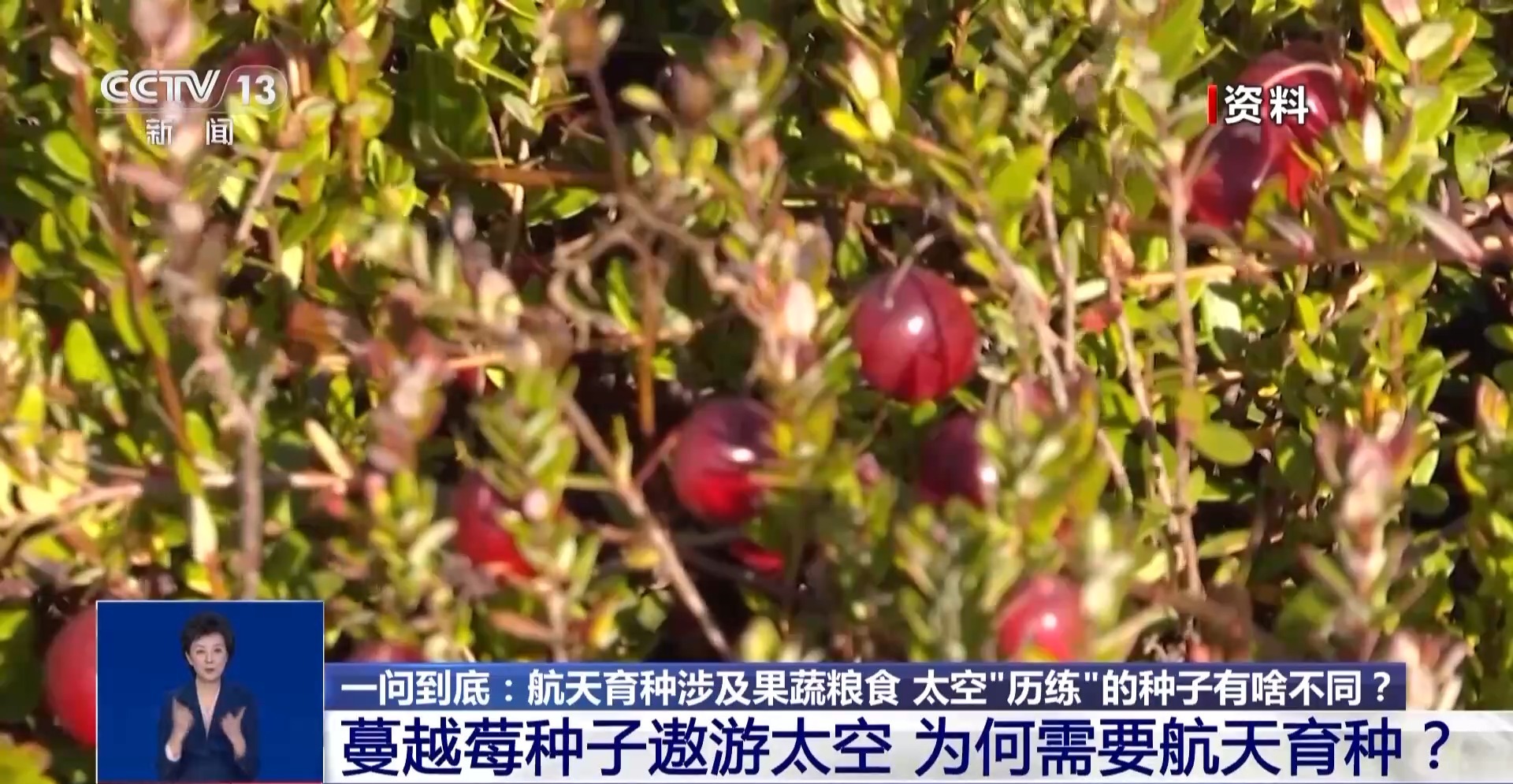
一问到底丨蔓越莓种子遨游太空 为何要航天育种?
Yang Shi Wang· 2026-01-24 14:54
Group 1 - The core idea of the news is the successful delivery of the space-bred rose variety by the Zhongke Aerospace Li Hong No. 1 spacecraft, highlighting the significance of space breeding in agriculture, particularly for crops like cranberries [1] - Space breeding aims to develop high-quality cranberry varieties with independent intellectual property rights, addressing the reliance on imported North American varieties [5] - The process of space breeding can significantly shorten the breeding cycle from the traditional 8-10 years to approximately 5 years, allowing for greater genetic variation and the potential for new traits [3] Group 2 - From 2022 to 2024, a total of 400,000 cranberry seeds have been sent into space aboard various missions, marking a significant step in agricultural breeding technology and the upgrade of the domestic cranberry industry [7] - The challenges faced by the domestic cranberry industry include late development, low adaptability, and low yield, which space breeding aims to overcome by enhancing the competitiveness of domestic varieties in both domestic and international markets [5]
以“五市同创”推进高质量振兴发展
Xin Lang Cai Jing· 2026-01-17 22:51
Core Viewpoint - The meeting of the Provincial Party Committee is crucial for accelerating high-quality revitalization and development in Heilongjiang, with a clear focus on the economic situation in 2026 and practical work tasks to guide the province's development efforts [1] Group 1: Agricultural Development - The city of Hulin aims to strengthen its agricultural sector by implementing a plan to increase grain production to over 60 billion jin, focusing on modern livestock, cold-water fisheries, and facility agriculture [1] - The initiative includes promoting the "China Cranberry City" and "China Schisandra Town" as new branding efforts [1] Group 2: Industrial Growth - Hulin plans to enhance its industrial sector by focusing on key industrial chains such as biomedicine and green food, supporting leading companies like Zhenbaodao Pharmaceutical and COFCO Rice Industry in expanding production [2] - The city aims to develop new economic growth points through projects in artificial intelligence and emerging industries, including hydrogen energy and bio-manufacturing [2] Group 3: Tourism Development - The city will promote tourism by implementing tasks from the provincial tourism development conference, focusing on summer and winter tourism initiatives and creating diverse tourism experiences [2] - Special routes will be planned for red education, green health, and various seasonal activities to enhance tourism engagement [2] Group 4: Trade and Connectivity - Hulin seeks to integrate into the Belt and Road Initiative by accelerating the construction of the Markovo Port and establishing a modern port and trade area [2] - The strategy includes optimizing trade structures with Russia and developing cross-border e-commerce to enhance economic exchanges [2] Group 5: Ecological Sustainability - The city emphasizes ecological development by promoting carbon neutrality and protecting various ecosystems, aiming to enhance its reputation as a model for ecological civilization [3] - Efforts will focus on creating green factories and transportation systems while converting ecological product values [3]
特色农产品百花齐放
Xin Lang Cai Jing· 2026-01-04 22:08
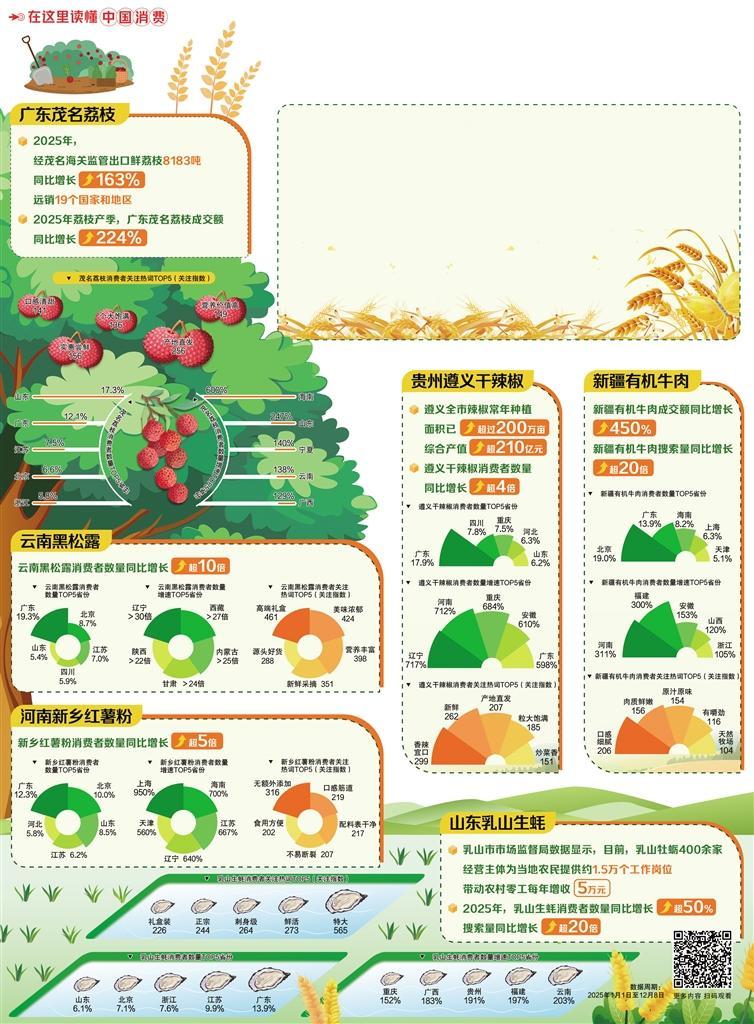
Group 1 - The core viewpoint of the article highlights the emergence of "hidden" specialty agricultural products in China, which have gained popularity and market recognition due to changing consumer preferences and effective marketing strategies [3][4] - The article discusses the historical context of these specialty products, noting that many have been cultivated for decades but remained underappreciated due to low standardization, limited production, and inadequate marketing [3] - The interaction between consumers and the market has increased, leading to greater exposure for these products, which are now reaching consumers more effectively [4] Group 2 - The development of regional public brands has been encouraged, with examples like Maoming lychee and Wuchang rice benefiting from established sales networks and marketing channels to expand their market presence [4] - The rise of live-streaming e-commerce has provided a platform for specialty products to connect with consumers, enhancing trade activity in these sectors [4] - To capitalize on these opportunities, it is essential to improve standardization across the entire production and sales process, as demonstrated by the comprehensive standardization efforts in Guangxi's kumquat industry [4][5] Group 3 - Increasing the added value of specialty agricultural products is crucial, with examples such as the deep processing of Guizhou chili peppers into high-value products like compound seasonings and health supplements [5] - Other categories, such as fruits and medicinal herbs, can also be processed into various forms to meet consumer health demands, thereby extending shelf life and reducing waste [5] - Collaborations with research institutions can help uncover specific nutritional benefits and develop functional foods, further enhancing the market potential of these products [5]

中国新“土特产”端上高端餐桌的背后
Xin Hua She· 2025-11-20 01:21
Core Viewpoint - The rise of new "local specialties" in China, such as foie gras, caviar, and truffles, reflects the country's agricultural transformation and increasing consumer demand for high-quality products [1][2]. Group 1: Market Performance - During the recent "Double 11" shopping festival, the sales of caviar reached 2.38 times the amount from the previous year, while sales of foie gras and related products grew by over 20% year-on-year [1]. - The production of caviar in China now accounts for 60% of the global supply, and truffle exports are projected to increase by 40% in 2024, building on a previous year where exports constituted nearly one-third of global trade [1]. Group 2: Technological and Innovative Development - The development of these new "local specialties" is supported by technological advancements, including the adaptation of imported crops and breakthroughs in breeding techniques for sturgeon to produce higher quality caviar [2]. - The integration of supply chain innovations has made these products more affordable, allowing a broader consumer base to access them [2]. Group 3: Market Dynamics and Consumer Trends - The diversification of high-end "local specialties" aligns with changing consumer preferences towards healthier and more varied food options, reflecting a shift from merely satisfying hunger to enhancing quality of life [1][2]. - Manufacturers are creatively incorporating caviar into various products, such as ice cream and mooncakes, to attract more consumers and expand market reach [2]. Group 4: Infrastructure and Regional Cooperation - The development of logistics networks has significantly improved the distribution of products like Yunnan truffles, ensuring fresher quality and better pricing [3]. - Regional collaborations, such as the synergy between Sichuan's caviar industry and Zhejiang's food processing techniques, have enhanced the competitiveness of these local specialties in the market [3]. Group 5: Future Outlook - The "14th Five-Year Plan" emphasizes the importance of developing modern agricultural industries, including local specialties, to drive rural economic growth and enhance agricultural productivity [3].
新华社经济随笔:中国新“土特产”端上高端餐桌的背后
Xin Hua Wang· 2025-11-19 14:40
Core Insights - The rise of new "local specialties" in China, such as foie gras, caviar, and truffles, reflects a significant shift in the agricultural landscape, with these products now being produced domestically and gaining popularity in high-end markets [1][2] Group 1: Market Performance - During the recent "Double 11" shopping festival, the sales of caviar reached 2.38 times the amount from the previous year, while sales of foie gras and related products increased by over 20% year-on-year [1] - The production of caviar in China now accounts for 60% of the global supply, and the export of truffles is projected to grow by approximately 40% in 2024, building on a previous year where exports constituted nearly one-third of global trade [1] Group 2: Consumer Trends - The increasing demand for high-quality, diverse, and healthy food options is driving the popularity of these new "local specialties," as consumers shift from merely satisfying hunger to seeking gourmet experiences [2] - The integration of these products into various culinary applications, such as ice cream and mooncakes, is expanding their market reach and appealing to a broader audience [2] Group 3: Technological and Logistical Advancements - Technological innovations are crucial for the development of these new "local specialties," enabling better adaptation of imported species and improving breeding techniques for higher quality products [2] - Enhanced logistics, including improved cold chain delivery systems, have significantly increased the marketability of products like Yunnan truffles, allowing them to reach consumers quickly while maintaining freshness [3] Group 4: Regional Collaboration and Market Integration - The collaboration between different regions, such as the integration of breeding techniques from one area with processing methods from another, is fostering the growth of local specialty industries [3] - The ongoing development of a unified national market is facilitating resource flow and deepening industry collaboration, which is essential for the competitive success of these products [3] Group 5: Future Outlook - The focus on developing local specialty industries is seen as a vital engine for enhancing rural economic growth, with an emphasis on technology-driven, green development to improve agricultural productivity and quality [4]
「有“医”有“据”2」:多元食材与创意吃法,解锁健康活力密码
Sou Hu Wang· 2025-11-05 10:53
Core Insights - The program "Professor Yan - 'With Medicine and Evidence 2' Public Health Science Space" aims to educate the public on healthy eating and immunity-boosting techniques [1][14] - The initiative addresses the common challenge of healthy eating in fast-paced lifestyles, providing practical and scientific dietary solutions [3][14] Group 1: Program Overview - The fourth episode features expert guests including Dr. Weng Zhiqiang, food blogger Li Wei, and health-conscious mother Ying Xiao, who provide insights from both medical and practical perspectives [5][14] - The program is available on various platforms, making authoritative health knowledge easily accessible to the public [16] Group 2: Expert Contributions - Dr. Weng Zhiqiang discusses the health benefits of four popular ingredients: white kidney beans, quinoa, cranberries, and tomatoes, highlighting their nutritional properties and preparation methods [7] - Food blogger Li Wei shares creative breakfast ideas that combine essential nutrients, making healthy eating enjoyable and appealing for both children and adults [9] - Ying Xiao emphasizes the use of modern nutritional products to efficiently maintain family health, showcasing convenient options that balance nutrition and time [11] Group 3: Educational Impact - The program serves as a platform for individuals lacking nutrition knowledge to learn about healthy eating, promoting better dietary habits and overall health literacy [14] - By featuring professional insights, the program aims to foster a culture of healthy eating and contribute to building a healthier society [14]

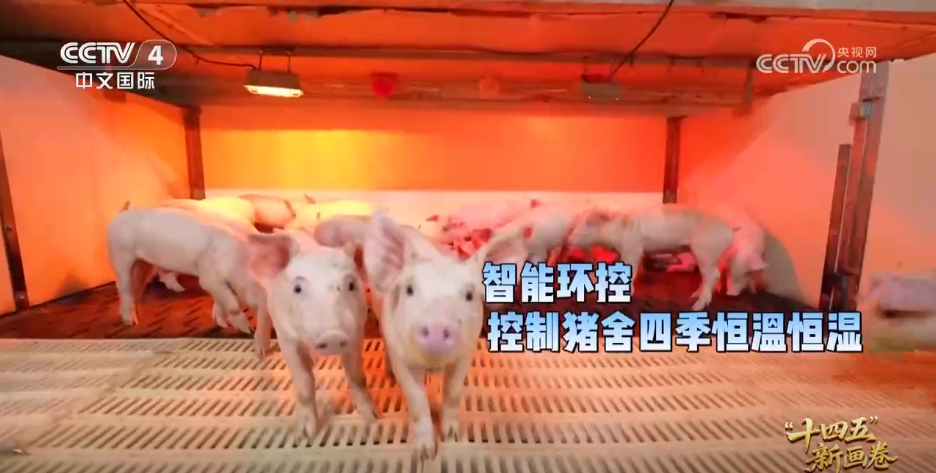
小猪“上楼”、刺梨闯“黔程” 现代化产业链推动乡村产业价值跃升
Yang Shi Wang· 2025-10-17 07:27
Group 1: Agricultural Innovations in China - The article highlights the transformation of traditional agriculture across various regions in China, leveraging local resources and technology to enhance productivity and value [1] - In Henan, a pig farming enterprise has adopted an intelligent building model for raising pigs, achieving an annual output of 2.1 million pigs [3] - During the 14th Five-Year Plan, Henan has implemented the "Green Food Cluster Cultivation Action Plan" to modernize meat processing and improve cold chain logistics, creating an integrated supply chain from feed to slaughter [5] Group 2: Unique Agricultural Products - In Guizhou, the prickly pear, known locally as "mountain king fruit," has become a significant contributor to poverty alleviation, thriving in the region's karst mountains [7] - The prickly pear is rich in nutrients and has been developed into various products such as enzyme drinks, juices, and organic fertilizers, with over 1.5 million acres cultivated in Guizhou, accounting for over 90% of the national total and generating approximately 10 billion yuan in value [9] - In Heilongjiang, a cranberry cultivation base of 4,200 acres is utilizing advanced harvesting technology, while new varieties are being developed through space breeding experiments [11][13]