
超高速实时示波器

Search documents
湾芯展:执棋破局,筑就中国集成电路全球引领新标杆
半导体行业观察· 2026-03-23 02:10
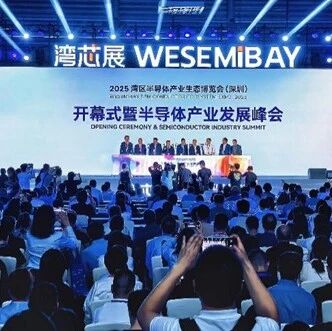
Core Viewpoint - The article emphasizes the strategic importance of the semiconductor industry in the context of global technological competition and highlights China's efforts to enhance its semiconductor capabilities through the "14th Five-Year Plan" and the upcoming Bay Area Semiconductor Industry Expo (Bay Chip Expo) [1][12]. Group 1: Market Overview - The global semiconductor market is projected to reach $980 billion by 2026, with a year-on-year growth rate of 27% [1]. - The Guangdong-Hong Kong-Macao Greater Bay Area has become a significant growth engine for China's semiconductor industry, housing over 12,000 industry-related enterprises [1]. Group 2: Bay Chip Expo Achievements - In 2025, the Bay Chip Expo covered over 60,000 square meters, featured more than 600 global exhibitors, and attracted 112,300 professional visitors, marking it as a focal point in the industry [5]. - The event received extensive media coverage, with over 1 billion online exposures, and introduced the "Bay Chip Award," which engaged nearly 4 million professional votes [5]. Group 3: Industry Collaboration - The Bay Chip Expo aims to break down barriers across the semiconductor supply chain, creating a collaborative platform that encompasses chip design, wafer manufacturing, compound semiconductors, and advanced packaging [3]. - The expo facilitates efficient connections between global semiconductor resources, promoting both "bringing in" and "going out" strategies [7]. Group 4: Future Developments - The 2026 Bay Chip Expo is set to take place from October 14-16 in Shenzhen, with an exhibition area exceeding 70,000 square meters and over 800 exhibitors expected [12]. - The event will focus on key areas such as AI chips, RISC-V ecosystems, and advanced packaging, aligning with industry upgrade needs [14]. Group 5: International Strategy - The expo plans to enhance its international strategy by targeting semiconductor core regions in Japan, South Korea, and Southeast Asia, aiming to increase overseas participation significantly [9]. - It will invite top global semiconductor experts and executives to discuss industry trends and share insights on advanced technologies [10].





政府工作报告提芯片自研新突破
第一财经· 2026-03-05 09:47
Core Viewpoint - The article highlights significant advancements in China's semiconductor industry, particularly in AI chips, storage chips, and semiconductor equipment, as emphasized in the government work report during the National People's Congress session [3][4][6]. Group 1: Government Initiatives and Industry Growth - The government work report indicates a 10.9% increase in integrated circuit production over the past year, showcasing the industry's robust growth [3]. - The total R&D investment in society is projected to exceed 3.92 trillion yuan by 2025, with a research intensity of 2.8%, and basic research funding reaching nearly 280 billion yuan, marking a historic high of 7.08% [3]. Group 2: AI Chip Developments - Several AI chip companies have made notable progress, with Moore Threads launching a new chip architecture that improves computing density by 50% compared to the previous generation [4]. - Huawei introduced the largest AI supernode in the industry, connecting 384 Ascend AI chips to provide up to 300 PFLOPs of dense BF16 computing power [4]. - Domestic AI chip manufacturers like Cambricon have seen revenue growth exceeding four times year-on-year, marking their first profitable year post-IPO [5]. Group 3: Storage Chip Advancements - In the context of storage shortages and price increases, domestic manufacturers are seizing market opportunities, with Changxin Technology becoming the fourth largest DRAM manufacturer globally [5]. - Changxin Technology launched DDR5 and LPDDR5X mobile memory series, claiming top-tier performance in speed and capacity [5]. - Yangtze Memory Technologies is expanding production, with plans for its third phase in Wuhan to be completed this year, potentially benefiting around 200 upstream and downstream companies [5]. Group 4: Semiconductor Equipment Innovations - New Kai Lai showcased 31 types of semiconductor process and testing equipment at the Shanghai Semiconductor Equipment Exhibition, including various advanced deposition and measurement products [6]. - The company also released two domestic electronic engineering EDA design software and a new high-speed real-time oscilloscope with a bandwidth exceeding 90 GHz, significantly enhancing domestic measurement instrument capabilities [6]. - The advancements in the semiconductor equipment sector reflect a strong momentum in China's chip industry across multiple dimensions [6].
半导体产值破3000亿元后,深圳锁定AI芯片为产业突破口
Xin Lang Cai Jing· 2026-02-14 08:01
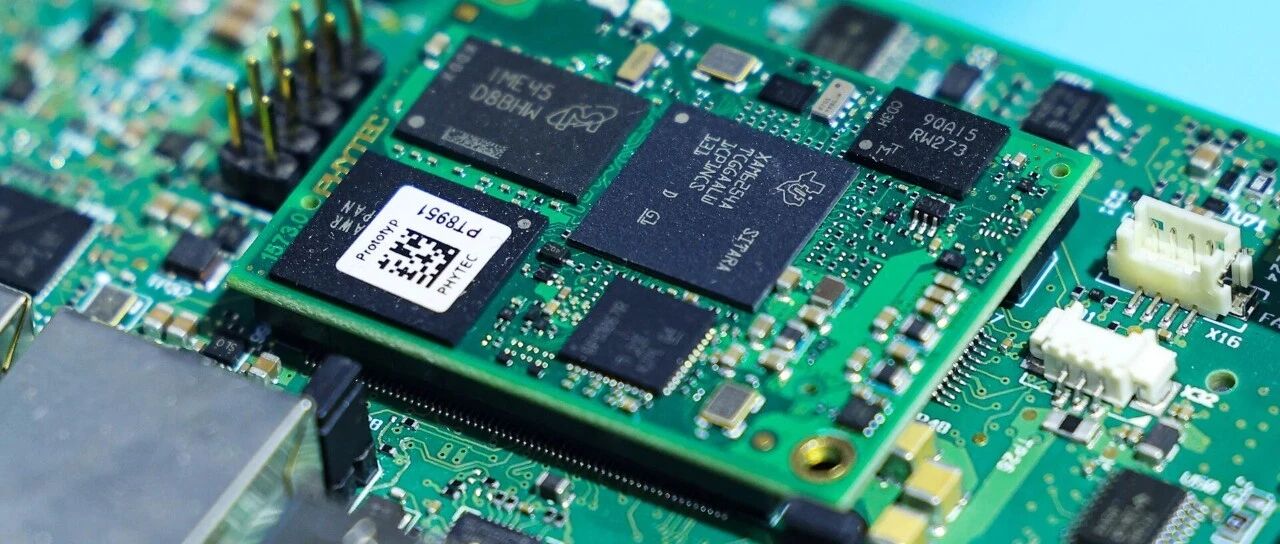
Core Viewpoint - Shenzhen's "Artificial Intelligence + Advanced Manufacturing Action Plan (2026-2027)" aims to enhance the semiconductor industry by integrating AI technology, focusing on AI chips for various applications such as AI smartphones, AI glasses, and intelligent robots [1][4]. Semiconductor Industry Development - Shenzhen's semiconductor industry is projected to exceed 300 billion yuan in output value by 2025, with an average annual growth rate of 10.8% during the 14th Five-Year Plan period [1]. - The share of non-design segments (including manufacturing, packaging, testing, equipment, and materials) is expected to rise from 27% in 2020 to 42% by 2025 [1]. AI Chip Focus - The plan emphasizes developing high-performance, energy-efficient SoC chips tailored for AI applications, particularly in the automotive sector, targeting the trillion-yuan market for new energy vehicles [1][6]. - Shenzhen aims to leverage its strong hardware integration capabilities to focus on specialized AI chips rather than general-purpose CPUs, addressing the specific needs of the local market [2][3]. AI Terminal Market - By 2026, Shenzhen's AI terminal industry is expected to reach over 800 billion yuan, with a goal of surpassing 1 trillion yuan and producing over 150 million AI terminal products [4]. - The city plans to establish a comprehensive ecosystem encompassing chips, operating systems, AI models, and applications, facilitating the transition of smartphones from "smart tools" to "smart assistants" [4]. Industry Ecosystem and Collaboration - Shenzhen's intelligent hardware sector is characterized by fragmentation and customization, necessitating highly integrated SoC modules that include both hardware and basic algorithms for rapid production [5]. - The automotive industry's demand for computing power is also a significant factor, with major companies like BYD and Huawei driving the need for advanced AI chips in smart vehicles [6][7]. Economic Goals and Strategic Initiatives - Shenzhen aims to implement a new policy framework for strategic emerging industries by 2026, targeting a growth rate of over 7% in added value for these sectors [8]. - The city plans to enhance its capabilities in electronic information, new energy vehicles, and semiconductor manufacturing, focusing on key technologies and international development [8].
广东五位市长一起谈“新”谈“未来”
Xin Lang Cai Jing· 2026-01-29 01:49
Core Insights - The five cities in the Guangdong-Hong Kong-Macao Greater Bay Area aim to enhance new productivity and cultivate future industries, focusing on artificial intelligence and robotics as key growth areas [1][7]. Economic Overview - The combined GDP of Guangzhou, Shenzhen, Zhuhai, Dongguan, and Huizhou is projected to exceed 9 trillion yuan in 2024, accounting for over 60% of Guangdong Province's GDP [2][8]. Industry Development Focus - Guangzhou has identified artificial intelligence and low-altitude economy as strategic emerging industries, integrating them into its modern industrial system to drive traditional industry transformation [3][9]. - Shenzhen has made significant advancements in semiconductor production equipment and related technologies, breaking foreign monopolies and beginning mass production [4][10]. - Zhuhai plans to develop new industries and models, targeting over 20% growth in artificial intelligence and robotics by 2025, while also focusing on RISC-V ecosystems and other future industries [5][12]. - Dongguan emphasizes a technology-driven approach to innovation, particularly in artificial intelligence and robotics, to enhance high-quality development [6][12]. - Huizhou aims to establish an Artificial Intelligence and Robotics Bureau to consolidate resources and focus on future industry development, with significant growth already seen in smart terminals and new energy storage [6][13]. Investment and Innovation - Shenzhen's R&D investment is projected to reach 245.31 billion yuan in 2024, with a growth rate of 9.7%, making it the second highest in the country [4][10]. - By 2025, Shenzhen expects double-digit growth in its strategic emerging industries, including semiconductors and artificial intelligence, while also increasing the number of specialized small and medium enterprises [4][10]. - The establishment of the APEC summit in Shenzhen in 2026 is seen as an opportunity to enhance international cooperation and attract global investment [4][11].
广东省工信厅曾进泽:广东AIR产业稳居全国第一方阵
2 1 Shi Ji Jing Ji Bao Dao· 2026-01-26 17:35
Core Insights - Guangdong aims to have 76,000 industrial enterprises by 2025, with expected revenues exceeding 19 trillion yuan, leading the nation [1][2] - The industrial and information service sectors are projected to contribute approximately 50% to GDP growth, with digital industry revenues surpassing 8 trillion yuan [1][2] - The artificial intelligence (AI) core industry in Guangdong is expected to exceed 300 billion yuan, achieving over 40% growth and accounting for one-fourth of the national total [1][6] Industrial Growth and Development - Guangdong's industrial enterprises are expected to reach 76,000 by 2025, with revenues projected to exceed 19 trillion yuan, ranking first in the country [2] - The contribution of industrial and information services to GDP growth is estimated at around 50%, with advanced and high-tech manufacturing accounting for over 50% and 30% of the industrial output respectively [2] - The province is implementing initiatives like the "Climbing Plan" to enhance the stability and reliability of industrial chains, achieving a 100% localization rate for automotive chip design [2] Innovation and Technology - Guangdong has established six national manufacturing innovation centers and 28 key pilot platforms, leading the nation in these areas [4] - The province is promoting the integration of technology and industry, with over 8,400 industrial enterprises undergoing digital transformation [4] - Guangdong has developed a comprehensive policy framework to support AI and robotics, with 147 specialized "little giant" enterprises in AI, the highest in the country [6][10] Future Industry Focus - The province is focusing on traditional, emerging, and future industries, with plans to enhance the development of sectors like new energy, smart vehicles, and biomedicine [5][11] - Guangdong is also laying the groundwork for future industries such as 6G communication and embodied intelligence [5] AI Industry Development - The AI core industry in Guangdong is projected to exceed 300 billion yuan by 2025, with significant growth and a strong position in the national market [6] - The province has implemented various policies to foster AI development, including the establishment of a comprehensive policy matrix at provincial and municipal levels [6][10] - Guangdong is actively promoting AI applications across various sectors, with a focus on creating replicable industry benchmarks [7][11]
聆听2025|听,创新的激流
Xin Hua She· 2025-12-26 07:42
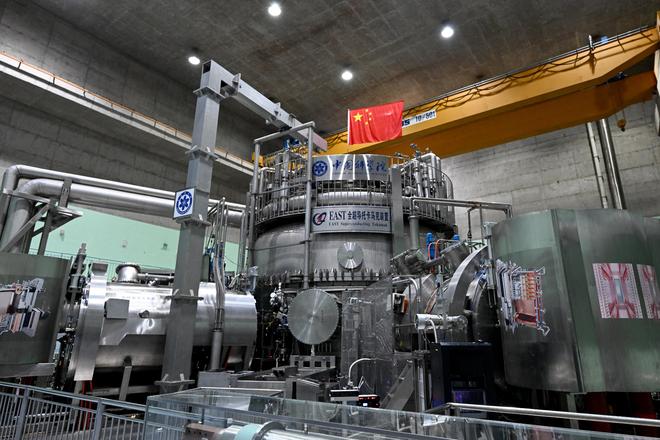
Core Insights - The year 2025 has seen significant advancements in technology, particularly in the fields of nuclear fusion, particle physics, and humanoid robotics, indicating a broader societal integration of technological innovations [2][3][11]. Group 1: Nuclear Fusion and Particle Physics - The EAST (Experimental Advanced Superconducting Tokamak) achieved a world record by maintaining a temperature of 100 million degrees Celsius for 1000 seconds, marking a major milestone in China's nuclear fusion research [3]. - The Jiangmen Neutrino Experiment (JUNO) began data collection to address significant questions in particle physics, achieving a precision improvement of 1.5 to 1.8 times over previous experiments in measuring neutrino oscillation parameters [5][7]. Group 2: Humanoid Robotics - The first humanoid robot half marathon was held in Beijing, showcasing the long-distance mobility capabilities of humanoid robots and their potential applications in various sectors [8]. - The production of humanoid robots has accelerated, with the company Zhiyuan Robotics announcing the mass production of its 5000th general-purpose humanoid robot, reflecting a shift from research to commercialization [10]. Group 3: Technological Innovations and Economic Impact - Innovations in various sectors, including artificial intelligence, aerospace, and low-altitude economy, are expected to become emerging pillar industries, significantly contributing to new economic growth [11]. - China's innovation capabilities have been recognized globally, with the country entering the top ten of the global innovation index and experiencing a 9.6% year-on-year increase in high-tech manufacturing output [17].
最后1席!6大硬核企业解锁国产化突破
半导体芯闻· 2025-12-19 10:25
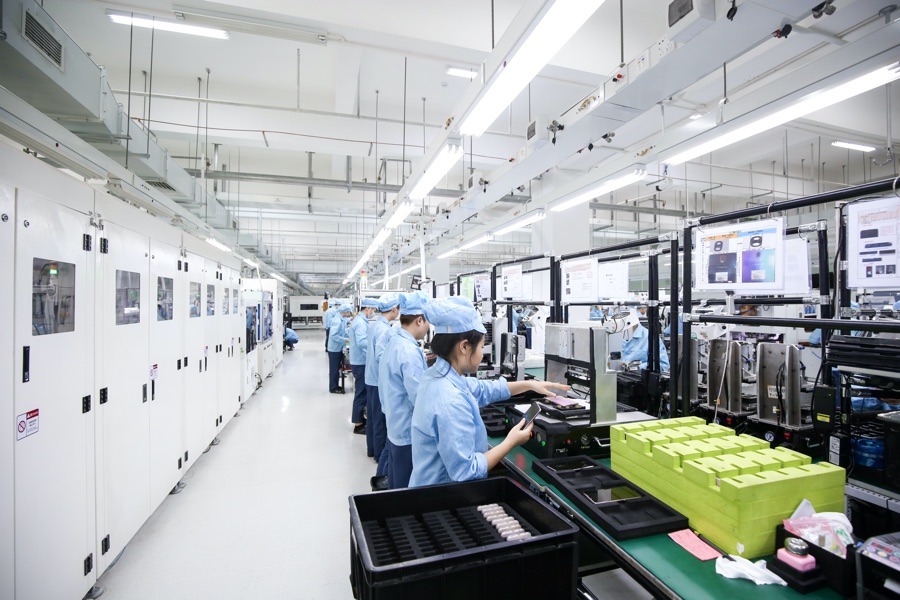
Core Viewpoint - The article highlights the significance of the Munich Shanghai Optical Expo as a pivotal event for the global optoelectronics and semiconductor industry, emphasizing the convergence of technology iteration and ecosystem integration [2]. Group 1: Event Overview - The Munich Shanghai Optical Expo will take place on March 18, 2026, at the Shanghai New International Expo Center, featuring over 1,200 leading global companies and attracting hundreds of thousands of professional attendees [2]. - The forum titled "Collaborative Innovation from Devices to Networks" focuses on the synergy between laser optical technology and the entire semiconductor industry chain, impacting various sectors such as industrial interconnection, smart transportation, and digital healthcare [2]. Group 2: Three Core Values - **Policy Alignment**: The forum aligns with the "14th Five-Year Plan," addressing the challenges of domestic production in key areas like compound semiconductors and optical communication chips, and aims to create a collaborative ecosystem through policy, technology, and capital [6]. - **Technical Focus**: The event emphasizes breakthroughs in mass production technologies across the entire industry chain, covering critical areas such as compound semiconductor manufacturing processes and AI-enabled optical chip design, providing actionable technical solutions [7]. - **Demand Precision**: The forum connects supply and demand sides effectively, facilitating a closed-loop system of technology output, demand feedback, and collaborative implementation, with major players from both ends participating [8]. Group 3: Key Participants - Leading companies such as Xizhi Technology, Guoke Guangxin, and Turing Quantum are set to present their advancements in photonic computing, silicon photonics, and high-speed electronic measurement instruments, showcasing their contributions to the industry [10][12][13]. - Major demand-side players include China Mobile, China Unicom, and China Telecom, who will discuss their needs for 6G network architecture and 5G-A deployment, seeking domestic alternatives for core components [14]. Group 4: Sponsorship Opportunities - The article emphasizes the urgency of securing sponsorship opportunities, highlighting the limited availability of slots and the potential for significant networking and exposure benefits at the event [14][16].

深圳研发投入占GDP比重全国第一
Nan Fang Du Shi Bao· 2025-12-18 23:16
Research and Development - Shenzhen's total R&D investment reached 245.31 billion yuan during the 14th Five-Year Plan, with an R&D intensity of 6.67%, ranking first among major cities in China [1] - Over 80% of research topics in technological breakthroughs were proposed by enterprises, and more than 95% of these projects were led by enterprises [1] - By the end of 2024, Shenzhen's R&D investment will account for 48% of the province's total, maintaining its position as the second-largest city in terms of total R&D investment [1] Innovation Platforms - Shenzhen has established over 4,000 innovation platforms, including 1 national laboratory, 6 national innovation centers, and 20 national key laboratories [2] - The city has built significant technological infrastructure, including the Pengcheng Cloud Brain III and synthetic biology research facilities [2] - Shenzhen's talent pool reached 7.19 million, with over 406,000 skilled workers and 25,500 high-level talents [2] Industrial Growth - The industrial output value of Shenzhen exceeded 5 trillion yuan, with the industrial added value reaching 1.2 trillion yuan, maintaining the top position among Chinese cities [3] - The added value of strategic emerging industries increased from 1.03 trillion yuan in 2020 to 1.56 trillion yuan in 2024, accounting for 42.3% of the regional GDP [3] - Shenzhen has accelerated the optimization and upgrading of traditional industries, with 11 major industrial projects expected to exceed 100 billion yuan in total investment [3] Robotics Industry - In 2024, Shenzhen's industrial robot production reached 133,900 units, while service robots produced totaled 7.11 million units [4] - The city has implemented the "Robot+" application promotion action, releasing 51 typical cases of intelligent robot applications [4] Talent and Business Environment - Shenzhen has optimized its business environment, achieving significant improvements in service efficiency, such as talent registration in as little as 30 minutes and business establishment completed in half a day [6] - The city has introduced various reforms and policies to support emerging industries, including the establishment of a bankruptcy management office [6] - Shenzhen's commercial entities reached a total of 4.621 million, reflecting a robust business ecosystem [7] Education Development - Shenzhen's education budget reached 495.6 billion yuan over five years, with over 965,000 new public school places created, surpassing the total from the previous two five-year plans [8] - The city has established 5 new universities, bringing the total number of higher education institutions to 18 [9] - Shenzhen has been a leader in vocational education reform, with 47 industry-specific colleges established in collaboration with global Fortune 500 companies [9]
年均5.5%!“十四五”前四年,深圳GDP增速居一线城市首位
Nan Fang Du Shi Bao· 2025-12-18 15:08
Core Viewpoint - Shenzhen's GDP is projected to grow from 2.78 trillion yuan in 2020 to 3.68 trillion yuan in 2024, achieving an average annual growth rate of 5.5%, leading among first-tier cities in China [1][2] Economic Growth - Shenzhen's GDP growth rate ranks first among major cities, with significant increases in industrial output and value added since 2022 [2] - The total industrial output value and industrial added value have maintained the top position nationally [2] R&D and Innovation - Total R&D investment reached 245.31 billion yuan, with an R&D intensity of 6.67%, the highest among major cities [10] - Shenzhen's innovation cluster ranks first globally in the latest Global Innovation Index [10] - The city has maintained the highest number of PCT international patent applications for 22 consecutive years [10] Foreign Trade - The total import and export volume increased from 3.05 trillion yuan in 2020 to 4.5 trillion yuan in 2024, ranking first among cities in China [3] Infrastructure and Urban Development - The operational mileage of the metro system exceeded 600 kilometers, with passenger flow intensity ranking first among major cities [4] Business Environment - Shenzhen has established a market-oriented, law-based, and international business environment, with the number of business entities ranking first nationally [5] - The city has implemented rapid service reforms, achieving significant improvements in business registration and talent settlement processes [16] Environmental Quality - The annual average PM2.5 concentration has been reduced to 15.6 micrograms per cubic meter, maintaining the best level among cities with over 5 million residents [6] Future Development Strategies - Shenzhen aims to enhance its economic advantages through five key focuses: expanding domestic demand, fostering new productive forces, deepening reform and opening up, promoting high-quality urban development, and improving public welfare [9][12] Education and Talent Development - The city has significantly increased public school enrollment, with over 965,000 new public school places created since 2020, surpassing previous five-year totals [18] - Shenzhen's higher education institutions have expanded, with five new universities established and a focus on innovative development [19]
镜观回响2025|中国经济:顶压前行 向新向优
Xin Hua She· 2025-12-17 11:24
Core Insights - The report highlights the remarkable achievements of China's economy in 2025, emphasizing the importance of expanding domestic demand and enhancing consumption as strategic priorities for sustainable growth [5][15]. Economic Potential - China is focusing on fully tapping into its economic potential by boosting consumption and effective investment, while continuously exploring new development spaces and releasing growth potential [5][15]. Ice and Snow Industry - The ice and snow industry in China is projected to exceed 1 trillion yuan in scale by 2025, becoming a significant driver for consumption and regional high-quality development [7]. Creative Industry - The creative industry, represented by trendy toys, is gaining global attention through innovative design and business models, indicating a shift in consumer preferences towards emotional satisfaction and service experiences [10]. Robotics Industry - The humanoid robotics sector is experiencing rapid growth, with significant advancements showcased at events like the World Robot Conference, highlighting the dual impact of innovation and demand release [11]. Renewable Energy - The integration of renewable energy with ecological restoration is exemplified by the photovoltaic base in the Kubuqi Desert, which combines power generation with agriculture and livestock farming [13]. Agricultural Innovation - The development of smart agriculture is being accelerated through technological advancements, enhancing the entire food production chain from cultivation to processing [14]. Policy Support and Innovation - The Chinese government is enhancing macroeconomic governance effectiveness to stimulate high-quality development through a combination of policy support and reform innovation [15]. Service Consumption - Initiatives like "Follow the Movie to Taste Food" and "China Movie Consumption Year" are being launched to leverage the film industry for boosting consumption, alongside measures to support local cultural and entertainment sectors [17]. Circular Economy - The implementation of a consumption upgrade policy, including trade-in programs, is aimed at invigorating consumer spending and enhancing market vitality [18]. Market Regulation - New standards for food delivery platforms are being introduced to address industry pain points, transitioning from a traffic-driven competition model to a service-driven ecosystem [25]. Investment in Human Capital - A large-scale vocational skills enhancement initiative is being rolled out, focusing on high-demand industries and employment groups, with over 30 million subsidized training opportunities planned [31]. Technological Advancements - Significant breakthroughs in quantum computing and nuclear fusion technology are being achieved, positioning China at the forefront of global technological innovation [36][39]. AI Development - China leads globally in the number of large AI models released, with 1,509 models published by December 2025, reflecting the country's commitment to advancing AI technology [41].
