
醉蟹

Search documents
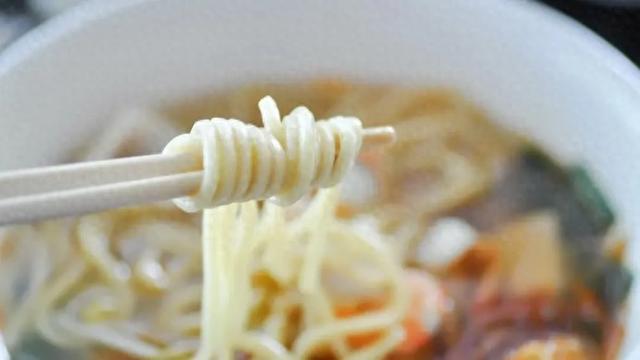
上海汾阳路藏了家苏式雅面馆,中老年聚餐新选择
Xin Lang Cai Jing· 2026-02-27 11:12
Group 1 - The article discusses the challenges of dining in a group setting, highlighting the balance between social obligations and personal health concerns due to high-calorie meals [4] - The author emphasizes the importance of location when choosing a restaurant, particularly in Shanghai, where the dining experience is influenced by the ambiance and cultural significance of the area [5][7] - The selected restaurant, a noodle shop, is noted for its elegant decor and ability to provide a refined dining experience while serving traditional dishes [8] Group 2 - The article describes specific dishes served at the noodle shop, including a rich red soup noodle and a unique oil-coated noodle, showcasing the culinary quality and presentation [8][10] - The dining experience is characterized by a humorous interaction with the staff regarding the bill, reflecting the casual yet enjoyable atmosphere of the restaurant [8] - The author suggests future dining options, indicating a preference for dishes that offer rich flavors without excessive nutritional value, aligning with contemporary dining trends [10]

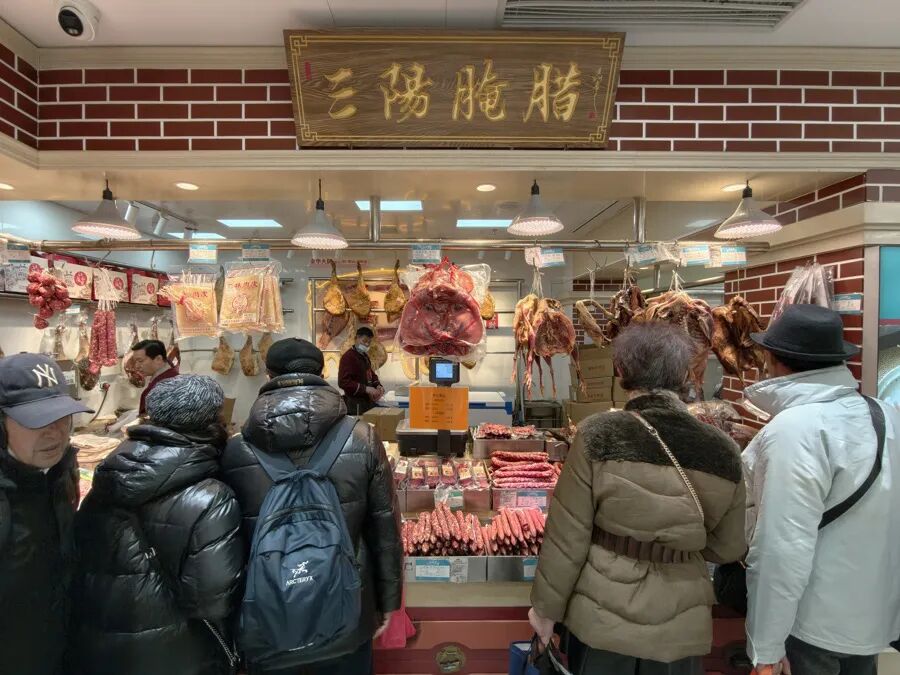
春节囤年货:有人买整条火腿,有人买几十只八宝饭……来不及吃完,怎么办?
Xin Lang Cai Jing· 2026-02-21 02:48
Group 1 - The article highlights the peak in consumer demand for traditional New Year products in Shanghai during the Spring Festival, with a significant increase in foot traffic at local stores known for their specialty goods [1][3] - Popular items include various cured meats and local delicacies, with consumers often purchasing in bulk, showcasing their ability to stock up for the holiday [1][3] - Food safety experts emphasize the importance of proper selection and storage of these products to ensure safety and quality during consumption [1][9] Group 2 - The article discusses the popularity of marinated products such as drunken crab and drunken shrimp, which are favored by Shanghai residents but carry higher safety risks due to their cold food nature [9][11] - Recommendations for storage include keeping unopened products at room temperature but preferably in the refrigerator, and ensuring cleanliness when handling opened products [11][13] - The article warns against the risks associated with homemade marinated products, advising consumers to ensure proper hygiene and preparation methods to avoid bacterial contamination [11][13] Group 3 - Traditional snacks like eight-treasure rice and steamed cakes are highlighted as essential items on the holiday table, but they are high in carbohydrates and should be consumed in moderation [14][17] - The article suggests freezing excess snacks to manage portion sizes and reduce the risk of overconsumption [17][19] - It emphasizes the importance of using food-grade packaging materials for storage, particularly when freezing or microwaving, to avoid contamination and ensure food safety [19][20]
当心!这些食品或药品可能“吃”出“酒驾”
Xin Lang Cai Jing· 2026-02-07 00:06
Group 1 - The article discusses the issue of "invisible alcohol" in food and medicine that can lead to false positives in alcohol testing for drivers [1][4] - Certain foods and medications, such as herbal medicines containing high concentrations of alcohol, can result in detectable blood alcohol levels without consuming alcoholic beverages [1][2] - Examples of food items that may contain or produce alcohol include fermented foods, high-sugar fruits, and certain processed foods like tiramisu and chocolate with alcohol [2][3] Group 2 - The legal definitions and penalties for driving under the influence are outlined, with specific blood alcohol concentration thresholds for drinking and driving (≥20mg/100ml and <80mg/100ml) and for drunk driving (≥80mg/100ml) [3][4] - Penalties for drinking and driving include a temporary suspension of the driver's license for 6 months, fines ranging from 1,000 to 2,000 yuan, and 12 points on the driving record [3] - For drunk driving, penalties include revocation of the driver's license, a 5-year ban on reapplying for a license, and potential criminal charges [4]
当心 食用这些食品或药品可能测出“酒驾”
Yang Shi Xin Wen· 2026-02-06 10:40
Core Viewpoint - A man in Zhejiang was sentenced for dangerous driving after consuming 20 bottles of Huoxiang Zhengqi Shui, which contains a high concentration of ethanol, leading to a positive alcohol test despite not consuming alcoholic beverages [2]. Group 1: Alcohol Content in Products - Huoxiang Zhengqi Shui contains approximately 40%-50% ethanol, with the solvent being 60% ethanol [2]. - Other products like "Shuijing" contain about 60%-70% ethanol, which can also lead to positive alcohol tests [2]. - Certain cough syrups and mouthwashes may contain ethanol, potentially affecting alcohol detection results [4]. Group 2: Foods and Alcohol - Fermented or alcohol-containing foods such as marinated dishes, "drunken crab," and fermented rice can produce alcohol during preparation, leading to residual alcohol in the mouth [5]. - High-sugar fruits like durian, jackfruit, and lychee can ferment in the mouth, producing trace amounts of alcohol [7]. - Processed foods like tiramisu, egg yolk pie, and chocolate with alcohol can also contain alcohol or alcohol-soaked ingredients [7]. Group 3: Alcohol Detection and Penalties - Driving under the influence is categorized based on blood alcohol content: - Drinking and driving: 20mg/100ml to <80mg/100ml - Drunk driving: ≥80mg/100ml [9]. - Penalties for drinking and driving include a 6-month license suspension, fines between 1,000-2,000 yuan, and 12 points on the driving record. Repeat offenders may face detention and additional fines [11]. - Drunk driving results in license revocation, a 5-year ban on reapplying for a license, and potential criminal charges [11]. Group 4: Precautions for Drivers - Drivers should avoid consuming alcohol-containing foods or high-alcohol medications like Huoxiang Zhengqi Shui before driving [14]. - If a driver accidentally consumes alcohol-containing products, it is advisable to wait 30 minutes before driving [14]. - In case of a positive alcohol test due to accidental consumption, drivers can explain the situation to law enforcement and request a retest after 15 minutes or a blood test for clarification [16].
江海之约,“鲜味”对决 谁是真南哥?
Xin Lang Cai Jing· 2026-01-24 15:27
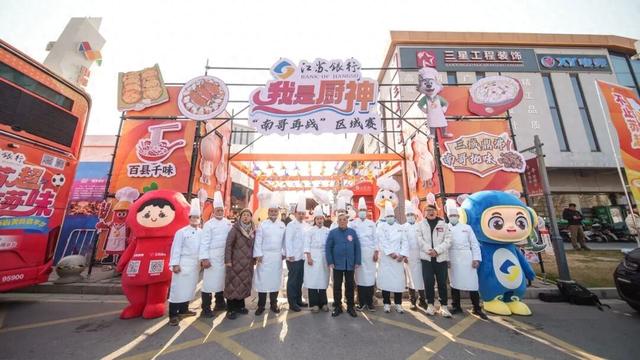
Core Viewpoint - The "I'm a Chef" regional competition, "South Brother's Rematch," showcases culinary talents from Nanjing, Nantong, and Taizhou, emphasizing the unique flavors of Jiangsu cuisine and fostering a competitive spirit among top chefs from these cities [3][5]. Group 1: Competition Overview - The event took place on January 24 in Nantong, featuring top chefs from Nanjing, Nantong, and Taizhou, who engaged in a culinary showdown [3][5]. - The competition included recreating traditional dishes and creating themed dishes inspired by the concept of "river and sea fusion" [5][12]. - The judges selected ten must-try dishes from the competition, highlighting the culinary diversity of the participating cities [7]. Group 2: Culinary Highlights - Nanjing presented dishes such as Kung Fu Squirrel Fresh Mandarin Fish and Signature Salted Duck, showcasing the city's refined culinary heritage [5][12]. - Nantong featured dishes like Stone Port Gold Medal Shrimp and Iron Plate Clams, reflecting the city's coastal culinary strengths [5][12]. - Taizhou's offerings included Knife Fish Wontons and Drunken Crab, emphasizing the region's rich flavors [5][12]. Group 3: Community Engagement - The event included a "National Tasting Conference," where chefs from seven districts in Nantong prepared 35 signature dishes for public tasting [9]. - A "Three Cities Flavor Experience Zone" was set up, offering around 200 portions of local snacks for free tasting [11]. - The event also featured over 40 market stalls showcasing local specialties and traditional foods, enhancing community participation [14]. Group 4: Promotion and Accessibility - The "Taste Seeking Bus" initiative was launched to connect various culinary landmarks in Nantong, promoting local flavors [16]. - Special discounts were offered for residents of Nanjing and Taizhou visiting Nantong's scenic spots during the event [14]. - The event encouraged public interaction through online voting for favorite dishes and food streets, fostering a sense of community and pride in local cuisine [18].
《舌尖上的中国》赋能宁波“土特产”——农博会首日销售火爆,本土优品借力IP破局出圈
Feng Huang Wang Cai Jing· 2025-12-28 01:24
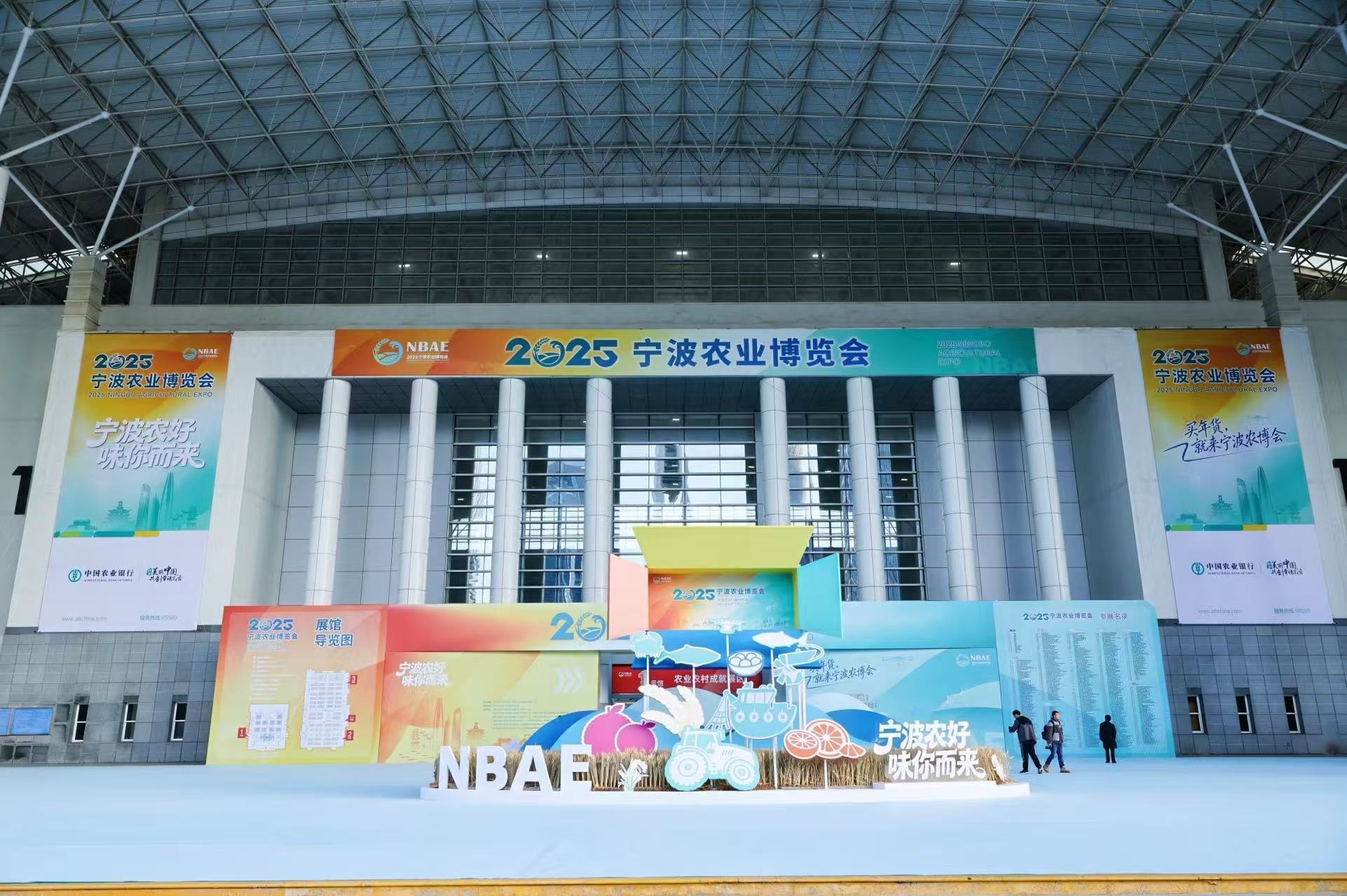
Core Insights - The Ningbo Agricultural Expo highlights the growing importance of local specialties as a solid vehicle for rural revitalization and farmer prosperity, with a total transaction amount of 8.7 million yuan and online sales reaching 5.3 million yuan on the first day [1] - The agricultural, forestry, animal husbandry, and fishery sectors in Ningbo achieved a total output value of 47.86 billion yuan in the first three quarters of 2025, cultivating 16 billion-level industrial chains and 2 hundred-billion-level industrial chains [1] Group 1 - Local specialties are becoming a key driver for rural revitalization and farmer prosperity in Ningbo, as evidenced by significant transaction figures at the Agricultural Expo [1] - The expo showcased a variety of local products, indicating a robust and growing industrial chain that supports the "Ningbo products" brand [1] - There is a challenge for high-quality local products to expand their brand recognition beyond regional markets to become nationally recognized brands [2] Group 2 - The "Taste of China" initiative at the expo aims to elevate Ningbo's local products to national recognition through a systematic empowerment framework, focusing on quality and storytelling [4] - The integration of technology and industry is crucial for the success of Ningbo's local specialties, with advancements in agricultural technology and digital farming enhancing production efficiency [7] - The essence of local specialty prosperity lies in retaining more value within rural areas, transitioning from raw material output to brand output, and establishing high-value recognition through cultural IP [9] Group 3 - The potential inclusion of Ningbo's quality products in the "Taste of China" initiative could lead to a new model of cultural empowerment for the industry, promoting brand standardization and marketization [12] - The initiative aims to document not just food but also the cultural and technological narratives behind Ningbo's agricultural products, creating a sustainable path for shared prosperity [12]
阳澄湖大闸蟹产业为何“越吃越香”
Su Zhou Ri Bao· 2025-11-03 00:26
Core Insights - The Yangcheng Lake hairy crab has evolved from a single agricultural product to a "golden industry" with an annual output value exceeding 35 billion yuan, driven by ecological foundations and technological empowerment [1][2][3] Ecological Foundation and Technological Empowerment - The Yangcheng Lake area, with its unique natural endowments, provides an ideal environment for crab farming, contributing to the firm texture and flavor of the crabs [2] - The local government has implemented the "Three-Year Action Plan for the Revitalization of the Yangcheng Lake Hairy Crab Industry (2023-2025)", focusing on ecological farming practices to ensure sustainable production [2] - Technological advancements, such as AI traceability and smart management systems, have enhanced the quality and safety of the crabs, making them a stable quality label for consumers [3] Industry Chain Extension and Brand Protection - The Yangcheng Lake hairy crab industry has developed a comprehensive supply chain, from farming to processing and sales, with a total output value of 35 billion yuan, of which 4.5 billion yuan comes from farming [6] - The industry has diversified into various products like drunken crabs and crab sauces, while also integrating tourism to attract nearly 2 million visitors annually, generating over 1 billion yuan in tourism revenue [6][7] - A robust brand protection system has been established to combat counterfeit products, ensuring consumer trust and maintaining the brand's reputation [6] Employment Growth and Talent Development - The crab industry has created significant employment opportunities, with over 5,000 workers engaged in crab binding during peak seasons, contributing to local income [7] - Skilled positions, such as crab selectors, have emerged as high-paying jobs, with experienced workers earning over 100,000 yuan per season [7][8] - The next generation is being encouraged to continue the family tradition of crab farming, ensuring the sustainability and growth of the industry [8]
谁家笔下蟹 纸上翻身看
Hai Nan Ri Bao· 2025-09-29 02:48
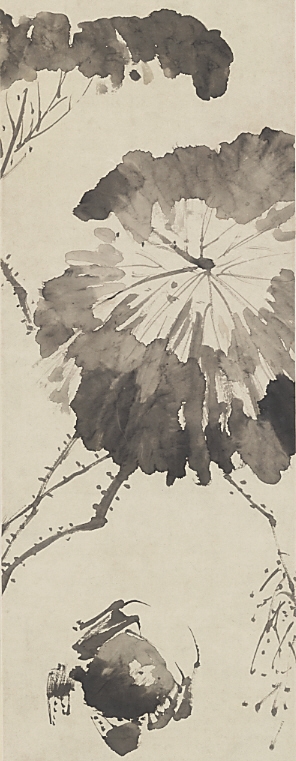
Core Insights - The article discusses the cultural significance and artistic representation of crabs in Chinese art, particularly focusing on the works of renowned artists Qi Baishi and Xu Wei, highlighting their unique styles and the emotional depth behind their paintings [7][10][12]. Group 1: Qi Baishi's Crab Paintings - Qi Baishi is recognized as a master in painting crabs, often depicting river crabs influenced by his childhood experiences in rural Hunan [7][9]. - His crab paintings evolved through three distinct periods: initial learning (1890-1918), reform (1919-1933), and maturity (1934-1957), showcasing a progression from imitation to a more expressive and refined style [8][9]. - Qi Baishi's works are characterized by a lively and playful representation of crabs, capturing their essence through careful observation and innovative brushwork [9][12]. Group 2: Xu Wei's Crab Paintings - Xu Wei's approach to crab painting reflects his tumultuous life experiences, using crabs as a medium to express his frustrations and emotions [10][11]. - His painting "Yellow Crab" exemplifies his bold and free-spirited style, employing dynamic brush strokes to convey the crab's form and character, while also hinting at his personal struggles [11][12]. - Xu Wei's influence on Chinese painting is profound, with his expressive style serving as a model for future generations of artists [12]. Group 3: Cultural Context of Crab Consumption - The article highlights the historical appreciation of crabs in Chinese cuisine, with references to ancient literary figures who celebrated the delicacy of crabs in their writings [13][14]. - Notable figures like Li Yu emphasized the importance of enjoying crabs in their natural state, advocating for simple preparation methods that preserve their flavor [14]. - The seasonal availability of crabs aligns with cultural festivities, making them a significant part of autumn celebrations in China [14][15].
没喝酒也可能测出酒驾?(链接)
Ren Min Ri Bao· 2025-05-05 22:17
Core Points - Certain foods and beverages can lead to false positives in breath alcohol tests, potentially misclassifying individuals as driving under the influence [1][2] - Common high-risk foods include egg yolk pies, Swiss rolls, fermented foods, and high-sugar fruits like lychee, which can produce ethanol during fermentation [1] - Medications and products containing ethanol, such as certain cough syrups and mouthwashes, can also result in elevated breath alcohol levels, with some exceeding legal limits [2] Group 1 - Foods like egg yolk pies and Swiss rolls often contain added alcohol as a preservative, which can lead to detectable alcohol levels in breath tests [1] - Fermented foods such as fermented tofu and yeast bread can produce trace amounts of ethanol during their preparation [1] - High-sugar fruits, when fermented in anaerobic conditions, can also generate ethanol, leading to increased breath alcohol readings shortly after consumption [1] Group 2 - Products like Huoxiang Zhengqi water and certain mouthwashes can yield breath alcohol levels significantly above legal limits, with some readings reaching 600 mg/100 ml [2] - Drivers who test positive due to food or medication consumption are advised to explain their situation to law enforcement and provide evidence of their recent dietary intake [2] - Blood tests can be used to confirm actual blood alcohol content if breath tests remain inconclusive [2]
逃离外贸的人,涌入了中餐
投中网· 2025-04-30 04:11
将投中网设为"星标⭐",第一时间收获最新推送 一幅金色的「餐饮出海图」。 作者丨 曹宾玲 陈梓洁 编辑丨 付晓玲 来源丨 表外表里 以下文章来源于表外表里 ,作者洞见数据研究院 表外表里 . 洞见数据研究院 "两眼一睁就多十几万成本,真的压力山大。"看着做跨境电商的朋友哀嚎连天,KK决定先捂住自己 要再开3家新店的消息。 想当初,听到他要去海外开餐馆,大家都劝他别"四九年入国军",这年头实业只能挣血汗钱,炒3年 菜不如干3个月二道贩子赚得多。 KK也曾动摇过,但如今不会了,找个工厂、贴上品牌就能往全世界大卖特卖的商品贸易,随着关税 战一声炮响,告别了黄金时代。 当下在海外扬帆起航的,变成了服务贸易玩家。 以餐饮行业来说,国内只能开在马路边、社区里的茶饮品牌,以翻倍的价格,攻入东京、悉尼市中 心;火锅店、粤菜馆门前更是大排长队,营业额双位增速狂奔。 数据显示,截止到2024年,已有70万家中餐厅在海外落地,市场规模近3万亿元。 我们与十余位餐饮人聊了聊,从他们近至东南亚、远到欧美,下至夫妻档小饭馆、上至人均 1800+高端餐厅的创业故事里,勾勒出了一幅金色的「餐饮出海图」。 "意林风"吹到中餐界,包子配红酒"越 ...