A50ETFF

Search documents
权威发布,最新解读
Zhong Guo Ji Jin Bao· 2026-02-28 03:56
Core Viewpoint - The report highlights China's economic resilience and progress in 2025, emphasizing the importance of adapting to complex domestic and international challenges while achieving significant growth and development milestones [2]. Economic Growth and Development - In 2025, China's GDP grew by 5.0%, surpassing 140 trillion yuan for the first time, reflecting a continuous upward trajectory during the "14th Five-Year Plan" period [2][3]. - Per capita GDP reached 99,665 yuan, a 5.1% increase from the previous year, maintaining an average exchange rate of approximately 13,953 USD [2]. - The contribution of domestic consumption to economic growth was 67.3%, with final consumption expenditure contributing 52.0%, an increase of 5.0 percentage points from the previous year [3]. Technological and Industrial Advancements - R&D expenditure increased by 8.1%, reaching 2.80% of GDP, surpassing the OECD average for the first time, with basic research funding accounting for 7.08% [2]. - The value added of high-tech manufacturing grew by 9.4%, representing 17.1% of total industrial value added [2]. - Digital product manufacturing value added increased by 9.3%, with significant growth in smart products such as industrial control computers and 5G smartphones [2]. Infrastructure and Market Development - The construction of new infrastructure accelerated, with mobile communication base station production increasing by 13.5%, and the number of 5G base stations reaching 4.84 million [2]. - The total retail sales of consumer goods exceeded 50 trillion yuan, marking a 3.7% increase from the previous year [3]. - The logistics system improved, with cargo transport volume and turnover increasing by 3.2% and 4.6%, respectively [3]. High-Quality Development and Reforms - The establishment of a unified national market progressed, with the negative list for market access reduced to 106 items [3]. - The average urban unemployment rate was 5.2%, below the target of 5.5%, with 12.67 million new urban jobs created [3]. - The proportion of clean energy consumption reached 30.4%, with significant reductions in energy consumption per unit of GDP and carbon emissions [3]. Social Welfare and Living Standards - The average disposable income of urban residents increased by 5.0%, aligning with economic growth, while the ratio of urban to rural disposable income narrowed to 2.31 [3]. - The number of people covered by basic pension and medical insurance reached 1.08 billion and 1.33 billion, respectively, with improvements in social security and services [3]. - The education and healthcare sectors saw significant advancements, with the nine-year compulsory education retention rate reaching 96.1% [3].

驻宿务总领事张瑱走访慰问宿务中资企业
Shang Wu Bu Wang Zhan· 2026-02-25 13:34
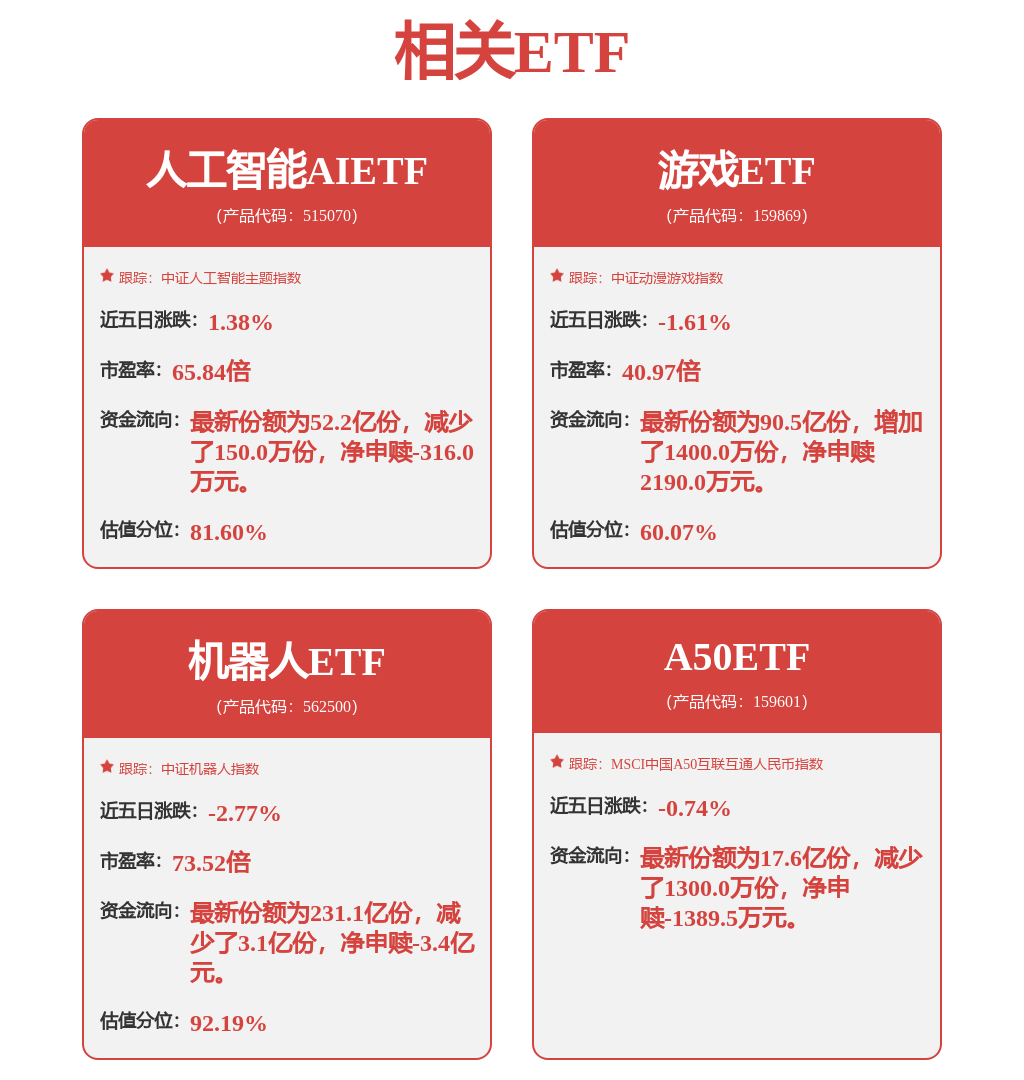
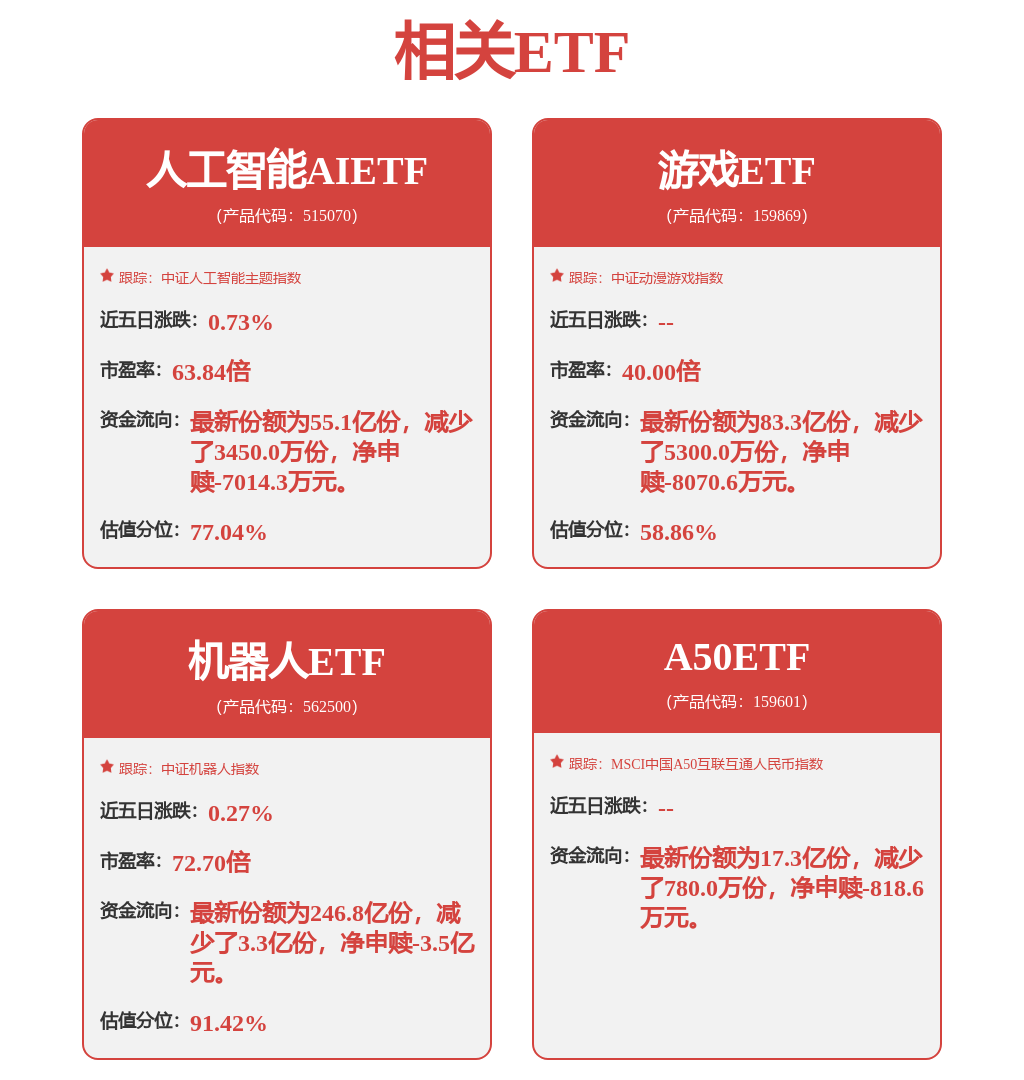
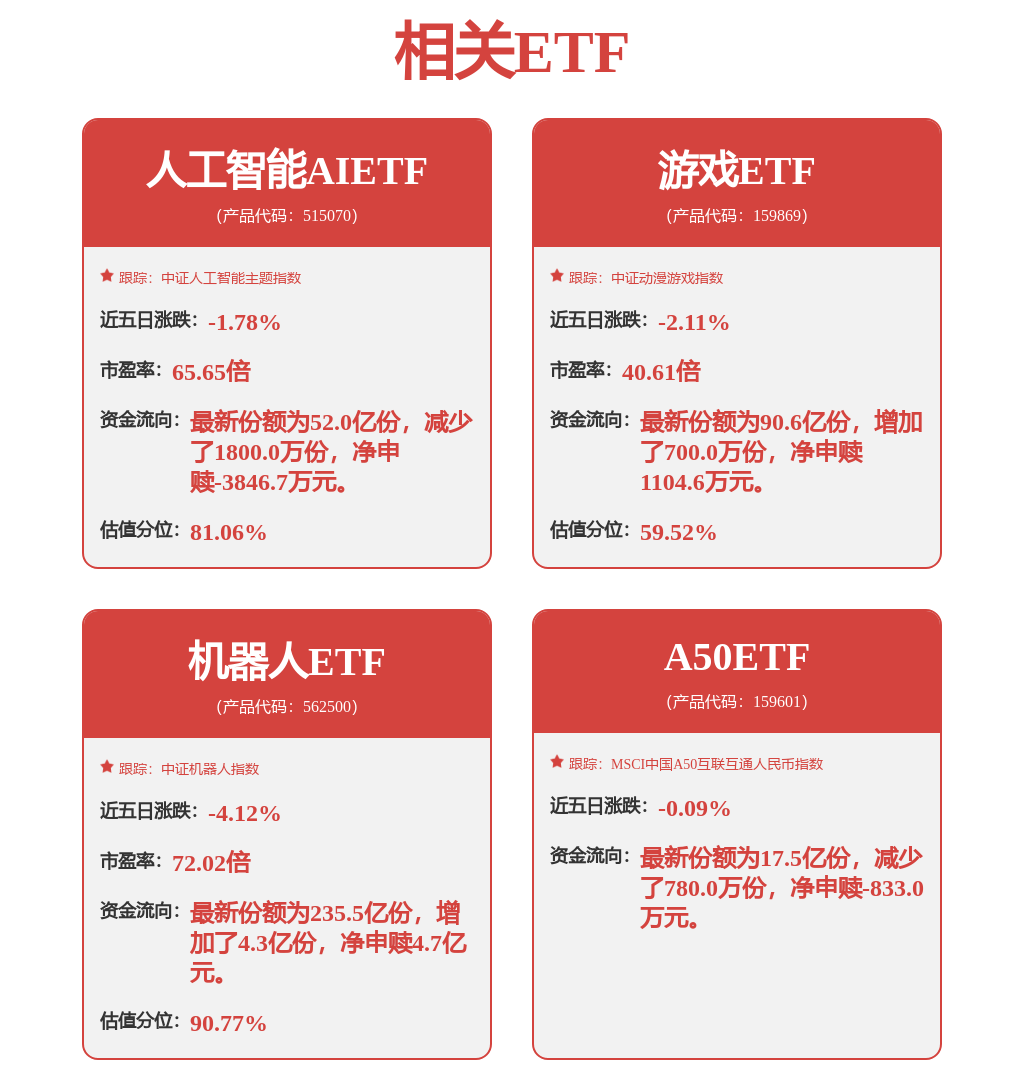
Group 1 - The Consul General of China in Cebu, Zhang Zhen, visited the construction site of China State Construction Engineering Third Bureau and the Visayas regional office of Fenghuo Philippines Limited Liability Company, expressing New Year greetings to employees and acknowledging the achievements of the enterprises [1][2] - During the visit, the Consul General emphasized the importance of safety production, employee rights protection, and legal compliance in business operations, encouraging employees to overcome challenges and contribute to practical cooperation between China and the Philippines [2] - The visit also included a tour of Hikvision's Cebu office led by Consul Song Jinpei, highlighting the engagement of Chinese enterprises in the region [3] Group 2 - The report includes information on various ETFs, such as the AI ETF, which tracks the China Securities Artificial Intelligence Theme Index, showing a recent decline of 5.60% over five days, with a market capitalization of 5.24 billion shares and a net subscription of 92.546 million yuan [5] - The Gaming ETF, tracking the China Securities Animation and Gaming Index, experienced a slight decline of 0.31% over five days, with a market capitalization of 9.01 billion shares and a net redemption of 28.05 million yuan [5] - The Robotics ETF, following the China Securities Robotics Index, saw a decrease of 1.93% over five days, with a market capitalization of 23.45 billion shares and a net redemption of 22.224 million yuan [5]

A股收评 | 沪指蛇年涨25%!最牛股浮现
Zhi Tong Cai Jing· 2026-02-13 07:35
Market Overview - The three major indices closed lower today, with the Shanghai Composite Index gaining over 25% and the ChiNext Index rising over 58% for the year [1] - The best-performing stock of the year is Shangwei New Materials, with a cumulative increase of over 18 times [1] - The military industry sector showed strength, with stocks like Andavere, Yaxing Anchor Chain, and Hangfa Power hitting the daily limit [1] - The semiconductor sector also saw gains, with stocks like Weidao Nano and Fuchuang Precision rising over 10% [1] - Conversely, stocks in the computing hardware sector, such as Changxin Bochuang, fell over 10%, and the space photovoltaic concept saw declines, with Shuangliang Energy hitting the daily limit down [1] Future Market Outlook - Guosen Securities anticipates a decline in trading activity due to the long holiday, but expects a reversal in trading volume post-holiday, with an average increase of 22.3% in trading volume in the week following the Spring Festival compared to the week before [1] - Everbright Securities believes the upcoming spring market is promising, with favorable policy and fundamental news expected in the coming months [2] - Huajin Securities also supports the continuation of the spring market, citing potential improvements in economic and profit expectations during the Spring Festival [2] - Overall, institutions are optimistic about technology stocks post-holiday, focusing on sectors with industrial catalysts and performance certainty, such as AI applications, high-end manufacturing, and new energy [2] Fund Flow - Main funds are actively investing in sectors such as semiconductors, marine equipment, and automotive parts, with notable net inflows into stocks like Huasheng Tiancai, Zhaoyi Innovation, and Guofeng New Materials [3] Key News Recap - Trump is reportedly planning to reduce tariffs on certain metals and aluminum due to a "affordability crisis" affecting his support ahead of the midterm elections [4] - The Silver Institute predicts a decline in silver demand in the photovoltaic sector by 2026, but overall silver demand is expected to remain stable due to strong growth in data centers, AI, and automotive electronics [5] - In January, new residential sales prices in first-tier cities fell by 0.3% month-on-month, with variations across cities [6] Market Analysis - Dongwu Securities notes that the A-share market typically exhibits a pattern of "pre-holiday volume contraction and post-holiday volume expansion," with trading volume expected to increase significantly after the holiday [7] - Minsheng Securities indicates that the market may experience differentiation post-holiday, with a potential shift in investment styles, recommending profit-taking before the holiday and prioritizing cyclical assets, technology growth, and high-potential sectors like pharmaceuticals, military, and automotive [8]

今日看点|1月70城房价数据将发布
Jing Ji Guan Cha Bao· 2026-02-13 04:30
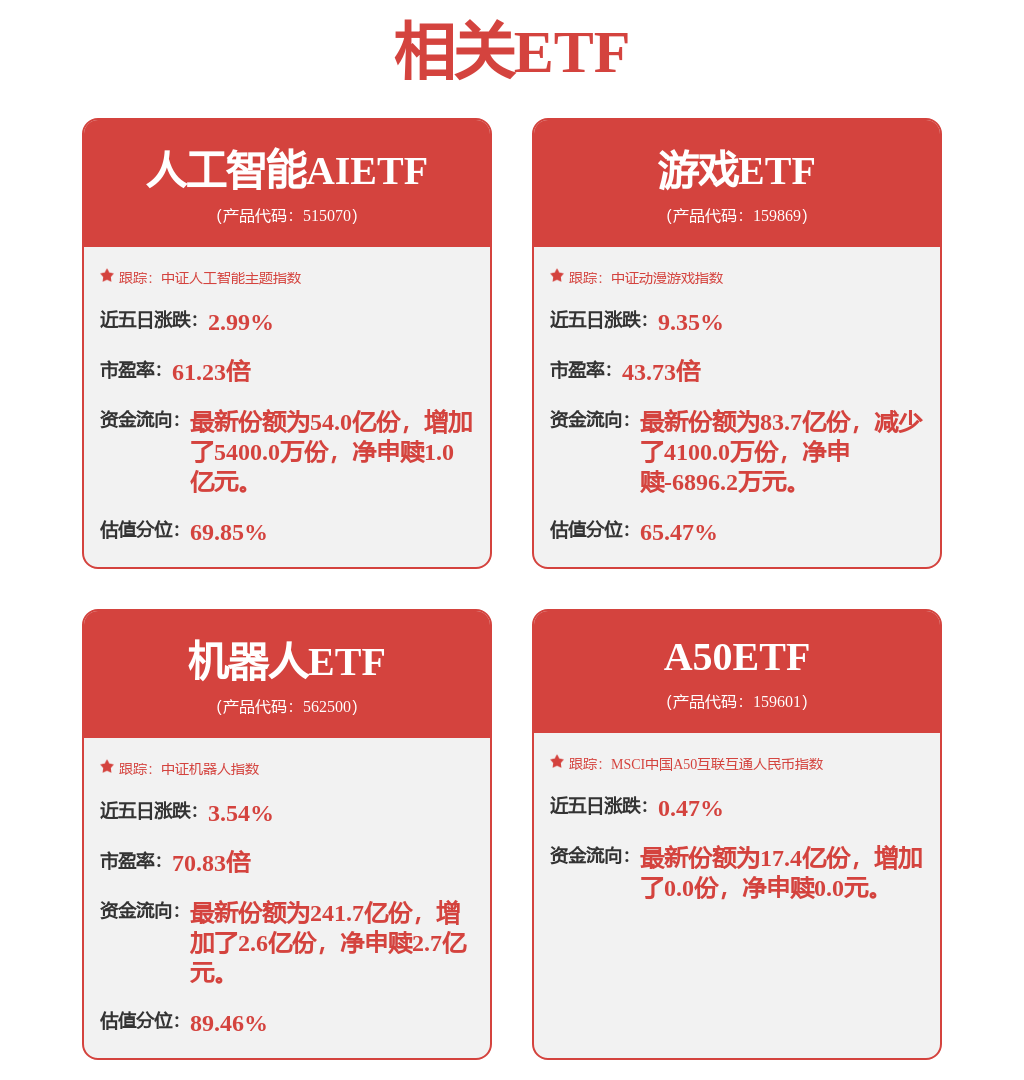
Group 1 - January housing price data for 70 cities will be released on February 13, 2026 [1] - A total of 6.5482 million shares will be unlocked today from three companies, with a total market value of 363 million yuan [2] - Nine companies have disclosed stock repurchase progress, with one company proposing to repurchase up to 200 million yuan [3] Group 2 - The AI ETF (product code: 515070) has seen a 2.99% increase over the past five days, with a current market capitalization of 5.4 billion yuan [6] - The gaming ETF (product code: 159869) has increased by 9.35% over the past five days, with a market capitalization of 8.37 billion yuan [6] - The robot ETF (product code: 562500) has increased by 3.54% over the past five days, with a market capitalization of 24.17 billion yuan [7]
京津冀协同发展十余年,为何还需“首都都市圈”?
Jing Ji Guan Cha Bao· 2026-02-11 10:47
Core Viewpoint - The approval of the "Modern Capital Urban Circle Spatial Coordination Plan (2023-2035)" marks a significant step in the development of urban agglomerations in China, particularly focusing on the integration of Beijing, Tianjin, and Hebei, covering an area of approximately 42,000 square kilometers [1][4]. Urban Circle Development - The formation of urban circles is a natural outcome of core city development, necessitating collaboration with surrounding areas to alleviate constraints and drive growth [2][6]. - The capital urban circle is designed with a structure of "one core, two wings, dual cities, and multiple points," with Beijing as the core and Xiong'an New Area and the Beijing sub-center as the wings [2][3]. Spatial Structure - The capital urban circle features a "multi-layer" nested structure, including the Beijing Plain New City, ecological conservation areas, commuting circles, functional circles, and industrial collaboration circles [3][4]. - The commuting circle covers approximately 27,000 square kilometers, focusing on the synergy between residence and work [3]. Economic Context - The Beijing-Tianjin-Hebei region's GDP surpassed 11.5 trillion yuan in 2024, marking a 2.1-fold increase since 2013, alongside significant progress in the deconcentration of non-capital functions from Beijing [5][6]. - The capital urban circle's area is the largest among the 20 approved national urban circles, with a total area of 42,000 square kilometers, although the actual area suitable for development is much smaller due to ecological zones [4][5]. Strategic Focus - The new plan represents a shift from merely alleviating "big city problems" to becoming a core area and key engine for the coordinated development strategy of Beijing-Tianjin-Hebei [4][6]. - The focus is on optimizing and enhancing the capital's functions while ensuring effective resource radiation to surrounding areas, particularly in the context of emerging industries driven by technological advancements [6][7]. Inter-City Collaboration - The relationship between the capital urban circle and the newly approved Shijiazhuang urban circle is characterized by tight interaction and cooperation based on industrial division of labor [10][11]. - The development of node cities like Langfang is crucial for effectively integrating and leveraging innovation resources from the core area [11][12]. Challenges and Opportunities - The capital urban circle faces challenges in achieving a balance between commuting and functional areas, necessitating both hard infrastructure and soft institutional coordination [12]. - The ongoing development disparities within the Beijing-Tianjin-Hebei region highlight the need for targeted strategies to enhance connectivity and resource distribution [12].
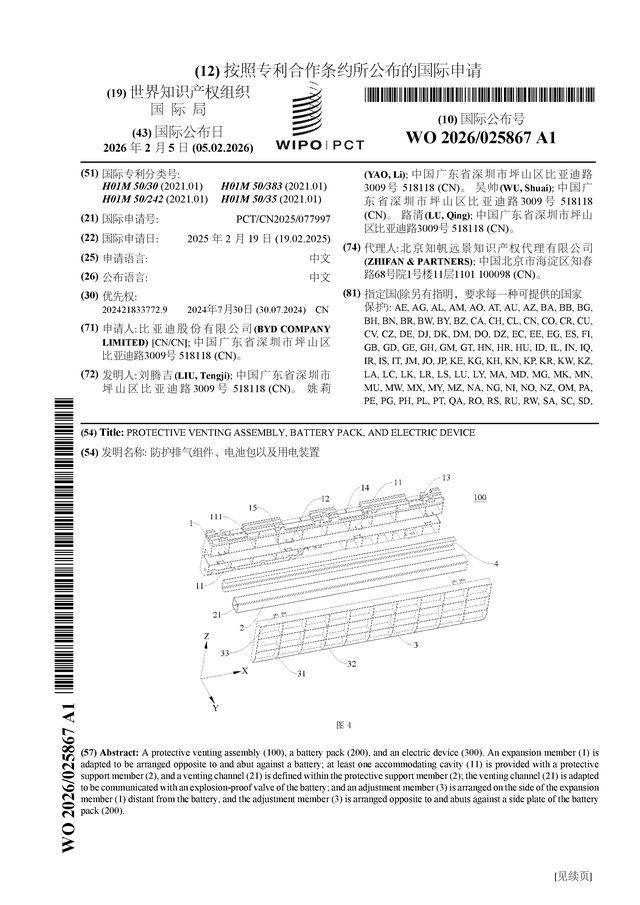
比亚迪公布国际专利申请:“防护排气组件、电池包以及用电装置”
Sou Hu Cai Jing· 2026-02-07 21:47
Group 1 - BYD has announced an international patent application titled "Protective Exhaust Component, Battery Pack, and Electric Device," with application number PCT/CN2025/077997, and the international publication date set for February 5, 2026 [1] - In 2023, BYD has published a total of 262 international patent applications, representing a 495.45% increase compared to the same period last year [4] - For the first half of 2025, BYD invested 29.596 billion yuan in research and development, which is a year-on-year increase of 50.84% [4]

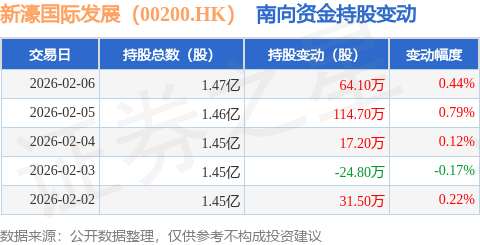
新濠国际发展(00200.HK):2月6日南向资金增持64.1万股
Sou Hu Cai Jing· 2026-02-06 20:25
Core Viewpoint - Southbound funds have increased their holdings in Melco International Development (00200.HK) by 641,000 shares on February 6, 2026, marking a positive trend in investment interest over recent trading days [1] Group 1: Shareholding Changes - In the last five trading days, Melco International Development has seen an increase in holdings for four days, with a total net increase of 2.027 million shares [1] - Over the past 20 trading days, there have been 10 days of net increases, totaling 306,000 shares [1] - As of now, southbound funds hold 14.7 million shares of Melco International Development, accounting for 6.46% of the company's total issued ordinary shares [1] Group 2: Daily Shareholding Data - On February 6, 2026, the total shareholding was 14.7 million shares, with a change of 641,000 shares, reflecting a 0.44% increase [2] - On February 5, 2026, the total shareholding was 14.6 million shares, with a change of 1.147 million shares, reflecting a 0.79% increase [2] - On February 4, 2026, the total shareholding was 14.5 million shares, with a change of 172,000 shares, reflecting a 0.12% increase [2] - On February 3, 2026, the total shareholding was 14.5 million shares, with a change of -248,000 shares, reflecting a -0.17% decrease [2] - On February 2, 2026, the total shareholding was 14.5 million shares, with a change of 315,000 shares, reflecting a 0.22% increase [2] Group 3: Company Overview - Melco International Development Limited is primarily engaged in the business of entertainment and hotel operations, functioning through two segments [2] - The entertainment and hotel segment operates casinos and provides hotel services and facilities, including gaming, accommodation, dining, entertainment performances, shopping, and conference exhibition services [2] - The other segment is involved in investment activities [2]

【投融资动态】知有无界天使轮融资,融资额2000万人民币,投资方为松禾资本
Sou Hu Cai Jing· 2026-02-04 11:33
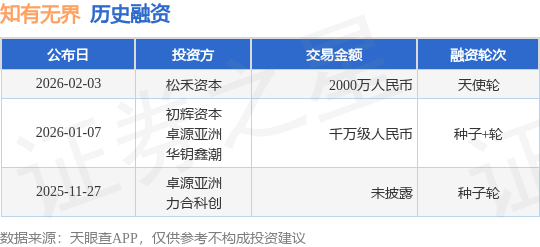
Group 1 - The core point of the article is that Zhiyou Wujie (Shenzhen) Intelligent Technology Co., Ltd. has completed an angel round financing of 20 million RMB, with investment from Songhe Capital [1][2]. - The company focuses on the field of industrial embodied intelligence, aiming to empower hardware through models and create autonomous, flexible, and generalized intelligent hardware products [2]. - The initial market entry for the company includes logistics handling and ship spraying robots, utilizing a "model defines hardware" architecture for industrial embodied intelligence [2]. Group 2 - The financing round was led by Songhe Capital, which contributed 20 million RMB [2]. - Other investors include Chulian Ziben and Caoyuan Asia, with undisclosed amounts in seed rounds [2]. - The company employs a stable layered technical solution involving "cloud multi-modal large models + industrial scene side multi-expert models + small brain task layer reinforcement/imitation learning models" to explore AI training paradigms in dynamic industrial scenarios [2].
38731.80亿元!刚刚,深圳重磅官宣
Zhong Guo Ji Jin Bao· 2026-01-30 06:32
Economic Overview - In 2025, Shenzhen's GDP reached 38,731.80 billion yuan, reflecting a year-on-year growth of 5.5% [1] - The city's economic resilience and core competitiveness have significantly improved, with new growth drivers being cultivated [1] Industry Performance - The primary industry added value was 28.04 billion yuan, a decrease of 4.5% [2] - The secondary industry added value was 14,482.54 billion yuan, growing by 4.1% [2] - The tertiary industry added value was 24,221.22 billion yuan, increasing by 6.3% [2] Industrial Growth - The industrial added value for large-scale enterprises grew by 5.4% year-on-year [3] - Mining industry added value decreased by 1.1%, while manufacturing grew by 5.9% [3] - High-tech product output saw significant increases, with 3D printing equipment, industrial robots, and civilian drones growing by 45.1%, 43.1%, and 40.1% respectively [3] Service Sector Growth - The service sector's added value was 24,221.22 billion yuan, with a year-on-year growth of 6.3% [4] - Key sectors such as finance, information transmission, software, and IT services grew by 12.1%, 10.3%, and 5.9% respectively [4] - Fixed asset investment in the city decreased by 21.7%, but investments in key industries like industrial technology upgrades and IT services saw substantial growth [4] Consumer Market - The total retail sales of consumer goods reached 10,259.93 billion yuan, with a year-on-year increase of 2.3% [5] - Online retail sales for large enterprises grew by 10.5% [6] - The consumer price index rose by 0.2%, with notable increases in food and healthcare prices [6] Trade Performance - The total import and export volume reached 45,533.89 billion yuan, marking a year-on-year growth of 1.4% [7] - Exports decreased by 2.6% to 27,387.81 billion yuan, while imports increased by 8.0% to 18,146.08 billion yuan [7] - High-tech product exports grew by 10.1% [7]
中国实践中的利益协调(一):主体利益共生与算法监管
Jing Ji Guan Cha Bao· 2026-01-29 03:54
Core Insights - The article discusses China's unique governance approach in balancing fairness and efficiency in the digital economy, emphasizing institutional innovation and technological governance to create a symbiotic relationship among various stakeholders [1]. Group 1: Institutional Innovation - China's governance practice begins with restructuring property rights and distribution patterns, focusing on mixed ownership reform to establish a "capital-labor" community of interests [2]. - The mixed ownership reform connects public ownership with market economy, particularly evident in the digital infrastructure sector [2]. - The innovation of data ownership rights aims to break platform monopolies and protect the rights of data providers, exemplified by Shenzhen's "three rights separation" model, which allocates 70% of data revenue rights to data providers [3]. Group 2: Technological Governance - China emphasizes regulating the negative externalities of technology while leveraging it, creating a regulatory paradigm that balances efficiency and fairness [4]. - The "Interim Measures for the Management of Generative Artificial Intelligence Services" introduced in 2023 addresses core risks associated with algorithm applications [4]. - The algorithm audit system has evolved from passive response to proactive regulation, requiring platforms to disclose records of discriminatory parameters in their algorithms, promoting transparency and fairness in algorithm development and operation [4]. Group 3: Theoretical Advancement - China's governance practices are not a collection of isolated policies but a coherent system with a clear internal logic, focusing on the collaboration of institutions, technology, and distribution [5]. - The exploration of new production relationships in the digital economy aims to actively reconstruct the underlying rules of production relations and optimize capital movement through technological means, ultimately striving for a fairer and more sustainable distribution of interests [5]. - The future direction involves systematizing and normalizing these institutional innovations across broader temporal and spatial dimensions [5]. Group 4: Case Studies - China Unicom's mixed ownership reform in 2017 resulted in a shareholding structure of 53% state capital, 36% strategic investors, and 11% core employee ownership, significantly enhancing innovation capabilities and increasing digital business revenue from under 10% to over 30% within five years [6]. - Eastern Airlines Logistics, as the first "airline mixed reform stock," established a three-party interest community with 10% employee ownership, leading to a 210% increase in per capita profit since the reform [6]. - The Shenzhen Data Exchange facilitated transactions where data providers earned an average of approximately 12,000 yuan, demonstrating the practical implementation of market-oriented data allocation and profit-sharing [6].