B300芯片

Search documents
美国应该向中国出售 Blackwell 芯片吗
2025-12-10 01:57
Summary of Key Points from the Conference Call Industry and Company Involved - **Industry**: AI Chip Manufacturing and Export Controls - **Company**: NVIDIA, specifically regarding its B30A AI chip Core Points and Arguments 1. **Export Consideration**: The U.S. is contemplating allowing the export of NVIDIA's B30A chip to China, which would provide capabilities similar to the B300 at half the performance and cost [1][2][46] 2. **Policy Shift**: Approving the B30A export would mark a significant shift from the Trump administration's export control strategy aimed at denying advanced AI compute to strategic rivals [2][5] 3. **Supply Inelasticity**: If supply is inelastic, fewer AI chips may be sold to U.S. and global customers, potentially allowing Chinese companies to capture market share from U.S. firms [2][11] 4. **Access to AI Supercomputers**: Chinese AI labs would gain access to supercomputers comparable to U.S. labs at a similar cost, with B30A training clusters estimated to cost about 20% more than those based on the B300 [4][35] 5. **Diminished U.S. Advantage**: The U.S. AI compute advantage over China could shrink dramatically from 31x to less than 4x if B30As are exported, and could even flip to a 1.1x advantage for China in aggressive export scenarios [5][11] 6. **Demand Fulfillment Argument**: A key argument for allowing B30A exports is that it would satisfy Chinese demand for AI compute, which Huawei and other companies cannot meet due to U.S. export controls on semiconductor manufacturing equipment [11][12] 7. **Long-term Strategy**: Restricting exports of powerful AI chips like the B30A is seen as the best way to maintain the U.S.'s AI compute advantage in the short term and to halt China's domestic AI chip manufacturing expansion in the long term [13][19] 8. **Recent Developments**: Chinese regulators have banned purchases of NVIDIA's H20 chip, which may create an opportunity for the U.S. to promote B30A sales to limit market opportunities for Chinese competitors [25][26] Other Important but Overlooked Content 1. **Performance Comparison**: The B30A is expected to outperform the H20 chip by more than 12 times and exceed U.S. export control performance thresholds by over 18 times [46][47] 2. **Cost Efficiency**: The B30A is speculated to have a price-performance ratio similar to the best AI chips on the market, being priced at about half that of the B300 [49][35] 3. **Potential Risks**: Allowing B30A exports could accelerate China's AI development and undermine U.S. advantages in the global market, while doing little to change China's long-term goal of achieving self-sufficiency in advanced AI chips [26][28] This summary encapsulates the critical insights and implications discussed in the conference call regarding the potential export of NVIDIA's B30A chip to China and its broader impact on the AI chip industry and U.S.-China relations.

英伟达中国门 徒上市即巅峰:摩尔线程的国产替代能走多远?
3 6 Ke· 2025-12-09 00:43
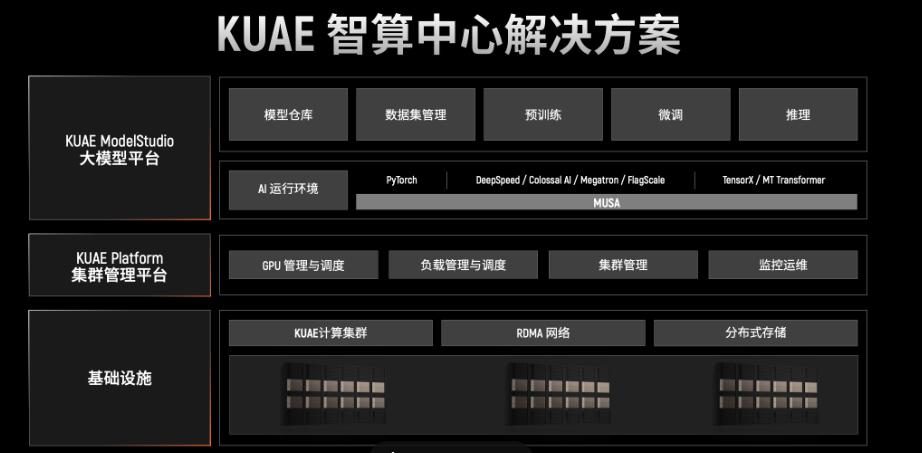
Core Viewpoint - Moores Threads has emerged as the "king of new stocks" in the A-share market, with its stock price soaring 468.78% on the first day of trading, reaching a market capitalization of over 300 billion yuan [1][2]. Company Overview - Founded by Zhang Jianzhong, a former Nvidia executive, Moores Threads aims to create a "full-function GPU" that integrates graphics rendering, AI computing, and scientific computing [2][3]. - The company has assembled a team of top talents from Nvidia, focusing on a unique technology route with its self-developed MUSA architecture [3][5]. Financial Performance - Moores Threads has experienced rapid growth since its establishment, securing significant financing and launching its first full-function GPU in 2021 [5][6]. - The company is projected to achieve revenues of 438 million yuan in 2024, earning the title of "Beijing unicorn" [6]. Market Position and Competition - Moores Threads is positioned as the "first domestic GPU stock," with its IPO application submitted in June 2025 and listing completed in December 2025 [7]. - The company faces significant competition from Nvidia and other established players, with notable gaps in technology and market presence [11][12]. Technology and Product Development - The MUSA architecture allows for compatibility with Nvidia's CUDA ecosystem, which is crucial for reducing developer migration costs [9][10]. - Moores Threads has developed a range of products, including the "Chunxiao" chip and gaming graphics card MTTS80, targeting various market segments [6][12]. Long-term Opportunities - The company aims to build a "full-scenario computing fusion ecosystem," positioning itself as a comprehensive computing platform in the domestic GPU market [17][19]. - With the increasing demand for integrated AI and graphics capabilities, Moores Threads is well-positioned to capitalize on emerging trends in AI, digital twins, and smart manufacturing [19][21]. Future Projections - The company plans to achieve profitability by 2027, similar to the trajectory of its competitor, Cambricon [11][14]. - Long-term goals include establishing a complete autonomous "Chinese GPU ecosystem" and becoming a global leader in full-function GPU supply [22].


芯片禁令的反复之下,也正是芯片投资的黄金窗口期
虎嗅APP· 2025-11-28 13:42
Core Viewpoint - The potential approval of NVIDIA's H200 AI chip sales to China indicates a possible easing of the two-year high-end chip ban, reflecting the unstoppable rise of the domestic chip industry amidst fluctuating market conditions driven by technological competition and AI transformation [2][3]. Group 1: Market Dynamics - The H200 chip, released two years ago, is not NVIDIA's most advanced chip, and the previous allowance of a "crippled" H20 version has led Chinese customers to accelerate their shift towards domestic solutions [3]. - The back-and-forth nature of the chip ban has inadvertently allowed Chinese companies to gain ground in the AI chip market, creating a "window period" for domestic innovation [3][5]. - The global semiconductor supply chain is being reshaped by high-end computing demands, with major players like Samsung and SK Hynix shifting production towards HBM and DDR5 products, leading to significant price increases in NAND and DRAM [5][6]. Group 2: Investment Opportunities - The current chip cycle, combined with breakthroughs in domestic technology, presents a unique opportunity for Chinese chip companies, as evidenced by the strong performance of the STAR Market chip index, which has risen 55.9% since the beginning of 2025 [5][6]. - Morgan Stanley predicts that tech giants will invest $400 billion in AI infrastructure this year, creating massive demand for the latest storage chips, with AI servers requiring significantly more DRAM and NAND than standard servers [6]. - The approval of 16 public funds focusing on hard technology provides investors with diversified investment opportunities to capitalize on the growth of the Chinese chip industry [6][12]. Group 3: Industry Collaboration - The release of Huawei's Mate80 series highlights the importance of collaboration across the semiconductor supply chain, which includes both leading companies with high technical barriers and flexible suppliers [8][10]. - The cyclical nature of the chip industry presents challenges for individual stock investments, emphasizing the need for a broader perspective to mitigate risks [8][9]. - China's chip industry benefits from a robust ecosystem supported by government policies, a large consumer market, and a growing AI ecosystem, which collectively enhance the resilience and vitality of the industry [9][10]. Group 4: Strategic Investment Philosophy - Investors are encouraged to adopt a macro perspective, focusing on the entire ecosystem rather than individual companies, to navigate the volatility and identify opportunities [10][12]. - The use of index funds, such as the E Fund STAR Market Chip Index Fund, is recommended for capturing explosive growth in the chip sector while maintaining overall portfolio stability [12].

黄仁勋吹上了:卖给中国的好处,特朗普懂
Xin Lang Cai Jing· 2025-08-29 03:24
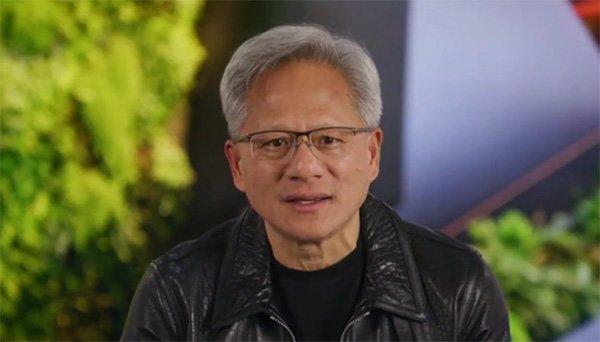
Core Viewpoint - Nvidia's CEO Jensen Huang revealed the company's intention to export a downgraded version of its new AI chips to China, indicating ongoing discussions with the U.S. government regarding chip sales in the Chinese market [1][4]. Group 1: Export Plans and Government Discussions - Nvidia has begun discussions with the U.S. government about selling Blackwell architecture chips in China, with potential performance reductions of 30% to 50% compared to standard versions [1]. - The company has received permission to export the H20 chip to China, which is a "reduced version" designed to comply with U.S. export controls, with performance only 15% to 30% of the flagship H100 chip [1]. - Huang expressed willingness to pay 15% of revenue from sales in China to the U.S. government to facilitate market access [4]. Group 2: Market Potential and Product Development - Huang estimated that the AI market in China is worth $50 billion for Nvidia, emphasizing the importance of regaining market share in this region [4]. - Nvidia is reportedly developing a new AI chip named B30A for the Chinese market, which is expected to outperform the H20 chip and is based on the latest Blackwell architecture [4]. Group 3: Current Sales and Market Challenges - According to Nvidia's Q2 financial report, the company has not yet sold any H20 products to Chinese customers, and Huang acknowledged the absence of new orders for the H20 chip [2]. - There are concerns regarding potential "backdoor" risks associated with the H20 chip, as the Chinese government has requested explanations and proof of security measures from Nvidia [5].
英伟达财报前瞻:铁定超预期!中国市场、未来指引是关键
Xin Lang Cai Jing· 2025-08-27 08:47
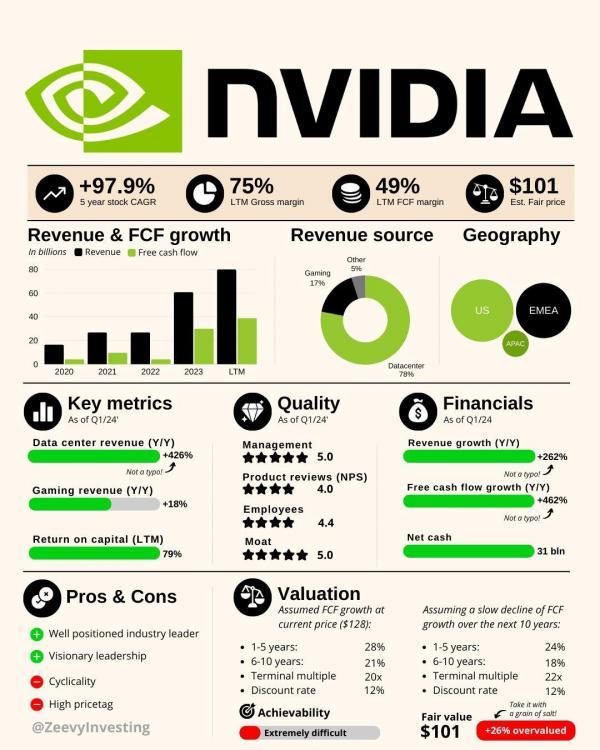
Core Viewpoint - Nvidia is expected to report strong Q2 2026 earnings, with significant revenue growth driven by increased demand for AI and data center solutions [1][5]. Group 1: Financial Performance Expectations - Nvidia's revenue for the latest quarter is projected to be $45.97 billion, a year-over-year increase of 53.03% [5]. - The expected earnings per share (EPS) is $0.935, reflecting a year-over-year increase of 39.51% [5]. - Analysts have set an average target price of $198 for Nvidia's stock [5]. Group 2: Market Trends and Demand - Major tech companies, including Microsoft, Google, Amazon, and Meta, have reported high growth in capital expenditures, indicating strong demand for Nvidia's products [7]. - OpenAI plans to stockpile over 1 million GPUs by the end of 2025 to support future AI models, highlighting Nvidia's critical role in the AI ecosystem [9]. - The global AI server shipment is expected to grow by 24.3% year-over-year in 2025, with a compound annual growth rate of 27% from 2022 to 2027 [13]. Group 3: Strategic Developments - Nvidia's strong CUDA ecosystem locks users and developers into its platform, providing a stable cash flow similar to Netflix's model [15]. - The company is developing a new B30A chip to replace the criticized H20 chip, which is crucial for maintaining its market share in China, accounting for 13% of its revenue [15]. - Wall Street institutions have significantly increased their holdings in Nvidia, with major firms like JPMorgan and Goldman Sachs boosting their positions ahead of the earnings report [17].
英伟达再生变数?
虎嗅APP· 2025-08-24 13:18
Core Viewpoint - Nvidia has notified key suppliers, including Anker and Samsung, to suspend production related to the H20 chip, potentially indicating a halt in sales to China, while still maintaining competitive pricing despite a 15% revenue tax to the U.S. government for sales in China [2][3]. Group 1: H20 Chip Analysis - The H20 chip has been a low-margin product for Nvidia, primarily due to design constraints imposed by U.S. regulations, which limited its performance capabilities [5][6]. - The H20 chip's theoretical performance is only 15% of the H100 chip, and its bill of materials (BOM) costs may be comparable or even higher than the H100 due to the need for higher memory specifications [6][7]. - Nvidia's decision to pause production may be a routine supply chain adjustment rather than a definitive end to H20 sales in China, as inventory and raw materials remain unconsumed [7]. Group 2: Upcoming B30A Chip - The B30A chip, based on the new Blackwell architecture, is expected to launch in the Chinese market, potentially offering competitive performance compared to previous models [8][9]. - Nvidia is in discussions with the U.S. government regarding the export of the B30A chip to China, which could influence its market reception [12]. - The B30A chip's specifications suggest it may exceed the performance of the H100, but uncertainties remain regarding its exportability to China [14]. Group 3: Market Reactions - The announcement of the B30A chip has led to a significant rise in shares of domestic GPU companies, contrasting with the decline seen when the H20 chip was first supplied [12][13]. - The release of the DeepSeek-V3.1 model has provided advantages for domestic GPUs, as they can better utilize the new model's parameters compared to Nvidia's chips [15].
突然!美联储,重大变数!
券商中国· 2025-08-24 07:57
Group 1: Federal Reserve Rate Cut Expectations - The upcoming macroeconomic data, particularly the July Personal Consumption Expenditures (PCE) price index, is crucial for the Federal Reserve's rate cut expectations. Analysts predict the core PCE will remain at 0.3% month-on-month and slightly rebound to 2.9% year-on-year [4][5] - The probability of a 25 basis point rate cut in September has risen to approximately 89%, indicating a high likelihood of a rate cut [4] - The Federal Reserve is expected to adopt a cautious and gradual approach to future rate cuts, balancing between a weakening labor market and persistent inflation pressures [5] Group 2: Nvidia's Earnings Report - Nvidia is set to release its Q2 fiscal 2026 earnings report, with expected revenue of $45.9 billion and a year-on-year earnings per share growth of 48% [8] - If Nvidia's performance or guidance falls short of expectations, it could lead to significant sell-offs in the tech sector, particularly affecting the AI industry [8][9] - Analysts remain optimistic about Nvidia's future, with target prices raised to $215 and $210 by KeyBanc and Susquehanna, respectively, citing strong demand and improving GPU supply [9]

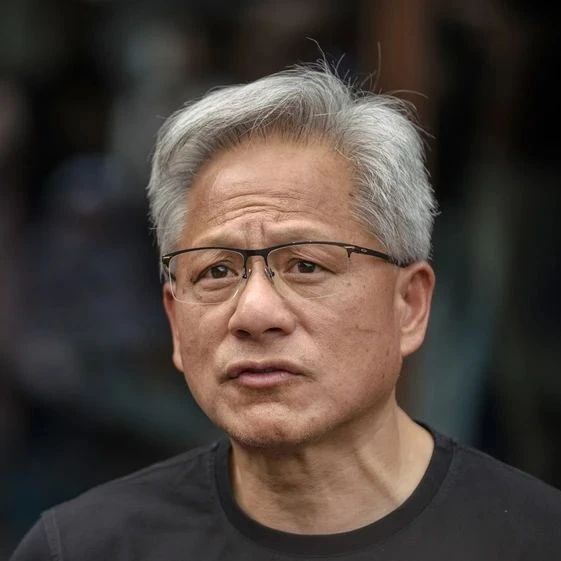
黄仁勋:想对华销售新型特供芯片,正在与美国政府磋商
Xin Lang Cai Jing· 2025-08-23 05:25
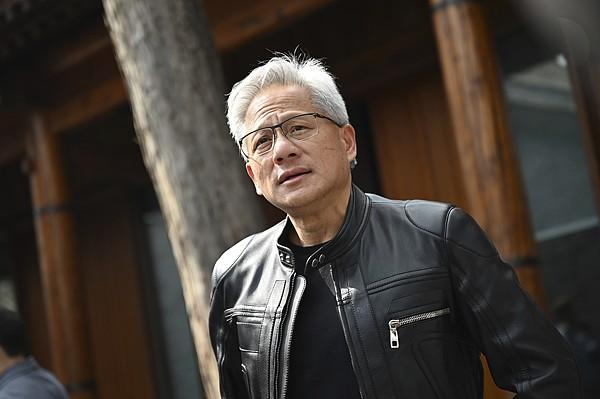
Core Insights - Nvidia's CEO Jensen Huang revealed that the company is negotiating with the U.S. government regarding the export of a new AI chip to China, named B30A, which is expected to outperform the previous H20 chip [1] - The H20 chip was designed as a "downgraded" version of Nvidia's flagship H100 chip, complying with U.S. export controls, and its performance is only 15%-30% of the H100 [1] - The U.S. government previously prohibited Nvidia from selling the H20 chip in China without permission, but later allowed sales under specific conditions, including a 15% revenue share to the U.S. government [1] Group 1 - Nvidia is developing a new AI chip, B30A, for the Chinese market, which is based on the latest Blackwell architecture and is expected to have half the original computing power of the flagship B300 chip [2] - The B30A chip will feature high bandwidth memory and Nvidia's NVLink technology for high-speed data transfer between processors, contrasting with the older Hopper architecture used in the H20 chip [2] - Nvidia has instructed key suppliers, including Samsung and Anker, to halt production related to the H20 chip amid ongoing U.S. export control measures against China [4] Group 2 - The Chinese Ministry of Commerce has emphasized the need for the U.S. to abandon zero-sum thinking and to remove unreasonable trade restrictions against China, advocating for a cooperative approach to maintain a stable global semiconductor supply chain [4]
黄仁勋:想对华销售新型特供芯片
Guan Cha Zhe Wang· 2025-08-23 04:02
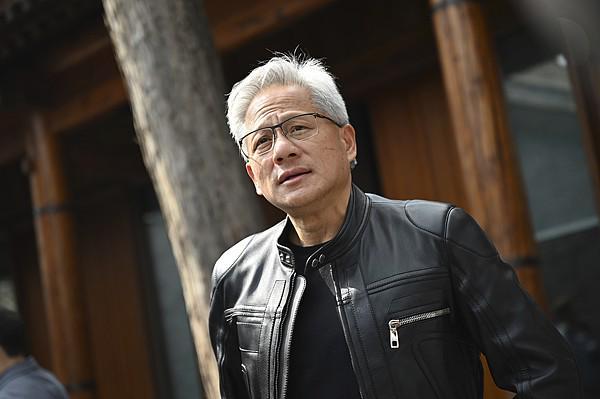
Group 1 - Nvidia's CEO Jensen Huang revealed that the company is negotiating with the U.S. government regarding the export of a new AI chip to China, named B30A, which is expected to outperform the previous H20 chip [1] - The H20 chip was designed as a "downgraded version" of Nvidia's flagship H100 chip, with performance only 15%-30% of the H100, and was subject to U.S. export controls [1] - In July, it was reported that Nvidia would resume sales of the H20 chip in China after receiving approval from the Trump administration, which included a requirement for Nvidia to pay 15% of its sales revenue from China to the U.S. government [1] Group 2 - The B30A chip is based on Nvidia's latest Blackwell architecture and is expected to have half the original computing power of the flagship B300 chip, featuring high bandwidth memory and NVLink technology for high-speed data transfer [2] - Concerns regarding potential "backdoor" vulnerabilities in the H20 chip have led to discussions about U.S. companies cooperating with the government to avoid export restrictions [2] - Nvidia has instructed key suppliers, including Samsung and Anker, to halt production related to the H20 chip amid ongoing U.S. export control measures against China [4]
下一代中国特供芯片,黄仁勋:还在讨论中
半导体行业观察· 2025-08-23 02:10
Core Viewpoint - Nvidia is in discussions with the Trump administration regarding a new type of computer chip designed specifically for China, which is intended for artificial intelligence data centers [2][3]. Group 1: Chip Development and Sales - The new chip, referred to as B30A, is based on Nvidia's Blackwell technology and operates at about half the speed of Nvidia's main B300 chip [3]. - Nvidia's CEO expressed satisfaction with the recent approval from the Trump administration for the sale of the H20 chip to China, which had previously been suspended [3]. - The H20 chip sales are subject to a 15% tax imposed by the U.S. government, similar to the requirements for AMD's MI380 chip sales to China [3]. Group 2: U.S.-China Trade Relations - Recent trade negotiations between Beijing and Washington have led to the removal of some non-tariff restrictions, including China's approval for more rare earth exports to the U.S. and the lifting of restrictions on chip design software and jet engines [3]. - Nvidia is actively communicating with Chinese authorities to assure them that the H20 chip does not pose a security risk, emphasizing that there are no "backdoor" vulnerabilities [3][4]. Group 3: Security Concerns - The Chinese internet information office has raised concerns about potential security issues with Nvidia's chips, citing advanced tracking and remote shutdown capabilities [4]. - Nvidia's CEO expressed surprise at these allegations and stated that the company is in discussions with Beijing to address these concerns [4]. Group 4: Strategic Positioning - The U.S. strategy aims to keep China reliant on American chip technology, with a clear stance that the best products will not be sold to China [5]. - The CEO indicated ongoing efforts to assist China in obtaining necessary licenses for the H20 chip, hoping to resolve any outstanding issues [5].