
FSD V14.2

Search documents
疯了!马斯克放大招了
Sou Hu Cai Jing· 2026-01-23 07:01
Core Insights - The article emphasizes the significant influence of Elon Musk on the capital market, particularly through his various ventures, which are seen as investment opportunities. Group 1: Investment Themes - The article identifies five main concepts associated with Elon Musk: electric vehicles (primarily Tesla), robotics (Optimus humanoid robot), commercial space (SpaceX), brain-machine interfaces (Neuralink), and artificial intelligence (xAI) [1][2]. - Tesla's Full Self-Driving (FSD) version 14.2 has achieved "zero takeover" capability across the U.S., and the Austin Robotaxi is currently in testing [1]. - SpaceX is preparing for an IPO with Starlink, which has over 10 million global users and a target valuation of $1.5 trillion [2]. Group 2: Commercial Space Developments - SpaceX plans to launch a second-generation Starlink satellite communication system in 2027, which will enhance capacity by over 100 times and increase data throughput by more than 20 times [3]. - Competitor Blue Origin, led by Jeff Bezos, announced plans to deploy over 5,400 satellites to create a new communication network [3]. - In China, Blue Arrow Aerospace is preparing for an IPO and aims to develop a fully reusable commercial crewed spacecraft, with plans to reduce ticket prices significantly [4]. Group 3: Market Sentiment and Volatility - The commercial space and robotics sectors are characterized as non-profitable and highly volatile, where market movements are driven more by news and developments than by financial performance [4]. - Recent announcements in the commercial space sector have led to a strong rebound in the market, indicating the importance of positive news flow in these industries [4].

自动驾驶L4的冰与火:L2到L4是否成为可落地的工程现实......
自动驾驶之心· 2026-01-09 06:32
Core Viewpoint - The article discusses the advancements in autonomous driving technology, particularly the transition from Level 2 (L2) to Level 4 (L4), highlighting the significant investments and developments in the L4 sector within the industry [3]. Group 1: Industry Developments - By December 2025, the autonomous driving industry in China is expected to have raised over 30 billion in funding, with a focus on L4 technology [3]. - The article emphasizes that the technological pathways for L2 and L4 are converging, allowing for the reuse of the same model across both levels [3]. - A roundtable discussion on L4 autonomous driving will be held, featuring leading companies in the field to explore the balance between technological ideals and commercial realities [3]. Group 2: Key Speakers - He Bei, founder and chairman of Sinian Intelligent Driving, has a PhD from Tsinghua University and extensive experience in autonomous driving technology [4]. - Miao Qiankun, CTO of New Stone Age Autonomous Vehicles, has over 15 years of experience in R&D and has led the development of L4 urban logistics delivery vehicles, which have been deployed in over 300 cities and 10 countries, with a total of 15,000 vehicles delivered and over 60 million kilometers driven [5]. - Wang Ke, Vice President of AI R&D at Karl Power, previously led the perception tracking module at Zoox, a US autonomous driving unicorn [6]. Group 3: Event Details - The upcoming roundtable will delve into the evolution of L4 technology, market dynamics, and future development directions, promising a blend of depth and foresight [3]. - The event will feature a diverse range of perspectives from top companies in the L4 sector, indicating a significant interest in the current state and future of autonomous driving technology [3].

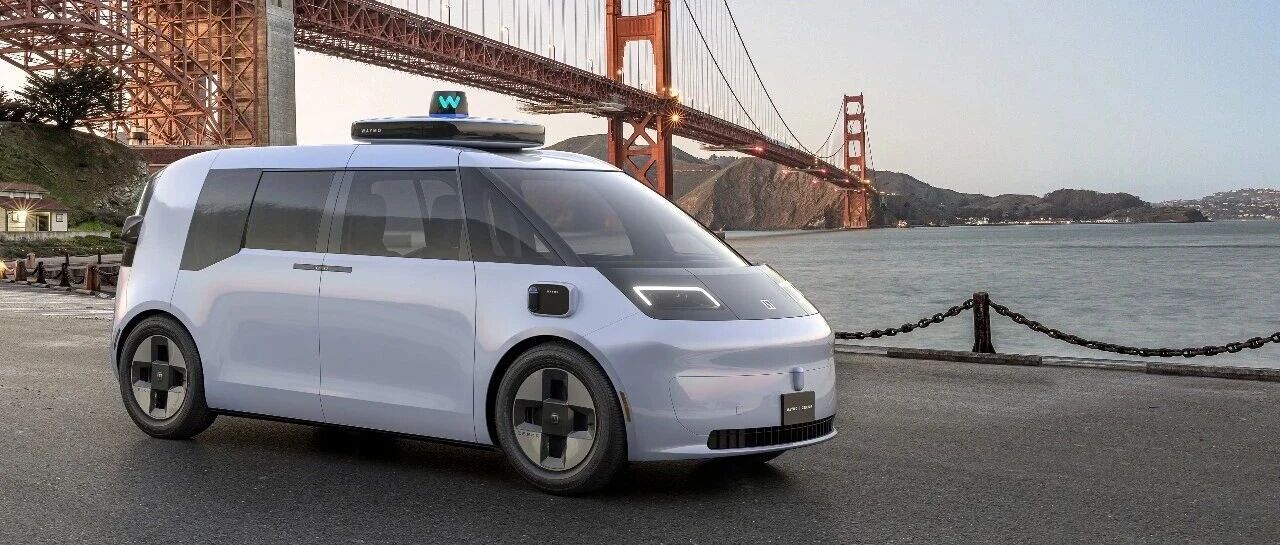
AI最大的应用--无人驾驶
傅里叶的猫· 2026-01-04 15:58
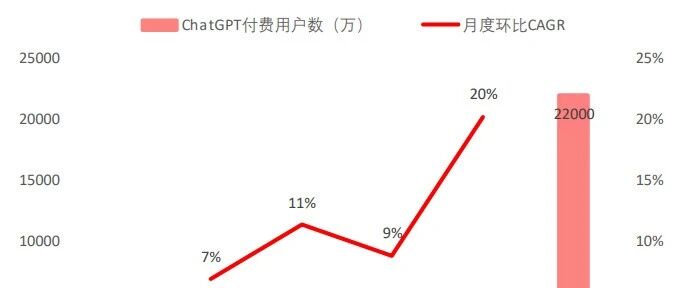
Group 1: Core Views - The article highlights the potential of autonomous driving as a significant application of AI, particularly focusing on Robotaxi and Robovan as key directions in the sector [1][2]. - The advancements in Tesla's Full Self-Driving (FSD) technology, particularly the transition to an end-to-end neural network from FSD v12, are noted as a major breakthrough in autonomous driving capabilities [3]. Group 2: Robotaxi Insights - The current state of the Robotaxi industry is characterized by micro-losses, with daily revenues around 200-300 RMB and daily expenses approximately 280 RMB. However, it is projected that by 2026, with cost reductions and revenue increases, the gross margin per vehicle could reach 40% [5]. - Companies like Pony.ai and Baidu are leading the Robotaxi sector, which is expected to achieve a commercial closure as the industry matures [5]. Group 3: Robovan Insights - Robovan, or autonomous logistics vehicles, are positioned to replace manual labor and streamline logistics processes, particularly in last-mile delivery and high-frequency point-to-point transportation scenarios [5]. - The use of autonomous logistics vehicles can reduce logistics costs by approximately 47% from distribution points to delivery stations [6]. Group 4: AI Applications - The article emphasizes the growth of AI applications, with ChatGPT's weekly active users exceeding 700 million globally, representing about 10% of the adult population. OpenAI anticipates this number will reach 2.6 billion in five years [8]. - Domestic companies are accelerating their efforts in AI Agent development, indicating a competitive landscape in the AI application sector [11]. Group 5: Competitive Landscape - Concerns are raised regarding the core competitiveness of non-major AI application companies, particularly in the face of competition from large model companies that can quickly capture market share due to their resources [13]. - The core competitiveness of AI application companies lies in their ability to integrate technology rapidly and effectively into specific scenarios, achieving commercial viability while avoiding direct competition with larger firms [13].
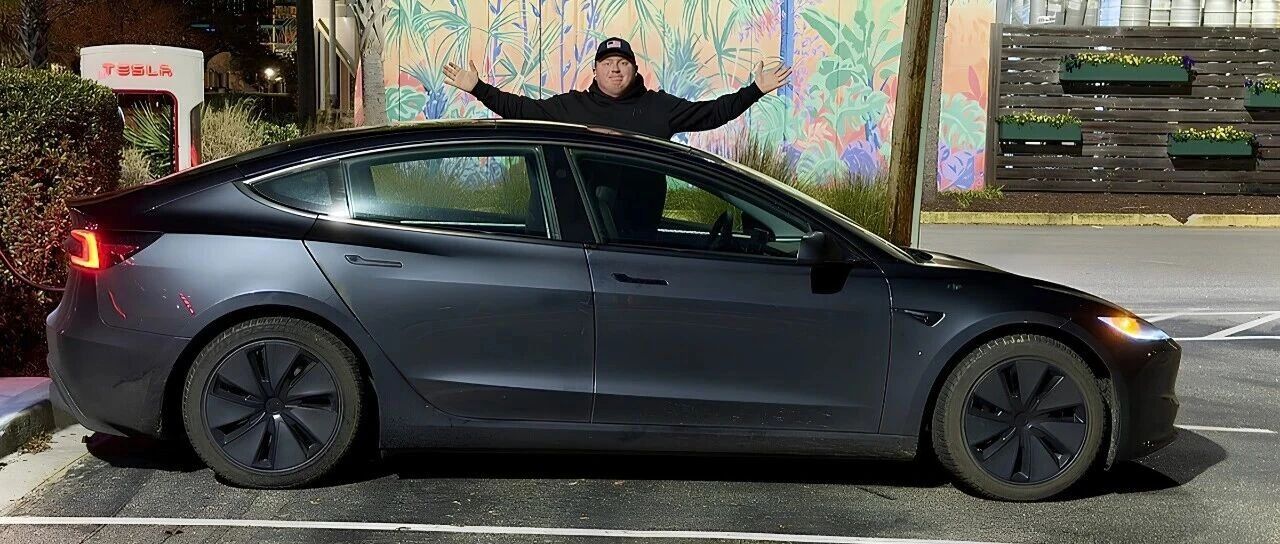
马斯克10年梦成真!特斯拉全球首次自动驾驶横穿美国,人类0接管
猿大侠· 2026-01-02 04:11
Core Viewpoint - The article highlights a significant milestone in autonomous driving, marking the first successful "zero intervention" drive across the United States using Tesla's Full Self-Driving (FSD) technology, specifically version 14.2, achieved by driver David Moss [1][2][25]. Group 1: Achievement Details - David Moss completed a journey of 2,732.4 miles (approximately 4,397 kilometers) from Los Angeles to Myrtle Beach, South Carolina, taking 2 days and 20 hours without any human intervention [23][18]. - This journey involved navigating through 24 states, showcasing the FSD's capability to handle complex driving conditions, including busy urban streets and adverse weather [20][22]. - The successful completion of this trip is seen as a validation of Tesla's FSD technology, demonstrating that Level 4 autonomous driving is achievable even in real-world scenarios [25][70]. Group 2: Technological Significance - The transition to an end-to-end neural network approach in FSD, moving away from traditional programming methods, has allowed the AI to learn driving from millions of hours of video data [16][53]. - The FSD version 14.2 integrates navigation and path planning into the neural network, enabling the system to understand and react to real-time road conditions like a human driver [64][66]. - This achievement counters skepticism regarding the viability of a purely visual-based autonomous driving system, proving that it can operate effectively without expensive lidar or high-definition maps [71][70]. Group 3: Historical Context - Elon Musk's promise of achieving a fully autonomous coast-to-coast drive by the end of 2017 has been fulfilled eight years later, highlighting the long journey and technological evolution that led to this moment [15][31]. - The article reflects on the initial skepticism and challenges faced by Tesla in the autonomous driving space, particularly against competitors like Waymo [50][57]. - The successful drive is seen as a culmination of years of development and a significant leap towards the future of autonomous vehicles, where human intervention may become obsolete [10][75].
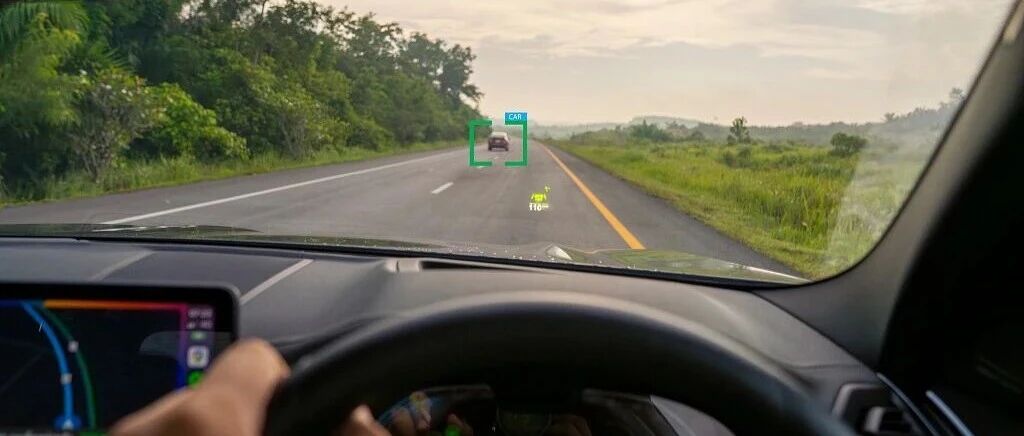
何小鹏:2026年,自动驾驶将从L2跳跃至L4
Guan Cha Zhe Wang· 2025-12-31 10:33
Core Viewpoint - The CEO of XPeng Motors, He Xiaopeng, believes that fully autonomous vehicles will become as ubiquitous as the iPhone within the next three years, rendering previous smart devices obsolete [1][3]. Group 1: Autonomous Driving Levels - He Xiaopeng stated that by 2026, next-generation fully autonomous driving will emerge in China and the U.S., skipping the L3 stage and moving directly from L2 to L4 [2][5]. - The current advancements in Tesla's Full Self-Driving (FSD) version 14.2 indicate that L4 autonomous driving is "within reach" [3]. - The distinction between L2 and fully autonomous driving is based on four key differences: capability, scenarios, safety, and efficiency [3]. Group 2: XPeng's Technological Progress - XPeng's VLA (Vehicle Learning Architecture) is undergoing rapid self-evolution, with advancements perceived to be occurring at an accelerated pace [4]. - The upcoming release of XPeng's VLA 2.0 is anticipated to enhance its autonomous driving capabilities [4]. - XPeng aims to compete with Tesla's full version of the system in the European market by the end of 2026 [5]. Group 3: Industry Perspectives - Companies like Tesla, XPeng, and Horizon believe that AI large model technology can directly facilitate the transition from L2 to L4 autonomous driving [5]. - Other companies prefer a gradual approach, using L3 as a transitional stage before reaching L4 [6].

L3级自动驾驶,是可以跳过,还是无法绕过?
虎嗅APP· 2025-12-26 10:15
Core Viewpoint - The automotive industry is experiencing a divided attitude towards L3 autonomous driving technology, with some viewing it as a temporary phase while others recognize its importance for industry transformation and regulatory experience accumulation [2][8][15]. Group 1: L3 Autonomous Driving Development - The first batch of L3 autonomous vehicles is expected to be tested in specific areas of Beijing and Chongqing within a month [2]. - Industry leaders like Su Qing and He Xiaopeng suggest that L2 technology can efficiently transition to L4, potentially bypassing L3 altogether [4][8]. - The Chinese automotive industry association emphasizes that the implementation of L3 is crucial for the transformation of the automotive supply chain and regulatory experience [8][9]. Group 2: Industry Actions and Reactions - BAIC is one of the first companies to receive L3 approval, aiming to create a replicable operational model for nationwide deployment [9][10]. - Following the approval of L3 vehicles, other companies like Xiaomi and XPeng have shown interest in obtaining L3 testing licenses, although only two companies have received national-level approval [10]. - The launch of L3 vehicles is expected to significantly impact the automotive industry's ecosystem, including vehicle design, supply chain, and production models [15][16]. Group 3: Technical and Regulatory Considerations - The transition from L3 to L4 requires higher perception capabilities and complex decision-making in extreme scenarios [14][18]. - L3 is seen as a critical level for achieving fully autonomous driving, establishing a clear liability framework for accidents [15]. - The automotive industry must accumulate experience and refine systems at the L3 stage to meet the regulatory demands of higher-level autonomous driving [18].

小鹏汽车副总裁:L3有望下季度全量上车
Feng Huang Wang· 2025-12-16 10:24
Core Viewpoint - Xiaopeng Motors has obtained an L3 autonomous driving road test license in Guangzhou and has initiated regular L3 road testing, focusing on conditional autonomous driving on high-speed roads [1] Group 1: Licensing and Testing - Xiaopeng Motors has received an L3 level autonomous driving road test license in Guangzhou [1] - The license is primarily for testing conditional autonomous driving on intelligent connected vehicle high-speed roads in Guangzhou [1] Group 2: Future Developments - Xiaopeng Motors plans to launch the second generation VLA with L4 capabilities at the 2025 Technology Day, with mass production expected in Q1 2026 [1] - The company aims to introduce models that achieve both software and hardware L4 level autonomous driving by 2026 [1] Group 3: Competitive Positioning - Xiaopeng Motors' chairman, He Xiaopeng, has made a bet that the VLA will match Tesla's FSD V14.2 performance in Silicon Valley by August 30, 2026 [1] - He Xiaopeng recently tested and compared the latest FSD V14.2 version and Robotaxi in Silicon Valley, noting significant advancements from L2 to a near L4 experience [1]

何小鹏立“赌约”:明年8月底前达到特斯拉FSD效果!理想高管回应宇树王兴兴质疑,多家车企押注的VLA,靠谱吗?
Mei Ri Jing Ji Xin Wen· 2025-12-13 06:31
Core Viewpoint - Xiaopeng Motors is set to release its VLA 2.0 (Vision-Language-Action) model in the next quarter, with significant pressure on its development as it is the first version [1] Group 1: VLA Model Development - Xiaopeng's chairman, He Xiaopeng, has made a special bet with the autonomous driving team, promising to establish a Chinese-style cafeteria in Silicon Valley if the VLA system matches Tesla's FSD V14.2 performance by August 30, 2026 [3] - The VLA model is seen as an advanced end-to-end solution, integrating visual perception, action execution, and language processing to enhance decision-making capabilities [7][12] - The VLA model aims to overcome traditional model limitations by incorporating a reasoning chain through language models, enhancing its adaptability to complex driving environments [7][12] Group 2: Industry Perspectives - There is a divergence in the industry regarding the development paths of VLA and world models, with companies like Li Auto and Xiaopeng favoring the VLA approach [6][12] - Li Auto's VP, Lang Xianpeng, emphasizes the importance of real-world data in developing effective autonomous driving systems, arguing that the VLA model is superior due to its data-driven approach [8][9] - Huawei and other companies are pursuing a world model approach, which focuses on direct control through visual inputs without the intermediary language processing [9][10][11] Group 3: Future Integration and Trends - Despite differing opinions, VLA and world models are not mutually exclusive and may increasingly integrate as both technologies evolve [12][17] - The future of autonomous driving technology is expected to see further iterations and stabilization by 2028, with a potential convergence of VLA and world model methodologies [17]


何小鹏:下个季度发布VLA2.0 对标特斯拉FSD V14.2
Xin Lang Cai Jing· 2025-12-11 10:21
Core Viewpoint - Xiaopeng Motors is set to release VLA 2.0 in the next quarter, with a bet placed by Chairman He Xiaopeng regarding its performance compared to FSD V14.2 in Silicon Valley by 2026 [1][2] Group 1 - He Xiaopeng recently tested and compared the latest FSD V14.2 version and Robotaxi in Silicon Valley, noting significant improvements from over a year ago when FSD was at L2 level [2] - The FSD system has progressed to a quasi-L4 level, providing a smoother and more reliable driving experience, with standard vehicles and Robotaxi showing consistent performance [2] - He Xiaopeng believes that the future will involve a unified self-driving system and hardware that will cater to both private RoboCars and shared Robotaxis, allowing users to potentially skip L3 and directly experience L4 driving [2]