Livis AI眼镜

Search documents
强烈推荐阅读|范皓宇详细阐述理想AI眼镜理念与开发细节
理想TOP2· 2026-01-19 12:34
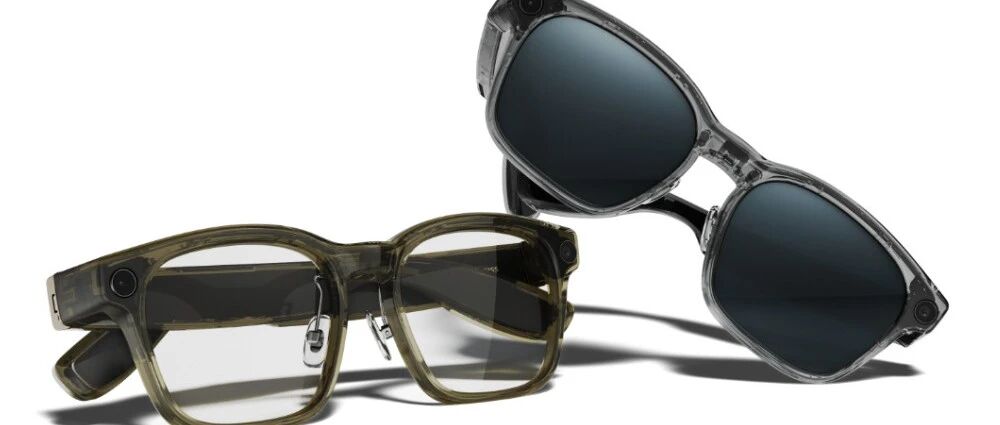
Core Viewpoint - The company has developed a new AI glasses product called Livis, which aims to extend the smart experience from cars to everyday life, emphasizing comfort, long battery life, and fast response times [1][48]. Group 1: Product Features - Livis glasses weigh only 36 grams, making them one of the lightest in the industry [25]. - The glasses offer a typical usage time of 18.8 hours and standby time of over 70 hours [25]. - The AI response speed is notably fast, achieving 800 milliseconds [25]. - The product has sold out its initial production capacity in just three days, indicating strong market demand [32][33]. Group 2: User Interaction and Experience - The average daily interaction with the glasses is around 40 to 50 voice commands, significantly higher than the 18 to 20 interactions typically seen in cars [36]. - Users engage with the glasses for various tasks, including navigation, media control, and reminders, showcasing their utility beyond just a visual device [37][38]. Group 3: Development and Technology - The glasses utilize a unique single MCU architecture and a custom RTOS, differentiating them from competitors who rely on standard platforms [5][51]. - Collaboration with partners like Hengxuan has led to the development of a specialized system that enhances performance while maintaining low power consumption [5][54]. - The design process involved high standards, such as achieving G3 continuous surfaces, which are typically reserved for luxury products [13][56]. Group 4: Market Position and Strategy - The company aims to create a seamless user experience across multiple devices, positioning the glasses as a step towards a multi-device ecosystem [7][8]. - Despite initial skepticism about diversifying from automotive products, the company believes that the glasses will enhance user engagement and create new value [10][50]. - The product's success is seen as a potential catalyst for future innovations in both the eyewear and automotive sectors [12][53].


黑芝麻智能(02533.HK)五赴CES,三大领域最新突破推动智能全维进化
Ge Long Hui A P P· 2026-01-07 09:54
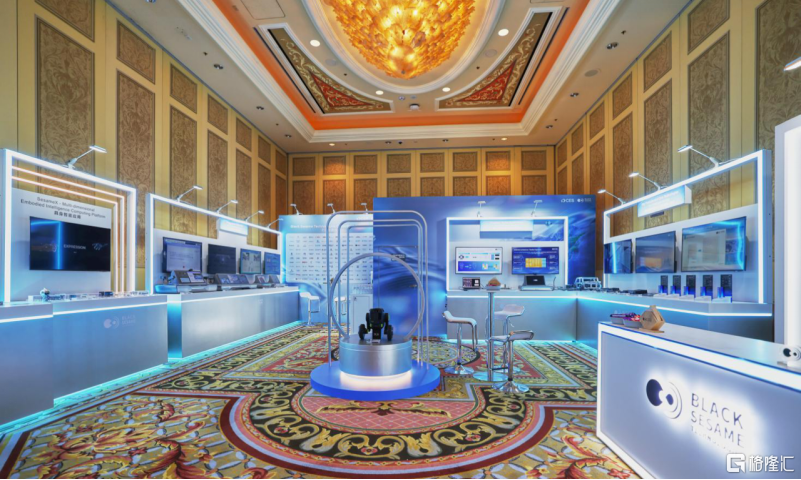
Core Insights - Black Sesame Intelligence showcased its latest achievements in assisted driving, embodied intelligence, and consumer electronics at CES 2026, marking its strategic shift from "driving assisted driving" to "promoting intelligent evolution" [1] Group 1: Assisted Driving - The A2000 all-scenario general-purpose assisted driving demonstration platform made its debut, providing high-performance, high-reliability full-stack solutions for the smart automotive industry [2] - The Huashan A2000 chip has gained wide recognition in the industry, successfully collaborating with major automakers like Dongfeng, Geely, Hongqi, and JAC to implement assisted driving technology in mass-produced vehicles [5] - The A2000 chip has passed relevant U.S. reviews and is officially launched in the global market, featuring a large-core architecture and system-level optimization [5] Group 2: Embodied Intelligence - The SesameX multi-dimensional embodied intelligence computing platform made its overseas debut, aimed at providing an open, scalable, and mass-producible intelligent computing base for robotics [7] - The platform includes three series: Kalos, Aura, and Liora, catering to various complexities and forms of robotic needs, promoting the large-scale industrial implementation of embodied intelligence [7] Group 3: Consumer Electronics - Black Sesame's AI imaging solutions have been widely adopted in consumer electronics, with over 500 million devices equipped globally [8] - The recent strategic acquisition of Yizhi Electronics enhances Black Sesame's capabilities in low-power, cost-effective AI SoC chips, showcased at CES [8] - The AI imaging solutions cover a range of products, including smartphones, tablets, cameras, and AI glasses, providing enhanced user experiences through deep integration of chips and algorithms [8]

从关键词读懂2025丨锚定新质生产力 产业发展开启多元“融合”
Sou Hu Cai Jing· 2025-12-30 02:16
Core Insights - The article emphasizes the acceleration of new productive forces and the deepening of industrial transformation and upgrading, with "integration" becoming a prominent theme in industrial development [1] Group 1: Industrial Growth and Trends - The expected growth rate of industrial added value for the year is 5.9%, while digital industry revenue is projected to increase by 9%, and the scale of the core artificial intelligence industry is anticipated to exceed 1 trillion yuan [1] - The integration of traditional and emerging industries, as well as the precise alignment of digital technology with the real economy, is highlighted as a key driver for breaking down industry barriers and enhancing growth potential [1] Group 2: Cross-Industry Collaboration - The collaboration between ByteDance and ZTE to launch the "Doubao Phone" and the introduction of AI glasses by Li Auto and Alibaba exemplify the trend of cross-industry terminal creation, reflecting the broader wave of industrial integration expected in 2025 [2] - In agriculture, traditional practices are evolving into smart agriculture through partnerships with emerging industries, showcasing the role of technology in enhancing efficiency and reducing costs [2] Group 3: Automotive Innovations - The rapid development of new energy vehicles is creating an inclusive innovation ecosystem, with companies like Dongfeng Motor collaborating with Huawei and others to advance intelligent driving systems and semiconductor production [3] Group 4: Multi-Dimensional Integration - The pearl industry in Zhejiang is merging with digital and green economies, creating a comprehensive ecosystem with a market scale exceeding 50 billion yuan, while Harbin is developing a composite business model around its ice and snow theme [4] - Experts predict that ongoing breakthroughs in artificial intelligence will further expand the scope of industrial integration, fostering new business models and driving economic growth [4] Group 5: Digital and Real Economy Fusion - In Ulanqab, the establishment of data centers and a significant investment in computing power are enhancing the integration of digital and real economies, with a computing power scale reaching 120,000 P [5] - The procurement of digital technology by enterprises has increased by 10.2%, indicating a solid advancement in the fusion of digital and real sectors [6] Group 6: Intelligent Manufacturing - The announcement of the first batch of 15 leading intelligent factories marks a significant leap in the intelligent transformation of manufacturing, with these factories achieving deep integration of new information technologies and advanced manufacturing [6] - The intelligent factory of Zoomlion showcases high efficiency with an 80% application rate of AI technologies, setting new records in the construction machinery sector [6] Group 7: Future Prospects - The Ministry of Industry and Information Technology forecasts a 9% growth in telecommunications and software business revenue, with the artificial intelligence industry expected to exceed 1 trillion yuan [7] - The integration of technology and industry is seen as a key catalyst for driving digital upgrades in the real economy, reshaping industrial development models [7] Group 8: Innovation and Policy Support - The integration of technological and industrial innovation is being actively promoted by government policies, indicating a clear path for practical exploration across various sectors [8] - The collaboration between academia and industry is yielding significant technological advancements, enhancing the competitiveness of various sectors [9]
从关键词读懂2025|锚定新质生产力 产业发展开启多元“融合”
Xin Hua Wang· 2025-12-30 01:53
Core Insights - The overall industrial added value is expected to grow by 5.9% year-on-year, with digital industry revenue increasing by 9%, and the core AI industry exceeding one trillion yuan by 2025, indicating a significant transformation and upgrade in industries driven by new productivity and integration [1][7]. Group 1: Cross-Industry Integration - ByteDance and ZTE launched the "Doubao Phone," while Li Auto introduced its first AI glasses, Livis, and Alibaba released six Quark AI glasses, reflecting a trend of cross-industry terminal creation as part of the broader industrial integration wave expected in 2025 [2]. - Traditional agriculture is evolving into smart agriculture through collaboration with emerging industries like low-altitude economy and new materials, exemplified by the use of agricultural drones for precision farming [2]. - In the automotive sector, companies like Dongfeng Motor are collaborating with Huawei and other firms to develop intelligent driving systems and innovative technologies in solid-state batteries and hydrogen energy [3]. Group 2: Multi-Dimensional Integration Trends - The pearl industry in Zhejiang is integrating with the digital and green economies, creating a comprehensive ecosystem with a market size exceeding 50 billion yuan [4]. - Harbin is developing a composite business model around its ice and snow theme, promoting collaboration across various sectors, including equipment manufacturing and cultural tourism [4]. - Experts predict that ongoing breakthroughs in AI and other technologies will further expand the scope of industrial integration, fostering new business models and driving economic growth [4]. Group 3: Digital and Real Economy Integration - In Ulanqab, the "Grassland Cloud Valley" has become a key node in the "East Data West Computing" project, hosting 67 data centers with a total investment exceeding 260 billion yuan and a computing power scale of 120,000 P [5]. - The latest tax data indicates a 10.2% year-on-year increase in corporate spending on digital technologies, with traditional industries seeing a 7.6% rise in digital equipment purchases [6]. - The first batch of 15 leading smart factories has been announced, marking a significant leap in the intelligent transformation of the manufacturing sector [6]. Group 4: Innovation and Integration - The Chinese Academy of Sciences is working on projects that translate laboratory innovations into industrial applications, emphasizing the importance of integrating technology and industry [8]. - Recent government policies highlight the strategic importance of integrating technological and industrial innovation, guiding practical explorations across various sectors [8]. - The rapid pace of technological innovation in China is enhancing industrial competitiveness and accelerating the commercialization of scientific achievements [9]. Group 5: Future Outlook - By 2025, AI is expected to play a crucial role in transforming industries, acting as a catalyst for the transition from laboratory innovations to market applications [10]. - AI is evolving from a mere tool to a central component of industrial ecosystems, driving structural optimization and guiding future industry development [10].
2025年第51周:数码家电行业周度市场观察
艾瑞咨询· 2025-12-30 00:07
Industry Environment - In 2025, a stark contrast is observed between the "Six Little Dragons" in Hangzhou and the "Invisible Champions" in Shenzhen, with Hangzhou focusing on narrative and traffic operation while Shenzhen emphasizes technical refinement and a pragmatic approach [3] - The AI landscape is witnessing a competition akin to the Android vs. Apple battle, with the launch of the open-source AI Agent model AutoGLM by Zhiyu, which supports cross-device operations and aims to prevent AI monopolies [4] - The AI glasses market is experiencing intense competition, with major players like Google and Alibaba entering the fray, focusing on vertical scenarios and data control, despite consumer hesitance [5] - The evolution of IoT in China is shifting towards emotional value, driven by the "loneliness economy," with AI emotional products gaining traction among young consumers [6] - The humanoid robot sector is facing scrutiny over its reliance on remote control rather than autonomous intelligence, with significant discrepancies between market sentiment and actual order volumes [8] AI Transformation in Healthcare - The modern healthcare system is grappling with digital transformation challenges, necessitating a comprehensive overhaul of data governance and decision-making processes to effectively integrate AI [9] AI Unicorn IPO Race - Domestic AI unicorns MiniMax and Zhiyu are preparing for IPOs in Hong Kong, marking a shift from technology to commercialization, with significant backing from industry giants [10] AI Content Creation - The rise of "manga dramas" as a new content form is driven by AI technology, significantly lowering production costs and attracting major IP and platform players [12] AI Companion Toys Market - The AI companion toy market is rapidly growing but facing challenges of high return rates due to low emotional connection and user experience issues [13] Small Home Appliances Industry - The small home appliance sector is experiencing a bifurcation, with companies like Delmar adjusting strategies amid declining performance, while others expand production and explore overseas markets [14] AI Model Competition - The AI model landscape is diversifying into three camps, with ByteDance's Doubao leading in user engagement, DeepSeek excelling in technology, and Alibaba's Tongyi Qianwen focusing on practical applications [16] Future of AI - The year 2026 is projected to be pivotal for AI, transitioning to an "AI-native" era characterized by natural language interaction and autonomous task completion [17] AI Agent Development - The AI Agent market is expected to grow significantly, with applications across various sectors, although companies face challenges in implementation and compliance [18] Humanoid Robot Development - Japan is re-entering the humanoid robot development race, aiming for prototype release by 2030, intensifying global competition in the sector [19] AI Toys and Emotional Economy - Major tech companies are entering the AI toy market, which is projected to grow significantly, but face challenges related to pricing and user experience [21] AI Mapping Services - AI is becoming central to the mapping industry, with major players like Baidu and Gaode launching AI strategies, but user experience and privacy concerns remain critical issues [22] AI Investment Trends - The AI investment landscape is evolving, with figures like Duan Yongping advocating for rational participation and practical applications of AI technology [31] Apple’s Entry into Robotics - Apple is accelerating its entry into the humanoid robot market, aiming to leverage its brand and manufacturing capabilities, despite facing significant challenges [32] Robotics and AI Commercialization - Companies like Yundongchu Technology are securing funding to advance embodied intelligence technologies and expand market applications [34]



AI浪潮转向硬科技 专家:2026年大概率成为AI手机元年
Mei Ri Jing Ji Xin Wen· 2025-12-25 14:57
Core Insights - In 2025, DeepSeek emerged, significantly lowering the application cost and threshold of AI technology, leading to a boom in vertical applications and a shift in industry competition from single model comparisons to full-stack ecosystem battles [1] - The AI landscape is transitioning from a dominance of OpenAI to a multi-polar competition, with applications expanding from software to intelligent hardware [1][2] - The "Hundred Mirrors War" in AI hardware is intensifying, with major tech companies investing heavily in AI glasses and smartphones, marking a significant shift in human-computer interaction [6] Group 1: AI Application Market Dynamics - The introduction of DeepSeek in February 2025 has drastically reduced AI inference costs, spurring growth in vertical applications such as AI in health, education, and office settings, leading to a reshuffling of the AI application market [2] - User data shows a concentration effect, with DeepSeek achieving an average monthly download of 34.72 million and ByteDance's Doubao at 31.44 million, dominating the general AI assistant market [2] - Vertical scenarios are becoming crucial for AI applications, evolving from language Q&A and content generation to multi-task intelligent agents across various industries [2][3] Group 2: Hardware Developments and Market Trends - McKinsey predicts a surge in vertical AI intelligent agents by 2025, with over 70% of AI value potential expected to come from these applications [3] - The global smart glasses market saw a shipment of 4.065 million units in the first half of 2025, a 64.2% year-on-year increase, with China accounting for 26.6% of the market share [6] - The global smart glasses market is projected to reach $42 billion by 2030 and $117 billion by 2040, despite facing challenges in technology maturity and privacy compliance [6] Group 3: Future Growth Areas - Key growth points in the AI field for 2026 include large models with continuous learning capabilities, real-time interactive 3D models, and seamless intelligent agents that integrate tools, data, and workflows [4] - The AI smartphone market is expected to see a shipment of 147 million units in China in 2026, a 31.6% year-on-year growth, capturing 53% of the overall market [8] - The "Doubao phone" model is gaining attention, with a focus on a multi-to-multi intelligent connection ecosystem, avoiding a zero-sum game in the internet ecosystem [9]
户外场景下的国产芯片 AI 眼镜,走出了一条可行路径
Feng Huang Wang Cai Jing· 2025-12-22 03:17
Core Insights - The AI glasses industry is transitioning from concept exploration to mass production, focusing on the feasibility of technology and commercial viability [1][7] - Companies like Rokid, Quark, and Ideal Auto are competing in the market, while DPVR has launched its first mass-produced AI glasses with domestic chips, receiving positive market feedback [1][2] Industry Trends - The AI glasses market is moving towards maturity, with various companies adopting different paths, and DPVR's approach validates a cost-effective, mass-producible solution using domestic chips [7] - The demand from younger consumers is shifting towards products that are not only functional but also stylish and practical for everyday use [7] Product Development - DPVR's AI glasses are designed with a focus on outdoor use and appeal to young consumers, achieving a balance between cost, durability, and fashion [2][4] - The product features a unique design that enhances user experience, including ergonomic adjustments and weather-resistant materials, making it suitable for outdoor activities [4][5] Technical Specifications - DPVR utilizes the Unisoc W517 chip, which offers a differentiated approach compared to competitors using Qualcomm Snapdragon AR1, focusing on supply chain stability and controlled adaptation cycles [3] - The glasses are equipped with a 12MP Sony IMX681 sensor and AI capabilities for voice recognition and translation, ensuring performance in noisy environments [5][6] Market Positioning - DPVR's pricing strategy positions its AI glasses between 1349 and 1500 yuan, making them accessible to a broader consumer base while maintaining a clear differentiation from mid-to-high-end competitors [5] - The product emphasizes a "light" design and user-friendly interface, reducing barriers for first-time users and enhancing overall appeal [5][6]
财经观察:AI眼镜:巨头争抢的下一个“智能手机”?
Huan Qiu Wang Zi Xun· 2025-12-11 02:35
Core Insights - The global AI glasses market is experiencing a surge, with major companies like Google and Meta intensifying their efforts to capture market share. Google plans to launch its first AI-driven smart glasses by 2026, marking its return to a previously unsuccessful venture in this space [1][2]. Group 1: Market Dynamics - Google is re-entering the AI glasses market after learning from past failures, emphasizing advancements in AI technology and supply chain management that were lacking during its initial attempt [1][2]. - Meta's collaboration with EssilorLuxottica to produce Ray-Ban Meta glasses has seen remarkable success, capturing approximately 73% of the global smart glasses market in the first half of 2025, with a year-on-year shipment increase of 110% [2]. - The global smart glasses shipment is projected to reach 12.8 million units by 2025, with a 26% year-on-year growth, and China is expected to lead with over 2.75 million units, reflecting a 107% increase [3]. Group 2: Technological Advancements - Key breakthroughs in AI glasses development are attributed to advancements in large model technology and hardware upgrades, enhancing functionalities like real-time translation and voice assistance [3]. - The design of upcoming AI glasses is shifting towards a more user-friendly approach, with expectations for lighter models weighing between 20 to 30 grams, significantly improving comfort for prolonged use [4][7]. Group 3: Competitive Landscape - The AI glasses market is forming a competitive structure with three tiers: the first tier led by Meta, the second tier comprising Chinese companies like Quark and Xiaomi, and the third tier focusing on niche functionalities [4]. - Over 80% of the global smart glasses supply chain is based in China, indicating a significant role of Chinese manufacturers in the industry [5][6]. Group 4: Future Outlook - The potential for AI glasses to become a mainstream product hinges on factors such as weight reduction, battery life improvement, and the identification of unique use cases that differentiate them from existing devices like smartphones [6][7]. - The current pricing of AI glasses, typically between 3,000 to 4,000 yuan, suggests there is room for price reduction to enhance market penetration [7].


从首匹实现年盈利“黑马”到首次季度亏损 理想汽车将重返创业模式
Zhong Guo Jing Ying Bao· 2025-12-10 14:29
Core Viewpoint - Li Auto is experiencing significant challenges in its tenth year, transitioning back to a startup management model to address new market and technological challenges [1][6]. Financial Performance - In Q3 2025, Li Auto reported revenue of 27.4 billion yuan, a year-on-year decline of 36.2% and a quarter-on-quarter decline of 9.5% [2][3]. - Vehicle sales revenue was 25.9 billion yuan, down 37.4% year-on-year and 10.4% quarter-on-quarter [2]. - The total vehicle delivery in Q3 was 93,200 units, a decrease of 39.0% year-on-year, marking the first quarterly loss after 11 consecutive profitable quarters, with a net loss of 624 million yuan [3][4]. Challenges Faced - Li Auto is facing multiple challenges, including product cycle issues, supply chain constraints, and increased competition in the market [4][5]. - The company has reached a growth ceiling in its range-extended vehicle segment, compounded by the introduction of competing products at similar price points [1][4]. Recall and Safety Measures - Li Auto initiated a large-scale recall of 11,411 units of the 2024 MEGA model due to safety concerns, marking the first major recall in the company's history [4]. - The recall is expected to impact the delivery of the 2025 MEGA model as resources are redirected to address the recall [4]. Strategic Shift - The company plans to focus on "embodied intelligence" and has launched its first AI glasses product, marking a cross-industry technology expansion [1][10]. - Li Auto's CEO emphasized the importance of returning to a startup management model, prioritizing organizational structure, product development, and technology innovation [6][7]. Future Outlook - For Q4 2025, Li Auto expects vehicle deliveries to range from 100,000 to 110,000 units, a year-on-year decrease of 30.7% to 37.0%, with total revenue projected between 26.5 billion and 29.2 billion yuan, reflecting a decline of 34.2% to 40.1% [5]. - The company is investing in AI technology, with a 15% increase in R&D expenses in Q3 2025, focusing on new models and smart driving technology [9].
谷歌引爆AI眼镜,资本追逐新风口
Huan Qiu Wang· 2025-12-09 09:14
Group 1 - The core point of the article highlights the emergence of an AI-driven wearable device revolution, with Google launching the Android XR platform and Project Aura AI glasses in collaboration with XREAL, set to be released in 2026, marking a new phase in the AR industry [1] - Major tech companies are entering the AI glasses market, with domestic players like Baidu and Alibaba also launching their AI glasses, indicating a competitive race for the next generation of computing platforms [1] - The market's enthusiasm is reflected in stock prices, with nearly 80% of approximately 120 AI glasses concept stocks in A-shares seeing price increases this year, and 11 stocks experiencing over 100% growth [4] Group 2 - IDC forecasts that global smart glasses shipments will exceed 23.687 million units by 2026, indicating a shift towards large-scale growth in the market [2] - High R&D investment is crucial for success in this technology race, with over 50% of AI glasses concept stocks reporting R&D expenses exceeding 100 million yuan in the first three quarters [4] - Institutional investors are showing increased interest, with companies like Luxshare Precision receiving attention from 346 institutions, highlighting the potential for smart glasses and headphones to achieve significant market scale [4]