
Ryzen AI 400系列处理器

Search documents
AI泡沫退潮、落地为王,芯片巨头“拉帮结派”激战CES 2026
Tai Mei Ti A P P· 2026-01-07 08:01
Group 1 - NVIDIA's founder Jensen Huang emphasized the shift of AI from mere model competition to practical applications, focusing on "last mile" implementations during his keynote at CES 2026 [2][6] - The industry is transitioning from a "technology demonstration phase" to a "value realization phase," centering around real user scenarios [2] - AI technology is moving from "cloud-side intelligence" to "edge-side integration," becoming a fundamental infrastructure for human-computer interaction [2][6] Group 2 - CES serves as a platform for both tech giants and startups, particularly for Chinese companies to convert algorithms and technologies into tangible hardware [3] - AMD's CEO Lisa Su highlighted that AI is becoming a default capability in PCs, with AI performance improved by 1000 times over the past four years [9] - Intel introduced its third-generation AI PC processor, showcasing advancements in energy efficiency and CPU performance [11] Group 3 - Qualcomm launched the Snapdragon X2 Plus platform, featuring a 35% increase in single-core performance and a 43% reduction in power consumption [13] - IDC predicts that global AI PC shipments will reach 150 million units by 2027, with a penetration rate of 79% [13] - Major home appliance brands are now integrating AI into their products, focusing on enhancing core functionalities rather than superficial features [18] Group 4 - Companies like Hisense and TCL are showcasing advanced display technologies and AI-integrated home appliances at CES, with Hisense's RGB-Mini LED technology expected to see a significant increase in shipments [18][20] - Samsung plans to increase the number of mobile devices equipped with Google Gemini AI to 800 million by 2026 [22] - The competition among chip manufacturers is intensifying as they seek to define the future of physical AI [17] Group 5 - The CES 2026 highlighted the emergence of embodied intelligent robots and AI+AR glasses, indicating a shift from demonstration to market-ready products [29][34] - Startups are increasingly participating in CES to showcase innovative technologies and seek market opportunities [45] - The event serves as a critical platform for companies to adapt their strategies in response to rapid industry changes [47]


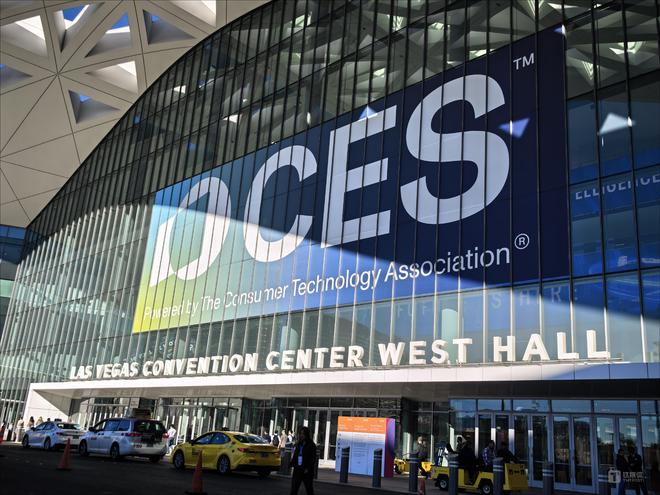
直击CES:AI,加速影响物理世界
Zhong Guo Zheng Quan Bao· 2026-01-07 04:44
Group 1: AI Technology and Developments - AI has become the central theme at CES 2026, with discussions focusing on extending AI into the physical world [2][3] - NVIDIA's CEO Jensen Huang announced that the company's open-source physical AI model "Cosmos" has reached one million downloads, indicating a significant shift in AI capabilities [2] - AMD introduced several new AI products, including the MI455X GPU AI chip and Ryzen AI processors, with plans to launch the MI500 series chip in 2027, aiming for a 1000-fold increase in AI performance over the next four years [2] - Qualcomm's new high-performance robot processor, the Snapdragon IQ10 series, is designed for industrial autonomous mobile robots and advanced humanoid robots [2][3] Group 2: Robotics and Smart Products - The humanoid robot TORA-ONE showcased at CES 2026 demonstrates strong adaptability in new retail scenarios, featuring advanced tactile sensors with high precision and sampling rates [4] - Companies like 松延动力 are targeting key global markets for their products, aiming for significant overseas expansion in 2026 [5] - The exhibition highlighted various smart home products, including robotic lawn mowers and pool cleaning robots, indicating a growing market for AI-integrated home appliances [6] Group 3: Autonomous Driving - The maturity of technology is pushing L4-level autonomous driving into everyday life, with significant advancements in AI driving this trend [7] - Huang announced the Alpamayo R1, an open-source VLA inference model for assisted driving, suggesting that autonomous driving may become a mainstream application of physical AI [7]

今年CES,芯片厂商又开始“神仙打架”
3 6 Ke· 2026-01-07 00:42
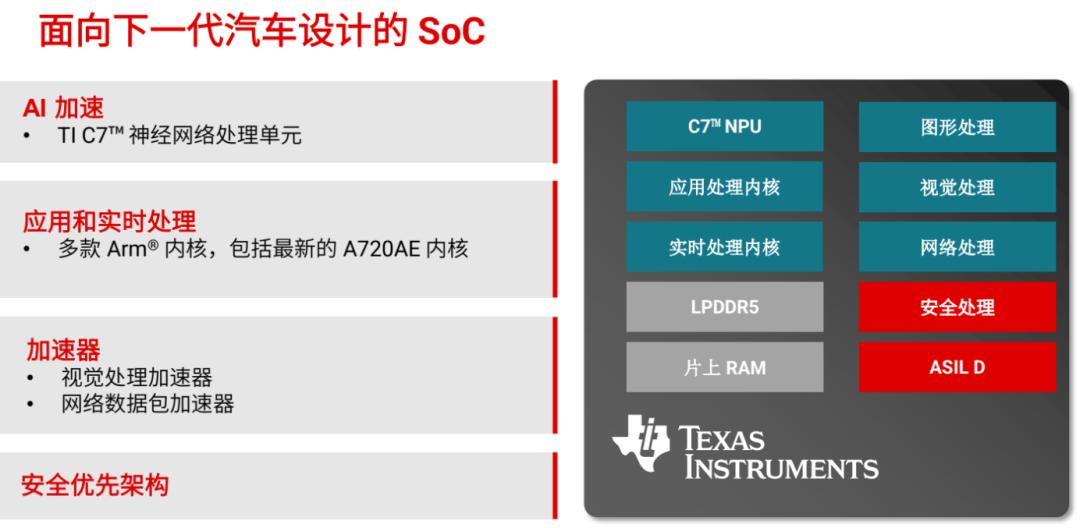
Group 1: TI's Automotive Innovations - TI launched three powerful automotive products at CES: the TDA5 series SoC, AWR2188 radar transmitter, and DP83TD555J-Q1 Ethernet PHY [1][4][7] - The TDA5 SoC features a maximum performance of 1200 TOPS and an energy efficiency of over 24 TOPS/W, with a 12-fold increase in AI computing power compared to previous generations [1] - AWR2188 is the industry's first single-chip 8x8 radar solution, enhancing performance by 30% and achieving high-precision detection for targets over 350m [4] - The DP83TD555J-Q1 Ethernet PHY supports nanosecond-level time synchronization and can transmit power and data over the same line, reducing cable design complexity and costs [7] Group 2: ADI's Diverse Solutions - ADI showcased various solutions in automotive, consumer, and robotics sectors, highlighting the A²B 2.0 solution with four times the bandwidth of its predecessor [10] - The automotive solutions include advanced lighting control and ADAS systems utilizing machine vision inputs [10][11] Group 3: NXP's High-Integration Processor - NXP introduced the S32N7 processor series, which integrates multiple vehicle functions on a single chip, potentially reducing total cost of ownership (TCO) by up to 20% [12][15] Group 4: Microchip's Demonstrations - Microchip presented demos including the ASA Motion Link for Qualcomm's Ride platform and a software-free intelligent headlight system using 10BASE-T1S technology [17][18] Group 5: Silicon Labs' New SDK - Silicon Labs launched a new Simplicity SDK for Zephyr, enhancing support for embedded systems and showcasing advancements in Bluetooth wireless technology [19] Group 6: Infineon's Development Kit - Infineon and Flex unveiled a modular development kit for regional control units, aimed at accelerating the development of software-defined vehicle architectures [20] Group 7: ST's Automotive Gateway - ST displayed the Osdyne Automotive Gateway, which enhances vehicle communication and security while reducing wiring complexity [22] Group 8: Ambarella's AI Vision Chip - Ambarella released the CV7 AI vision SoC, built on a 4nm process, achieving over 20% power reduction and more than 2.5 times the AI performance of its predecessor [25] Group 9: NVIDIA's Revolutionary Products - NVIDIA introduced the Rubin platform with six new chips and launched the Alpamayo series for AI-assisted driving development [26][28] Group 10: AMD's AI Innovations - AMD announced several new products, including the MI455X GPU and Ryzen AI 400 series processors, emphasizing its comprehensive AI capabilities [29][30] Group 11: Arm's Technology Trends - Arm focused on five key technology trends at CES, including advancements in autonomous driving, robotics, and smart home devices [31][32] Group 12: Industry Trends - The CES highlighted three major trends: the penetration of AI across all technology layers, the shift towards centralized and software-defined automotive electronics, and the importance of ecosystem collaboration over isolated technology competition [33]



CES 2026,万物皆可汽车?
汽车商业评论· 2026-01-07 00:39
Core Insights - The CES 2026 is shifting focus from electric vehicles to "physical AI," which integrates sensors, computer vision, and actuators to enable machines to interact with and adapt to their environments [4][6][8] - The automotive industry is evolving from electrification to intelligence, with discussions centered on how vehicles can become autonomous "physical AI" entities [8][10] - Major companies like NVIDIA, Uber, and Sony Honda Mobility are showcasing advancements in autonomous driving technologies and smart vehicle systems [10][14][19] Automotive Innovations - NVIDIA introduced the Alpamayo platform, aiming for L4-level autonomous driving capabilities, marking a significant step in AI-driven vehicle technology [10][12] - Uber unveiled its luxury autonomous taxi, featuring personalized passenger experiences and advanced perception systems, with plans for public service by the end of the year [10][14] - Sony Honda Mobility is developing the AFEELA model, which aims to create a "creative entertainment space" within the vehicle, enhancing user experience beyond mere transportation [14][19] Smart Cockpit Developments - BMW is integrating Alexa and generative AI into its vehicles, enhancing user interaction and personalization [21][23] - Mercedes-Benz launched the electric GLC model in the U.S., featuring advanced AI integration and immersive audio systems [23][25] - LG's smart cockpit platform aims to evolve user experience through context-aware adjustments, although still in early deployment stages [25][27] Chinese Automotive Brands - Geely and Great Wall are the only major Chinese brands participating in CES 2026, showcasing their advancements in AI and smart driving technologies [27][19] - Geely's G-ASD system aims to enhance safety and confidence in complex driving scenarios, while Great Wall focuses on intelligent driving capabilities [15][19] Battery Technology Innovations - Donut Lab introduced the world's first solid-state battery for OEM vehicles, promising high energy density and rapid charging capabilities [39][41] - Lyten showcased lithium-sulfur battery technology with a clear commercialization timeline, targeting military and automotive applications [43] - ProLogium and Electra Vehicles presented advancements in battery management and solid-state technology, aiming to enhance safety and efficiency in electric vehicles [45][47]
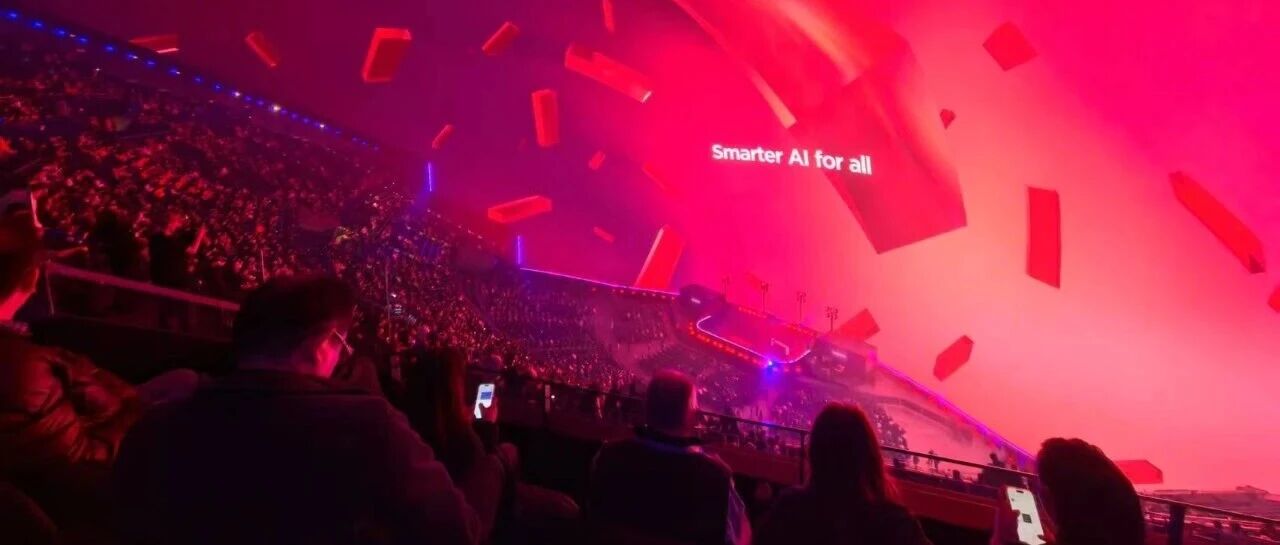
苏姿丰:未来几年,全世界算力需增加100倍!
新华网财经· 2026-01-06 14:57
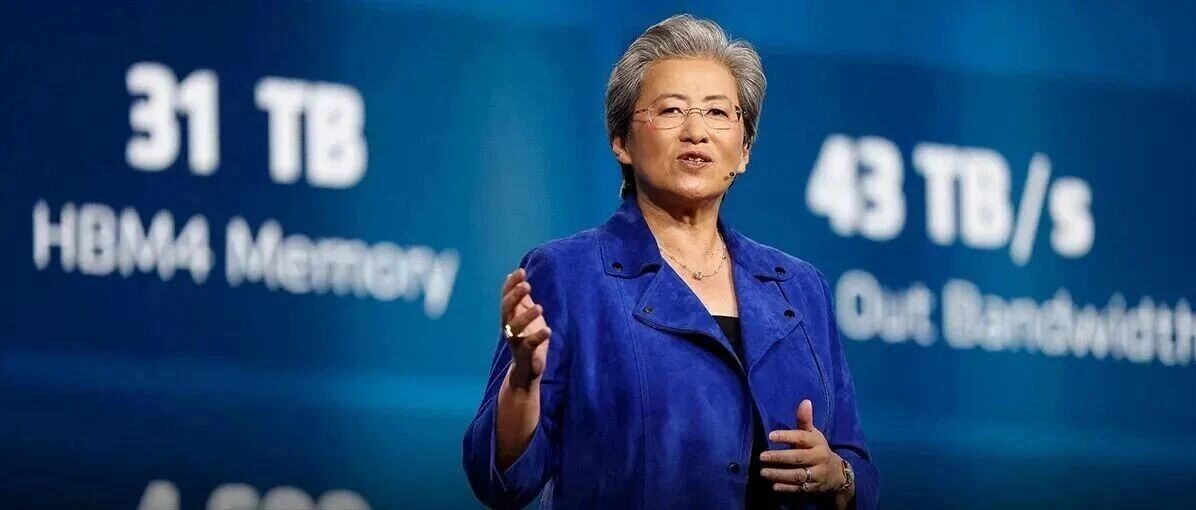
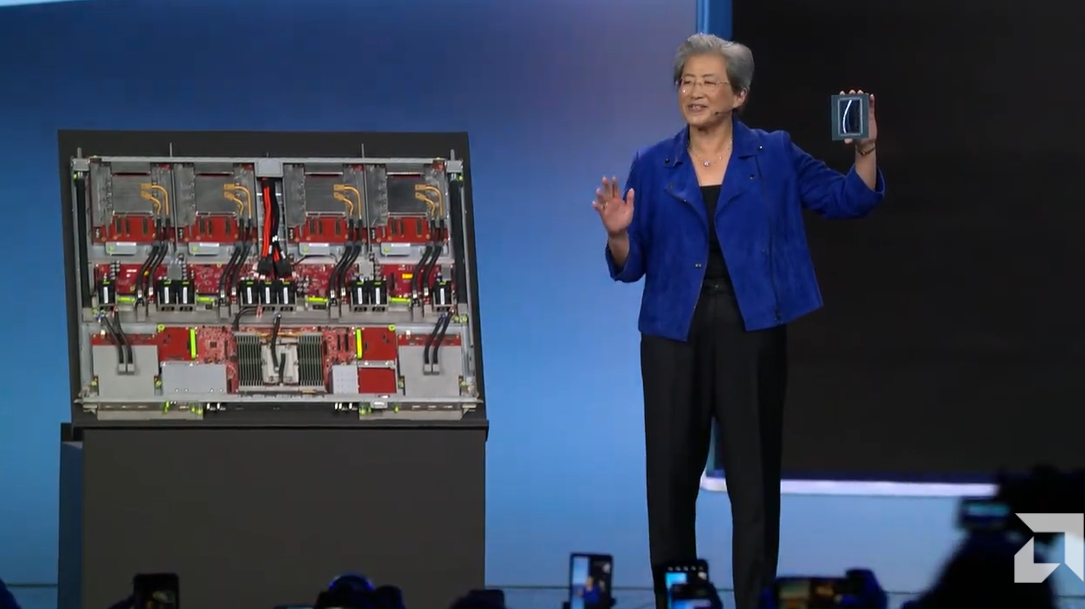
Core Viewpoint - AMD is positioning itself for the Yotta Flops era of AI computing, aiming to significantly enhance AI performance and capabilities through new product launches and technological advancements [2][4]. Group 1: New Product Launches - AMD unveiled several new products at CES 2026, including the MI455X GPU, Ryzen AI 400 series processors, and the Ryzen AI Max+ series [2]. - The MI455X is AMD's most advanced processor to date, featuring 320 billion transistors, a 70% increase from the previous MI355, and equipped with 432GB of HBM4 memory [5]. - The Ryzen AI 400 series processors utilize Zen 5 CPU architecture and RDNA 3.5 GPU, integrating up to 60 TOPS of NPU computing power, with the first Ryzen AI 400 PCs set to launch later this month [6]. Group 2: Future Plans and Innovations - AMD plans to release the MI500 series chips in 2027, which will utilize 2nm technology and HBM4e memory, potentially increasing AI performance by 1000 times over the next four years [5]. - The Helios platform, designed for the Yotta-level AI era, features a dual-width design and can accommodate up to 72 GPUs, emphasizing AMD's commitment to high-performance computing [4]. Group 3: AI Integration and Market Strategy - AMD views AI as a fundamental capability of PCs rather than an additional feature, indicating a shift towards integrating AI across various computing platforms [5][6]. - The company is targeting enterprise markets with the MI440X chip, designed for smaller data centers, allowing for local hardware deployment and data privacy [5].
苏姿丰对话李飞飞:少量图片生成一个世界,是AI下一章的开始
YOUNG财经 漾财经· 2026-01-06 10:45
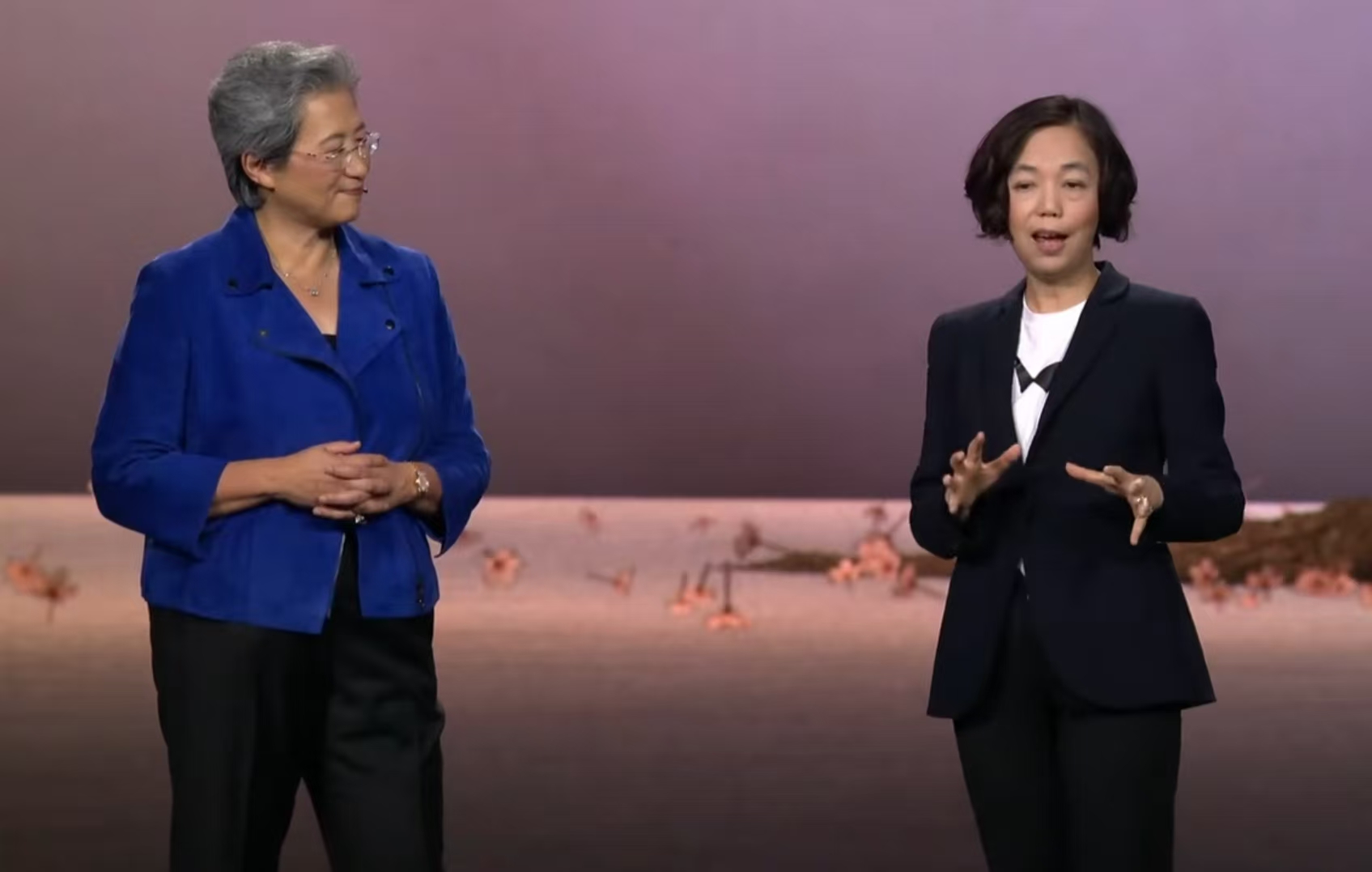
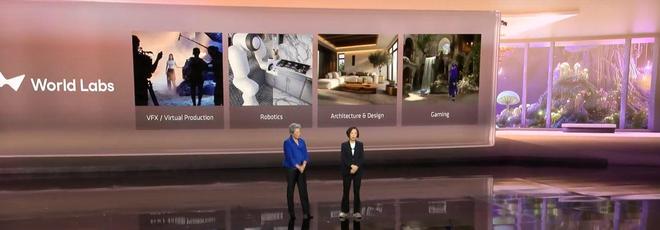
Core Insights - The dialogue between AMD CEO Lisa Su and Stanford professor Fei-Fei Li at CES highlighted the transformative potential of AI in creating immersive 3D worlds from minimal input images, marking a significant shift in how AI interacts with the physical world [1][4][5] - The demand for AI computational power is rapidly increasing, with active AI users growing from 1 million to 1 billion since the launch of ChatGPT, and projections suggest this could reach 5 billion by 2030 [8] Group 1: AI and Spatial Intelligence - Fei-Fei Li emphasized that spatial intelligence allows for a more interactive experience with the world, enabling creators to visualize their ideas before physical construction, thus enhancing safety and efficiency in various fields like robotics and architecture [4][5] - The ability of AI to generate detailed 3D environments from a few images can drastically reduce project timelines from months to minutes, showcasing the potential applications in gaming and simulation [4][5] Group 2: Computational Demand and Innovations - The conversation underscored the immense computational requirements for spatial intelligence, necessitating significant advancements in processing power to maintain real-time interactions and coherent experiences [5][6] - AMD's new Helios rack system boasts an AI computing capability of 2.9 exaflops and is designed to scale with advanced components, while the next-generation MI455 GPU is expected to enhance AI performance by tenfold compared to its predecessor [10][11] - NVIDIA's new Rubin GPU demonstrates substantial performance improvements, with inference and training capabilities reaching 50 PFLOPS and 35 PFLOPS respectively, significantly outperforming previous models [9]

苏姿丰CES演讲全文来了!尧字节时代来临,Helios登场,“未来四年,要实现AI性能1000倍的提升”!
Hua Er Jie Jian Wen· 2026-01-06 09:47
Core Insights - AMD's CEO, Dr. Lisa Su, highlighted the explosive growth in AI usage, with active users increasing from 1 million to 1 billion since the launch of ChatGPT, and projected to reach 5 billion by 2030 [1][24] - AMD introduced the MI455X GPU, which offers a tenfold performance improvement over its predecessor, the MI355X, and unveiled the Helios server platform designed for large-scale AI computing [1][5][34] - The company aims to enhance global AI computing capacity from 1 zettaflop per second in 2022 to 10 yottaflops per second within five years, a 10,000-fold increase [3][25] AI Demand and Market Trends - The demand for AI computing is expected to surge, necessitating a significant increase in global computing infrastructure to support the projected growth in AI users [24][25] - AI is anticipated to become an integral part of daily life, similar to the internet and smartphones, with a focus on making AI accessible to everyone [24][23] Technological Innovations - AMD's Helios platform features a modular design with liquid cooling, housing 72 MI455X GPUs and 18 Venice CPUs, achieving 2.9 exaflops of AI performance [5][9][34] - The MI500 series, set to launch in 2027, is expected to utilize 2nm technology and achieve a 30-fold performance increase over the MI455X [1][7] Product Launches - The Ryzen AI 400 series processors were introduced, featuring up to 60 TOPS of NPU performance and designed for various computing devices [6][12] - The Ryzen AI Max platform was also launched, aimed at high-performance developers and creators, integrating advanced AI capabilities [12][15] Strategic Vision - AMD's strategy emphasizes a "full-stack open" approach, integrating CPUs, GPUs, NPUs, and custom accelerators to optimize computing power for diverse workloads [4][26] - The company is committed to building an open ecosystem to accelerate innovation in AI, leveraging partnerships and industry standards [47]
苏姿丰对话李飞飞:少量图片生成一个世界,是AI下一章的开始
Di Yi Cai Jing· 2026-01-06 07:58
Core Insights - The competition between AI chip manufacturers, particularly AMD and NVIDIA, is intensifying as they showcase their advancements in AI computing capabilities at CES [1][7]. Group 1: AI Computing Demand - The active user base for AI has surged from 1 million to 1 billion since the launch of ChatGPT, with projections estimating 5 billion users by 2030, necessitating a 100-fold increase in global computing power in the coming years [6]. - Greg Brockman emphasized the critical need for more computational power, highlighting the balance of resources on GPUs as essential for AI development [5]. Group 2: Space Intelligence - Li Fei-Fei discussed the transformative potential of spatial intelligence, enabling creators to visualize their ideas in a virtual environment before physical construction, enhancing safety and efficiency [3]. - The computational demands of spatial intelligence are significant, requiring vast memory and parallel processing capabilities to ensure real-time responsiveness [3]. Group 3: AMD's Technological Advancements - AMD introduced the Helios rack system, boasting 2.9 exaflops of AI computing power and featuring advanced components like the Instinct MI455X accelerator and EPYC Venice CPU [7][8]. - The next-generation MI455 GPU is set to achieve a 10-fold performance increase over its predecessor, with plans for the MI500 series to enhance AI performance by 1000 times by 2027 [8]. - AMD's Ryzen AI 400 series processors, designed for AI PCs, will deliver 60 NPU TOPS of computing power, with initial systems expected to ship in January [9].
OpenAI、李飞飞同台助阵,苏姿丰CES对决黄仁勋
Tai Mei Ti A P P· 2026-01-06 07:52
Core Viewpoint - AMD is intensifying its competition with NVIDIA in the data center GPU sector, as highlighted by CEO Lisa Su's announcements at CES 2026 [2][3]. Group 1: Product Announcements - AMD introduced the Helios AI computing system, designed for large-scale AI training in data centers, featuring next-gen Instinct GPUs and EPYC CPUs, with an expected performance of approximately 2.9 exaFLOPS FP4 [4]. - The new MI455 chip was showcased, boasting a 70% increase in transistor count compared to the MI355 and equipped with 432GB of HBM4 memory, achieving a performance improvement of up to 10 times [4]. - AMD is developing the MI500 series chips using 2nm technology, expected to launch in 2027, with a projected performance increase of 1000 times over the next four years [4]. Group 2: Market Position and Strategy - Despite significant advancements, AMD's market share in the GPU sector remains heavily skewed towards NVIDIA, with a persistent "one to nine" market ratio [5]. - AMD's gaming business showed strong growth, while the data center segment has not performed as well, prompting CEO Lisa Su to assert the goal of capturing double-digit market share from competitors [5]. Group 3: Strategic Partnerships and Collaborations - AMD has formed a strategic partnership with OpenAI, which plans to purchase AI chips worth over several billion dollars in the coming years, while AMD will grant OpenAI stock warrants [5]. - At CES, AMD highlighted collaborations with various partners, including OpenAI, focusing on the practical benefits of AI in healthcare and other sectors [6][7]. Group 4: AI and Future Directions - Lisa Su emphasized that AI is AMD's top priority, describing it as the most significant technology of the past 50 years [4]. - The company is also focusing on physical AI applications across various industries, including automotive and healthcare, while maintaining a strong emphasis on traditional gaming and client businesses [6].
CES 2026大会师 华硕、宏碁、微星秀PC新品
Jing Ji Ri Bao· 2025-12-25 23:12
Core Viewpoint - The PC market is facing challenges due to storage shortages and rising prices, yet major brands will showcase new products at CES 2026, including those featuring Intel's new Panther Lake processors and the latest offerings from Qualcomm and AMD [1] Group 1: Major Brands Participation - Major Taiwanese brands such as ASUS, Acer, MSI, and Gigabyte will participate in CES 2026, presenting products that include AI PCs, commercial devices, gaming equipment, and peripherals [1] - ASUS will hold two press conferences at CES, with its ROG gaming brand event scheduled for January 5, 2026, focusing on AI-driven smart computing solutions [1] Group 2: Processor Developments - Intel is expected to unveil its first Panther Lake processor built on the 18A process technology at CES 2026 [1] - AMD is rumored to announce the new Ryzen 9000X3D series processors or the Ryzen AI 400 series processors during the event [1] - Qualcomm previously announced the Snapdragon X2 Elite PC chip and is expected to provide further details on collaborations with PC brands at CES 2026 [1] Group 3: Acer and MSI Product Launches - Acer will not hold a press conference at CES 2026 but will release a series of new products, including AI PCs, gaming devices, and PC peripherals [2] - MSI is anticipated to present AI PCs and gaming-related products at the event [2]