Di Yi Cai Jing

Search documents
程实:美国经济的四重风险︱实话世经
Di Yi Cai Jing· 2026-02-11 12:11
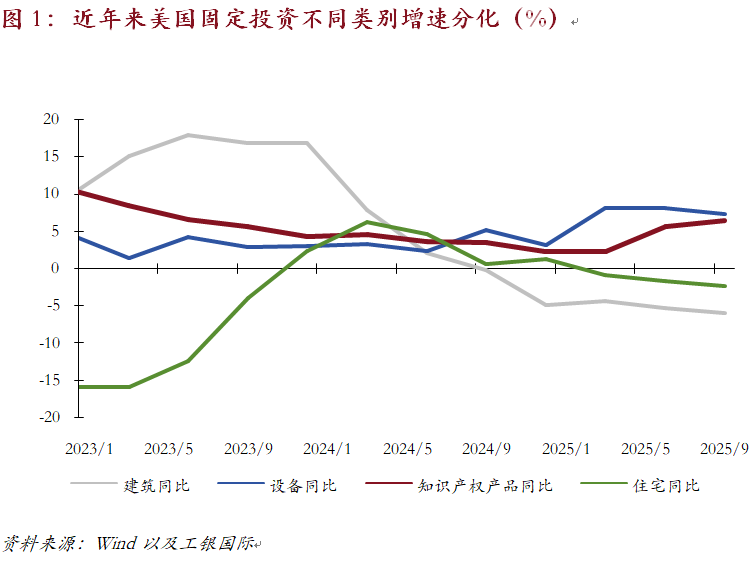
制度性预期一旦发生扰动,不仅可能加剧货币与财政政策之间的协调难度,还可能通过影响市场定价逻辑与 风险偏好,放大宏观波动。 当前来看,美国经济呈现出多重结构性错位与分化特征:一是虚实部门的错位。实体部门与金融部门运行节 奏明显背离,高利率通过融资成本与信贷可得性对投资与消费形成实质约束,而金融市场则在降息预期与叙 事主导下提前修复估值。名义紧缩的政策环境中,金融条件趋于宽松,而实体压力则被阶段性延后。二是地 区经济的分化。不同地区因产业结构、人口流动与财政条件差异,对高利率冲击和产业政策的敏感度明显不 同,区域经济分化加剧,空间层面的不均衡特征越发突出。三是社会信心的冷却。收入与财富分配结构失衡 叠加高通胀后遗效应,使中低收入与中产群体的风险缓冲能力持续削弱,社会信心由长期改善预期转向谨慎 防御,内需结构持续分化。最后是制度预期的动摇。长期以来,美联储的政策独立性被视为美元信用与资产 价格稳定的重要锚点,而近期围绕央行职责边界、政策取向以及未来反应函数的讨论明显升温,反映出市场 正对货币政策可预期性进行重新评估。值得注意的是,制度性预期一旦发生扰动,不仅可能加剧货币与财政 政策之间的协调难度,还可能通过影响市场 ...

从老外来华求诊热看国际医疗市场格局的演变
Di Yi Cai Jing· 2026-02-11 12:11
Core Insights - The trend of foreign patients seeking medical treatment in China, particularly in Shanghai, has significantly increased during the "14th Five-Year Plan" period, indicating a profound evolution in the international healthcare market [1][2]. Group 1: International Medical Tourism - The influx of foreign patients seeking treatment in Shanghai reflects the expansion of China's openness in the healthcare sector, with international health tourism being recognized as a competitive advantage since the "Healthy China 2030" initiative [2][3]. - Shanghai has initiated pilot programs for international medical tourism in both social medical institutions and public hospitals, with plans to introduce local regulations for international medical services by 2024 [2][4]. Group 2: Growth Statistics - In the first half of 2024, Shanghai's medical institutions served 4,128 foreign and Hong Kong, Macau, and Taiwan patients, marking a 24.3% increase compared to 2023, although this still represents a small fraction of the millions of annual hospitalizations in the city [3]. - By 2025, the number of international patients treated in key hospitals across China is projected to reach 1.28 million, a 73.6% increase from three years prior, with pure medical foreign patients reaching 413,000, a 63% increase [5][9]. Group 3: Cost and Quality Advantages - The cost disparity between medical services in China and countries like the United States is significant, with procedures in China being substantially cheaper, thus attracting foreign patients seeking high-quality yet affordable healthcare [5][9]. - Chinese hospitals have achieved international standards in various medical fields, with successful case studies demonstrating advanced techniques and high success rates comparable to leading global institutions, such as robotic surgeries [7][8]. Group 4: Efficiency and Systemic Improvements - The efficiency of the Chinese healthcare system is a key competitive advantage, with patients often receiving same-day consultations and treatments, contrasting sharply with the lengthy wait times typical in Western healthcare systems [9][10]. - By the end of 2025, China plans to establish international medical tourism pilot zones in eleven regions, implementing policies to facilitate cross-border healthcare access and streamline the process for foreign patients [11].
春节持股VS持币抉择:近十年节后首日6涨4跌,机构建议持股过节
Di Yi Cai Jing· 2026-02-11 12:02
Core Viewpoint - The strategy of "holding light positions during the holiday" is considered a prudent and historically reasonable approach in the current A-share market context, balancing the risks of market fluctuations before the holiday and the opportunities for participation in the post-holiday spring rally [1][8]. Market Performance Analysis - Over the past decade, the A-share market has shown mixed performance on the first trading day after the Spring Festival, with the Shanghai Composite Index rising 6 times and falling 4 times [2][3]. - The Shanghai Composite Index experienced a 2.89% increase from February 3 to February 11, while the Shenzhen Component Index rose by 2.43% during the same period [2]. - The A-share market is currently in a state of consolidation, with the four major indices showing varied performance on February 11, 2023 [2]. Historical Data Insights - Historical data indicates that the average increase for the Wind All A index in the 10 trading days following the Spring Festival is 3.3%, while the average decline in the 10 trading days before is -1.3% [4]. - The TMT sector has shown a high success rate in the post-holiday period, with a 100% success rate in the first 10 trading days after the Spring Festival [4][9]. Fund Flow and Market Sentiment - Historical trends suggest that market activity tends to contract before the holiday due to uncertainties and cash withdrawal demands, while funds typically flow back into the market post-holiday, indicating a recovery in risk appetite [5]. - Analysts suggest that the current market conditions, including government policies focusing on domestic demand and the potential for improved economic outlook, support a "hold positions" strategy during the holiday [6]. Sector Recommendations - Analysts recommend focusing on sectors that are expected to benefit from policy shifts and economic recovery, such as materials, financials, and technology, particularly in light of the upcoming political and economic events [8]. - The strategy includes maintaining positions in cyclical industries and sectors with improving profitability, such as non-ferrous metals, basic chemicals, and construction materials [8].
汕头有酒店春节涨价20倍!平日卖100元的酒店春节卖2450元
Di Yi Cai Jing· 2026-02-11 11:30
颇有意思的是,同样是亚朵品牌,上海等一线城市的酒店在春节假期不涨反降。 【#汕头有酒店春节涨价20倍#!#平日卖100元的酒店春节卖2450元# 】#春节亚朵酒店小城涨价大城降 价#本周进入返乡和提前出游的高峰,第一财经记者近日采访发现,以往并非主流旅游目的地的一些小 城,比如汕头、揭阳等酒店春节期间价格翻倍上涨,部分酒店甚至涨了20多倍。相反,一些一线城市酒 店的春节假期价格下降,部分酒店价格跌幅超过50%。业界认为,小城文旅之所以受欢迎,与当地的民 俗、年味儿及互联网社交平台传播有很大关系。 第一财经记者今天在查询携程等在线旅游平台后发现,汕头大量酒店在春节假期的价格都大幅上涨,涨 幅从4倍到20多倍不等。比如,汕头特维纳酒店(汕头小公园店)平日房价为每晚94元~119元不等,而 春节假期的价格上涨到了每晚1400多元,2月19日的房价更是高达每晚2450元,相当于平日价的20多 倍。 ...
谁在节前悄悄调仓?宽基ETF流出趋缓,跨境产品成吸金王
Di Yi Cai Jing· 2026-02-11 11:24
Group 1 - The core viewpoint of the articles indicates a shift in market sentiment as the Chinese New Year approaches, with a notable recovery in ETF inflows after significant outflows earlier in January [1][2][4] - Recent data shows that the total net subscription for ETFs reached nearly 20.6 billion yuan in the past week, with stock-based ETFs seeing a net inflow of 2.69 billion yuan [2][3] - The small-cap stocks and thematic industry ETFs have also seen substantial inflows, particularly the CSI 1000 ETF, which attracted 2.731 billion yuan [2][3] Group 2 - The cross-border ETFs have emerged as a significant driver of capital inflow, with a net inflow of 10.985 billion yuan in the past week and a total of 58.258 billion yuan year-to-date [3][4] - Despite the recovery in inflows, the trading volume of stock-based ETFs has hit a year-to-date low, with a single-day trading volume of 120.591 billion yuan, down nearly two-thirds from the peak [4][5] - Analysts predict a potential upward trend in the A-share market in the coming months, driven by improved risk appetite and clearer earnings signals, particularly in small-cap growth and AI-related sectors [5][6]
牛散与机构扎堆抢筹定增,江淮汽车股价两年涨逾4倍
Di Yi Cai Jing· 2026-02-11 11:17
Core Viewpoint - Jianghuai Automobile (600418.SH) has seen its stock price surge over four times in two years, and despite high valuations, it successfully attracted significant institutional and retail investor interest in its recent private placement [1][2]. Group 1: Private Placement Details - Jianghuai Automobile announced a private placement at a price of 49.88 yuan per share, issuing 70.1684 million shares to raise approximately 3.5 billion yuan, which will be fully allocated to the development of a high-end intelligent electric platform [2][6]. - Notable investors include prominent figures such as Ge Weidong and Fang Wenyuan, each investing 1 billion yuan for over 20 million shares, indicating strong confidence in the company's future [2][3]. - The private placement has been in planning for nearly a year and a half, with the board approving the issuance as early as September 30, 2024 [2]. Group 2: Market Performance and Investor Sentiment - Since the beginning of 2024, Jianghuai Automobile's stock has increased by 260%, with a total increase of 452.63% from its low point on February 6, 2024 [1][4]. - As of February 11, 2026, the stock closed at 56.7 yuan, reflecting a 3.83% increase, and the investors from the private placement have already seen a paper profit of 13.7% [4][6]. Group 3: Strategic Partnerships and Future Growth - Jianghuai Automobile has partnered with Huawei to develop high-end electric vehicles, which is expected to enhance its market position and product offerings [3][5]. - The funds raised from the private placement will be used to develop a new high-end intelligent series of vehicles, including sedans, SUVs, and MPVs, aligning with the launch of the "Zun Jie" brand [3][6]. - The company anticipates a reduction in losses for 2025, projecting a net loss of 1.68 billion yuan, which is a decrease of 104 million yuan compared to the previous year, primarily due to a one-time investment loss and declining export business [6][7]. Group 4: Market Expectations and Future Outlook - Analysts believe that the positioning of the "Zun Jie" brand in the luxury car market could lead to a significant increase in both volume and profitability for Jianghuai Automobile, with expectations of turning profitable by 2026 [7]. - The market's confidence in Jianghuai Automobile is largely based on the recognition of the "Huawei-enabled high-end intelligent electric vehicle" model, with sales volume and market share being critical variables for performance [7].

涨幅超20倍,平日卖100元的酒店春节卖2450元,小城文旅为何火爆
Di Yi Cai Jing· 2026-02-11 11:01
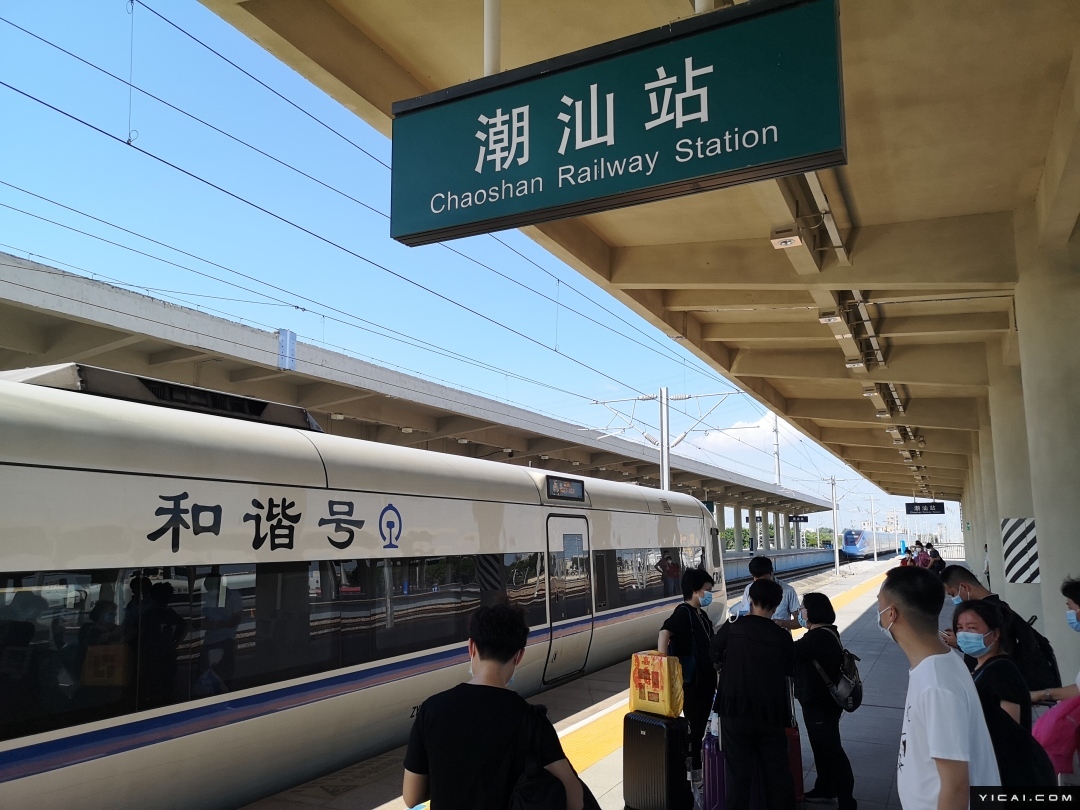
小城酒店涨价20倍,一线城市酒店降价 2026年春节法定假期达到9天,堪称"史上最长"。叠加放假时间较晚、气候适宜、与元旦假期间隔等因素,显著放大了人们的出行意愿,整体出游热度显 著高于2025年春节。 春节出游,酒店和交通费用一般会有所上涨,但涨幅高达10倍甚至20多倍的实属少见。 第一财经记者今天在查询携程等在线旅游平台后发现,汕头大量酒店在春节假期的价格都大幅上涨,涨幅从4倍到20多倍不等。比如,汕头特维纳酒店 (汕头小公园店)平日房价为每晚94元~119元不等,而春节假期的价格上涨到了每晚1400多元,2月19日的房价更是高达每晚2450元,相当于平日价的20 多倍。汕头万象城华山南路亚朵酒店的平日价每晚580多元,而春节假期的价格上涨到了每晚3577元,相当于平日6倍左右的价格。汕头月色美宿(龙眼南 路美食街店)平日价从每晚100多元~450多元不等,而春节假期的价格涨到了每晚1208元,涨了3~8倍。维也纳国际酒店(汕头高铁站东广场店)平日房 价为每晚260多元~400多元,而春节假期价格涨到了每晚1500多元,相当于平日价的4~6倍。 不仅是汕头,揭阳、潮州、厦门等地的酒店价格也是水涨船高,比如 ...
花花公子1.22亿美元卖中国业务“半壁江山”,能否告别“卖商标”时代?
Di Yi Cai Jing· 2026-02-11 10:58
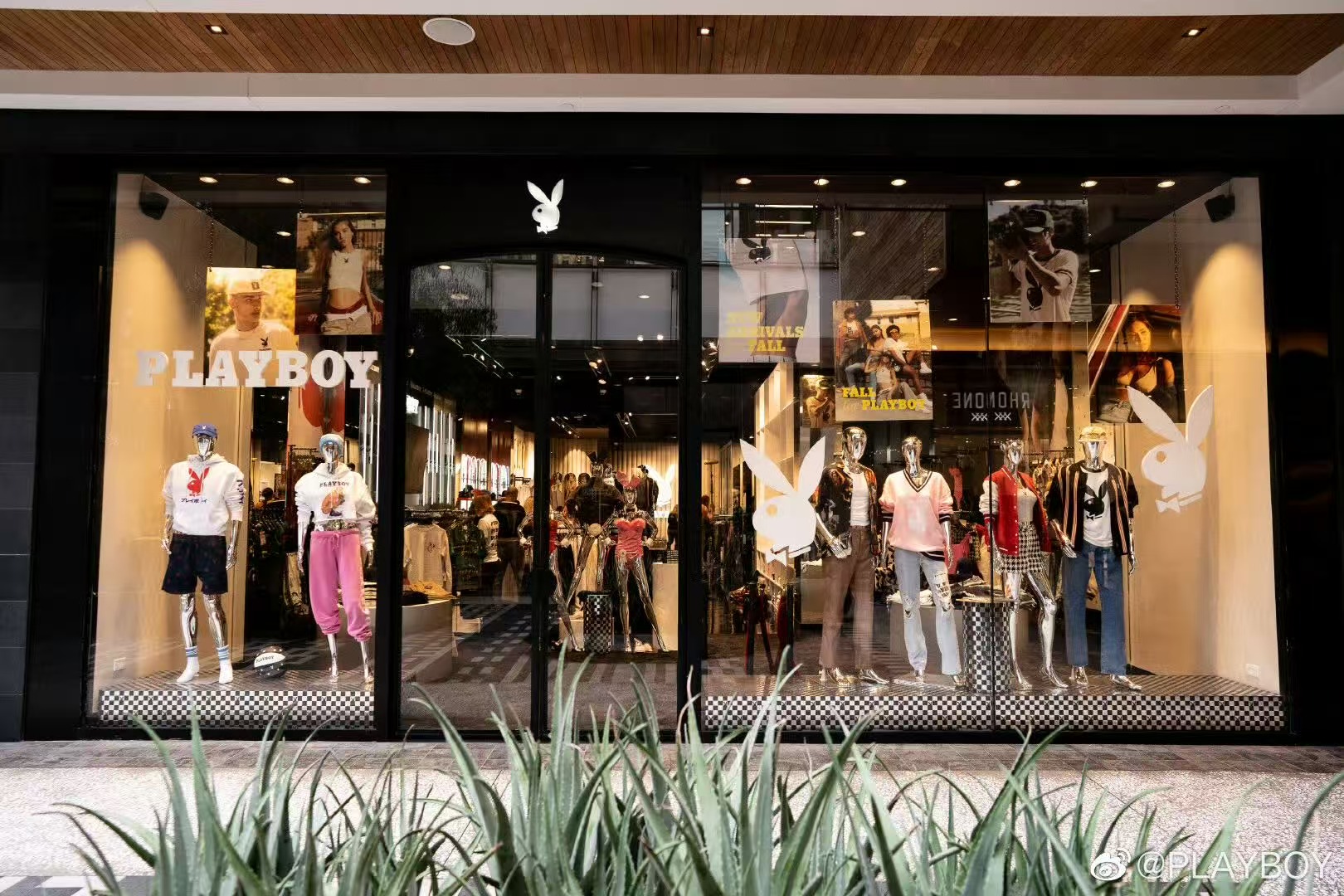
Core Viewpoint - The era of "quick money from licensing" is over for Playboy, which is now seeking to restructure its business in China after years of chaotic growth and brand dilution [1][6]. Group 1: Business Transaction - Playboy announced the sale of 50% of its Chinese business to UTG Group for $122 million, which includes operational rights in mainland China, Hong Kong, and Macau [1]. - UTG Group has experience managing international brands in China, which may help address the issues Playboy has faced in the market [6]. Group 2: Brand Challenges - Playboy's brand image has suffered due to excessive licensing, leading to confusion between genuine and counterfeit products, with many unauthorized variations flooding the market [3]. - Quality issues have arisen from licensed manufacturers prioritizing sales over product quality, resulting in complaints and a tarnished brand reputation [3]. - Ongoing disputes with licensing partners have further complicated Playboy's brand management in China [4]. Group 3: Market Dynamics - The initial success of Playboy in China was attributed to early market entry and a lack of competition, but the brand now faces challenges from local competitors and changing consumer preferences [5]. - The brand's failure to connect with the Gen Z consumer demographic has led to a decline in market share, highlighting the need for a strategic shift [5]. Group 4: Future Outlook - The transition from merely licensing the brand to actively managing it will require time and effort, as the market has evolved beyond the previous model of quick profits from brand licensing [6].
康欣新材:调整收购宇邦半导体方案,收购耗用现金降至3.47亿元
Di Yi Cai Jing· 2026-02-11 10:48
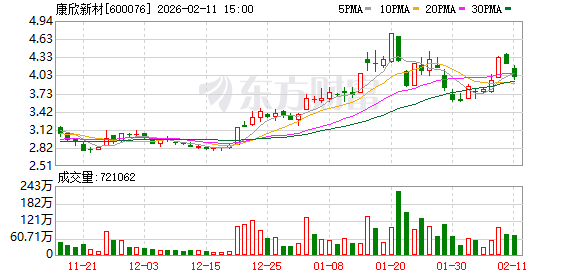
康欣新材晚间公告,公司调整收购宇邦半导体方案,调整收购估值从投资前估值6.88亿元调整为投资前 估值5.5亿元。公司以自有资金2.67亿元受让标的公司1038.64万元注册资本,以自有资金8000万元认购 标的公司新增注册资本311.53万元,增资价格为25.68元/注册资本。根据调整后的方案,股权转让和增 资完成后,收购方合计持有标的公司55%的股权。通过收购方案调整,本次收购耗用的现金拟从3.92亿 元降至3.47亿元,公司降低现金耗用4496万元,且收购股权比例从51%提升至55%。 ...

康欣新材:调整收购宇邦半导体方案 收购耗用现金降至3.47亿元
Di Yi Cai Jing· 2026-02-11 10:47
(文章来源:第一财经) 康欣新材晚间公告,公司调整收购宇邦半导体方案,调整收购估值从投资前估值6.88亿元调整为投资前 估值5.5亿元。公司以自有资金2.67亿元受让标的公司1038.64万元注册资本,以自有资金8000万元认购 标的公司新增注册资本311.53万元,增资价格为25.68元/注册资本。根据调整后的方案,股权转让和增 资完成后,收购方合计持有标的公司55%的股权。通过收购方案调整,本次收购耗用的现金拟从3.92亿 元降至3.47亿元,公司降低现金耗用4496万元,且收购股权比例从51%提升至55%。 ...