
Ke Ji Ri Bao

Search documents
科技日报:太空旅游离大众还有多远?
Ke Ji Ri Bao· 2026-01-26 00:42
Core Viewpoint - The commercial space tourism industry is evolving from concept to reality, with companies like Beijing Chuan Yue Zhe and others planning to offer manned space flights by 2028, as evidenced by the recent global launch event for the "Chuan Yue Zhe No. 1" spacecraft [1] Group 1: Forms of Space Tourism - Current international space tourism activities are categorized into three forms: suborbital, orbital, and deep space tourism [2] - Suborbital tourism allows passengers to experience a brief weightlessness at altitudes around 100 kilometers, with companies like Virgin Galactic and Blue Origin leading in this area [2] - Orbital tourism involves flights at altitudes of 200 to 400 kilometers, where passengers can experience long-term weightlessness, exemplified by SpaceX's recent activities [2][3] Group 2: Technical Challenges for Space Tourism - Several domestic commercial space companies are targeting the space tourism sector, with Chuan Yue Zhe having completed the overall scheme verification for its reusable suborbital spacecraft [4] - Key technical challenges include ensuring safety redundancy, high reliability subsystems, and repeatable verification processes, with a focus on critical technologies such as escape systems and life support [5] - The timeline for achieving manned flights by 2028 is contingent on overcoming these technical hurdles and meeting national aerospace standards [5][6] Group 3: Requirements for Ordinary People to Enter Space - Ordinary individuals do not need to possess extraordinary physical capabilities to participate in suborbital flights, but must meet certain health criteria, including the ability to withstand 3 to 4 Gs of force [7] - The primary physiological challenges include managing the physical overload during launch and re-entry, as well as potential motion sickness in weightlessness [7] - Serious underlying health conditions are absolute disqualifiers, while mild chronic conditions may require medical evaluation [7] Group 4: Cost Factors in Space Tourism - Currently, space tourism is primarily accessible to the wealthy, with ticket prices for orbital tourism exceeding $50 million and suborbital flights costing hundreds of thousands [8] - The ticket price for the "Chuan Yue Zhe No. 1" is set at 3 million yuan, indicating the high cost associated with this emerging industry [8] - The expectation is that prices will decrease over the next 20 years as the industry matures and scales, potentially making space tourism a niche but attainable luxury [8]
国产“工业黄金”实现规模化供应
Ke Ji Ri Bao· 2026-01-25 23:46
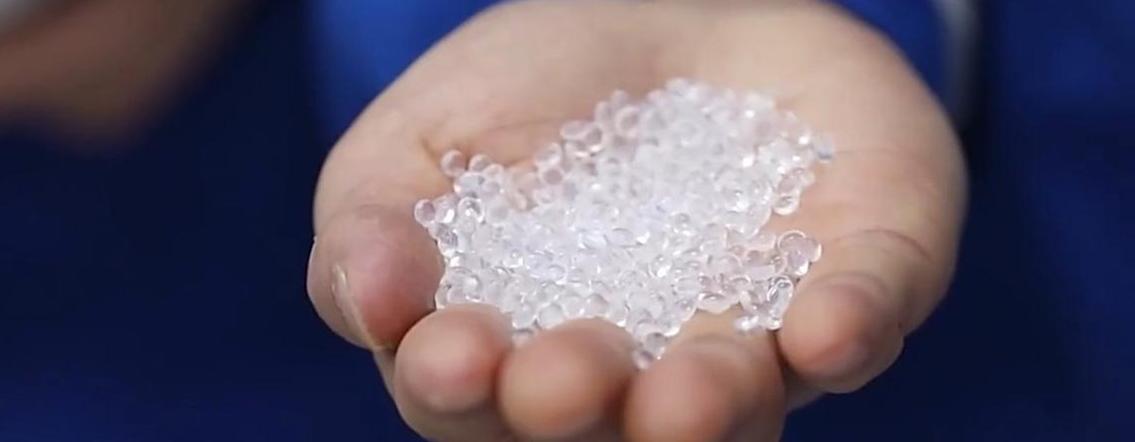
科技日报记者 操秀英 25日,记者从中国石油获悉,其旗下独山子石化公司国产POE(聚烯烃弹性体)适应性改造项目取得重大进展,2025年共生产POE产品近6万吨。这标志着 国内首创POE气相聚合工艺实现工业化量产与规模化供应,有效缓解我国光伏、新能源汽车等战略性新兴产业对进口产品的依赖。 (图片来自央视新闻)责任编辑:冷媚 相关稿件: 技术突破并非一蹴而就。自2015年起,独山子石化公司聚焦高端聚烯烃研发,先后在茂金属聚乙烯等高端材料领域实现产业化,为POE产业化奠定了坚实基 础。2024年4月,团队完成从实验室到工业生产的转化,成功实现POE气相法技术"从0到1"的跨越。目前,公司已完成POE成套技术工艺包,在中国石油内 部进行技术推广,正在加速形成产业集群效应。 据悉,随着其他项目陆续建成,预计到2026年底,中国石油的POE总产能将超30万吨,为保障新能源等新兴产业的供应链安全提供重要保障。 POE兼具塑料的可加工性与橡胶的高弹性,被誉为"工业黄金",广泛应用于光伏组件、汽车轻量化部件、高端包装等领域。在高端国产光伏组件中,由POE 制造的光伏胶膜是不可或缺的核心封装材料。然而,由于生产技术壁垒高、工艺控 ...


心脏病损后还能再生心肌细胞
Ke Ji Ri Bao· 2026-01-24 10:28
澳大利亚悉尼大学、贝尔德研究所及悉尼皇家阿尔弗雷德王子医院科学家首次证实:人类在心脏病发作 后还能再生心肌细胞。这一发现为治疗心血管疾病带来了全新希望。相关论文已发表于最新一期《循环 研究》杂志。 科学界普遍认为,一旦心脏病发作,大量心肌细胞会永久死亡,受损区域将被疤痕组织取代,导致心脏 泵血功能下降,甚至引发心力衰竭。正因如此,心脏一直被视为"不可再生"的器官。 然而,最新研究打破了这一认知。团队发现,尽管心脏在病损后确实会留下瘢痕,但在这些区域周围, 仍有新的心肌细胞悄然生成。这意味着,人类心脏具备一定的自我修复潜力。 不过团队也坦言,目前这种自然再生能力极为有限,远不足以抵消心脏病带来的破坏。他们希望通过药 物或生物手段,激活并增强心脏自身的再生机制,让其在受伤后能更有效地自我恢复。 团队还开发了一种创新技术,可从患者体内安全获取活体心脏组织样本,并在实验室中建立真实可靠的 人类心脏模型。这不仅避免了对动物模型的过度依赖,也让后续药物筛选和机制研究有了更精准的平 台。他们希望利用这一发现,培育出能逆转心力衰竭的新生心肌细胞,真正实现"修复心脏"而非仅 仅"维持生命"。 团队强调,最新研究使用来自真实患者 ...
化学品污染导致野生鱼类寿命缩短
Ke Ji Ri Bao· 2026-01-24 08:52
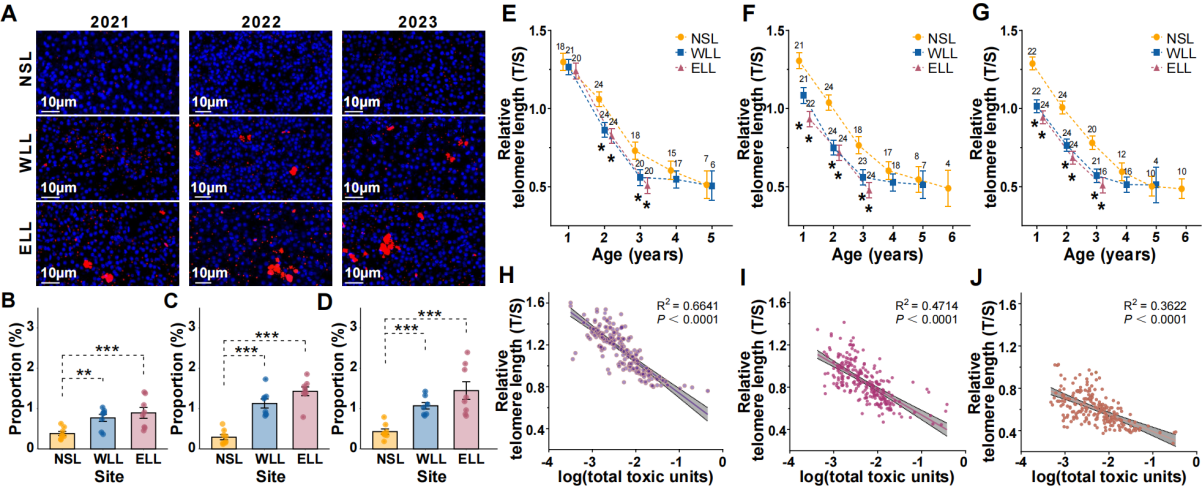
Core Findings - The research conducted by a team from China University of Geosciences (Wuhan) reveals that chemical pollution is leading to a reduction in the lifespan of wild fish, specifically through the study of the impact of chronic low-dose exposure to the pesticide chlorpyrifos [1][2]. Group 1: Research Background - The study focuses on three adjacent lakes in the middle reaches of the Yangtze River with varying pollution levels, revealing a significant decrease in the number of older fish in more polluted lakes compared to less polluted ones [2]. - The research indicates that the presence of pollutants, often in trace amounts, can subtly affect the survival of biological species [2]. Group 2: Key Findings on Fish Aging - The study found that the liver of the fish species, the Chinese perch, in polluted lakes contained 2 to 3 times more lipofuscin, a marker of aging, compared to those in cleaner lakes, and the telomere length, which determines cell lifespan, was significantly shorter [3]. - A significant negative correlation was identified between the total toxicity of pesticides and the relative telomere length of the fish, with chlorpyrifos contributing over 70% to the total pesticide toxicity, marking it as a key pollutant responsible for accelerated aging [5]. Group 3: Implications and Recommendations - The research provides empirical support for the pathway of "chronic exposure—accelerated aging—shortened lifespan—population decline," highlighting the long-term toxic effects of low-concentration chemicals on wild vertebrates [5]. - The findings emphasize the need for a comprehensive safety management system that considers the cumulative effects of long-term exposure to low-dose chemicals to better protect ecological environments and human health [5].
解码“无声之言”,AI项圈让中风患者恢复交流能力
Ke Ji Ri Bao· 2026-01-24 08:08
科学家开发出一款能解码"无声之言"的项圈,名为"Revoice"。这款设备结合了高灵敏度传感器与人工 智能(AI)技术,佩戴舒适且可水洗,能够帮助中风患者恢复自然流畅的交流能力,而无需进行侵入 性脑部植入手术。相关研究成果发表于最新《自然·通讯》期刊。 名为ReVoice的可穿戴设备,帮助中风患者在无需侵入性脑部植入的情况下,重新获得自然流畅的交流 能力。图片来源:英国剑桥大学 在后续与中国团队合作开展的试验中,5名中风患者和10名健康受试者默念短语后,通过两次点头即可 触发设备将短语扩展为完整句子。例如,"我们去医院"可被扩展为"虽然时间有点晚了,但我不太舒 服,我们现在能去医院吗?"设备能根据心率升高及深夜时间等情境,自动补充语气与内容。 参与者对设备的满意度提升达55%,表明其在辅助交流方面具有潜力。尽管仍需开展大规模临床试验, 研究团队希望未来版本能实现多语言支持、更精细的情绪识别,并进一步提升设备续航与实用性。 新设备由剑桥大学团队主导研发,能够实时解码使用者的无声语音信号及情绪线索,从而支持言语障碍 者与他人更自然地交流。Revoice以柔软灵活的项圈形式佩戴于颈部,能够捕捉心率以及喉咙肌肉的微 ...
科技新观察丨科产融合催生“化学反应”——2025科技工作新亮点之三
Ke Ji Ri Bao· 2026-01-24 02:30
Group 1 - The core viewpoint of the articles emphasizes the integration of technological innovation and industrial innovation as a driving force for economic development, particularly in the context of China's strategic industries [1][5][14] - The completion of Beijing Rocket Street marks a significant milestone in commercial aerospace, facilitating a comprehensive ecosystem for rapid demand matching within the industry [1] - The production line for T1000-grade carbon fiber in Shanxi is a breakthrough in high-end materials, crucial for aerospace and defense, overcoming previous technological barriers [3][5] Group 2 - The application of AI in traditional industries, such as dairy production, showcases the deep integration of digital technologies, enhancing efficiency and traceability across the supply chain [7] - The artificial intelligence industry in China is experiencing rapid growth, with a projected scale exceeding 1.2 trillion yuan, reflecting a 30% increase from the previous year [7] - The low-altitude economy is transitioning from pilot projects to large-scale implementation, with significant policy support and the establishment of multiple eVTOL pilot cities [8] Group 3 - The role of enterprises in driving technological innovation is increasingly recognized, with state-owned enterprises significantly increasing R&D investments, reaching 890.16 billion yuan in 2025 [12] - Mechanisms to facilitate the transformation of scientific achievements into practical applications are being strengthened, with universities granting greater ownership of research outcomes to incentivize innovation [12][13] - The collaborative efforts among various stakeholders, including universities and government bodies, are fostering a comprehensive ecosystem for technology transfer and commercialization [14]

科技新观察丨中国科技再迎“丰收年”——2025科技工作新亮点之一
Ke Ji Ri Bao· 2026-01-24 02:30
2025年,我国科技事业又迎来一个"丰收年"。 从"人造太阳"再次刷新世界纪录,到神舟二十二号飞船应急发射成功;从人工智能大模型你追我赶,到芯片自主研发有了新突破;从批准上市的创新药 数量创下历史新高,到脑机接口技术改变患者生活…… 这一年,重大科技成果竞相涌现,我国成为全球创新力上升最快的经济体之一,创新答卷彰显新型举国体制优势,高质量发展成色愈发鲜明,展现出高 水平科技自立自强的底气。 攻坚 新型举国体制聚力突破 "998,999,1000……"2025年1月20日晚,中国科学院合肥物质科学研究院(以下简称"合肥物质院")全超导托卡马克核聚变实验装置控制大厅内瞬间 沸腾。这个被称为"人造太阳"的"大块头",成功实现1亿摄氏度1066秒高约束模式等离子体运行,创造了"十四五"期间第五次世界纪录。 "这标志着我国聚变能源研究实现从基础科学向工程实践的重大跨越。"合肥物质院等离子体物理研究所副研究员王腾在接受科技日报记者采访时说,面 对国外的技术封锁与国内相关领域的技术空白,正是新型举国体制的强劲支撑,项目团队才能成功突破超导磁体设计与制造等"卡脖子"技术,实现我国核聚 变能源研究从跟跑到领跑的重要跨越。 将目 ...

科技新观察丨基础研究进入“从0到1”突破期——2025科技工作新亮点之二
Ke Ji Ri Bao· 2026-01-24 02:30
Core Insights - In 2025, China's foundational research is entering a breakthrough phase characterized by significant original achievements and advancements in various scientific fields [1][4][12] Group 1: Breakthroughs in Fundamental Research - China has made notable progress in fundamental research, achieving breakthroughs such as the first large-scale preparation of two-dimensional metal materials and the development of the "Zu Chongzhi III" superconducting quantum computing prototype, which set a world record [1][3] - The country has also successfully demonstrated the feasibility of thorium-based molten salt nuclear fuel conversion, reinforcing its leading position in the global molten salt reactor research field [3][12] - In the field of quantum technology, China maintains a leading position globally, with significant advancements in quantum computing capabilities and secure communication networks [3][12] Group 2: Investment and Funding in Research - In 2025, the proportion of foundational research funding in total R&D expenditure reached a historic high of 7.08%, reflecting a continuous increase in investment in foundational research [1][16] - The total R&D expenditure in 2025 was approximately 39,262 billion yuan, maintaining China's position as the second-largest investor in R&D globally [16] - Local governments, such as Shanghai, are implementing policies to enhance foundational research investment, including matching funds for private sector contributions [16] Group 3: Infrastructure and Support for Research - China has over 70 major scientific facilities that support foundational research, contributing to significant achievements in various fields, including particle physics and astrophysics [9][12] - The "FAST" telescope has made groundbreaking discoveries in pulsar research, showcasing the capabilities of China's major scientific infrastructure [7][12] - The establishment of a comprehensive research system and the continuous support for young scientific talent are crucial for fostering original innovations in foundational research [15][16]

长期用AI 孩子会变笨吗?专家:AI真正改变的将是选拔机制
Ke Ji Ri Bao· 2026-01-23 23:45
"不需要焦虑。"深圳市罗湖未来学校校长侯明飞坚定地认为,AI会成为保护孩子好奇心的工具。"你能 够及时反馈孩子天南海北的问题吗?你能恰当地、有耐心地回答给孩子吗?很可能我们做不到,但是谁 能做到?AI能。" AI时代,学生的知识摄取会变吗?师生关系变了吗?孩子长期用AI到底会不会变笨?1月21日,阿里巴 巴千问app在北京举办了一场"孩子到底能不能用AI"的教育研讨会。这也成为一场AI时代教育观点的大 碰撞。 长期用AI,会不会让孩子变笨?这是许多家长当下最关心的问题。AI让答案快速可得,回答完美,这 会让孩子形成"思维上的懒惰"吗? 复旦大学社会学副教授沈奕斐认为,"长期用AI让孩子变笨"是伪命题,因为这暗含了一个假设,就是应 试教育可以让孩子变聪明,"这个前提假设本身可能并不成立"。她认为,AI真正改写的将是选拔机制 ——选拔机制应着眼于培养什么样的人?过去靠智力享有知识优越感的人,是否愿意承认这种优势在 AI时代已不复存在?"未来更可能被看见的,是'有奇怪点子、能把日子过得幸福有趣的人'。" 此外,她认为,如今的孩子是"AI原住民",家长与其担心孩子用AI,不如担心自己拖孩子的后腿,"家 长不要期待在A ...
我国已发布 “新三样”国家标准57项
Ke Ji Ri Bao· 2026-01-23 06:34
Core Insights - The rapid rise of the "new three items" industry, represented by new energy vehicles, lithium batteries, and photovoltaic products, is becoming a new engine for high-quality economic development in China [1] - The National Market Supervision Administration has published 57 national standards related to the "new three items" to support innovation and upgrade in these industries [1] Group 1: New Energy Vehicles - 13 national standards have been published in the new energy vehicle sector, covering areas such as remote service and management, battery swap safety requirements, and charging systems [1] - These standards effectively support the development of remote operation and vehicle-to-network interaction technologies [1] Group 2: Lithium Batteries - 2 national standards have been established for lithium batteries, enhancing product lifecycle traceability [1] - The focus is on improving safety, classification, quality management, and green low-carbon aspects to elevate energy efficiency and support industry upgrades [2] Group 3: Photovoltaic Products - 42 national standards have been issued for photovoltaic products, addressing green product evaluation and ground-mounted photovoltaic modules [1] - Future plans include the development of 80 new national standards focusing on product quality safety, energy consumption limits, and intelligent operation of photovoltaic systems [2] Group 4: Future Plans and Actions - The "Action Plan" aims to establish 167 national standard projects by 2025 for the "new three items" industry [1] - The National Market Supervision Administration will accelerate the development of relevant national standards and enhance dissemination through expert interpretations and on-site promotion meetings [2]