
Ren Min Wang

Search documents
人民财评:科技赋能 让冰雪经济持续“热”起来
Ren Min Wang· 2026-01-09 06:43
Core Insights - The integration of technology is transforming the ice and snow economy from a seasonal activity into a year-round industry, with projected consumption reaching 78.613 billion yuan during the 2024-2025 ski season [1] - The total scale of China's ice and snow industry is expected to exceed 1 trillion yuan by 2025, achieving significant growth over the past decade [1] Group 1: Industry Transformation - Technology is reshaping the ice and snow economy by merging it with culture, sports, manufacturing, and tourism, leading to a robust economic impact on retail, transportation, and dining sectors [1] - The "ice and snow + folk customs" model in Liupanshui, Guizhou, is providing local residents with stable tourism-related income [1] - The combination of Winter Olympic legacies and technology in the Beijing-Zhangjiakou area is creating a unique industrial cluster known as "Jingbing Zhangxue" [1] Group 2: Accessibility and Participation - Traditional barriers in the ice and snow economy are being lowered through technological innovations, making participation more accessible to a broader audience [2] - Ski simulators and AI digital guides are enhancing the experience for visitors, while smart wearable devices provide personalized feedback, significantly increasing consumer engagement [2] - The number of participants in ice and snow sports is projected to reach 292 million, with southern regions accounting for 38% of ice and snow consumption, breaking the dominance of northern areas [2] Group 3: Technological Advancements - The domestic ice and snow equipment sector is experiencing a technological boom, with products like ultra-lightweight skis and smart ski goggles being introduced [3] - Over 12,000 patents have been filed in the ice and snow sector, indicating that technological innovation is a key driver for high-quality industry development [3] - The integration of 5G and AI technologies is expected to further expand the boundaries of the ice and snow economy, transforming cold resources into a vibrant economic sector [3]
2026年央企重组首单落地 中国石化“签手”中国航油
Ren Min Wang· 2026-01-09 05:57
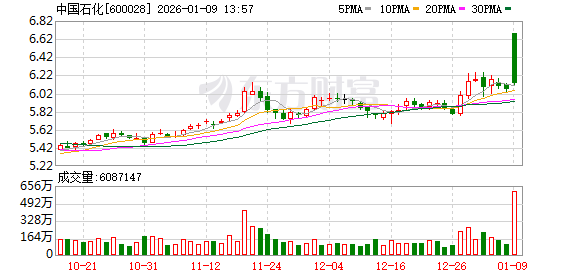
Core Viewpoint - The restructuring of China Petroleum & Chemical Corporation (Sinopec) and China Aviation Oil Group (China Aviation Oil) is expected to enhance the competitiveness of China's aviation fuel industry and promote a green and low-carbon transition in the aviation sector [2][4]. Group 1: Company Overview - Sinopec is the world's largest refining company and China's largest aviation fuel producer, covering the entire energy industry chain including oil and gas exploration, refining, and equipment manufacturing [4]. - China Aviation Oil is Asia's largest integrated aviation fuel supply chain company, involved in procurement, transportation, storage, testing, sales, and refueling services [4]. Group 2: Strategic Implications - The merger is anticipated to lower aviation fuel supply costs and create a synergistic effect between refining and aviation fuel sectors, avoiding homogeneous competition [4][5]. - The restructuring aligns with the national strategy to optimize state-owned enterprises and enhance their core competitiveness, potentially leading to further professional integration across various sectors [5][6]. Group 3: Environmental Considerations - The partnership is expected to accelerate the commercialization of sustainable aviation fuel (SAF), aiding the aviation industry in achieving carbon reduction goals [5]. - The focus on low-carbon development in the civil aviation sector is increasingly important in response to global climate change, with SAF being a key measure for carbon emission reduction [4][5]. Group 4: Future Outlook - Future central enterprise restructuring will prioritize enhancing core competitive capabilities rather than merely increasing asset size, focusing on resilience and security in supply chains [6]. - The integration will likely delve into specific critical segments of the industry and high-end niche markets, fostering an open and collaborative industrial ecosystem [6].


苏州造“超级显微镜”启用 可看清原子级结构
Ren Min Wang· 2026-01-09 04:35
Core Viewpoint - The first domestically produced commercial 200kV transmission electron microscope has been launched in Jiangsu Province, marking a significant advancement in China's high-end electron microscopy capabilities [1] Group 1: Product Development - The device was developed by Suzhou Bozhong Instrument Technology Co., Ltd., filling a gap in the domestic market for high-end transmission electron microscopes at the 200kV level [1] - The microscope is capable of magnifying objects up to one million times, allowing for direct observation of atomic-level structures [1] Group 2: Technical Specifications - The lattice resolution of the device reaches 0.1 nanometers, enabling the observation of material details that are one hundred thousand times finer than a human hair [1] - The core performance indicators of this microscope are comparable to mainstream foreign equipment in the industry [1] Group 3: Industry Impact - This advancement is expected to benefit key research areas such as semiconductors, new materials, and life sciences, providing a "Chinese eye" for critical research [1]
数读中国 开年政策密集部署 稳增长惠民生齐发力
Ren Min Wang· 2026-01-09 03:14
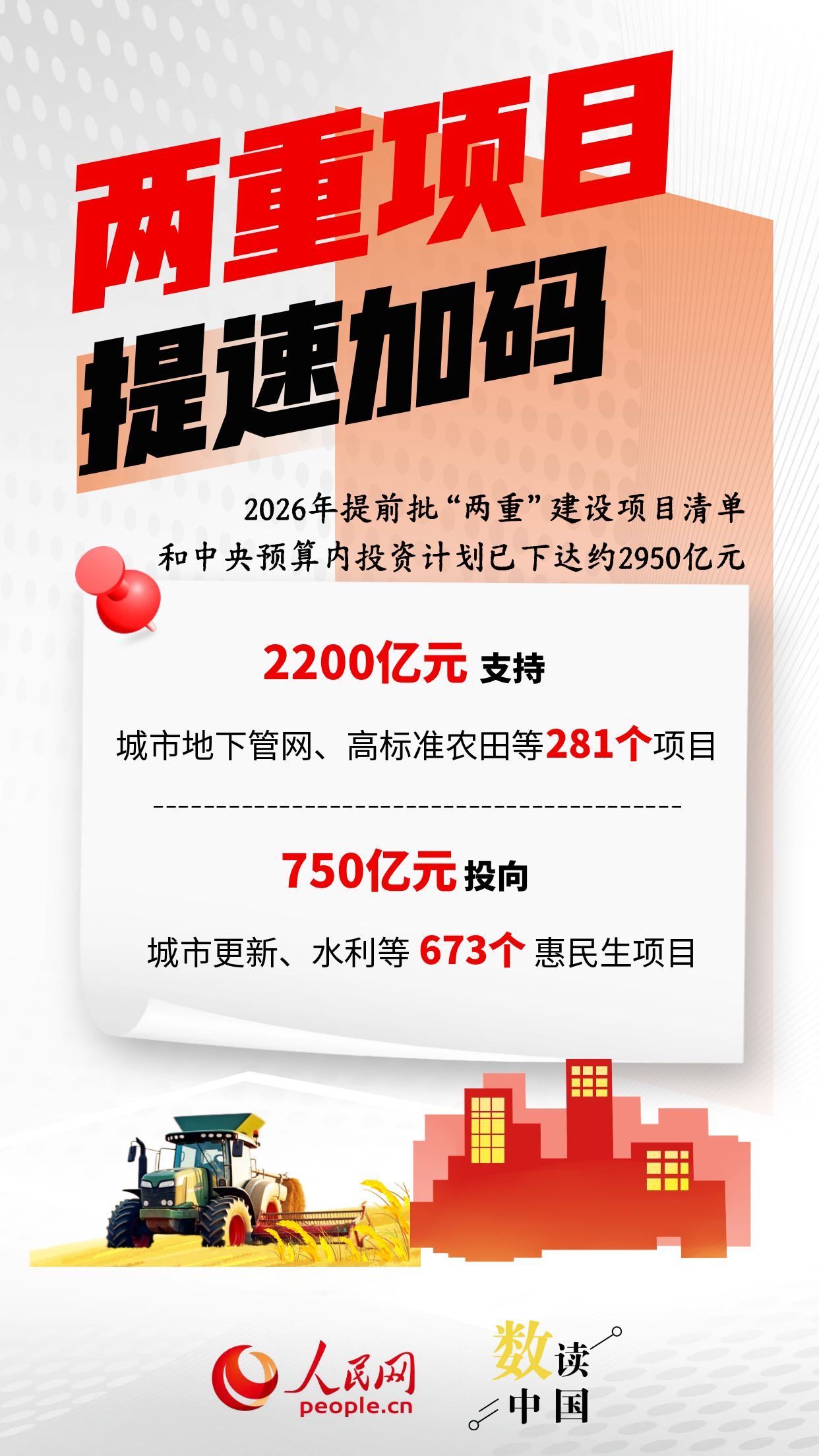
Group 1 - A series of policies aimed at stabilizing growth, promoting consumption, strengthening industries, and improving livelihoods were released around New Year's Day 2026, indicating a proactive approach to economic development [1] - The first batch of 625 billion yuan in ultra-long-term special government bonds has been allocated to support the consumption of old products, aligning with the peak consumption seasons of New Year's Day and Spring Festival [7] - The government is implementing a subsidy program for the replacement of old consumer goods, including a 12% subsidy for new energy passenger vehicles with a maximum of 20,000 yuan, and a 10% subsidy for fuel vehicles with a maximum of 15,000 yuan [11][12] Group 2 - The subsidy program also includes a 15% subsidy for essential household appliances, with a maximum of 1,500 yuan per item, focusing on products such as washing machines, televisions, air conditioners, and refrigerators [14] - The scope of digital subsidies has been expanded to include smart devices like tablets and smart home products, with a maximum subsidy for items priced at 6,000 yuan or less [20] - In 2026, policies will continue to support equipment upgrades and renovations, with subsidies extending to areas such as the installation of elevators in old residential communities and support for elderly care institutions [21]
海南自贸港零碳园区建设联盟成立
Ren Min Wang· 2026-01-09 02:42
据介绍,联盟的成立,旨在打破传统"单点突进"的发展模式,通过构建一个集"产、学、研、金、用"于 一体的开放协作、合作共赢的产业生态平台,深化政策对接与技术转化,助力海南自贸港零碳园区规模 化建设与可复制经验的输出。 据悉,随着联盟正式启动,宁德时代将进一步整合产学研用资源,与联盟成员共同形成技术专利池,推 动制定海南自贸港零碳园区相关的地方标准、团体标准乃至行业标准,使联盟成员从技术跟随者转变为 规则制定者,为"一带一路"沿线热带国家,特别是东南亚、南太平洋等气候相似地区提供可复制推广 的"海南方案"。 当前,能源转型已成为全球共识与必然趋势,作为对外开放的新高地和国家生态文明试验区,海南省在 我国推进绿色低碳高质量发展的过程中担任着"先行者"角色。 1月6日,海南自贸港零碳园区建设联盟(以下简称"联盟")启动会在海口市举行。活动同期发布了《海 南自贸港零碳园区建设联盟章程》及《海南自贸港零碳园区建设白皮书》(以下简称"白皮书"),将为 海南省系统化推进零碳园区建设提供行动指引。据悉,此次联盟由宁德时代新能源科技股份有限公司牵 头,联合43家单位共同发起。 随着能源转型已成为全球发展的核心议题,中国正加速推进 ...

第三篇钟才平,来了
Ren Min Wang· 2026-01-09 01:50
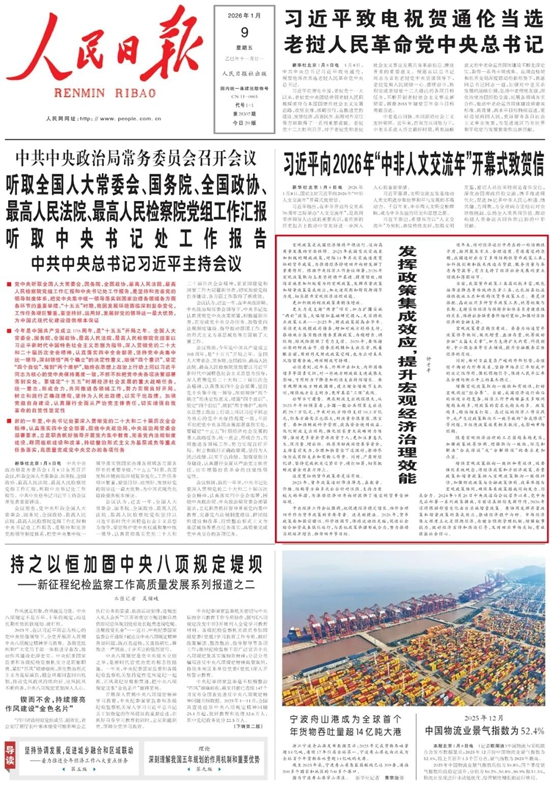
Core Viewpoint - The article emphasizes the importance of integrated macroeconomic policies to enhance governance effectiveness and support China's economic stability and high-quality development [3][4]. Group 1: Macroeconomic Policy - Macroeconomic policies are crucial for maintaining stable economic operations and achieving high-quality development in China [3]. - In 2025, China will implement a more proactive fiscal policy and a moderately loose monetary policy for the first time in 14 years, which will significantly aid in economic recovery [3][4]. - The 2026 macroeconomic policy will focus on stability and quality improvement, continuing to implement proactive policies and enhancing counter-cyclical and cross-cyclical adjustments [3][4]. Group 2: Fiscal Policy - The fiscal policy in 2025 will increase the deficit ratio and issue a larger scale of government bonds, supporting local governments and addressing hidden debt replacement policies [4]. - There is a need to enhance local fiscal capacity and establish mechanisms for increasing revenue and reducing expenditure to ensure basic public services [4][5]. - The total public budget expenditure for 2025 is projected to reach 29.7 trillion yuan, with 1.03 trillion yuan allocated for transfers to local governments [5]. Group 3: Monetary Policy - The monetary policy in 2025 will include timely reductions in reserve requirements and interest rates, providing a favorable financial environment for economic recovery [6]. - The central economic work conference highlights the importance of stabilizing economic growth and ensuring reasonable price recovery as key considerations for monetary policy [6]. - A variety of monetary policy tools will be utilized flexibly to support the real economy while maintaining financial system health [6][7]. Group 4: Policy Coordination - Effective macroeconomic governance requires a focus on the consistency and effectiveness of policies, integrating economic and non-economic policies [8][9]. - There is a need to strengthen the coordination between fiscal and monetary policies to ensure that various measures work in concert to stabilize the economy [9]. - The article stresses the importance of managing expectations and enhancing narrative capabilities to boost social confidence in the economy [9].
追求高质量、可持续的发展
Ren Min Wang· 2026-01-09 01:39
本报记者 禹伟良 陆娅楠 唐露薇 荆江水,连天下,九曲回肠到石首。 周末晌午,太阳正好,四季爱水的石首人,会漫步江湾。 "没得总书记讲话,没得10年前那张'天价罚单',就没得九曲湾的今天。"江湾边,朱松柏迎来一天中最 开心的时刻。 退休前,老朱是楚源集团职工。这几年,他眼看着堆满砂石料的乱石滩,变成石首老少的亲水乐园。 "生在长江边,不见得懂长江水。拐过这个弯,心通透了,江清亮了,蛮好!" 急弯变暖弯,推动长江经济带发展座谈会是重要转折点。 2016年1月5日,习近平总书记在重庆召开推动长江经济带发展座谈会,"共抓大保护,不搞大开发""走 生态优先、绿色发展之路"举旗定向,绿色发展开始成为长江经济带主旋律。 湖北省明确提出,着眼长江全流域,跳出湖北看长江,树立"上游意识",扛起"上游担当",宁可不进 位,也不要"带污染的GDP"。 以楚源接受"天价罚单"停产整治为契机,石首市党员干部树立和践行正确政绩观,开启一场推动绿色发 展的新实践。 洲滩万亩芦苇:"荒野弃儿"变"资源宠儿" 政绩观体现发展观。新时代政绩观是落实新发展理念、推动高质量发展的政绩观 石首洲滩,万亩芦苇,一度让石首人"两难"。 芦苇净化水质、涵 ...
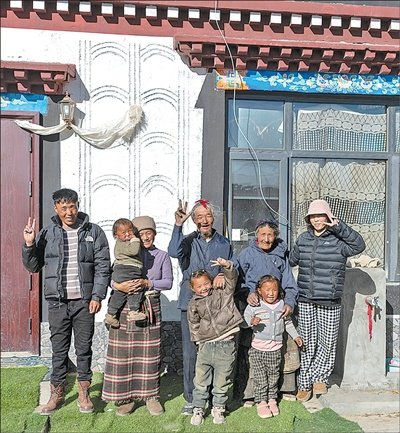
新生命 新希望(记录中国)
Ren Min Wang· 2026-01-09 01:34
新华社记者 姜 帆摄影报道 1月5日,次仁拉姆(左三)和家人在新居前合影。 震后3天,有关部门迅速启动灾后恢复重建总体方案编制;3月初,灾后重建启动。当记者2025年10月再 次见到次仁拉姆时,她的新家已建成交付,她也再次怀孕,预产期在12月。"小孩出生的时候,我们就 已经住进新房子了。"她满怀希冀地说。 如今,地震灾难过去一年,次仁拉姆的小女儿央金拉姆出生已满一个月,而地震时她抱在怀里一个多月 大的婴儿格桑巴宗已经可以下地跑了。新居、新生命给家庭带来新希望。 1月5日,次仁拉姆怀抱已满月的女儿央金拉姆。 1月5日,次仁拉姆在新居中陪大女儿玩耍。 西藏定日县长所乡通来村,年轻的母亲次仁拉姆在2025年1月7日的6.8级地震中失去了一个3岁的孩子。 ...

深刻理解我国五年规划的作用机制和重要优势(深入学习贯彻习近平新时代中国特色社会主义思想)
Ren Min Wang· 2026-01-09 01:27
Core Viewpoint - The article emphasizes the importance of the Five-Year Plan in guiding China's economic and social development, highlighting its evolution from a directive plan under a planned economy to a strategic framework in a socialist market economy, which reflects the country's political advantages and strategic intentions [1][22]. Consensus Mechanism - The consensus mechanism aims to create widely accepted plans and goals, enhancing participation from various stakeholders in the planning process [1]. - It involves a systematic approach to gather opinions from multiple parties, including government departments, experts, and the public, to ensure that the planning reflects diverse interests and needs [2][3]. Scientific Consensus - Scientific consensus is crucial for effective planning, requiring respect for natural, economic, and social laws, and involves extensive research and expert consultations to inform planning decisions [2]. - The National Development and Reform Commission has conducted over 200 major research projects to support the formulation of the "14th Five-Year Plan," resulting in substantial documentation and insights [2]. Political Consensus - Political consensus is achieved through the involvement of various stakeholders in the planning process, ensuring that the planning reflects the interests of different groups and enhances the quality of the plan [3]. - The central leadership, including Xi Jinping, plays a significant role in guiding the planning process, ensuring that it aligns with national development goals [3]. Social Consensus - Social consensus is built by actively soliciting input from the public and various social groups, making the planning process more inclusive and reflective of societal needs [5]. - The "14th Five-Year Plan" involved extensive public engagement, receiving over 3 million suggestions from citizens, which were incorporated into the planning process [5]. Guiding Mechanism - The guiding mechanism clarifies the direction of stakeholder actions and resource allocation, aligning them with national strategic goals [7]. - It emphasizes the importance of public knowledge dissemination to shape societal expectations and encourage active participation in the planning process [7][8]. Balancing Mechanism - The balancing mechanism addresses key relationships, such as government versus market, domestic versus international, and short-term versus long-term, to enhance coordination and sustainability in development [14][15]. - It aims to ensure that economic growth is balanced with ecological protection and social equity, reflecting a comprehensive approach to national development [18][19]. Regional Development Strategy - The article discusses the importance of regional development strategies, such as the coordinated development of major regions, to address disparities and promote balanced economic growth across different areas [20]. - It highlights initiatives like the Beijing-Tianjin-Hebei integration and the Yangtze River Economic Belt as examples of strategic regional planning [20]. Conclusion - The Five-Year Plan serves as a critical tool for China's sustained economic growth and social stability, demonstrating a unique approach to governance that combines market efficiency with government oversight [22]. - The ongoing evolution of the planning mechanism reflects China's commitment to adapting its strategies to meet both domestic and global challenges [22].