Xiao Fei Ri Bao Wang

Search documents
中欧班列:“钢铁驼队”跑出消费升级“加速度”
Xiao Fei Ri Bao Wang· 2025-08-28 02:41
Core Insights - The China-Europe Railway Express has become a vital link for international trade, facilitating the export of Chinese goods and the import of high-quality European products, thus serving as a "golden channel" for connecting markets [1][2][3] Group 1: Operational Performance - As of August 26, the China-Europe Railway Express has operated 450 trains this year, marking a historical high for the same period, with over 47,000 TEUs transported, reflecting a year-on-year increase of 10,500 TEUs, or 28.8% [1] - The "East Corridor" of the China-Europe Railway Express saw over 2,000 trains in the first five months of 2025, accounting for 26.3% of the national total, with return trains making up 31.9% [1] - Cumulatively, over 110,000 trains have been operated, with a total cargo value exceeding $450 billion, and the range of transported goods has expanded to over 53 categories and more than 50,000 types, with high-value items like automotive parts and machinery increasingly dominating the cargo mix [1] Group 2: Consumer Impact - The efficiency of the China-Europe Railway Express benefits ordinary consumers by providing imported goods such as German milk, French wine, and Italian coffee at competitive prices, breaking the stereotype of high-priced products at train stations [2] - The establishment of a global supply chain network with 11 regular routes covering over 30 countries and 130 cities has enabled low-cost and efficient delivery of goods to consumers [2] Group 3: Economic Transformation - The China-Europe Railway Express is reshaping regional economic structures, with cities like Xi'an and Zhengzhou leveraging the railway to create "hub economies" that translate imported goods into tangible benefits for local residents [3] - The railway has evolved from a mere transportation channel to an "economic corridor," allowing Chinese consumers to access higher-quality products at lower prices and enabling Chinese enterprises to engage more effectively in global division of labor [3] - The initiative aligns with the Belt and Road Initiative, transforming it from a vision into reality, and fostering new expectations for improved living standards among the populace [3]
传统陶瓷行业如何“碳”索新路
Xiao Fei Ri Bao Wang· 2025-08-27 03:56
Core Viewpoint - The Chinese ceramics industry is at a critical juncture for green development, driven by technological innovation and a focus on low-carbon practices, contributing significantly to carbon reduction goals [1][2]. Group 1: Industry Transformation - The ceramics industry is undergoing a transformation towards green, energy-efficient, and high-quality development, with annual carbon reductions of approximately 10 million tons and an average annual decrease of 3.5% [1]. - The shift from coal to natural gas has accelerated, with natural gas usage in the ceramic tile sector reaching 58%, a 20 percentage point increase from 2022 [2]. - The promotion of electric kilns in regions with abundant electricity resources is expanding, with a 10 percentage point increase in the use of electric kilns in daily ceramics compared to 2022 [2]. Group 2: Technological Innovations - The introduction of electric kilns at Guangdong Yachengde Industrial Co., Ltd. has improved temperature control accuracy and reduced production costs by approximately 15%, enhancing product quality [3]. - The world's first zero-carbon ammonia-hydrogen combustion technology demonstration line was launched in Foshan, capable of producing 1.5 million square meters annually, eliminating CO2 emissions [4]. - Guangdong Weimei Ceramics Co., Ltd. has developed a green low-carbon manufacturing system that reduces resource consumption and waste emissions while improving product quality [5]. Group 3: Circular Economy and Waste Utilization - Hunan Hualian Ceramics Co., Ltd. has successfully developed a technology for 100% recycling of waste ceramics, transforming waste into high-value products [6]. - The establishment of recycling facilities in Chaozhou has enabled effective waste ceramic processing, contributing to a circular economy within the industry [6][7]. Group 4: Green Product Development - The development of green low-carbon translucent porcelain tiles by Guangdong Xinghui Ceramics Group has gained significant market recognition, with R&D investments exceeding 72.3 million yuan since 2021 [8]. - The introduction of graphene heating tiles by Marco Polo Holdings Co., Ltd. offers energy-efficient heating solutions, showcasing the industry's commitment to innovative green products [9]. - The ceramics industry is building a comprehensive innovation system encompassing green energy, production, materials, and products, significantly reducing environmental impact and supporting the low-carbon transition in the construction sector [9].

避暑消费激活夏日经济
Xiao Fei Ri Bao Wang· 2025-08-27 03:49
Group 1 - The "cool economy" has emerged as a significant driver of summer consumption, transforming the way consumers engage with various industries such as transportation, accommodation, dining, and retail [1][2] - The search volume for "cooling" related keywords increased by over 300% since July, indicating a strong consumer interest in summer vacation destinations known for their cooler climates [1] - Cities like Guiyang, Liupanshui, and Weining have successfully leveraged their unique climate resources to attract tourists, leading to a surge in bookings and occupancy rates [2] Group 2 - The integration of climate resources with cultural and tourism initiatives has created new economic opportunities, exemplified by Weining's high occupancy rates and significant sales growth in local products [2] - The summer economy is viewed as a "golden period" for consumption, with the potential for growth in the cooling consumption sector, driven by the demand for health, leisure, and quality living [2] - The shift from summer cooling to a year-round "cool economy" reflects an evolution in consumer behavior and industry innovation, emphasizing the need for improved industry chains and enhanced consumer experiences [3]
儿童彩妆需求增长 要“颜值”更要品质
Xiao Fei Ri Bao Wang· 2025-08-27 03:43
本报记者 赵 曦 □ 黄芷凌 据头豹研究院报告,"85后""90后"妈妈已成为主动给孩子购买彩妆产品的主力人群。《报告》也指出, 年轻一代父母更注重孩子的个性化表达与审美培养,他们认为让孩子适度使用彩妆,有助于提升自信 心,培养创造力和社交能力。 日前,国家药监局发布数据,截至6月底,儿童普通化妆品备案28168个品种,其中国产27219个,进口 949个;儿童特殊化妆品注册427个品种,其中国产406个,进口21个。另据《儿童彩妆安全与发展白皮 书》(以下简称《报告》)统计,我国儿童彩妆市场规模从2019年的超100亿元增长至2024年的200亿 元,年复合增长率超过20%,预计2025年将达到240亿元。 随着家长理念的转变,儿童彩妆的使用场景正从舞台表演扩展至节日送礼等多种场合。这一变化也为市 场带来新的发展空间,吸引更多品牌布局儿童彩妆领域。婴童护理品牌红色小象捕捉到儿童彩妆市场空 白,率先推出相关产品。例如,"宇宙奇趣彩妆礼盒"以充满童趣的迷你行李箱作为包装,内含眼影、高 光、腮红等16款产品,截至今年1月,在天猫平台售出超52万盒。 记者调查发现,当前儿童彩妆需求呈现出效果个性化、场景多样化的特点 ...
告别“萤火虫”模式 光伏照明认证推动行业洗牌
Xiao Fei Ri Bao Wang· 2025-08-27 03:43
Core Viewpoint - The Chinese solar photovoltaic lighting industry is making significant strides in standardization and certification, with five companies receiving the first batch of "Home Solar Photovoltaic Lighting Product Certification" at the 2025 China Lighting Electrical Industry Standard Quality Conference [1][2]. Industry Overview - The lighting industry is undergoing a transformation towards high quality, green, and intelligent products, driven by domestic market demand and the "dual carbon" strategy [2][6]. - Solar lighting products, particularly solar courtyard lights and landscape lights, are gaining popularity due to their ease of installation and environmental benefits [2][6]. Certification and Standards - The China Lighting Electrical Association released a group standard in October 2024 to regulate the solar lighting market, addressing issues like capacity misrepresentation and low-quality components [2][5]. - The standard requires products to pass tests on illumination duration, energy maintenance, and reliability, promoting the elimination of low-quality products and the adoption of efficient solar products [2][5]. Technical Challenges - Companies face challenges in meeting the standard's requirement for "full charge illumination time," which mandates that products maintain at least 70% initial luminous flux for over six hours [3][4]. - Innovations in technology, such as adaptive voltage and current control algorithms, are being implemented to enhance product performance and user experience [3][4]. Market Dynamics - The solar lighting market is projected to exceed 10 billion yuan by 2025, with significant growth in both domestic and international markets, particularly in regions with limited electricity access [6][7]. - In 2024, China's solar lighting product exports reached approximately $1.8 billion, a 35% increase year-on-year, indicating strong international demand [6][7]. Consumer Trust and Brand Value - Certification enhances consumer trust and market competitiveness, as certified products are perceived to meet industry standards and offer higher reliability [7][8]. - Companies report increased sales and market opportunities due to certification, with some expecting a 100% year-on-year sales increase [7][8]. Future Outlook - The certification process aims to correct consumer expectations and promote green consumption, driving the industry towards high-quality development [9]. - Continuous post-certification supervision will be implemented to ensure compliance and prevent superficial adherence to standards [9].


亡羊补牢 重塑“中华玉都”品牌形象
Xiao Fei Ri Bao Wang· 2025-08-27 03:23
Core Viewpoint - The recent exposure of counterfeit jade sales in live streaming from Shifo Temple in Henan has raised public concern, highlighting the need for a constructive approach to promote healthy industry development while addressing serious issues [1] Group 1: Incident Overview - The incident involved a few live streamers who engaged in fraudulent activities such as forging certification and fabricating origins, which not only violated market rules but also legal boundaries [1] - The local government has taken swift action by forming a joint investigation team, controlling the involved individuals, shutting down illegal live streaming rooms, and initiating a comprehensive market cleanup [1] Group 2: Industry Context - Shifo Temple is recognized as a benchmark for Chinese jade culture, housing nearly 400,000 practitioners and achieving annual sales exceeding 50 billion yuan, with a complete industry chain from raw material procurement to end sales [2] - The market is well-planned with distinct professional zones, effectively preventing the mixing of genuine and counterfeit products, and local merchants adhere to the "jade virtue" tradition by transparently informing customers about product attributes [2] Group 3: Regulatory Recommendations - There is an urgent need for collaborative efforts to address regulatory gaps, including establishing a regular inspection mechanism focusing on qualification reviews, promotional language, and authenticity of certification in live streaming [1][2] - The industry association should play a guiding role by creating a credit archive for live streamers and implementing industry bans for violators [1][2] Group 4: Opportunities for Improvement - The incident serves as a wake-up call for the jade industry, presenting an opportunity to reshape its image through initiatives like "Quality Jade Campaign" and establishing official flagship stores on e-commerce platforms [3] - Live streaming platforms must enhance their responsibilities by implementing AI technology for monitoring false advertising and improving consumer protection channels [4] Group 5: Consumer Awareness - Consumers are advised to remain vigilant when purchasing jade, prioritizing products with "Shanping Jade Traceability Certification" and requesting authoritative certification from recognized institutions [4] - The development of the jade industry is likened to the process of refining a raw gem, suggesting that with collective efforts, the "Jade from Zhenping" brand can regain its luster [5]
从家族作坊到上市公司:汾酒百年跋涉书写中国酒业现代化范本
Xiao Fei Ri Bao Wang· 2025-08-27 03:23
Core Viewpoint - The article highlights the origins and evolution of modern corporate governance in China, particularly through the example of Shanxi Jin Yu Fen Jiu Company, which established a modern corporate structure and brand awareness in the Chinese liquor industry [4][12][21]. Group 1: Historical Context - The modern corporate system in China can trace its roots back to the Jin merchants in Shanxi, who created advanced commercial rules and credit systems over 500 years [3][12]. - The establishment of Shanxi Jin Yu Fen Jiu Company in 1919 marked a significant milestone as the first joint-stock company in the Chinese liquor industry, showcasing clear separation of ownership and management [4][10]. Group 2: Corporate Governance - Jin Yu Fen Jiu Company implemented a modern governance structure with a clear hierarchy, including roles such as general manager and various managerial positions, enhancing operational efficiency [7][11]. - The company established a "three-three system" for employee compensation, which included monthly salary, bonuses, and incentives, promoting a performance-driven culture [11]. Group 3: Brand Development - The company demonstrated early brand awareness by exclusively selling its products through Jin Yu Company, indicating an understanding of brand control and market channels [13]. - The introduction of the first legally protected trademark in the Chinese liquor industry, featuring a design based on a full ear of sorghum, marked the beginning of brand-oriented operations [21]. Group 4: Challenges and Resilience - The company faced significant challenges during the Second Sino-Japanese War, yet it managed to maintain its brand and operations, reflecting resilience in difficult times [23]. - Following the establishment of the People's Republic of China, the company transitioned into a state-owned enterprise, preserving its legacy and core competencies [23][26]. Group 5: Modern Developments - In 2019, Jin Yu Fen Jiu Company achieved overall listing, becoming a benchmark for state-owned enterprise reform in China, demonstrating its evolution from a traditional workshop to a modern corporate entity [28]. - The company has set ambitious goals for the future, aiming to position itself among the top players in the Chinese liquor industry by 2025, focusing on national expansion and brand modernization [29][32].


辣椒十大新优品种揭晓 产业创新再升级
Xiao Fei Ri Bao Wang· 2025-08-27 03:23
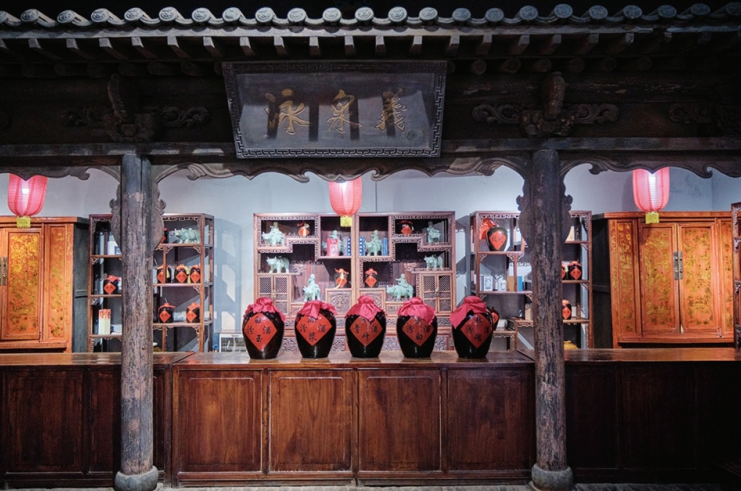
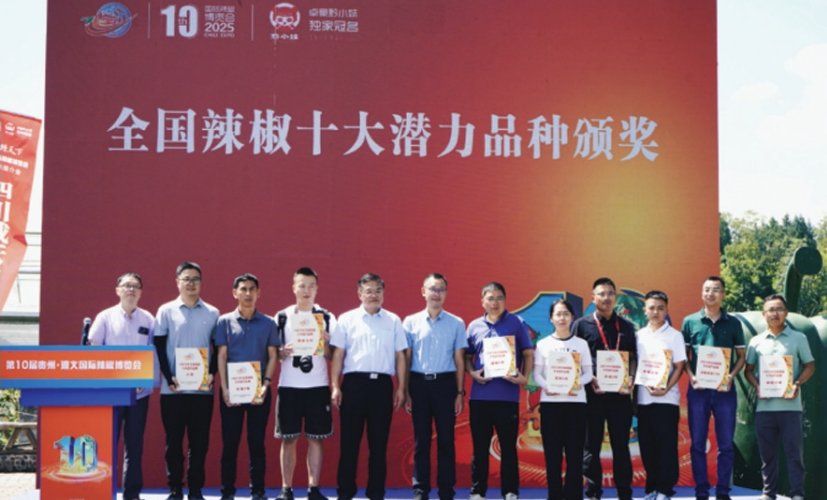
Core Insights - The 10th Guizhou Zunyi International Chili Pepper Expo opened on August 18, showcasing the "Top Ten New Chili Varieties" for 2025 and facilitating a technology exchange conference for chili cultivation [1][4][9] Group 1: Chili Pepper Varieties - The evaluation of the "Top Ten New Varieties" and "Top Ten Potential Varieties" attracted participation from 65 seed companies and research institutions, with a total of 610 chili varieties submitted for assessment [4][6] - The new top varieties include "Yan Jiao 548" from Chongqing Keguang Seedling Co., "Zhuo Jiao No. 12" from Guizhou Zhuohao Agricultural Technology Co., and "Yi Jiao No. 1" from Zunyi Agricultural Science Institute, among others [4][6] Group 2: Industry Development - Guizhou Province is advancing towards becoming a "World Chili Processing Trade Base," with significant progress in chili planting, processing enterprises, and market systems [6][9] - The province's chili planting area and output value rank among the top in the country, with the establishment of the "China Chili City" in Zunyi, facilitating a market circulation system for chili [6][9] Group 3: Technology and Market Integration - The second Chili Variety Display and Technology Exchange Conference aimed to enhance regional chili production levels and promote the development of the chili industry in China [4][8] - The event featured over 600 chili varieties, with experts and representatives discussing innovations and strategies for the chili industry, emphasizing the importance of technology and market integration for future growth [8][9]
浙江千岛湖探索“演艺+直播”文旅融合新路径
Xiao Fei Ri Bao Wang· 2025-08-27 03:23
Core Viewpoint - The integration of live streaming and cultural tourism is creating new opportunities for economic growth and enhancing local tourism experiences in China, particularly in areas like Qiandao Lake, where the "Live Streaming Stage" project is being implemented [2][4]. Group 1: Live Streaming and Cultural Tourism Integration - The "Live Streaming Stage" project, led by platforms like Kuaishou, has launched over 2000 stages across 31 provinces and 200 cities, becoming a new highlight for urban cultural tourism and night economy [2][3]. - Qiandao Lake is leveraging its natural beauty and cultural resources to adopt the "performance + live streaming" model, injecting new vitality into the local tourism industry [2][4]. - The model not only attracts online viewers but also enhances offline experiences, creating a vibrant atmosphere that encourages local consumption [3][4]. Group 2: Economic Impact and Visitor Engagement - The "Live Streaming Stage" serves as a bridge connecting online traffic with offline consumption, significantly boosting local businesses and enhancing the night economy [3][4]. - The presence of live performances increases foot traffic to nearby markets, benefiting local vendors and creating a lively environment for visitors [3][5]. - A single live streaming event can attract millions of online viewers, significantly increasing awareness and interest in local attractions, as evidenced by a recent event that drew over 4.8 million viewers [5]. Group 3: Broader Economic Context - In 2023, the cultural and related industries contributed 59,464 billion yuan to China's GDP, while tourism and related industries added 54,832 billion yuan, highlighting the growing importance of the cultural tourism sector [4][5]. - The integration of live streaming into cultural tourism is seen as a key tool for enhancing economic growth and promoting local identities, aligning with national strategies for rural revitalization and regional development [5].
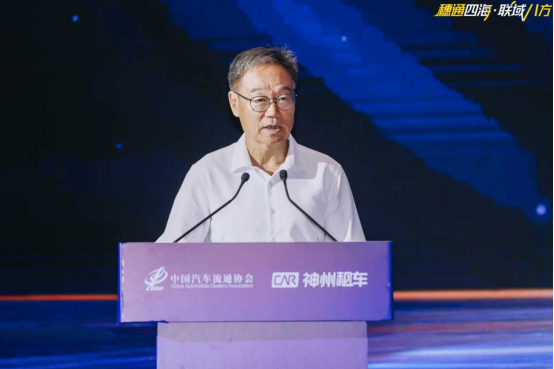
神州租车承办首届中国二手车出口大会:以生态之力,让“中国二手车”走向全球
Xiao Fei Ri Bao Wang· 2025-08-26 09:37
Core Insights - The 2025 China Used Car Export Ecological Conference was held in Guangzhou, focusing on the development of China's used car export industry, with participation from various stakeholders including government representatives and industry leaders [1][2] - Shenzhou Car Rental, a leading domestic car rental company, has launched its used car export services and initiated the establishment of a "Used Car Source Export Working Group" to promote a new phase of ecological, standardized, and branded development in the used car export sector [1][2][3] Industry Overview - China's used car export market is experiencing unprecedented opportunities, with export volumes surpassing 400,000 units in 2024, covering over 160 countries and regions [2] - The current period is characterized as a golden opportunity due to favorable policies and market growth, supported by a vehicle ownership of over 400 million and a mature supply chain [2] Company Initiatives - Shenzhou Car Rental has established 29 domestic used car centers and 6 overseas direct sales offices, covering 4,000 vehicles available for sale across more than 30 countries in regions such as the Middle East and Latin America [3][4] - The company emphasizes the importance of reliable vehicle sources and transparent information to enhance global competitiveness, shifting focus from price advantages to brand trust [4] Collaborative Efforts - The "Used Car Source Export Working Group" was officially launched, comprising 23 manufacturers, 7 financial leasing institutions, and various rental and distribution companies, aiming to integrate resources and enhance collaboration in the used car export sector [8][10] - The working group will focus on establishing vehicle standards, ensuring product transparency, and building a comprehensive overseas service system to support sustainable export operations [10][12]