Xiao Fei Ri Bao Wang

Search documents
村咖热潮涌动 新业态激活振兴动能
Xiao Fei Ri Bao Wang· 2025-07-29 02:40
Core Insights - The rise of rural coffee shops, or "village cafes," is transforming rural development by merging coffee culture with local agricultural products, creating new economic opportunities and enhancing the rural tourism experience [1][5] Group 1: Industry Growth and Impact - Village cafes are rapidly gaining popularity as unique destinations for urban dwellers seeking relaxation and a connection to nature, contributing to rural revitalization [1][2] - In Beijing, as of February 2025, there are 209 village cafes with an annual visitor count of 3.615 million and revenue of 62.96 million yuan, showcasing significant economic impact [2] - In Anji, Zhejiang, over 300 village cafes attract more than 6.15 million visitors annually, generating a distinctive industry scale of 121 million yuan [2] Group 2: Innovative Business Models - Various innovative business models are emerging, such as "village cafe + homestay," which combines accommodation with leisure experiences, enhancing visitor engagement [3] - The "village cafe + farm" model integrates agricultural production with cafe operations, exemplified by a farm in Hangzhou generating over 3 million yuan in annual revenue [3] - The "village cafe + intangible cultural heritage" model incorporates local cultural experiences, enriching the visitor experience while promoting traditional arts [4] Group 3: Challenges and Solutions - The village cafe industry faces challenges such as severe scene homogenization, professional talent shortages, seasonal visitor fluctuations, and high logistics costs [5][6] - Experts suggest that government policies should support village cafes through rent subsidies and tax incentives, while also establishing industry standards to ensure quality [6] - Strengthening regional resource integration and collaboration with local tourism entities can enhance the visitor experience and promote differentiated competition [6]
沉浸式文旅何以成为旅游消费新趋势
Xiao Fei Ri Bao Wang· 2025-07-29 02:40
Core Insights - The rise of "immersive cultural tourism" is becoming a significant path for the transformation and upgrading of the cultural tourism industry, shifting from traditional sightseeing to experiential engagement [1][2] - Tourists are increasingly seeking to participate in creative activities during their travels, leading to a stronger cultural experience and emotional connection [1][2] - The growth of immersive experiences, such as DIY projects, is driving the development of related industries, including accommodation, dining, logistics, and cultural products [1] Industry Trends - Immersive experiences are rapidly increasing in popular tourist destinations, with projects like pottery making in Jingdezhen and silk weaving in Suzhou attracting many young people and families [1][2] - The shift from being mere spectators to co-creators in tourism reflects a change in the supply logic of the cultural tourism industry, emphasizing participation and creativity [1][2] - The development of immersive cultural tourism is breaking the time constraints and consumption bottlenecks of traditional sightseeing, leading to longer stays and a more integrated industry chain around experiences [1] Cultural Heritage and Innovation - This model provides a practical avenue for the transmission and transformation of intangible cultural heritage, allowing tourists to engage with and learn traditional crafts [2] - Various forms of immersive experiences, such as immersive theater and historical scene experiences, are maturing and providing multi-sensory cultural immersion [2] - The tourism product landscape is evolving from single-point services to systematic constructions, expanding from singular consumption to multi-dimensional value extensions [2] Challenges and Solutions - The development of immersive cultural tourism faces challenges such as inadequate infrastructure, inconsistent service standards, and a lack of innovation in content [2][3] - To promote sustainable development, it is crucial to improve supporting services and standards, delve into local cultural resources, and encourage collaborative development across tourism, culture, education, and e-commerce [3] - Immersive cultural tourism is not merely about hands-on activities; it effectively connects traditional culture, local industries, and modern demands, reshaping tourism scenes and expanding cultural transmission boundaries [3]
三大目标引领产业升级 工美博览新约再续
Xiao Fei Ri Bao Wang· 2025-07-28 02:33
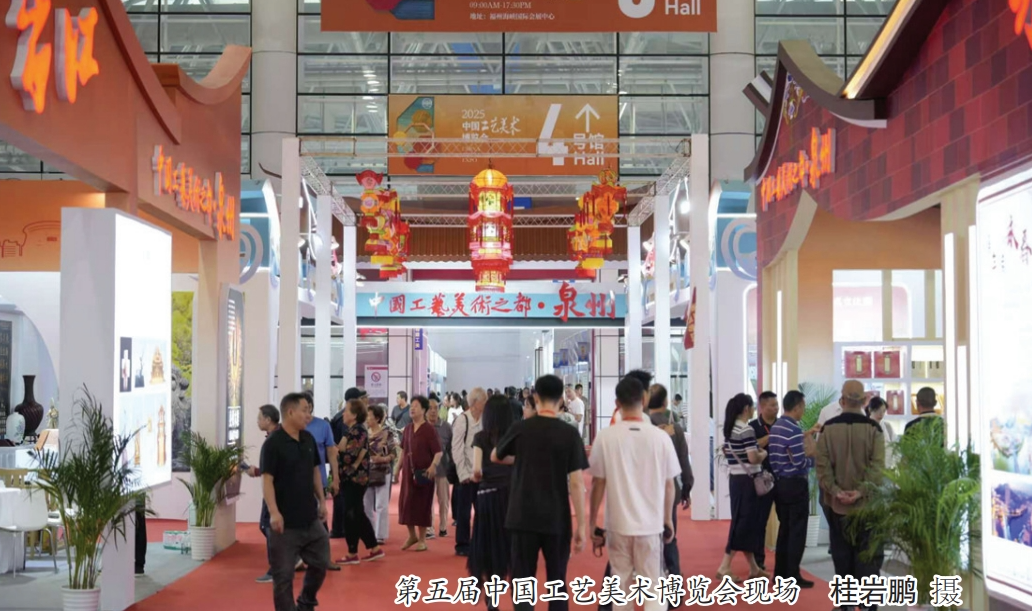
Core Viewpoint - The fifth China Arts and Crafts Expo (CACE2025) held from May 30 to June 2 in Fuzhou showcased over 120,000 exquisite works from more than 2,000 top craft enterprises and master studios, attracting 80,000 on-site visitors and 6.8 million online viewers, generating 145 million yuan in intended orders, highlighting the event's role as a platform for cultural exchange and industry growth [1][4][6]. Group 1: Mutual Learning and Cultural Exchange - The expo featured a diverse range of exhibits, including traditional crafts from various regions, fostering dialogue between northern and southern styles, exemplified by the Shanxi exhibition group showcasing "Yao-made Go boards" and the Yunnan group presenting unique ethnic crafts [4][5]. - The event served as a practical classroom for young artisans, with master craftsmen mentoring them on enhancing their work and engaging with audiences, ensuring the transmission of traditional skills [4][5]. - Educational institutions showcased innovative designs, such as 3D-printed ceramics and digital embroidery, indicating a strong connection between traditional crafts and modern technology [4][8]. Group 2: Economic Growth and National Strategy - The arts and crafts sector, generating over 3 trillion yuan in annual revenue and employing 13 million people, is positioned as a vital part of national strategy, with the expo acting as a catalyst for economic growth [6][8]. - The event successfully integrated sales channels, achieving approximately 30 million yuan in on-site transactions, with online pre-sales reaching 15.3 million yuan and live sales at 4.8 million yuan, demonstrating a significant boost in consumer engagement [6][8]. - The "Baihe Cup" design competition received over 2,800 entries, showcasing innovation in traditional crafts and reinforcing the commitment to quality and excellence in the industry [8]. Group 3: Promoting Chinese Craftsmanship Globally - The expo garnered extensive media coverage, with over 100 major outlets reporting and a total online readership exceeding 120 million, indicating a strong public interest in Chinese arts and crafts [9]. - Fuzhou, as the host city, highlighted its status as the "Capital of Chinese Arts and Crafts," with local crafts like Dehua porcelain integrating traditional techniques with modern technology to attract younger audiences [9]. - The event established a platform for showcasing the diversity and high standards of Chinese craftsmanship, facilitating its recognition both domestically and internationally [9][10]. Group 4: Future Prospects - The fifth expo concluded successfully, with plans for the sixth edition scheduled for May 29 to June 1, 2026, continuing to promote the creative transformation and innovative development of traditional crafts [10][11]. - The expo aims to bridge the gap between ancient techniques and contemporary practices, contributing to the cultural and industrial landscape of China [10].

户外灭蚊如何安全高效?专家称: 使用方法正确与否将直接影响灭蚊效果
Xiao Fei Ri Bao Wang· 2025-07-28 02:33
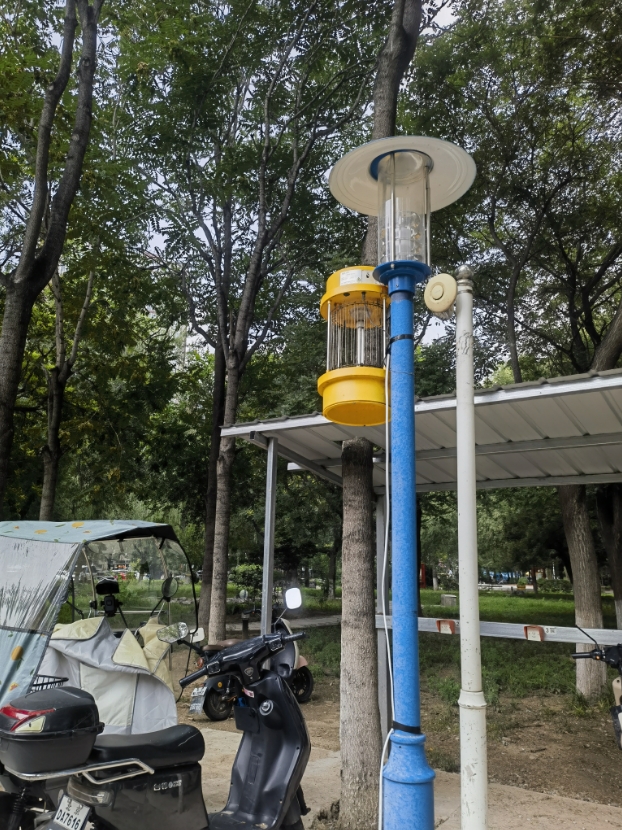
Core Viewpoint - The article discusses the increasing demand for mosquito control solutions, particularly the use of mosquito lamps, highlighting advancements in technology and the importance of product quality in the market [1][4][6]. Group 1: Mosquito Control Methods - The Chinese Daily Consumer Goods Industry Association suggests using physical methods like mosquito lamps for home and garden mosquito control [1]. - Various communities in Beijing have implemented mosquito lamps and breeding ground cleanup measures, achieving near mosquito-free standards [3]. Group 2: Market Trends and Innovations - The mosquito lamp market is evolving with features such as "smart," "bionic," and "silent" becoming mainstream selling points [4]. - A leading company in the household insecticide industry has developed a multi-dimensional trapping system using carbon dioxide and UVC-LED light waves, enhancing the effectiveness of mosquito lamps [4]. Group 3: Product Quality and Consumer Experience - There is a significant price range for mosquito lamps, from a few yuan to tens of thousands, leading to varying quality perceptions among consumers [6]. - A consumer survey indicated that 80% of mosquito lamps tested had a capture rate below the effective threshold of 70%, with an average capture rate of less than 20% [6]. Group 4: Recommendations for Consumers - The industry acknowledges the presence of quality discrepancies in mosquito lamps, influenced by factors such as light wavelength and lure composition [7]. - Consumers are advised to be cautious of exaggerated claims and to choose reputable brands with established market reputations for better quality and service [7].
守护“夕阳红” 向数字“坑老”亮剑
Xiao Fei Ri Bao Wang· 2025-07-28 02:33
Core Viewpoint - The article highlights the increasing prevalence of deceptive marketing practices targeting the elderly, particularly in the realm of health products and supplements, as regulatory bodies intensify their scrutiny [1][2][3] Group 1: Regulatory Actions - The State Administration for Market Regulation and the China Consumers Association have launched a nationwide campaign to combat false advertising aimed at the elderly [1] - The campaign aims to protect the financial and health rights of older adults amid rising concerns over misleading online promotions [1][2] Group 2: Deceptive Practices - Unscrupulous businesses have shifted their tactics from traditional offline marketing to more covert online channels, such as personal WeChat and corporate WeChat groups [1] - These online platforms host "health consultation" live streams where presenters, posing as experts, promote products with exaggerated claims and fabricated evidence [1][2] Group 3: Impact on Elderly - The misleading advertisements can lead elderly individuals to abandon legitimate medications in favor of ineffective health products, potentially worsening their health conditions [2] - Financially, the elderly may deplete their savings on these fraudulent products, causing familial conflicts [2] Group 4: Recommendations for Improvement - Online platforms like Douyin and WeChat must enhance their monitoring and identification of suspicious groups to prevent such scams [2][3] - E-commerce platforms should implement stricter content reviews for live streams related to health products targeting the elderly [2] Group 5: Collaborative Efforts - Regulatory bodies, including market supervision, cybersecurity, and law enforcement, need to establish a collaborative mechanism for sharing intelligence and conducting joint operations against online fraud targeting the elderly [3] - There is a call for improved reporting channels for the elderly, including simplified one-click reporting features and voice reporting options [3] Group 6: Community and Family Involvement - Families, particularly younger generations, are encouraged to help elderly relatives recognize online risks and educate them about common scams [3] - Community organizations and educational institutions should regularly conduct accessible digital literacy and fraud prevention workshops for the elderly [3]
《全生物降解农用地面覆盖薄膜》将有效解决残膜污染土壤问题
Xiao Fei Ri Bao Wang· 2025-07-28 02:24
Core Viewpoint - The implementation of the national standard GB/T 35795 for fully biodegradable agricultural ground cover films is significantly promoting the production, application, and regulation of biodegradable films in China, contributing to agricultural green development and soil environmental protection [3][4]. Group 1: Current Status and Application - The annual coverage area of biodegradable films in China has approached 3 million acres, with applications across more than 20 provinces, covering various crops such as corn, tomatoes, and rice [1]. - The use of biodegradable films has effectively addressed residual film pollution and increased crop yields, particularly benefiting root crops and rice by reducing costs associated with herbicides [1][2]. Group 2: Industry Development and Support - The biodegradable film industry has received strong support from multiple government departments, leading to significant advancements in application experience and pollution management [2]. - The annual usage of agricultural films in China exceeds 1.45 million tons, with a total covered land area of 250 million acres since the promotion of film usage in the 1980s [1]. Group 3: Standard Implementation and Innovation - The implementation of the GB/T 35795 standard has led to rapid growth in the promotion area of biodegradable films, transitioning from pilot projects to large-scale applications, especially in northern arid regions [3]. - The standard has driven continuous innovation in materials and production processes, establishing a comprehensive innovation system from raw material synthesis to end-use applications [3]. Group 4: Challenges and Future Directions - Some challenges have been identified in the standard's implementation, including the need for better alignment with international standards and the establishment of traceability to combat counterfeit products [4]. - A revision plan for the standard has been approved, with discussions ongoing to refine various aspects, including technical indicators and testing methods, aiming for a draft for public consultation by mid-August [4].
多部门印发通知促进养老服务领域供需适配
Xiao Fei Ri Bao Wang· 2025-07-25 06:04
Group 1 - The core viewpoint of the news is the implementation of a subsidy program for elderly care services targeting moderately to severely disabled elderly individuals, aimed at enhancing the quality of elderly care services and promoting consumption in this sector [1][2] - The subsidy program includes home, community, and institutional elderly care services, with specific services such as meal assistance, bathing assistance, rehabilitation care, and short-term respite services [1] - The initiative is expected to alleviate the caregiving burden on families, improve the matching of supply and demand in the elderly care sector, and stimulate economic development while enhancing the quality of life for the elderly [1] Group 2 - By the end of 2024, the population of individuals aged 60 and above in China is projected to reach 310 million, accounting for 22% of the total population, highlighting the urgency of addressing aging population issues [2] - The National Health Commission has also introduced a work plan for integrated medical and elderly care services, encouraging local governments to enhance service capabilities and meet the health and elderly care needs of the aging population [2]
以优质产品激发“银发消费”活力
Xiao Fei Ri Bao Wang· 2025-07-25 06:04
Group 1 - The Ministry of Industry and Information Technology and other departments have issued a notice to promote the "2025 Quality Elderly Products 'Benefit the Elderly and Assist Enterprises' Activity" [1] - The notice includes six key actions: product innovation, industry upgrading, standard promotion and certification, quality product promotion, supply-demand matching and financial cooperation, and digital engagement for the elderly [1] - The initiative aims to enhance the variety, quality, and branding of elderly products, improving the sense of gain, happiness, and safety for the elderly [1] Group 2 - A selection activity for quality elderly products will be organized to meet the intelligent, health-oriented, and quality demands of elderly consumers [2] - New promotional directories for elderly products and smart health elderly care products will be published, encouraging local governments to include these products in consumption subsidy programs [2] - Various promotional activities such as "Filial Piety Shopping Festival" and "Chongyang Respect for the Elderly Consumption Week" will be held to stimulate "silver-haired consumption" [2]
汉庭登顶全球客房数榜首,把4.0发布会开成了一场游园会
Xiao Fei Ri Bao Wang· 2025-07-25 05:54
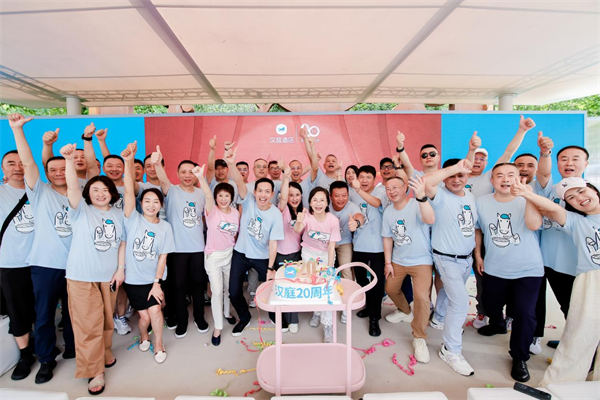
Core Insights - Hanting Hotels, under Huazhu Group, has been ranked as the largest hotel brand globally by room count, with 359,475 rooms, according to the 2024 "Top 50 Hotel Brands" list by HOTELS magazine [1] - The brand celebrated its 20th anniversary with a unique event at Nanjing Hongshan Forest Zoo, showcasing its evolution and the launch of its 4.0 product line [2][4] Brand Evolution - Hanting Hotels has undergone continuous evolution over the past 20 years, becoming a beloved choice among Chinese consumers [9][10] - The 4.0 version of Hanting emphasizes a warm and efficient multi-functional space, featuring self-service options and modern amenities to enhance guest experience [12][13] Customer-Centric Innovations - The 4.0 rooms are equipped with high-quality mattresses and eco-friendly toiletries, addressing the fundamental needs of travelers for comfort and hygiene [13] - Hanting has introduced local breakfast options and a focus on regional flavors, catering to the culinary preferences of Chinese guests [13][17] Market Positioning - Hanting has expanded its footprint to over 4,200 locations across more than 1,000 cities in China, serving over 150 million guests annually, making it the largest single hotel brand in the country [27] - The brand's model is designed to be cost-effective and efficient, utilizing modular construction techniques to reduce costs and construction time [28][29] Operational Efficiency - Hanting's operational model includes a low staff-to-room ratio, optimizing labor costs while maintaining service quality [29] - The brand leverages digital tools for cost management, enhancing profitability and operational efficiency across its locations [29] Brand Recognition - Hanting has established itself as a trusted choice for travelers, embodying a sense of comfort and respect for its guests, while also being recognized as a stable investment option in the hotel industry [27][30]

日用玻璃行业绿色转型蹄疾步稳
Xiao Fei Ri Bao Wang· 2025-07-25 03:38
Group 1 - The technical review meeting in Anyang, Henan, approved the group standard for "Design Specification for All-Oxygen Combustion Glass Kilns," which is expected to promote green development in the daily glass industry [1] - The daily glass industry in China has been actively exploring paths for green productivity, achieving comprehensive transformation in energy and product structures [2] Group 2 - The Ministry of Ecology and Environment issued a notice in 2019 to enhance the elimination of backward production capacity and non-compliant industrial kilns, accelerating the clean and low-carbon replacement of fuels [3] - Yongsheng Glass Technology Co., Ltd. was the first in the country to complete the upgrade to "electricity instead of coal," directly replacing gas-fired kilns with electric melting glass kilns [3] - The domestic technology for electric melting glass kilns has rapidly advanced, with companies like Huafu Glass achieving significant improvements in green production [3] Group 3 - Huafu Glass has established a research and development team of over 30 people and partnered with well-known universities to enhance its R&D capabilities [6] - The all-electric melting kiln designed by Huafu Glass can produce 96 tons of glass daily, with a power consumption of only 0.8 kilowatt-hours per kilogram of glass liquid, which is a reduction of 0.2 kilowatt-hours compared to traditional electric melting furnaces [6] Group 4 - Lightweight bottles can achieve over 20% weight reduction and more than 15% energy savings compared to non-lightweight products, effectively reducing energy consumption and costs [7] - Huaxing Glass, located in Putian, Fujian, is the largest intelligent lightweight glass packaging manufacturing project globally, producing approximately 140 million beer bottles monthly [7] - Lightweight bottles are being progressively adopted in various sectors, including beer, liquor, condiments, and pharmaceuticals, with significant carbon reduction effects reported [7]