Hua Xia Shi Bao

Search documents
国内油价微涨,国际原油整体需求疲
Hua Xia Shi Bao· 2025-11-12 01:19
Core Viewpoint - Domestic fuel prices in China have increased after two consecutive reductions, with gasoline and diesel prices rising by 125 yuan and 120 yuan per ton respectively, effective from November 10 [3][4]. Price Adjustment Details - The National Development and Reform Commission announced the price increase based on the average price of crude oil over the past ten working days, which was 62.44 USD per barrel, reflecting a change rate of 2.74% [4]. - This marks the 22nd price adjustment in 2025, with a total of seven increases, nine decreases, and six instances of no change throughout the year [4]. Impact on Consumers - The price increase will result in additional costs for consumers, with private car owners expected to pay approximately 5 yuan more for a full tank of 50 liters, and logistics companies facing an increase of about 177 yuan for heavy trucks over a month [5]. International Oil Market Trends - International crude oil prices have shown a weak and fluctuating trend, influenced by OPEC+ decisions to increase production and concerns over supply surplus [6][7]. - The U.S. government shutdown and rising oil inventories have further pressured oil prices, with forecasts suggesting a decline in Brent crude prices to an average of 62 USD per barrel in Q4 2025 and 52 USD in 2026 [7]. Future Price Expectations - Analysts predict a high probability of a price decrease in the next domestic fuel price adjustment due to ongoing supply pressures and weak global demand [8]. - The upcoming pricing cycle may start with a negative change rate, potentially leading to a reduction of around 60 yuan per ton [8][9].



从入股上纬新材到股改,智元机器人资本棋局双线并进
Hua Xia Shi Bao· 2025-11-12 01:18
Core Viewpoint - Zhiyuan Robotics has completed a significant corporate restructuring by changing its company type from a limited liability company to a joint-stock company, indicating a move towards an independent IPO while simultaneously acquiring a listed company platform for strategic advantage [3][4]. Group 1: Corporate Restructuring - Zhiyuan Robotics has officially completed its corporate restructuring, changing its name to Zhiyuan Innovation (Shanghai) Technology Co., Ltd. and its type to a joint-stock company, which prepares it for an independent IPO [4]. - The company has added a new board member, Yao Maoqing, who is a partner and senior vice president, indicating a strengthening of its leadership team [4]. - The speculation about Zhiyuan Robotics' potential reverse merger with Shangwei New Materials has decreased following the completion of its restructuring [5][6]. Group 2: Market Position and Strategy - The company is pursuing a dual strategy of preparing for an independent IPO while also controlling a listed company platform, which could serve as a shortcut to market entry [6]. - The acquisition of Shangwei New Materials allows Zhiyuan Robotics to enhance its supply chain efficiency and gain access to critical resources, including quality material supply, capital support, and customer base expansion [6][7]. - The company has received significant attention from major investors, including Tencent and BYD, and has completed 11 financing rounds, indicating strong market interest [7]. Group 3: Business Development and Orders - Zhiyuan Robotics has secured multiple significant orders, including a 120 million yuan contract with China Mobile and several other projects worth millions, showcasing its growing commercial narrative [8]. - The company has reported a substantial increase in delivery volume, achieving thousands of units delivered from January to September this year compared to the previous year [8]. - Zhiyuan Robotics aims to increase its overseas revenue to over 30% of total income next year, targeting markets with high demand for automation products due to labor shortages [8].

进博会保险“扩圈”!头部险企联合多领域巨头构建产业链新生态
Hua Xia Shi Bao· 2025-11-11 13:49
Core Viewpoint - The eighth China International Import Expo (CIIE) has become a significant platform for domestic insurance companies to expand their ecosystems and seek new business growth opportunities, particularly in the fields of elderly finance, insurance technology, and health management [2][3]. Group 1: Industry Trends - The insurance sector is actively seeking collaboration opportunities at CIIE, marking a shift from being a supporting role to a more prominent position in the event [3]. - The focus on elderly finance has become a key area of interest, with companies aiming to build an ecosystem that integrates insurance protection, health services, and wealth management [3][4]. - The integration of insurance with the health and wellness industry is seen as essential for meeting diverse elderly care needs [3]. Group 2: Company Initiatives - China Pacific Insurance (China Taiping) is upgrading its "big health" strategy to "big health and wellness," leveraging international experiences to enhance its service offerings [2]. - Ping An's subsidiary, Ping An Good Doctor, has announced a deep collaboration with Medtronic to innovate in digital healthcare and traditional medical services [4]. - The insurance industry is exploring its role in the new energy vehicle sector, with a focus on providing comprehensive risk management and financial services for companies expanding overseas [5]. Group 3: Technological Advancements - The insurance industry is increasingly adopting artificial intelligence (AI) technologies to enhance decision-making processes and operational efficiency [6][7]. - AI is transforming traditional actuarial models, enabling better handling of complex data and improving product innovation [8]. - The shift towards dynamic risk assessment, particularly in the context of "insurance for those with pre-existing conditions," is being supported by AI-driven predictive analytics [9].


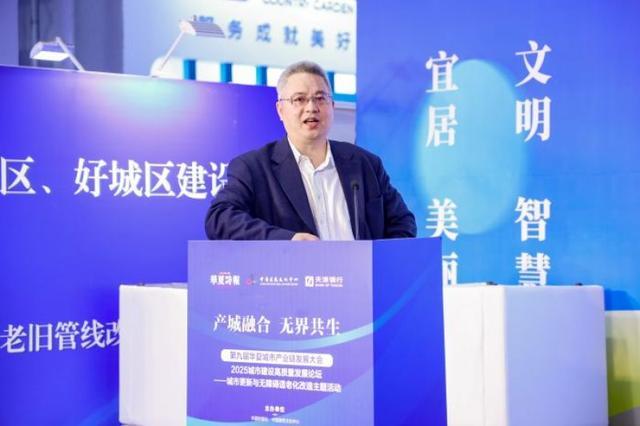
建经咨询董事长黄志挺:懂无障碍,用无障碍,信无障碍 | 2025华夏城市产业链大会
Hua Xia Shi Bao· 2025-11-11 13:33
Core Viewpoint - The development of barrier-free environments in China is gaining momentum, supported by a clear policy framework and practical exploration by market participants, emphasizing the importance of professional consulting in this sector [2][3][5]. Policy Framework - The evolution of barrier-free environment construction has established a clear timeline, marked by significant milestones such as the adoption of relevant conventions in 2006, the implementation of dedicated laws in 2023, and upcoming exhibitions and AI applications in 2025 [2]. - The initiative has been integrated into national development plans and central policy reports, with various ministries providing specific measures to advance the cause [2]. Market Practices - The establishment of a specialized consulting center by the company three years ago has led to participation in multiple national-level projects, incorporating barrier-free initiatives into corporate social responsibility [3]. - The company has extended its consulting services to 1,500 foreign aid projects across 124 countries, leveraging the Belt and Road Initiative to enhance cross-border service capabilities [3]. Consulting Logic - The company's consulting approach includes a comprehensive service loop, defined as "urban physical examination," which encompasses current status surveys, planning, design, evaluation, and satisfaction surveys [4]. - The introduction of specialized design aims to address the industry's current shortcomings in design capabilities, highlighting the importance of cross-disciplinary collaboration [4]. Structural Challenges - The barrier-free consulting industry faces significant structural shortcomings, including an incomplete professional system and the absence of unified industry standards and training materials [4][5]. - The lack of a formalized occupational framework for barrier-free consultants contributes to inconsistent service quality and challenges in achieving scalable and standardized market supply [4]. Proposed Solutions - Strengthening policy rigidity and establishing credit and funding incentive mechanisms are essential for promoting sustainable development in barrier-free construction [5]. - Accelerating the collaborative development of industry standards and creating a systematic technical guide are necessary steps [5]. - Establishing a "barrier-free consultant" professional system through training and case studies is crucial for enhancing professional capabilities [5]. Industry Perspective - The barrier-free initiative is viewed as a long-term endeavor that transcends technical modifications, impacting policy, technology, and social awareness [5]. - The consulting industry plays a vital role in bridging the gap between concepts and implementation, helping to reduce costs and improve adaptation precision [5]. - The shift in the engineering consulting industry from a "price war" to a "value war" reflects a broader trend, with barrier-free consulting focusing on professional depth and innovative models to avoid homogenized competition [5].
3.56 亿元入局浮盈9 亿元!振德医疗净利跌34%,股价却暴涨306%,口罩大王变资本网红?
Hua Xia Shi Bao· 2025-11-11 13:01
Core Viewpoint - The stock price of Zhendemedical surged by 306.26% in two months, raising its market value by over 20 billion yuan, despite a significant decline in net profit and financial concerns [3][5][9]. Group 1: Stock Performance - Zhendemedical's stock price increased from 23.98 yuan per share in early September to 90.27 yuan per share by November 10, marking a year-to-date increase of 323.72% [3]. - The company topped the Shenwan Pharmaceutical and Biological sector with a 60-day increase of 306.26% [3]. Group 2: Financial Performance - In the first three quarters of 2025, Zhendemedical's net profit fell by 33.91%, and cash on hand was insufficient to cover short-term loans [3][9]. - Revenue for the first three quarters of 2025 only slightly increased by 1.88% to 3.184 billion yuan, while the net profit margin decreased by 3.55 percentage points to 6.61% [9]. Group 3: Share Transfer and Market Reaction - A significant stock transfer on September 10, where 5% of shares were sold for 356 million yuan, triggered the stock price surge [5]. - The buyer, Sun Jimu, is a steel magnate with no strong ties to the medical field, which raised market speculation about potential strategic changes [5][11]. Group 4: Business Background - Zhendemedical, established in 1994 and listed in 2018, has five main product lines, including basic care and surgical infection control products [7]. - The company experienced a revenue spike of 456.75% in 2020 due to increased mask demand during the pandemic, but this demand has since declined significantly [7][9]. Group 5: Market Sentiment and Future Outlook - Analysts express caution regarding the sustainability of the stock price increase, emphasizing the need for Zhendemedical to demonstrate real business improvements rather than relying on capital market speculation [11]. - The company is currently in a transitional phase, focusing on expanding product categories and market channels, which requires time and consistent effort [11].


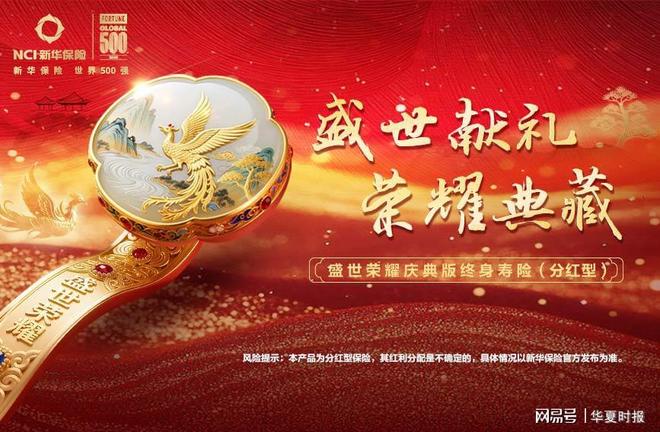
新华保险盛世荣耀庆典版 家庭财富管理的焕新力作
Hua Xia Shi Bao· 2025-11-11 13:00
Core Insights - The article discusses the growing demand for professional and long-term wealth management services among consumers, driven by interest rate cuts and an aging population [2] - It highlights the policy direction provided by the government to support the insurance industry, emphasizing the need for diversified pension security and financial planning [2] - Xinhua Insurance, with 30 years of industry experience, is positioned as a key player in the innovation of participating insurance products [2] Group 1: Product Features - The "Shengshi Glory Celebration Edition" whole life insurance (participating) offers dual-core growth, providing guaranteed benefits and cash value growth while allowing policyholders to share in the company's surplus through dividends [3][4] - The product features flexibility with options for reducing coverage and policy loans, catering to consumers' need for financial planning and stability [3][4] - It includes a high-quality dividend account that ensures stable returns, managed by a professional team, which is essential for effective wealth management [4] Group 2: Investment Strength - Xinhua Insurance boasts total assets exceeding 1.8 trillion yuan, leveraging its strong investment capabilities to provide reliable wealth protection services [5] - As of September 30, 2025, the company reported an annualized total investment return of 8.6% and a comprehensive investment return of 6.7%, maintaining a strong position in the industry [5] - The company emphasizes a long-term value investment approach, balancing traditional strengths with innovative strategies to enhance investment performance [5] Group 3: Social Responsibility - Xinhua Insurance actively responds to national calls by establishing nearly 100 billion yuan in private equity investment pilot funds, achieving a balance of benefits, safety, and liquidity [6] - The company focuses on strategic sectors such as semiconductors, artificial intelligence, and biomedicine, contributing over 1.21 trillion yuan to the real economy [6] - By aligning family wealth management with national development strategies, Xinhua Insurance aims to share the benefits of China's economic transformation and technological advancement with its clients [6] Group 4: Customer Services - Xinhua Insurance integrates various service brands to offer a comprehensive support system for high-end clients, including asset allocation, wealth inheritance, and legal consultation [7] - The company has established a network for health and wellness services, providing professional care and travel options for consumers [7] - Collaborations with top hospitals enable Xinhua Insurance to offer high-quality medical services, ensuring comprehensive protection for clients [7]

国内油价微涨,国际原油整体需求疲软|油市跌宕
Hua Xia Shi Bao· 2025-11-11 12:37
Core Viewpoint - Domestic refined oil prices have increased after two consecutive decreases, with gasoline and diesel prices rising by 125 yuan and 120 yuan per ton respectively, effective from November 10 [2][3]. Price Adjustment Details - The National Development and Reform Commission announced the price increase based on the average price of crude oil over the previous ten working days, which was 62.44 USD per barrel, reflecting a change rate of 2.74% [3]. - This marks the 22nd price adjustment in 2025, with a total of seven increases, nine decreases, and six instances of no change throughout the year [3][4]. - Year-to-date, gasoline and diesel prices have decreased by 620 yuan per ton and 595 yuan per ton respectively [4]. Impact on Consumers - Following the price adjustment, retail prices for diesel range from 6.6 to 6.8 yuan per liter, while 92-octane gasoline is priced between 6.9 and 7.0 yuan per liter [4]. - For private car owners, filling a 50L tank will cost an additional 5 yuan, leading to an estimated increase of 7 yuan in fuel costs for a vehicle running 2,000 kilometers per month [4]. - In the logistics sector, a heavy truck running 10,000 kilometers per month will see an increase of approximately 177 yuan in fuel costs before the next price adjustment [4]. International Oil Market Trends - International crude oil prices have shown a weak and fluctuating trend, with OPEC+ members deciding to increase production targets, raising concerns about oversupply [5][6]. - The U.S. government shutdown and rising crude oil inventories have further pressured oil prices downward [5][6]. - Analysts predict that global oil inventories will continue to rise, exerting downward pressure on prices, with Brent crude expected to average 62 USD per barrel in Q4 2025 and drop to 52 USD in 2026 [6]. Future Price Expectations - The next round of domestic refined oil price adjustments is anticipated to be downward due to a pessimistic outlook on international oil prices and ongoing oversupply concerns from OPEC+ [7]. - Analysts suggest that the seasonal decrease in U.S. refinery demand and the increase in crude oil inventories will contribute to this expected price reduction [7][8]. - The overall sentiment indicates that while diesel demand remains stable, gasoline lacks strong support, leading to a forecast of weak fluctuations in gasoline prices [8].

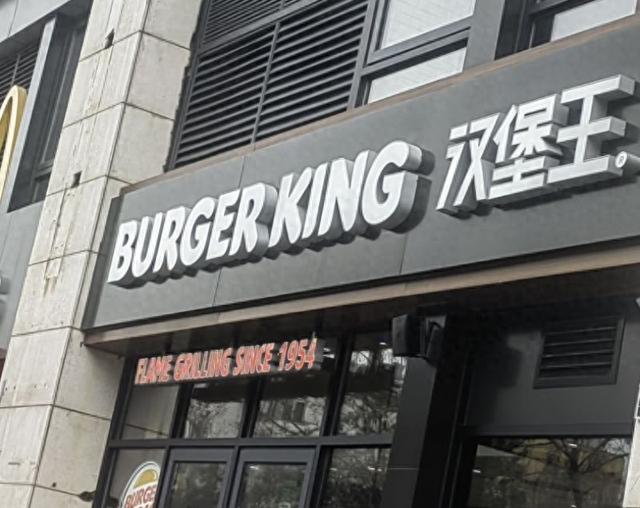
关店潮下最后一搏!看汉堡王中国的“新主人”如何止跌
Hua Xia Shi Bao· 2025-11-11 12:36
Core Viewpoint - Burger King's strategic partnership with CPE Yuanfeng aims to revitalize its operations in China, where it has faced significant challenges in recent years [1][5]. Group 1: Partnership Details - CPE Yuanfeng will hold approximately 83% of the newly formed joint venture, Burger King China, while RBI retains about 17% [2]. - CPE Yuanfeng is set to inject $350 million into Burger King China to support restaurant expansion, marketing, menu innovation, and operational improvements [2][4]. - A 20-year master development agreement will grant Burger King China exclusive rights to develop the brand in China [2]. Group 2: Market Challenges - Burger King has struggled in the Chinese market, with a reduction in store count and issues such as unpaid employee wages [1][5]. - The competitive landscape includes major players like KFC and McDonald's, as well as local brands like Wallace and Tastin, which are rapidly expanding [1][6]. - The company plans to increase its store count from approximately 1,250 to over 4,000 by 2035, aiming for an annual increase of 275 stores [5][6]. Group 3: CPE Yuanfeng's Role - CPE Yuanfeng has extensive experience in the consumer sector, having invested around 10 billion in various leading companies [4]. - The focus will be on product upgrades, brand marketing, store expansion, online channel restructuring, digital system development, and financial optimization [4]. Group 4: Industry Dynamics - The fast-food sector in China is under pressure from both Western and local brands, with significant growth from Chinese fast-food chains like Laoxiangji and Xiangcunji [7]. - The rapid expansion of local brands poses a challenge for Western fast-food chains, necessitating quicker decision-making and adaptation to market changes [7].

“万亿俱乐部”三季报出炉:腰部城市长沙反超无锡,东北有望迎来首个万亿城市
Hua Xia Shi Bao· 2025-11-11 12:34
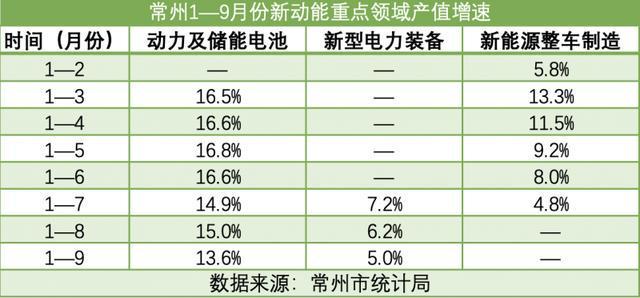
Core Insights - The economic growth of cities with GDP exceeding 1 trillion yuan shows a mixed performance, with 19 out of 27 cities outpacing the national average growth rate of 5.2% in the first three quarters of the year [2] - The city of Changzhou, known as the "capital of new energy," has experienced a slowdown in growth, achieving a rate of 5.2%, which is on par with the national average, despite maintaining a steady growth rate of 5.8% in previous periods [2][6] - The competition among "mid-tier cities" is intensifying, with cities like Nanjing, Ningbo, and Tianjin facing growth pressures, while cities like Changsha and Wuxi are in close competition for GDP rankings [3][4] Economic Performance of Key Cities - Shanghai, Beijing, and Shenzhen are leading with GDP totals of 4 trillion, 3.8 trillion, and 2.8 trillion yuan, respectively, and growth rates of 5.5% to 5.6% [2] - Nanjing's GDP growth is at 5.2%, while Ningbo and Tianjin lag behind at 5% and 4.7% respectively, indicating a struggle to meet growth targets [3] - Changsha and Wuxi are closely matched, with Changsha's GDP at 11,959.9 billion yuan and Wuxi at 11,885.74 billion yuan, both showing a growth rate of 5% [3] New Energy Sector Insights - The new energy vehicle manufacturing sector in Changzhou has seen an 8.3% growth in output, contributing 14.4% to the city's industrial output growth [6] - Despite the growth in new energy products, including solar cells and lithium-ion batteries, Changzhou's new energy sector is facing a decline in growth rates, particularly in the battery sector, which dropped from over 16% to 13.6% [6] - The overall new energy market is transitioning from rapid expansion to a focus on high-quality development, with retail sales of new energy passenger vehicles showing a year-on-year increase of 7.3% in October [7] Emerging Cities and Future Projections - Emerging cities like Wenzhou, Xuzhou, and Dalian are showing stable economic growth rates above 6%, positioning them to potentially cross the 1 trillion yuan GDP threshold by 2025 [7] - The number of cities in China with GDP exceeding 1 trillion yuan is expected to reach 30 by 2025, with the Northeast region likely to see its first trillion-yuan city [7]
10月CPI同比由降转升,物价数据释放经济回暖积极信号
Hua Xia Shi Bao· 2025-11-11 12:34
Group 1 - The core viewpoint of the articles indicates a slight recovery in pork prices in October, with the average wholesale price of white strip pork in Beijing's Xinfadi market decreasing to 14.9 yuan/kg from 15.40 yuan/kg at the end of October, despite a small increase earlier in the month [2][5] - The Consumer Price Index (CPI) showed a month-on-month increase of 0.2% and a year-on-year increase of 0.2% in October, marking a recovery from a 0.3% decline in September, driven by factors such as the National Day and Mid-Autumn Festival consumption [2][6] - The Producer Price Index (PPI) also showed positive changes, with a year-on-year decline of 2.1% in October, but the rate of decline narrowed by 0.2 percentage points compared to the previous month, indicating a potential turning point in price trends [3][8] Group 2 - The increase in the average daily market supply of white strip pork in late October contributed to a "small spring" for pork prices, with a year-on-year increase of 15.48% in daily supply [5] - The overall food prices performed better than seasonal expectations, with pork prices down 16.0% year-on-year, impacting CPI by approximately 0.23 percentage points, while the declines in egg and fresh vegetable prices also narrowed [6][9] - The PPI's first month-on-month increase of 0.1% in October is attributed to improved supply-demand relationships in certain industries and rising prices in sectors such as coal mining and photovoltaic equipment manufacturing [8][9]